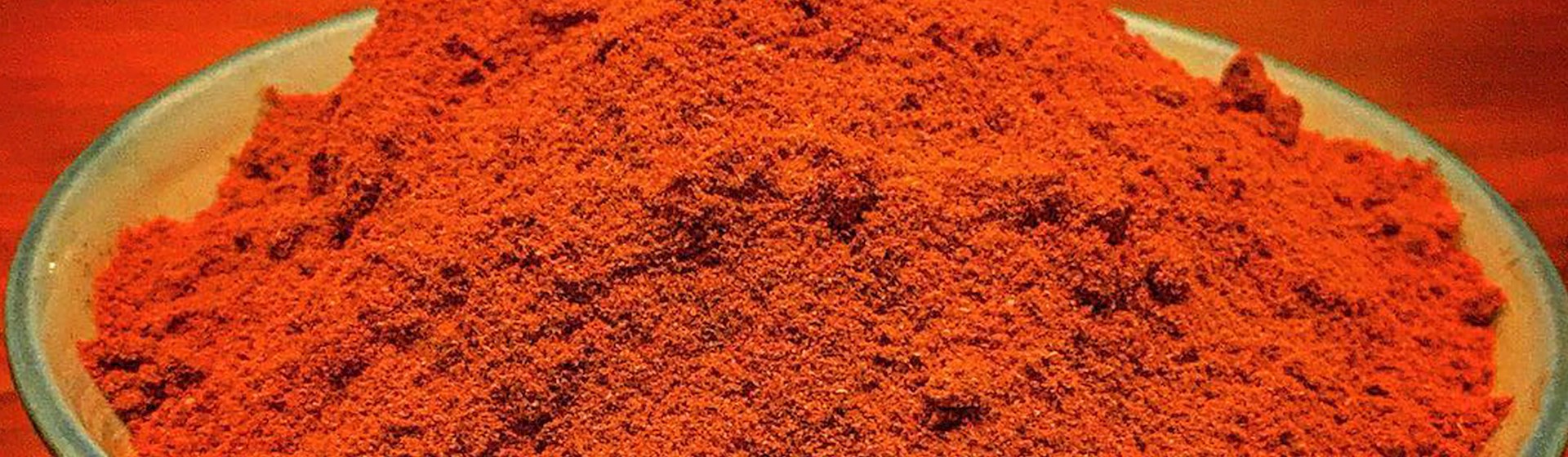
Berbere is deep-red chili seasoning and one of the main flavor bases of Ethiopian and Eritrean cooking, used in meat stews, lentils, sauces, marinades, and spicy vegetable dishes. Dried red chilies form its foundation, but the blend is much more complex than simple chili powder. Common additions include fenugreek, coriander, ginger, garlic, korarima or Ethiopian cardamom, ajwain, nigella, cloves, and black pepper, while some mixtures also contain cumin, cinnamon, rue, or aromatic local herbs. There is no single formula, and the balance changes between regions, households, and commercial producers. Berbere in its present form could only have developed after Capsicum peppers reached Ethiopia from the Americas, probably during the 17th century. Ethiopian cooks incorporated them into an already established spice culture based on ingredients such as ginger, fenugreek, coriander, ajwain, and korarima, gradually producing the characteristic seasoning now associated with the country’s red stews. This combination explains why berbere contributes far more than heat: fenugreek provides bitterness and earthiness, coriander adds a citrus-like warmth, korarima contributes a fragrant herbal note, and ginger, garlic, cloves, and other spices build depth around the chili. Making berbere begins with ripe red peppers that are dried thoroughly before grinding. Whole spices are cleaned and may be lightly toasted to intensify their aroma, while garlic, ginger, or onion can be dried and incorporated into the mixture. Everything is then ground into a fine powder ranging from brick red to deep reddish brown. Some blends are aggressively hot, while others contain enough aromatic spice to produce a warmer and more rounded flavor. Berbere is especially important in key wat, the red branch of Ethiopian stew cooking. Doro wat, misir wat, siga wat, and other dishes gain their characteristic color and heat from the seasoning, while milder yellow alicha stews use little or no berbere. It can also be combined with liquid and other seasonings to make awaze, used on sautéed meats such as tibs, or added to pulses and vegetables. Berbere is usually cooked with onions and fat rather than sprinkled heavily over finished food; slow heating softens the raw chili edge and allows the spices to spread throughout the sauce. Injera is its most natural partner because the bread’s sourness balances highly seasoned stews, while ayib, split peas, potatoes, cabbage, and greens provide milder contrasts. Beef, lamb, and chicken can support stronger blends particularly well. Berbere-seasoned foods are eaten throughout Ethiopia and Eritrea in everyday meals as well as larger communal dishes, and drinks such as tella, beer, or water work well alongside them, while tej suits richer meat preparations.
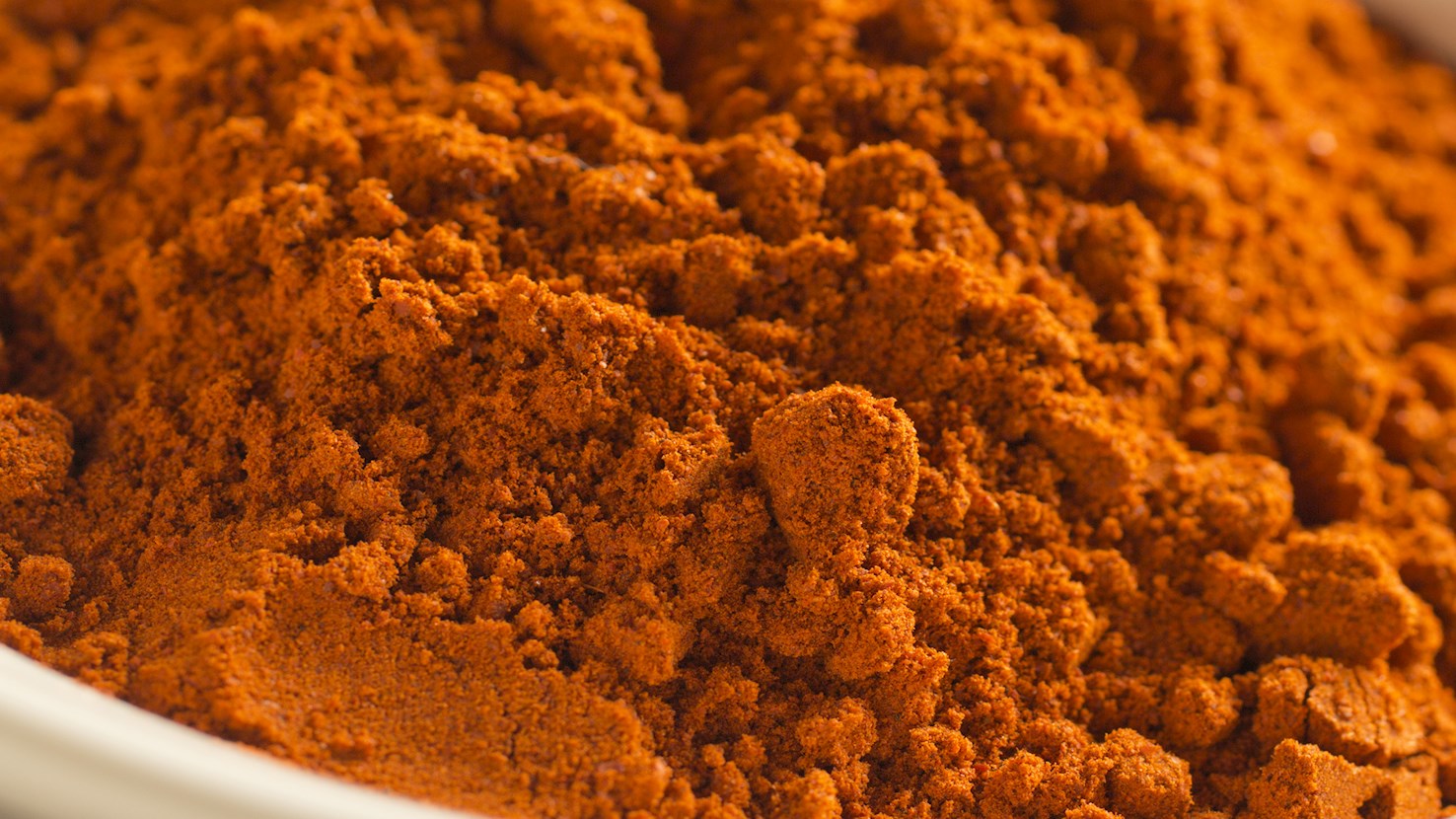
Mitmita is a hot spice blend made mainly from dried chilies, korarima, cloves, and salt, with a particularly strong association with kitfo and Gurage cooking. It is usually ground to a fine orange-red or deep red powder and has a more concentrated profile than many other Ethiopian seasonings. Small, intensely hot peppers provide the base, while korarima contributes a warm, slightly floral aroma and cloves add a sweet, pungent note; depending on the household or producer, ginger, cinnamon, ajwain, or other spices may also be included. The blend could only have developed after Capsicum peppers reached Ethiopia from the Americas, but there is no documented single place or date for its creation. Over time, it became closely linked with dishes in which the seasoning is mixed directly into food rather than simmered for a long period, especially finely chopped beef. To make mitmita, dried chilies and whole spices are cleaned and may be lightly toasted before grinding, then combined with salt into a very fine powder. The precise proportions vary, but chili normally dominates, while the aromatic spices remain noticeable in the background. Its best-known use is in kitfo, where mitmita is mixed with finely chopped beef and niter kibbeh, giving the meat both heat and fragrance without covering its flavor completely. It can also season tibs and other meat dishes, be added to legumes, or be served separately at the table so that diners can adjust the intensity of a meal themselves. Mitmita differs from berbere not simply in strength but also in function: berbere usually forms part of a cooked sauce or stew base, while mitmita is especially suited to direct seasoning and finishing. Because it is potent and often already salted, relatively small amounts are normally sufficient. Mild accompaniments are common alongside foods seasoned with mitmita, particularly ayib, cooked greens, and kocho, all of which soften its intensity while leaving the aroma of the spice blend clear. Injera is also widely served with mitmita-seasoned dishes outside Gurage-specific settings. The blend is used throughout Ethiopia, particularly wherever kitfo and strongly seasoned beef dishes are popular, and it appears in both restaurant meals and larger communal spreads. Beer, tej, or water can accompany meat dishes seasoned with mitmita, while coffee is often served afterward.
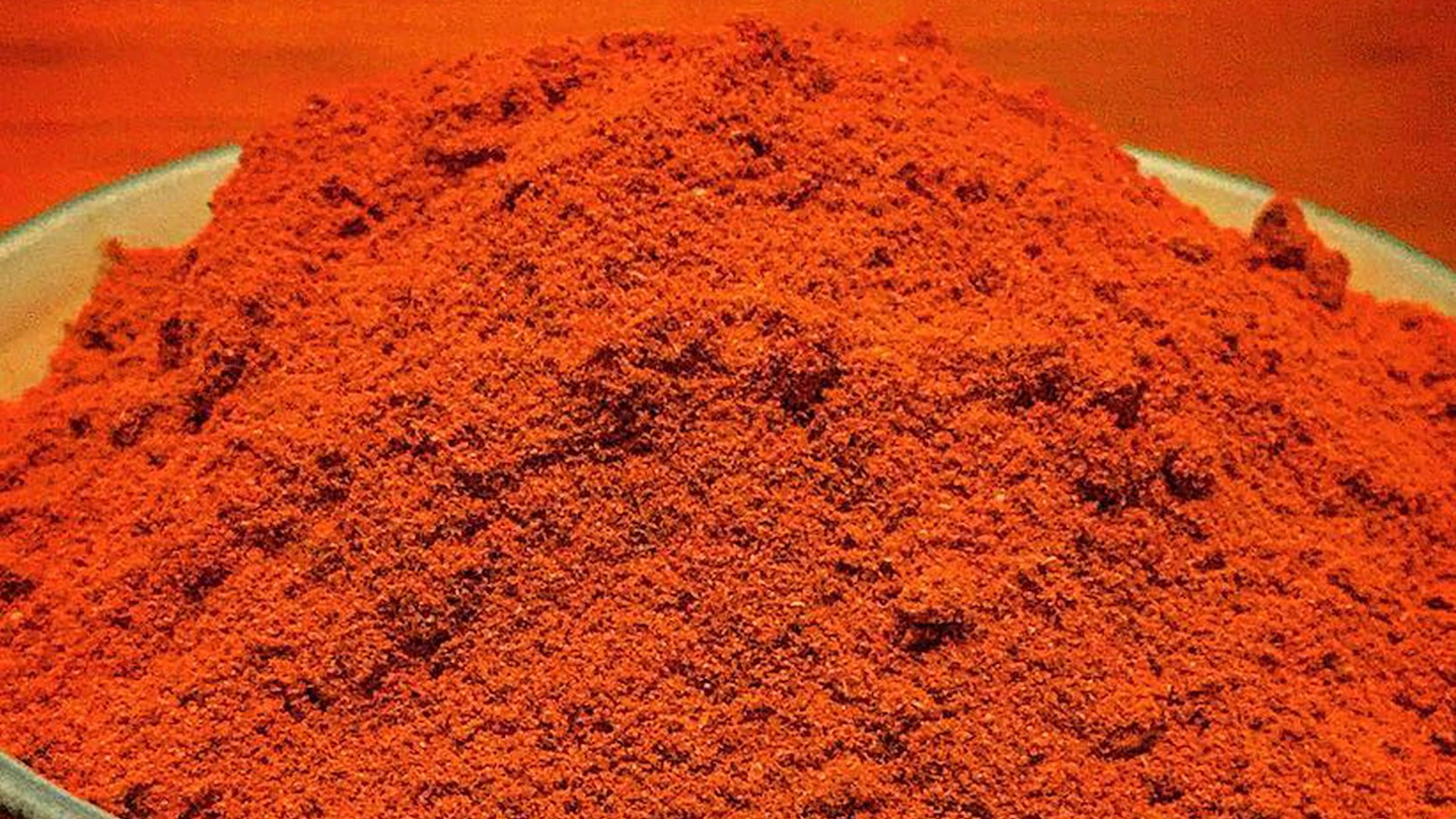
Harari mitmita is a fiery, finely ground chili seasoning used in Harar and eastern Ethiopia, where small amounts are added to meat, bread, eggs, and other foods for an immediate burst of heat and spice. It belongs to the wider Ethiopian family of mitmita blends rather than being an entirely separate Harari invention, and published sources do not establish Harar as the birthplace of mitmita; what distinguishes the Harari context is the place the seasoning occupies within a cuisine particularly fond of hot peppers, aromatic spices, meat, and strongly seasoned accompaniments. Mitmita is documented across Ethiopia as a red-orange powder based on very hot dried bird’s-eye chilies, with korarima, the Ethiopian cardamom, cloves, and salt forming its usual aromatic core, while cinnamon, ginger, cumin, and other spices may appear according to region and household. Harar has long been an important commercial center linking the Ethiopian interior with the Red Sea and Somali regions, and spices have consequently held a prominent place in the city’s food culture; contemporary accounts from Harar specifically record mitmita being eaten with bread-based dishes and used to season camel meat. To make the blend, dried hot chilies are combined with the aromatic spices and ground into a very fine powder, sometimes after briefly dry-toasting the whole spices to release their aroma. The proportion of chili is considerably higher than in berbere, giving mitmita a more direct and concentrated heat, while korarima and cloves contribute its characteristic warm, penetrating aroma. Unlike berbere, which is frequently cooked into stews and sauces, mitmita often reaches the food at the end: it can be sprinkled directly over cooked or raw meat, placed on the table as a dry condiment, mixed with butter or other seasonings, or touched onto pieces of bread a little at a time. In Harar, this makes it well suited to the city’s meat-heavy dishes and breads, including cooked or raw beef and camel, as well as fetira and other foods that benefit from a sharp chili seasoning. Its fine texture is important because even a small pinch distributes substantial heat, so it is generally used more sparingly than milder spice mixtures. Mitmita is eaten throughout Ethiopia, but in Harar it fits naturally into the broader eastern Ethiopian preference for highly seasoned meat, breads, and chile-based condiments. It pairs especially well with fatty beef or camel meat, injera or other local breads, eggs, and mild dairy foods such as yogurt, whose richness softens the chili heat; with a Harari meal, tea or coffee makes a natural beverage accompaniment, although neither is specifically tied to mitmita itself.
Korarima, often called Ethiopian cardamom or false cardamom, is an aromatic spice from the ginger family and one of Ethiopia’s most distinctive native seasonings. It is obtained from the seeds of reddish-brown capsules produced close to the ground by a perennial plant that thrives in humid, shaded environments. The species occurs naturally in parts of East Africa, but Ethiopia is its main center of cultivation and culinary use, especially in the forested south and southwest, including Kafa, Sheka, Jimma, Bench-Sheko, Gofa, and South Omo. Wild and cultivated populations occur side by side, and botanical research indicates that the crop was domesticated in Ethiopia, where it has long been gathered from forests as well as maintained in home gardens and agroforestry systems. The fruits are harvested when mature and then dried, after which the seeds are removed from the capsules and stored whole or ground as needed. Keeping the spice in its pod or as whole seeds helps preserve its volatile oils for longer periods, while freshly crushed korarima gives the strongest fragrance. Its flavor is warm, pungent, slightly resinous, and mildly citrus-like, with some samples showing a fresh eucalyptus-like note due to compounds such as 1,8-cineole. Despite the common comparison, it is not the same plant as green cardamom and has a noticeably different flavor profile. In Ethiopian cooking, korarima is usually used in small quantities and often forms part of more complex seasoning systems. It can be ground into berbere and mitmita, infused into niter kibbeh, or added directly to meat, lentils, sauces, and bread. It is especially closely associated with kitfo, where it complements mitmita and seasoned butter without overwhelming the flavor of the beef. The spice is also used to flavor coffee and tea, usually by crushing a small amount and adding it during brewing. Beyond the kitchen, korarima is an important market crop in southwestern Ethiopia, where forest-based production provides income for rural households and encourages the maintenance of shaded woodland environments. Whole dried capsules are commonly sold in local markets because they travel and store better than pre-ground spice. Korarima is used throughout Ethiopia and in Eritrea, although its strongest agricultural connection remains with Ethiopia’s wetter southwestern regions. It pairs particularly well with beef, lamb, lentils, clarified butter, and roasted coffee, and its role is generally supportive rather than dominant, adding depth and fragrance to foods built around stronger ingredients such as chili, onions, and meat.
TasteAtlas food rankings are based on the ratings of the TasteAtlas audience, with a series of mechanisms that recognize real users and that ignore bot,
nationalist or local patriotic ratings, and give additional value to the ratings of users that the system recognizes as knowledgeable.
TasteAtlas Rankings should not be seen as the final global conclusion about food. Their purpose is to promote excellent local foods,
instill pride in traditional dishes, and arouse curiosity about dishes you haven’t tried.





What People Say