Njansa is a spice native to tropical Africa, used in West and Central African cuisine, particularly in countries like Cameroon, Nigeria, Ivory Coast, and Ghana. The spice comes from the seeds of a tree scientifically named Ricinodendron heudelotii. The njansa tree produces a fruit that, when ripe, splits open to reveal an inner seed. This seed is typically dried in the sun and can be used whole, crushed, or ground as a flavoring in a variety of dishes. Njansa seeds have a flavor profile that can be described as a mix of nutty, spicy, and bitter. They are often used in soups, stews, and sauces to add a unique depth of flavor. They're also sometimes combined with other spices to create unique blends for various recipes. Additionally, the seeds have a high oil content and can be processed to extract edible oil. Beyond their culinary uses, njansa seeds are also known for their medicinal properties in traditional African medicine.
Suya spice, also known as Yaji, is a flavorful and aromatic spice blend traditionally used in West African cuisine, particularly in Nigeria, Ghana, and Cameroon. It is a key ingredient in making Suya, a popular street food that consists of skewered, grilled meat, usually beef, chicken, or goat, seasoned with this distinctive spice mix. Suya spice gives the meat its characteristic fiery, nutty, and savory flavor. The spice blend typically includes ground peanuts as the base, providing a nutty flavor and texture, along with cayenne pepper or chili powder for heat, paprika for a mild, smoky flavor, ginger powder for warmth and a hint of sweetness, garlic powder for a savory, pungent flavor, and onion powder to enhance the overall depth of taste. Bouillon powder is sometimes added for an umami, savory boost, and salt is used to balance and enhance the flavors. The ingredients are blended together to form a coarse, dry mixture. The spice blend is then rubbed generously onto the meat, sometimes with a bit of oil to help it adhere, before the meat is skewered and grilled over an open flame. Suya spice can also be used to season vegetables or as a dry rub for other grilled or roasted dishes. Known for its bold and complex flavor profile, Suya spice is a beloved seasoning in West African cuisine. Its unique combination of heat, nuttiness, and savory elements sets it apart from other spice blends, making it a staple in many households and a popular choice for street food vendors.
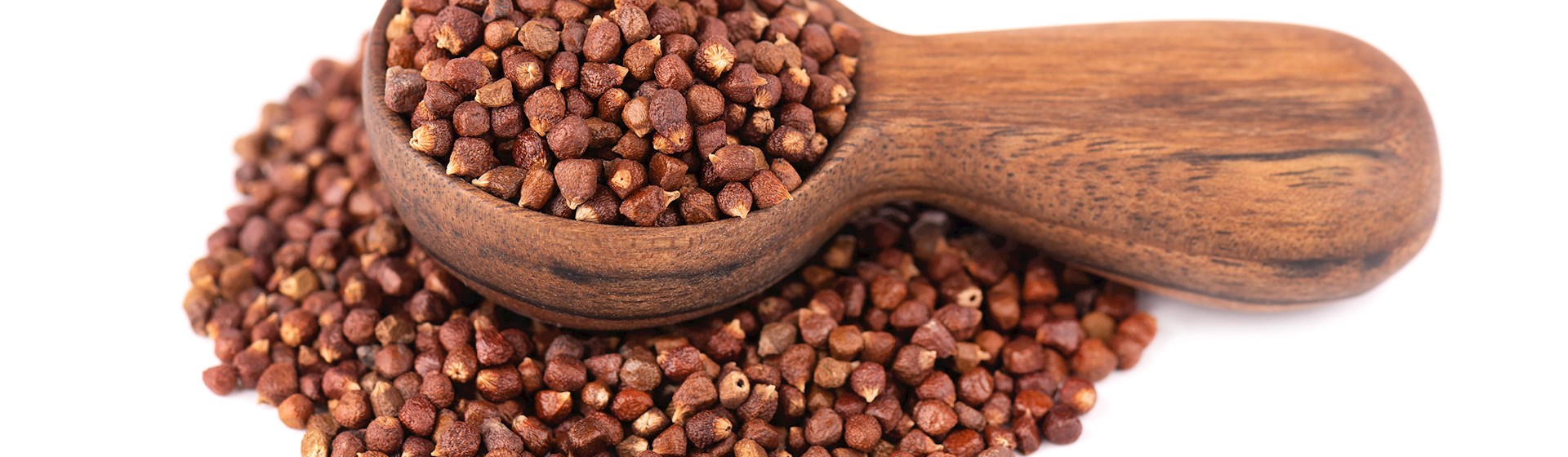
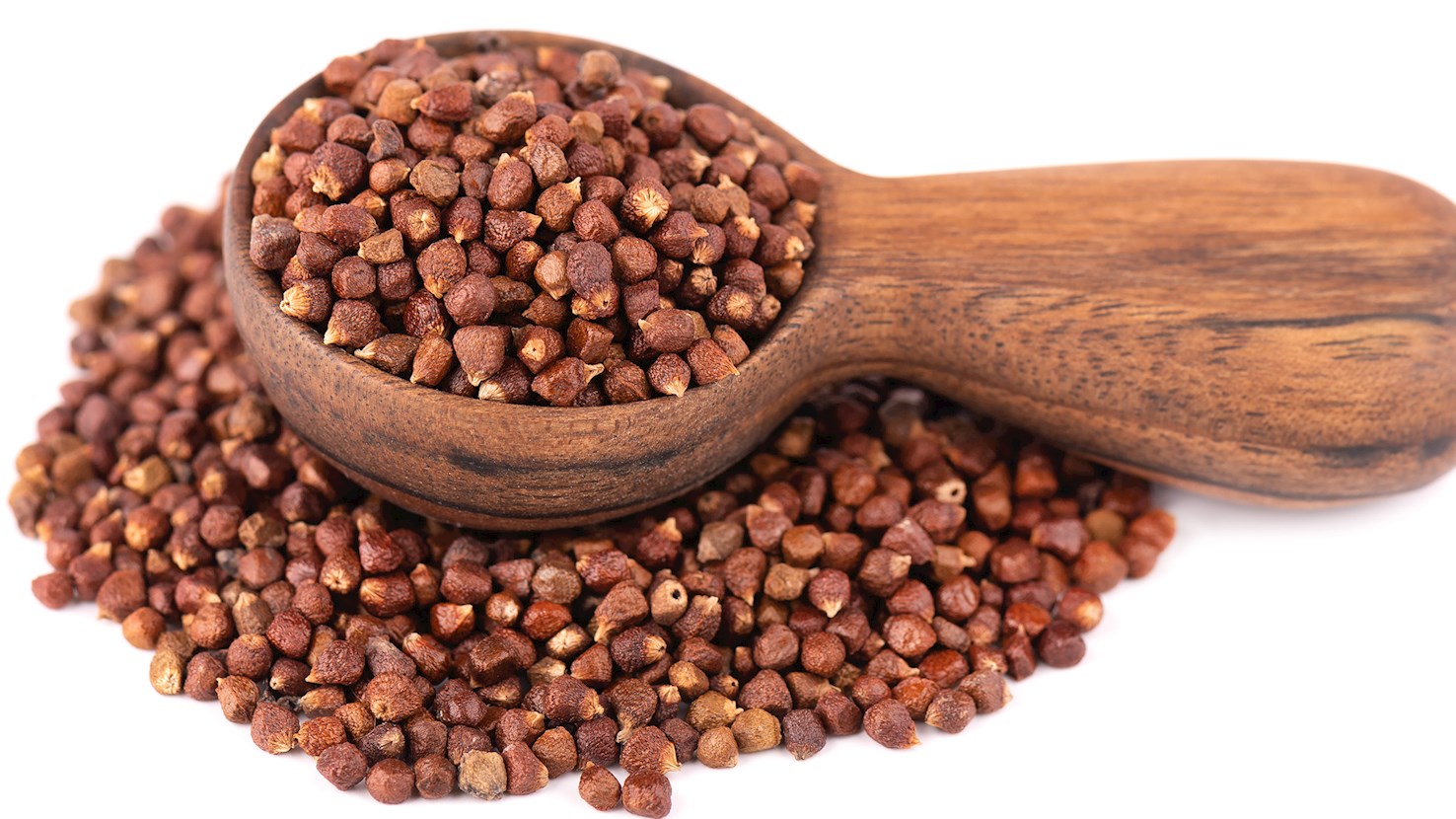
Alligator pepper is a spice that's native to West Africa. It is a close relative of cardamom and shares the same family with ginger. The name "alligator pepper" comes from the appearance of the seed pods, which look somewhat like the rough, bumpy skin of an alligator. Alligator pepper is used in a variety of cultural and culinary contexts in West Africa. The small, brown seeds are often used whole or ground into a powder for use in soups, stews, and other dishes, providing a spicy, slightly bitter flavor. Alligator pepper is also used in traditional medicine and has cultural significance in certain ceremonies and rituals. While it's commonly used in West Africa, alligator pepper is less well-known in other parts of the world and may be difficult to find outside of specialty or international food stores. In terms of flavor, it's sometimes compared to grains of paradise, a related spice that's more widely available internationally.
Irú or sumbala (known by many other names) is a fermented seasoning that has long been used by various tribes in Western Africa, especially those populating the territories of Nigeria, Burkina Faso, Niger and Ghana. It is prepared by fermenting and processing locust beans (Parkia biglobosa), and may come in both fresh and dried version, either whole or mashed. The seasoning’s signature pungent aromas, often described as reminiscent of bad body odor and smelly feet, come from the tannins that develop during the fermentation process. Despite its incredibly strong smell, the seasoning is still extensively used to flavor a great variety of traditional stews and soups such as okro soup, efo riro stew, ewedu soup, egusi soup, gbegiri soup, and ogbono soup, bebenda, among others.
TasteAtlas food rankings are based on the ratings of the TasteAtlas audience, with a series of mechanisms that recognize real users and that ignore bot,
nationalist or local patriotic ratings, and give additional value to the ratings of users that the system recognizes as knowledgeable.
TasteAtlas Rankings should not be seen as the final global conclusion about food. Their purpose is to promote excellent local foods,
instill pride in traditional dishes, and arouse curiosity about dishes you haven’t tried.





What People Say