Mayta Jaya Mandiri is an Indonesian company engaged in the production and distribution of various food products. Specializing in traditional Indonesian snacks and ingredients, the company is known for offering high-quality products such as fried shallots, spices, and other culinary essentials. Mayta Jaya Mandiri focuses on providing authentic flavors, aiming to deliver a premium experience of Indonesian cuisine to its customers. With a commitment to quality and excellence, the company has become a trusted name in the food industry.
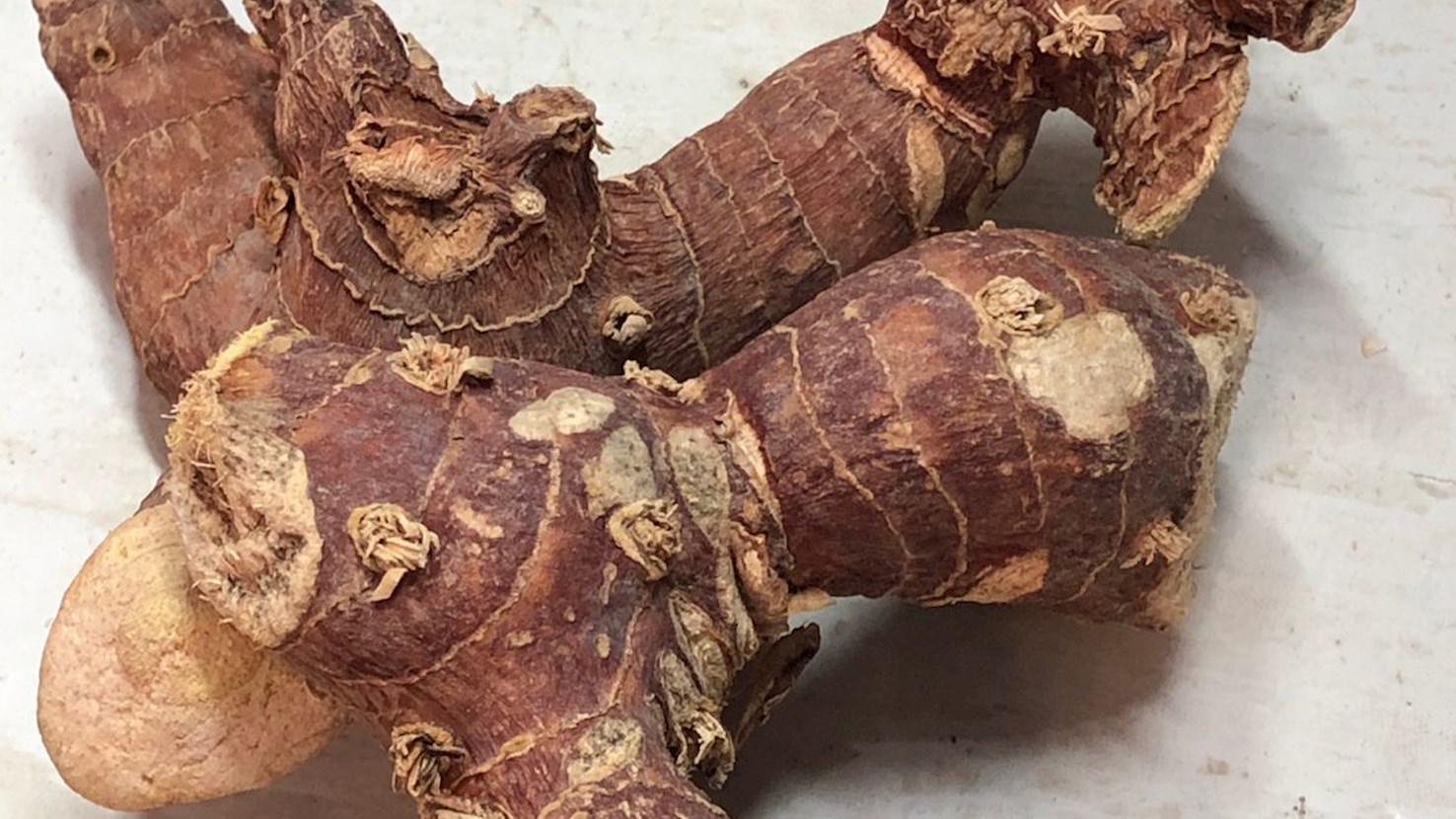
Argo Pandan Wangi is a premier Indonesian company specializing in the production and export of high-quality dried galangal. Their flagship product is meticulously harvested and processed to preserve its distinctive flavor and aroma, ensuring an unparalleled culinary experience. The company is committed to sustainable farming practices and supports local farmers, reflecting their dedication to social responsibility. By choosing Argo Pandan Wangi, customers receive top-quality galangal while contributing to the well-being of local communities and the environment.
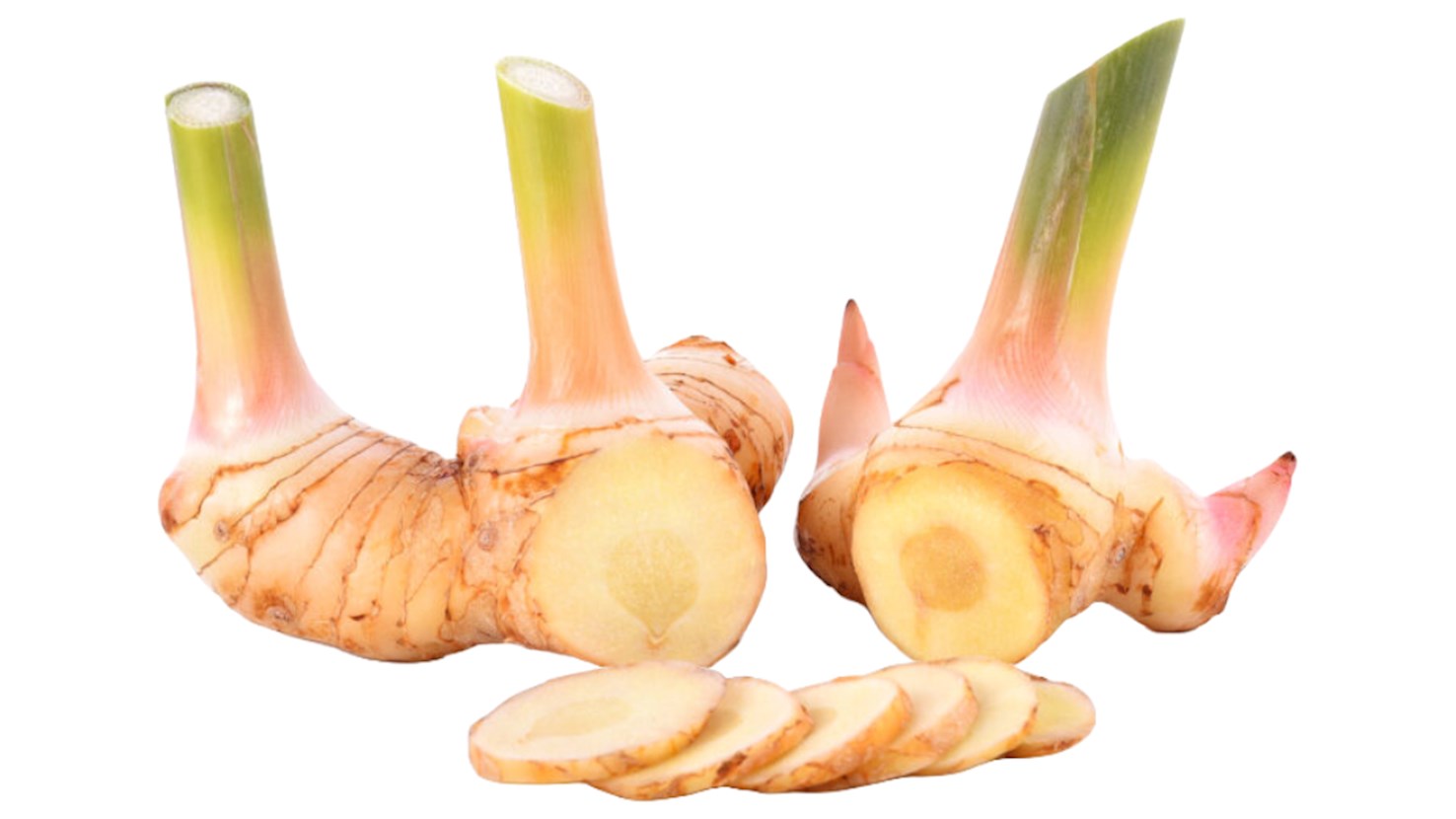
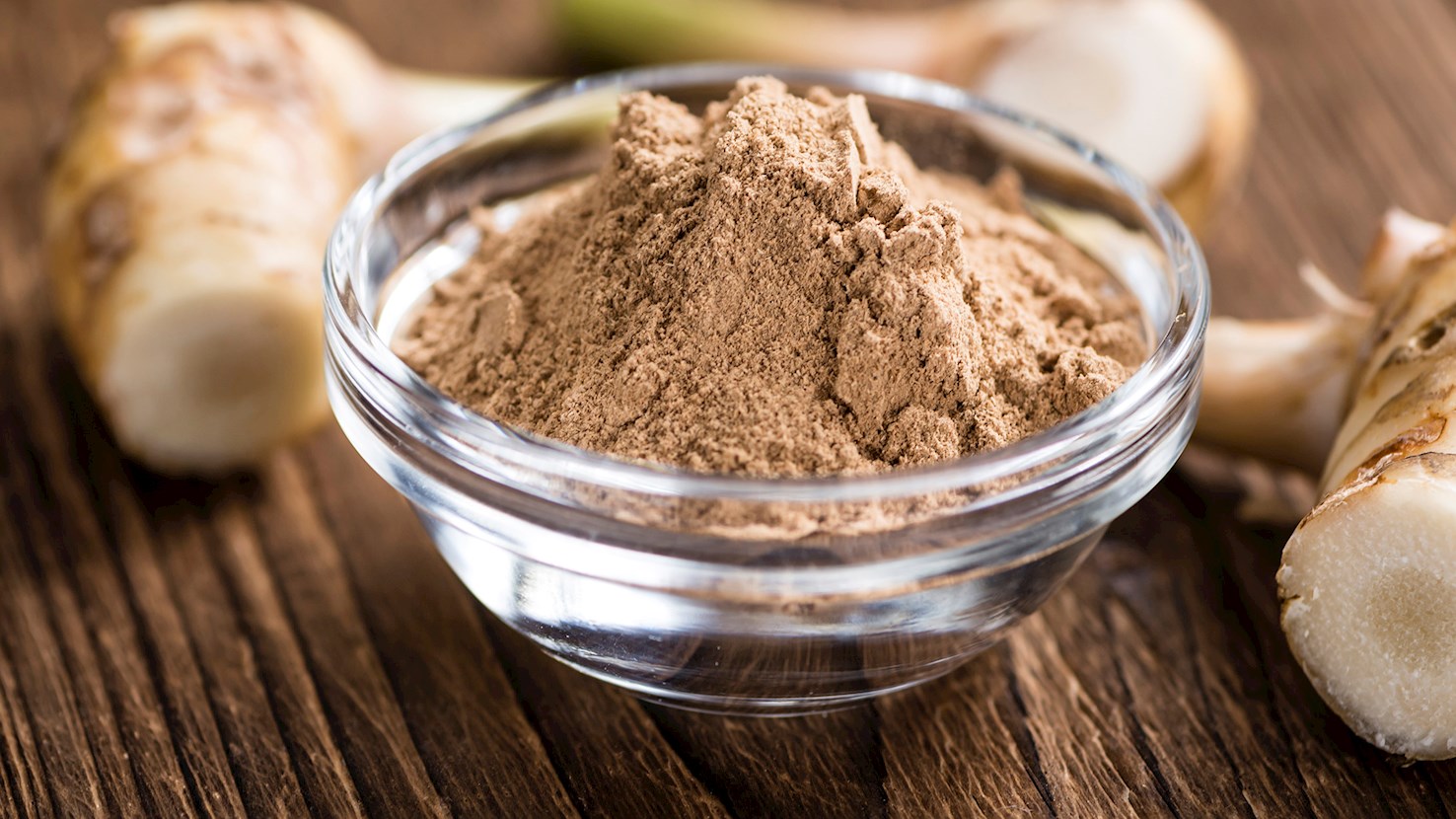
Galangal is a ginger-like root that is widely used in Thai and Indonesian cuisine as a flavoring or a spice, characterized by its pungent aroma. There are two varieties of galangal: greater galangal, which is lighter in color and with a more subtle aroma, used mostly in Thai cooking, and lesser galangal, which is native to China. Galangal is hard and woody on the exterior, with a strong citrus scent on the inside. It gives a citrus note to numerous dishes, and it is an important ingredient in Thai curry pastes. Galangal can come in many forms: as fresh root, dried root, or ground into a fine powder. It also has many medicinal properties - it settles the stomach, eases nausea, reduces cramps, and removes toxins from the body.
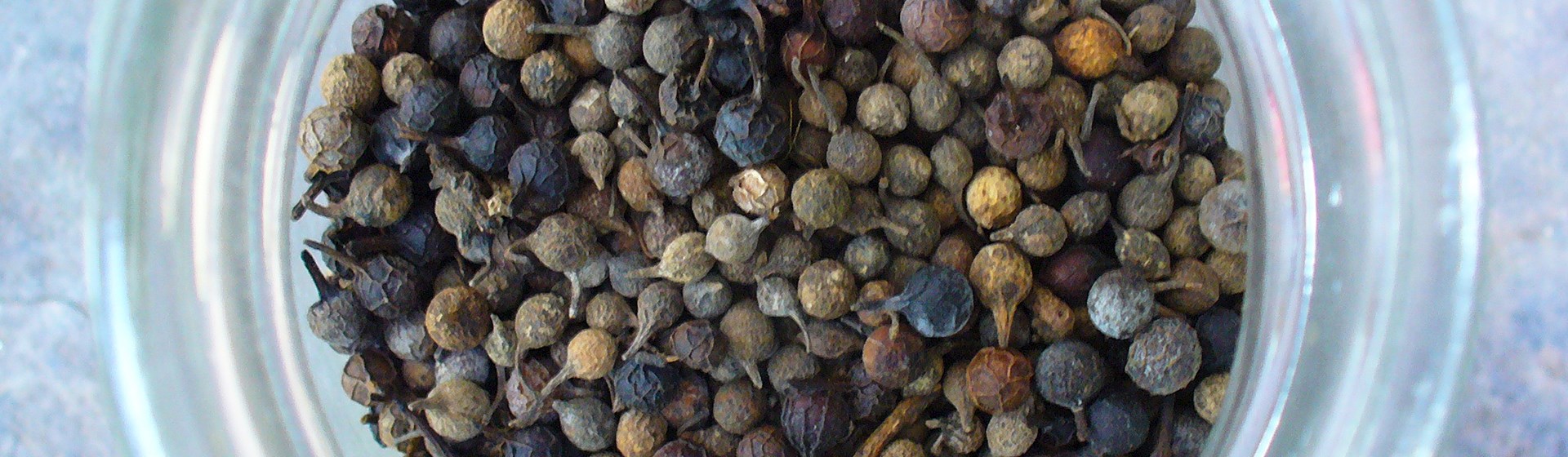
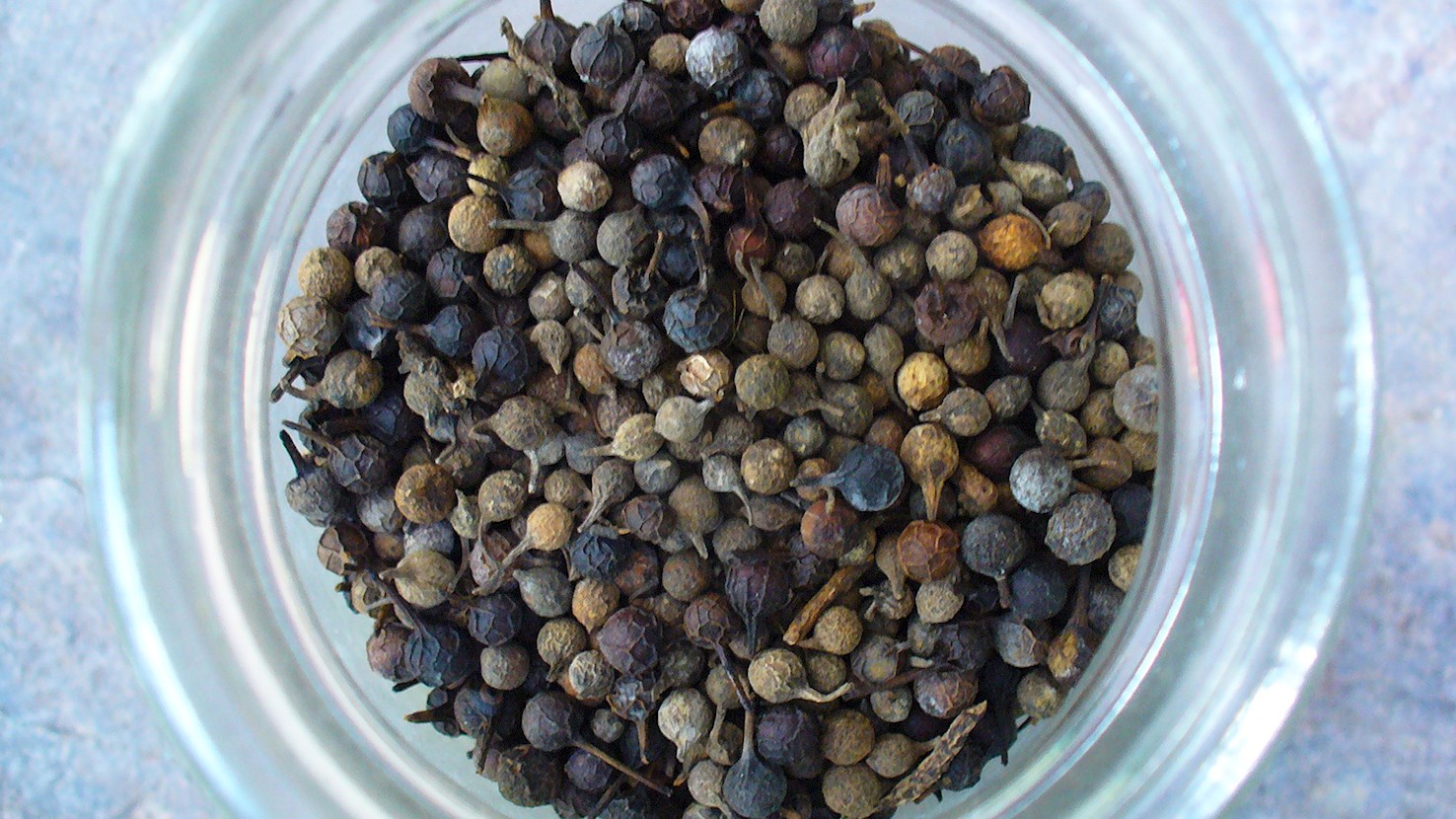
Cubeb is a complex pepper variety native to Java, Indonesia. The pepper starts out as the immature fruit of a tropical climbing vine that sometimes grows in coffee plantations. The vines produce small flowers that turn into berries, which are gathered in the early summer. The berries are then dried in the sun until they turn wrinkly and brown-black. Cubeb pepper barely has any heat, and the flavors are bitter, refreshing, and slightly numbing. Originally, it was grown for medicinal purposes, but over time it became popular as an ingredient due to its peppery and bitter notes. This pepper variety is often used in ras el hanout, gulai curries, and mutton tagine. The spice pairs well with nutmeg, orange peel, lemongrass, and cloves.
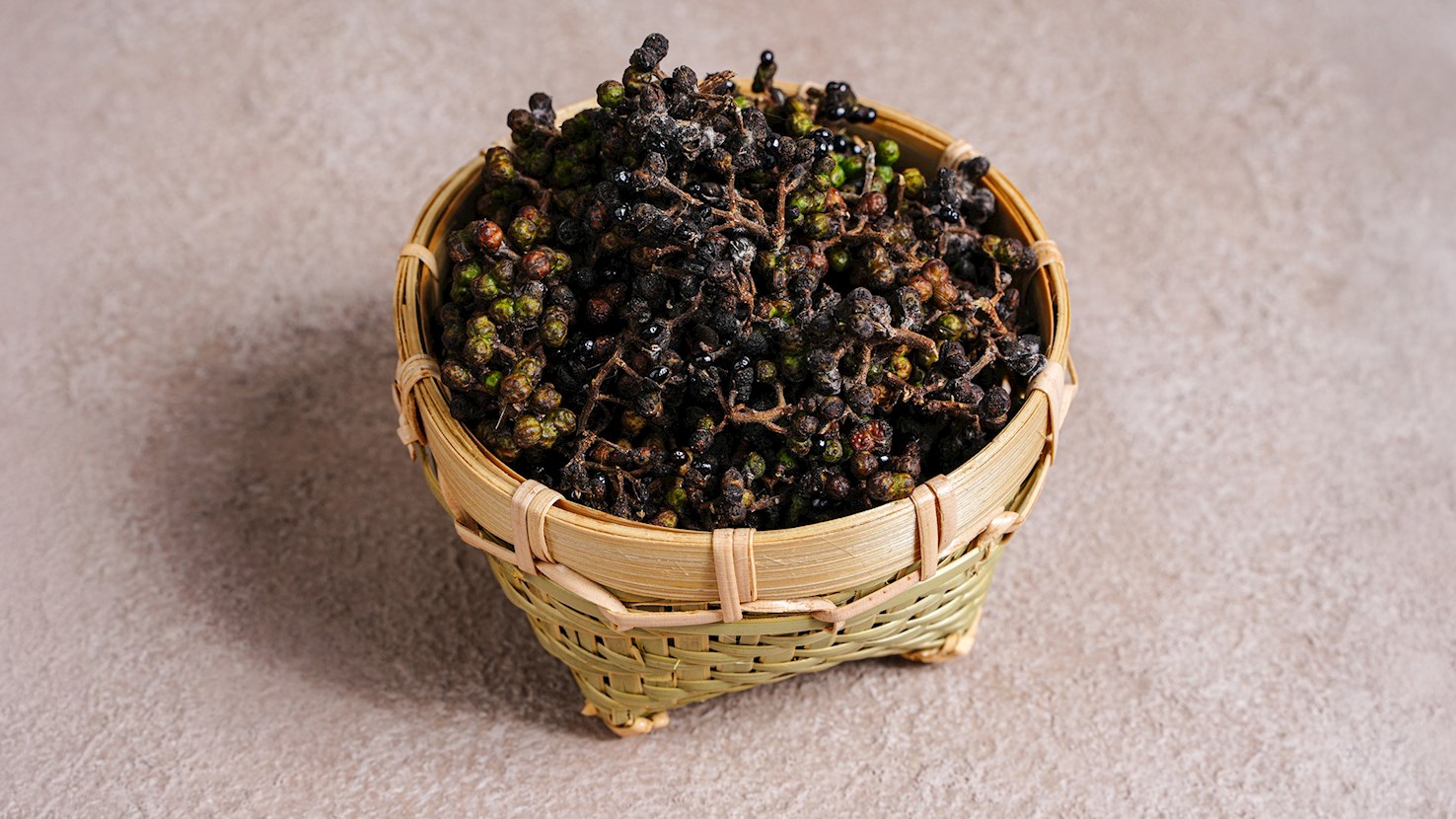
Andaliman (lat. Zanthoxylum acanthopodium), is a wild peppercorn-like spice native to parts of Southeast Asia and the Himalayan region, most notably found in North Sumatra, northern Laos, northern Myanmar, and parts of southwestern China. It belongs to the larger Zanthoxylum genus, which also includes better-known cousins like Sichuan pepper (Z. bungeanum) and Japanese sansho (Z. piperitum). Although andaliman is botanically related to these more globally recognized spices, it is distinguished by its bold citrus aroma, mildly numbing effect, and slightly floral bitterness. The plant grows on thorny shrubs that thrive in highland environments, and its small, clustered berries are harvested when mature, then used fresh, dried, or ground into powder for culinary use. What sets andaliman apart from other species in the Zanthoxylum family is its intensely fragrant profile. It emits strong notes of lemongrass, lime peel, and wild herbs, making it a versatile but dominant spice that rarely plays a background role. In North Sumatra, particularly among the Batak people, andaliman is central to local cuisine and features in iconic dishes like arsik and saksang, where it provides the distinctive tang and tongue-tingling sensation that define Batak flavor. Outside of Indonesia, the spice appears in small pockets of traditional cooking in regions of Yunnan, northern Laos, and eastern India, though it is far less widely used or recognized compared to its Chinese or Japanese relatives. In some Himalayan communities, Z. acanthopodium is used medicinally for its antimicrobial and digestive properties, or as a seasoning in foraged herb mixes. Despite its broad native range, andaliman remains a regional and largely foraged spice, not widely cultivated or commercialized. It is relatively delicate, losing much of its aroma and numbing quality if not handled or stored properly, and has thus struggled to find a large export market. However, as global interest in heirloom and indigenous ingredients grows, chefs and spice experts are beginning to appreciate andaliman for its uniqueness. Though similar in effect to Sichuan pepper, it offers a more aromatic and less aggressive profile, suitable for seafood, grilled meats, and aromatic spice blends.
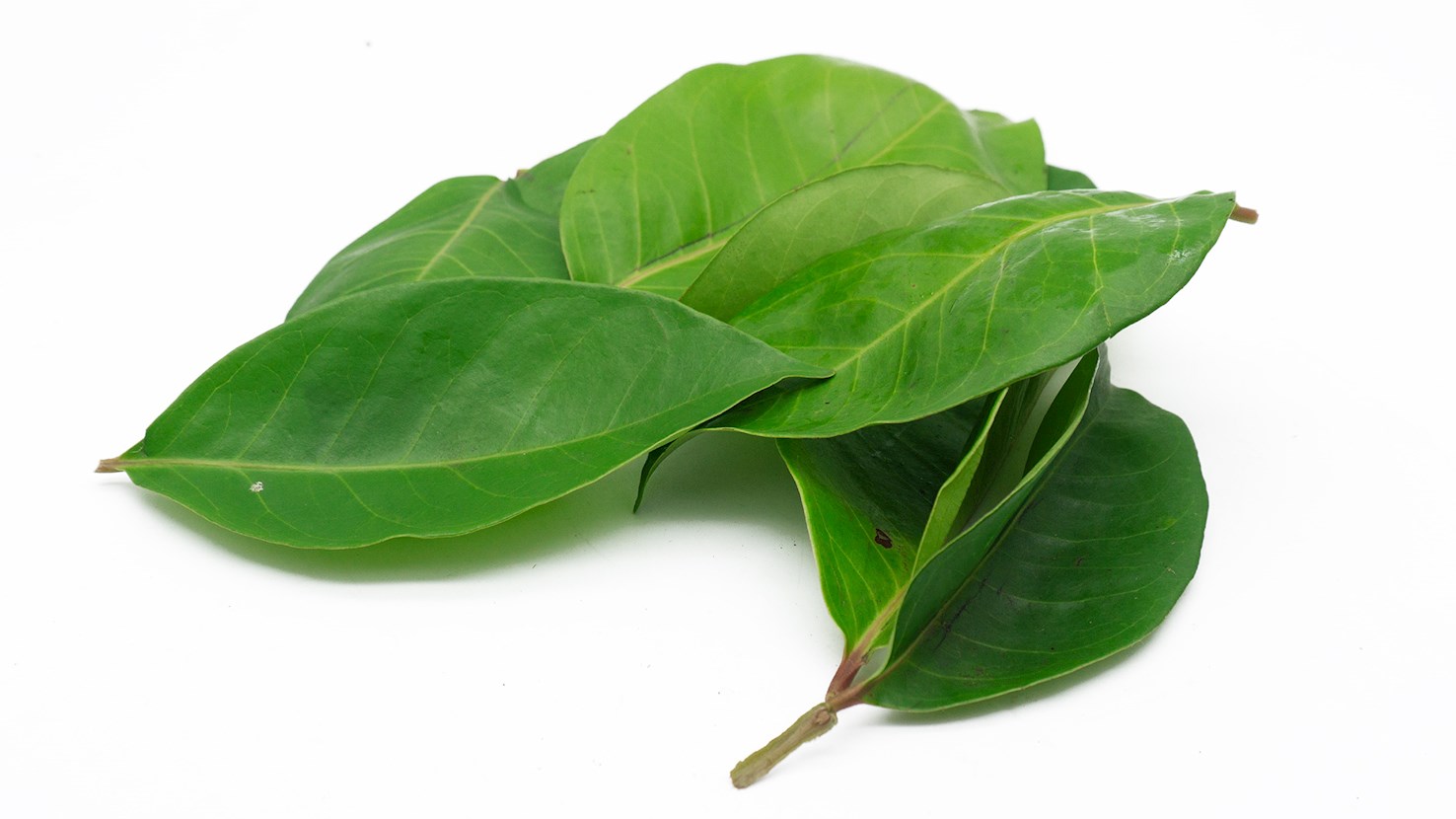
Daun salam, known in English as Indonesian bay leaf or salam leaf, is a type of leaf used as a herb in Indonesian cuisine and in some neighboring countries' culinary traditions. Scientifically referred to as Syzygium polyanthum, it comes from a tree in the Myrtaceae family, which also includes clove and guava. Daun salam is not the same as the bay leaf (lat. Laurus nobilis) commonly used in European cuisine, although it serves a similar purpose in terms of flavoring dishes. Indonesian bay leaves impart a unique aroma and flavor to a wide range of dishes, including soups, stews, curries, and rice dishes like nasi goreng. The flavor is somewhat different from that of European bay leaves, with a fragrance that is more distinctly aromatic and with a hint of cinnamon. These leaves are typically used whole and removed before serving, as they are not meant to be eaten directly.
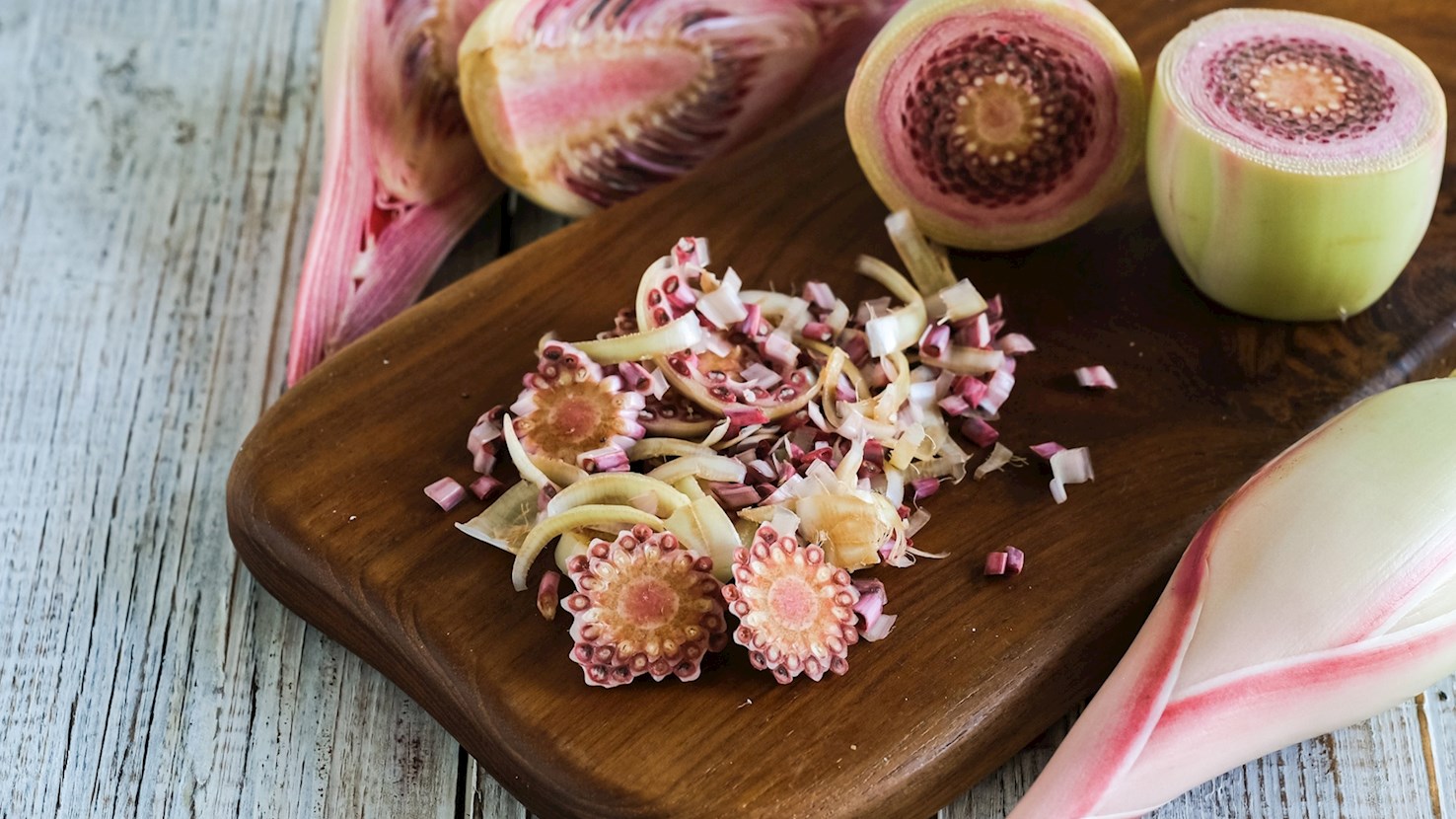
Torch ginger (lat. Etlingera elatior), is a striking tropical plant native to Southeast Asia, valued both for its ornamental beauty and its unique culinary contributions. Belonging to the Zingiberaceae family, which includes ginger and galangal, torch ginger is widely cultivated in Malaysia and Indonesia. It thrives in humid, tropical climates and is easily recognized by its tall, leafy stalks and vibrant, torch-like flower buds that range from deep pink to crimson red. In culinary traditions, torch ginger is not used for its roots like common ginger, but rather for its buds, fruits, and sometimes stems, which are prized for their aromatic, citrusy, and slightly spicy character. The unopened flower buds of torch ginger are a staple in numerous traditional dishes, lending a floral sharpness and refreshing acidity that is difficult to replicate. In Malaysia, the buds are thinly sliced and added to dishes such as Penang asam laksa, enhancing the fish-based tamarind soup with a burst of brightness. In Batak cuisine from North Sumatra, it is a key ingredient in the iconic fish dish arsik, where it provides an essential tang to balance the richness of the spice blend. The flower buds are also used in salads, sambals, and coconut-based stews, where their distinctive aroma elevates both flavor and fragrance. Torch ginger is not only a culinary ingredient but also holds cultural and medicinal significance in many Southeast Asian societies. It is believed to aid digestion, reduce inflammation, and improve circulation, and is sometimes used in traditional remedies and herbal infusions. The plant itself, with its towering presence and spectacular blooms, is also widely grown for decorative purposes in gardens and floral arrangements.
TasteAtlas food rankings are based on the ratings of the TasteAtlas audience, with a series of mechanisms that recognize real users and that ignore bot,
nationalist or local patriotic ratings, and give additional value to the ratings of users that the system recognizes as knowledgeable.
For the “Top 5 Indonesian Herbs and Spices” list until June 02, 2026, 84 ratings were recorded, of which 59 were recognized by the system as legitimate.
TasteAtlas Rankings should not be seen as the final global conclusion about food. Their purpose is to promote excellent local foods,
instill pride in traditional dishes, and arouse curiosity about dishes you haven’t tried.
The initial list of top producers was compiled based on available reviews, awards, local recommendations, media and blog coverage, and consumer reviews.
The list will be updated with ratings from TasteAtlas local ambassadors and TasteAtlas users.