Mahlep is a fragrant spice derived from the seeds of the mahaleb cherry (lat. Prunus mahaleb), native to the Mediterranean region, particularly prevalent in Middle Eastern and Mediterranean cuisines. It is created by grinding the pits of the cherry into a fine powder that imparts a distinctive aroma combining subtle hints of almond, cherry, and mild bitterness. Mahlep is commonly used as a flavoring agent in baked goods such as breads, pastries, and cookies, lending an aromatic complexity that enhances the sensory experience of these dishes. The use of mahlep dates back centuries, rooted in the culinary traditions of countries such as Iran, Lebanon, Syria, Greece, and Türkiye. Its cultivation and incorporation into food reflect the longstanding agricultural and gastronomic heritage of the Mediterranean basin, where local resources were transformed into unique flavor profiles that define regional dishes. Preparation of mahlep involves first extracting the small seeds from the cherry pits, drying them, and then grinding them into a powder. The resulting spice is used sparingly due to its potent aroma and flavor. In baking, mahlep is mixed into doughs or batters, often alongside other spices like cinnamon or cardamom, to enrich breads such as pita or festive sweets. Its flavor profile complements both sweet and savory preparations, providing a nuanced background note that elevates the dish without overpowering other ingredients. Mahlep remains popular in contemporary Middle Eastern and Mediterranean kitchens, appearing in both home cooking and artisanal baking. It is typically purchased as a ground powder, but some cooks prefer to grind the seeds fresh for maximum potency. Mahlep-spiced breads and pastries are enjoyed with tea or coffee and are often part of celebrations and religious festivals.
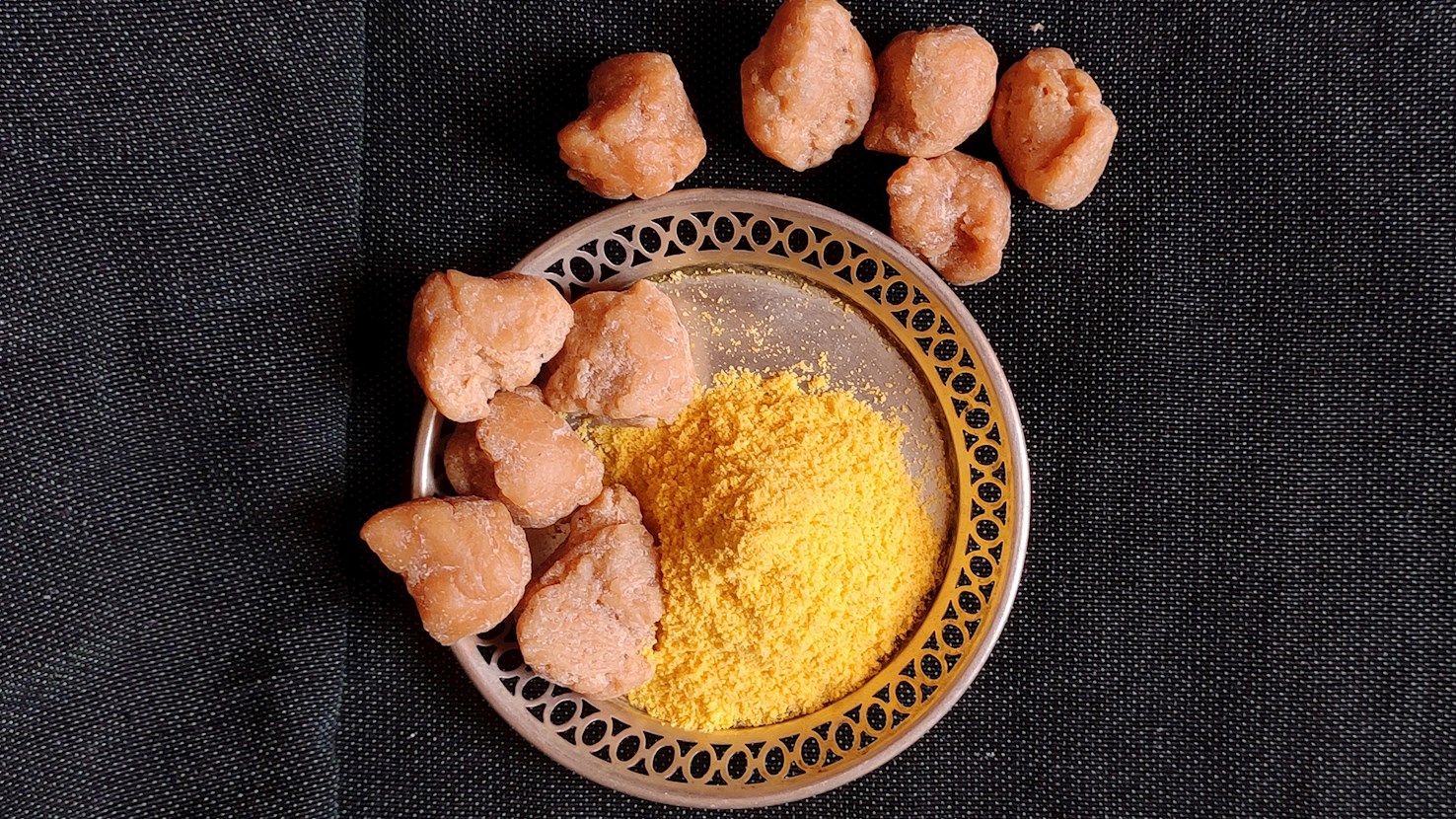
Asafoetida, also known as hing, is a pungent, resin-based spice obtained from the roots of Ferula plants native to the deserts of Iran and Afghanistan. It is widely used in Indian cooking as a seasoning and digestive aid, lending depth to vegetarian dishes and balancing rich or starchy preparations. Recognized by its strong sulfurous aroma when raw, asafoetida mellows during cooking into a flavor often compared to leeks, garlic, or onions. The use of asafoetida has been documented for over two millennia. Ancient Romans and Greeks valued it as a medicinal and culinary ingredient, referring to it as laser or silphium. In Persian and Central Asian traditions, it found its way into pickles, stews, and even perfumery. Trade routes gradually brought asafoetida to the Indian subcontinent, where it became firmly established in regional cuisines, especially among communities that avoid onions and garlic for religious reasons. Over time, India emerged as the primary market and processor of the spice, with imports of raw resin ground and blended with rice flour or gum arabic to produce the familiar yellow powder. Preparation of asafoetida begins with the tapping of Ferula roots to collect their milky resin, which hardens into lumps. These are cleaned, dried, and ground into powder or sold in solid form. In home kitchens, a pinch is typically warmed briefly in ghee or oil to unlock its flavor before adding vegetables, dals, or curries. Because of its potency, very small quantities are enough to season an entire dish. In some regions, cooks dissolve it in warm water before mixing it into doughs or batter. When heated, asafoetida transforms from its raw, sulfurous intensity into a rounded, savory aroma. This quality makes it an essential seasoning in dishes such as sambar, rasam, lentil stews, and spiced legumes. It also acts as a digestive aid, believed to reduce bloating and improve the digestibility of beans and pulses. In India, asafoetida is common in domestic pantries and is also a staple of Ayurvedic preparations and folk remedies. It remains a defining element in the flavor profile of many South Indian and Gujarati recipes. Whether used in a tempering of hot oil or sprinkled sparingly into a simmering sauce, it is valued for its ability to impart a distinct, layered taste that connects culinary practices across centuries and regions.
Advieh-e mahi is a Persian spice blend intended for fish, with a dry, powdery texture and a flavor profile that focuses on brightness and balance rather than richness, typically built from turmeric, coriander seed, cumin, black pepper, dried lime, and sometimes sumac or garlic, creating a clean, aromatic coating that enhances fish without overwhelming it. The blend developed as Persian cooking differentiated spice mixes by ingredient type, recognizing that fish required lighter, sharper seasoning than meat or stews, especially in cuisines shaped by access to rivers, lakes, and coastal waters. Preparation involves fully drying whole spices, grinding them individually to maintain aroma, and blending them in measured proportions, with the mix applied directly to fish before cooking so it adheres evenly and releases flavor quickly during grilling, frying, or baking rather than through long cooking. Common variations include adjusting the level of dried lime for acidity, adding sumac for extra tang, or reducing turmeric for milder flavor and color, while the defining feature remains its restrained composition designed specifically for seafood. Advieh-e mahi is used on whole fish, fillets, or fish kebabs, eaten hot as part of main meals, and commonly paired with plain rice, fresh herbs, citrus, or yogurt-based sides that keep the focus on the fish itself.
Advieh-e torshi is a Persian spice blend used for pickles and sour preserves, with a pungent, aromatic profile designed to support acidity, featuring warm and bitter notes rather than sweetness or heat, and commonly made from coriander seed, cumin, fennel, black pepper, turmeric, mustard seed, and sometimes dried herbs such as dill or fenugreek, resulting in a powder that disperses evenly in brines and vinegar. The blend developed as preservation methods became central to household cooking, where vegetables were stored for long periods and required spice mixtures that could withstand acidic environments while maintaining balance and clarity of flavor. Preparation involves thoroughly drying whole spices, grinding them to a fine or slightly coarse texture depending on preference, and blending them in measured proportions, with the mix added directly to pickling liquids or combined with vegetables before fermentation or storage so the flavors develop over time rather than during cooking. Common variations include adjusting the balance between coriander and cumin, adding seeds like nigella or caraway, or incorporating chili for heat, while the defining feature remains its specific role in sour preparations rather than in cooked dishes. Advieh-e torshi is used in mixed vegetable pickles, garlic pickles, and other preserved foods, eaten as a condiment alongside rice dishes, stews, grilled meats, and flatbreads, where it provides contrast and sharpness that cuts through richer components of the meal.
Advieh-e ash is a Persian spice blend used for thick soups and herb-based dishes, with a dry, powdery texture and a flavor profile built around warmth, earthiness, and herbal depth rather than heat or sweetness, commonly made from turmeric, black pepper, cumin, coriander, and sometimes dried fenugreek or other herbs so it integrates smoothly into liquid and semi-liquid foods. The blend developed as Persian cooking distinguished between spice mixtures meant for rice, stews, and soups, with ash dishes requiring seasonings that could support long-cooked greens, legumes, and grains without overpowering their natural flavors. Preparation involves drying and grinding spices and herbs individually to maintain balance and aroma, then combining them in measured proportions, with the mixture added during cooking so it disperses evenly and reinforces the body and flavor of the soup rather than sitting on the surface. Common variations depend on household and regional preference, such as adjusting the cumin-to-coriander ratio, increasing pepper for sharpness, or omitting fenugreek, while the defining feature remains its focus on herb-forward soups instead of meat-heavy or rice-based dishes. Advieh-e ash is used in thick soups like ash reshteh and similar preparations, eaten hot as part of a full meal, usually accompanied by flatbread, yogurt, or pickled vegetables that balance its earthy, savory character.
Advieh-e khoresh is a finely ground spice blend used to season stews, with a dry, powdery texture and a flavor profile built around warmth and earthiness rather than sweetness or heat, commonly composed of turmeric, cinnamon, cardamom, black pepper, cumin, and sometimes dried lime or saffron, allowing it to dissolve smoothly into liquid-based dishes. The blend developed as Persian cooking distinguished between spice mixtures intended for rice and those meant for long-simmered foods, recognizing that stews required sturdier spices capable of maintaining balance and depth through extended cooking. Preparation involves grinding whole spices individually to preserve aroma and combining them in controlled proportions, with the mixture added early in the cooking process so it integrates fully into the stew base and supports meat, legumes, or vegetables without standing out as a surface seasoning. Common variations reflect household and regional preference, such as increasing turmeric for color, including dried lime for acidity, or adjusting the cinnamon and cardamom balance, while the defining feature remains its role as a foundational stew seasoning rather than a finishing spice. Advieh-e khoresh is used in meat and vegetable stews served with plain rice, and it is eaten as part of complete meals where the stew provides depth and structure while the rice acts as a neutral base that carries the spice blend evenly.
Advieh polo is a finely ground mixture of warm, aromatic spices used to season cooked rice, with a dry, powdery texture and a flavor profile that emphasizes fragrance, mild sweetness, and depth rather than heat, commonly built from cinnamon, cardamom, cumin, dried rose petals, and sometimes small amounts of nutmeg or cloves. The blend developed alongside the central place of rice in Persian cooking, where different spice mixes were created for specific uses, and rice in particular called for gentle aromatics that could enhance its character without dominating it. Preparation involves grinding whole spices individually to a fine consistency and combining them in measured proportions, keeping the blend dry and adding it late in the cooking process or between layers of rice so the aromas bloom from residual heat instead of prolonged cooking. Common variations reflect household preference, such as adjusting the balance between cinnamon and cardamom, including or excluding rose petals, or adding saffron separately rather than directly to the mix, while the defining feature remains its exclusive role as a rice seasoning rather than a general spice blend. Advieh polo is used with plain steamed rice and layered pilafs, often paired with poultry, lamb, dried fruits, nuts, or vegetable dishes, and it is eaten as part of composed meals where the rice plays a central supporting role alongside stews, roasts, or grilled foods.
Advieh is a fragrant Persian spice blend used extensively in Iranian cuisine to season rice dishes, stews, grilled meats, and vegetables. Known for its delicate yet complex flavors, Advieh combines aromatic spices that are commonly sweet, floral, and mildly spicy, bringing warmth and depth to dishes without overpowering them, making it ideal for creating subtle, layered flavors. Typical Advieh ingredients include cinnamon, cardamom, cumin, and turmeric, often with additions like rose petals, nutmeg, ginger, and cloves. Some variations may include dried lime or saffron, depending on the region and specific dish it’s used in. The inclusion of rose petals and saffron adds a unique floral and slightly sweet profile distinctive to Persian cuisine. Advieh has a sweet-spicy, floral aroma with earthy undertones, where cinnamon and cardamom provide warmth and sweetness, while cumin and turmeric add an earthy depth. Rose petals lend a mild floral scent, making the blend both aromatic and comforting. Advieh is often sprinkled over rice dishes like polow, used in stews such as khoresh, and in marinades for grilled meats like lamb or chicken. It’s sometimes mixed into yogurt-based sauces or used to flavor vegetables, making it versatile for both savory and subtly sweet dishes.
TasteAtlas food rankings are based on the ratings of the TasteAtlas audience, with a series of mechanisms that recognize real users and that ignore bot,
nationalist or local patriotic ratings, and give additional value to the ratings of users that the system recognizes as knowledgeable.
For the “Top 8 Iranian Herbs and Spices” list until July 22, 2026, 352 ratings were recorded, of which 52 were recognized by the system as legitimate.
TasteAtlas Rankings should not be seen as the final global conclusion about food. Their purpose is to promote excellent local foods,
instill pride in traditional dishes, and arouse curiosity about dishes you haven’t tried.