shutterstock

Top 11 Italian Herbs and Spices

Last updated on June 10, 2026

Best Italian Herbs and Spices
01

Il Pesto Pra 'Di

4.3 ·
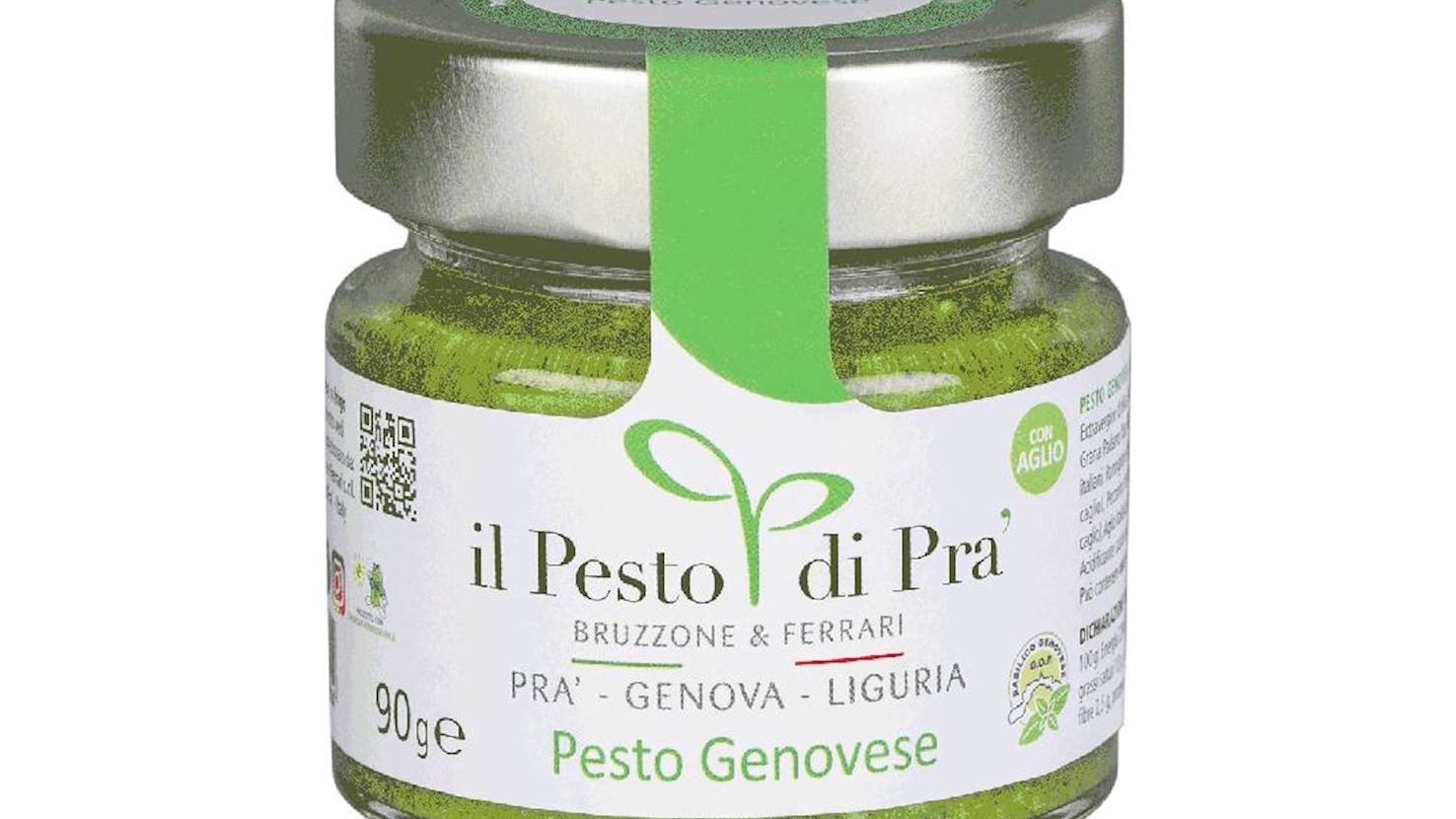
"Il Pesto di Pra'" is a family-owned company based in Pra', near Genoa in Italy, which has been cultivating basil and producing traditional Genoese pesto for nearly two centuries. Their pesto is known for its high quality and freshness, thanks to the careful selection of ingredients and dedication to traditional recipes. The company uses basil grown in its own greenhouses in Pra' and combines it with carefully selected ingredients such as Italian pine nuts, garlic from the finest Italian crops, PDO Pecorino Romano cheese, Italian coarse sea salt, extra virgin olive oil, and a selection of Parmigiano Reggiano and Grana Padano PDO cheeses. This controlled production process allows them to create pesto of the highest quality.
Awards
Crystal Taste Award - 3 stars (2022)
02

La Drogheria

4.2 ·
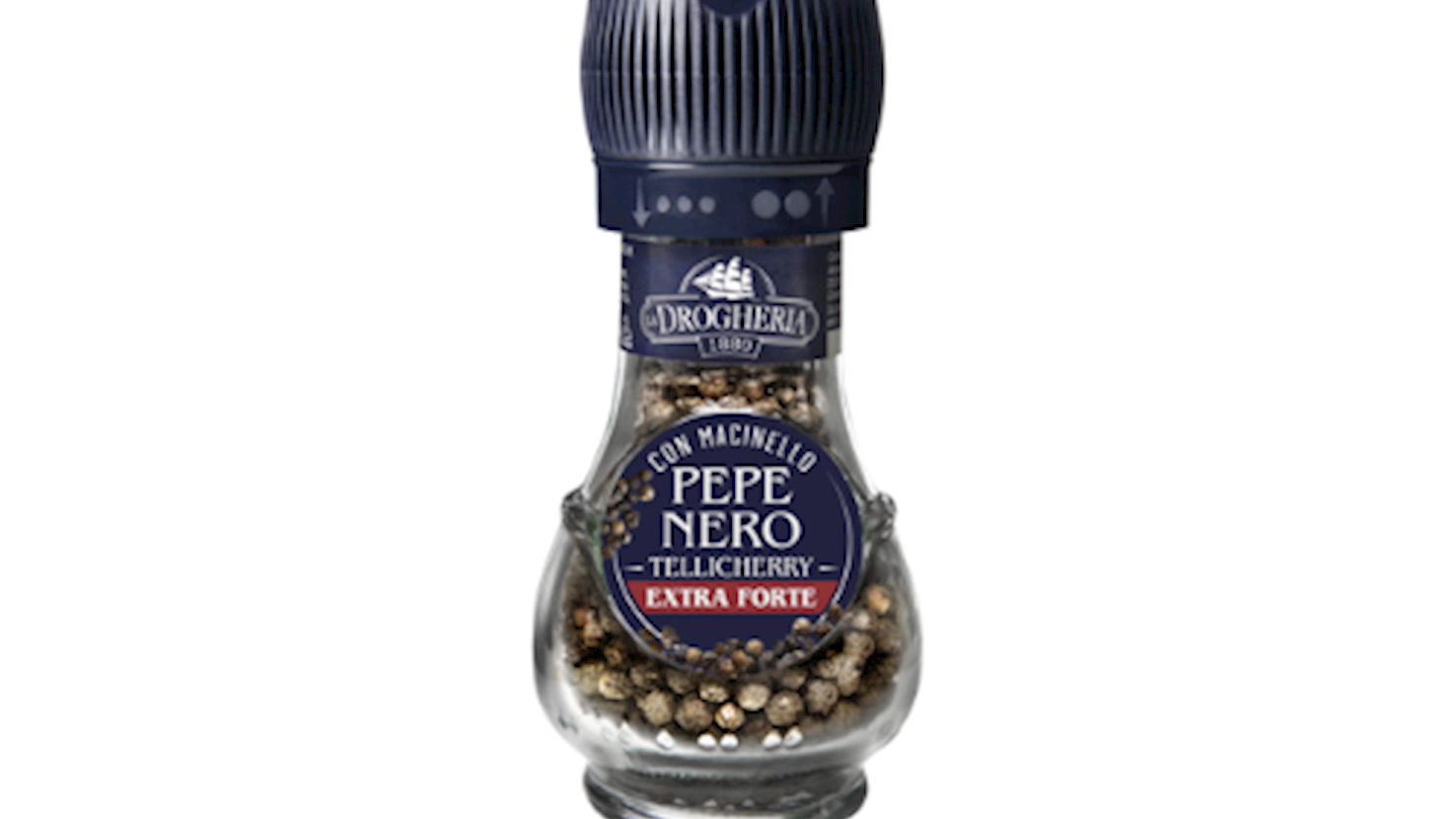
La Drogheria is an Italian brand with a heritage dating back to 1880, specializing in the production of spices, aromatic herbs, salts, and culinary blends. Its portfolio includes a wide range of pepper varieties, sea and rock salts, dried herbs, and complex seasoning mixes designed for both everyday cooking and professional use. Strong emphasis is placed on raw material selection and quality control in order to preserve the natural aromatic properties throughout processing. The brand is particularly recognized for its practical grinders and functional packaging solutions that allow precise dosing and help maintain product freshness. Drogheria holds a solid position on the Italian market and is also active internationally, representing a segment of reliable, standardized seasoning products. Overall, Drogheria stands as an example of a long-established Italian company that has transformed its specialization in spices into a stable and internationally recognized brand.

Best Italian Herb/Spice Types
01

Basilico Genovese

4.6 ·

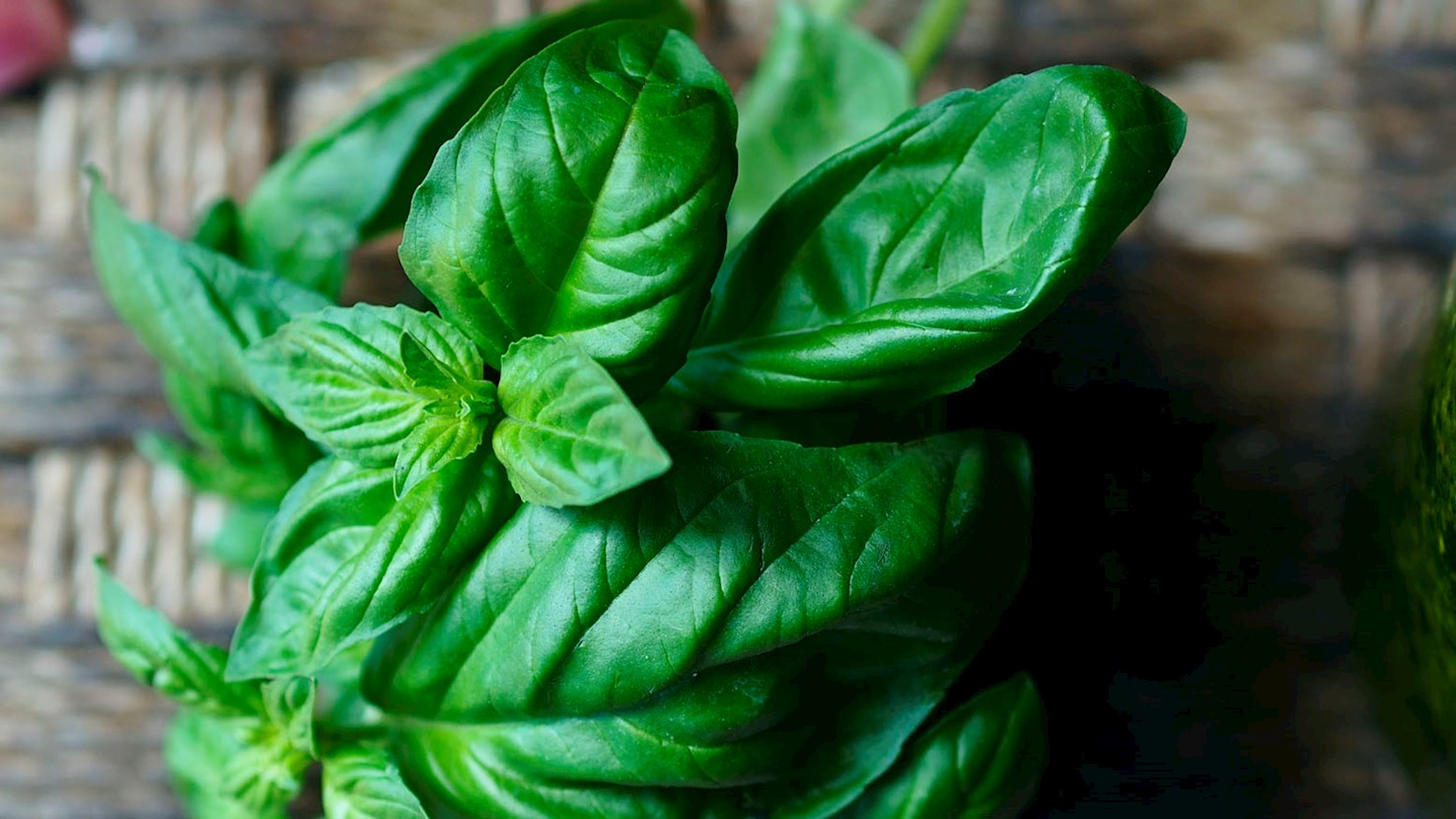
The fragrant Genovese basil is a cultivar of Ocimum basilicum (sweet basil), traditionally grown in the Ligurian provinces of Genoa, Savona and Imperia. It has an intense clove aroma and it is widely known for being an essential ingredient of the famous Pesto alla Genovese sauce. Even though it is available dried, Genovese basil is most often used fresh, added to various dishes at the last moment, in order to preserve its exceptional flavor.

Best producers
02

Rosmarino (Sicily)

4.2 ·

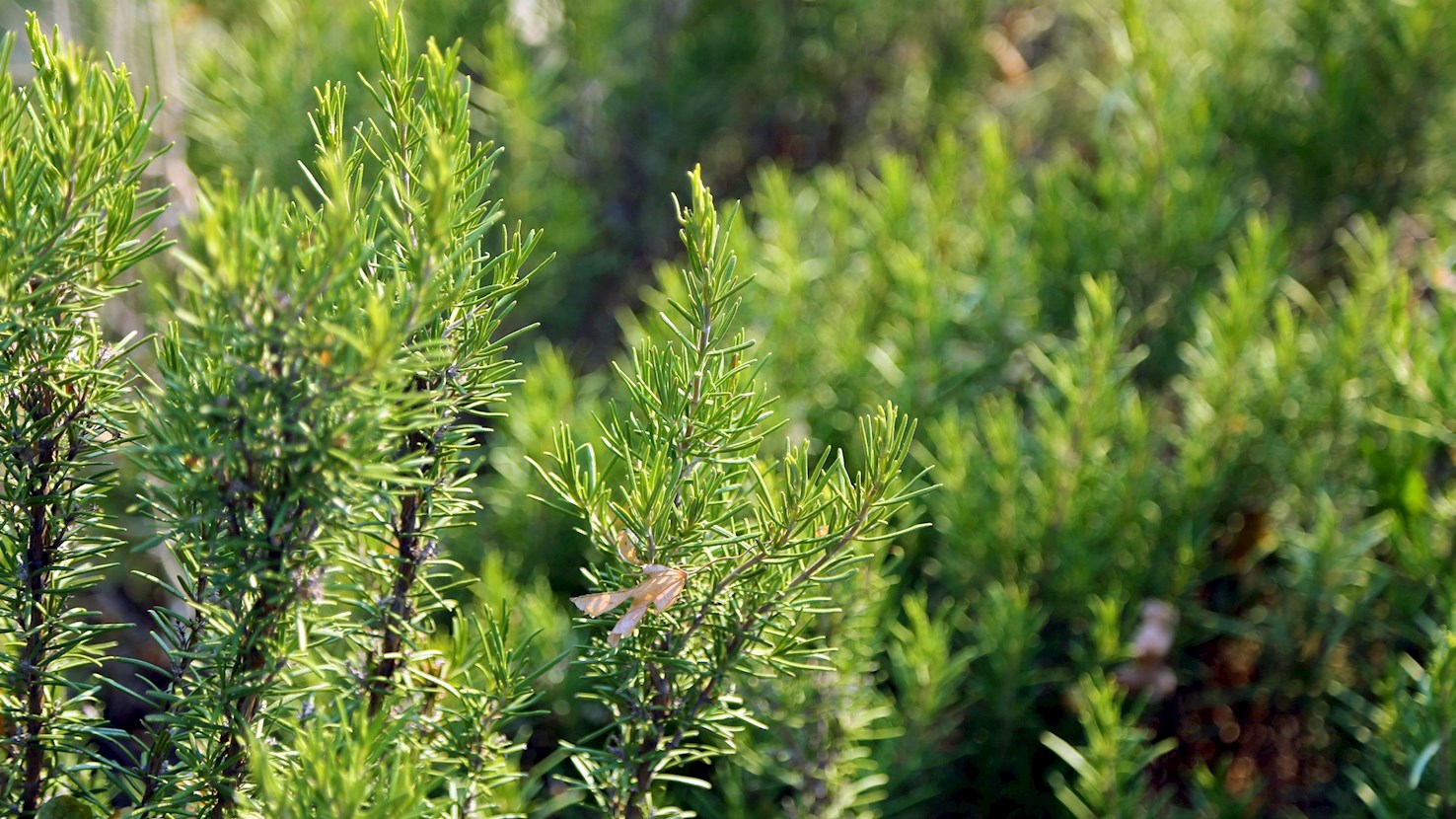
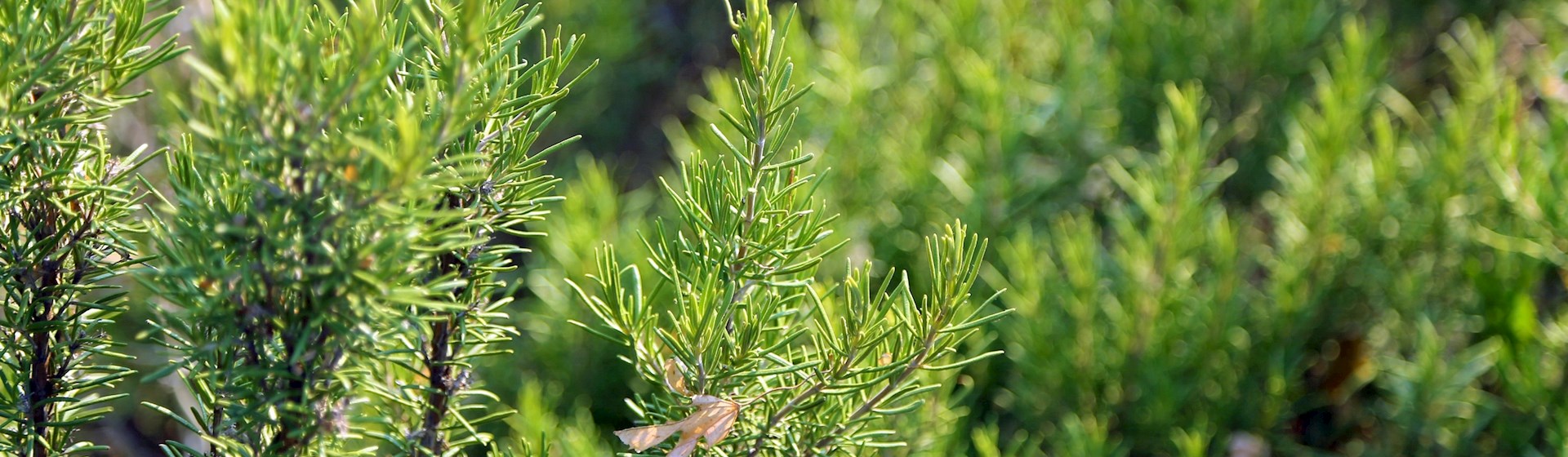
Mainly grown in the community of Villarosa, Sicilian rosemary is one the most widely used spices in the local cuisine. Leaves and flowers are harvested during summer and left to dry in dark, well-ventilated places before being packed in glass jars, paper or plastic bags, where they can last for a very long time. This wonderfully fragrant herb is used to flavor meats, fish, or vegetables, and it will turn any simple bread or focaccia into a true delicacy. Although it is much more often used in savory dishes, it works well in desserts, too.

03

Pestèda

3.9 ·

Pestèda is a traditional seasoning blend that hails from the ancient village of Grosio, consisting of garlic, salt, pepper, and aromatic herbs such as leaves of dwarf alpine yarrow or musk yarrow, wild thyme, juniper berries, or cinnamon. Its name means beaten, referring to the method of preparation that involves pounding the combination of herbs and spices in a mortar to produce a highly aromatic mixture, characterized by an intense, slightly spicy flavor. Due to its distinctive aroma and flavor, pestèda has spread throughout the whole region of Valtellina over the years, yielding numerous variations on the traditional blend with some calling for the addition of wine (such as Sasella), brandy, or grappa. This seasoning is nowadays a staple flavor enhancer incorporated into a wide range of traditional specialties of the region including meat, fish, carpaccios, vegetables, potatoes, raclette, guanciale, lard, Valtellina rice, and various pasta dishes such as pizzoccheri alla valtellinese. Pestèda is often found on the tables of traditional local restaurants and in grocery stores.

04

Prezzemolo (Sardinia)

3.6 ·

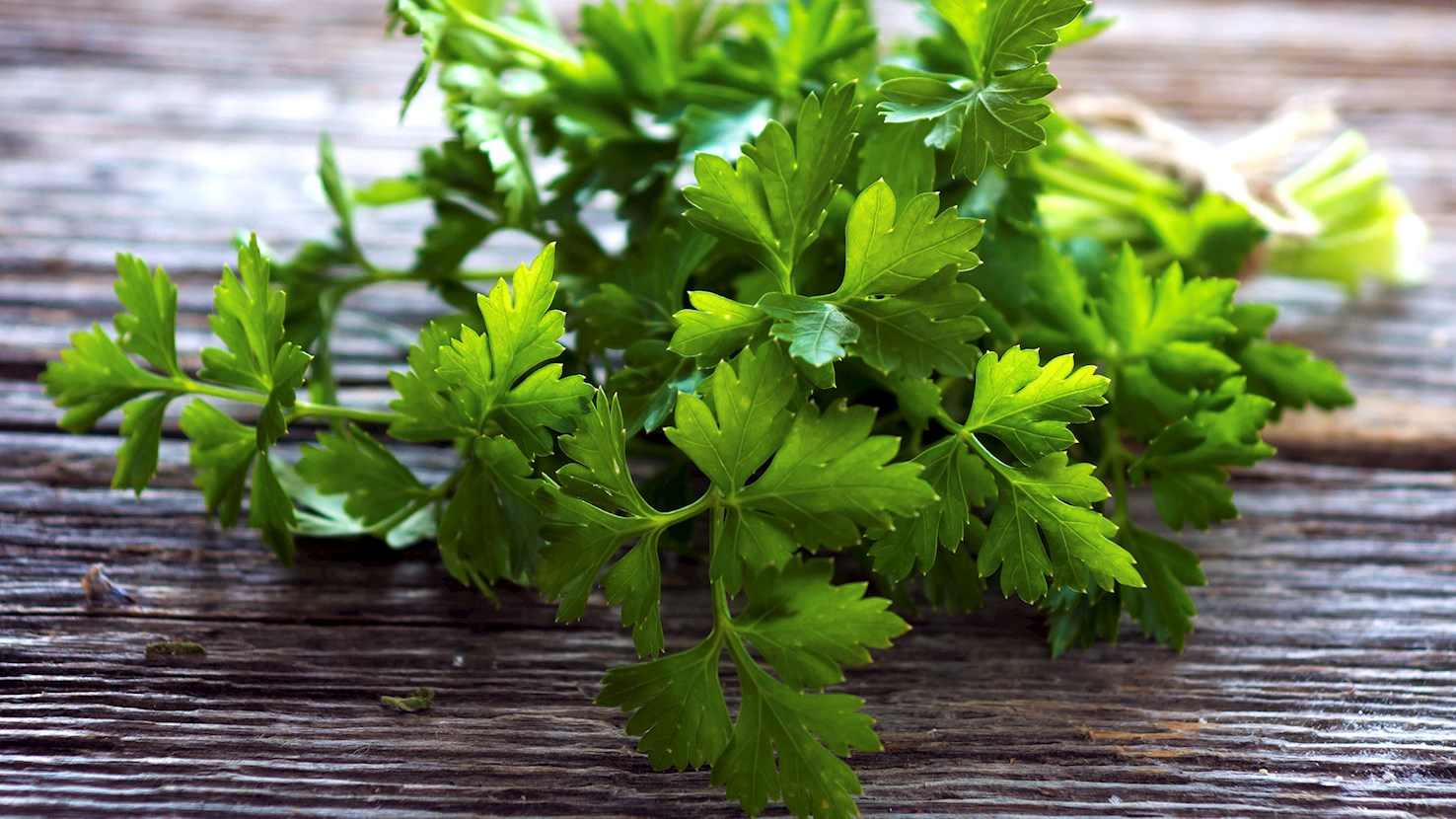
Prezzemolo Sardo is a variety of flat-leaf Italian parsley from Sardinia, grown mainly around the community of Sestu. It is widely used in local cuisine - parsley is generally one of the most commonly used herbs in the culinary arts, and while prezzemolo Sardo is smaller in size than other varieties found on the market, its tiny, dark green leaves and slender stems are packed with flavor. The stems have more flavor and aroma than the leaves, which makes them a perfect ingredient for flavoring stocks, soups, or sauces, while the leaves are best added to a dish at the last minute, because they lose their flavor if cooked too long. Nowadays, prezzemolo Sardo is not produced on a large scale, so it is only available in specialized food stores, or in Sestu, where it can be bought directly from the producers.

05

Zafferano di Sardegna

n/a ·

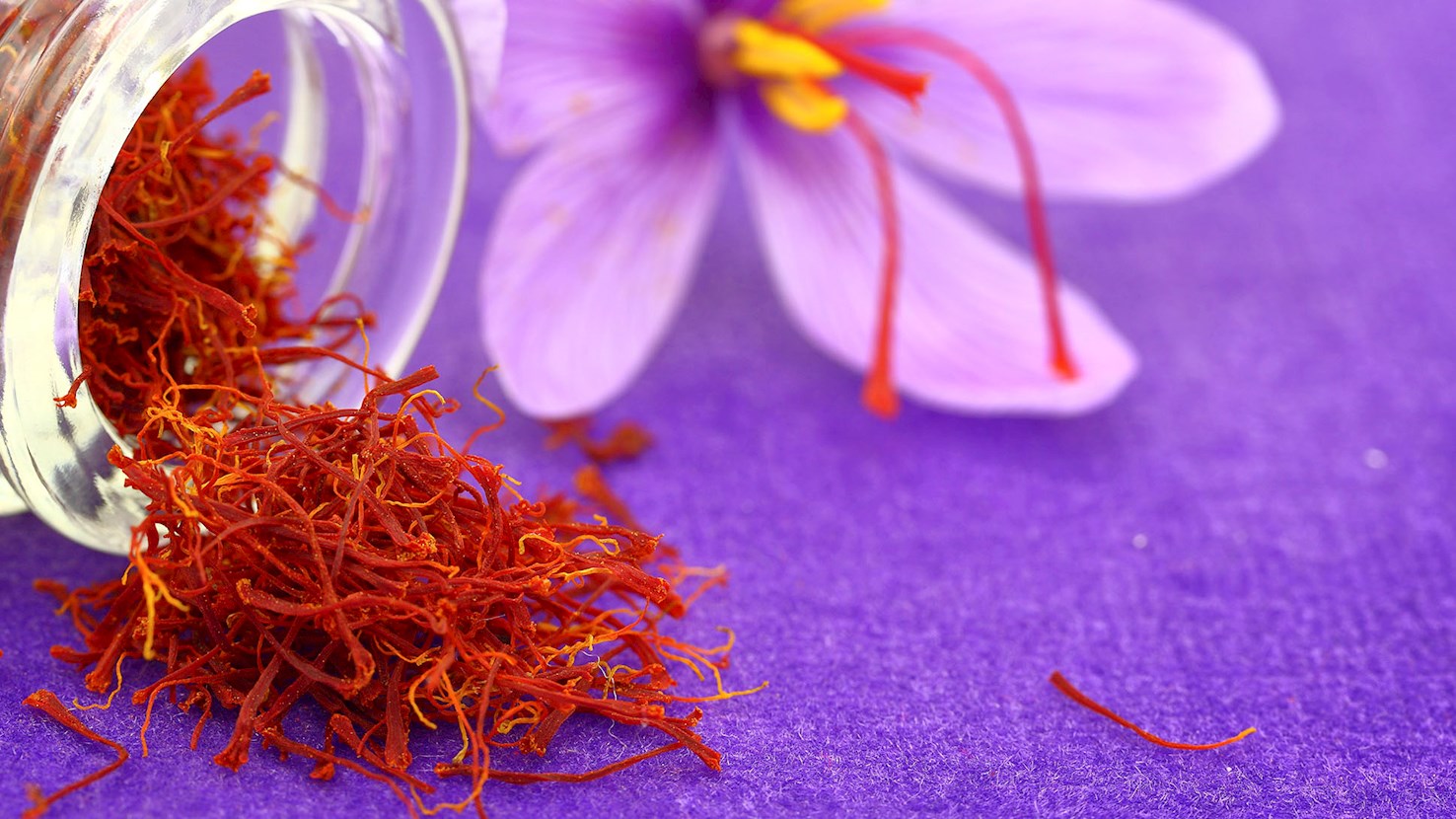
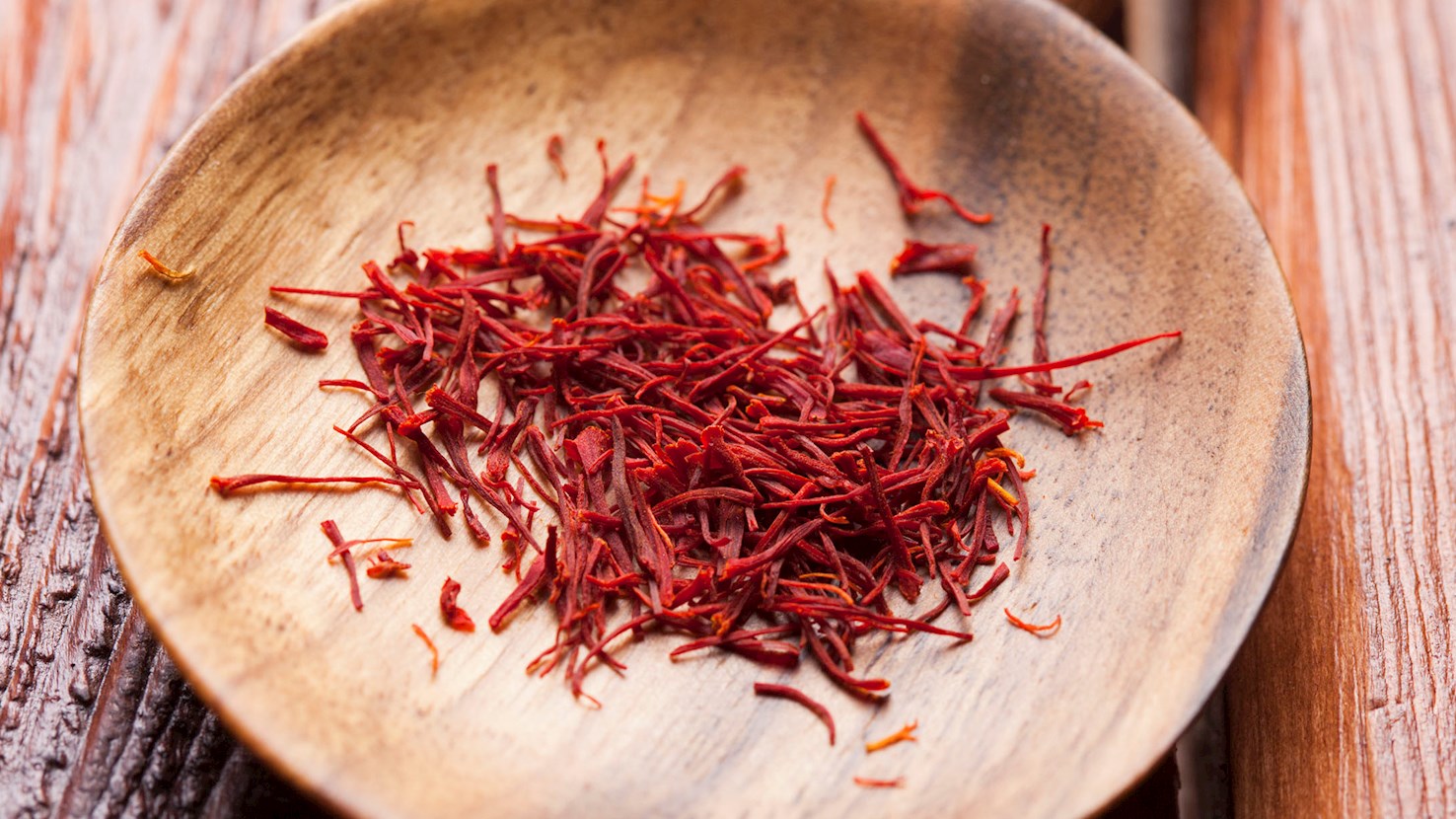
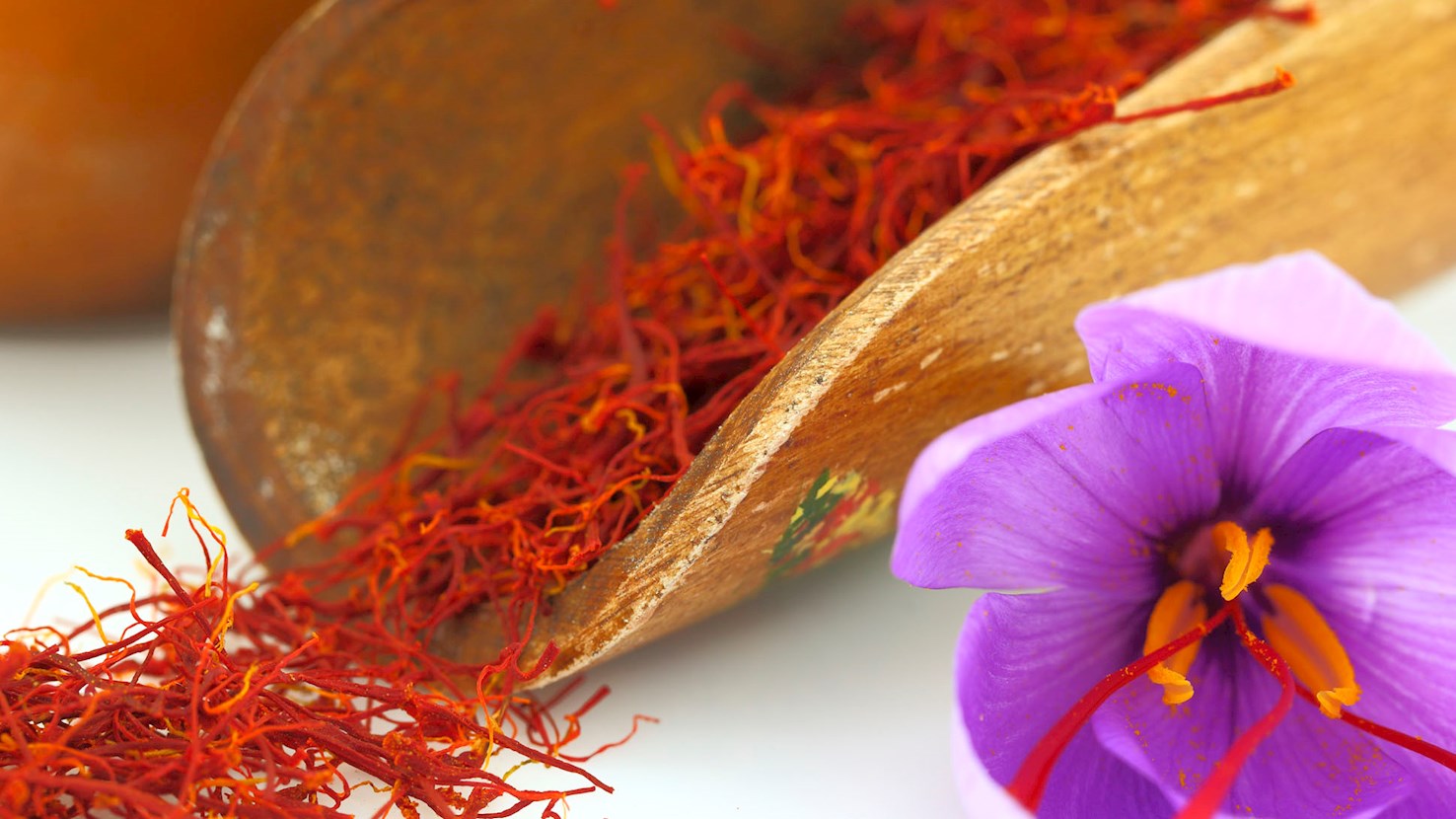
Sardinia's red gold, Zafferano di Sardegna refers to the dried threads plucked from the saffron flowers which are believed to have been introduced to the island thousands of years ago by the Phoenicians. Today, Sardinian saffron is produced in the province of Medio Campidano, namely the towns of San Gavino Monreale, Turri, and Villanovafranca, where it thrives in the mild Mediterranean climate. It is particularly prized for its intense flavor and fragrance.

06

Zafferano di San Gimignano

n/a ·

Named after the Tuscan town where it's been cultivated since the 1200s, San Gimignano saffron owes its exceptional purity, strong flavor and intense aroma to the pedoclimatic conditions of the designated production area and the mild Mediterranean climate in which these flowers thrive. Zafferano di San Gimignano, often called 'the red gold of Tuscany', was so precious that it was once even used as a currency and the whole medieval town of Gimignano was built on wealth from the saffron trade which peaked by the end of 13th century. Today, the production of saffron in Gimignano is again on the rise and this exotic spice is widely used for flavoring all kinds of sweet and savory dishes. The spicy and somewhat bittersweet San Gimignano saffron is an essential ingredient of the famous risotto Milanese but it also goes particularly well with vegetables, fish and white meat.

07

Calamint

n/a ·

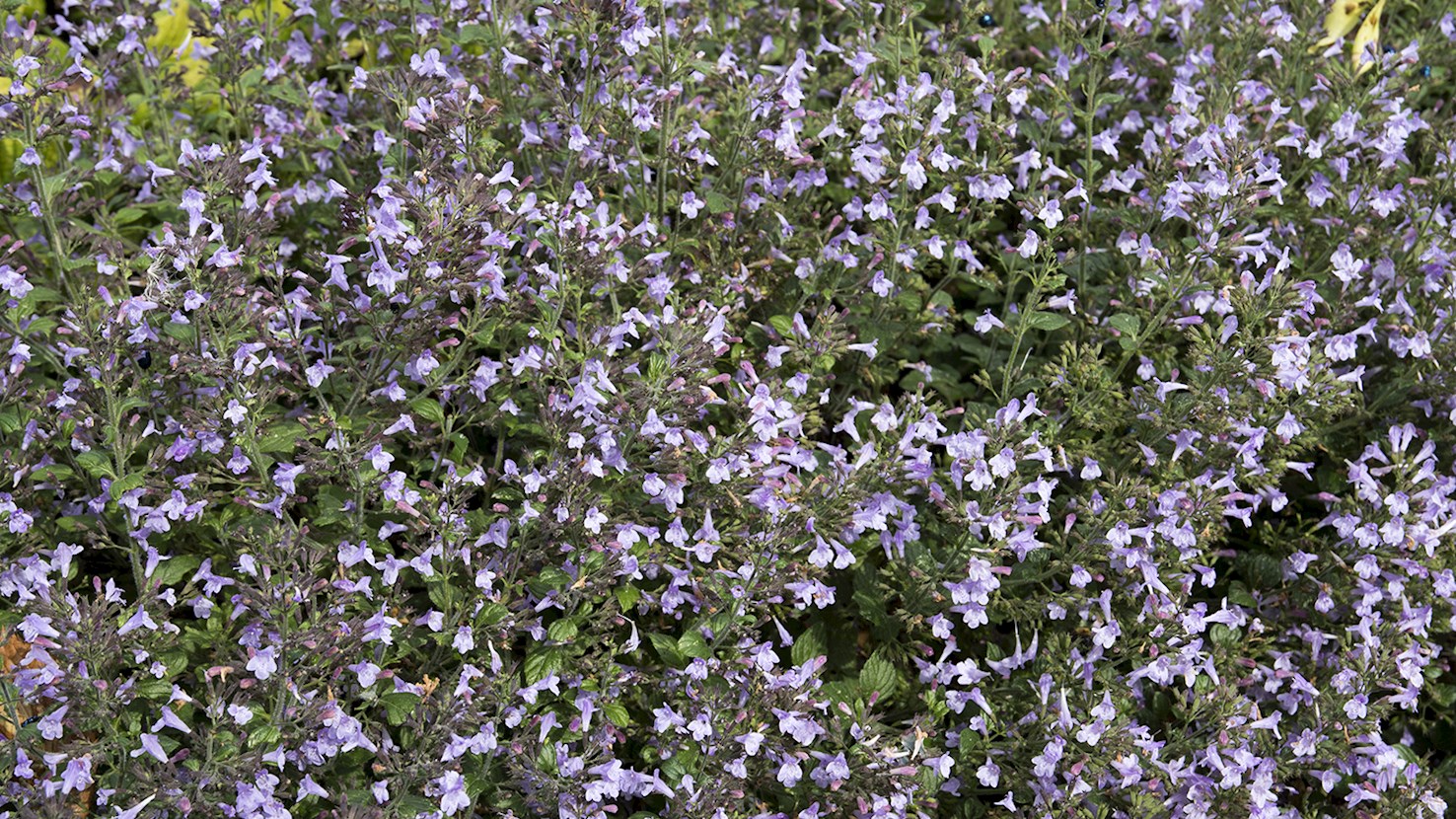
Calamint is a plant that’s native to Italy (Tuscany and Umbria in particular, where it grows wild), and it's cultivated in the Mediterranean, Europe, and some parts of the Americas. The leaves, stems, and flowers are oregano- and mint-scented, with hints of sage and savory. The fresh leaves are usually cooked, the dried leaves are used in teas, while the small flowers with a mellower flavor are often used in salads or as a garnish. During medieval times, calamint was used for medicinal purposes. Nowadays, it’s mostly used with shrimp, braised artichokes, omelets, white bean soups, lamb roasts, wild mushrooms, and risottos. In Turkey, they like to add calamint to grilled fish. Calamint pairs well with spices such as sage, lemon peel, fennel, and anise.

08

Liquirizia di Calabria

n/a ·

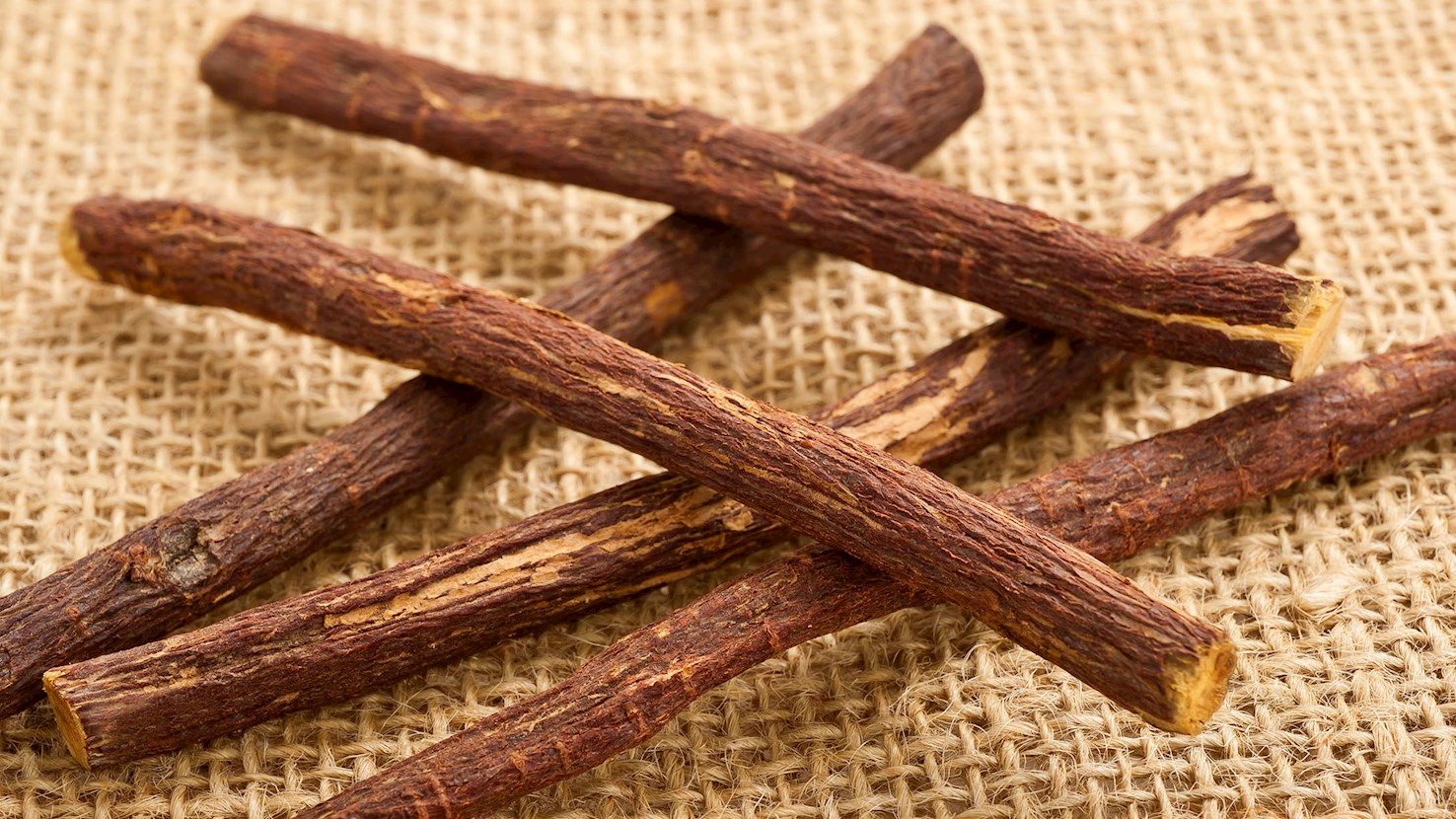
Spontaneously grown along the coast of Calabria and traditionally produced throughout the region, Liquirizia di Calabria refers to Radice Fresca (fresh liquorice root), Radice Essiccata (dried liquorice root) or Estratto di Radice (liquorice root extract). In fact, around 80% of Italy's production of liquorice comes from Calabria and its qualities are much prized all over the country. The flavor of Calabrian liquorice ranges from sweet, fruity to slightly astringent and bittersweet, while its aroma is intense and persistent. Due to its digestive, detoxifying and soothing antiseptic properties, Liquirizia di Calabria is used above all in syrups, infusions and herbal remedies useful for fighting colds and helping digestion but it is also an essential ingredient in the production of sweets, candy sticks, digestive liqueurs, cakes and biscuits.

09

Finocchio Marino Sott'Aceto

n/a ·

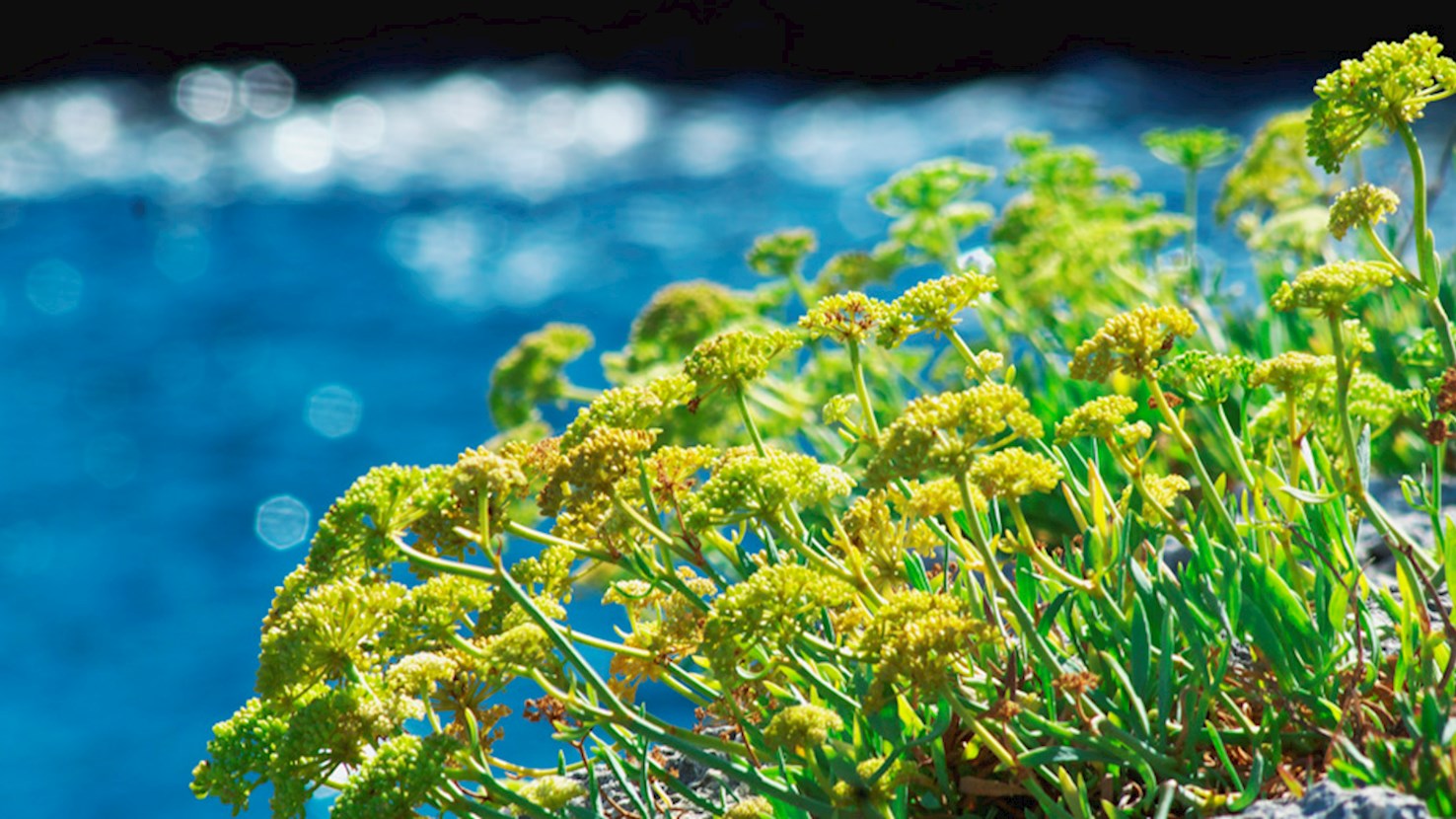
Finocchio marino is a fennel variety that grows wild along the rocky coast of southern Apulia, especially around the province of Lecce. Its fleshy, aromatic leaves are handpicked, cleaned, and left to dry in the sun. Later on, they are placed in airtight glass jars, covered with white vinegar, and left to mature. After a few months, finocchio marino is ready to be consumed, and its sharp, salty flavor and crunchy texture give a great kick to a variety of salads, sandwiches, or pasta dishes.

10

Zafferano dell'Aquila

n/a ·

Grown exclusively in the valley of Navelli located near the town of L'Aquila, at an altitude ranging from 350 to 1000 meters above sea level, in an area comprising of only 8 hectares of land, this variety of saffron was first introduced to the region of Abruzzo by a Dominican monk from Spain, in the late 14th century, during the Spanish inquisition. Zafferano dell'Aquila is considered to be a spice of premium quality because of its high safranal and crocin content. It has a particularly pungent aroma and a quite an intense color.

11

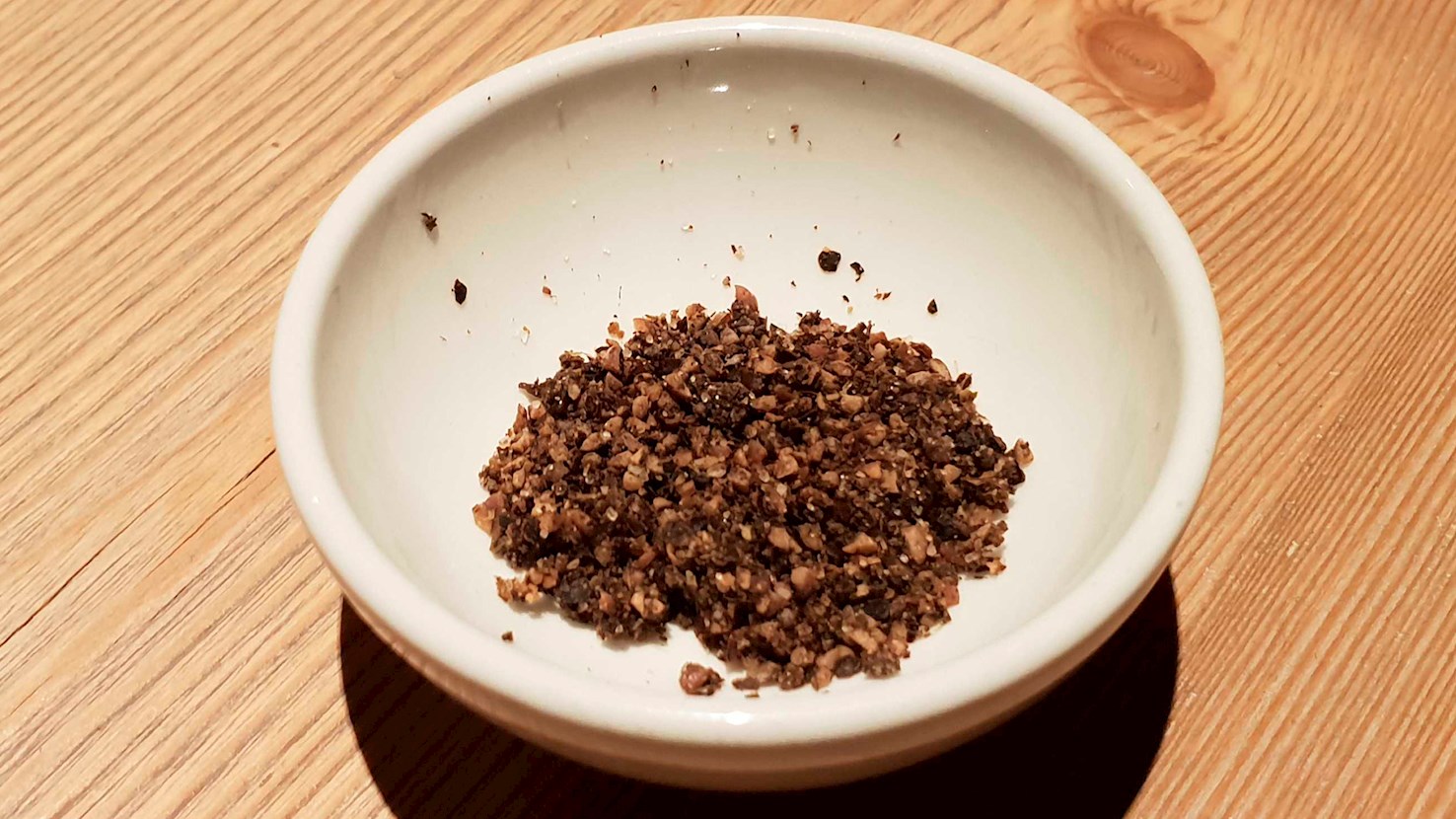
Piperna

n/a ·
Read more
View all
View map
About this ranking

TasteAtlas food rankings are based on the ratings of the TasteAtlas audience, with a series of mechanisms that recognize real users and that ignore bot, nationalist or local patriotic ratings, and give additional value to the ratings of users that the system recognizes as knowledgeable. For the “Top 11 Italian Herbs and Spices” list until June 10, 2026, 236 ratings were recorded, of which 174 were recognized by the system as legitimate. TasteAtlas Rankings should not be seen as the final global conclusion about food. Their purpose is to promote excellent local foods, instill pride in traditional dishes, and arouse curiosity about dishes you haven’t tried.

The initial list of top producers was compiled based on available reviews, awards, local recommendations, media and blog coverage, and consumer reviews. The list will be updated with ratings from TasteAtlas local ambassadors and TasteAtlas users.

Similar lists