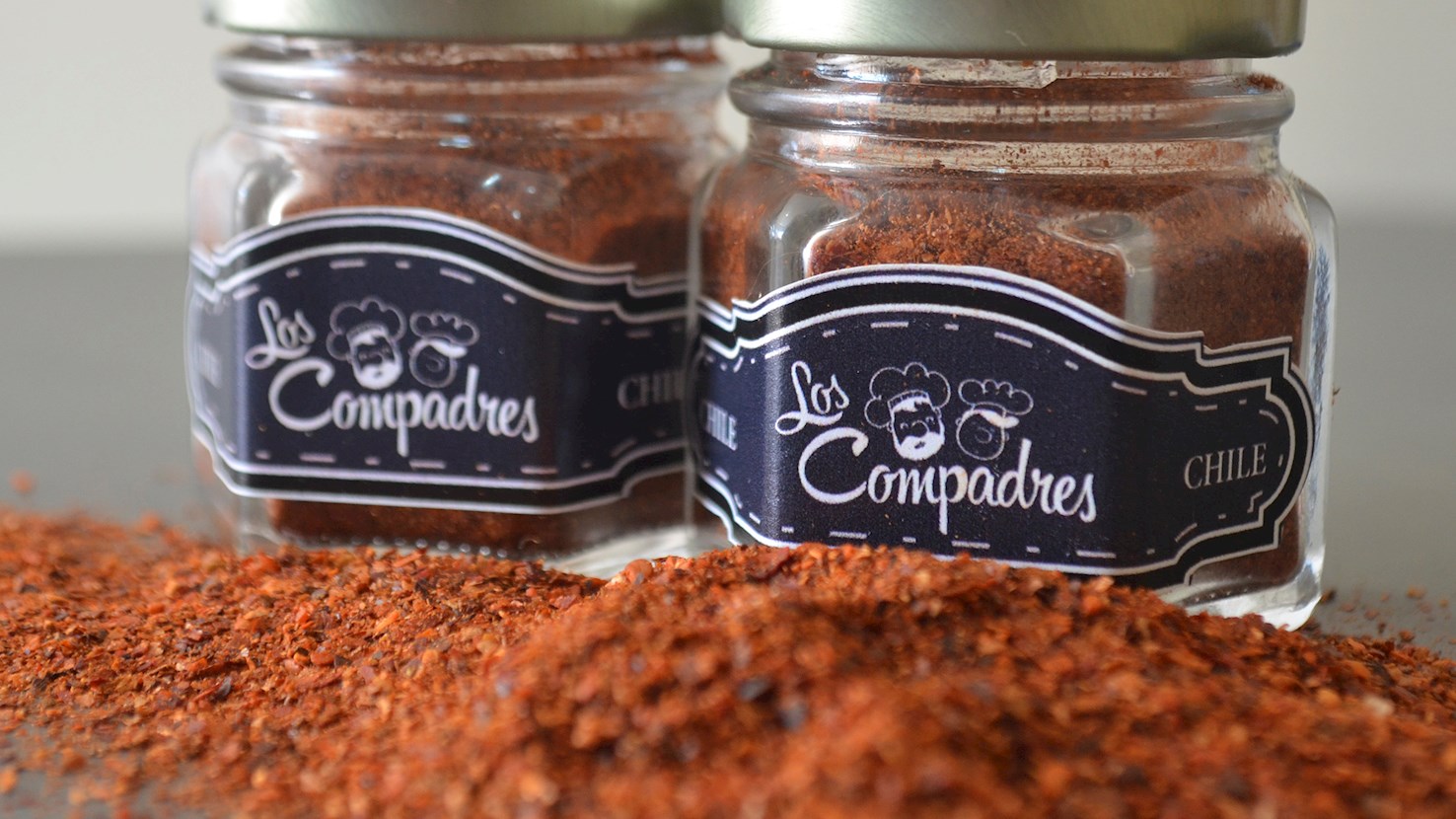
Merquén or merkén is a Chilean spice made with a long, pointed chili pepper called aji, caciocavra, cacho de cabra, or goat’s horn pepper as the key ingredient. The peppers are grown throughout the Araucanía region and are picked in February, when they turn from green to red. They are then dried in the sun until they develop a violet color. The dried peppers are smoked, then hung from ceilings over a wood fire. After the second drying in the sun, these peppers are ground in a stone mortar or in an automatic grinder. The powder is combined with smoked coriander seeds and sea salt, and the spice blend should contain at least 70% of the powder and no more than 20% salt. The spice blend accentuates the rich and earthy flavor of the peppers, and it is generally more smoky and flavorful than spicy and hot. Coming from the gastronomy of the Mapuche indigenous people, merkén is used as a spice rub for meat, sprinkled on pizza, mixed into pebre salsa, or used in mani merkén, a snack of roasted peanuts seasoned with merkén. For a traditional Chilean side dish, it is recommended to try puré picante – mashed potatoes seasoned with this unique spice blend. Nowadays, the use of merkén is slowly declining because it is often considered a symbol of poverty in the country. However, the spice has turned up as a twist on the traditional Chilean aperitif known as pisco sour, where merkén is lightly sprinkled on top of the cocktail glass.
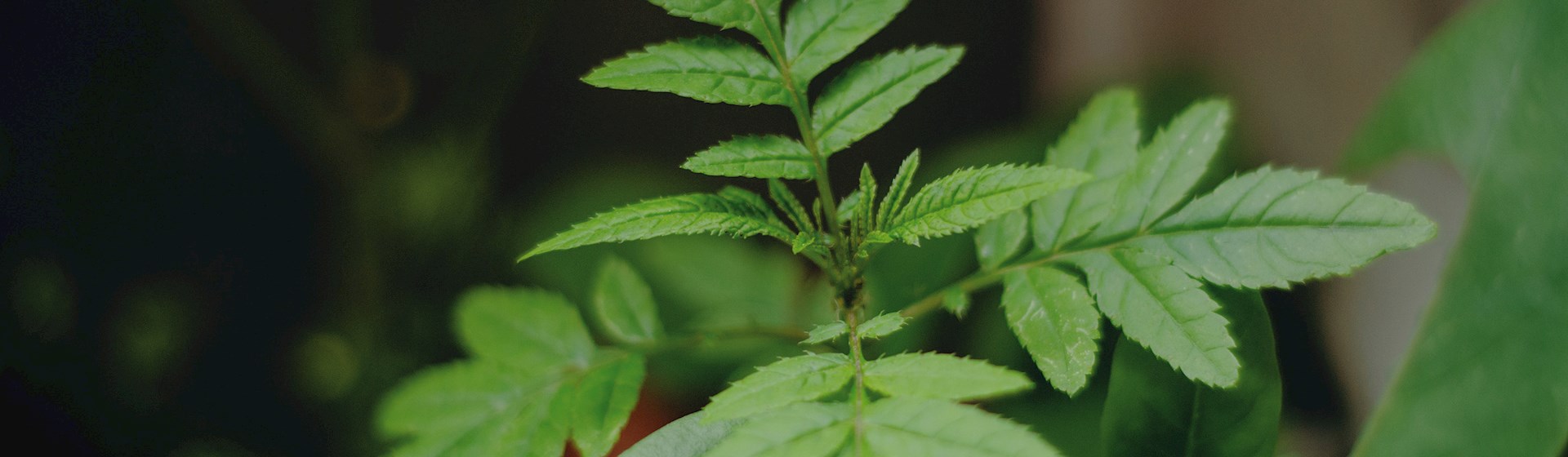
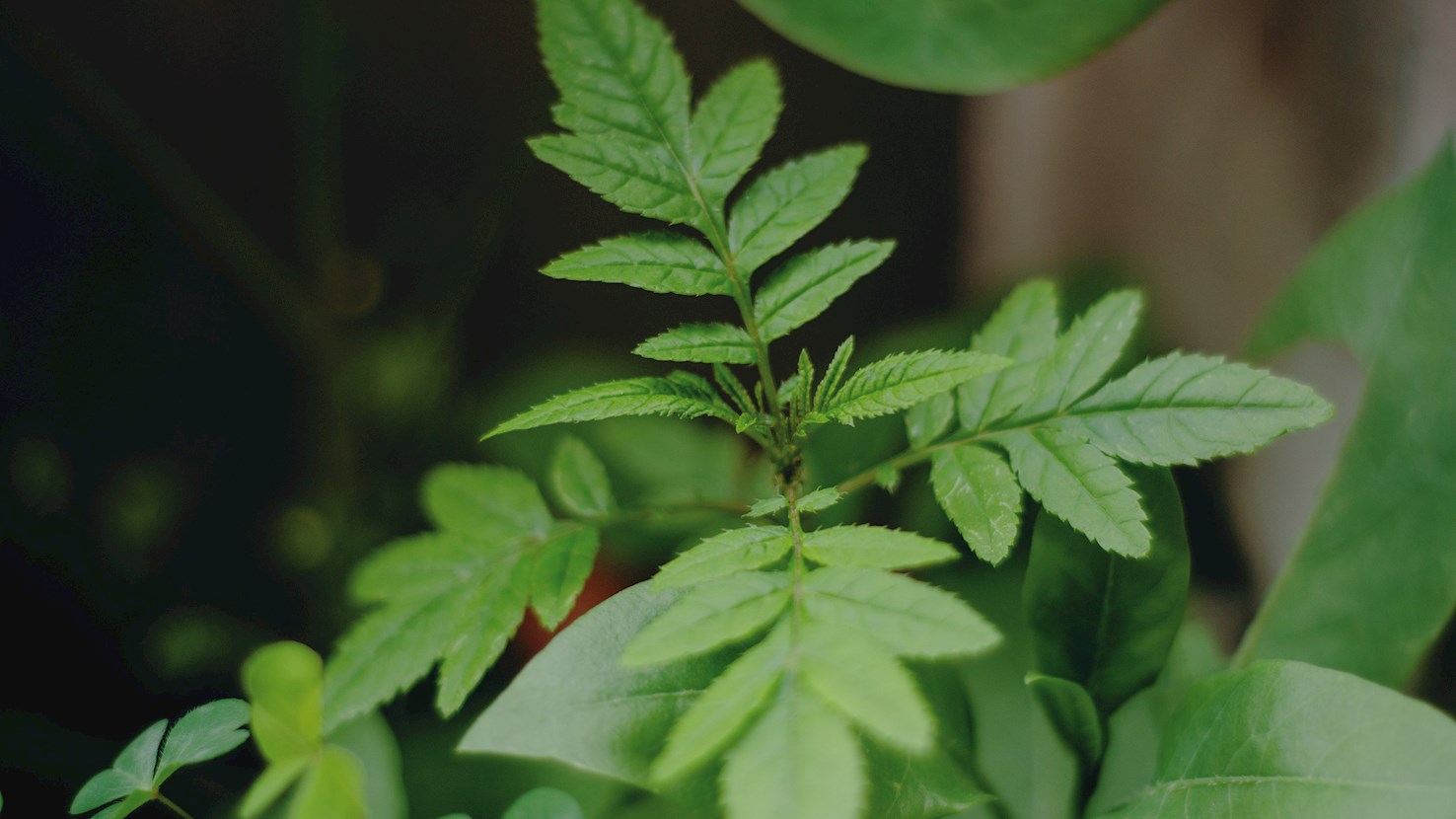
Huacatay is an aromatic herb from the marigold family that's native to the Peruvian Andes, but grows throughout South America. The small plant has tiny green and yellow flowers, while the leaves are spiky. Both the leaves and the flowers produce an aromatic essential oil, similar in flavor to tarragon, lime, sweet basil, and mint. Due to its intense flavors and numerous beneficial properties, huacatay can be found in the form of a thick paste that's used to season dishes or make creamy sauces.
Jambú (lat. Acmella oleracea), is a leafy green herb native to the Amazon rainforest and certain regions of South America. It is known for its distinct tingling and numbing properties, which make it a popular culinary and medicinal herb. The primary characteristic of jambú is that it provokes a unique sensation known as the "electric daisy effect." When consumed, the leaves of the jambú plant cause a tingling, numbing, and slightly buzzing sensation in the mouth hence it being described as consuming a mild electric shock. This effect is thanks to spilanthol, a natural compound found in the plant. In culinary applications, jambú is often used in small quantities as a flavoring herb or garnish to add a novel sensory experience to dishes. It is commonly used in traditional Brazilian cuisine, particularly in the northern region, where it is incorporated into dishes like salads, stews, and fish preparations. Jambú's tingling effect is often utilized to enhance the taste and texture of certain dishes. Besides its culinary uses, jambú has also been employed in traditional medicine. It is believed to have analgesic, anti-inflammatory, and antibacterial properties. In some regions, it is used to alleviate toothaches, sore throats, and mouth ulcers. Additionally, jambú is sometimes utilized as a natural remedy for digestive issues and as a topical treatment for skin conditions. However, it's worth noting that individual sensitivity to the electric daisy effect may vary, and consuming jambú should be approached with caution, particularly when taken in larger quantities or by those with known sensitivities or allergies.
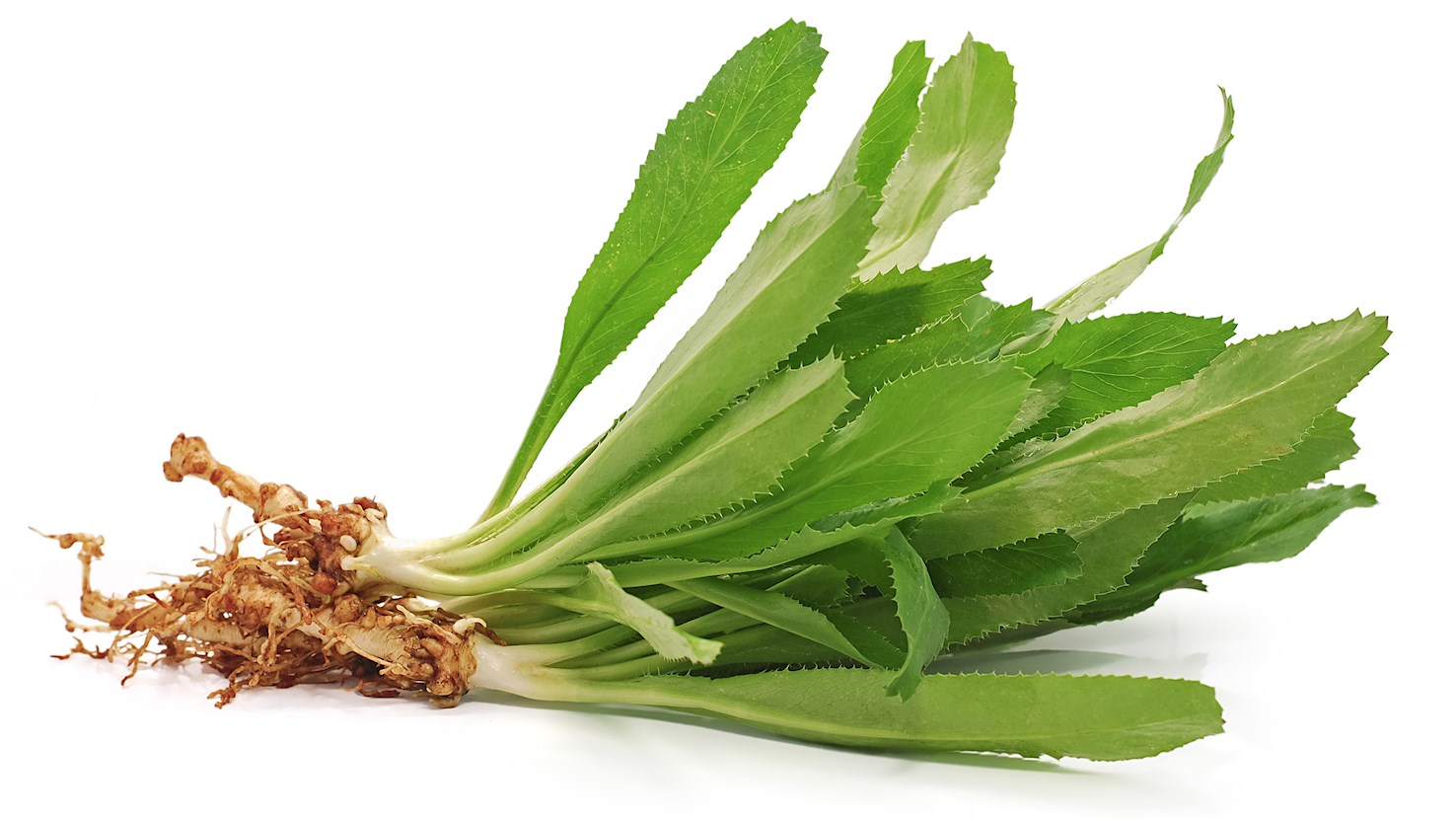
Sacha culantro is an aromatic herb that's native to the eastern parts of the Peruvian Amazon, and it's also known as jungle culantro. The plant has elongated leaves covered with tiny green spines. The largest leaves are picked by hand. Apart from being used in the kitchen and the preparation of various dishes, it's also used to cure symptoms of flu and gastrointestinal ailments. The aroma is similar to that of coriander. The leaves are typically used in meat stews or fish soups. It is believed that the word sacha in its name means close to..., referring to the resemblance or closeness to common coriander (culantro).
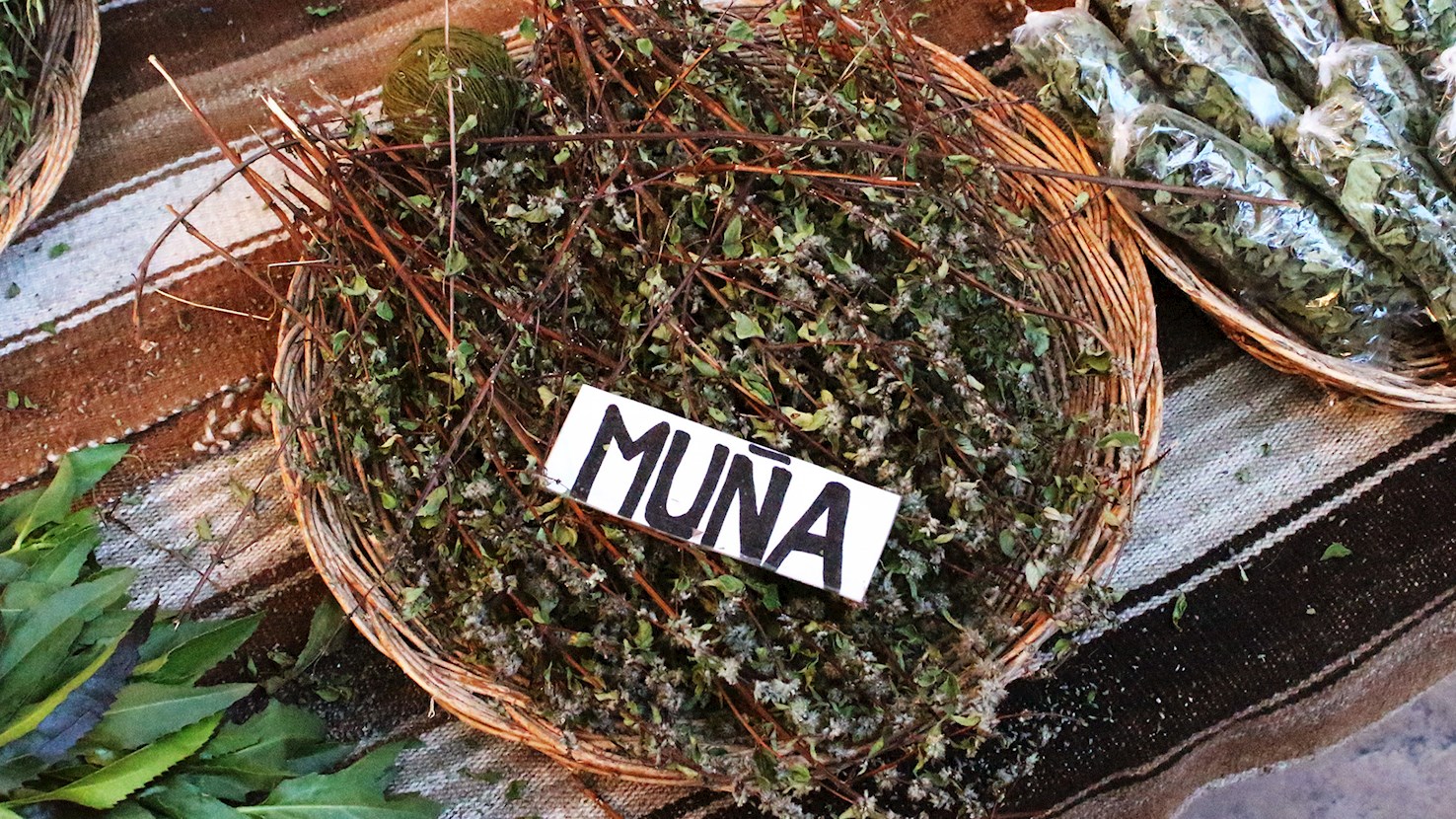
Muña muña (Satureja odora) is a type of native shrub that thrives in the mountainous areas of the province of Córdoba and the town of Tafí del Valle. Distinguished by a minty flavor, the herb’s aromatic, oval leaves have long been a part of the indigenous Calchaquí people’s diet. Muña muña is used in various traditional specialties, and it can be consumed fresh or added to mate drinks to enrich their flavor. Although the plant’s cultivation is not very demanding, muña muña continues to be harvested from the wild, a practice that threatens its existence in eastern Córdoba. The consumption of this herb is not recommended for children and pregnant women as its toxicity has not yet been determined. This plant can be found in certain herbal stores in Tucumán and on small markets in Tafí del Valle’s area.
Growing wild in the arid area around Cuyo and Noroeste in the Argentine region of Tucumán, arcayuyo (Chenopodium graveolens) is an annual plant that is characterized by elliptical leaves and five-petaled flowers which are believed to possess excellent healing properties. The plant’s flowering typically occurs in January and February, while the harvesting usually takes place between March and October. Commonly known as fetid goosefoot, this plant has long been used in traditional medicine to treat various health issues related to liver, stomach, skin, and allergies, and it is also believed to have potent tranquilizing properties. Arcayuyo’s leaves can be consumed fresh or dried, and they are often transformed into a herbal infusion that is to be drunk on its own or combined with yerba mate. Due to an increasing loss of interest in collecting traditional wild herbs and their use, this local herb is currently in danger of becoming extinct.
TasteAtlas food rankings are based on the ratings of the TasteAtlas audience, with a series of mechanisms that recognize real users and that ignore bot,
nationalist or local patriotic ratings, and give additional value to the ratings of users that the system recognizes as knowledgeable.
For the “Top 6 South American Herbs and Spices” list until July 15, 2026, 300 ratings were recorded, of which 97 were recognized by the system as legitimate.
TasteAtlas Rankings should not be seen as the final global conclusion about food. Their purpose is to promote excellent local foods,
instill pride in traditional dishes, and arouse curiosity about dishes you haven’t tried.