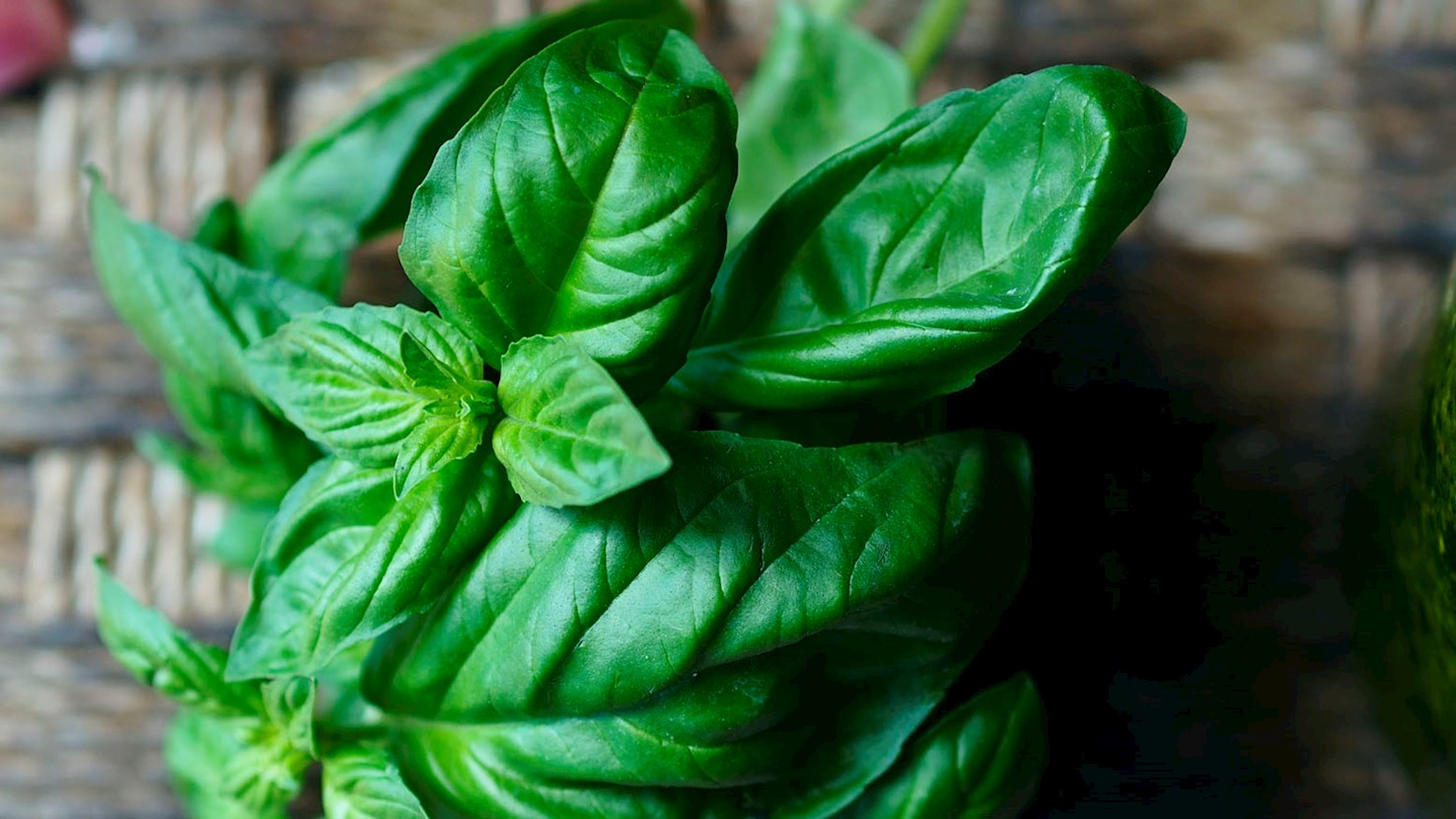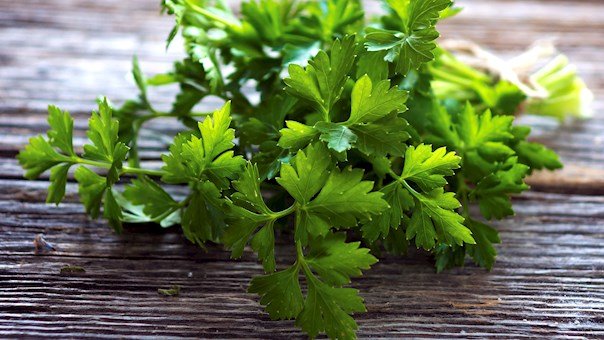
The fragrant Genovese basil is a cultivar of Ocimumbasilicum (sweet basil), traditionally grown in the Ligurian provinces of Genoa, Savona and Imperia. It has an intense clove aroma and it is widely known for being an essential ingredient of the famous Pesto alla Genovese sauce. Even though it is available dried, Genovese basil is most often used fresh, added to various dishes at the last moment, in order to preserve its exceptional flavor.
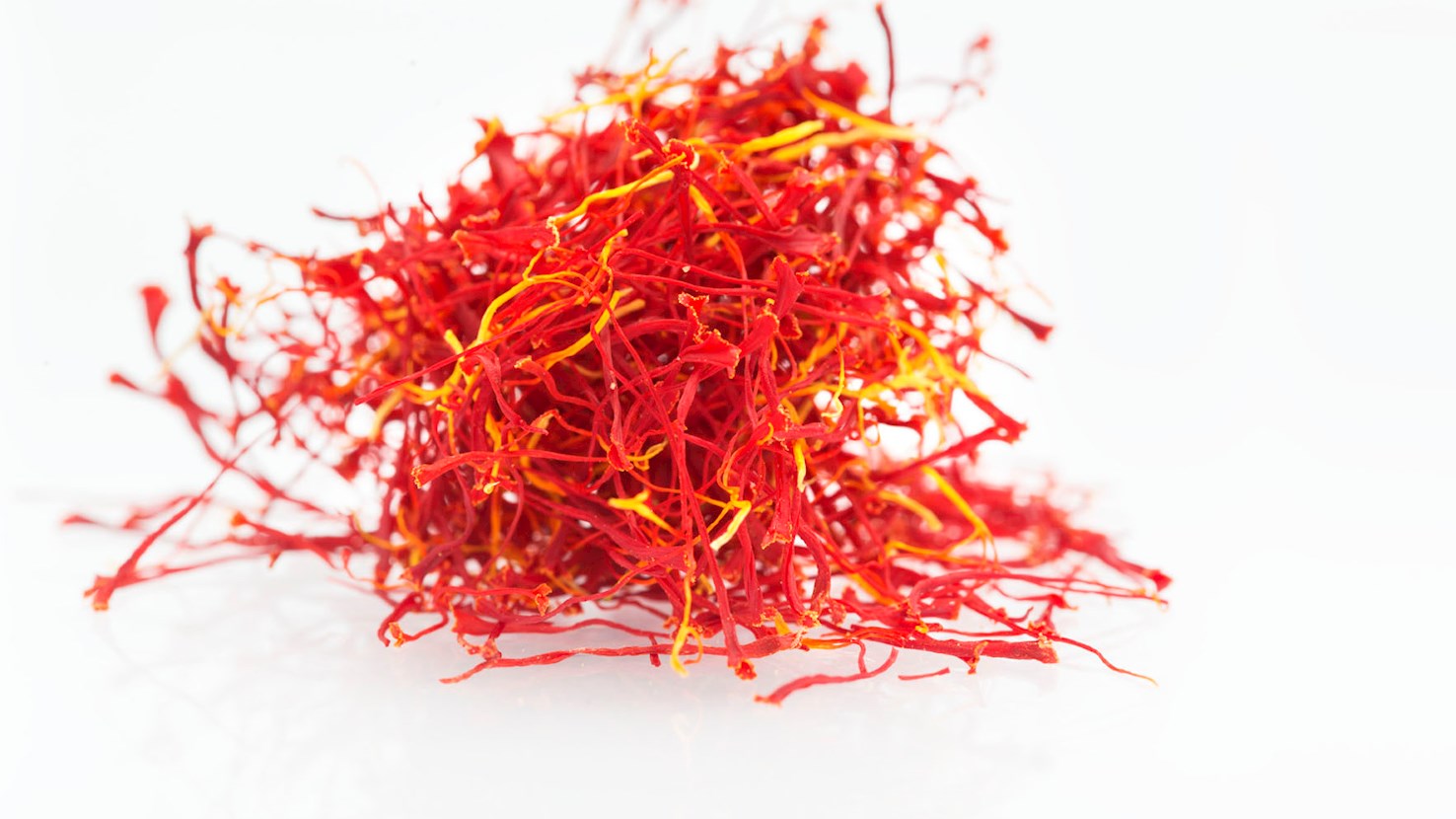
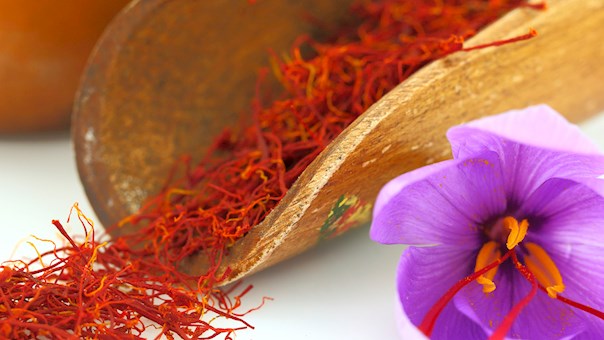
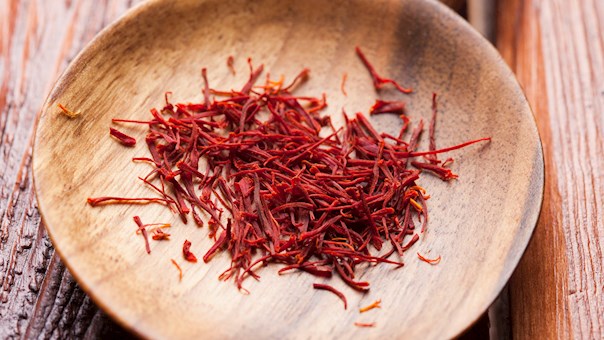
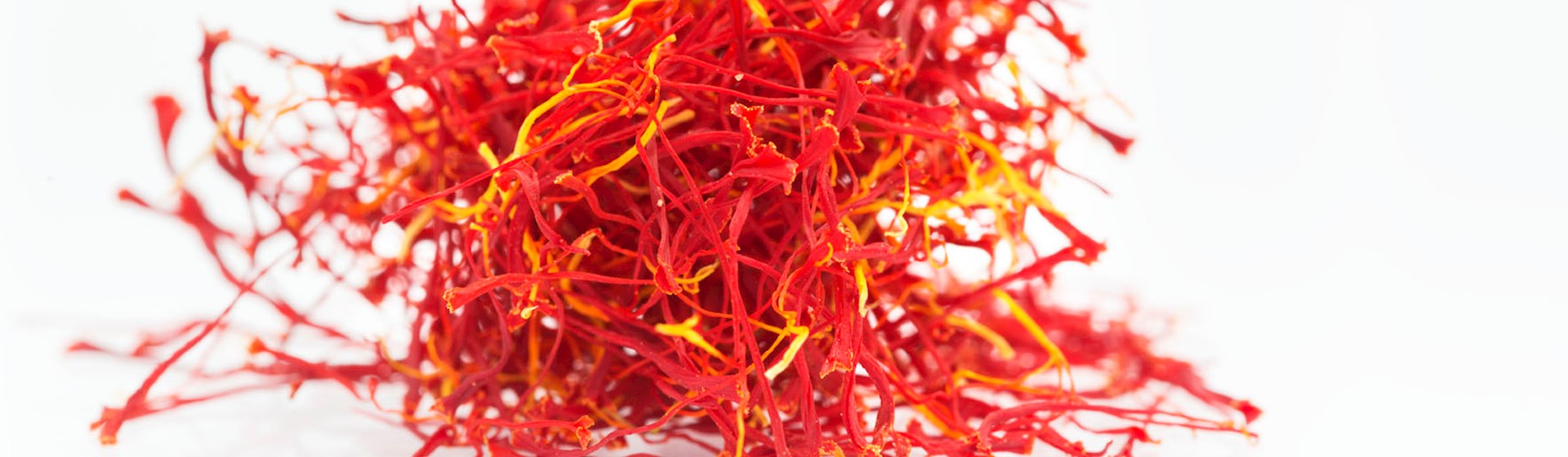
Azafrán de la Mancha is a saffron grown in the autonomous community of Castilla-La Mancha. It is a spice produced by drying the stigmas of the Crocus Sativus, L. plant. It has a floral and slightly bitter flavor and gives the dishes it is cooked in a bright gold yellow color. Saffron is one of the most expensive spices in the world, with the price higher than that of gold, due to the laborious process of its harvesting. To preserve its subtle flavor, saffron grown in La Mancha is never sold powdered, but exclusively in the form of whole threads.
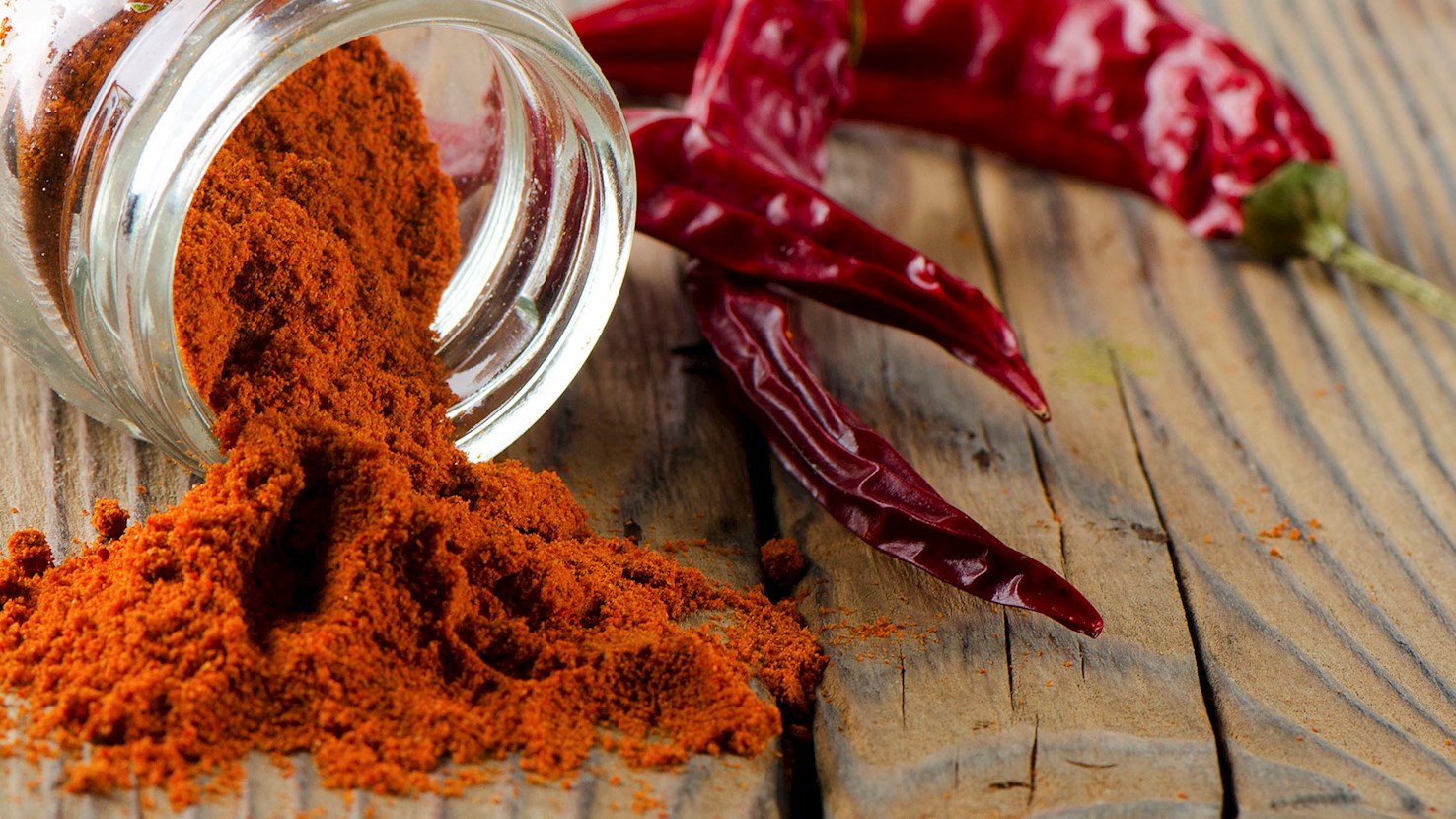
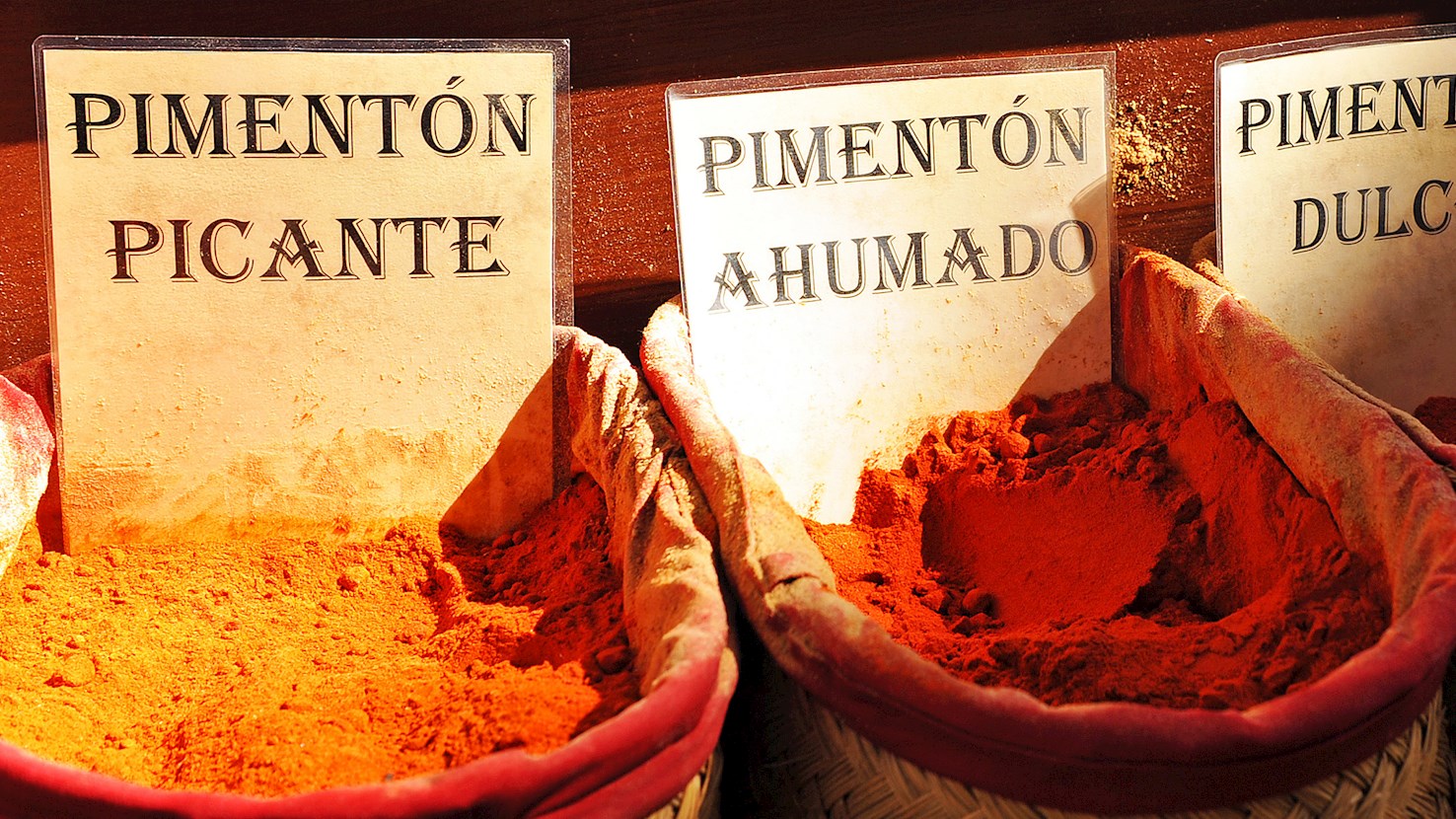
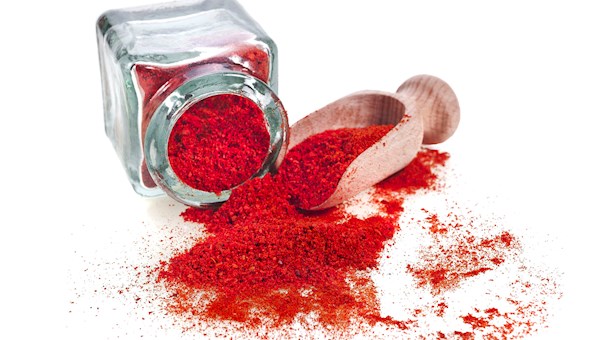
Pimentón de la Vera is the smoked paprika that has been produced exclusively in the La Vera valley, in the province of Cáceres since the 16th century. This vibrant red spice is made by grinding dried peppers into a fragrant, spicy, smoky powder. It became popular in the 16th century when the Spanish conquistadors brought the peppers back from Mexico as a gift for the king and queen of Spain. In autumn, after harvesting, the finest peppers are hanged on strings and are left to dry. They are then smoked using oak wood for two weeks, thus intensifying both their flavor and color. There are three types of Pimentón de la Vera; dulce, agridulce and picante, or sweet, medium and hot, respectively. The sweet variety is mostly used with light meats, such as octopus, rabbit or chicken. On the other hand, the hot variety is used in heartier winter soups and stews, or in the production of chorizo sausages.
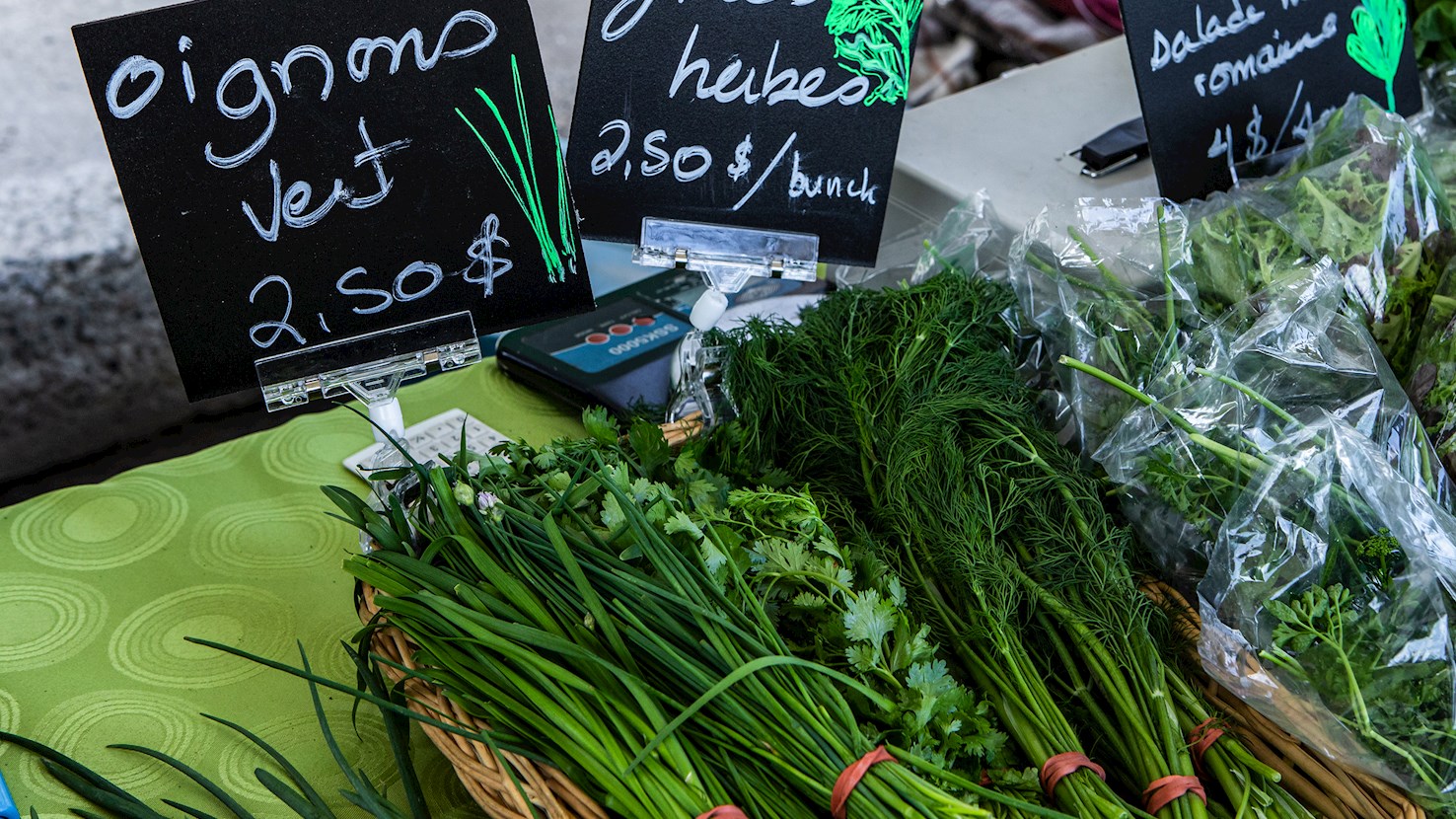
Fines herbes is a traditional blend of herbs, including parsley, chives, chervil, and tarragon. Thyme is often added to the four classic ingredients, while savory, watercress, and marjoram are sometimes also included in the mix, but not as often as thyme. This mild and subtle blend of herbs is especially well suited for poultry, salads, and egg-based dishes. What's important is that all of the herbs should be fresh and not dried for the best possible flavor.
Thym de Provence is an evergreen herb with culinary, medicinal and ornamental uses. It is called Farigoule in Provence and best known as one of the basic components in a classic Bouquet garni or in a spice mixture known as Herbes de Provence. One of the most fragrant herbs one can grow, Thym de Provence has a lemony aftertaste giving freshness to various stews, marinades, sauces, soups and salads. It blends perfectly with tomatoes, either fresh or processed, fried vegetables, grilled goat cheese or roasted poultry. Thyme is also used in various desserts, fruit salads, jams, pies, muffins, sorbets etc. When used in infusion, thyme is an excellent digestif, it helps the body assimilate the high iron content of certain food and regulates circulatory problems. Together with lavender and rosemary, thyme is among the most popular aromatic plants of Provence.
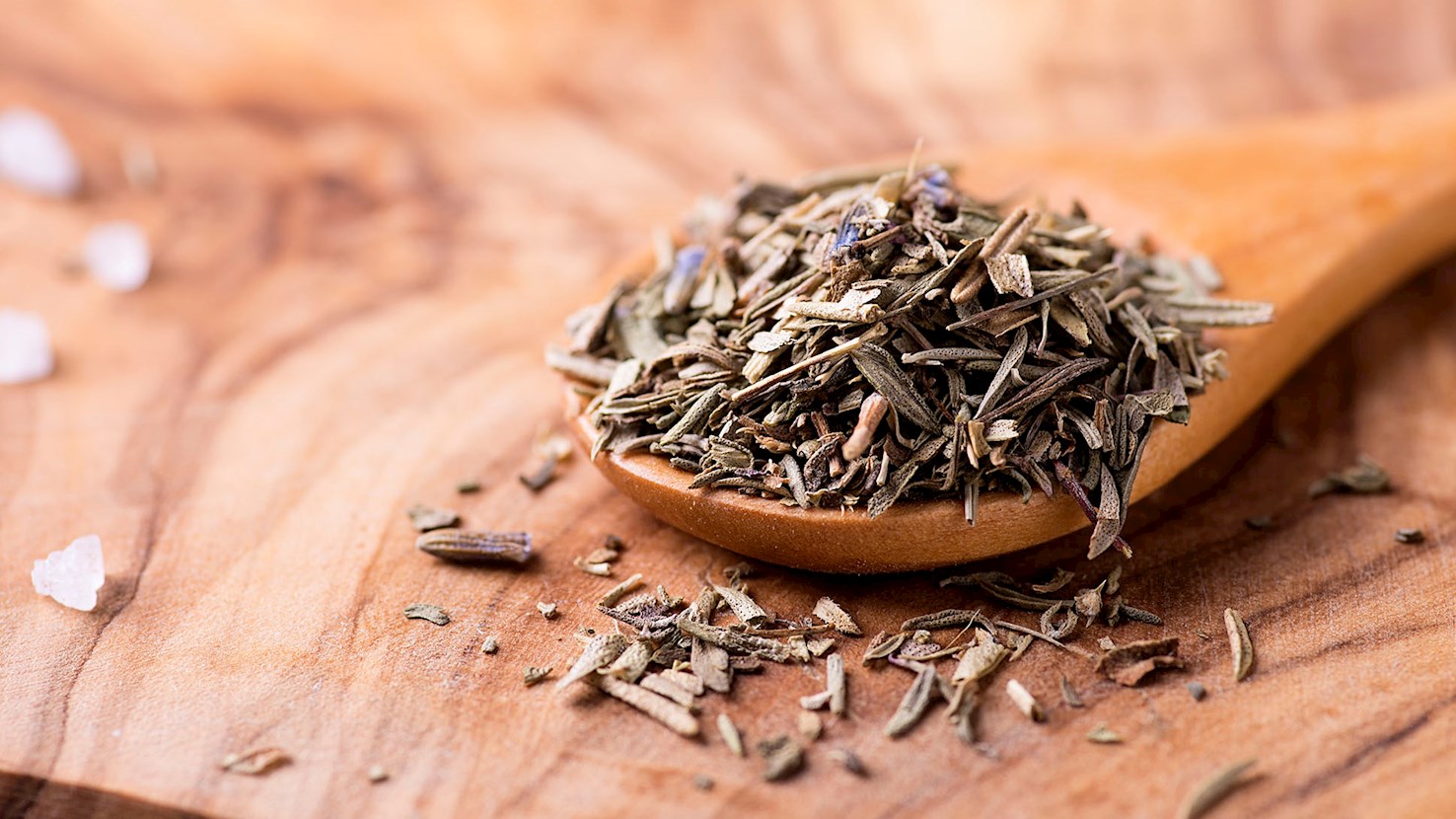
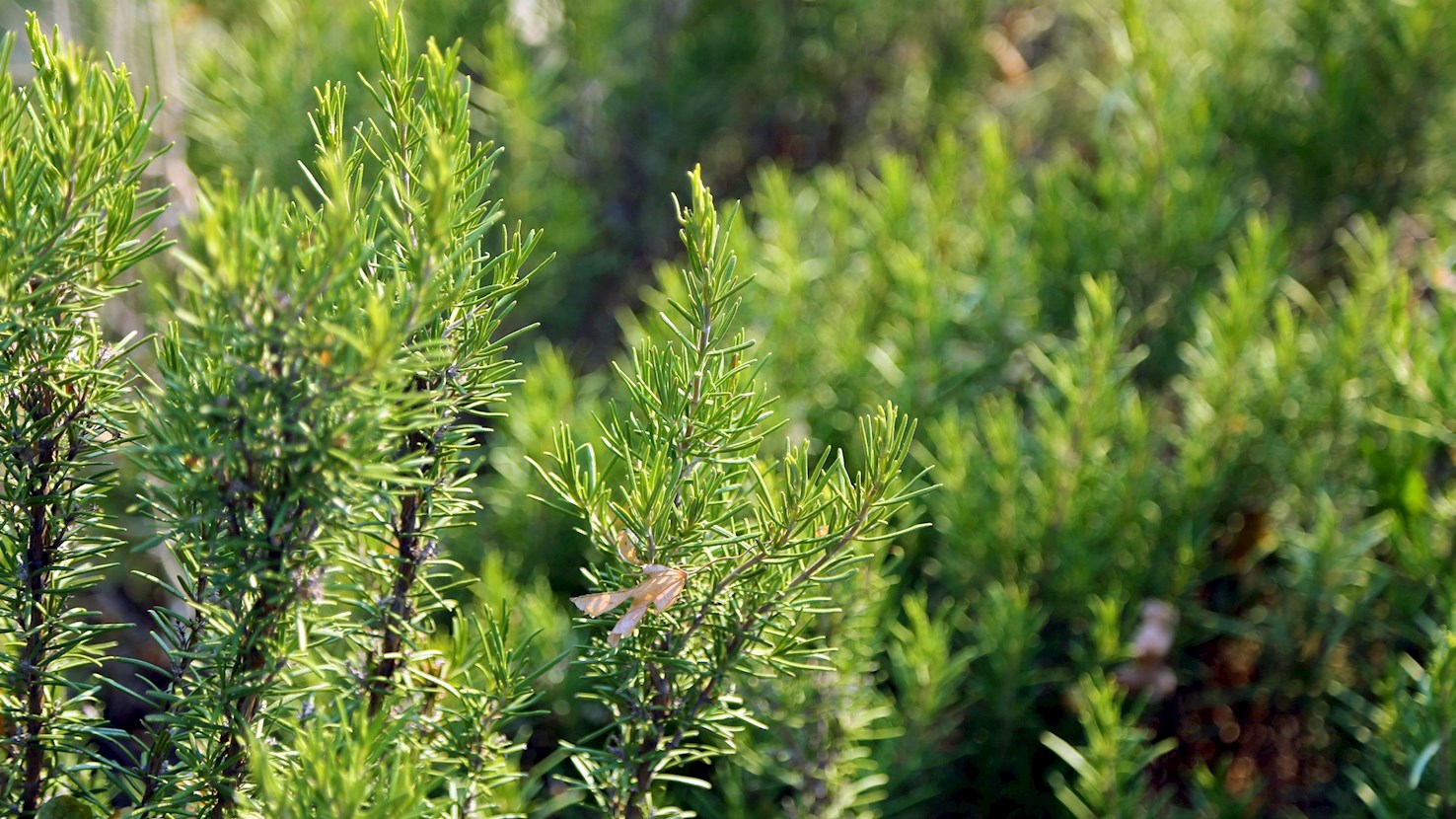
Mainly grown in the community of Villarosa, Sicilian rosemary is one the most widely used spices in the local cuisine. Leaves and flowers are harvested during summer and left to dry in dark, well-ventilated places before being packed in glass jars, paper or plastic bags, where they can last for a very long time. This wonderfully fragrant herb is used to flavor meats, fish, or vegetables, and it will turn any simple bread or focaccia into a true delicacy. Although it is much more often used in savory dishes, it works well in desserts, too.
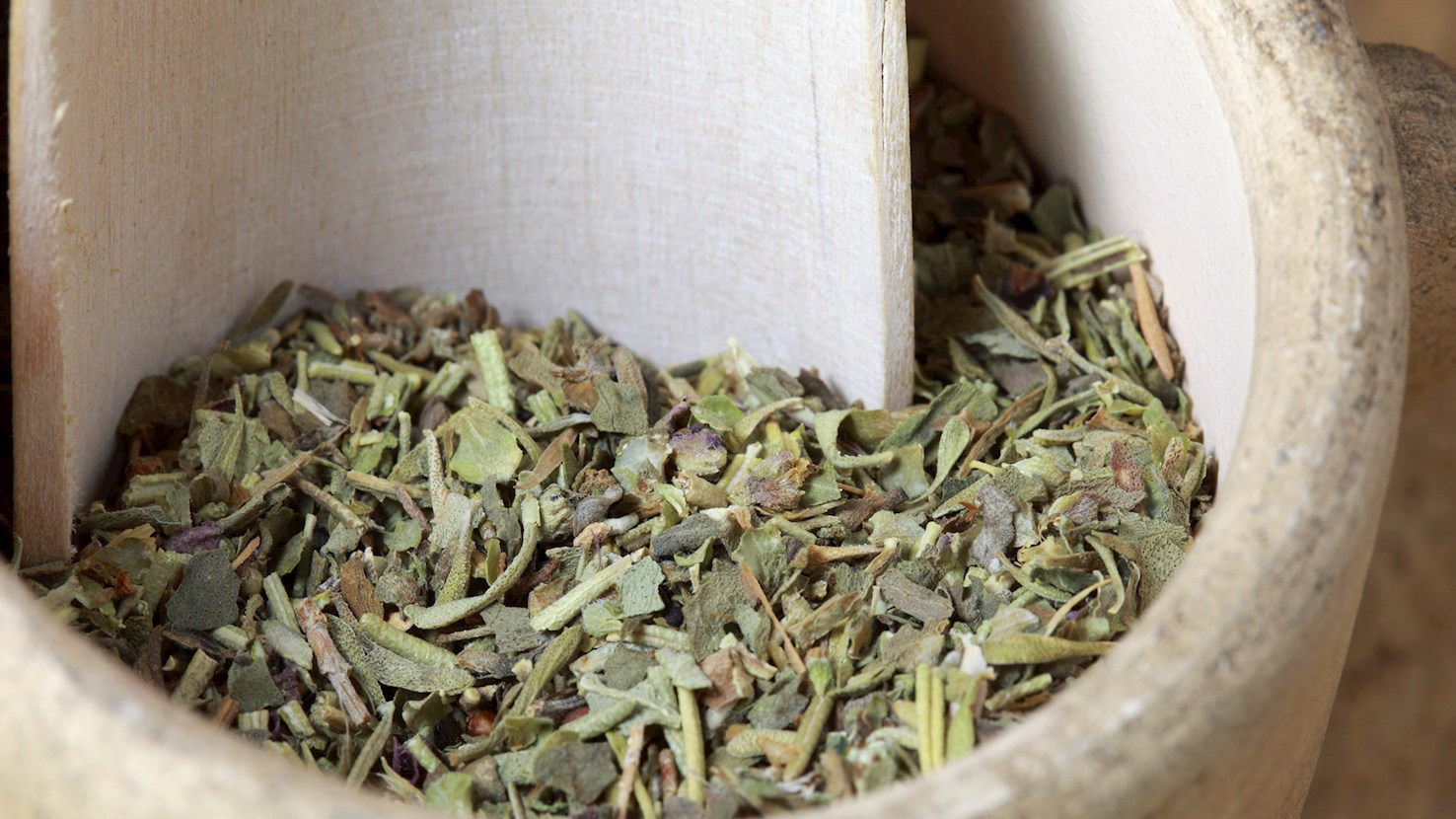
This world-famous blend of herbs and spices originated in France’s region of Provence, and contains ingredients such as lavender, basil, oregano, fennel, dill, rosemary, thyme, bay leaf, and sage. Herbes de Provence are traditionally sold in small clay pots. The mixture is commonly used as a rub or seasoning for various meat dishes, especially for grilled meats, and it can also be used as a seasoning in soups or stews. When cooked, the herbs soften and release their natural, aromatic flavors. Although these herbs have been used in various combinations in Provence for centuries, the blend that's known today as Herbes de Provence has been marketed under this name since the 1970s.
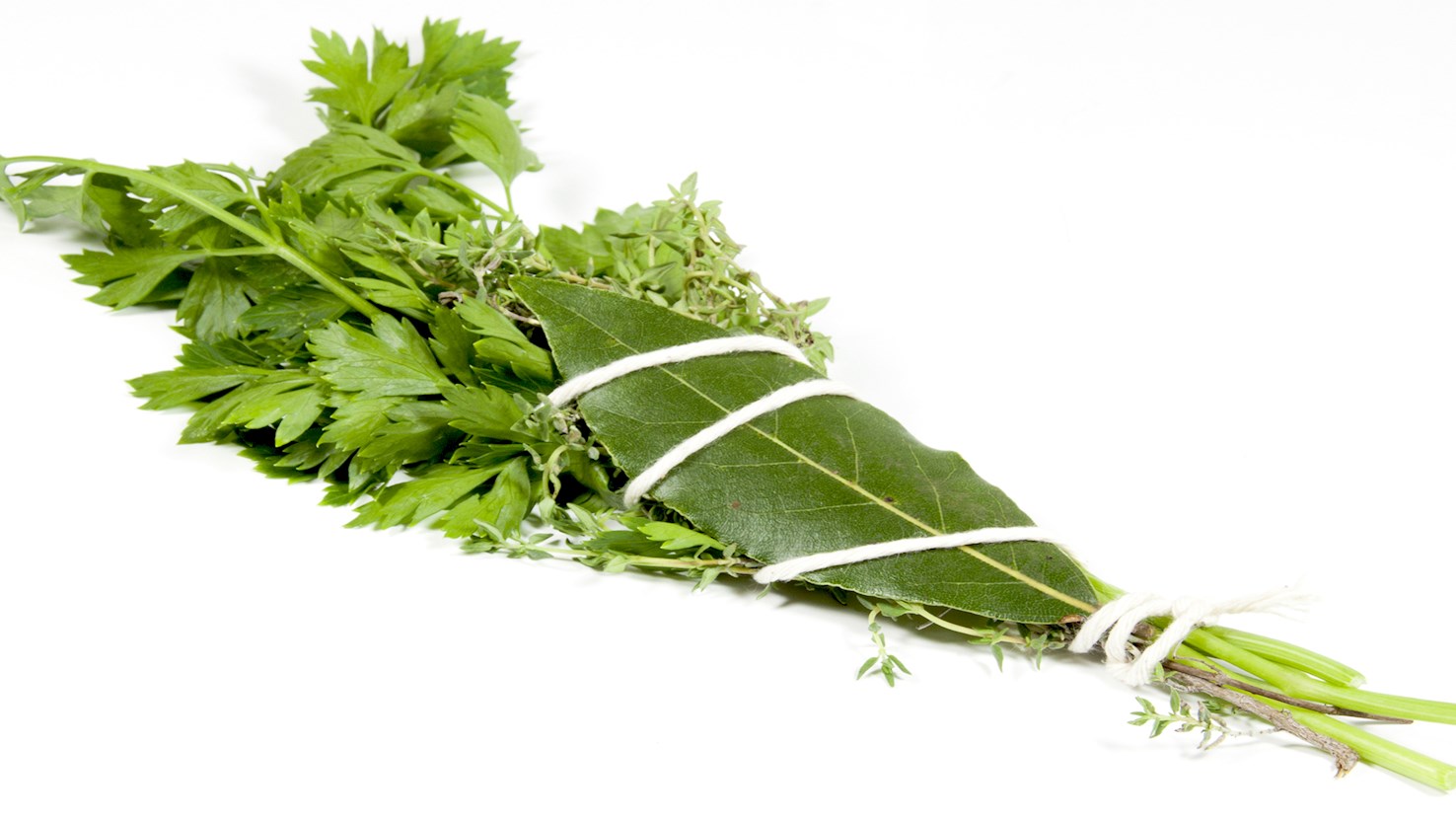
This small French bundle of herbs is traditionally tied together with butcher’s string to keep the herbs together after they are added to a pot for cooking. This quaint bouquet of fresh herbs usually contains thyme, parsley, and bay leaf, and it lends a bold, herby layer of flavor to any soup, sauce, stock, or casseroles it is added to. Tying the herbs together in a bundle makes it easy to remove the stems and leaves from the dish, leaving nothing behind except the flavor.
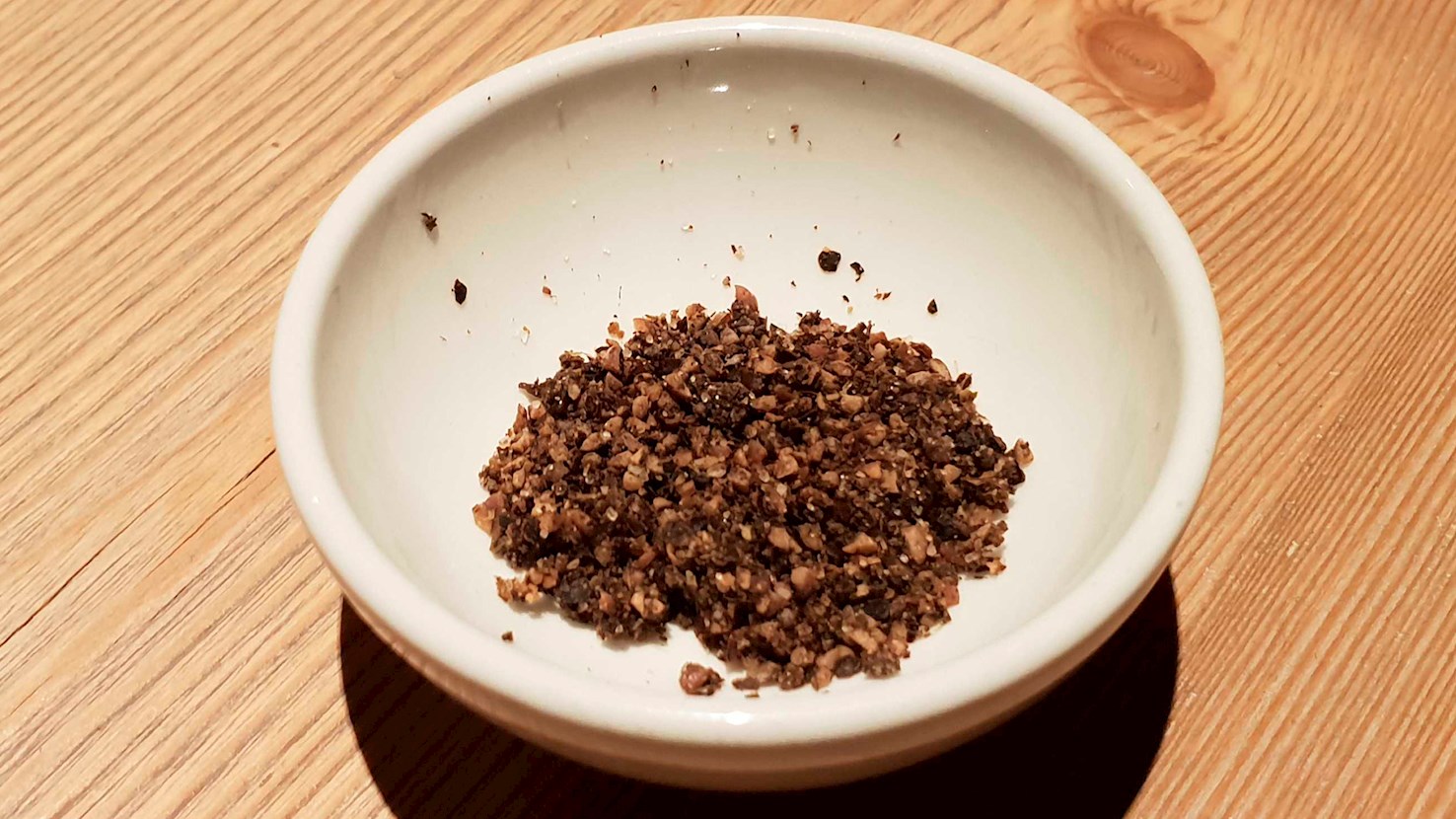
Pestèda is a traditional seasoning blend that hails from the ancient village of Grosio, consisting of garlic, salt, pepper, and aromatic herbs such as leaves of dwarf alpine yarrow or musk yarrow, wild thyme, juniper berries, or cinnamon. Its name means beaten, referring to the method of preparation that involves pounding the combination of herbs and spices in a mortar to produce a highly aromatic mixture, characterized by an intense, slightly spicy flavor. Due to its distinctive aroma and flavor, pestèda has spread throughout the whole region of Valtellina over the years, yielding numerous variations on the traditional blend with some calling for the addition of wine (such as Sasella), brandy, or grappa. This seasoning is nowadays a staple flavor enhancer incorporated into a wide range of traditional specialties of the region including meat, fish, carpaccios, vegetables, potatoes, raclette, guanciale, lard, Valtellina rice, and various pasta dishes such as pizzoccheri alla valtellinese. Pestèda is often found on the tables of traditional local restaurants and in grocery stores.
Pimentón is a Spanish ground spice made from dried red peppers, cultivated mainly in Extremadura and Murcia, with the best-known varieties carrying protected designation of origin such as Pimentón de la Vera and Pimentón de Murcia. What distinguishes it from other ground pepper powders is the drying process, which in the case of La Vera involves oak wood smoke, giving the spice a distinctive aroma and flavour. The peppers themselves were introduced to Spain from the Americas in the 16th century, and their adaptation to the Iberian climate and soils gave rise to a spice that would become an essential part of Spanish cooking. The use of pimentón expanded over the centuries as Spanish cuisine evolved, moving from monasteries where peppers were first cultivated into wider agricultural production. Its role in preserving and flavouring meats, particularly in sausages such as chorizo, made it indispensable in Spanish households and food traditions. The separation into sweet, bittersweet and hot types allowed for its use in a range of dishes, from gentle stews to robustly spiced meals, reflecting both regional preferences and culinary creativity. Its reputation was cemented when specific growing regions, such as La Vera, developed reputations for quality linked to both soil and climate, creating a product that was both distinctive and regionally defined. To prepare pimentón, ripe peppers are harvested, dried either by smoking or in the sun depending on the region, and then slowly ground to a fine powder using stone mills. This method preserves both colour and essential oils, which are key to its flavour. In cooking, it is not used raw but gently heated in oil to release its aromas before being combined with other ingredients. If burned it can become bitter, so handling requires care. Its role in dishes ranges from giving depth to stews such as fabada asturiana, lending colour to rice dishes, seasoning fish and octopus in Galicia, or providing the distinctive character to sausages like chorizo. Today, pimentón is eaten across Spain and far beyond, found in professional kitchens, domestic pantries and global food markets. In Spain it is indispensable in cooking legumes, meat and fish, while internationally it has found its way into marinades, sauces and even vegetarian dishes seeking depth and colour.
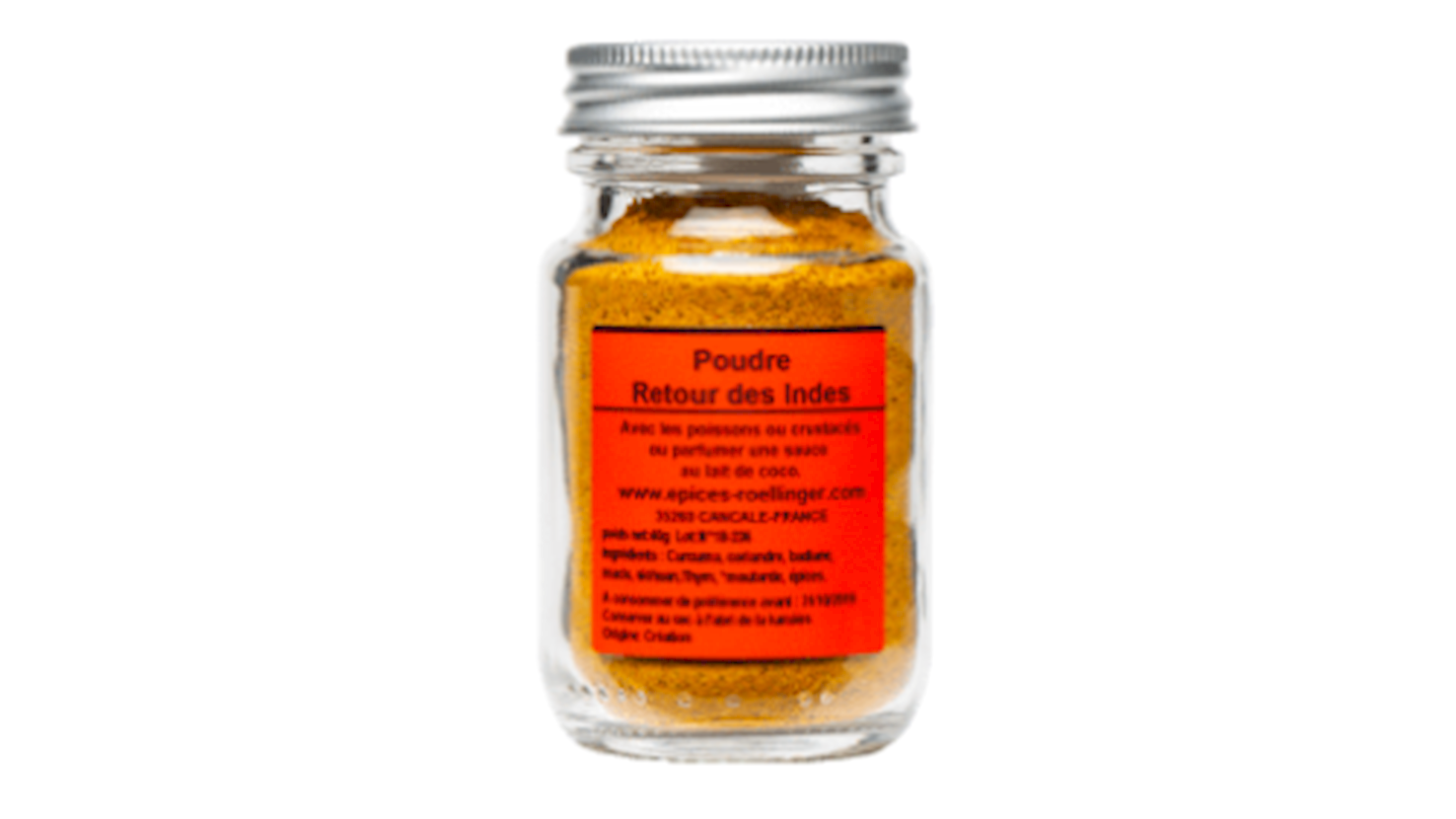
Épices Roellinger is a French gourmet spice house founded by chef Olivier Roellinger, closely linked to the maritime heritage of Saint-Malo and Cancale in Brittany. The brand grew out of Roellinger’s culinary work, where he began using spices as an aromatic language in 1984, inspired by the historic spice routes and the old trading culture of Saint-Malo. Today, Épices Roellinger offers rare spices, peppers, salts, oils, vinegars, vanilla, seaweeds and original spice blends created with a distinctly French culinary sensibility. Its philosophy is based on direct sourcing from selected producers, freshness of harvest, and a strong preference for organic, sustainable, wild or agroecological ingredients. The house is especially known for its original spice blends, designed not as generic seasonings but as precise culinary compositions connected to memories, journeys, places and dishes. Production and blending are associated with the Maison du Voyageur in Cancale, while the brand also operates boutiques in Cancale, Saint-Malo and Paris. Épices Roellinger is regarded as one of the reference names in the French gourmet spice world, valued for traceability, craftsmanship and its ability to translate the history of spices into contemporary cuisine.
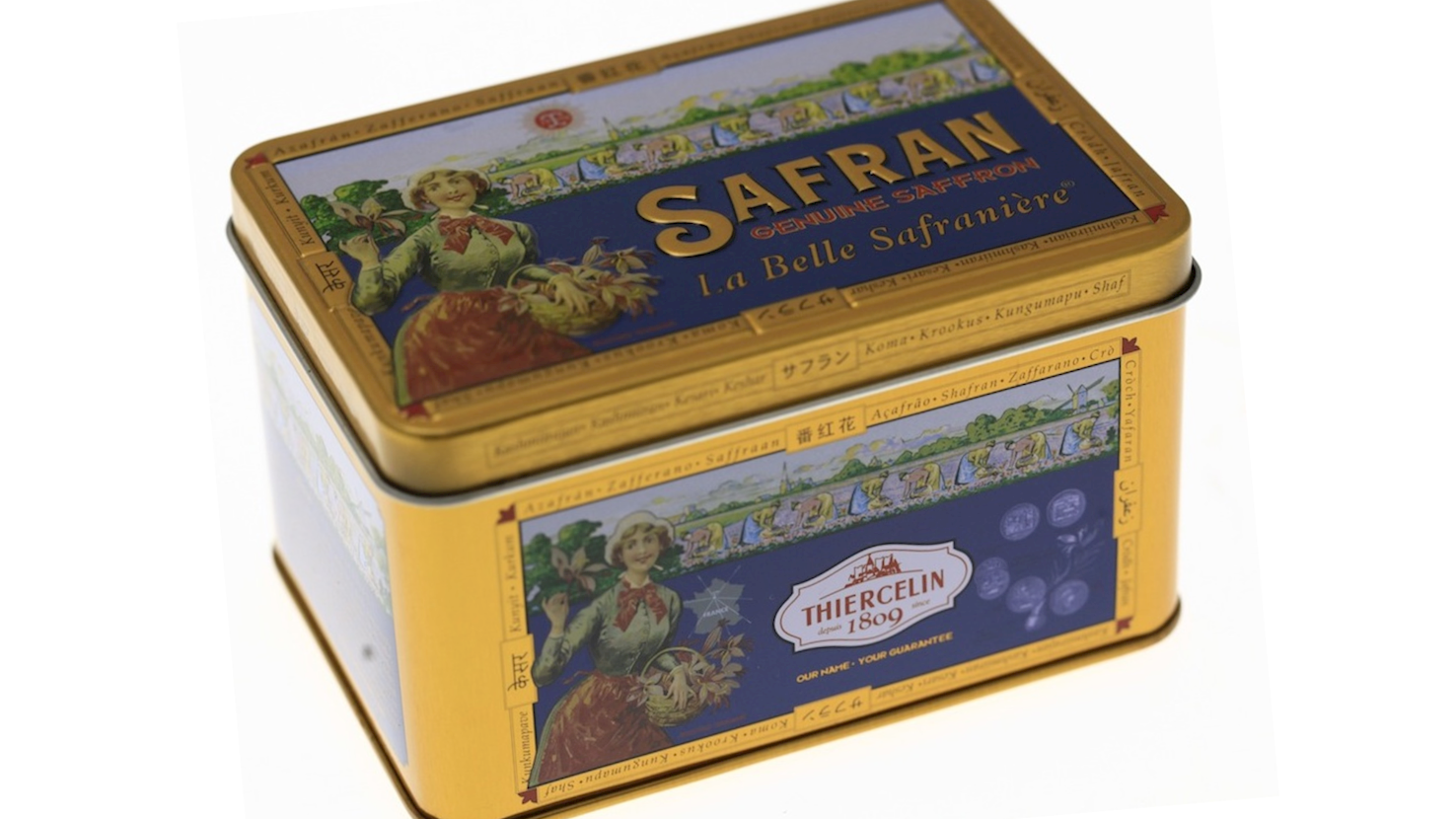
Thiercelin 1809 is a French family-owned producer of spices, aromatic herbs, and gourmet ingredients whose history dates back to 1809. Originating from the Gâtinais region of France, the company is recognized as one of the world's oldest saffron specialists. For more than two centuries, the Thiercelin family has developed extensive expertise in sourcing, processing, and distributing saffron, vanilla, peppers, spice blends, edible flowers, herbal extracts, and other premium ingredients for the culinary industry. Its products are used by renowned chefs, pastry makers, hotels, and food manufacturers, while also being available to discerning consumers through specialty retailers and the company's own stores. Thiercelin 1809 has been awarded the prestigious “Maître Artisan” distinction in recognition of its exceptional craftsmanship and long-standing expertise. The company is particularly renowned for its knowledge of saffron, a product the family has traded since the early nineteenth century, as well as for creating distinctive spice blends inspired by historical recipes and global culinary traditions. Today, the business is managed by the eighth generation of the Thiercelin family, continuing a legacy that combines tradition, innovation, and a commitment to quality that has earned the brand international recognition.
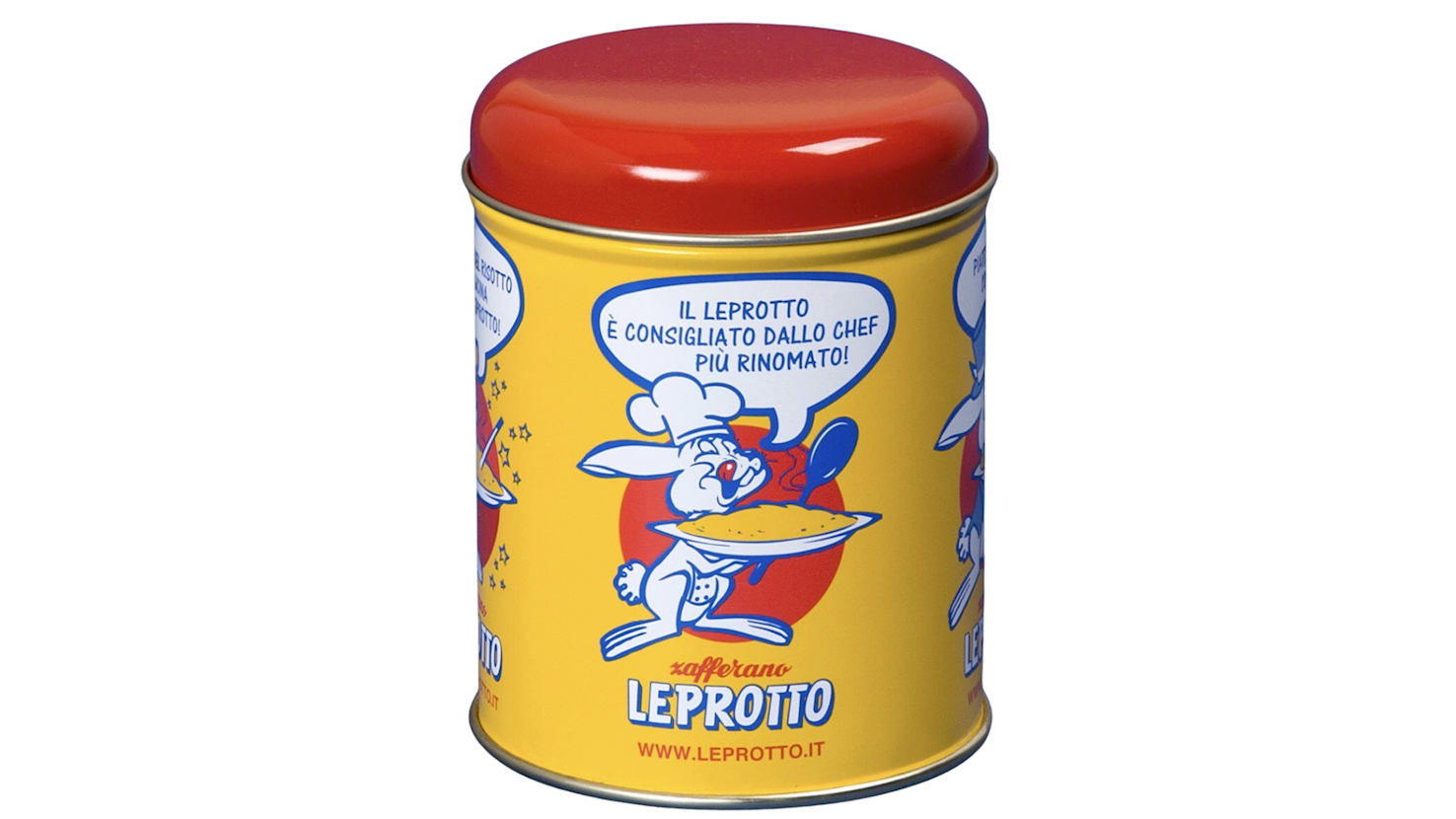
Zafferano Leprotto is a historic Italian saffron brand that originated in Milan in 1963. It was developed by Bonetti with the aim of creating a saffron product known for its distinctive and intense character. The brand takes its name from a small hare (leprotto in Italian), which became the product’s iconic mascot and visual trademark. During Italy’s economic boom of the 1960s, Leprotto built a strong identity through its recognizable yellow packaging, advertising campaigns, and promotional activities that made it a familiar presence in households across the country. The packaging traditionally features the slogan “forte sapore” (“strong flavor”), highlighting the product’s characteristic intensity. Today, Zafferano Leprotto remains on the market as one of Italy’s longest-established saffron brands. It continues to be closely associated with Milan and Italian culinary traditions, particularly dishes such as risotto alla milanese, where saffron plays a central role.
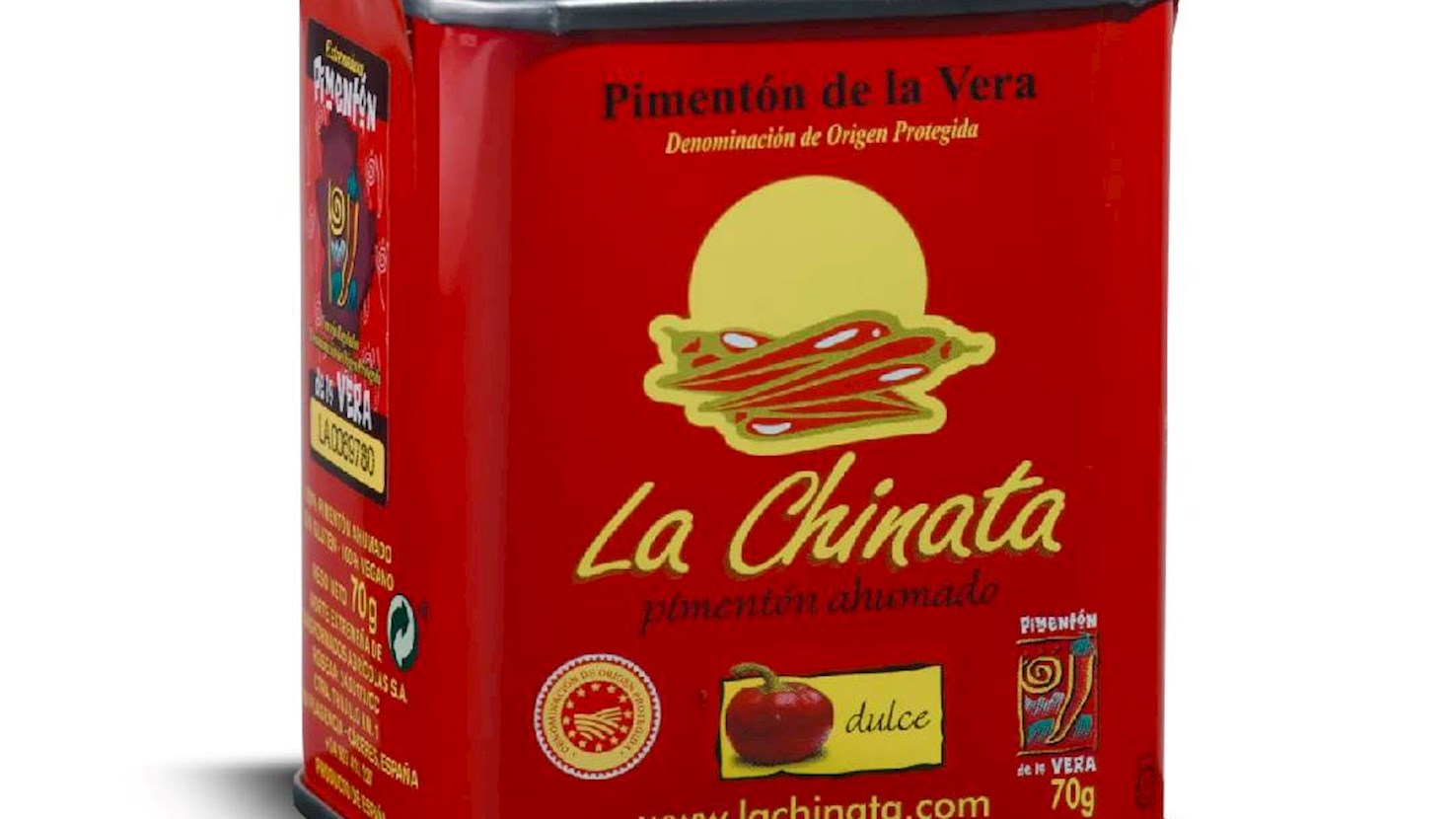
La Chinata is a Spanish company specializing in the production of smoked paprika from the La Vera region. Founded in 1975, the company has become renowned for its authentic smoked paprika, made using traditional methods of drying peppers over oak wood smoke. This process imparts a unique aroma and flavor to the paprika, making it an essential ingredient in many Spanish and international dishes. In addition to paprika, La Chinata has expanded its range to include gourmet products and cosmetics based on extra virgin olive oil. Their gourmet offerings include spices for paella, smoked oils, and various delicacies, while their cosmetic line features skincare and haircare products, with olive oil as the main ingredient. La Chinata is a family-owned company currently operating under its third generation, headquartered in Plasencia, Spain. By combining tradition and innovation, the company is dedicated to maintaining the high quality of its products, satisfying the tastes of modern consumers worldwide.
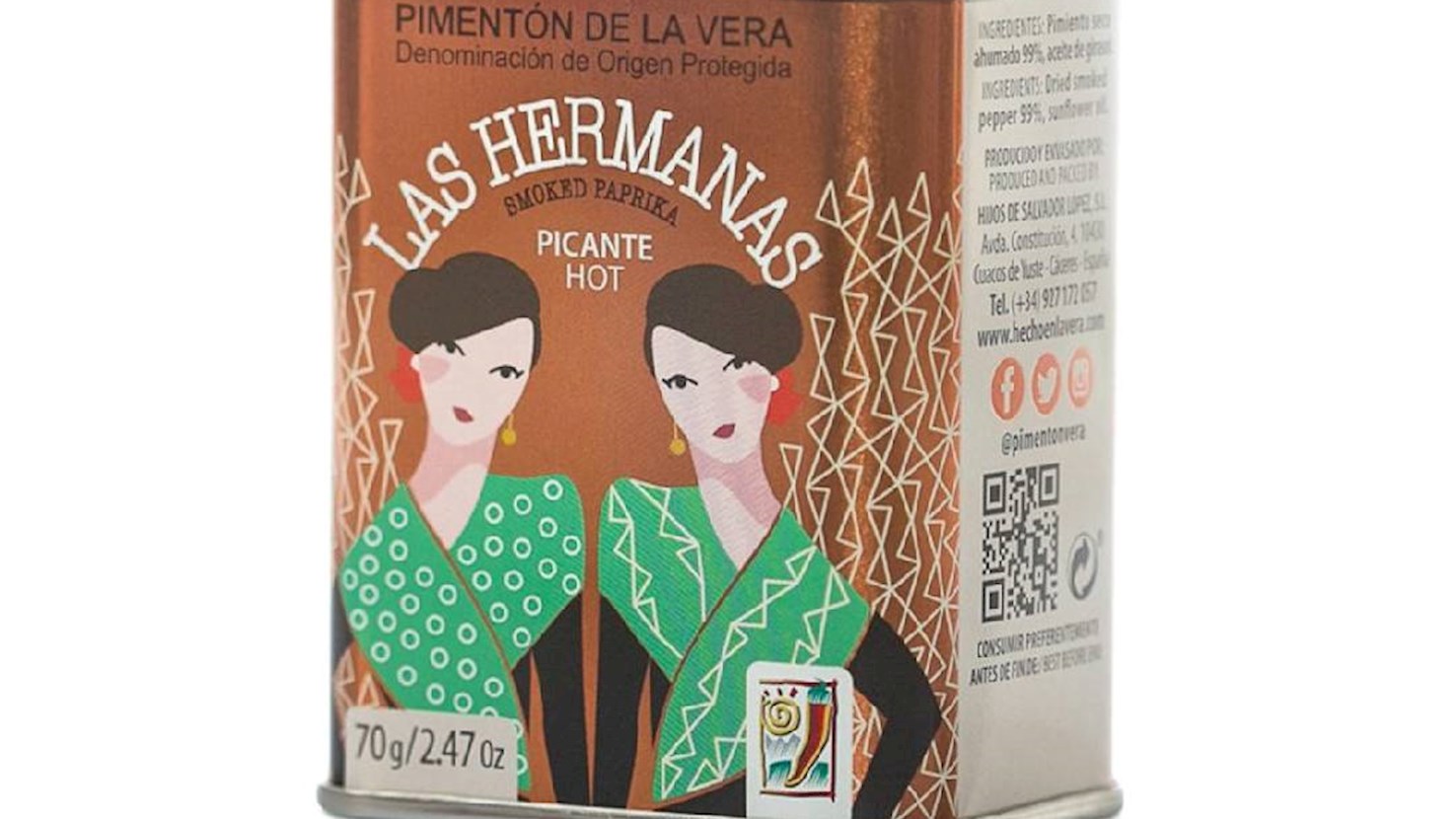
Hecho en La Vera is a family-owned company established in 1940, specializing in the production and packaging of Pimentón de la Vera (smoked paprika) with Protected Designation of Origin (PDO). Located in Cuacos de Yuste, in the La Vera region of Cáceres province, Spain, the company is dedicated to preserving traditional production methods to ensure the superior quality of its products. Their production process involves carefully selecting peppers, which are traditionally smoked over oak or holm oak wood, giving them a unique flavor and aroma. After smoking, the peppers are ground and packaged in signature tins that preserve their taste and aroma without alteration. The company offers various types of paprika: sweet, bittersweet, and hot, under the brands Las Hermanas and Los Extremeños. Additionally, they provide organic paprika, grown without chemical fertilizers or pesticides, contributing to environmental sustainability.
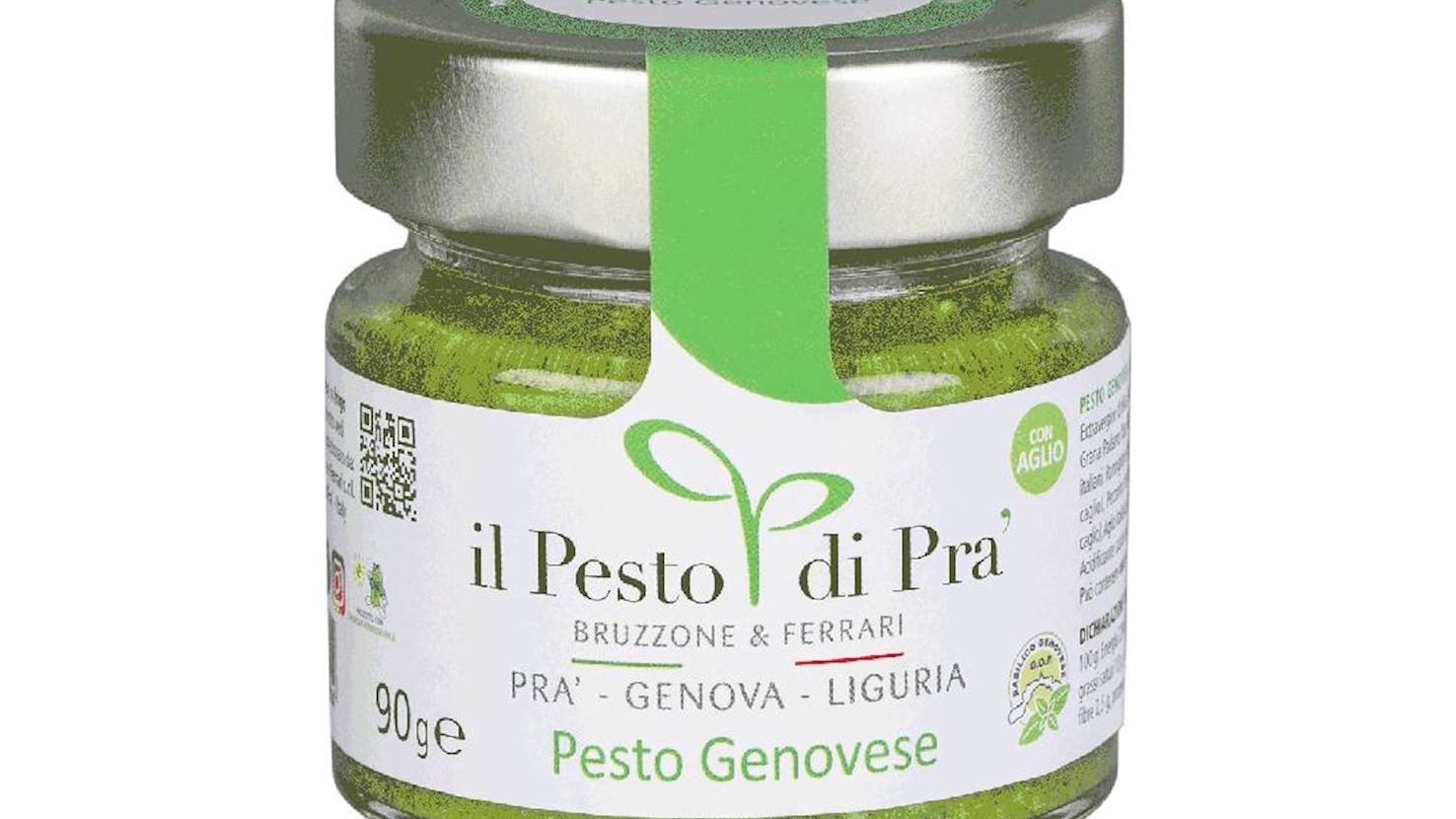
"Il Pesto di Pra'" is a family-owned company based in Pra', near Genoa in Italy, which has been cultivating basil and producing traditional Genoese pesto for nearly two centuries. Their pesto is known for its high quality and freshness, thanks to the careful selection of ingredients and dedication to traditional recipes. The company uses basil grown in its own greenhouses in Pra' and combines it with carefully selected ingredients such as Italian pine nuts, garlic from the finest Italian crops, PDO Pecorino Romano cheese, Italian coarse sea salt, extra virgin olive oil, and a selection of Parmigiano Reggiano and Grana Padano PDO cheeses. This controlled production process allows them to create pesto of the highest quality.
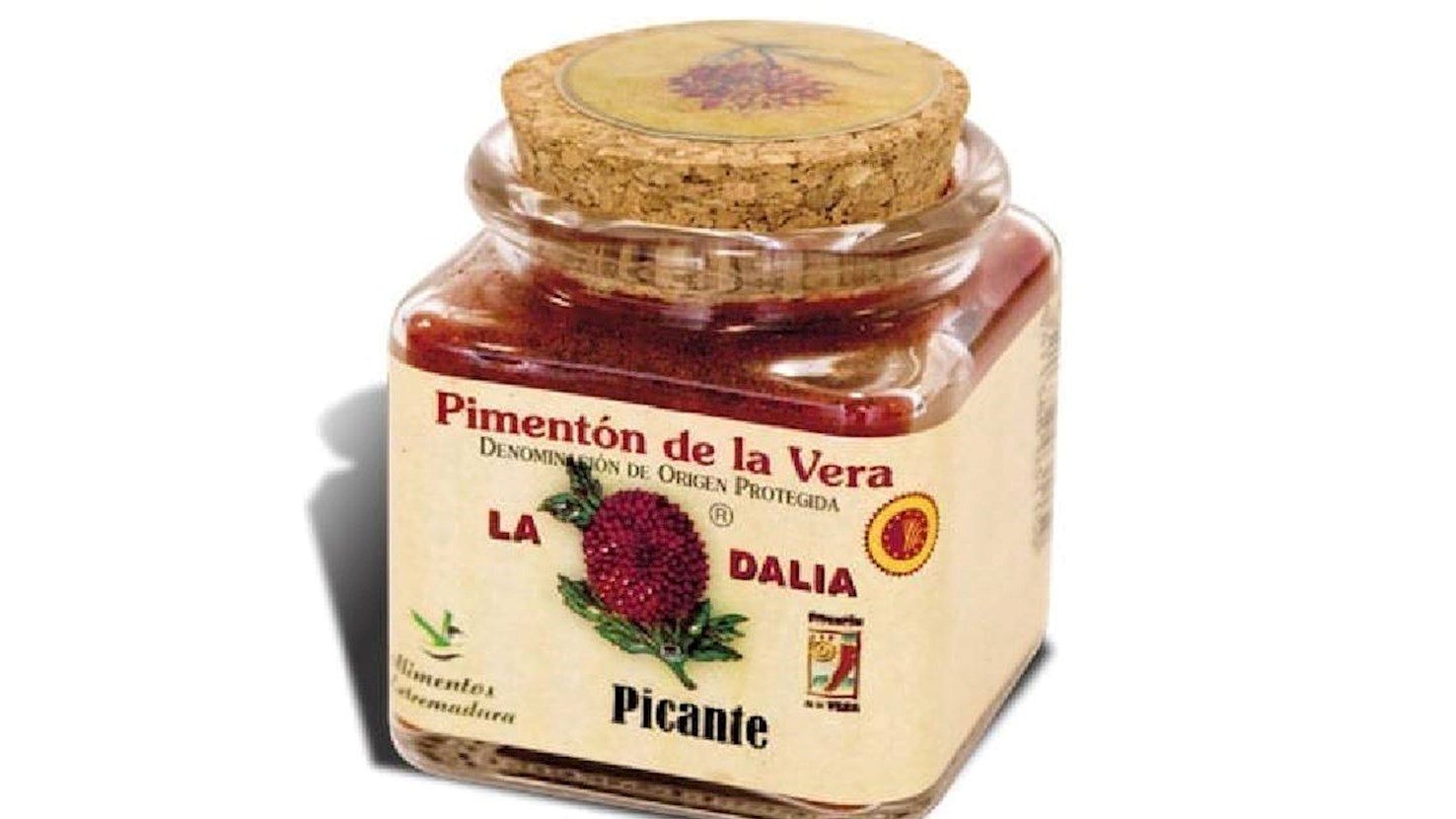
Pimentón y Especias La Dalia is a family-owned company based in Jaraíz de la Vera, in the province of Cáceres, Spain. Founded in 1913, the company specializes in the production of Pimentón de la Vera, a smoked paprika with a Protected Designation of Origin (DOP), which is a key ingredient in many Spanish dishes. The production process of Pimentón de la Vera involves drying freshly picked peppers over oak wood smoke, which imparts its characteristic smoky flavor. This traditional drying method takes around 15 days, resulting in rich and intense aromas. In addition to Pimentón de la Vera, La Dalia offers a wide range of spices and herbs, including natural saffron, spice blends for paella, pizza, and other culinary needs. The company is committed to preserving the tradition and quality of its products, as evidenced by its century-long history in spice production.
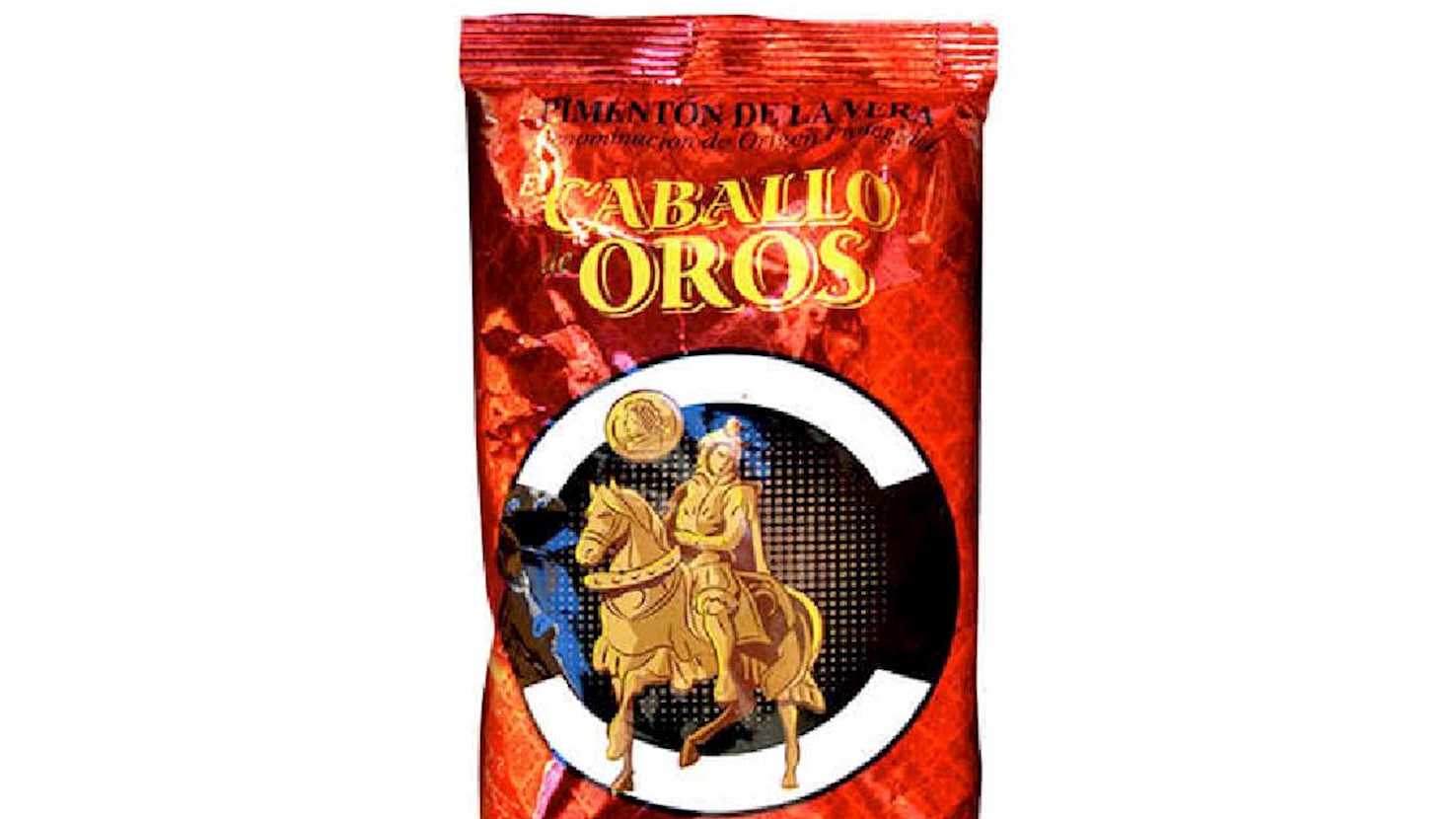
Pimentón de la Vera Caballo de Oros is a Spanish company based in Jaraíz de la Vera, in the province of Cáceres, specializing in the production of smoked paprika with Protected Designation of Origin (PDO). Established in 1938, the company is a family-run business that has passed down its knowledge and traditions through generations. Dedicated to maintaining the highest quality of its products, the company carefully selects raw materials and employs traditional milling methods. This process involves drying peppers over oak or holm oak wood smoke, resulting in a unique aroma, flavor, and vibrant, stable color. In addition to smoked paprika, Caballo de Oros offers a wide range of products, including various spices, dried peppers, jams, and extra virgin olive oil. The company also produces organic paprika under the "El Galgo" brand, which is unsmoked and caters to consumers who prefer organic options.
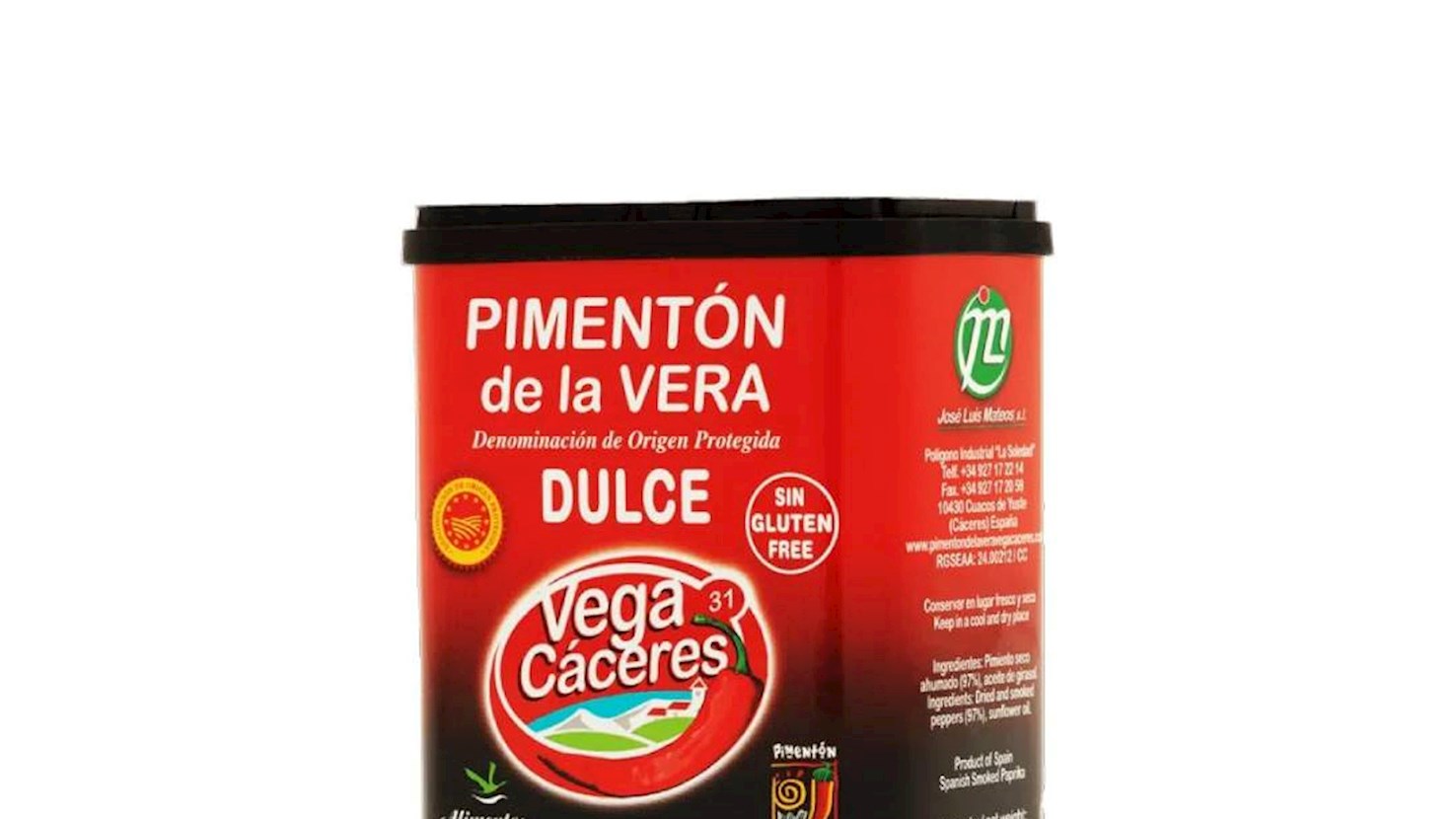
Pimentón de la Vera Vegacáceres is a Spanish company specializing in the production of smoked paprika with Protected Designation of Origin (PDO) from the La Vera region in Cáceres, Spain. Founded in 1946 by the Mateos family, the company has upheld its legacy by preserving traditional production methods passed down through generations. With over 70 years of experience, Pimentón de la Vera Vegacáceres has established itself as a trusted name in producing high-quality, authentic smoked paprika. Its products are appreciated in both domestic and international markets for their exceptional taste and premium quality.
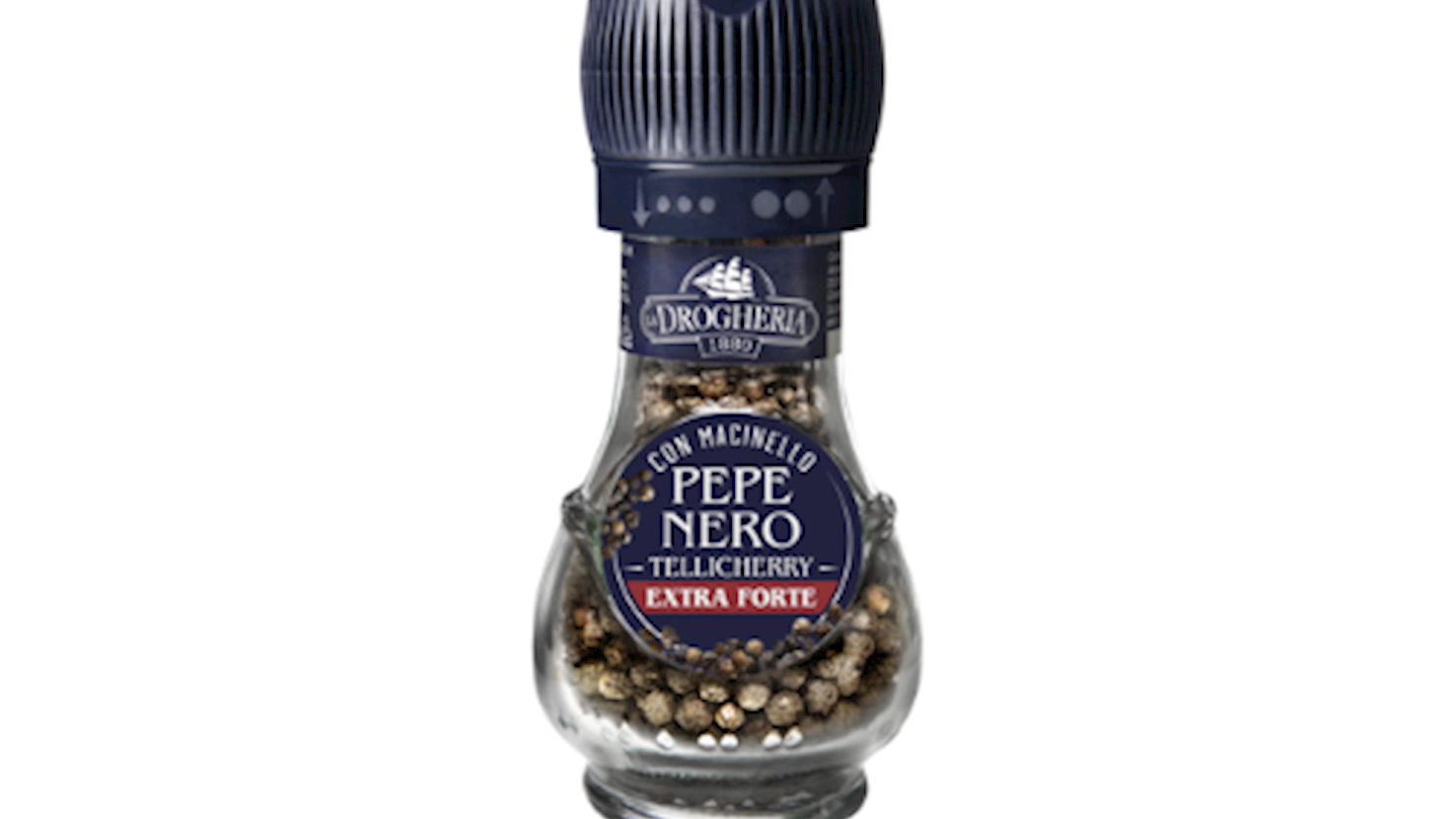
La Drogheria is an Italian brand with a heritage dating back to 1880, specializing in the production of spices, aromatic herbs, salts, and culinary blends. Its portfolio includes a wide range of pepper varieties, sea and rock salts, dried herbs, and complex seasoning mixes designed for both everyday cooking and professional use. Strong emphasis is placed on raw material selection and quality control in order to preserve the natural aromatic properties throughout processing. The brand is particularly recognized for its practical grinders and functional packaging solutions that allow precise dosing and help maintain product freshness. Drogheria holds a solid position on the Italian market and is also active internationally, representing a segment of reliable, standardized seasoning products. Overall, Drogheria stands as an example of a long-established Italian company that has transformed its specialization in spices into a stable and internationally recognized brand.
TasteAtlas food rankings are based on the ratings of the TasteAtlas audience, with a series of mechanisms that recognize real users and that ignore bot,
nationalist or local patriotic ratings, and give additional value to the ratings of users that the system recognizes as knowledgeable.
For the “Top 22 Western European Herbs and Spices” list until June 24, 2026, 683 ratings were recorded, of which 541 were recognized by the system as legitimate.
TasteAtlas Rankings should not be seen as the final global conclusion about food. Their purpose is to promote excellent local foods,
instill pride in traditional dishes, and arouse curiosity about dishes you haven’t tried.
The initial list of top producers was compiled based on available reviews, awards, local recommendations, media and blog coverage, and consumer reviews.
The list will be updated with ratings from TasteAtlas local ambassadors and TasteAtlas users.