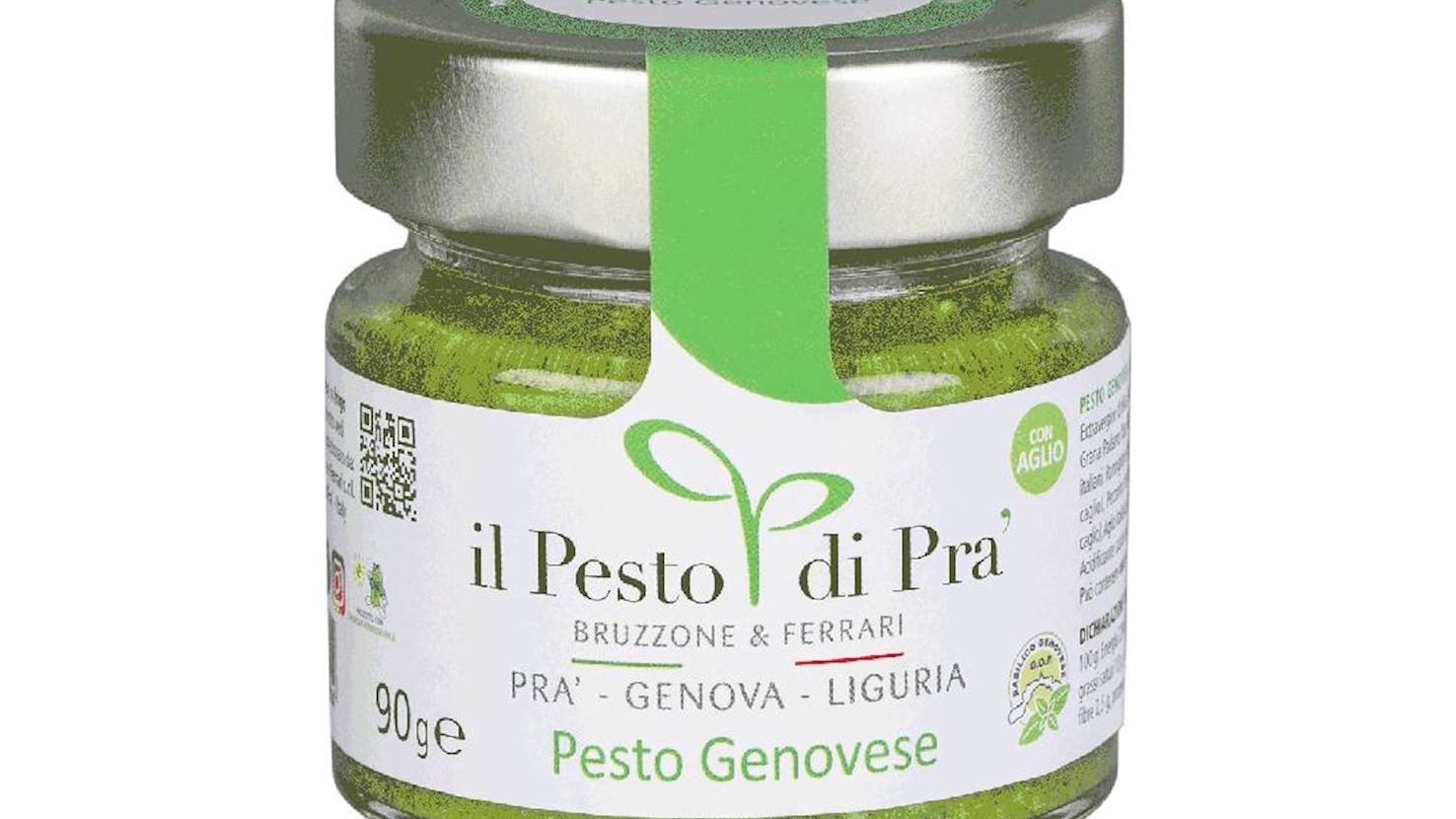
"Il Pesto di Pra'" is a family-owned company based in Pra', near Genoa in Italy, which has been cultivating basil and producing traditional Genoese pesto for nearly two centuries. Their pesto is known for its high quality and freshness, thanks to the careful selection of ingredients and dedication to traditional recipes.
The company uses basil grown in its own greenhouses in Pra' and combines it with carefully selected ingredients such as Italian pine nuts, garlic from the finest Italian crops, PDO Pecorino Romano cheese, Italian coarse sea salt, extra virgin olive oil, and a selection of Parmigiano Reggiano and Grana Padano PDO cheeses. This controlled production process allows them to create pesto of the highest quality.
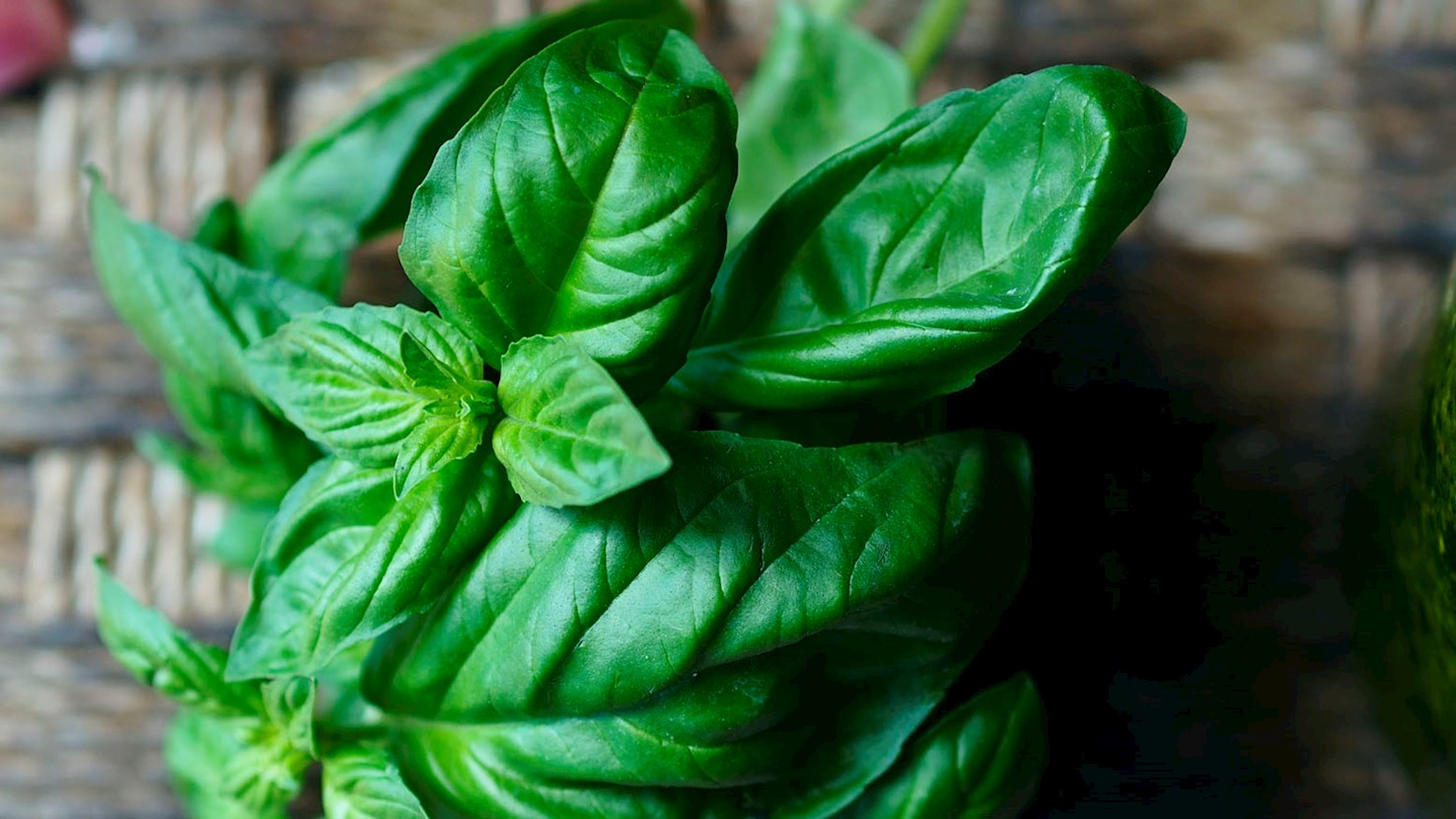
The fragrant Genovese basil is a cultivar of Ocimumbasilicum (sweet basil), traditionally grown in the Ligurian provinces of Genoa, Savona and Imperia. It has an intense clove aroma and it is widely known for being an essential ingredient of the famous Pesto alla Genovese sauce. Even though it is available dried, Genovese basil is most often used fresh, added to various dishes at the last moment, in order to preserve its exceptional flavor.
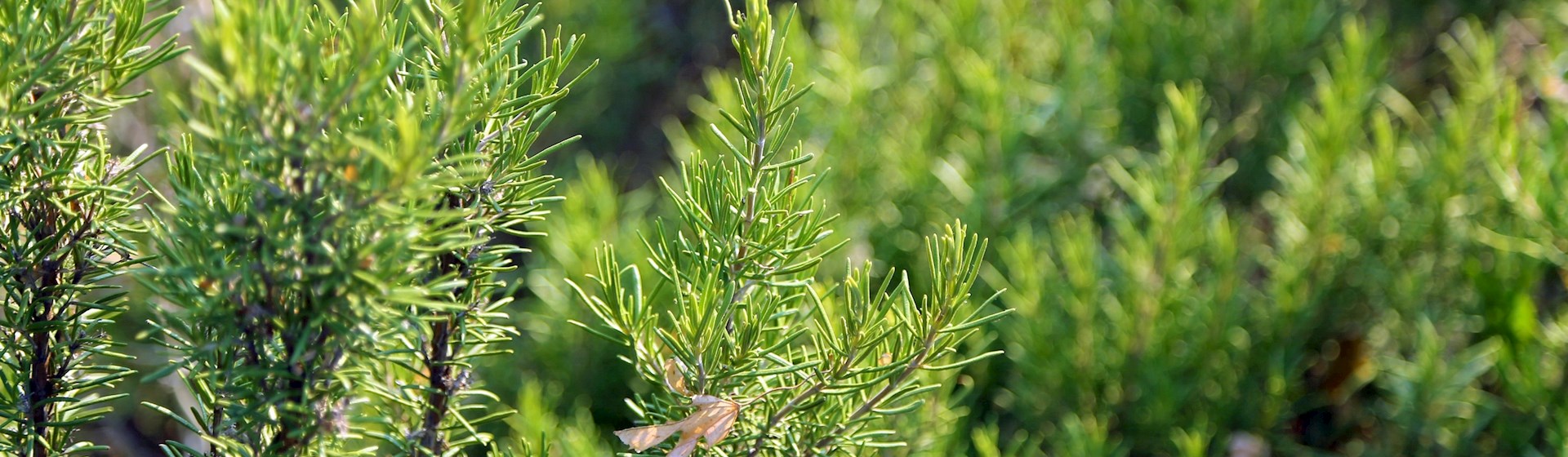
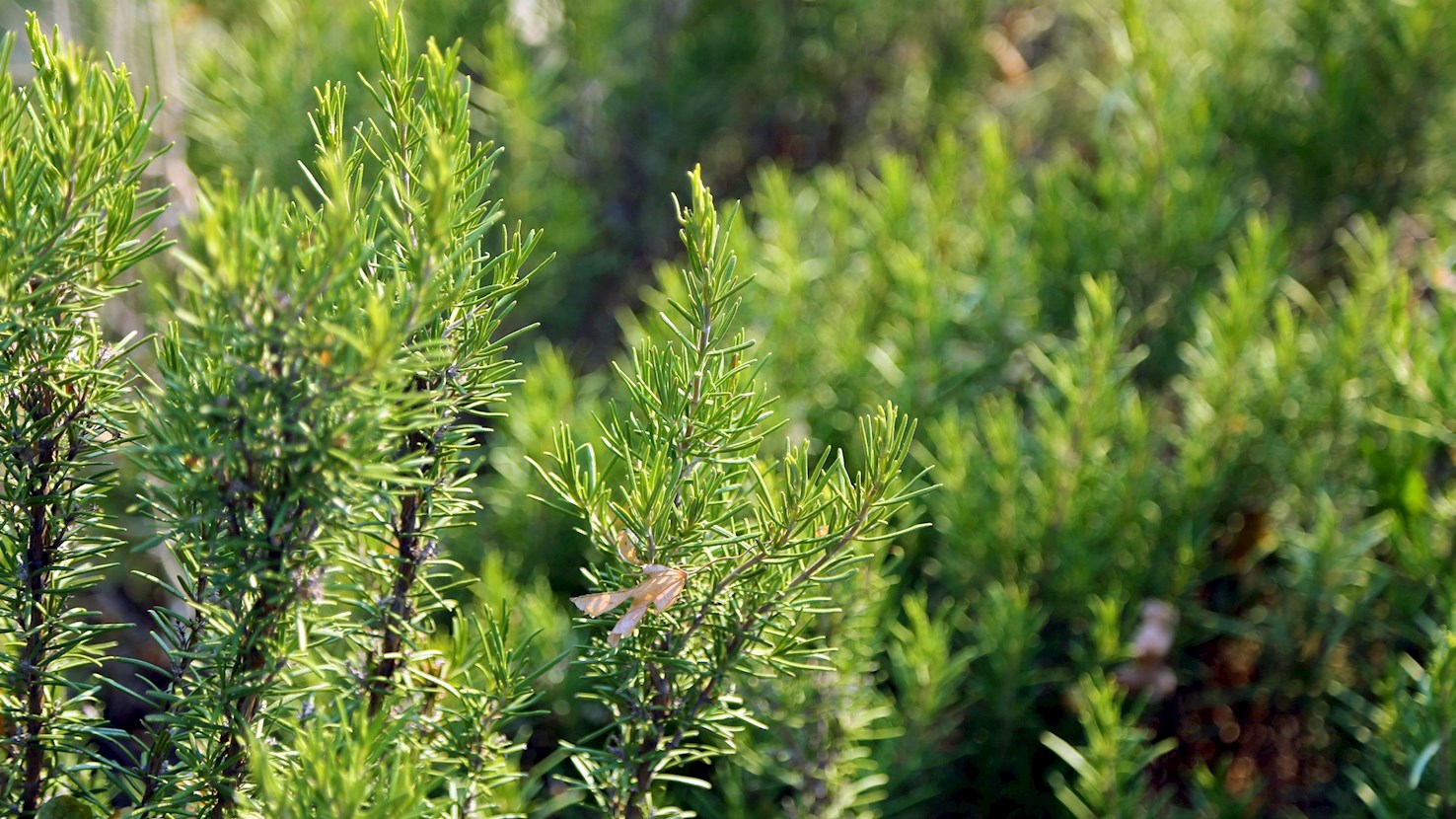
Mainly grown in the community of Villarosa, Sicilian rosemary is one the most widely used spices in the local cuisine. Leaves and flowers are harvested during summer and left to dry in dark, well-ventilated places before being packed in glass jars, paper or plastic bags, where they can last for a very long time. This wonderfully fragrant herb is used to flavor meats, fish, or vegetables, and it will turn any simple bread or focaccia into a true delicacy. Although it is much more often used in savory dishes, it works well in desserts, too.
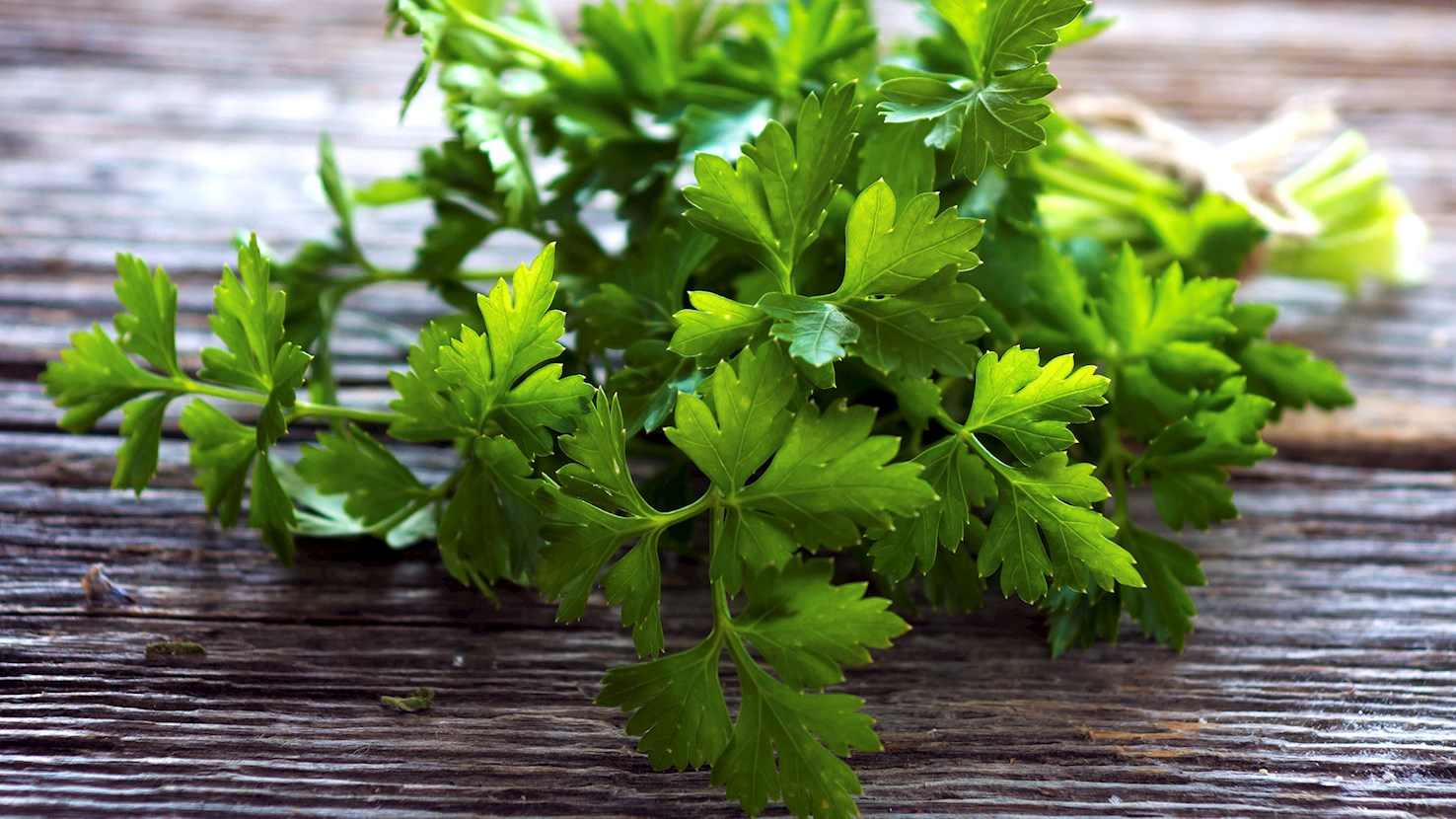
Prezzemolo Sardo is a variety of flat-leaf Italian parsley from Sardinia, grown mainly around the community of Sestu. It is widely used in local cuisine - parsley is generally one of the most commonly used herbs in the culinary arts, and while prezzemolo Sardo is smaller in size than other varieties found on the market, its tiny, dark green leaves and slender stems are packed with flavor. The stems have more flavor and aroma than the leaves, which makes them a perfect ingredient for flavoring stocks, soups, or sauces, while the leaves are best added to a dish at the last minute, because they lose their flavor if cooked too long. Nowadays, prezzemolo Sardo is not produced on a large scale, so it is only available in specialized food stores, or in Sestu, where it can be bought directly from the producers.
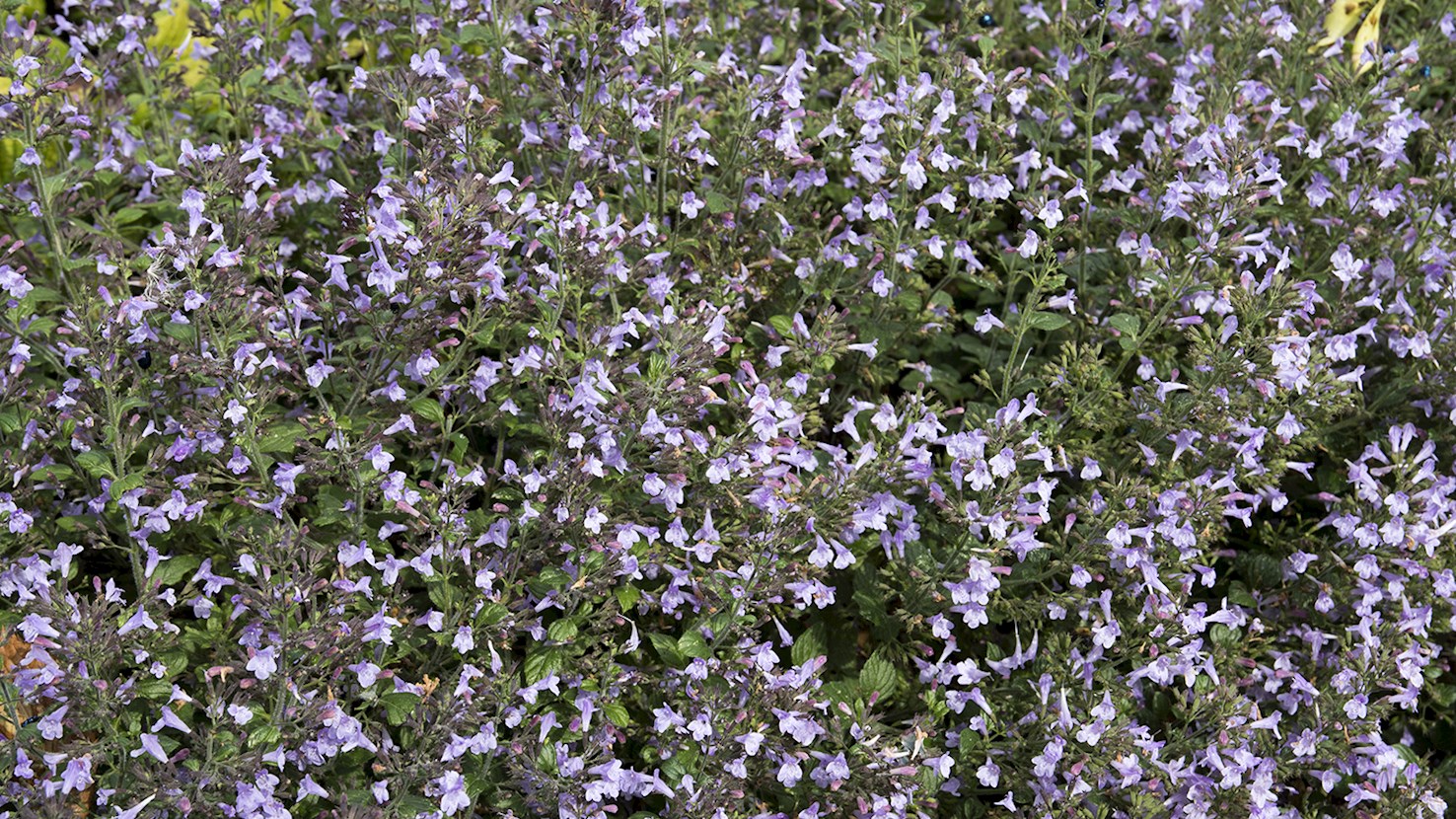
Calamint is a plant that’s native to Italy (Tuscany and Umbria in particular, where it grows wild), and it's cultivated in the Mediterranean, Europe, and some parts of the Americas. The leaves, stems, and flowers are oregano- and mint-scented, with hints of sage and savory. The fresh leaves are usually cooked, the dried leaves are used in teas, while the small flowers with a mellower flavor are often used in salads or as a garnish. During medieval times, calamint was used for medicinal purposes. Nowadays, it’s mostly used with shrimp, braised artichokes, omelets, white bean soups, lamb roasts, wild mushrooms, and risottos. In Turkey, they like to add calamint to grilled fish. Calamint pairs well with spices such as sage, lemon peel, fennel, and anise.
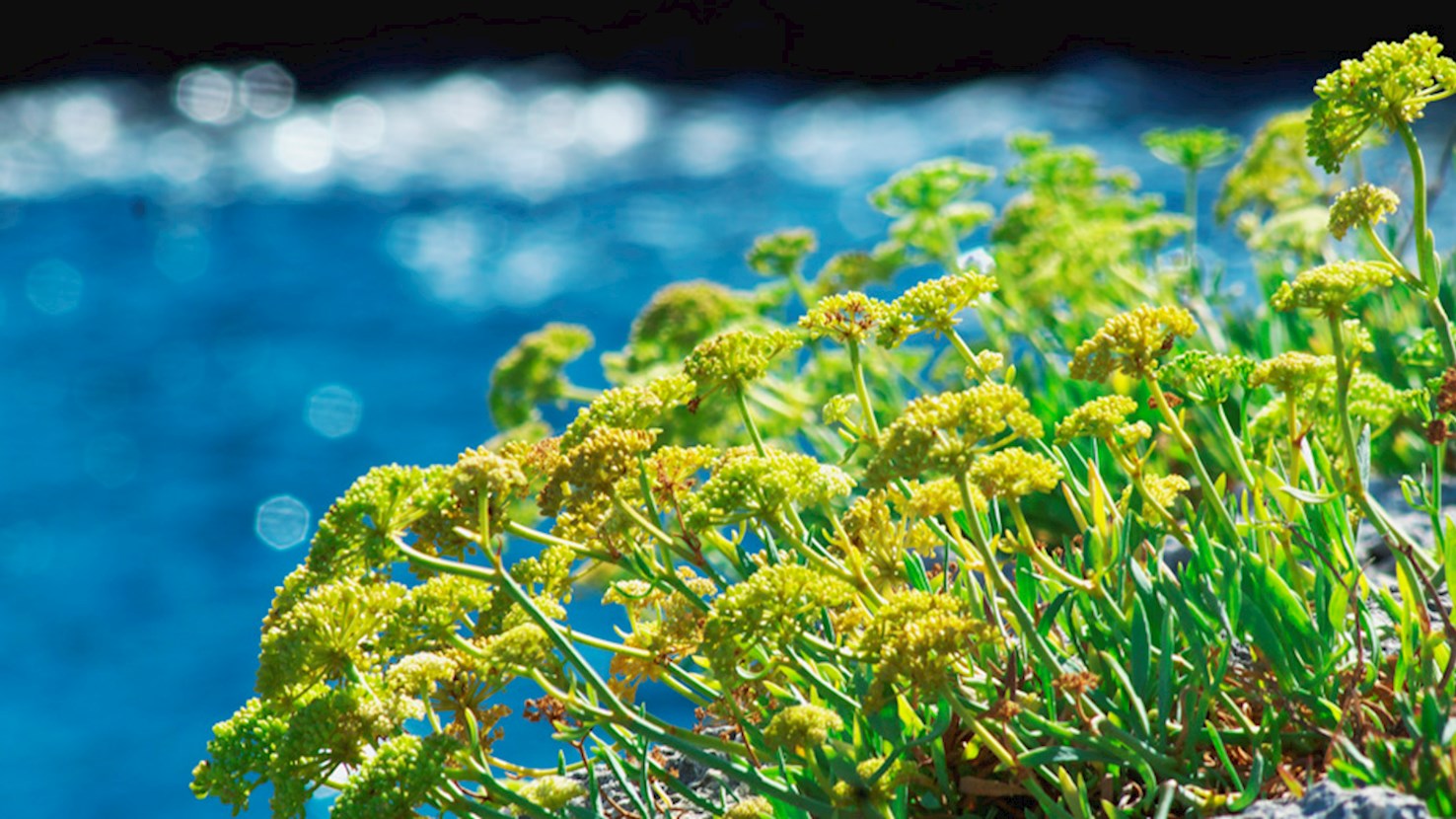
Finocchio marino is a fennel variety that grows wild along the rocky coast of southern Apulia, especially around the province of Lecce. Its fleshy, aromatic leaves are handpicked, cleaned, and left to dry in the sun. Later on, they are placed in airtight glass jars, covered with white vinegar, and left to mature. After a few months, finocchio marino is ready to be consumed, and its sharp, salty flavor and crunchy texture give a great kick to a variety of salads, sandwiches, or pasta dishes.
Origano di Pantelleria is an intensely aromatic dried oregano grown, harvested, and dried on Pantelleria, a volcanic Mediterranean island between Sicily and the Tunisian coast. Locally known as aríganu, it is valued for its concentrated fragrance, peppery warmth, mild bitterness, and persistent herbal flavor. The oregano grows in dry volcanic soil under strong sun, limited rainfall, salt-carrying winds, and noticeable shifts between daytime and nighttime temperatures. These conditions are often credited with its aromatic intensity. However, the strength and composition of oregano’s essential oils also depend on its botanical type, flowering stage, growing conditions, and drying method, so its character cannot be explained entirely as a biological response to environmental stress. Research on cultivated Sicilian oregano identifies Origanum vulgare subsp. hirtum as the island’s most characteristic commercial type, although a unique botanical classification specifically limited to Pantelleria has not been firmly established. Much of the oregano is dry-farmed on terraces edged with muretti a secco, mortarless walls built from the island’s dark volcanic stone. The walls were not constructed solely for oregano. They support agricultural terraces, reduce soil erosion, mark plots, and offer some shelter from Pantelleria’s persistent winds. The National Park specifically notes that oregano grows beside these walls at the edges of cultivated terraces. Dry-stone construction remains one of the defining features of the island’s agricultural landscape. Harvesting takes place by hand between May and June, usually late in the flowering cycle, when the leaves and flower heads hold a strong aroma. Some growers begin with plots nearer the coast and continue toward inland or higher areas as the plants mature. The branches are cut carefully so that the most fragrant leaves and flowers remain attached. One producer describes the first cutting as taking place in June, while the National Park gives a broader May-to-June period. Drying methods vary. Some batches are spread in the sun, while others are kept in the shade to preserve more of their green color and volatile aromas. The National Park describes shade-drying for slightly more than ten days, while individual growers may use either sun or shade. Controlled low-temperature drying is also used by some modern producers. This means direct sun exposure is common, but it is not the only accepted method. Once fully dry, the branches are crumbled or rubbed by hand. The material may be passed through a sieve several times to separate the woody stems from the smaller leaves and flower heads. The cleaned oregano is then stored in a dry, cool, dark place, since light, moisture, air, and heat gradually weaken its aroma. The finished herb is usually sold as coarse flakes in small glass jars or sealed pouches. Some batches retain larger pieces of dried stem and flower, which can be crushed between the fingers directly over food. Origano di Pantelleria is also used alongside other island ingredients, especially salt-cured capers, dried tomatoes, olives, caper leaves, and extra virgin olive oil. These ingredients appear together in preserved condiments, pestos, and antipasto mixtures. Oregano may also be combined with sea salt or crushed with dried tomatoes and capers to season fish, meat, potatoes, legumes, and grilled vegetables. Such blends are modern product formats rather than a required form of the herb. The herb is especially effective when added near the end of heating or scattered over food just before serving. Long exposure to high heat can flatten its finer floral notes, but it is not restricted to raw use. It can season tomato sauces, baked foods, fish soups, roasted vegetables, legumes, grilled meat, and marinades. A small amount is usually enough because its flavor is stronger and more persistent than that of many standard dried oregano products. It is commonly added to pizza, tomato and mozzarella salads, grilled vegetables, fish, and warm bread with olive oil. One of its most important local uses is insalata pantesca. The cold salad combines boiled potatoes, fresh tomatoes, raw onion, salt-cured capers, oregano, salt, and local olive oil. Olives are also common, while preserved mackerel, tuna, dried fish, fresh cheese, boiled egg, or octopus may be added. Oregano ties the potatoes, sharp onion, salty capers, fish, and olive oil together with a dry herbal note. The National Park lists potatoes, capers, raw onion, tomatoes, dried fish, oregano, salt, and oil as the core combination. Dried oregano can also be infused in hot water. The resulting drink is sharp, herbal, slightly bitter, and more peppery than mint tea. A small amount is sufficient, since a large handful can produce an unpleasantly harsh infusion. Oregano tea has a long history in household herbal use, but it should not be treated as a proven cure or substitute for medical care.
Piperna is a unique type of wild thyme from the Italian island of Ischia (near Naples). It grows abundantly in the fertile volcanic soil and holds immense cultural significance for the locals. It can be found in local markets and specialty food stores, and the island's restaurants and agriturismos incorporate piperna into their dishes, thus ensuring that visitors can savor the authentic flavors of Ischian cuisine. It is commonly used in salads, pasta sauces, and meat marinades but is also the main ingredient in an eponymous local bitter.
TasteAtlas food rankings are based on the ratings of the TasteAtlas audience, with a series of mechanisms that recognize real users and that ignore bot,
nationalist or local patriotic ratings, and give additional value to the ratings of users that the system recognizes as knowledgeable.
For the “Top 7 Italian Herbs” list until July 22, 2026, 195 ratings were recorded, of which 154 were recognized by the system as legitimate.
TasteAtlas Rankings should not be seen as the final global conclusion about food. Their purpose is to promote excellent local foods,
instill pride in traditional dishes, and arouse curiosity about dishes you haven’t tried.
The initial list of top producers was compiled based on available reviews, awards, local recommendations, media and blog coverage, and consumer reviews.
The list will be updated with ratings from TasteAtlas local ambassadors and TasteAtlas users.