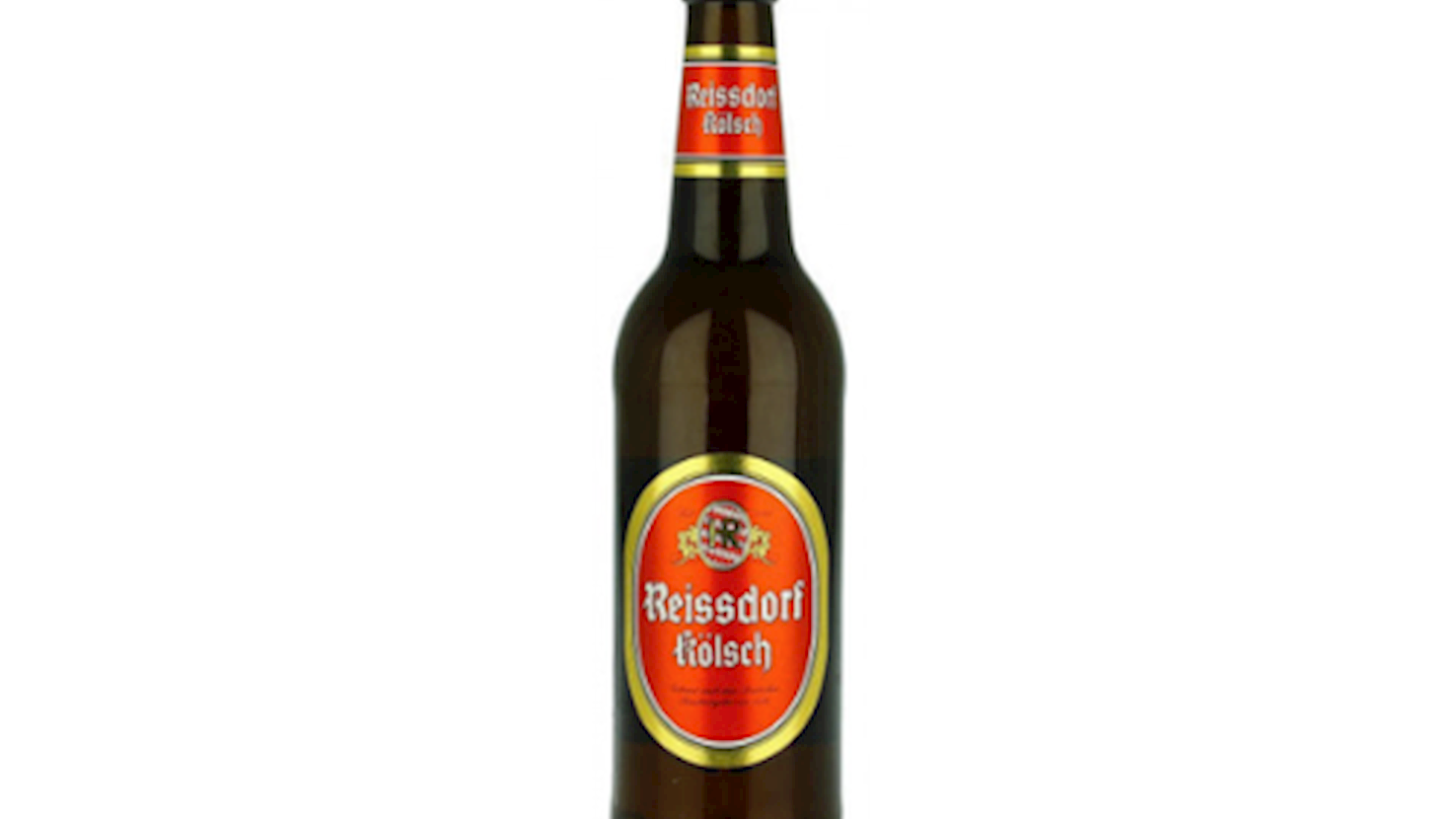
Privat-Brauerei Heinrich Reissdorf is one of the most recognizable breweries in Cologne, founded in 1894 and firmly dedicated to preserving the authentic Kölsch style. As a top-fermented beer, Kölsch combines gentle yeast-driven fruitiness with a clean, dry finish, while Reissdorf produces it in an exceptionally pure and technically precise profile. The brewery maintains traditional brewing methods supported by modern quality control, ensuring stability, precision, and a consistent character. In addition to their classic Kölsch, they also produce the naturtrüb variant “Dröppche”, which retains the core identity of the style but offers a slightly fuller and more fruity expression. Reissdorf remains deeply rooted in Cologne’s beer culture and local terroir, making their beers an authentic example of a regional specialty. For enthusiasts of traditional German styles, this is a product that delivers simplicity, clarity, and a recognizable flavor that has endured for more than a century.
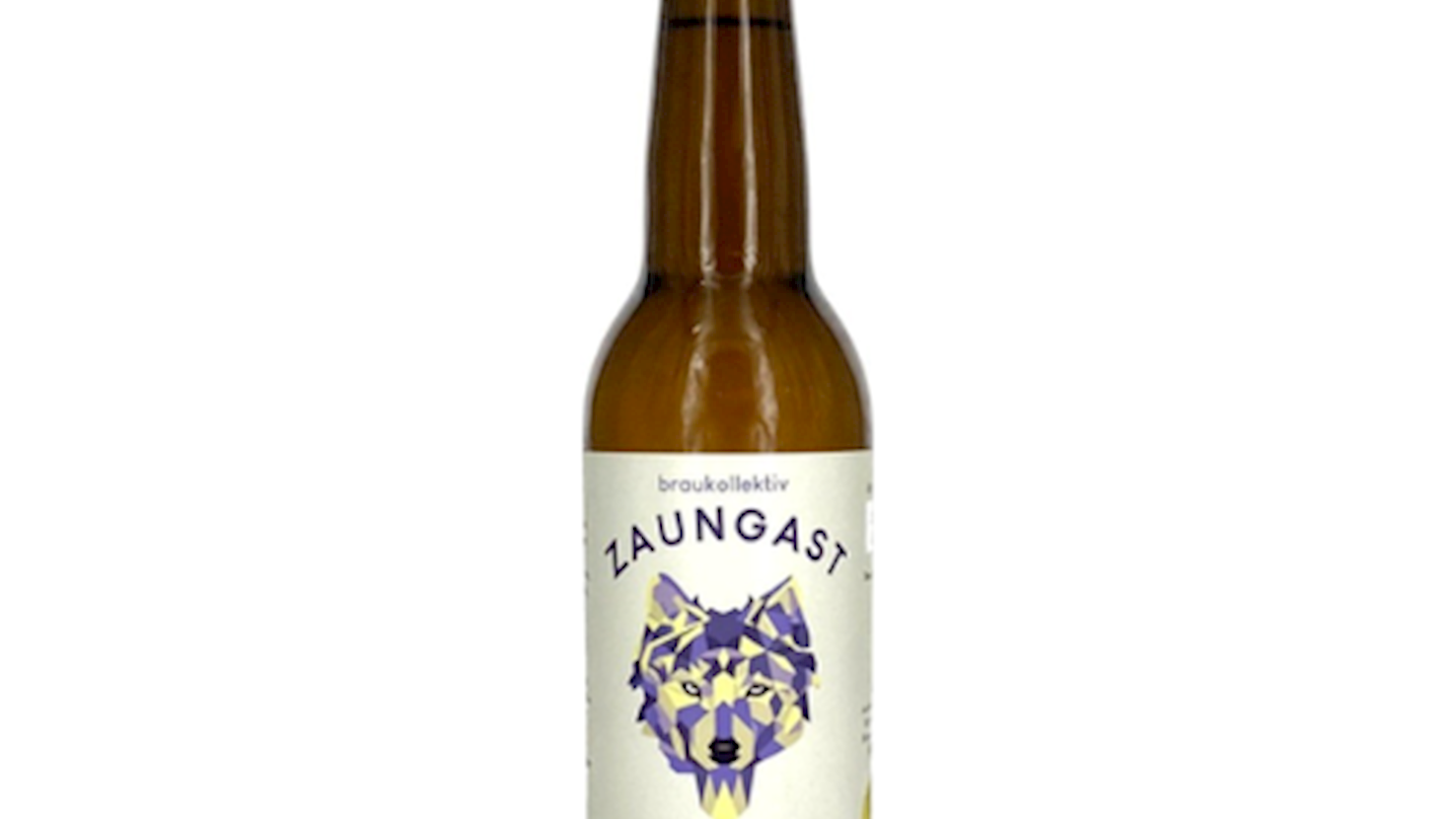
Zaungast is a contemporary Austrian craft beer brand founded in 2021 in Vienna, focused on independent brewing, bold design, and community involvement in the development of new beers. The brand positions itself within craft beer culture not only through small-batch production and creative beer styles, but also through the idea that its audience can participate in shaping future recipes, can designs, and charitable initiatives linked to limited editions. The name Zaungast translates roughly as “onlooker” or “spectator”, reflecting the founder’s entry into the brewing world as an outsider eager to actively engage with the scene. Its visual identity featuring a wolf further reinforces the idea of entering a space traditionally dominated by established beer brands. The portfolio includes modern styles such as IPAs, lagers, wheat beers, and seasonal or experimental releases. The brand emphasizes flavor quality, artisanal brewing values, and independence from large international brewing groups. In addition to its own beers, Zaungast also offers private label brewing services for hospitality and commercial partners. Headquartered in Vienna, the brand distributes through its online shop and selected retail and hospitality partners across Austria.
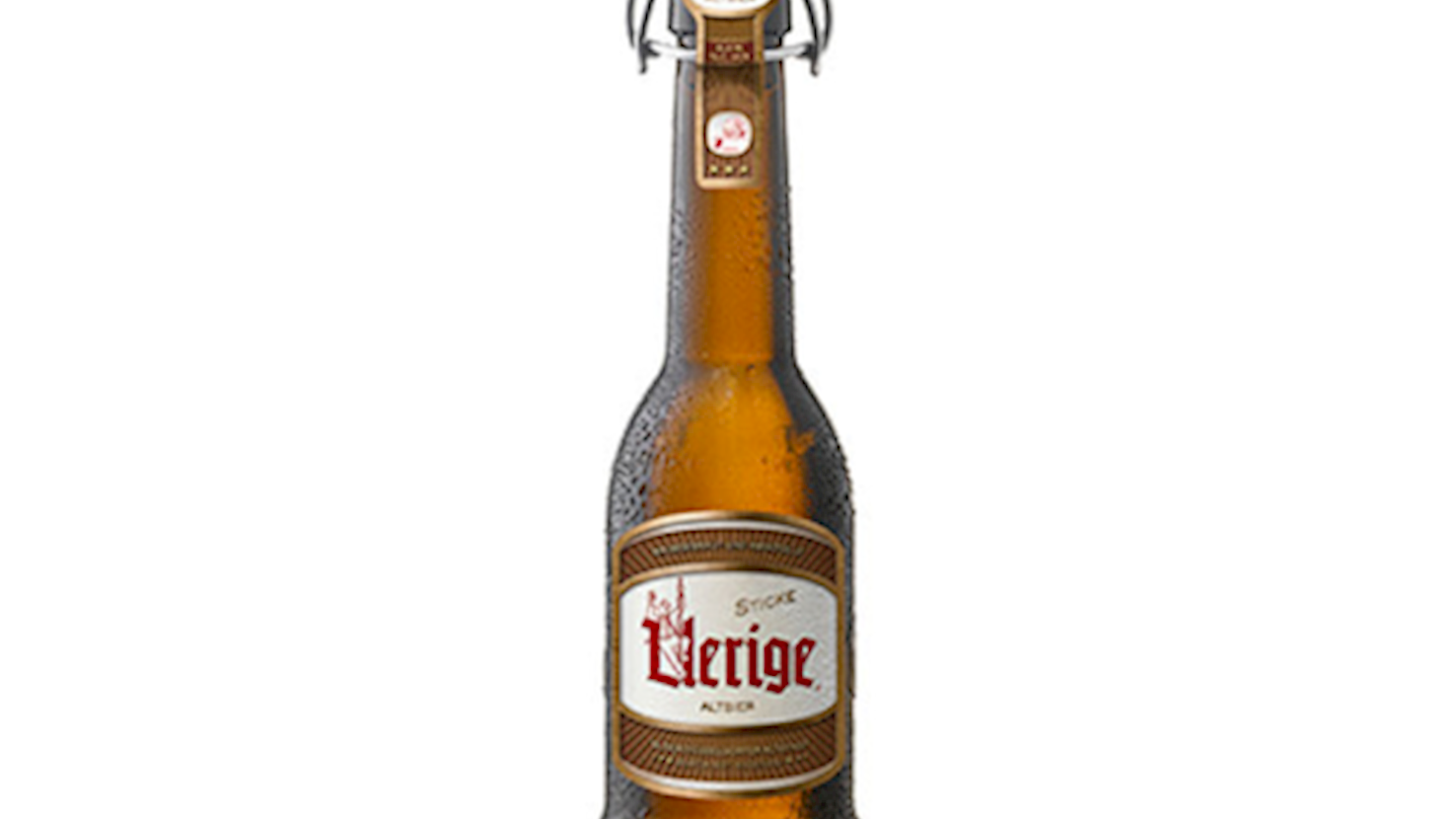
Uerige Obergärige Hausbrauerei is a renowned Düsseldorf brewery with a tradition spanning nearly four centuries, celebrated for its authentic Altbier style and strong connection to the local community. Located in the heart of the Altstadt, Düsseldorf’s historic old town, the brewery was officially established in 1862. Over the decades, Uerige has become an essential part of the city’s identity and one of its most recognizable landmarks - cherished by both locals and visitors from around the world. Its flagship beer, Uerige Alt, is considered one of the most authentic representatives of the traditional Altbier style - characterized by a rich copper color, pronounced bitterness, and a full, complex body. It is brewed using top fermentation with carefully selected malts and aromatic hops, resulting in a distinctive, well-rounded, and highly drinkable beer. One of the brewery’s signature features is its method of serving: the beer is still poured directly from wooden barrels, enhancing its depth of flavor and offering a unique, time-honored drinking experience.
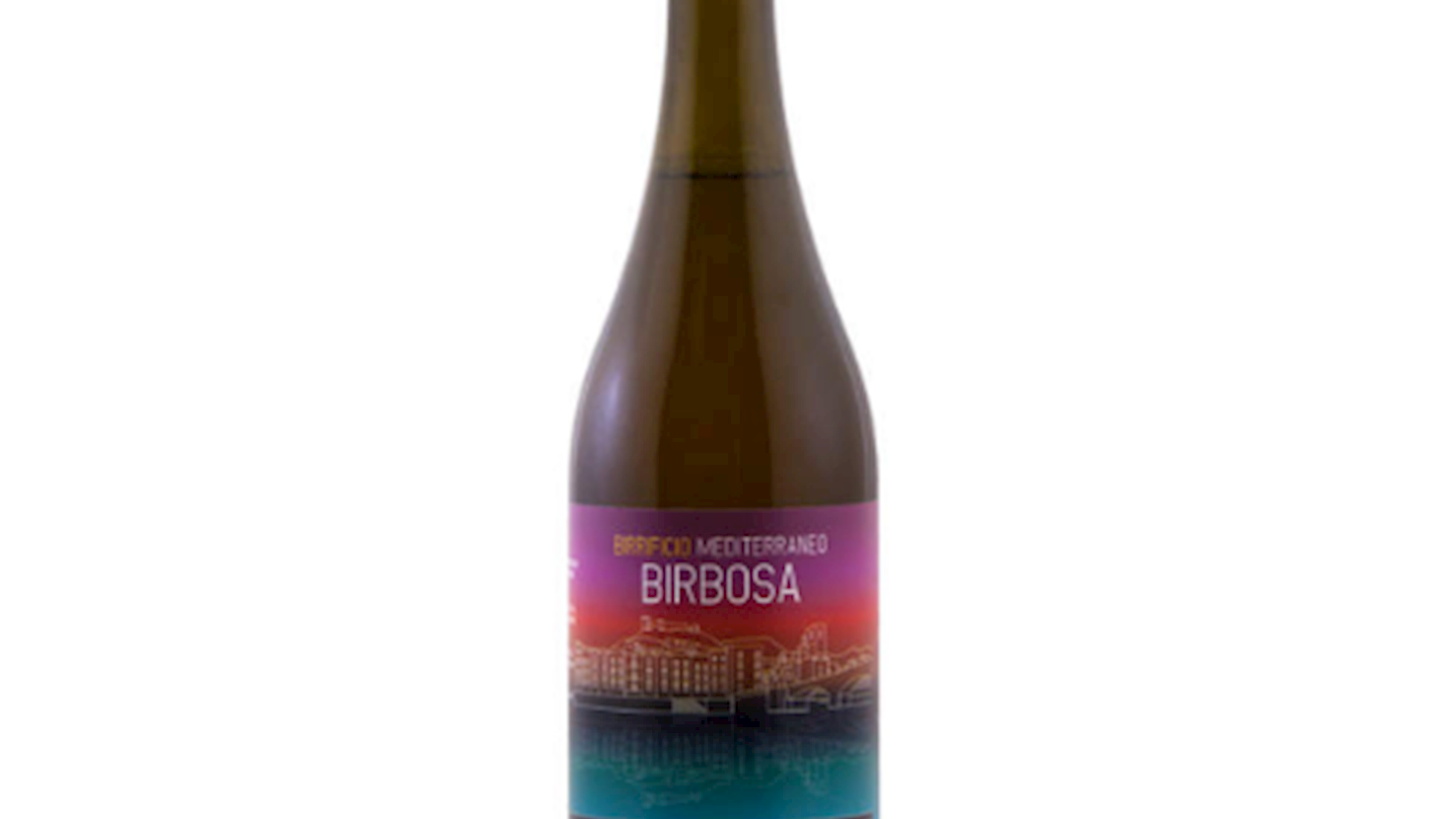
Birrificio Mediterraneo is an Italian craft brewery based in Carbonia on the island of Sardinia. Founded in 2016 by entrepreneur Francesco Spanu, the brewery brings together the experience of brewers Antonio Matzei and Ottavio Naseddu, who began brewing as homebrewers in the early 2000s before turning their passion into a professional project. What started as a small brewing initiative in Domusnovas eventually developed into Birrificio Mediterraneo, equipped with a brewhouse of around 10 hectoliters and an annual production of roughly 700 hectoliters of beer. The brewery focuses primarily on top-fermented craft styles and produces a range of around fifteen different beers, including IPA, blanche, pale ale, porter, tripel, and other styles. Among their labels are beers such as Majora IPA, Tanit Blanche, Aruj’a Pale Ale, and Sovrana Tripel, while some releases explore the Italian Grape Ale style by incorporating grape must. Their beers are distributed mainly across Sardinia in both bottles and kegs and are present in local bars, restaurants, and specialty shops.
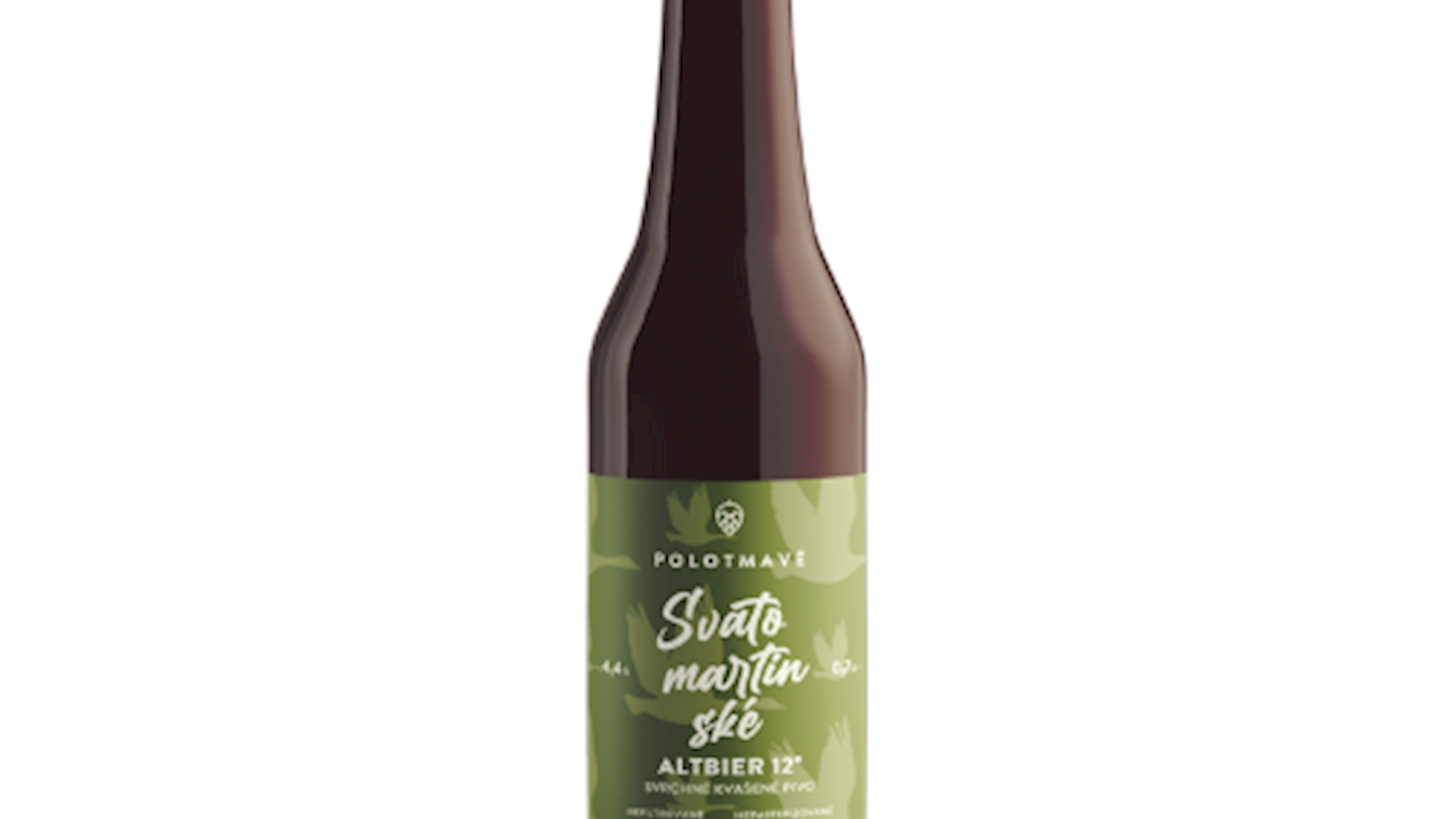
Římská Pivovar represents the perfect blend of a modern craft brewery and a restaurant. The brewery is led by experienced brewmaster Jan Wiesner, who offers four beers of different styles in the core range, complemented by seasonal specials that bring additional variety. Special attention is devoted to preserving Czech brewing traditions while also embracing contemporary trends and experiments on the craft scene. The beers are unfiltered and unpasteurized, retaining their full aroma, freshness, and character. The restaurant within the brewery is designed as a gastronomic complement to the beer experience, with dishes rooted in traditional Czech cuisine but adapted to modern tastes. A warm and spacious atmosphere, with capacity for tastings, private events, and corporate gatherings, makes it an ideal place for social occasions. Římská Pivovar is not just a place for beer and food, but also a space of community, where authentic beer culture and a welcoming spirit are nurtured. Their mission is to bring the richness of Czech tradition closer to today’s visitor through both beer and gastronomy. It is precisely this combination of quality, dedication, and atmosphere that makes Římská Pivovar an essential destination on Prague’s beer map.
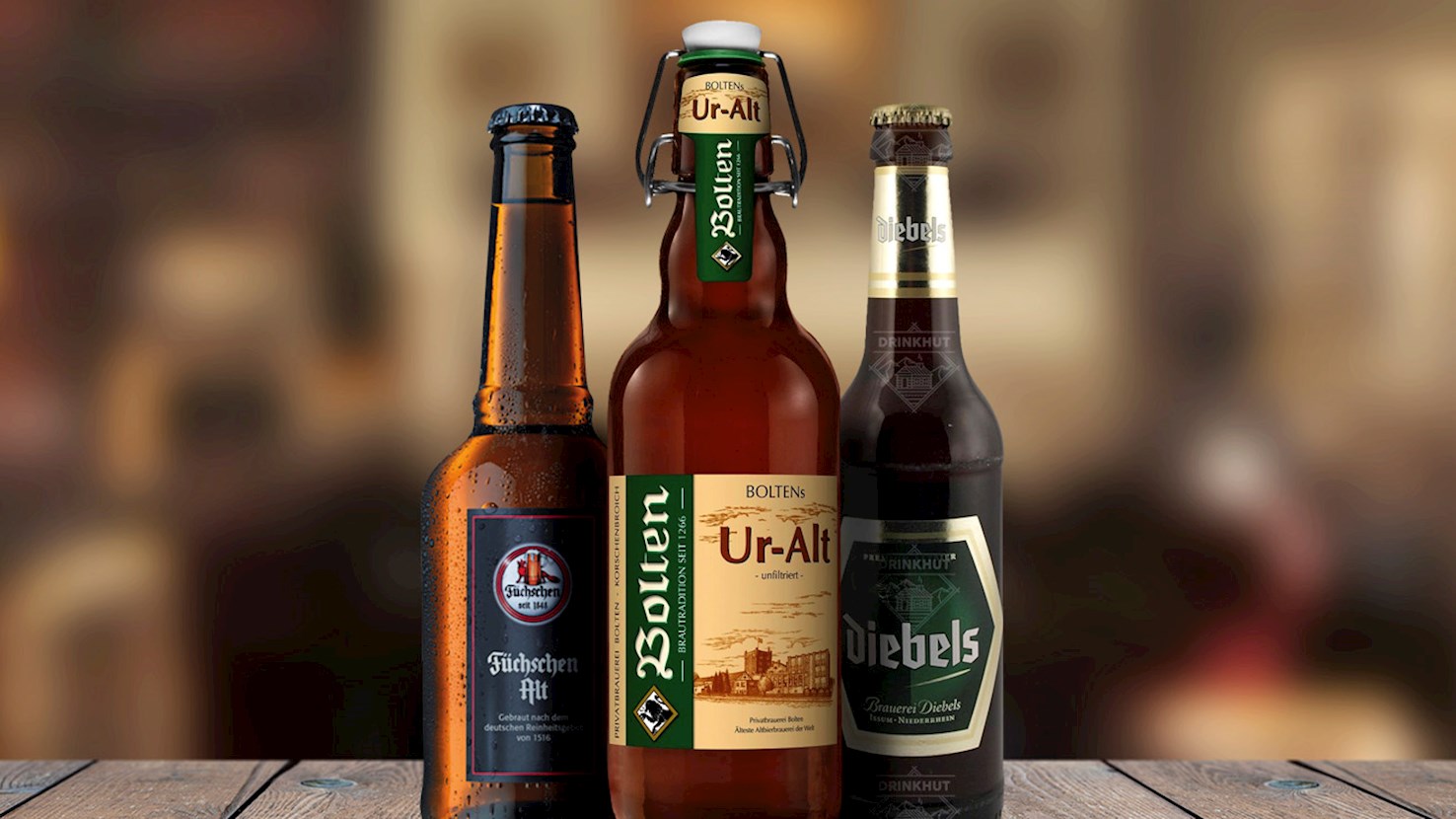
Altbier, meaning old beer, is a German beer style which originated in Düsseldorf. The style falls somewhere between a lager and an ale—the beers are fermented warm like ales but are then aged cool like lagers. The name altbier, which originated in the 1880s, refers to the traditional brewing process of using top-fermenting yeasts. The name arose to distinguish traditional brews from the new lagers that were mainly produced in Bavaria. Before that, it was simply known as bier. These full-bodied beers are typically malty, clean and crisp, while their color may range from copper to amber. They often have nutty and toasty aromas, with subtle fruity and peppery notes. Remaining complex without being too heavy, these beers can match roasted chicken or pork, different sausages, smoked salmon or grilled tuna as well as full-flavored and aged cheeses. Some varieties may even be a good match to apple, pear, or walnut-based desserts. Traditionally, altbier is served in a tall, straight glass.
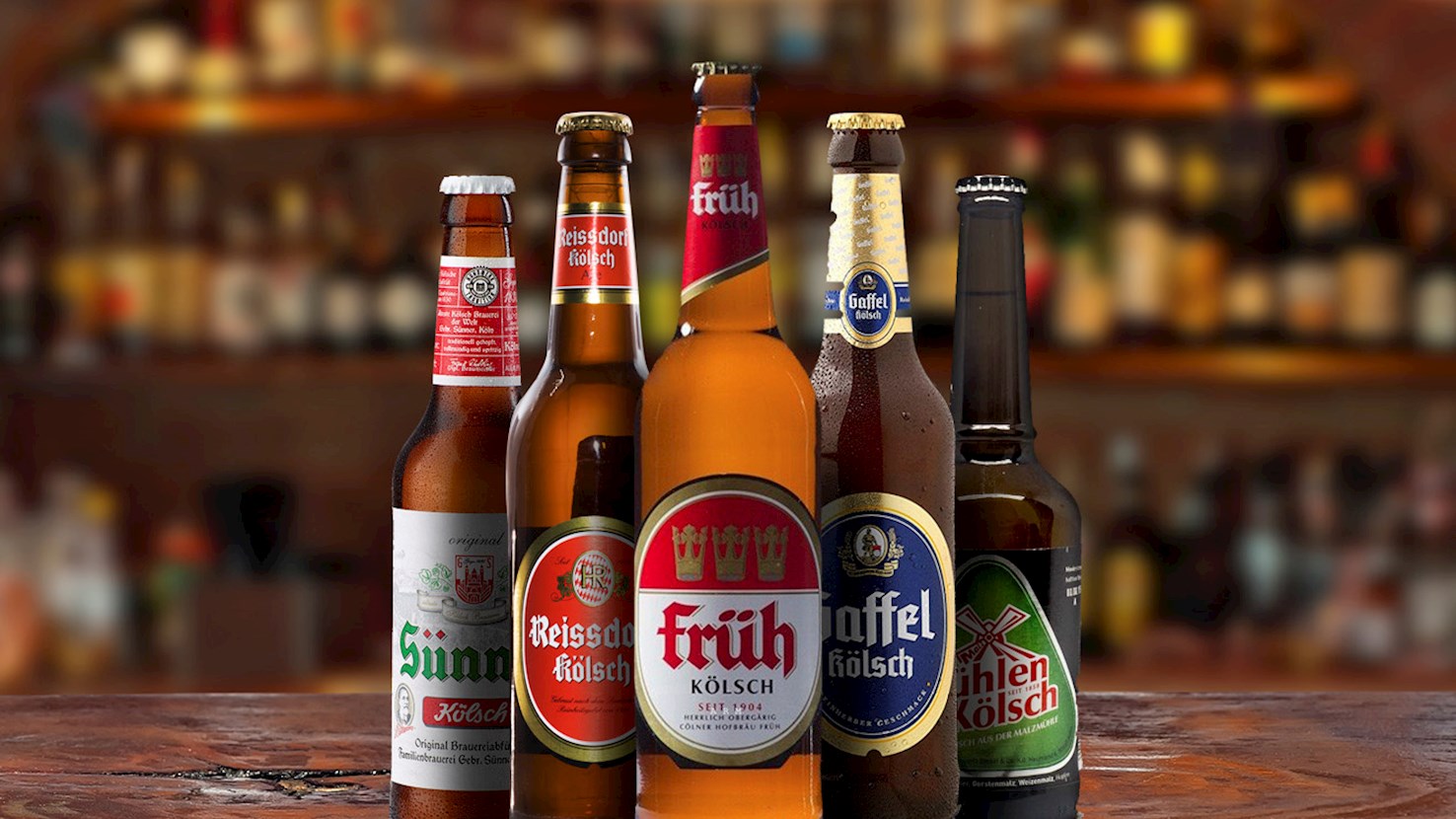
Kölsch (the Low German name for Cologne) is a specialty beer brewed only in Cologne. A document known as the Kölsch Convention was signed in 1986 by the directors of two dozen Kölsch breweries, ensuring that Kölsch beer can only be brewed in Cologne and its surrounding area, and nowhere else in the world. The guidelines stipulated that Kölsch is not only a type of beer, but also a designation of origin. They specify that true Kölsch beer is a pale yellow, clear, highly fermented, fully-rounded ale, brewed according to the German Beer Purity Law of 1516. It is the lightest ale in Germany, and it is served in traditional, tall, cylindrical Kölsch glasses. Kölsch is usually enjoyed in a traditional beer pubs known as Kölschkneipe or Brauhaus. There, the 'Köbes' (special waiters dressed in blue aprons with a rough Kölsch dialect) serve this fantastic ale one after another until you signal you have had enough by placing your coaster on top of your glass.
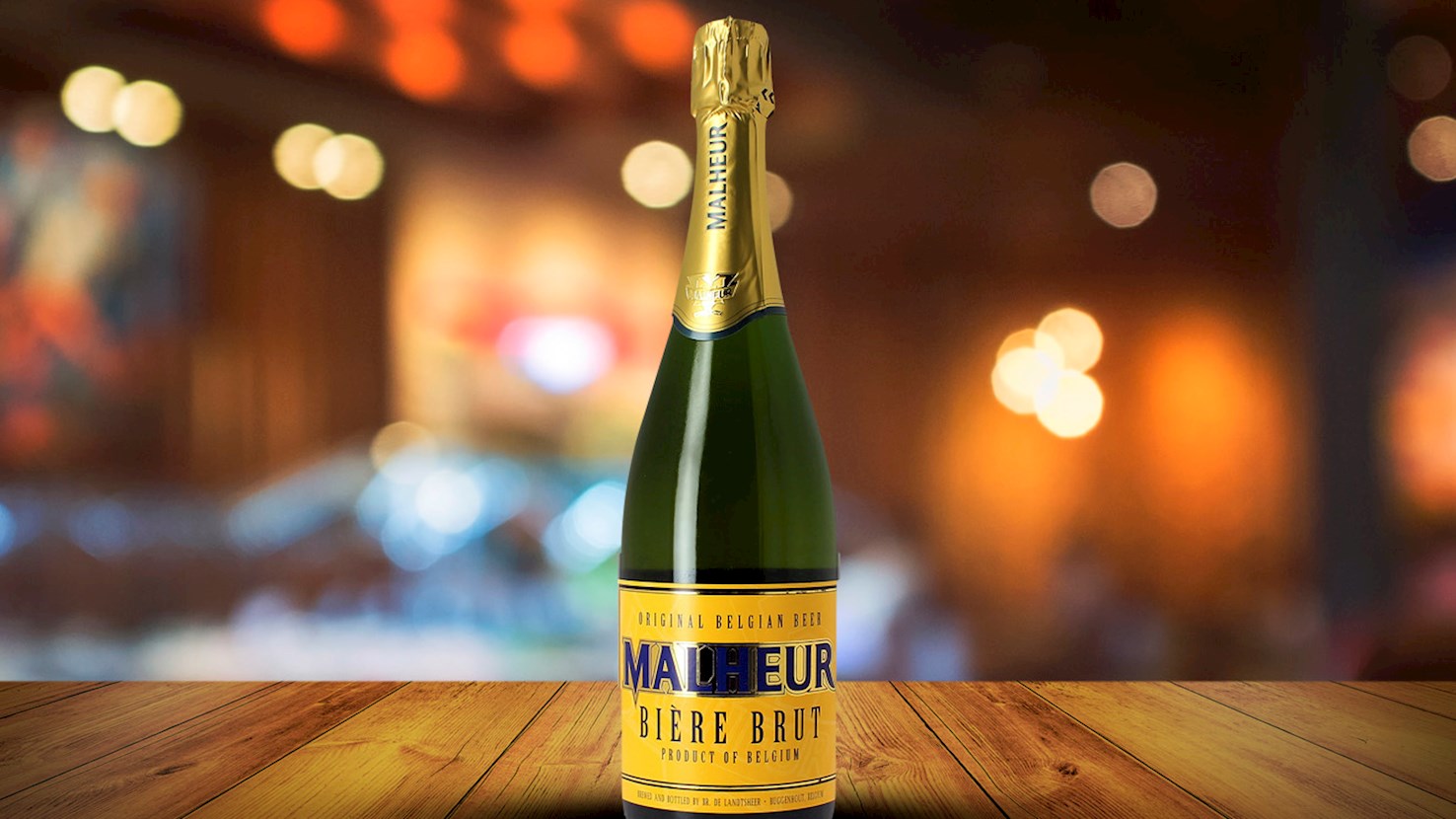
Bière brut, also known as bière de Champagne, is a somewhat new beer style that was first introduced in Belgium in the early 2000s. The beers are top-fermented and then allowed to mature in the bottle with Champagne yeast cultures. These beers are dry, clean, bubbly, light-bodied, and refreshing. They can range from very pale gold to pale amber. Their alcohol content is higher than in most beers, typically around 8% ABV. They are usually bottled in 750-milliliter champagne-style bottles that are corked and caged. Bière brut style is mainly defined by its production technique. The beer is bottle-conditioned to create a secondary fermentation within the bottle. After aging, the beer is riddled and disgorged (remuage and dégorgement). These are traditional Champagne methods in which the bottles are turned to move the sediment to the cork, and the yeasty sediment is then removed after the second fermentation. Bière brut is not your everyday beer style. Because of the time-consuming production process, it is rare and usually expensive. Because of its light character, this beer would pair well with shellfish, salads, and citrus flavors. It can also be enjoyed as an aperitif.
Italian Grape Ale, often abbreviated as IGA, is a hybrid style of beer characterized by the addition of grapes or grape-related derivatives, produced by craft breweries throughout Italy. Its sensory profile bridges the gap between the brewing and winemaking sectors, featuring high carbonation, a dry finish, and noticeable vinous aromatics. The specific designation emerged in the early 21st century, with the first documented commercial examples, such as Birrificio Barley’s BB10 and Birrificio Montegioco’s creations, appearing in 2006. This development was facilitated by Italy’s extensive viticultural biodiversity and a relatively young craft brewing culture that was not constrained by established beer production laws. In 2015, the Beer Judge Certification Program (BJCP) officially recognized the category, assigning it a dedicated style entry that highlights its status as a distinctively Italian contribution to the international brewing landscape. Preparation of Italian Grape Ale involves the integration of grape must, juice, or pomace into a base wort typically composed of pale or pilsner malts. The grape content can constitute up to 40% of the total fermentable material. Must can be added at different stages: during the boil to sterilize the liquid and alter the body, or more commonly, before or during fermentation to preserve the delicate, volatile aromatics of the specific grape variety used. The fermentation process often utilizes high-fermentation ale yeasts, though some producers employ wine yeasts or spontaneous fermentation triggered by micro-organisms present on the grape skins. Depending on whether red or white grapes are used, the resulting beer can range in color from pale straw to deep ruby or burgundy. Serving standards dictate that the beverage be served in a wide-bowl glass, such as a tulip or a wine goblet, at a temperature between 8°C and 12°C for lighter versions, or up to 16°C for complex, barrel-aged examples. A unique technical constraint of the style is the exclusion of roasted or chocolate malts, as these would overshadow the nuanced fruit characteristics derived from the grapes. Italian Grape Ale is consumed as a sophisticated alternative to traditional ales or sparkling wines, often found in specialized beer bars and upscale restaurants. It is frequently paired with aged cheeses such as Grana Padano or Pecorino, where the beer’s natural acidity and carbonation help to cleanse the palate of dairy fats. In seafood contexts, it is paired with oysters, grilled shellfish, or ceviche, as the vinous notes complement the brine and mineral qualities of the fish. For meat-based meals, it is served with cured charcuterie or roasted white meats, utilizing the grape-derived fruitiness to echo the savory-sweet notes of the protein. When produced with "sapa" (cooked grape must), the beer takes on caramelized sugar characteristics, making it suitable for pairing with almond-based sweets or blue cheeses.
TasteAtlas food rankings are based on the ratings of the TasteAtlas audience, with a series of mechanisms that recognize real users and that ignore bot,
nationalist or local patriotic ratings, and give additional value to the ratings of users that the system recognizes as knowledgeable.
For the “Top 5 European Hybrid Beers” list until June 24, 2026, 244 ratings were recorded, of which 208 were recognized by the system as legitimate.
TasteAtlas Rankings should not be seen as the final global conclusion about food. Their purpose is to promote excellent local foods,
instill pride in traditional dishes, and arouse curiosity about dishes you haven’t tried.
The initial list of top producers was compiled based on available reviews, awards, local recommendations, media and blog coverage, and consumer reviews.
The list will be updated with ratings from TasteAtlas local ambassadors and TasteAtlas users.