Top 3 Southern Indian Indica Rice

Last updated on June 06, 2026

Best Southern Indian Indica Rice
01

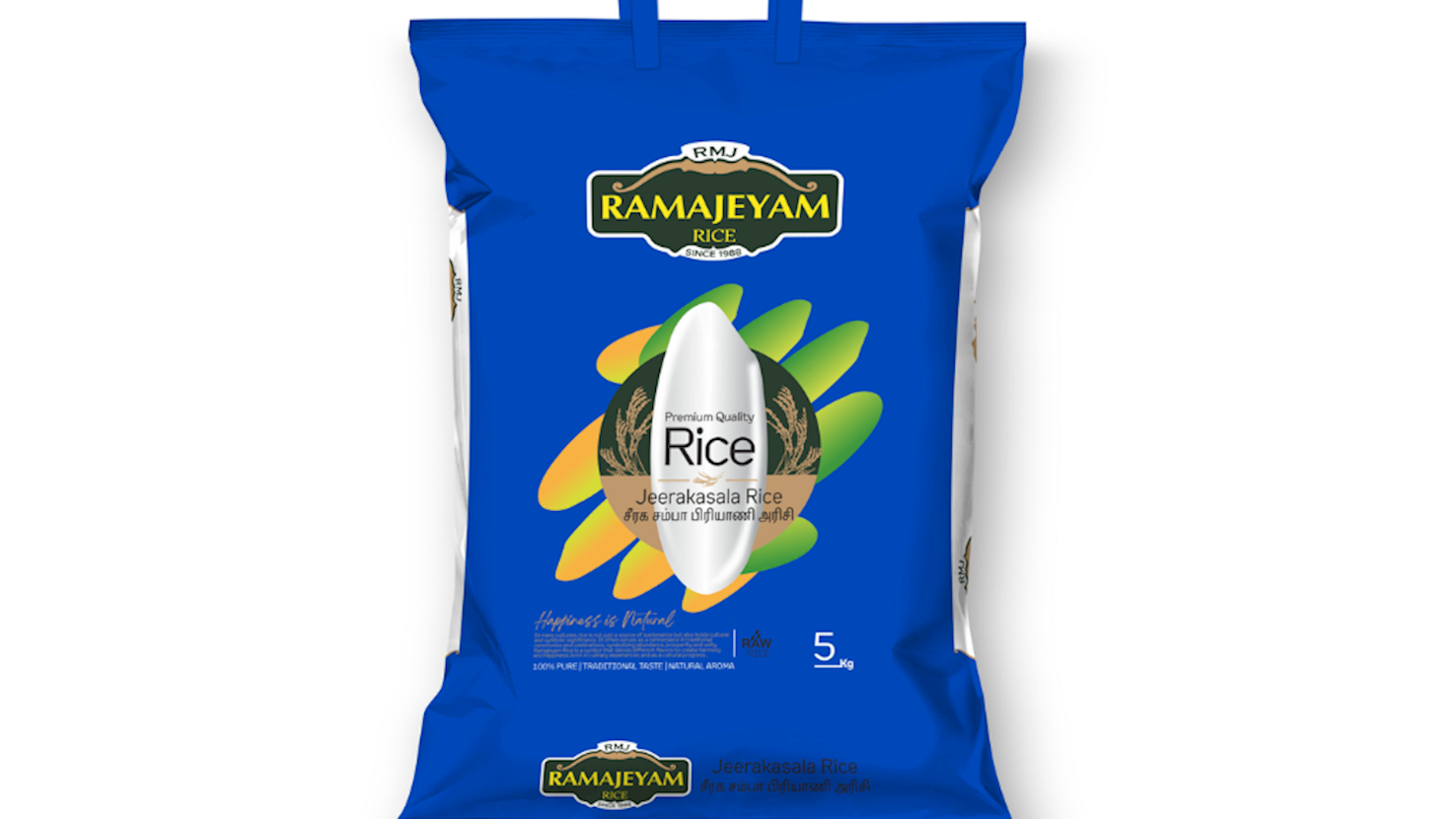
Ramajeyam Rice

4.3 ·
Ramajeyam Rice is one of the most respected and well-known producers of high-quality rice from India. The company has over four decades of experience in processing and distributing traditional Indian rice. Its legacy stems from a family passion for premium rice, and today it operates under a modern brand recognized across South India and internationally. The brand specializes in the finest rice varieties, with a particular focus on Seeraga Samba. Their Seeraga Samba rice is especially valued for its delicate aroma and short, non-sticky grains, making it ideal for preparing luxurious biryani. The company has the capacity to produce thousands of tons of rice annually and exports its products to more than 10 countries. Ramajeyam Rice bridges the traditional flavors of South India with a modern approach to food production – reliable, aromatic, and authentically local.

Best Southern Indian Indica Rice Types
01

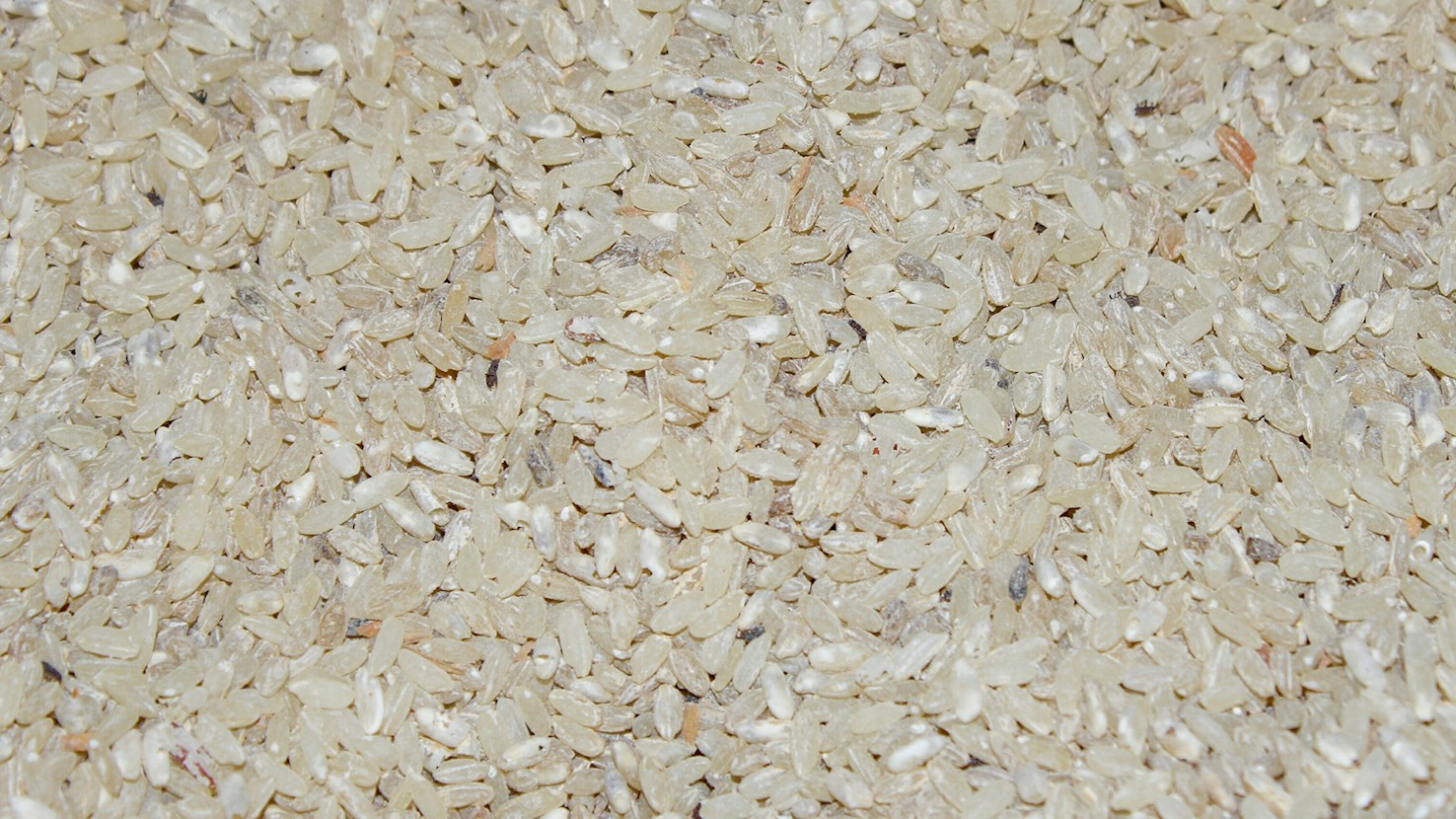
Sona Masuri

n/a ·

Sona Masuri rice, often referred to as the “pearls of South India,” is a lightweight, aromatic medium-grain rice that holds a deeply rooted place in the everyday cuisine and agricultural identity of Andhra Pradesh, Telangana, and Karnataka. It is the result of a successful cross between two older varieties, Sona and Mahsuri, developed by Indian agricultural scientists to offer a balanced grain with both fragrance and resilience. What sets Sona Masuri apart is its subtle aroma, delicate texture, and versatility, making it a favored choice for everything from steamed rice to festive preparations like pongal, pulihora, and bisibele bath. Though not as globally known as basmati, Sona Masuri plays a parallel role in the domestic kitchens of southern India. It is lighter on the stomach, cooks faster, and has a clean, slightly nutty flavor that pairs beautifully with both simple dal and complex curries. Unlike sticky japonica varieties or the long, fluffy grains of indica types like basmati, Sona Masuri strikes a soft balance, it cooks to a tender, cohesive finish without being mushy or overly dry. This balance makes it not only ideal for traditional Indian dishes but also adaptable to a wide range of global cuisines that benefit from a medium-grain rice with structure and subtlety. Grown primarily in the fertile deltas of the Krishna and Godavari rivers, Sona Masuri rice thrives in the rich alluvial soil and abundant water systems of the region. Cultivation is meticulous, often involving generational farming communities that understand the seasonal rhythm and soil dynamics required to yield its signature quality. Exported widely to Indian diaspora markets, particularly in the United States, the Gulf, and Southeast Asia, Sona Masuri has come to symbolize the taste of home for millions living abroad.

Best producers
02

Kaima

n/a ·

Kaima rice, also known as jeerakasala rice, is a variety of short-grain, aromatic rice that is primarily grown in the Indian state of Kerala, particularly in the Malabar region. This variety of rice is known for its distinctive aroma and flavor, which has been compared to that of cumin, and it is often used in traditional Malabar cuisine. One of the key characteristics of kaima rice is that it doesn't require pre-soaking before cooking, unlike many other types of rice. It also has a unique texture when cooked - the grains remain separate, which makes it an excellent choice for dishes that call for distinct, separate grains of rice, such as biryani. In that regard, kaima is a key ingredient in Malabar biryani, a popular regional dish known for its rich and aromatic flavors. The rice's ability to absorb flavors makes it ideal for this layered, spiced dish. Although kaima rice may not be as internationally well-known as basmati rice, it is highly valued in the regional cuisines where it is used.

03

Seeraga Samba

n/a ·

Seeraga Samba rice, often called the “queen of aromatic rice” in southern India, is a cherished heirloom grain with deep roots in Tamil Nadu’s Chettinad region. Its name comes from its appearance, seeragam meaning cumin in Tamil, a reference to the rice’s small, ovular grains that resemble cumin seeds in shape and size. This visual delicacy, however, is only a prelude to the sensory experience it delivers. When cooked, Seeraga Samba releases a subtle, refined aroma, less overt than basmati but more complex, with earthy and nutty undertones that meld harmoniously with richly spiced dishes. Unlike long-grain rices that elongate when cooked, Seeraga Samba retains its compact form, absorbing flavors deeply while maintaining a slightly firm texture that holds up beautifully in layered preparations. This makes it the undisputed choice for biryani in Tamil Nadu, particularly the famed Chettinad-style biryani, where its fragrance, structure, and taste elevate the entire dish. Its ability to absorb masalas and meat juices without disintegrating or clumping is a key reason it is revered by home cooks and chefs alike. Traditionally grown in limited quantities in the wetlands of the Cauvery delta, this rice is sensitive to changes in water and soil, making its cultivation a matter of experience and care. Farmers often pass down techniques across generations, maintaining seed purity and timing the harvest with precision to preserve its signature flavor and texture. Beyond biryani, Seeraga Samba is used in festive meals and temple offerings, where its elegance is matched by its sacred association. Though once considered a luxury reserved for special occasions, recent years have seen a resurgence in its popularity, both within India and among diaspora communities abroad.

Best producers
Read more
View all
View map
About this ranking

TasteAtlas food rankings are based on the ratings of the TasteAtlas audience, with a series of mechanisms that recognize real users and that ignore bot, nationalist or local patriotic ratings, and give additional value to the ratings of users that the system recognizes as knowledgeable. For the “Top 3 Southern Indian Indica Rice” list until June 06, 2026, 9 ratings were recorded, of which 7 were recognized by the system as legitimate. TasteAtlas Rankings should not be seen as the final global conclusion about food. Their purpose is to promote excellent local foods, instill pride in traditional dishes, and arouse curiosity about dishes you haven’t tried.

The initial list of top producers was compiled based on available reviews, awards, local recommendations, media and blog coverage, and consumer reviews. The list will be updated with ratings from TasteAtlas local ambassadors and TasteAtlas users.

Similar lists