shutterstock

Top 8 Asian Japonica Rice

Last updated on May 31, 2026

Best Asian Japonica Rice
01

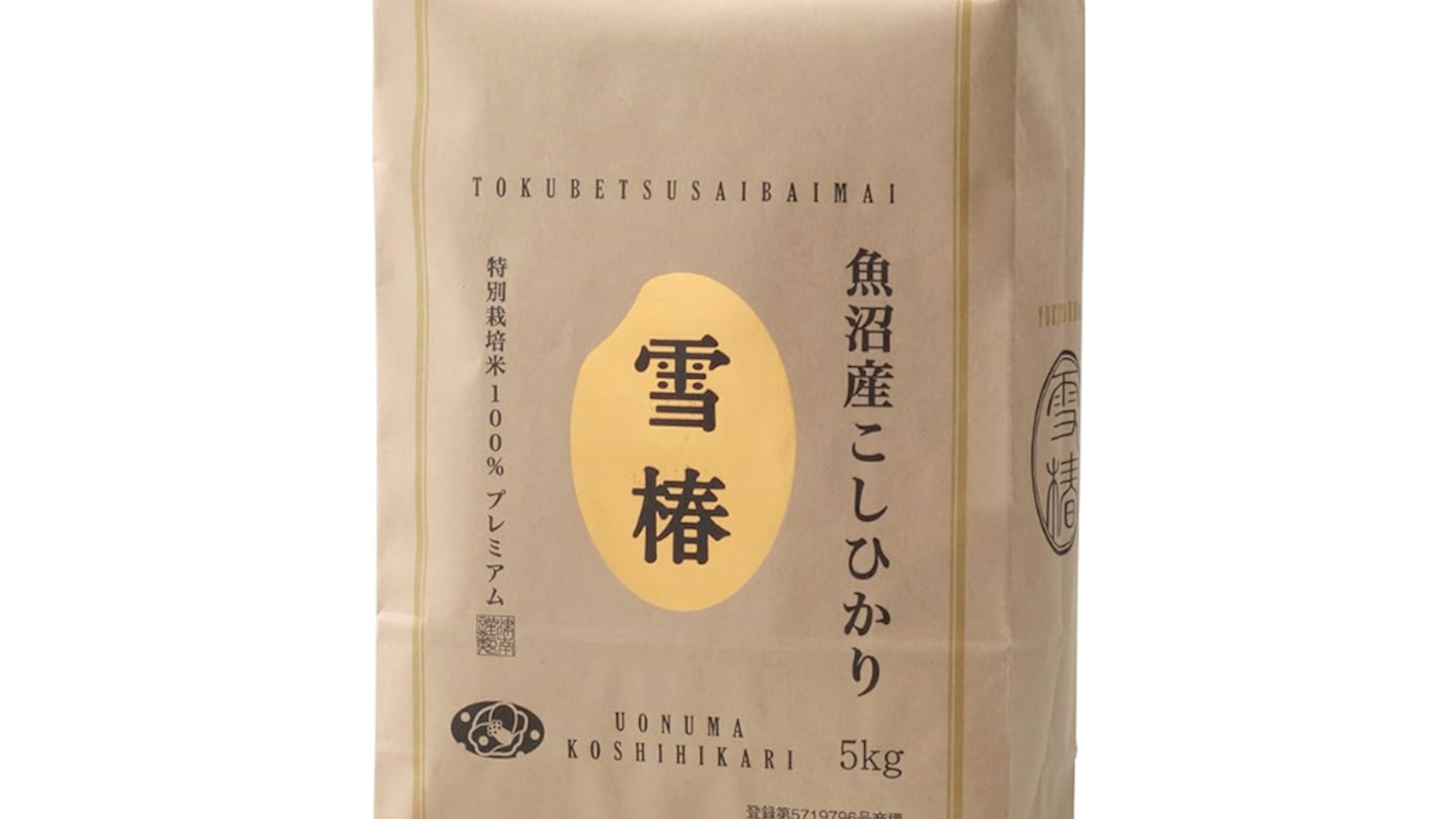
Yuki Tsubaki

4.9 ·
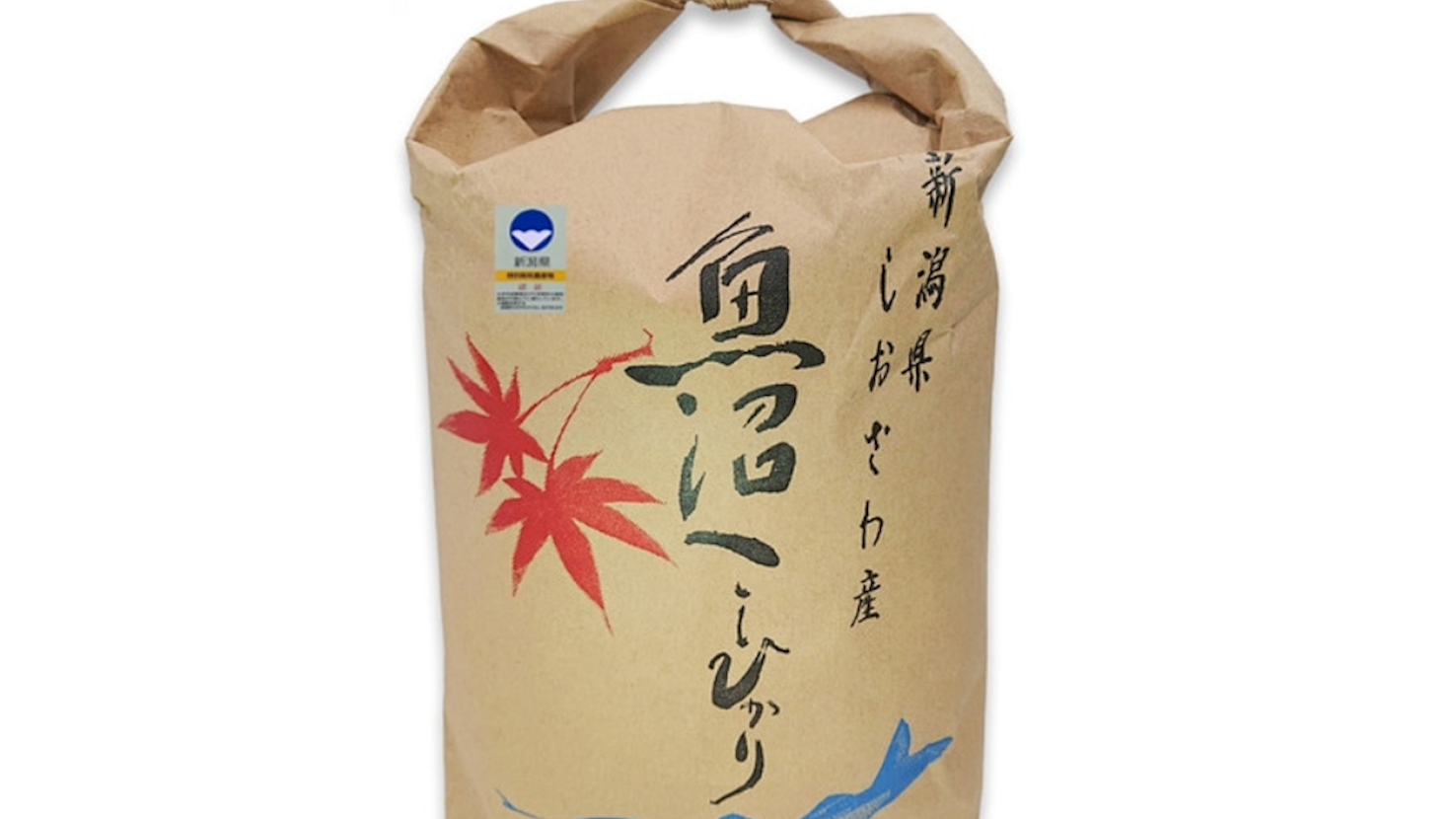
Yuki Tsubaki is a luxury Japanese rice brand that represents the pinnacle of quality in the Koshihikari variety, Japan’s most renowned rice. The brand was born out of a desire to produce the finest rice in Japan, cultivated in the mountainous region of Uonuma, located in Niigata Prefecture, an area known for its superior agroecological conditions. Its production requires significantly more labor, time, and cost compared to standard rice, in order to achieve impeccable texture, luster, and flavor. The grains are glossy, tender, delicately sweet, and ideal for sushi, onigiri, and refined Japanese cuisine. Behind the brand stands a company that employs advanced processing methods and strict quality control to ensure a unique culinary experience. The polishing process takes three times longer than usual, resulting in an exceptionally smooth and shiny finish. Every stage - from grain selection to packaging - is carried out under rigorously controlled conditions. Due to its exceptional rarity, Yuki Tsubaki rice accounts for less than 0.003% of the total Koshihikari rice production in Japan. Its exclusivity has made it a favorite among top chefs and luxury restaurants around the world.
02

Doronko Minamiuonuma

4.8 ·
Doronko Minamiuonuma is a renowned Japanese rice brand known for producing premium Koshihikari rice from the Minamiuonuma region in Niigata Prefecture. This area is globally recognized for cultivating the highest-quality rice, thanks to its pure mountain water, rich soil, and cold climate that contribute to the rice's unique flavor and texture. The Doronko brand embraces sustainable farming practices, using minimal pesticides to ensure a healthy and natural product. At the core of the brand’s philosophy is respect for nature and the local community. Doronko Minamiuonuma rice is distinguished by its glossy, firm texture and sweet, rich taste. It is ideal for preparing traditional Japanese dishes as well as high-end culinary creations around the world. The brand holds a strong local identity and is often featured in Japan’s premium food markets. The name “Doronko” (meaning “mud”) symbolizes a deep connection with nature, the land, and traditional farming methods. Doronko also engages in food education, involving children in planting and harvesting rice to promote awareness of agriculture. This brand represents authenticity, quality, and a profound commitment to the tradition of Japanese rice cultivation.
03

Qiaofu Dayuan

4.7 ·
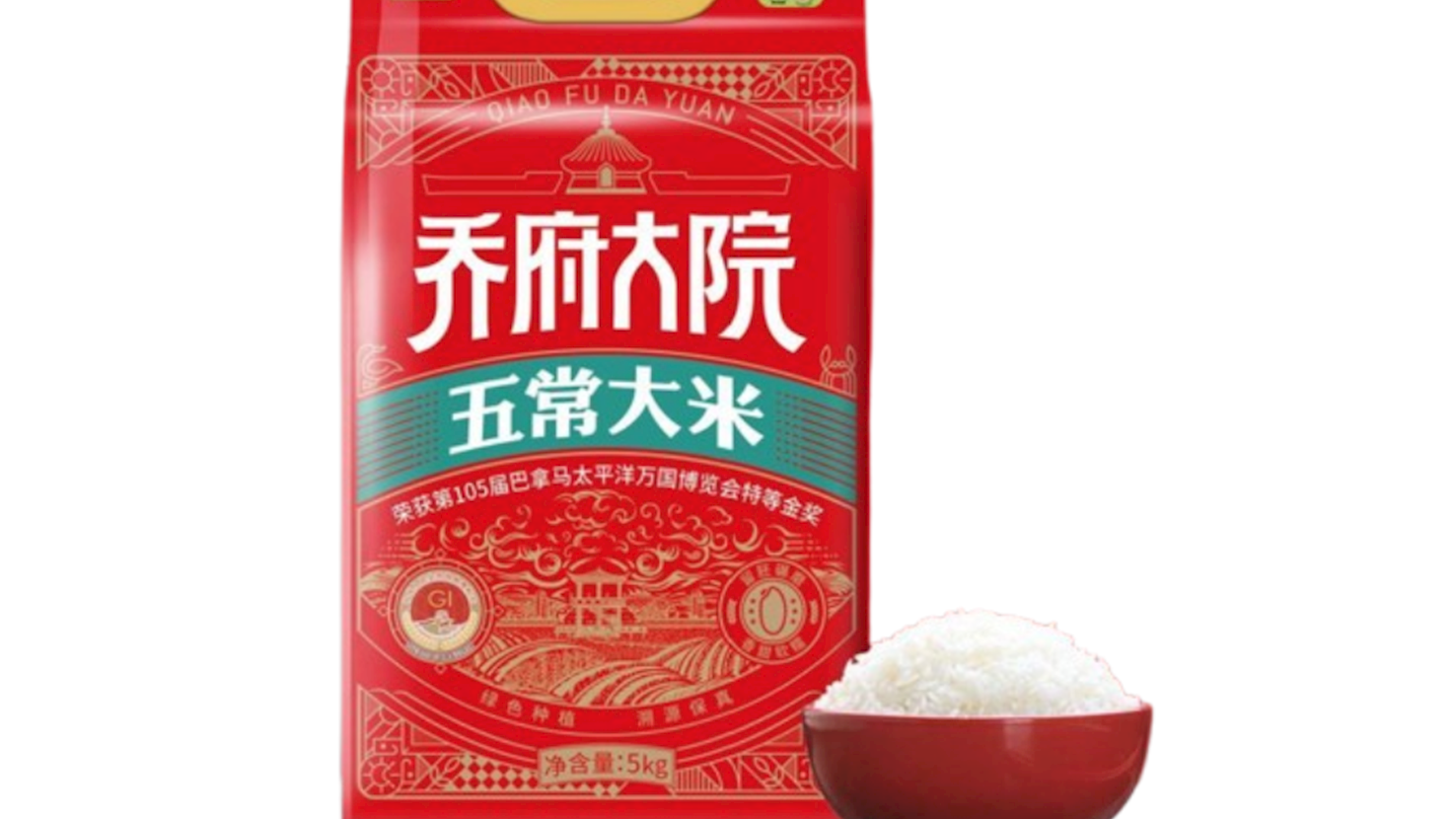
Qiaofu Dayuan is a renowned Chinese brand specializing in the production and distribution of premium-quality rice. Based in the city of Wuchang in Heilongjiang Province - a region considered the cradle of the finest rice in China - the brand benefits from exceptional agroecological conditions. These include fertile black soil, crystal-clear mountain spring water, and abundant sunlight during the growing season, all of which contribute to rice with a distinctive aroma, perfect texture, and high nutritional value. Qiaofu Dayuan combines traditional cultivation methods with modern processing and packaging technologies, ensuring that the natural characteristics and freshness of the grains are preserved.
04

Shiyue Daotian

4.7 ·
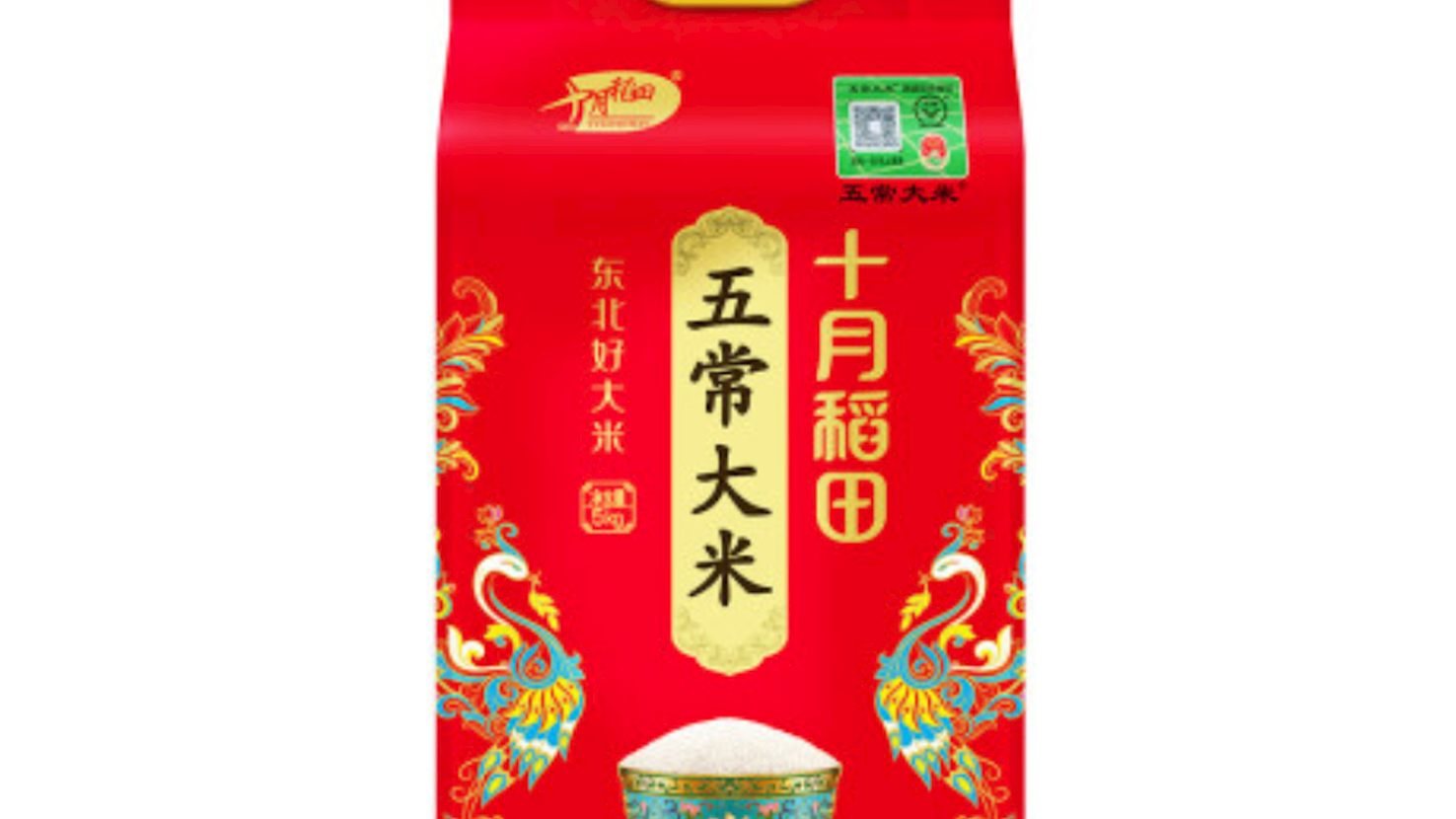
Shiyue Daotian is a leading Chinese food brand specializing in the production and distribution of high-quality staple food products, including rice, corn, whole grains, legumes, and dried goods. Founded in 2018, the brand quickly gained the trust of consumers across China thanks to its commitment to quality and innovation in the food industry. Shiyue Daotian stands out in the Chinese market particularly as a producer of premium-quality rice, which is also its most recognized and best-selling product. The brand focuses on top-tier rice varieties such as Daohuaxiang from the Wuchang region - renowned for its rich flavor and aromatic grains - as well as other high-grade varieties sourced from the most fertile rice-growing areas in Northeast China, including Heilongjiang and Liaoning provinces. Shiyue Daotian rice is known for its meticulous grain selection process, strictly controlled production, and modern packaging techniques that preserve freshness and nutritional value.
05

Beidahuang

4.6 ·
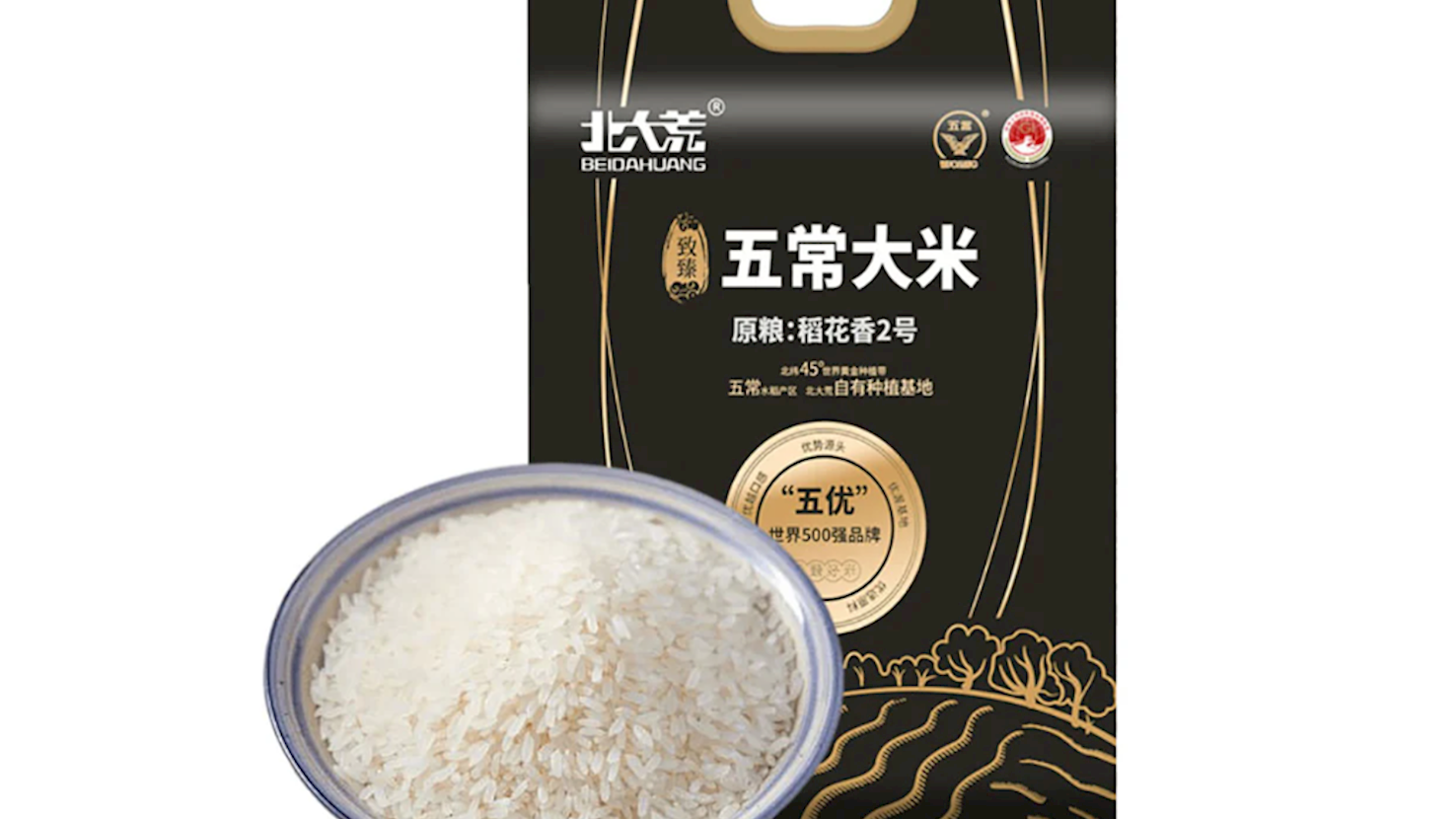
Beidahuang is a renowned Chinese rice brand originating from the state-owned agricultural group of the same name, headquartered in Heilongjiang Province. The brand is known for producing high-quality rice, with products valued for their purity, nutritional content, and distinctive aroma, making them a popular choice both domestically and internationally. Beidahuang rice is cultivated in the fertile plains of northeastern China, where favorable climate conditions and rich soil contribute to its exceptional quality. The brand is recognized as one of the most competitive on China’s grain and oilseed market. In addition to domestic distribution, Beidahuang rice is also available on international markets, including North America. Beidahuang is especially noted for its production of Wuchang rice, including the famous Daohuaxiang variety. This rice is grown in the fertile fields of Wuchang city in Heilongjiang Province, a region known for ideal conditions for producing high-quality japonica rice.
06

Niigata Nosho

4.5 ·
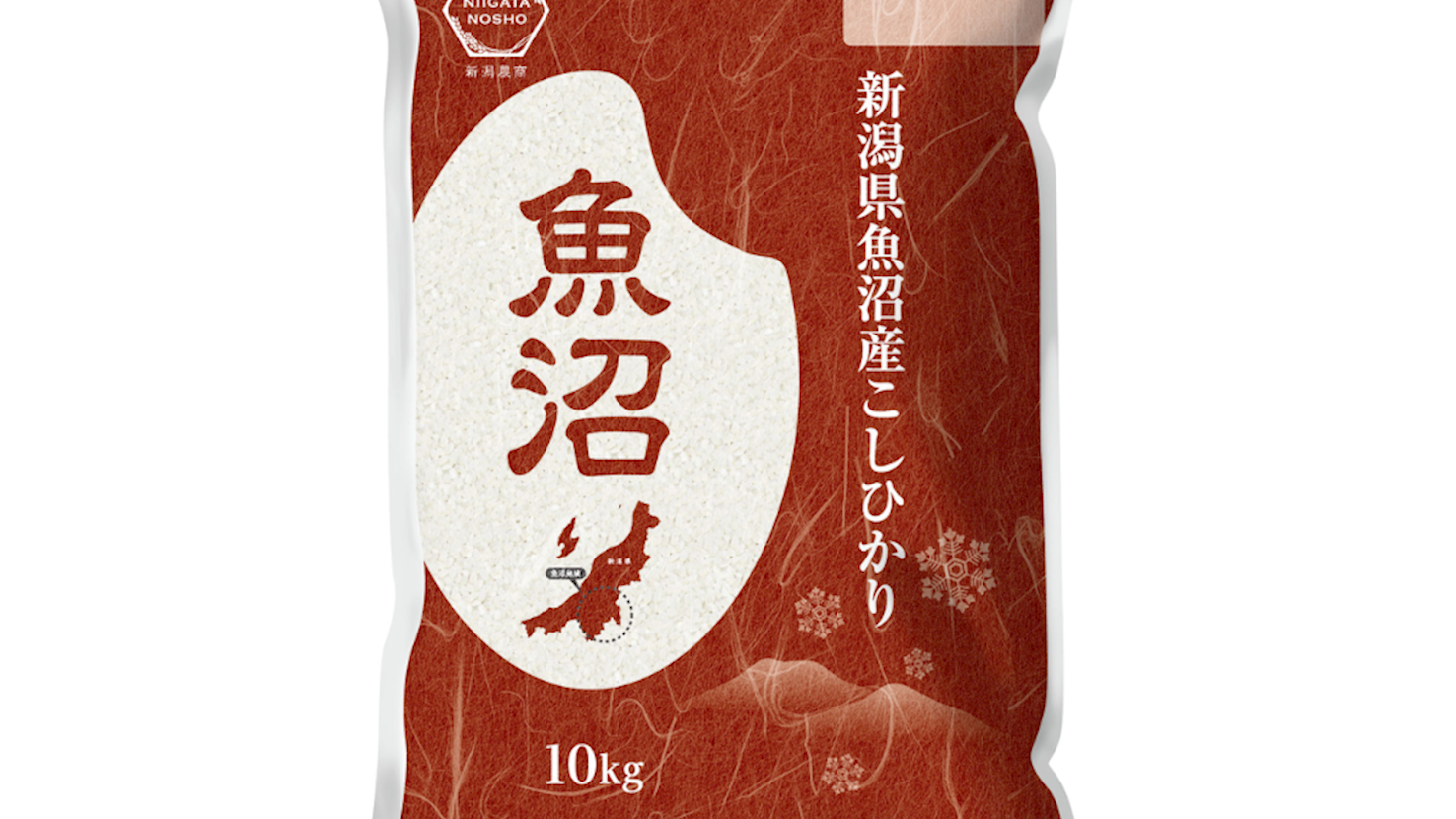
Niigata Nosho is a reputable Japanese company specializing in the production and distribution of premium rice. Headquartered in Niigata City, in the prefecture of the same name - one of Japan’s most renowned rice-growing regions - the company was founded with the mission of delivering high-quality, authentic Japanese rice to consumers around the world. Niigata Nosho blends tradition, expertise, and modern technology to preserve the essence of Japanese culinary culture. The company is engaged in the sourcing, inspection, and processing of raw rice harvested from some of the most esteemed areas of Niigata Prefecture, including Uonuma, Sado, and Iwafune. Each of these regions has unique climatic and geographical features that contribute to the cultivation of rice with exceptional quality. Under strictly controlled conditions, Niigata Nosho supervises every step of the process - from harvest to packaging - ensuring full traceability and consistent quality. Their product range includes some of the most sought-after Japanese rice varieties, such as Koshihikari, Shinnosuke, and Koshiibuki. Among these, Uonuma Koshihikari stands out for its outstanding reputation, consistently earning the highest “Special A” rating from the Japan Grain Inspection Association, a recognition of its superior quality and reliability.
07

Jinhe Agriculture

4.4 ·
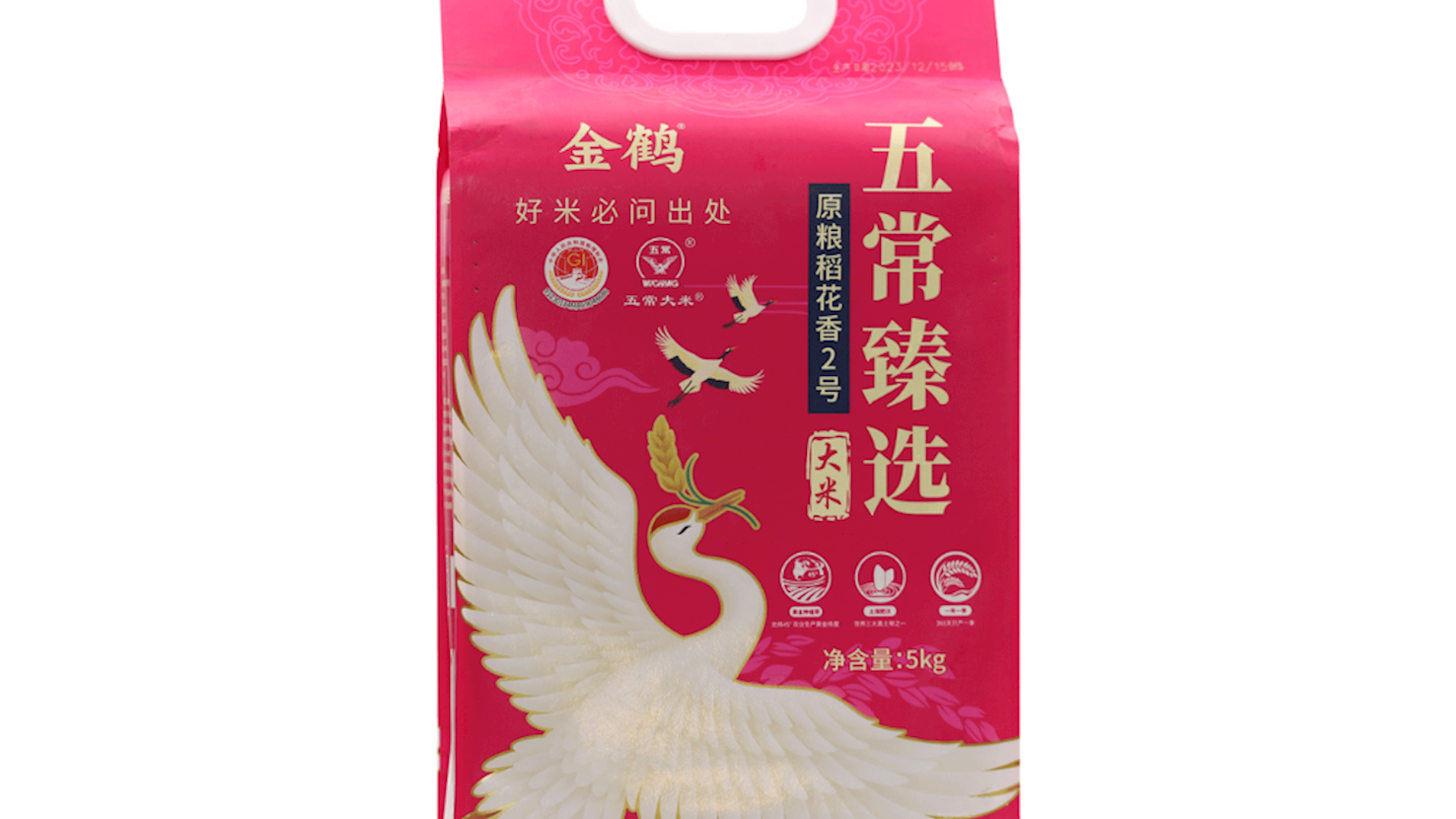
Jinhe, founded in 2019, specializes in the production of high-quality rice in China, with a strong focus on controlled cultivation and full traceability from field to table. Their rice paddies are located in the northeastern province of Heilongjiang, a region renowned for its exceptionally fertile black soil and long hours of sunlight, which, combined with pure water from the Nenjiang River, provide ideal conditions for growing premium rice. Jinhe employs advanced technology and a six-step processing method - including cleaning, hulling, milling, polishing, sorting, and vacuum packaging - to preserve the rice’s natural flavor, nutritional value, and safety. Their signature product, Jin He Wu Chang Zhen Xuan Rice, has earned consumer trust due to its superior grain quality and multiple awards. Jinhe represents a modern fusion of traditional Chinese agriculture and contemporary quality standards, making their rice the top choice for customers seeking authenticity and reliability.
Awards
Monde Selection - Gold (2024)
08

Reis Gıda

3.9 ·
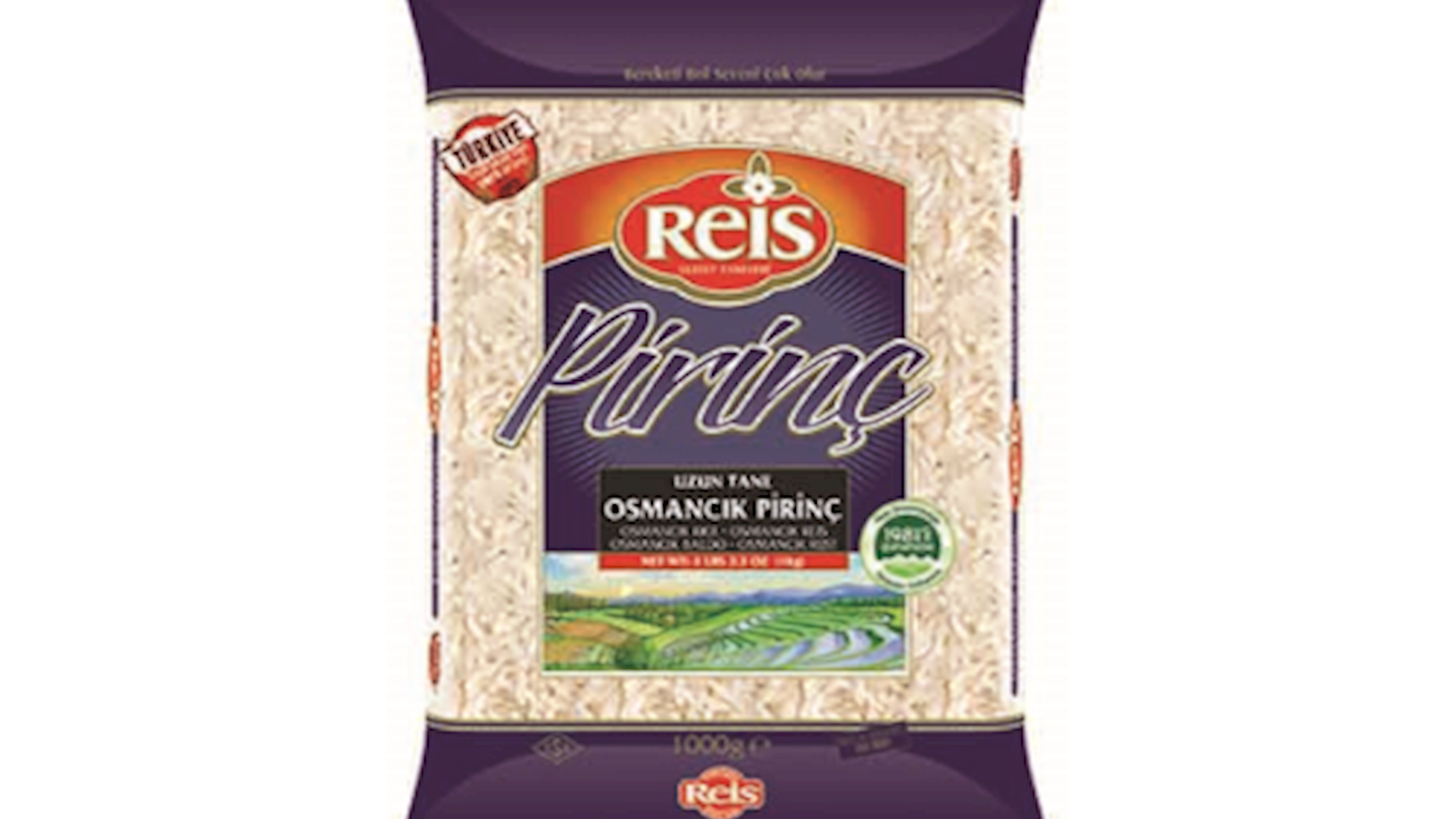
Reis Gıda is a Turkish food manufacturer founded in 1981, specializing in rice, legumes, bulgur, and other staple dry food products that form the foundation of traditional diets. The company has built its reputation on consistent quality control, from raw material selection to processing and final packaging, in line with international food safety standards. Its portfolio includes various types of rice, beans, chickpeas, lentils, and grains, serving both the domestic market and export channels. Reis Gıda emphasizes reliability and nutritional value, highlighting the importance of natural products without unnecessary additives. The brand operates in multiple international markets, reinforcing its established position within the dry food sector. Alongside its commercial activities, the company promotes awareness of the role of legumes and grains in balanced nutrition. Overall, Reis Gıda represents a combination of traditional food culture and modern production standards.

Best Asian Japonica Rice Types
01

Uruchimai

4.1 ·

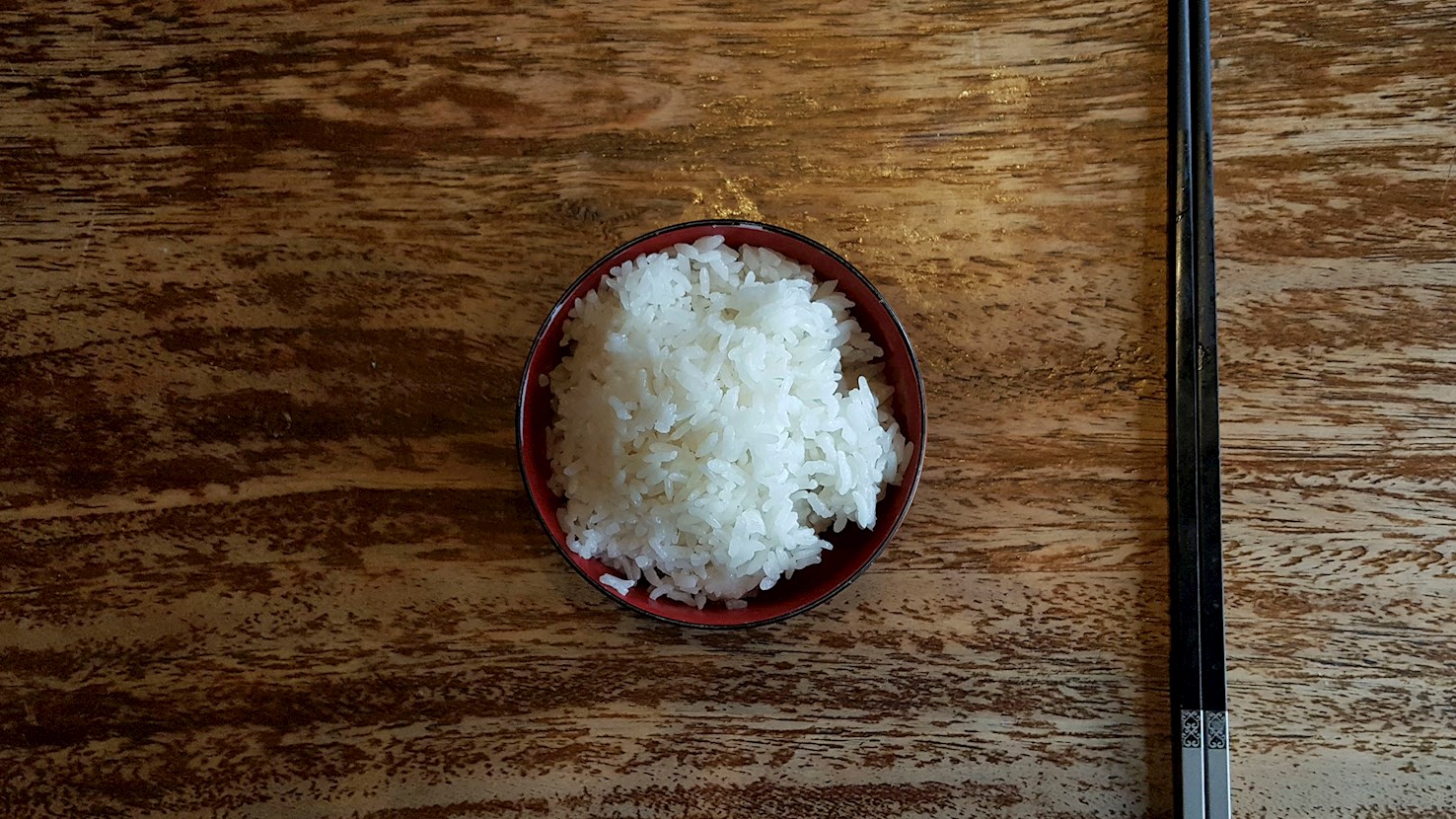
Uruchimai or Japanese short-grain rice is a short-grain cultivar of Japonica rice and is the staple ingredient of Japanese cuisine. The grains of this type of rice are short and plump and contain more starch than regular rice. They're also known for their sticky and moist texture. Uruchimai is incredibly versatile and can be used in various types of dishes. It’s mostly eaten plain, but the rice can be served with vegetables, seafood, dashi, or soy sauce. This rice variety is also used to make sake, shochu, and rice vinegar.

02

Koshihikari

4.1 ·

A Japanese short-grain cultivar, koshihikari was created in 1956 by crossing two different strains of Nourin No.1 and Nourin No.22. Despite its recent creation, today, it is the most grown rice in Japan and the most consumed as well. It was named after the historic Koshi province and translates as light of Koshi. The fact that it is extremely sticky and chewy, as well as soft, made it a favorite of the Japanese, who use it to make sushi, onigiri, and other rice-based dishes. Besides Japan, koshihikari is also grown in Australia and the U.S.

03

Baldo

3.8 ·

Baldo rice is a white rice variety grown exclusively in Italy and Türkiye. It is a relatively new variety, first cultivated in 1977 in the Italian Po valley as a hybrid of stirpe 136 rice and arborio rice. Baldo rice soon became known as the "king of rice" thanks to its exquisite qualities, and it found its way to Türkiye, where it is considered the finest quality rice. Depending on the variety, Baldo rice can come in a long, medium, and short-grain format, although short-grain is most known and used. It has a buttery aroma and a distinct but not overpowering taste, with pronounced starchiness (Turkish varieties tend to be starchier than the Italian). When cooked, this rice retains its compact shape and chewiness, which makes it a perfect choice for risottos, pilafs, and paellas.

04

Wǔcháng dàmǐ (Wuchang rice)

n/a ·

Wuchang rice is a premium variety of fragrant rice grown in the city of Wuchang, located in Heilongjiang province. Renowned for its exceptional taste, aroma, and texture, Wuchang rice has earned a reputation as one of the finest rice varieties in China, often referred to domestically as a benchmark for high-quality grain. The rice thrives in the cool climate and mineral-rich soils of Wuchang, which is nestled between the Lesser Khingan Mountains and the Songhua River. These natural conditions, combined with traditional farming techniques and controlled water sources from mountain springs, contribute to the rice’s distinctive qualities. The most prized type of Wuchang rice is Daohuaxiang, a long-grain variety known for its delicate fragrance, fluffy yet slightly chewy texture, and subtle sweetness when cooked. Unlike many ordinary rices, Wuchang rice releases a natural aroma when steamed, often likened to the scent of roasted corn or chestnuts. Its cooking properties make it ideal for simple preparations that highlight the grain itself: steamed plain, served alongside braised meats, or incorporated into congee and stir-fries. In Chinese households, especially in the north, it is considered a staple worthy of ceremonial meals and festive occasions. Wuchang rice has also become a symbol of regional pride and culinary heritage. Due to its popularity and premium status, it has been subject to frequent counterfeiting, with rice from other regions mislabeled as Wuchang. In response, the local government has implemented geographic indication protections and traceability systems to preserve authenticity and ensure that only rice grown in designated Wuchang areas can carry the name. This protection not only safeguards the reputation of the product but also supports the livelihood of local farmers who follow traditional cultivation methods.

05

Khao Sangyod Muang Phatthalung

n/a ·

Khao Sangyod Muang Phatthalung is an early lowland rice of the traditional Sangyod variety, produced in the province of Phatthalung in Thailand for more than a hundred years. The rice can be either paddy rice, brown rice or milled rice. Paddy rice has hay-colored husks, brown rice is red to dark red and milled rice is a mix of white and red or pink colors. All of the varieties have a grain that is small and oblong while the brown variety is of the highest nutritional value. When cooked, it is soft and aromatic with a delicate taste. It is also quite health-beneficial as it is full of niacin and antioxidants. Originally, it was grown as a gift to be given to respected elderly people at special occasions or festivals.

06

Osmancık pirinç

n/a ·

Osmancık pirinç is a long-grain rice variety primarily cultivated in the Edirne Province and Black Sea region of Türkiye, with major production centers in Edirne and the Osmancık district of Çorum. It is a cultivar of the species Oryza sativa and is categorized as a semi-long grain rice, characterized by its translucent white appearance and glass-like texture. The grain maintains its structural integrity during the cooking process and possesses a high starch content that contributes to a specific mouthfeel without becoming excessively sticky. It is the most widely consumed rice variety in Türkiye due to its consistent milling yield and adaptability to various culinary applications. The development of this variety took place at the Thrace Agricultural Research Institute in Edirne during the 1990s. Researchers crossbred the Italian rice variety Rocca with other high-yielding cultivars to create a grain specifically suited to the climate and soil conditions of the Meriç and Ergene river basins. Following its official registration in 1997, the variety rapidly replaced older cultivars because of its resistance to local crop diseases and its high agricultural yield per hectare. Its successful adoption led to Osmancık becoming the standard for rice production across the country, influencing the economic landscape of the Turkish agricultural sector over the following decades. Preparation typically involves a thorough rinsing process to remove excess surface starch, often followed by a short soaking period in warm salted water. The most frequent cooking method is the pilaf technique, where the grains are first sautéed in vegetable oil or butter before the addition of hot water or broth. The standard liquid-to-grain ratio is approximately 1.5 to 1. Once the liquid is absorbed, a resting period is necessary to allow the steam to finish the cooking process and ensure grain separation. A specific technical attribute of Osmancık pirinç is its high water absorption capacity while maintaining a firm "al dente" center, which differentiates it from shorter, softer rice varieties. Osmancık pirinç is eaten as a primary carbohydrate component in daily meals throughout Türkiye and neighboring regions. It is served as a side dish for meat stews, grilled kebabs, and vegetable preparations like dry beans or chickpeas. It is also used in the preparation of stuffed vegetables and as a base for rice-based desserts such as sütlaç. When served as a pilaf, it is frequently accompanied by ayran, a chilled yogurt-based beverage, which provides a textural and temperature contrast to the warm grain. In formal settings, it is often paired with roasted lamb or chicken and served alongside seasonal salads or pickled vegetables.

Best producers
07

Dàohuāxiāng (Daohuaxiang rice)

n/a ·

Daohuaxiang is a highly prized variety of aromatic rice originating from Wuchang, a city in Heilongjiang province. Known for its delicate fragrance, soft yet chewy texture, and naturally sweet flavor, Daohuaxiang rice represents the pinnacle of Chinese rice cultivation. Its name, which translates to “fragrant rice flower,” reflects both the sensory qualities of the grain and its close connection to the land where it is grown. Cultivated in the fertile plains nestled between the Lesser Khingan Mountains and nourished by cold, clean mountain springs, Daohuaxiang benefits from a unique terroir marked by mineral-rich soil, sharp seasonal contrasts, and a long, cool growing season that allows the rice to mature slowly and develop its signature aroma. What sets Daohuaxiang apart is not just where it is grown, but how it is grown. Farmers in Wuchang rely on traditional, low-chemical cultivation methods, carefully selecting seeds and timing the harvest to preserve the integrity of the grain. The rice is typically harvested only once a year, which enhances its quality but limits its supply. When steamed, Daohuaxiang releases a gentle fragrance reminiscent of corn or chestnuts, and its glossy, plump grains remain separate but slightly sticky, ideal for eating plain, alongside vegetables, meat, or in congee. Its flavor is clean and subtly sweet, requiring no enhancement to be appreciated, making it a staple in premium Chinese dining. Because of its reputation and limited production, Daohuaxiang rice has often been the target of counterfeiting, with inferior grains falsely labeled under its name. To combat this, Wuchang has implemented strict geographical indication protections and traceability systems to ensure that only rice grown in the certified region can be sold as authentic Daohuaxiang. This not only protects consumers but also preserves the legacy and livelihood of the local farmers who cultivate the rice with care.

Read more
View all
View map
About this ranking

TasteAtlas food rankings are based on the ratings of the TasteAtlas audience, with a series of mechanisms that recognize real users and that ignore bot, nationalist or local patriotic ratings, and give additional value to the ratings of users that the system recognizes as knowledgeable. For the “Top 8 Asian Japonica Rice” list until May 31, 2026, 124 ratings were recorded, of which 72 were recognized by the system as legitimate. TasteAtlas Rankings should not be seen as the final global conclusion about food. Their purpose is to promote excellent local foods, instill pride in traditional dishes, and arouse curiosity about dishes you haven’t tried.

The initial list of top producers was compiled based on available reviews, awards, local recommendations, media and blog coverage, and consumer reviews. The list will be updated with ratings from TasteAtlas local ambassadors and TasteAtlas users.

Similar lists