


shutterstock

19 Jeon Varieties
Ranked From the Best To the Worst

Last updated on June 17, 2026
01

Kimchijeon

4.2 ·

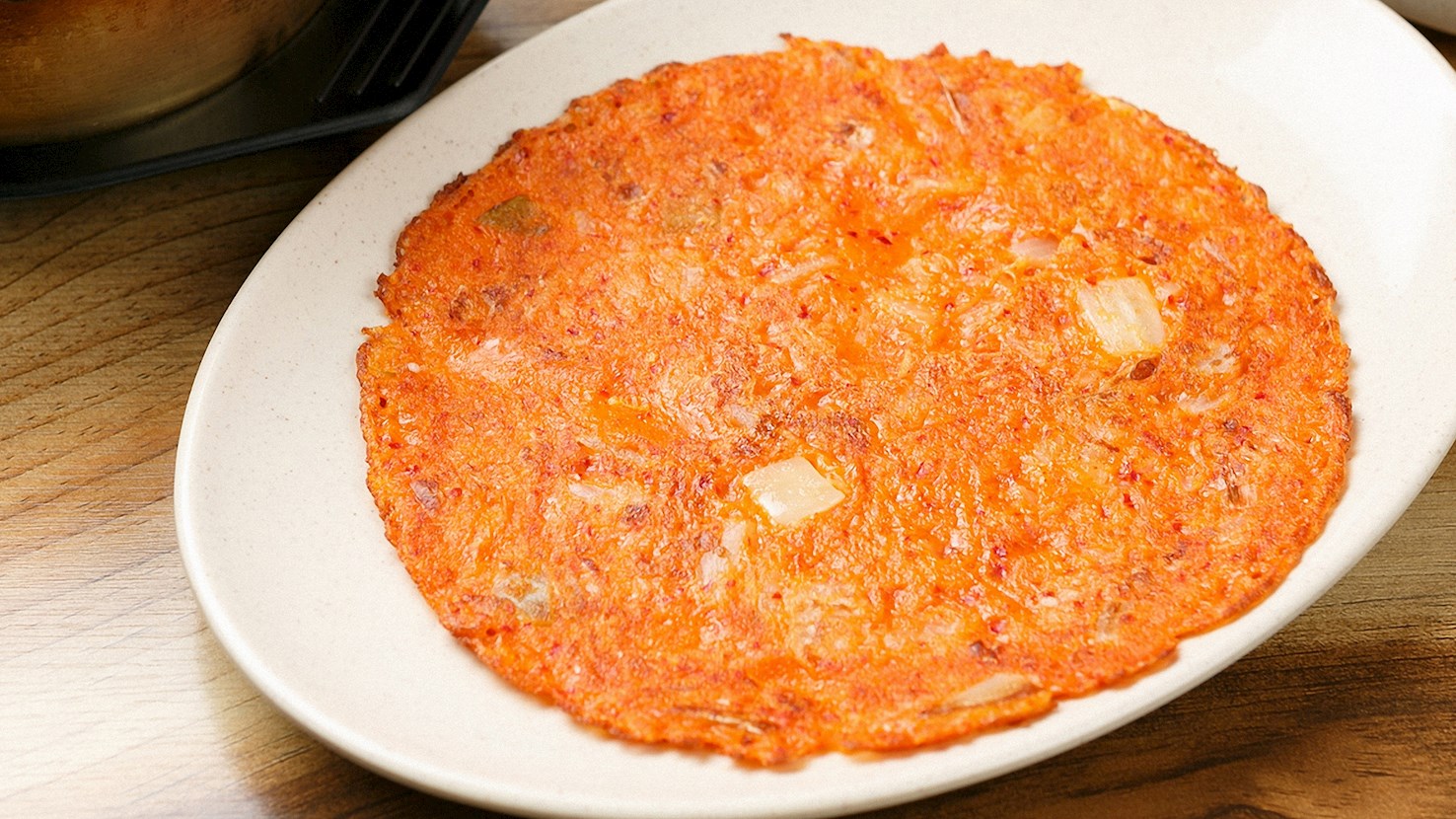
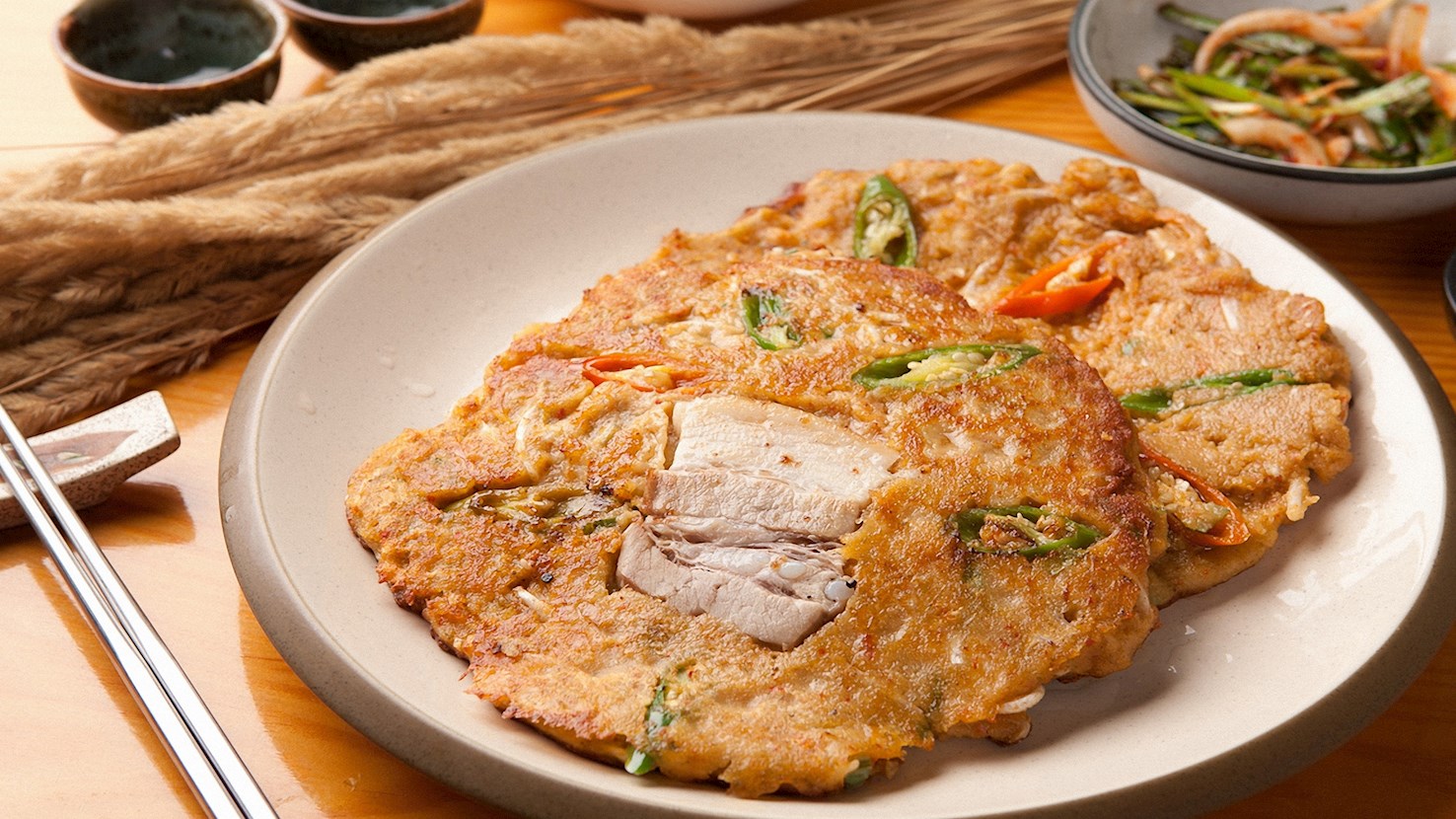
In its simplest form, this South Korean pancake incorporates sliced kimchi, preferably ripe version, with a simple flour batter. The dish belongs to a wide group of jeon—savory Korean pancakes—and it is easily adapted with various ingredients such as chili paste (gochujang), ground meat, or other vegetables. The pancakes are occasionally served with a dipping sauce on the side and may come sprinkled with sesame seeds. They are usually enjoyed as a quick, filling snack or an appetizer, but they can also be served as a main course or a side dish.

02

Pajeon

4.1 ·

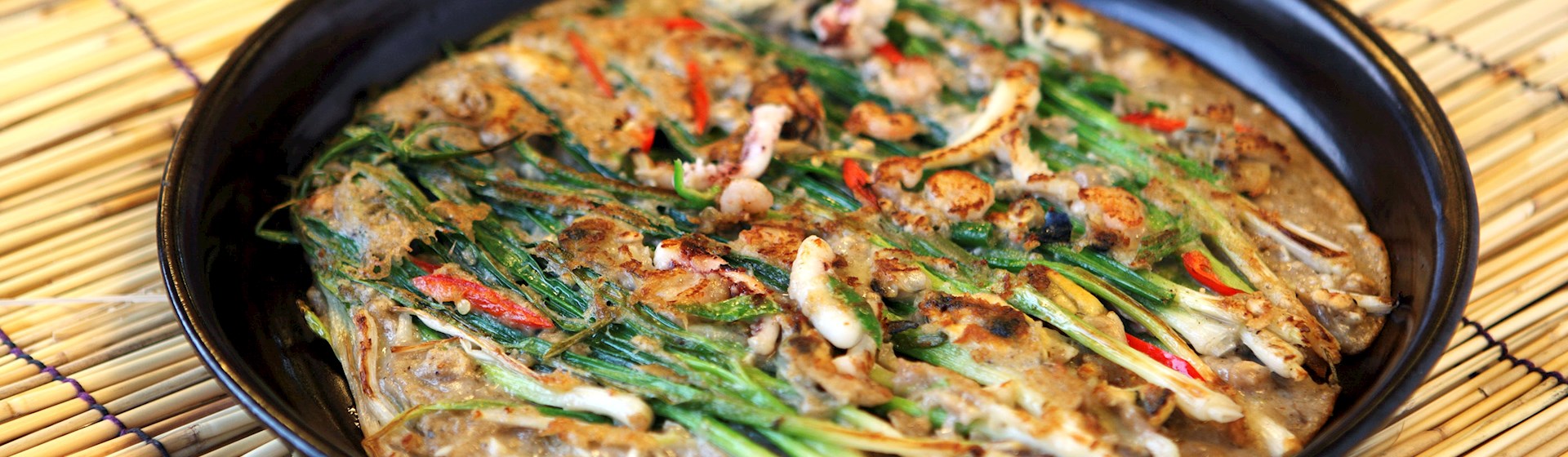
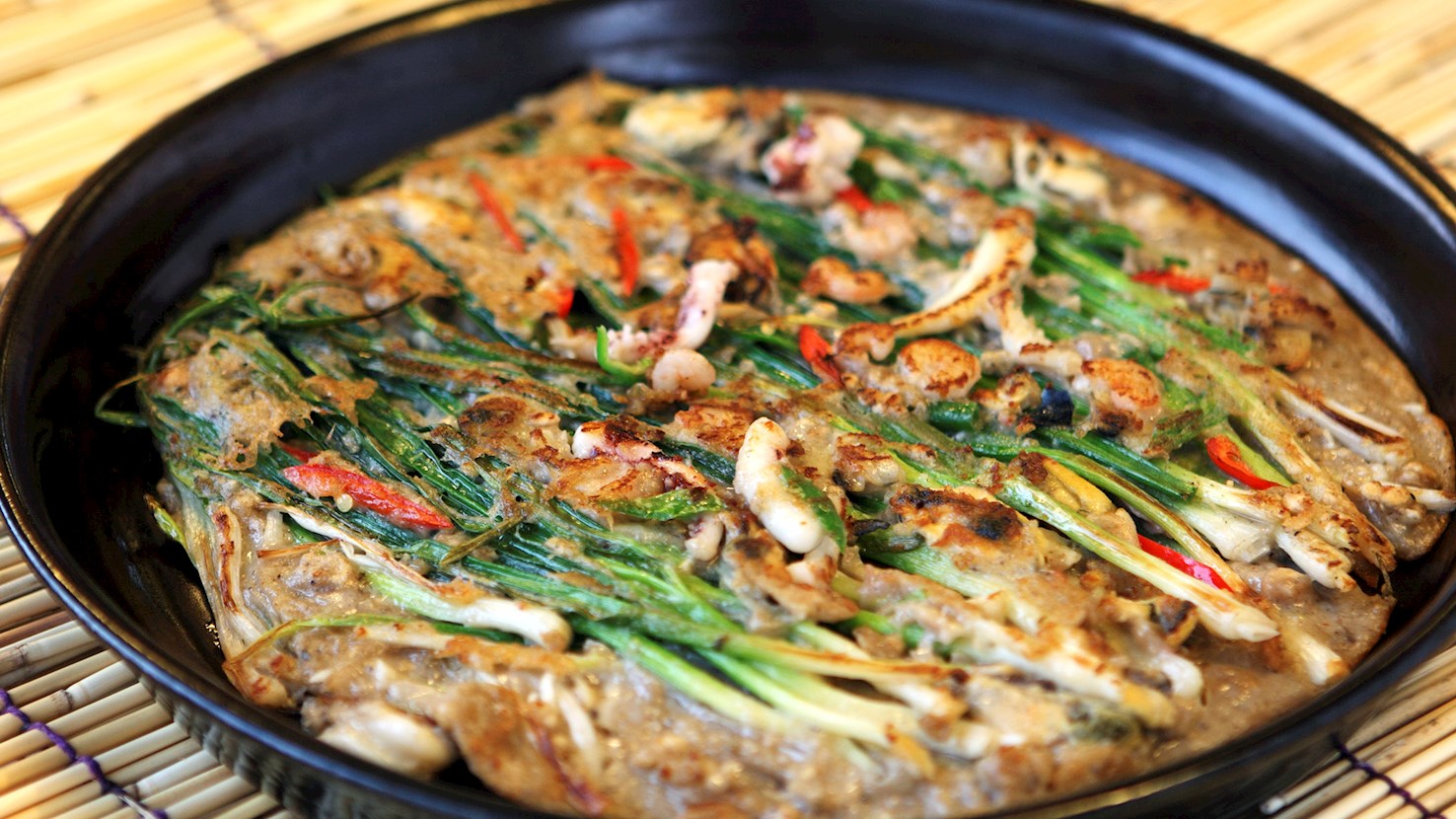
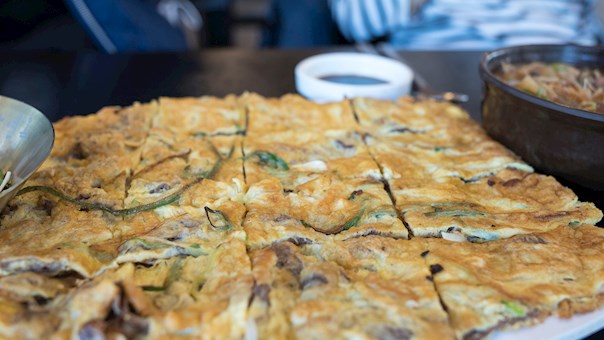
Pajeon is a variety of jeon (Korean pancakes), made with a batter of rice flour, eggs, and green onions (pa), the key ingredient in this dish, hence the name. It is a popular snack or an appetizer that is usually served with rice and a combination of soy sauce and vinegar, used as a dipping sauce. There are endless variations of the dish prepared by adding other ingredients to it, such as vegetables, kimchi, or seafood. The pancakes, which are easily recognizable by the green onions sticking out from all sides, can either be cooked as small discs or one large pancake that is then cut into individual portions. Crispy on the outside, and soft and slightly gummy on the inside, pajeon is a simple, filling meal with a unique combination of flavors.

03

Haemuljeon

4.0 ·

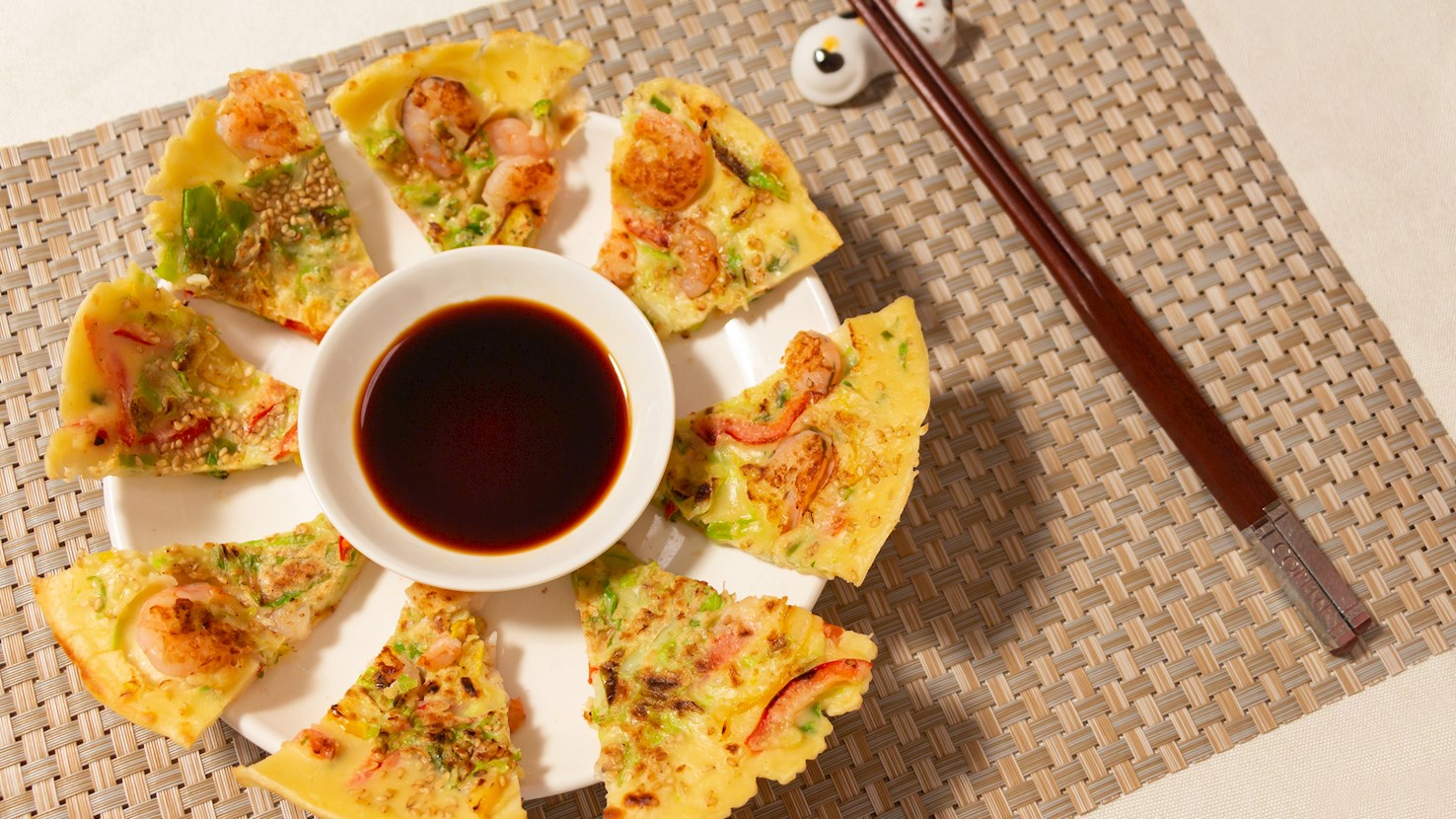
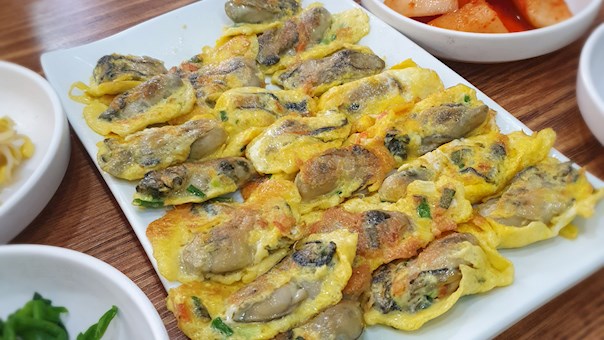
Haemuljeon is a traditional dish originating from South Korea. This type of jeon (pan-fried battered food) is made with a combination of seafood, scallions, eggs, flour, and oil. Seafood such as mussels, oysters, squid, shrimp, and clams are cut into bite-sized pieces and then mixed with the scallions, eggs, and flour. Once battered, the mixture is pan-fried in hot oil on both sides until the pancake turns golden brown on both sides. Haemuljeon is served hot with a dipping sauce on the side. The dipping sauce usually consists of soy sauce, vinegar, red pepper flakes, sugar, and black pepper.

04

Gamjajeon

3.9 ·

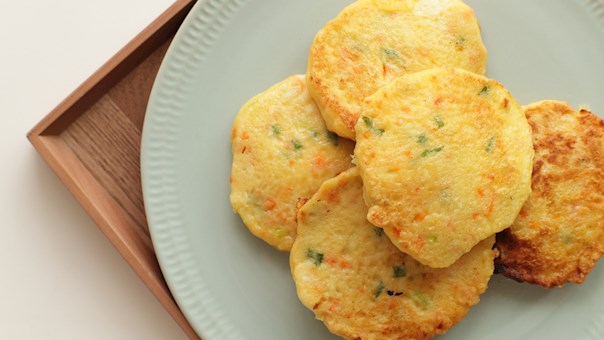
Gamjajeon is a type of Korean pancake prepared with grated or puréed potatoes, while some varieties may include scallions, chives, carrots, or onions. The pancakes are usually small and round and should be pan-fried until perfectly crispy on the outside. They make for an excellent snack, side dish, or an appetizer, as well as a light main course. Gamjajeon are usually served with choganjang dipping sauce that combines soy sauce, vinegar, sugar, and water, or optionally gochujang chili paste, chili flakes, and sesame seeds.

05

Kkaennip-jeon

3.7 ·

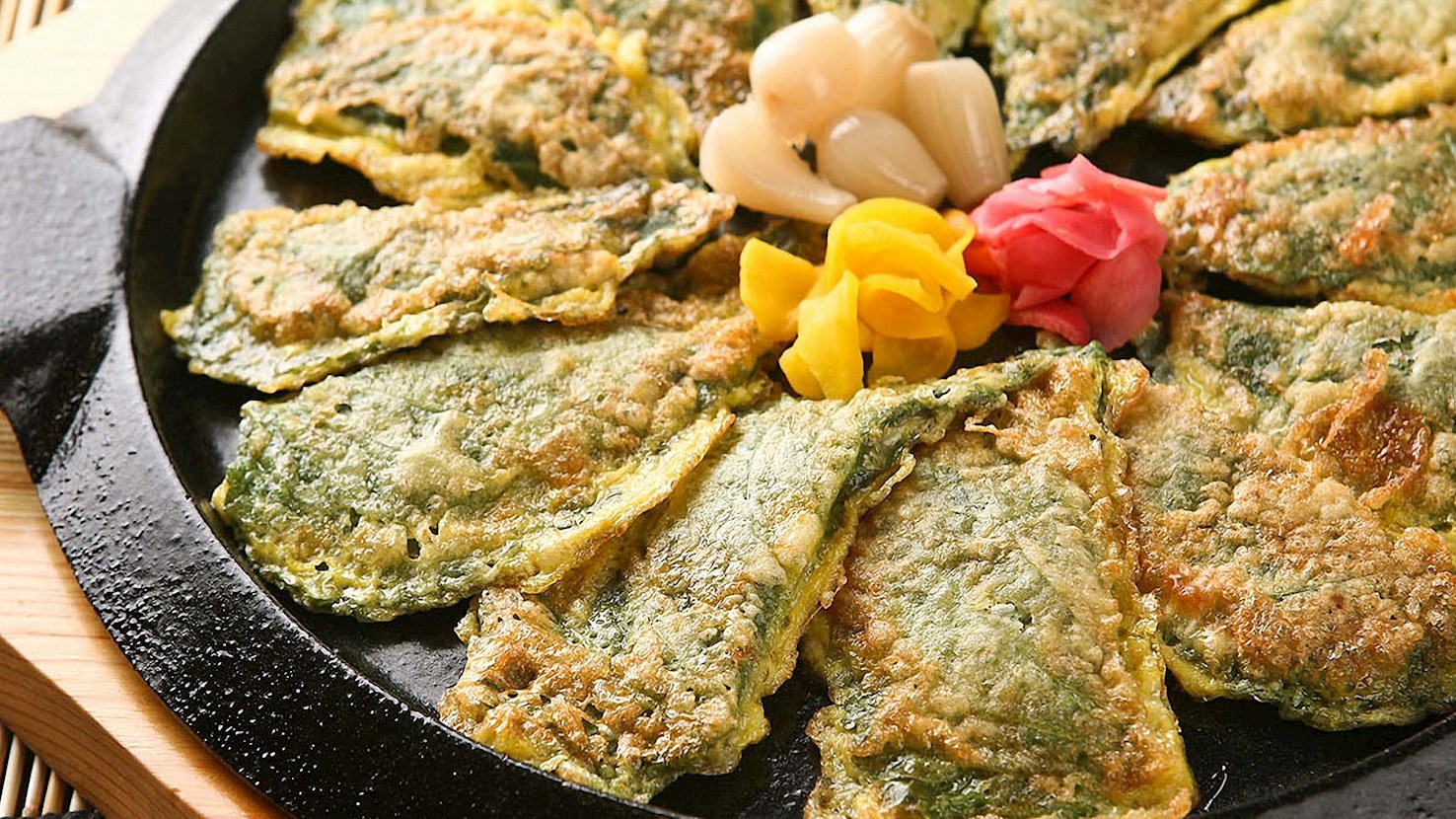
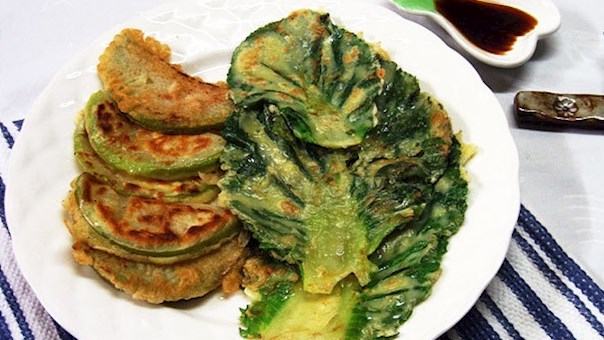
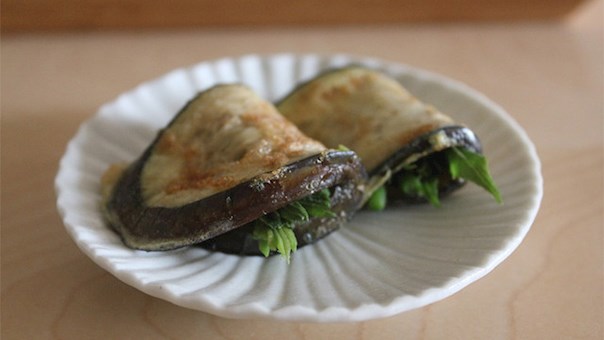
This South Korean dish consists of ground beef that is wrapped with perilla leaves (kkaennip), and the parcels are then coated with flour and egg wash before they are pan-fried. The filling is usually seasoned and enriched with scallions, garlic, onions, sesame oil, and soy sauce, while other additions also include tofu or finely sliced vegetables. This decorative dish can be enjoyed as an appetizer, snack or a side dish, and it is best served with a dipping sauce on the side. Like other types of jeon dishes, kkaennip is traditionally prepared for Chuseok—South Korean harvest festival.

06

Saewoojeon

3.7 ·

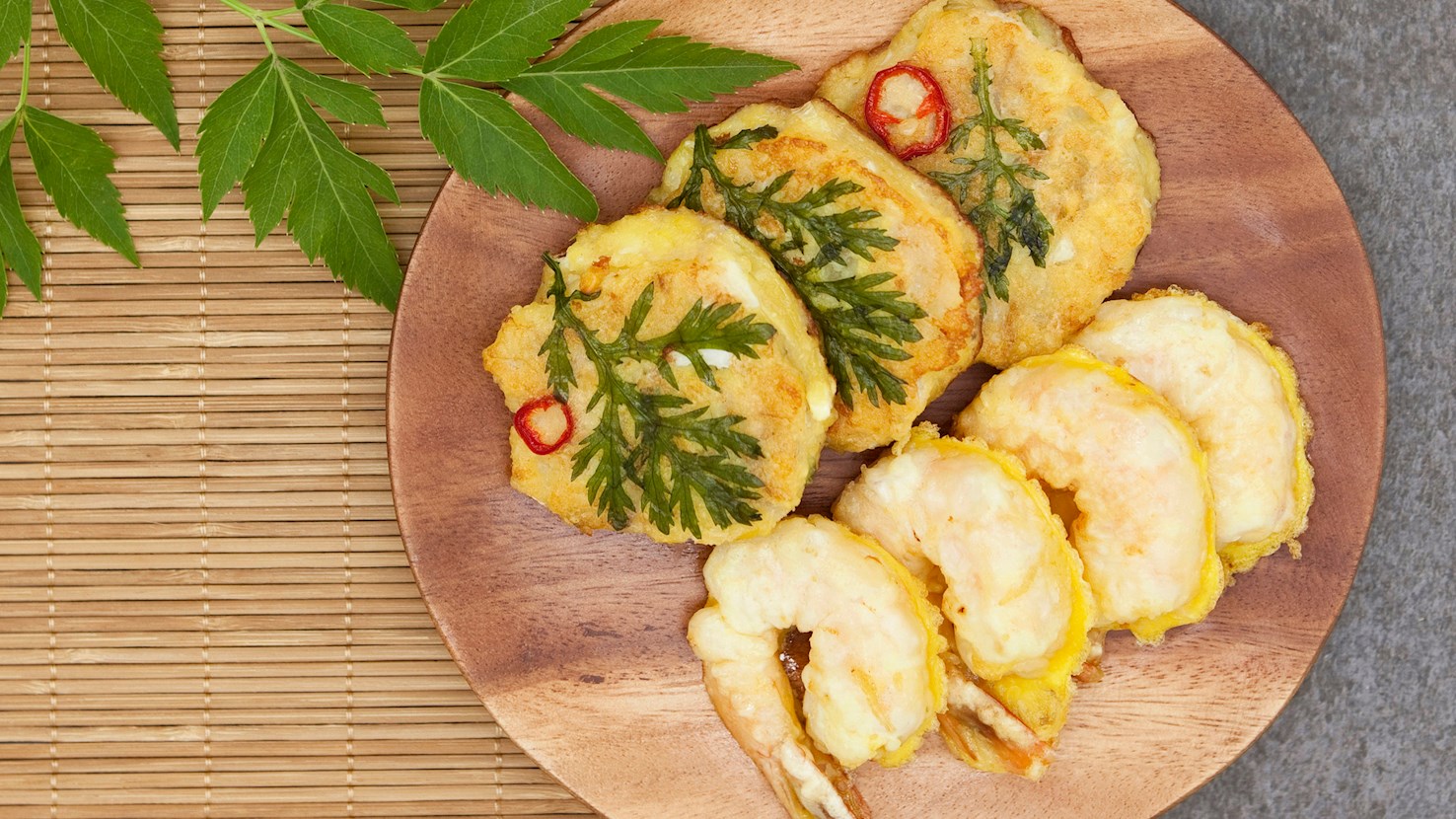
Saewoojeon is a traditional dish originating from South Korea. This type of jeon (pan-fried battered food) is made with a combination of shrimps, flour, eggs, salt, white pepper, and oil. The shrimps are cleaned and then sprinkled with salt and pepper, coated with flour, and dipped in beaten eggs. Once battered, they are pan-fried in hot oil on both sides until golden brown. Saewoojeon is served hot as a snack or an appetizer with a dipping sauce on the side.

07

Hobakjeon

3.6 ·

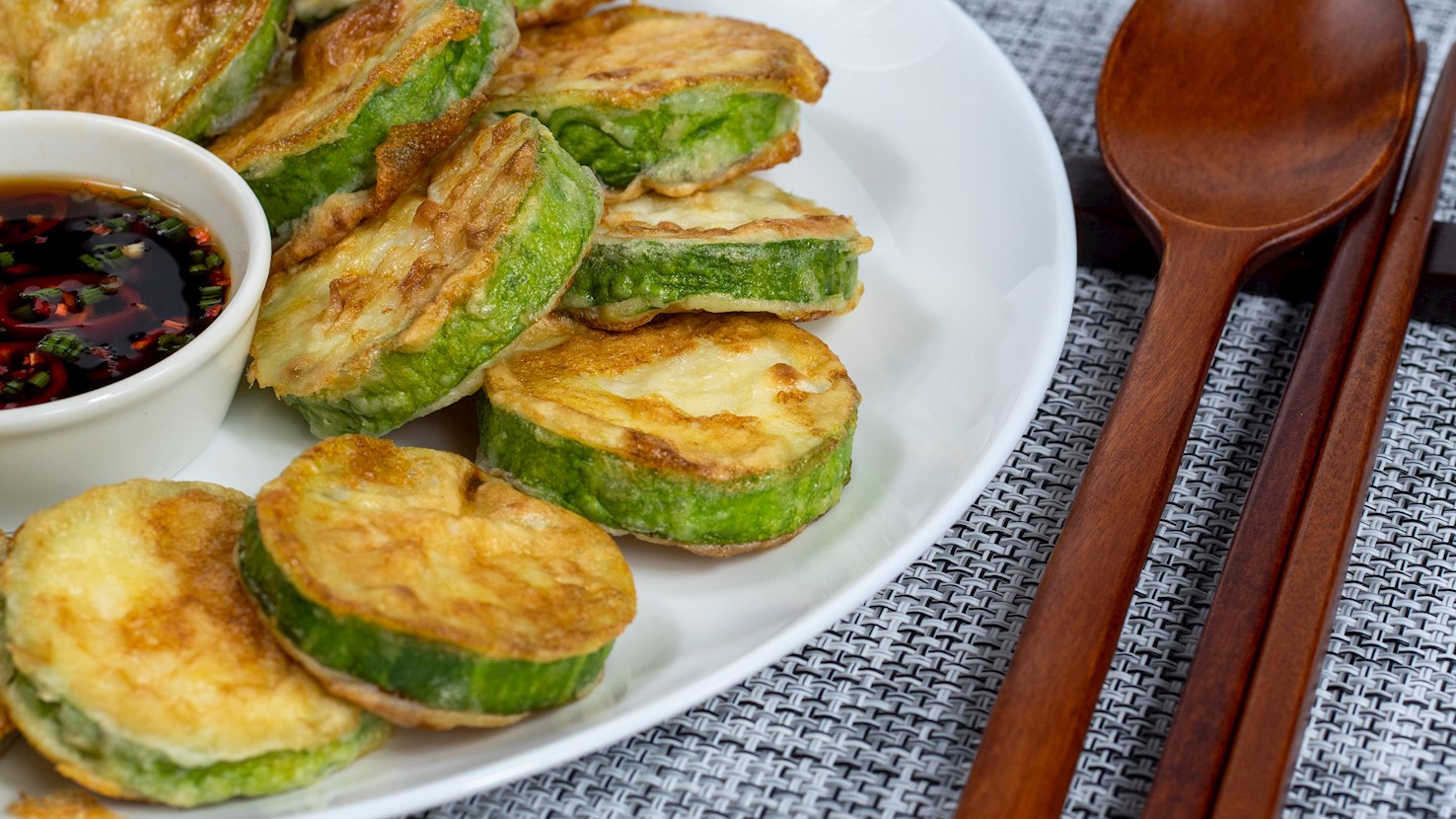
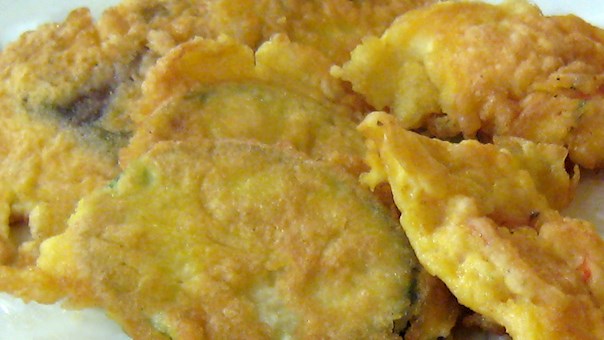
Hobakjeon is a traditional dish originating from South Korea. The dish is usually made with a combination of thinly sliced zucchini, flour, eggs, oil, and salt. The zucchini slices are sprinkled with salt, dredged in flour, dipped in beaten eggs, and cooked in oil over low heat on both sides until lightly golden brown. Once done, hobakjeon zucchini fritters are often served with rice and soy-sauce-based dipping sauces on the side. Although the dish can be made any time of the year, it's especially popular in summer, on New Year's (Seollal), and on Korean Thanksgiving Day (Chuseok).

08

Gochujeon

3.5 ·

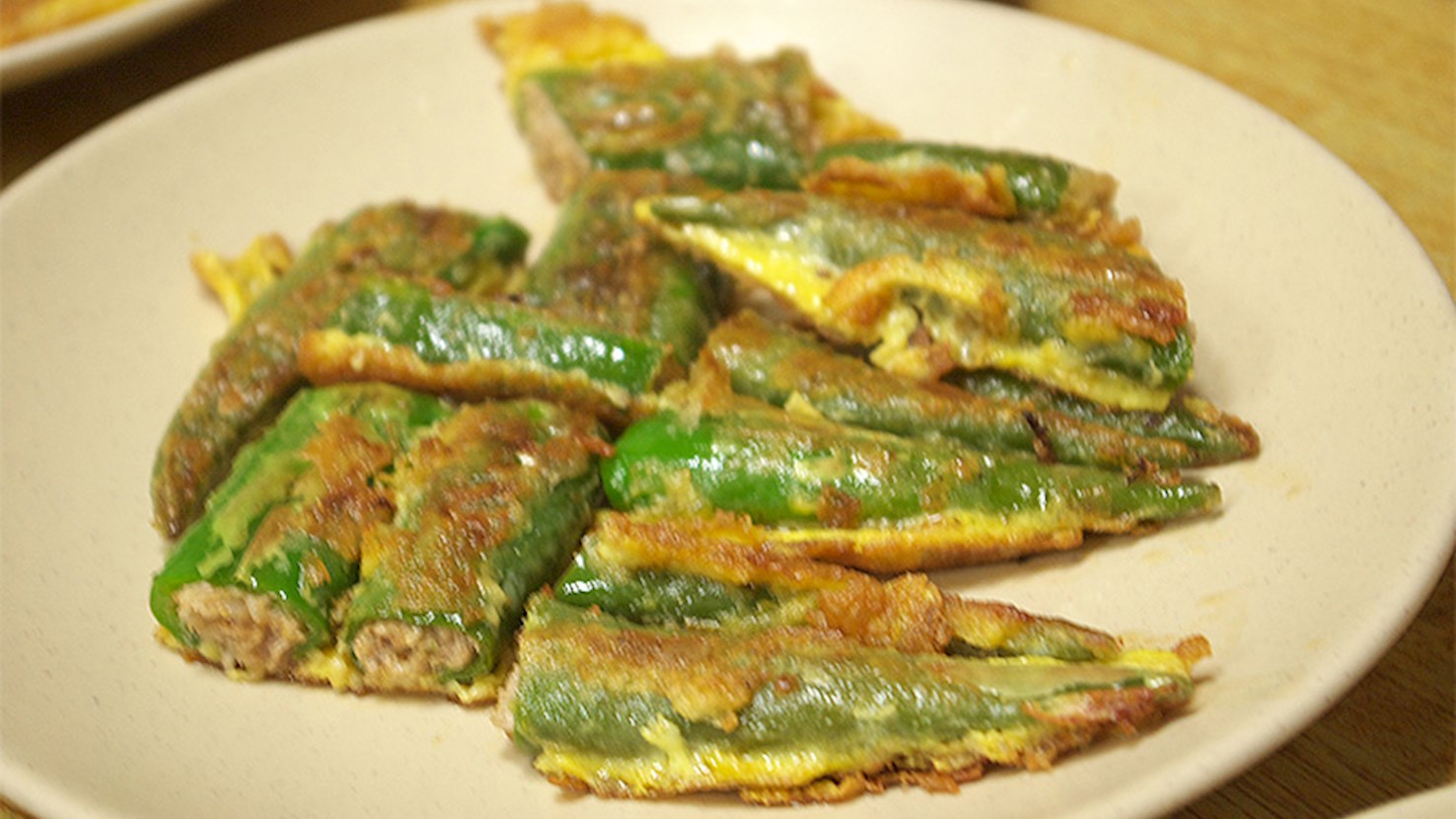
Gochujeon is a traditional dish originating from South Korea. This type of jeon (pan-fried battered food) is made with a combination of green chili peppers, fish sauce, onions, flour, and oil. The chili peppers and onions are chopped and mixed with flour, water, and fish sauce. The mixture is pan-fried in oil on both sides until the pancake turns golden brown. Once done, gochujeon is served hot with rice or a dipping sauce on the side. There are many variations on this type of jeon, so it can also be made with whole chili peppers, or there can be additional ingredients for the pancake, such as chicken and garlic.

09

Chamchijeon (Tuna Jeon)

3.4 ·

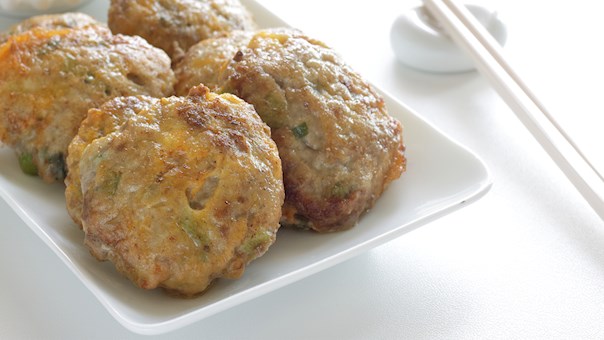
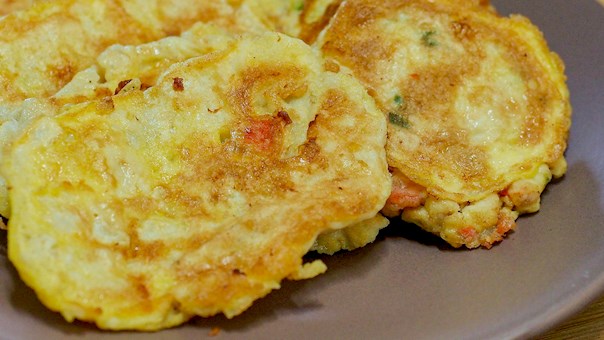
Chamchijeon is a traditional dish originating from South Korea. This type of jeon (pan-fried battered food) is made with canned tuna as the main ingredient. Other ingredients include onions, garlic, salt, pepper, eggs, sesame oil, flour, and vegetable oil. The tuna is drained and mixed with onions, garlic, salt, pepper, eggs, sesame oil, and flour. The mixture is scooped up with a spoon, placed in the skillet with hot oil, and flattened into disks. Chamchijeon is cooked in oil on both sides until golden brown, and it's then served while still hot.

10

Bindaetteok

3.2 ·

Bindaetteok is a savory mung bean pancake which first appeared in a cookbook in the 1670s under the name binjatteok. Originally, it was topped with savory chunks of pork and was mainly enjoyed by the rich, while the plain varieties were reserved for the lower social classes. Next to ground mung beans, modern-day bindaetteok usually employs a wide variety of other ingredients such as cabbage kimchi, sprouts, onions, glutinous rice, or ground pork. Fried in shallow oil, bindaetteok is best eaten fresh when it is still crispy on the exterior. Different varieties of these thick pancakes are usually eaten as a street food item and commonly come with a spicy dipping sauce served on the side.

11

Wanjajeon

3.2 ·
12

Guljeon

3.1 ·
13

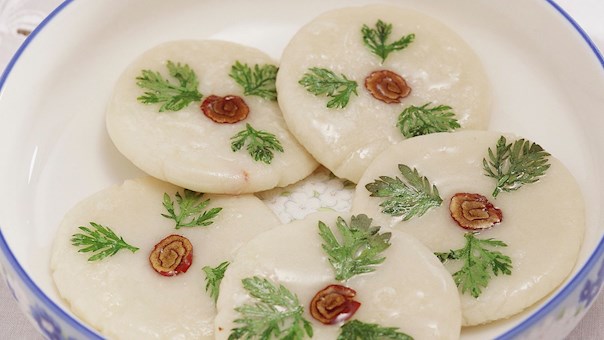
Hwajeon

3.0 ·
14

Yukjeon

3.0 ·
15

Saengseonjeon

3.0 ·
16

Daegujeon

3.0 ·
17

Dubujeon

2.5 ·
19

Gajijeon

n/a ·
About this ranking

TasteAtlas food rankings are based on the ratings of the TasteAtlas audience, with a series of mechanisms that recognize real users and that ignore bot, nationalist or local patriotic ratings, and give additional value to the ratings of users that the system recognizes as knowledgeable. For the “19 Jeon Varieties Ranked From the Best To the Worst” list until June 17, 2026, 777,524 ratings were recorded, of which 504,674 were recognized by the system as legitimate. TasteAtlas Rankings should not be seen as the final global conclusion about food. Their purpose is to promote excellent local foods, instill pride in traditional dishes, and arouse curiosity about dishes you haven’t tried.

Similar lists