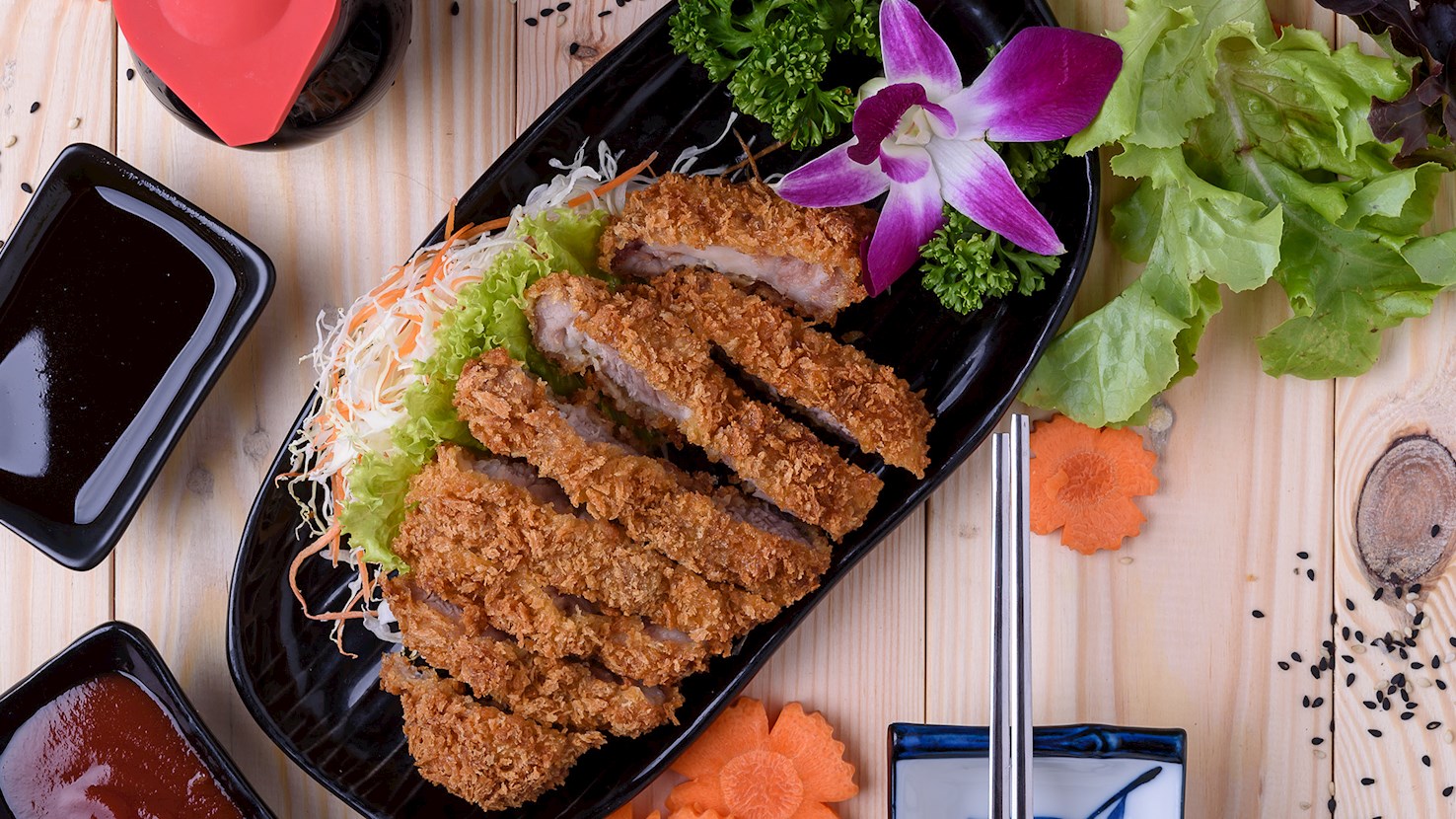
The breaded, deep-fried pork cutlet tonkatsu is a Japanese dish with a very recent history. It first appeared at the end of the 19th century as a type of yoshoku — the Western-influenced Japanese dishes — but with time, tonkatsu has become increasingly Japanized, widely available to the masses and thus more popular. Tonkatsu is a dish in itself or, if married with other ingredients, it can turn into many of its almost endless variations; made like a sandwich, paired with ramen or rice, poured over with a thick miso sauce as done in Nagoya, or served with curry to make katsu karē. As a result of such popularity, many other fried dishes were developed using ham, beef, minced patties, and chicken as substitutes. For serving, tonkatsu is sliced, then placed on a plate together with shredded cabbage. Rice and miso come in separate bowls, while pickled vegetables and a citrus-based sauce are placed on the side. An essential element is the seasoning, traditionally either a type of thick Worcestershire sauce called sōsu or mustard.
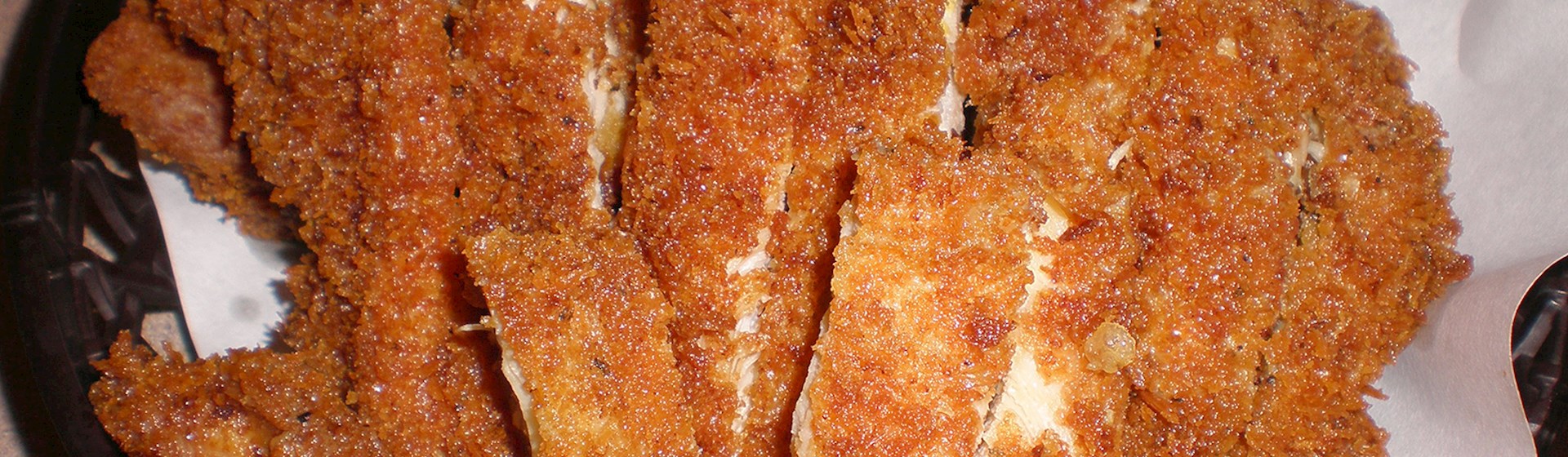
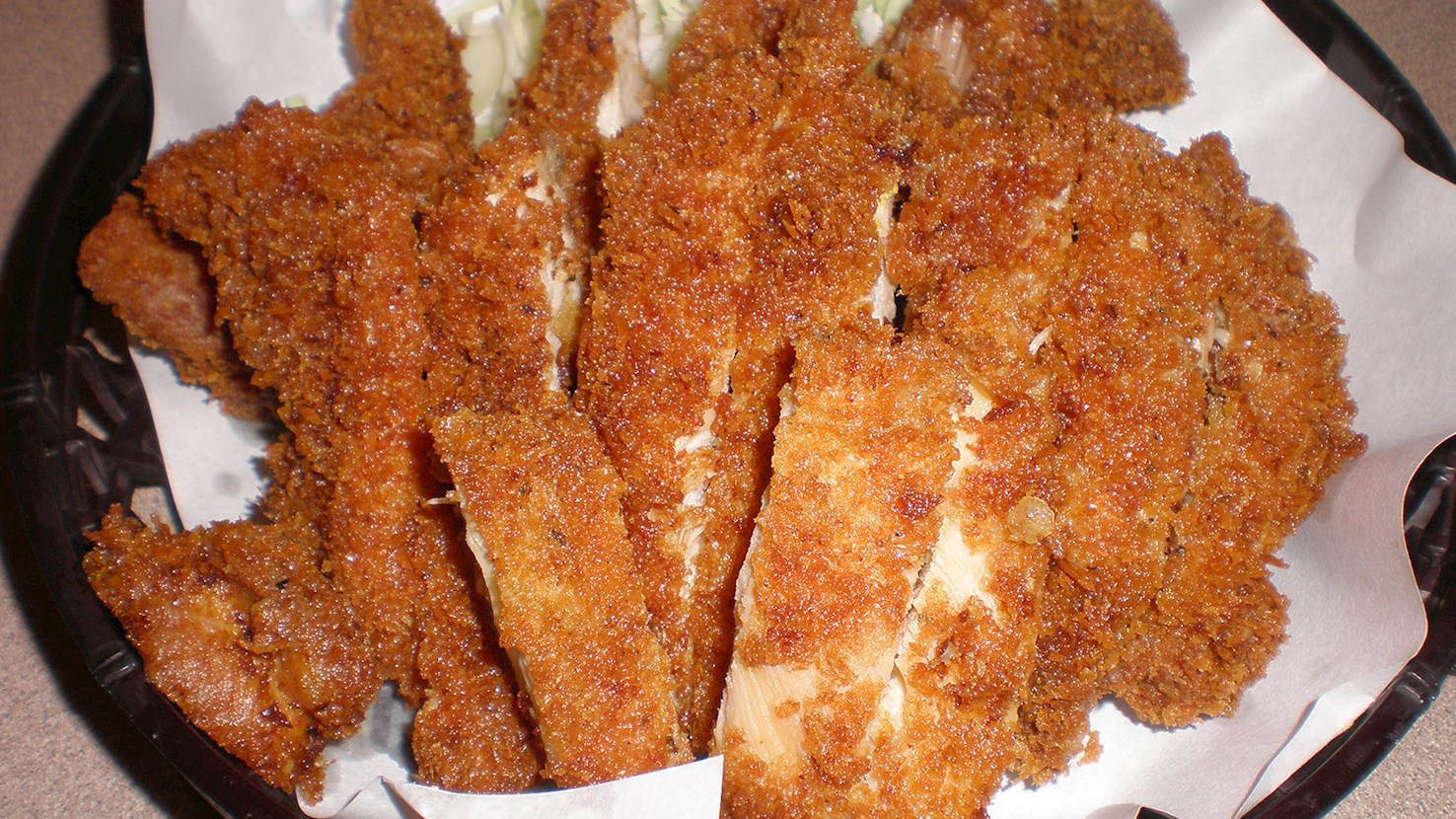
Chicken katsu is a traditional dish and a type of katsu. It's made by dredging tender chicken breast in flour, eggs, and panko breadcrumbs, then frying the cutlets in hot oil until they become golden and crunchy. Although chicken breast is the most popular choice, other parts of the bird can be used as well. The cutlet is traditionally served cut into smaller pieces since it's eaten with chopsticks. The dish is served with steamed white rice and katsu sauce, a tangy, sweet, and thick Worcestershire-like concoction made from apple purée.
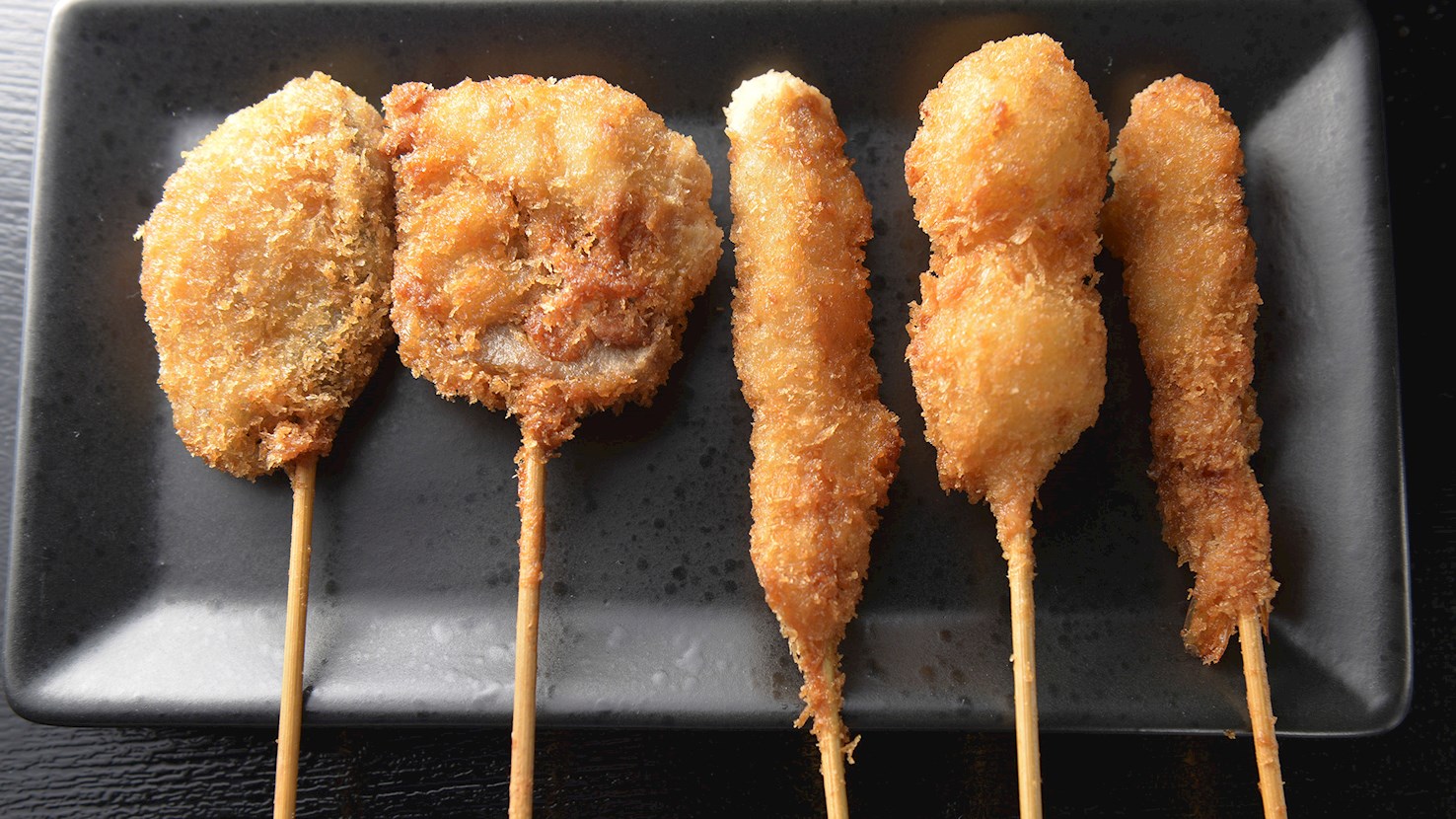
Breaded, skewered with a bamboo stick and deep-fried, the delectable bite-sized pieces of various fish and seafood, pork, chicken, beef, and even horse meat or fresh vegetables are collectively called kushiage, also kushikatsu, and originate from Osaka, a city aptly nicknamed the kitchen of Japan. Kushiage first appeared in the 1920s in Shinsekai, but today, these incredibly popular fried skewers can be enjoyed anywhere from numerous street food stands to kushiage-specialized restaurants that offer a truly unique Japanese dining experience. And while the street snack version of kushiage is simply served with a Worcestershire-like brown sauce which comes in a communal pot, the gourmet kushiage prepared at high-end Asian fusion restaurants is amazingly creative and sophisticated. It is often counterbalanced by small, refreshing side dishes, and comes served with a variety of dipping sauces and condiments, with each skewer pointing to the recommended dip for that variety of kushiage. These most commonly include the classic kushiage brown sauce, ponzu or soy sauce mixed with vinegar or citrus juice, ichimi or chili salt, sesame sauce, and Japanese Kewpie mayonnaise made with apple cider or rice vinegar. Kushiage menus change according to what’s in season, often featuring a countless assortment of varieties and combinations such as shrimps with shiso basil, crab claws, salmon and cheese, shiitake mushrooms, whole garlic cloves, rice cakes, okra, quail eggs, bacon-wrapped asparagus, lotus root, sea tangle with herring roe, monkfish liver, etc. Some places even offer the kushiage version of a popular Osaka soul food called okonomiyaki, which is a savory pancake-like omelet often referred to as the Japanese pizza. The variations are virtually endless and left for food lovers to discover both in Osaka and beyond.
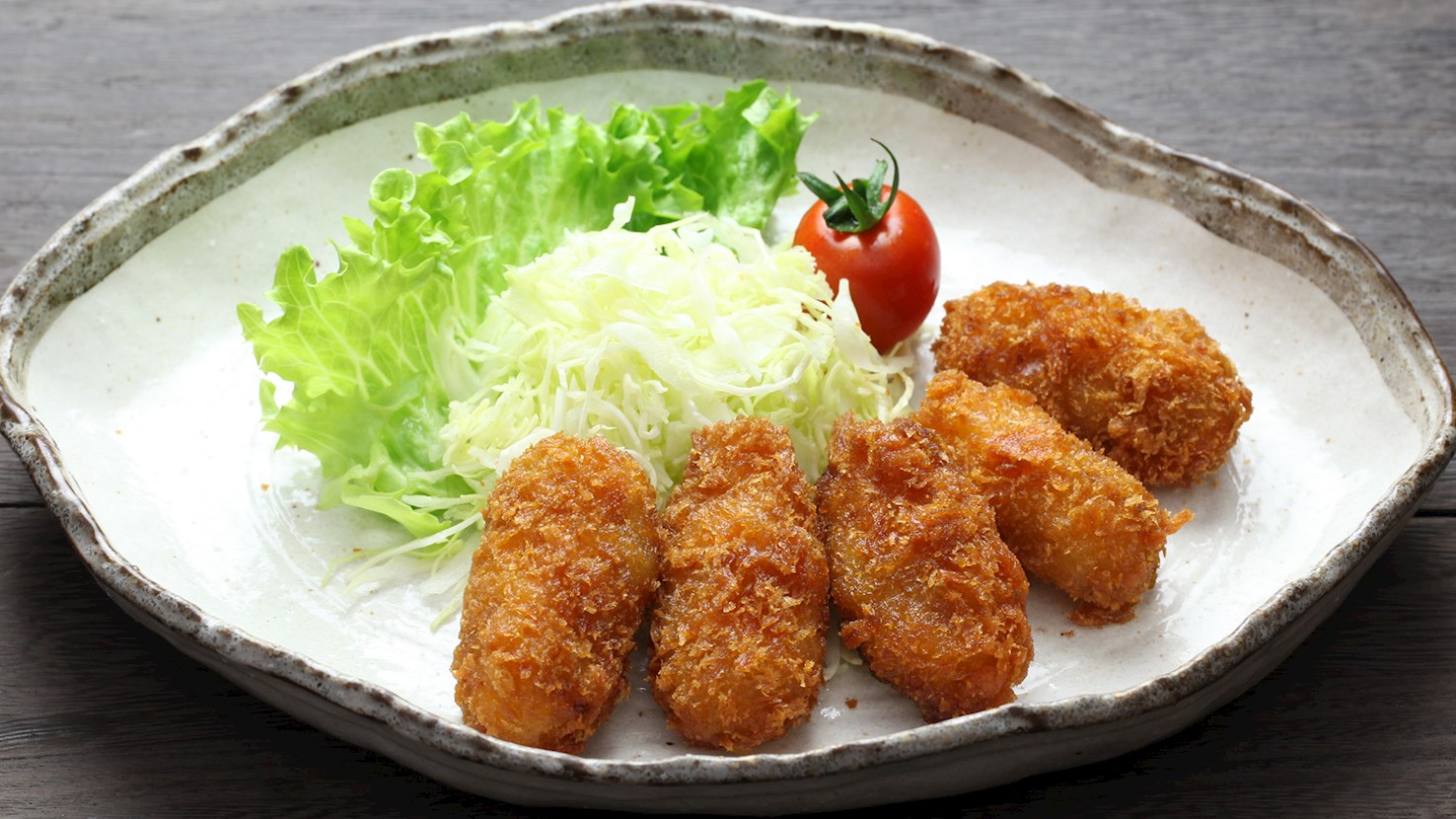
Japanese deep-fried oysters are a seasonal specialty usually enjoyed during fall and winter when oysters are in season. The dish is commonly prepared in restaurants or at home, and it consists of shucked oysters that are dusted with flour and dipped in beaten eggs before they are coated in panko breadcrumbs and finally deep-fried until crispy and golden. They are usually served with lemon wedges, fresh vegetables, and various sauces and condiments such as tonkatsu or tartar sauce.
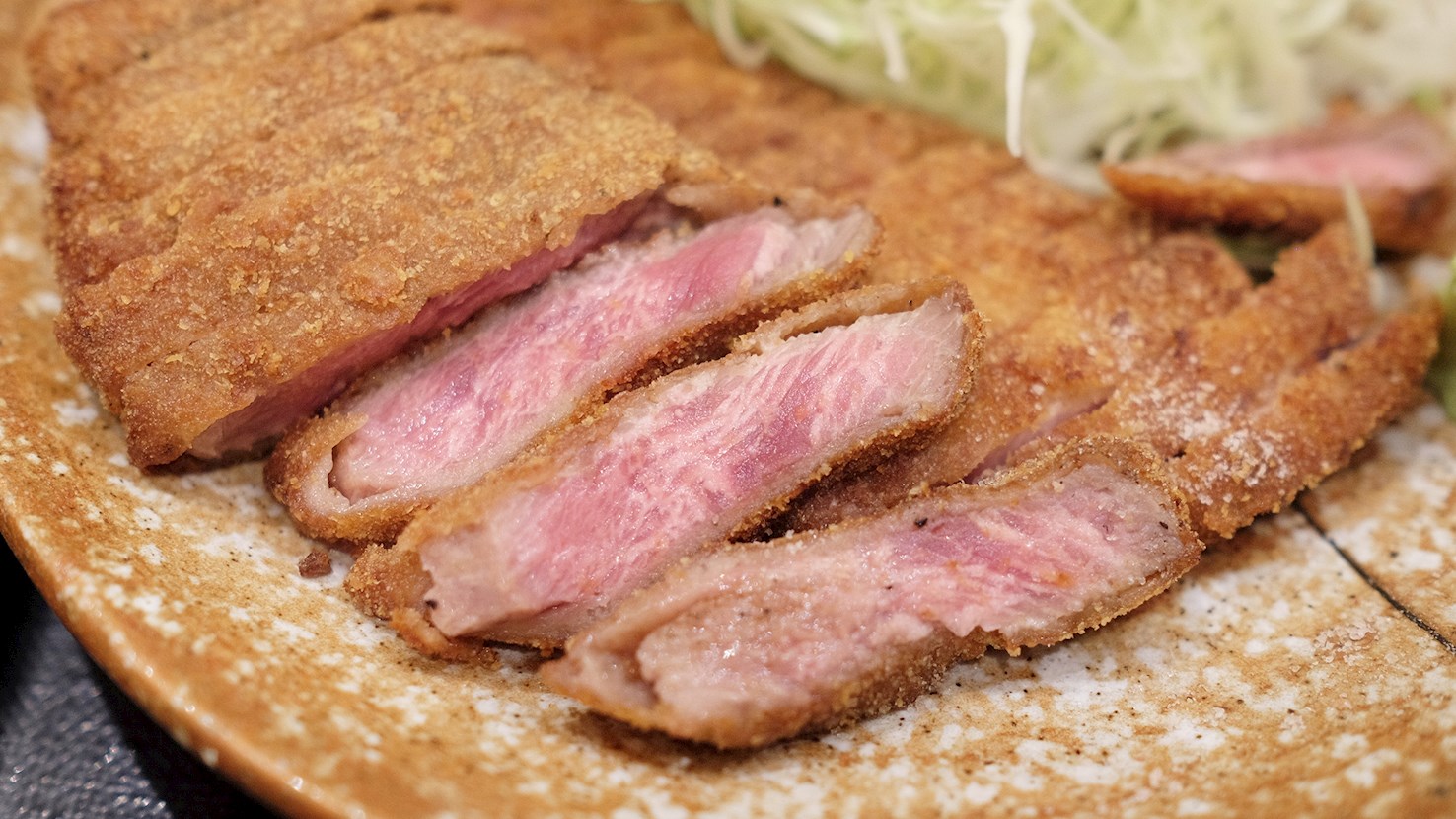
Gyukatsu is a deep-fried beef cutlet that is traditionally made with wagyu beef. The cutlet is seasoned and coated in breadcrumbs before it is shortly fried until crispy. It is then served sliced into bite-size pieces. In restaurants, gyukatsu is usually accompanied by various sides that may include miso soup, sliced cabbage or other vegetables, pickled vegetables, dipping sauces, wasabi, barley rice, or tororo—grated yams. Optionally, a portable grill will be provided if a guest wants to additionally grill each piece of gyukatsu because most restaurants prepare the meat raw to medium rare.
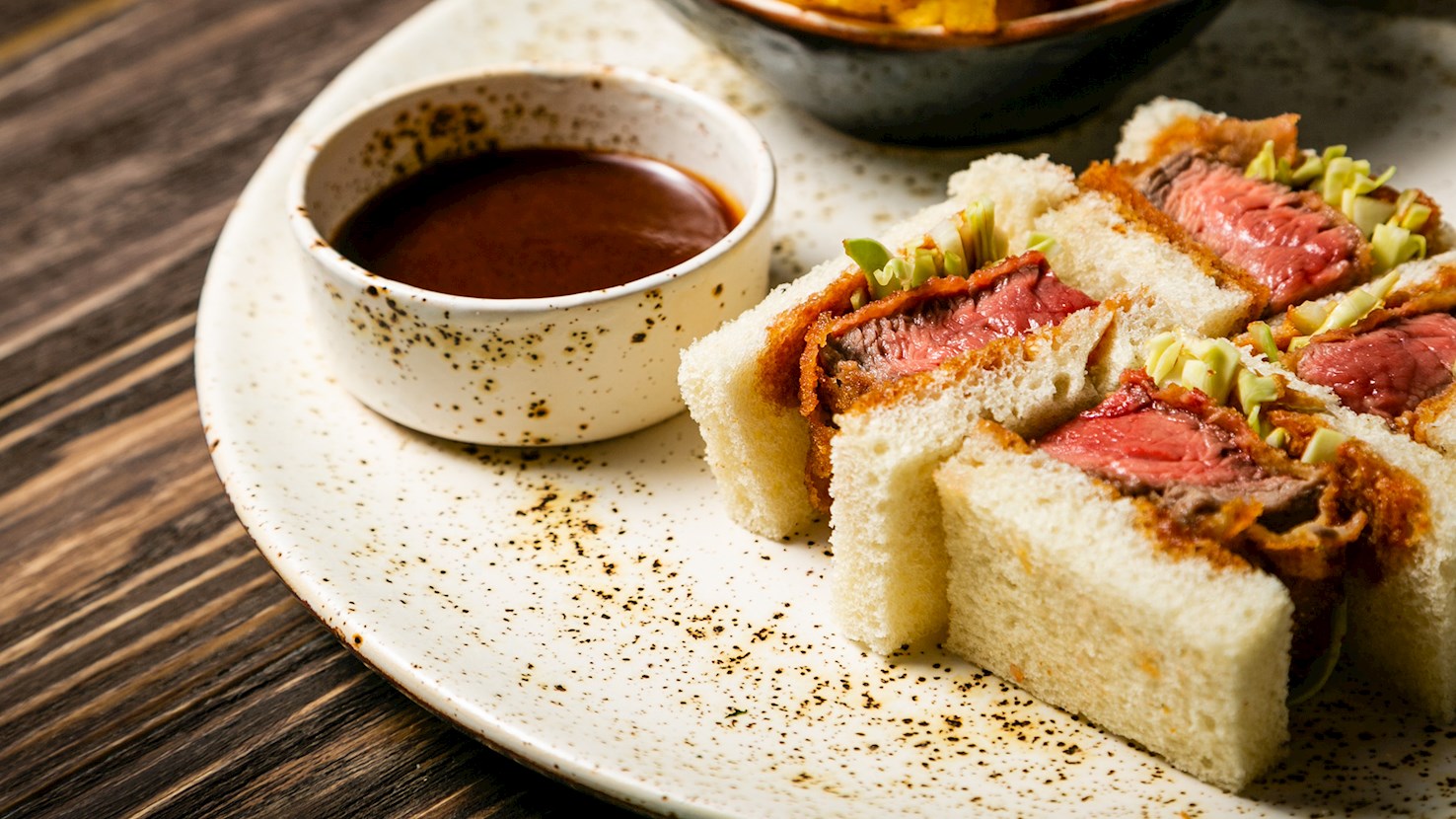
Wagyu cutlet sandwich is a Japanese specialty sandwich that features a thick, tender, and juicy slice of crispy-fried, breaded wagyu beef steak. Called wagyu katsu sando in Japan, this steak sandwich may use a selection of cuts of the richly-marbled and flavor-packed wagyu beef such as zabuton (a shoulder cut), wagyu fillet, or the highly-prized and expensive kobe beef chateaubriand (a rare portion of the tenderloin). Placed atop a crustless slice of white bread (sometimes Hokkaido milk bread or even honey-milk bread) that has been buttered, lightly toasted, and smeared with a sauce of choice, the panko-crusted beef cutlet is topped with second slice of toasted bread, and it is typically enjoyed with a glass of good Japanese craft beer on the side. Other optional accompaniments include truffle fries, pickles, or a fresh salad, along with condiments such as fermented red pepper sauce or soy-wasabi sauce. The sauce combination used for slathering the bread slices varies from one chef to another, and it may include a mixture of soy sauce, vinegar, and spices, tomato purée mixed with sugar, or a type of curry aioli enhanced with mustard and oranges. This Japanese sandwich can also be enjoyed in the US, in cities such as New York, Boston, and San Diego.
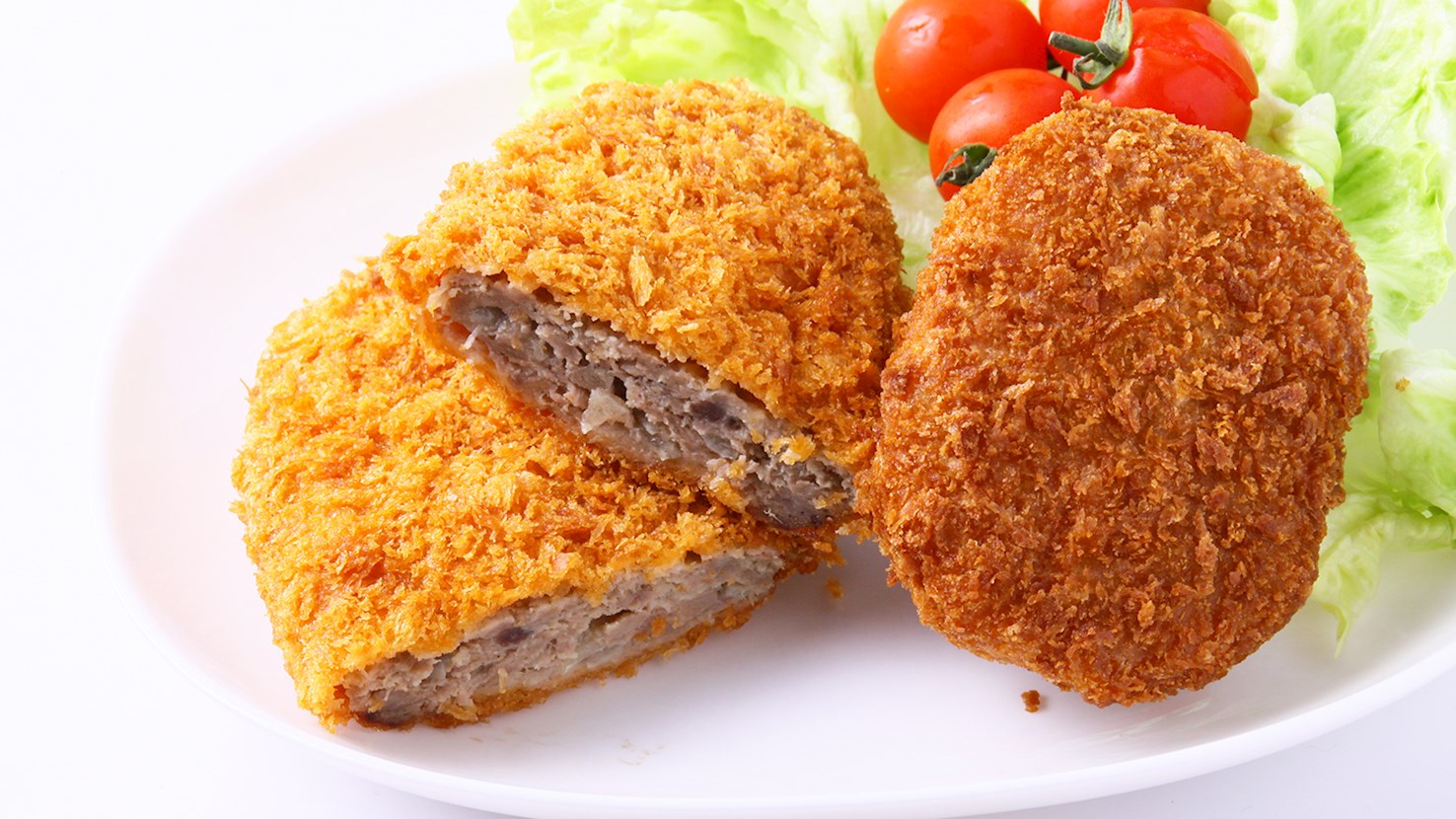
Menchi katsu is a traditional dish and a type of katsu. This ground meat cutlet is made with a combination of ground beef, ground pork, onions, panko breadcrumbs, oil, eggs, milk, black pepper, and nutmeg. Once shaped, the patties are dredged in flour, beaten eggs, and panko breadcrumbs, then fried in hot oil until golden and crispy. The dish is usually served with white rice, miso soup, and the thick and tangy katsu sauce on the side. Menchi katsu originated in Tokyo and it dates back to the Meiji Era. Nowadays, some of the best menchi katsus can be found at butcher shops, where they use the freshest meat to form the cutlets.
TasteAtlas food rankings are based on the ratings of the TasteAtlas audience, with a series of mechanisms that recognize real users and that ignore bot,
nationalist or local patriotic ratings, and give additional value to the ratings of users that the system recognizes as knowledgeable.
For the “7 Katsu Varieties Ranked From the Best To the Worst” list until May 22, 2026, 768,607 ratings were recorded, of which 496,938 were recognized by the system as legitimate.
TasteAtlas Rankings should not be seen as the final global conclusion about food. Their purpose is to promote excellent local foods,
instill pride in traditional dishes, and arouse curiosity about dishes you haven’t tried.