Bo Tree Farm is a spice blend and seasoning producer located in Cambodia. The company specializes in cultivating organic Kampot pepper, a variety highly prized within the culinary world. Bo Tree Farm emphasizes sustainable farming practices and works closely with local communities to ensure ethical production. They export their pepper globally, and it is known for its distinct flavor profile and high quality.
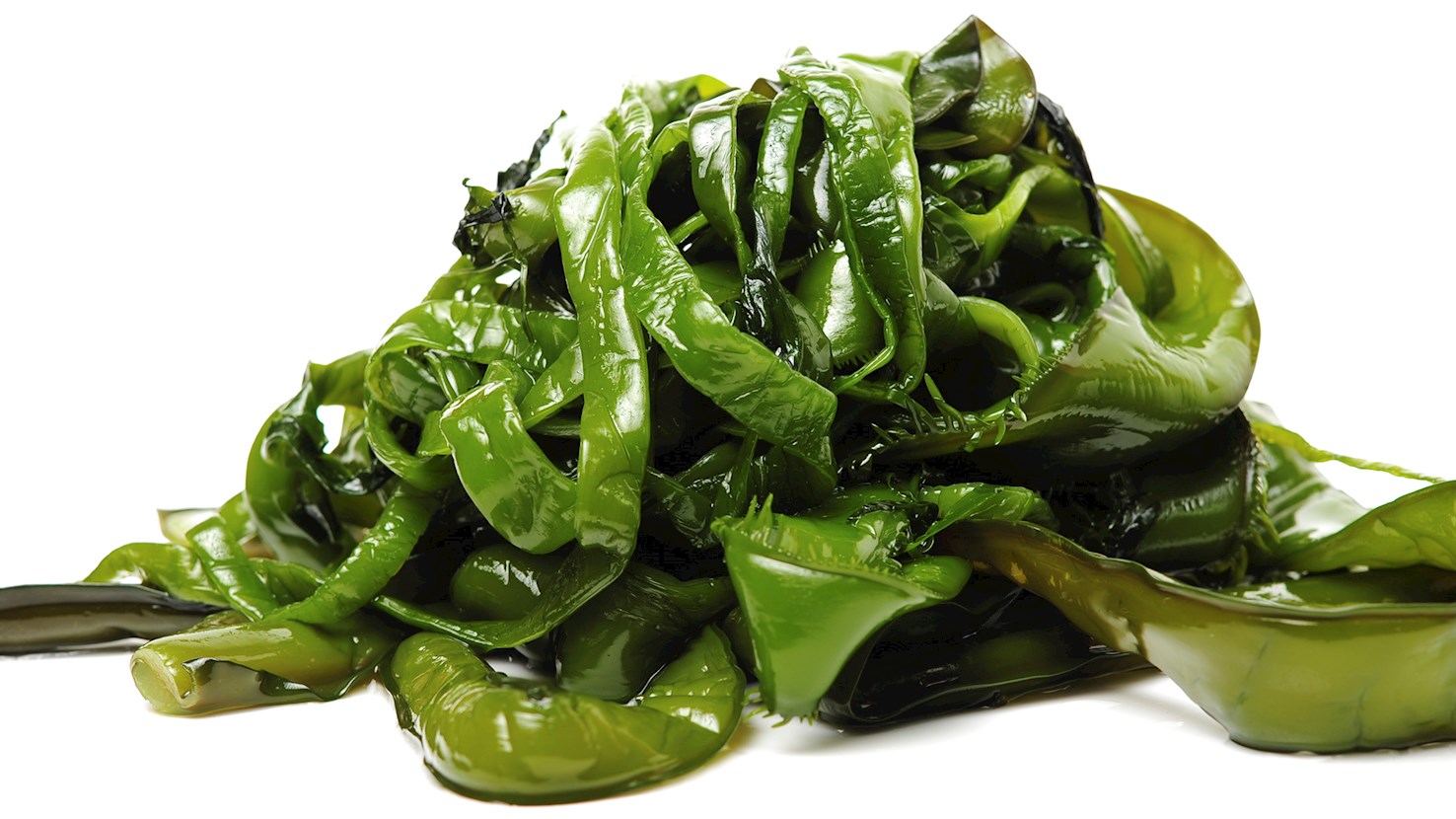
Wakame is a type of edible brown seaweed, reported to have numerous health benefits. Like other forms of seaweed, it usually comes in dry form and needs to be rehydrated before use. Its flavor is neutral, lightly briny, and slightly sweet. In its dry form, the color of wakame is dark green, but when rehydrated, it turns into a bright, glossy, and vibrant green color. In Japan, it has been consumed for thousands of years, and some archaeological evidence shows proof of its consummation dating back to 3000 BC. From the Nara period (710 AD) it has been cultivated by Japanese farmers, and at one point it was even used for taxation purposes. Nowadays, wakame is grown in Australia, New Zealand, and France, and since the 1980s and the big macrobiotic movement, it has been a widely popular ingredient in the United States of America. During cooking, wakame leaves tend to expand, so they should be cut into smaller pieces. They are incorporated in numerous dishes - typically in refreshing salads and comforting soups. Wakame also goes well with noodles, seafood, or rice dishes. As a species, wakame is highly invasive and its existence outside of the controlled environment is closely monitored and considered undesirable.
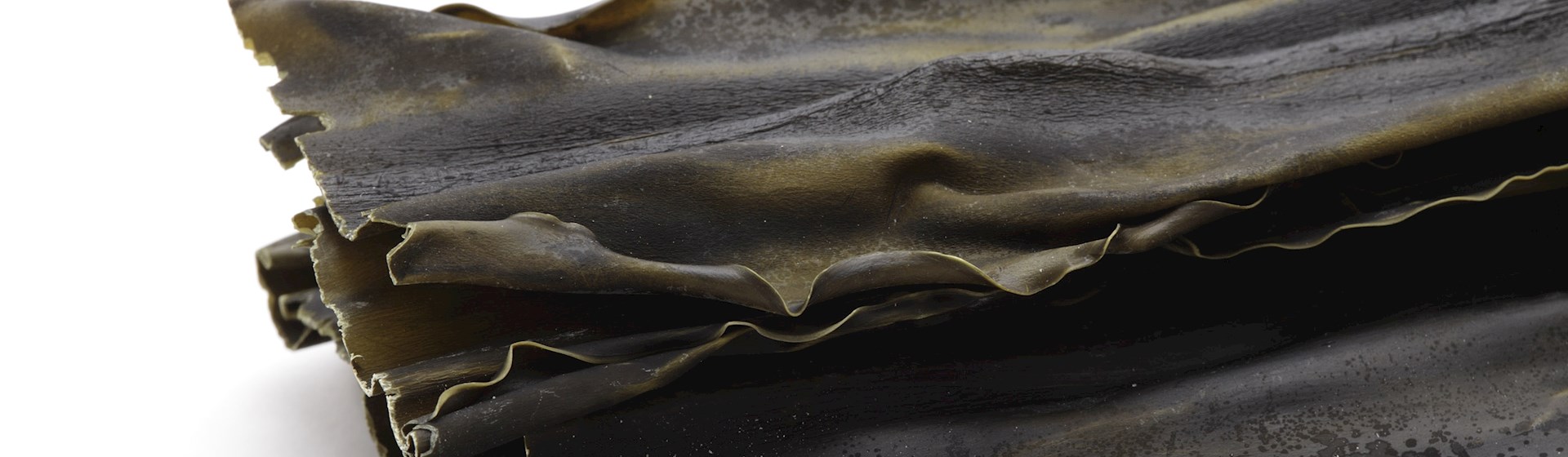
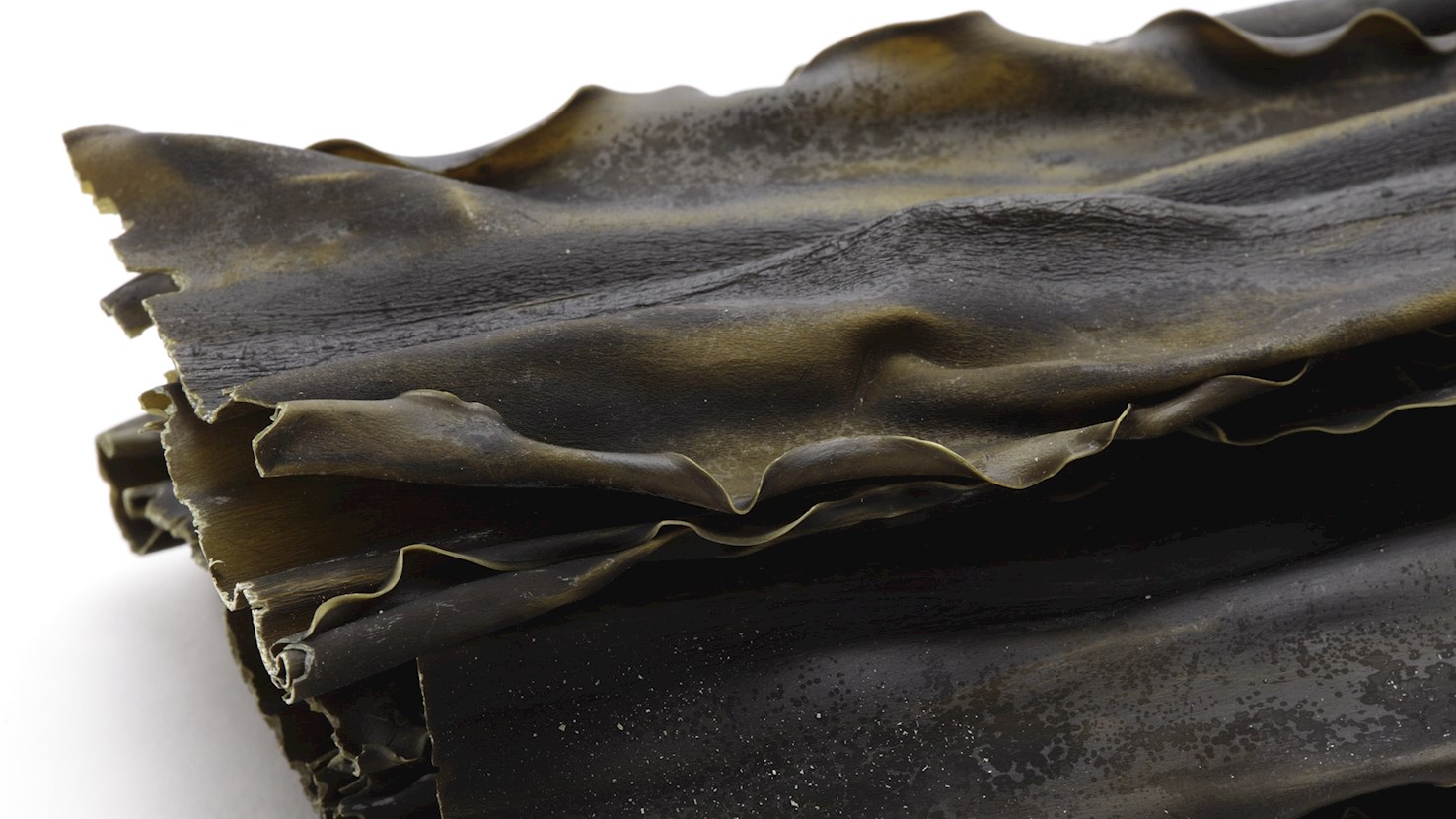
One of the most commonly utilized seaweeds in Oriental cuisine, kombu or konbu has long been a dietary staple in Japan, and refers to a type of brown seaweed, namely kelp of the Saccharina japonica species that is native to Japan but also extensively cultivated in China and Korea where it's known as haidai and dashima, respectively. Apart from the great nutritional and healing values, kombu is also used for its flavor-enhancing properties: it is an invaluable natural source of glutamic acid whose powdery crystals emerge to the surface of the dried seaweed and easily dissolve in water, giving any food cooked with kombu its rich, umami flavor. The ultimate renewable superfood, kombu is harvested at various ages, and while most of this kelp in the market is first-year kombu, what has a depth of flavor unlike any other is the second-year kombu known as ma-kombu in Japanese (lit. real or true kombu). Far more superior and more expensive, ma-kombu is the only choice in Japanese restaurants which aim for the highest quality. In Japan, people use kombu in everything, from daily meals to recipes for special occasions, and while many other types of edible seaweeds are mostly used as they are, kombu is processed and used in a wide variety of ways. The sun-dried and either whole or powdered dashi kombu is ideal for preparing the full-bodied dashi stock, but it is also perfect for miso and other soups. Powdered kombu can even be used for brewing kombu kelp tea called kombucha. Meat and vegetable kombu-wrapped rolls tied with dried shavings of kanpyō calabash gourd are called kombu-maki and it is one of the most popular ways to prepare kombu. Tsukudani-kombu refers to thin kombu strips or squares boiled in soy sauce and sugar. This kombu is usually eaten with rice or wrapped in onigiri rice balls, and it tastes even better with shiitake mushrooms, sesame seeds, Japanese peppers or shiso, Japanese basil. Often a prestigious gift during the formal gift-giving seasons in Japan, shio-kombu are strips or squares of kombu that have been boiled in a sugar-flavored mixture of soy sauce and mirin, dried and then shredded. Shio-kombu is typically eaten in ochazuke, a simple Japanese dish made by pouring green tea, dashi, or hot water over cooked rice. Tororo-kombu refers to pickled, softened kombu kelp that is used in soups such as miso, udon, and soba; topped over rice or wrapped in onigiri. More widely used than this variety are the dried, thinly shaved tororo-kombu flakes called furikake-tororo which are often sprinkled over rice dishes, miso soup, tofu or salads. Matsumae-zuke is a type of pickled dish typically enjoyed with rice and a cup of sake. It is made with kombu and soft dried squid called surume, both of which are cut into thin strips and mixed with boiled soy sauce, mirin, sake, sugar, and vinegar. Kizami-kombu refers to a type of dried kombu noodle-like strips that can be stir-fried with meat and vegetables or used for preparing nimono dishes. Kombu is also often enjoyed with green tea as a crunchy snack or finger food; these leathery strips of dried kelp are often flavored with sugar or vinegar and called nakano-kombu. Varying in flavor, texture, and appearance, the countless kombu varieties some of which are detailed above are not often readily encountered outside of Japan but using any kombu found at a well-stocked Asian grocer will elevate and take your Japanese washoku cooking to the next level.
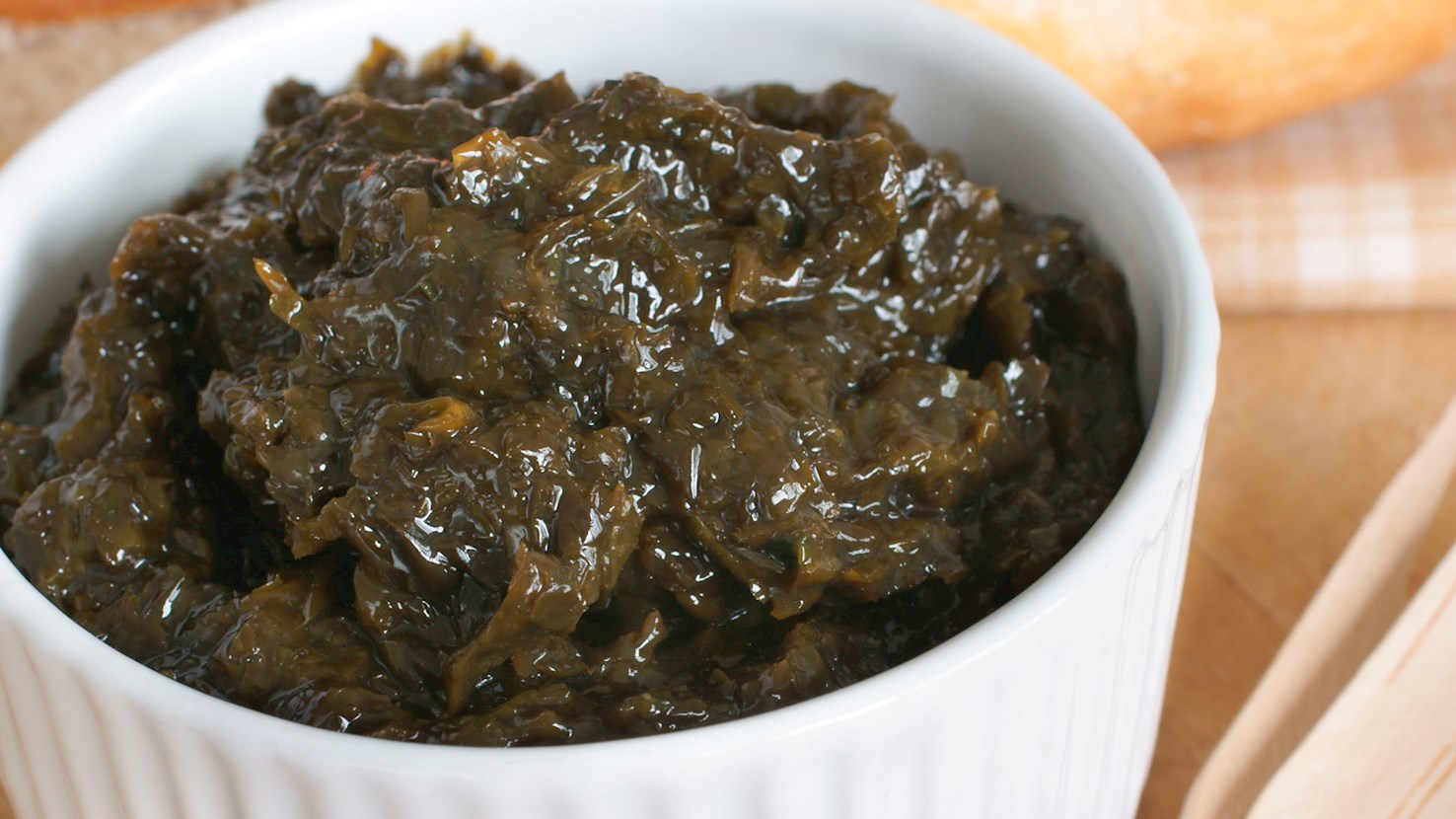
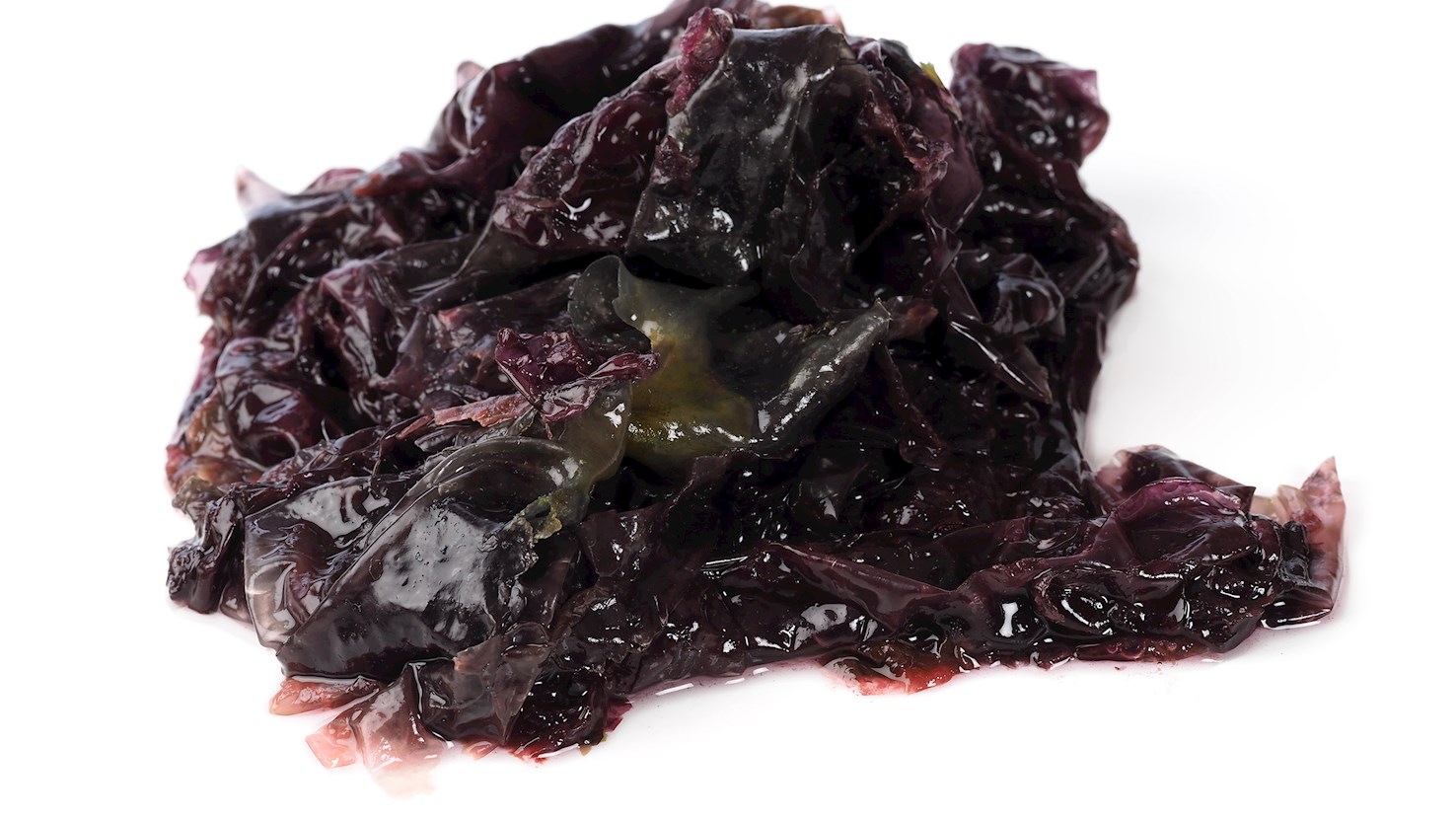
Although it contains the word 'bread' in its name, it has absolutely nothing to do with it because this is a fine black seaweed (Laver) which is harvested on the Welsh shores. It is unique because it is the only seaweed that is just one cell thick. It is washed and cooked with salt until soft and then minced to a pasty texture with a unique saline flavor. Laverbread is full of nutritious elements and very rich in protein and minerals. It looks like a purée and is usually eaten with shellfish or spread on toast, but since it's very versatile, it can be used in sushi, soups, salads, in quiches or even in meat dishes.
Karengo is a type of edible seaweed, more precisely red algae of the Porphyra genus, which is indigenous to New Zealand. It ranges from dark green to purple in color and has a firm texture and mild flavor. After it is collected at rough-water rocky coasts, it is sun or oven dried and can be incorporated into various dishes or used as a condiment. The plain version is commonly eaten as a snack, while the flakes are mainly used as a food supplement. Recent research has shown that there are more than 35 different species of karengo in New Zealand, and most still do not have scientific names.
TasteAtlas food rankings are based on the ratings of the TasteAtlas audience, with a series of mechanisms that recognize real users and that ignore bot,
nationalist or local patriotic ratings, and give additional value to the ratings of users that the system recognizes as knowledgeable.
For the “Top 4 Kelps in the World” list until June 06, 2026, 221 ratings were recorded, of which 200 were recognized by the system as legitimate.
TasteAtlas Rankings should not be seen as the final global conclusion about food. Their purpose is to promote excellent local foods,
instill pride in traditional dishes, and arouse curiosity about dishes you haven’t tried.
The initial list of top producers was compiled based on available reviews, awards, local recommendations, media and blog coverage, and consumer reviews.
The list will be updated with ratings from TasteAtlas local ambassadors and TasteAtlas users.