

shutterstock

6 Laksa Varieties
Ranked From the Best To the Worst

Last updated on May 22, 2026
01

Sarawak laksa

4.3 ·

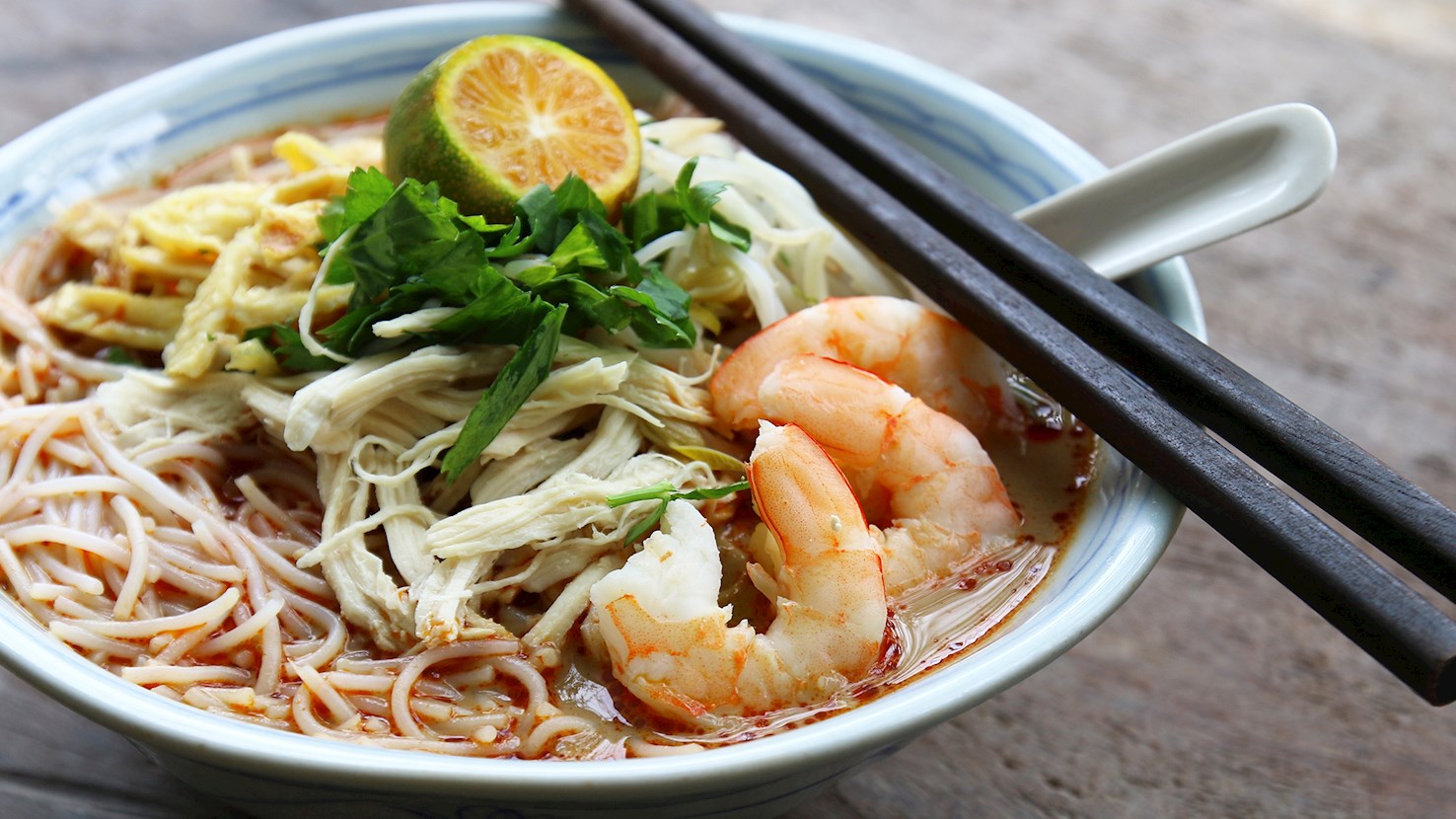
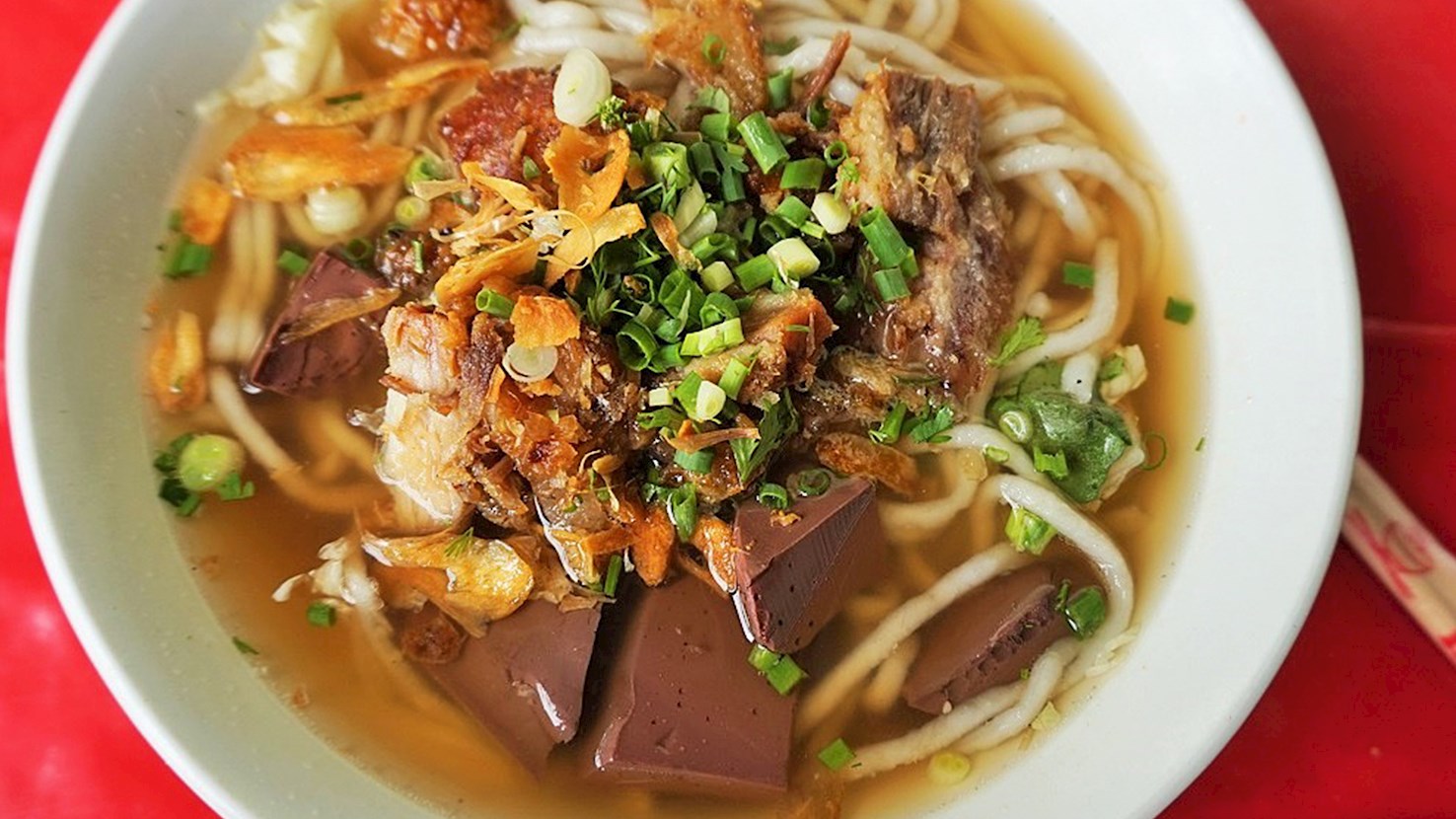
Closely related to other laksa varieties, Sarawak laksa is characterized by a subtle, mild flavor. Consisting of a flavorful chicken or shrimp-based broth that is seasoned with thick laksa paste, which sometimes includes more than twenty different ingredients, the soup is accompanied by vermicelli noodles, shredded omelet, cooked prawns, and shredded chicken. Spicy sambal and lime are traditionally served on the side. The origin of Sarawak laksa is still unclear, but it is believed that the dish appeared when Goh Lik Teck began to offer his noodle dish along Kuching’s Carpenter Street in 1945. According to popular belief, the thick paste used in the dish was popularized by the Tan family from Kuching, somewhere between the 1960s and 1970s. Tan Yong Him experimented with herbs and spices to create a basic paste, which he later distributed under the brand name Swallow. The product was soon picked up by many vendors, who then included Sarawak laksa on their menus. Today, it is a signature dish of Sarawak and the city of Kuching.

02

Curry Mee

4.1 ·

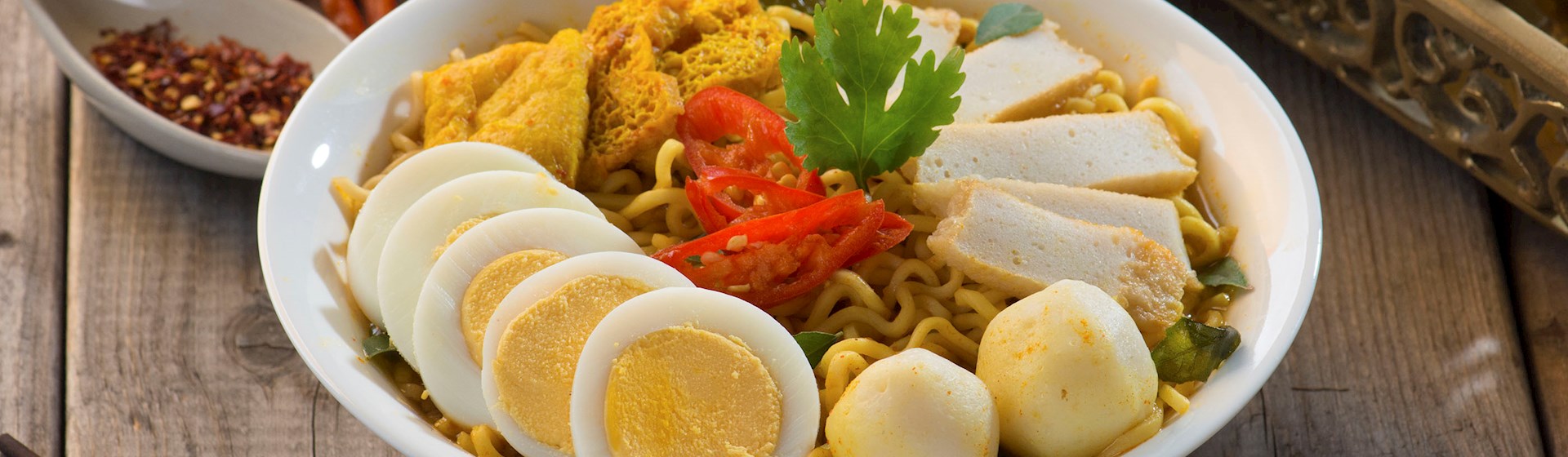
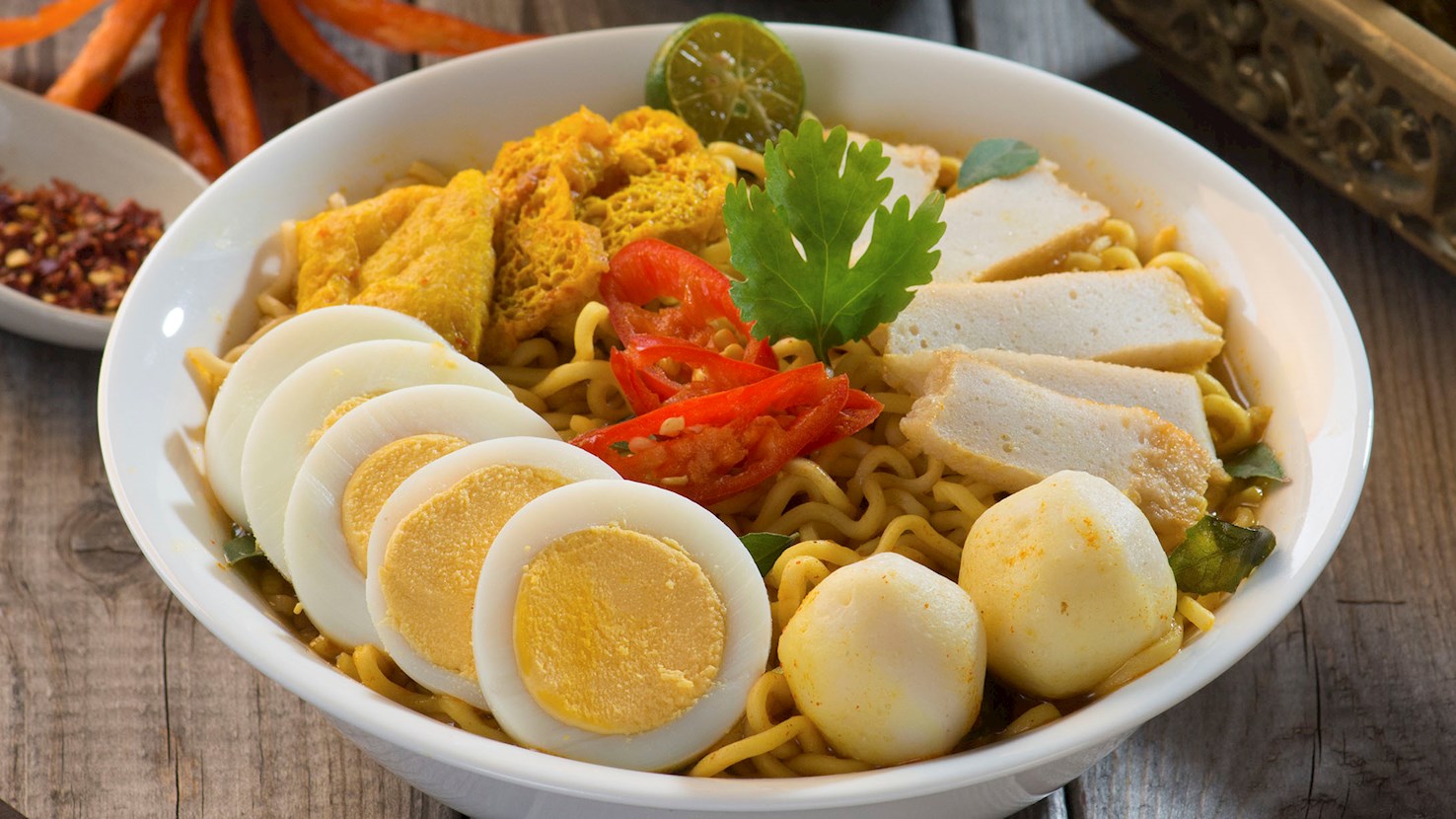
Curry mee is a spicy noodle soup commonly eaten in Malaysia and Singapore (where it's often called curry laksa). It is a true fusion dish, influenced by Indian, Chinese, and Southeast Asian culinary traditions. It is one of the numerous varieties of laksa, the quintessential noodle soups of Southeast Asia. The basis for this creamy dish is made with curry and coconut milk which form the unusual sweet and spicy sauce. Although very similar to curry, the sauce for curry mee is usually much thinner, but still has a strong and rich flavor. Traditionally, thin rice noodles are used in curry mee, and they are often cut into smaller pieces in order to ease the consumption. Other ingredients include tofu puffs, prawns, and fishcakes. The most traditional versions of curry mee also include a very unusual ingredient - cockles, saltwater clams which are usually served raw. Before serving, the dish is spiced with a dollop of traditional chili sauce and chopped coriander leaves. Curry laksa is the favorite variety in Singapore, where it is often referred to only as laksa. In Singapore, it is the most common hawker-style dish, and many vendors prepare curry laksa as their signature dish.

03

Katong laksa

4 ·

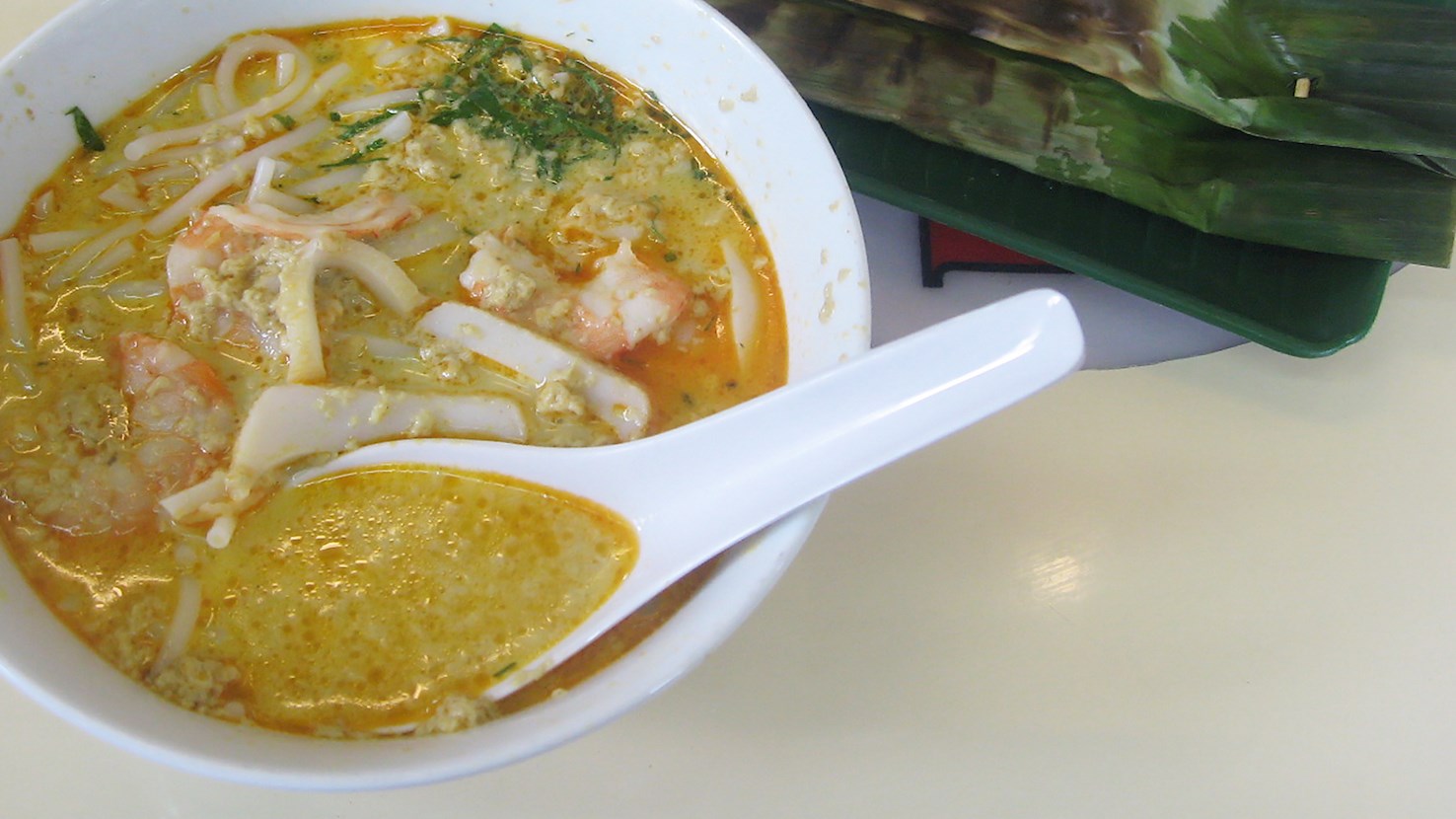
As the name implies, this laksa variety hails from the Katong neighborhood of Singapore's Central Region. It is based on a spicy, shrimp-infused broth that's flavored with coconut milk and a special laksa paste consisting of dried shrimps, herbs, and spices. Other elements include thick rice noodles and a variety of condiments and toppings such as shrimps, fishcakes, cockles, tofu puffs, fish balls, spicy sambal sauce, or coriander. The noodles in Katong laksa are always cut into smaller pieces, and when served, each bowl comes with a spoon. It is believed that the dish originated among the Peranakan (Strait Chinese), but it rose to fame during a dispute over which hawker stall serves the original version. The most popular theory claims that Ng brothers first started selling it in 1963 at a stall then named Marine Parade. When they had to move out, their place was taken over by Nancy Lim who later renamed it 328 Laksa. Eventually, numerous stalls appeared, Ms. Lim moved her business, and the sons of Ng brothers opened a new laksa shop.

04

Laksam

4 ·

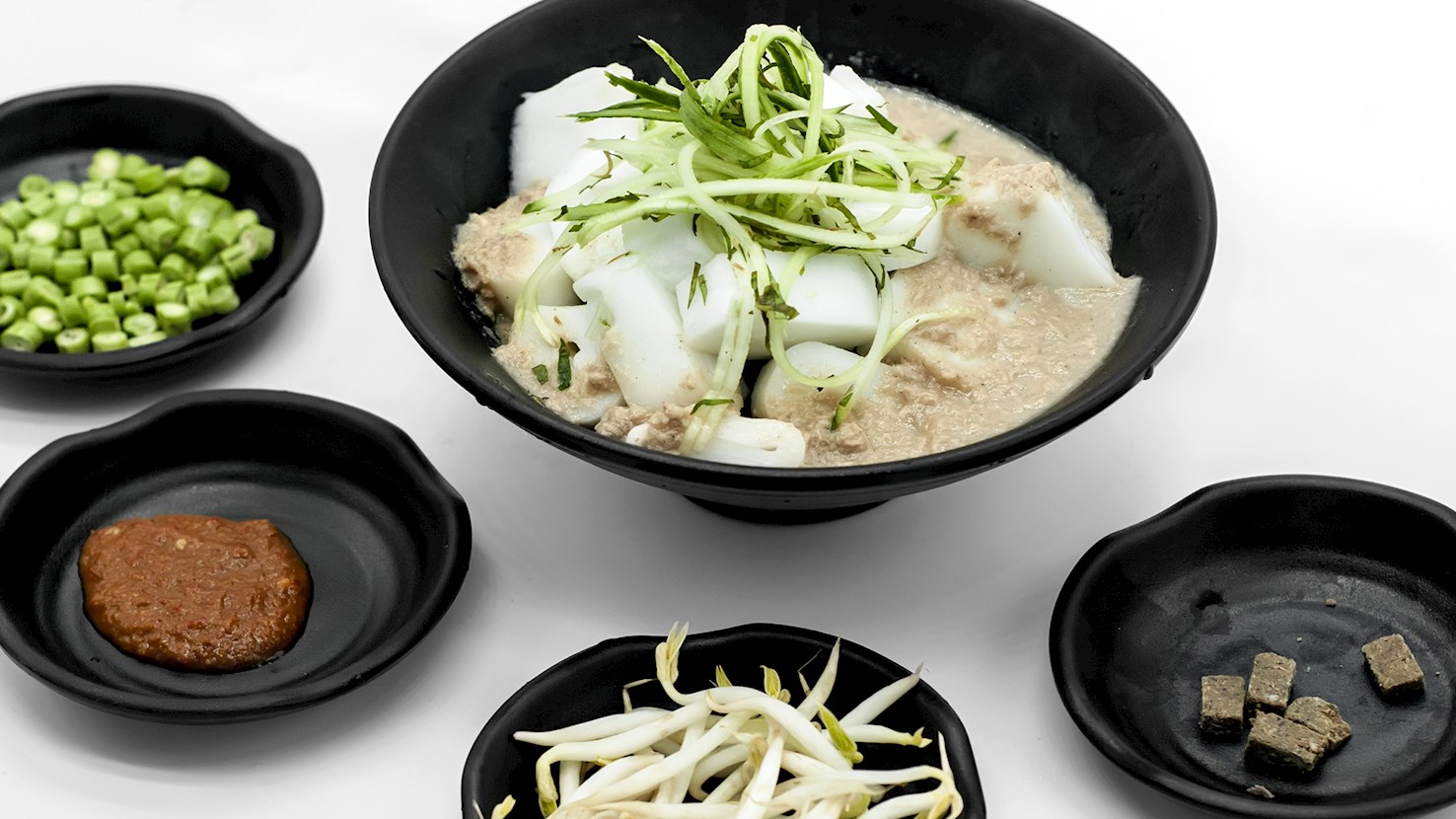
Traditionally associated with the regions of Kelantan and Terengganu, this flavorful Malaysian soup consists of rolled rice noodles served in a creamy fish broth. The noodles are prepared with a thin rice flour batter that is poured on a flat surface, steamed, and then rolled and sliced into bite-sized pieces. The broth served alongside the noodles is made with coconut milk and creamy fish paste, and is usually seasoned with ginger, shallots, and garlic. The whole dish is complemented by various vegetables such as sliced cucumbers or green beans and is usually accompanied by spicy sambal. Laksam is traditionally enjoyed as a warm, hearty breakfast.

05

Assam laksa

4 ·

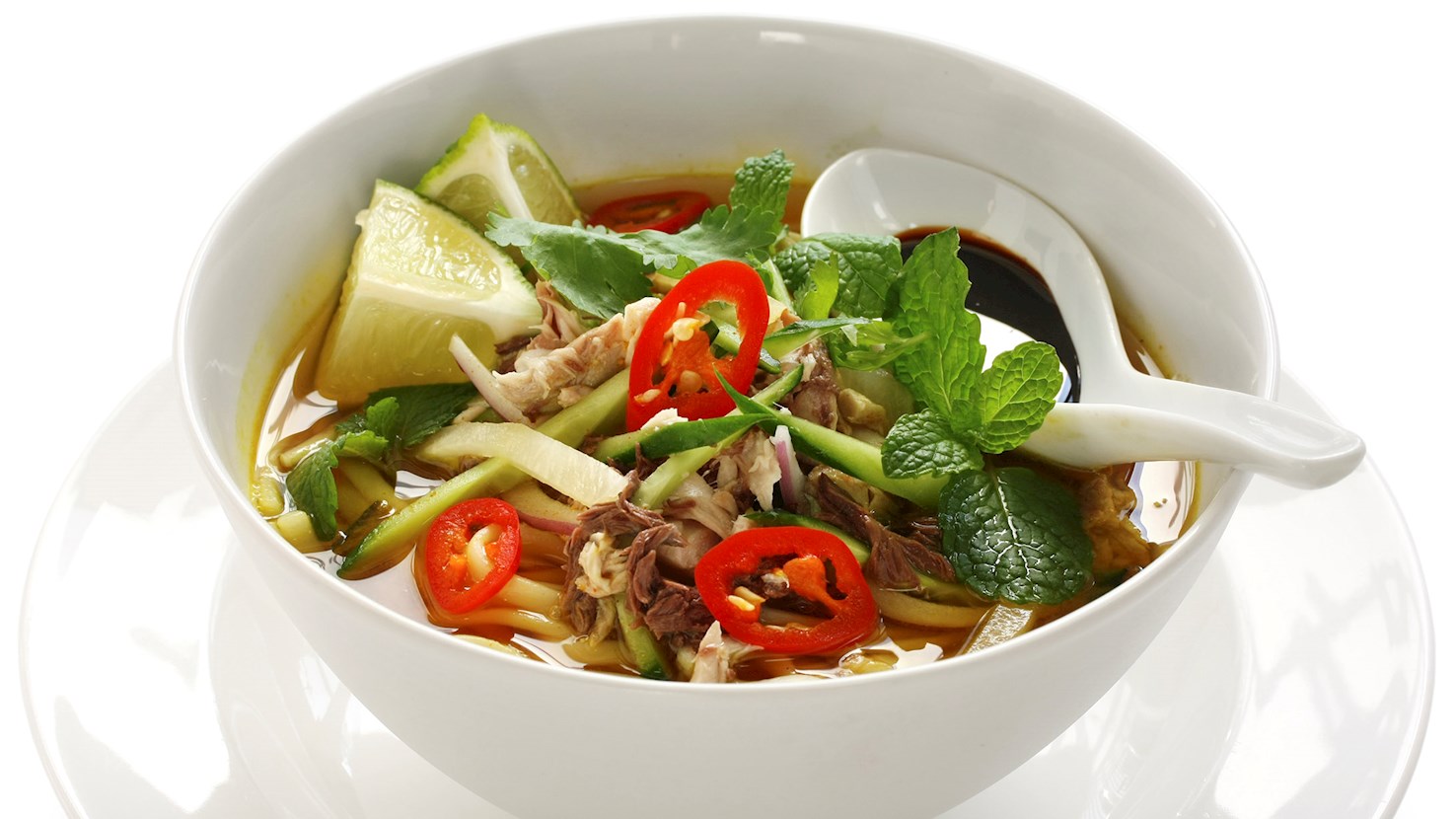
Assam laksa is a traditional fish-based sour noodle soup. It is the one of the numerous varieties of laksa, popular noodle soups widespread throughout Southeast Asia. The dish consists of rice noodles, shredded fish, and sliced vegetables, most commonly cucumber, onion, and lettuce. It has a distinctively tangy taste, which is attributed to tamarind, the sour ingredient generously used to spice the dish. The exact origin of the dish is unknown, but it is believed that it has originated in the coastal areas of Malaysia among the local fishermen who assembled the dish out of available ingredients. Through history, the dish evolved into assam laksa that we know today. Regardless of its origin, nowadays it is a signature dish of the Malaysian region of Penang. It is one of the most famous street dishes found in the area, and a favorite with both locals and tourists. In Penang, street vendors prepare assam laksa from the early morning until late in the evening. Traditionally, the dish should be served with hae ko, a dark and rich Malaysian-style shrimp paste.

06

Khao poon

3.6 ·

Khao poon (also known as lao laksa) is a spicy rice noodle soup originating from Laos. Over time, it has garnered extensive popularity in most of the Southeast Asian countries and in the US. It is considered a healthy and comforting dish due to a small amount of fat and a wide array of flavors. The classic recipe is made with boiled vermicelli noodles, shredded chicken, red curry paste, lemongrass, coconut milk, garlic, shallots, galangal, and bamboo shoots. The spiciness depends on the amount of curry paste and (optionally) fresh chilis used in the dish. For garnishes, fresh local greens are used - cilantro, shredded cabbage, mint leaves, and bean sprouts. The soup is typically served as a first course in Lao weddings and similar festive events.

About this ranking

TasteAtlas food rankings are based on the ratings of the TasteAtlas audience, with a series of mechanisms that recognize real users and that ignore bot, nationalist or local patriotic ratings, and give additional value to the ratings of users that the system recognizes as knowledgeable. For the “6 Laksa Varieties Ranked From the Best To the Worst” list until May 22, 2026, 768,607 ratings were recorded, of which 496,938 were recognized by the system as legitimate. TasteAtlas Rankings should not be seen as the final global conclusion about food. Their purpose is to promote excellent local foods, instill pride in traditional dishes, and arouse curiosity about dishes you haven’t tried.

Similar lists