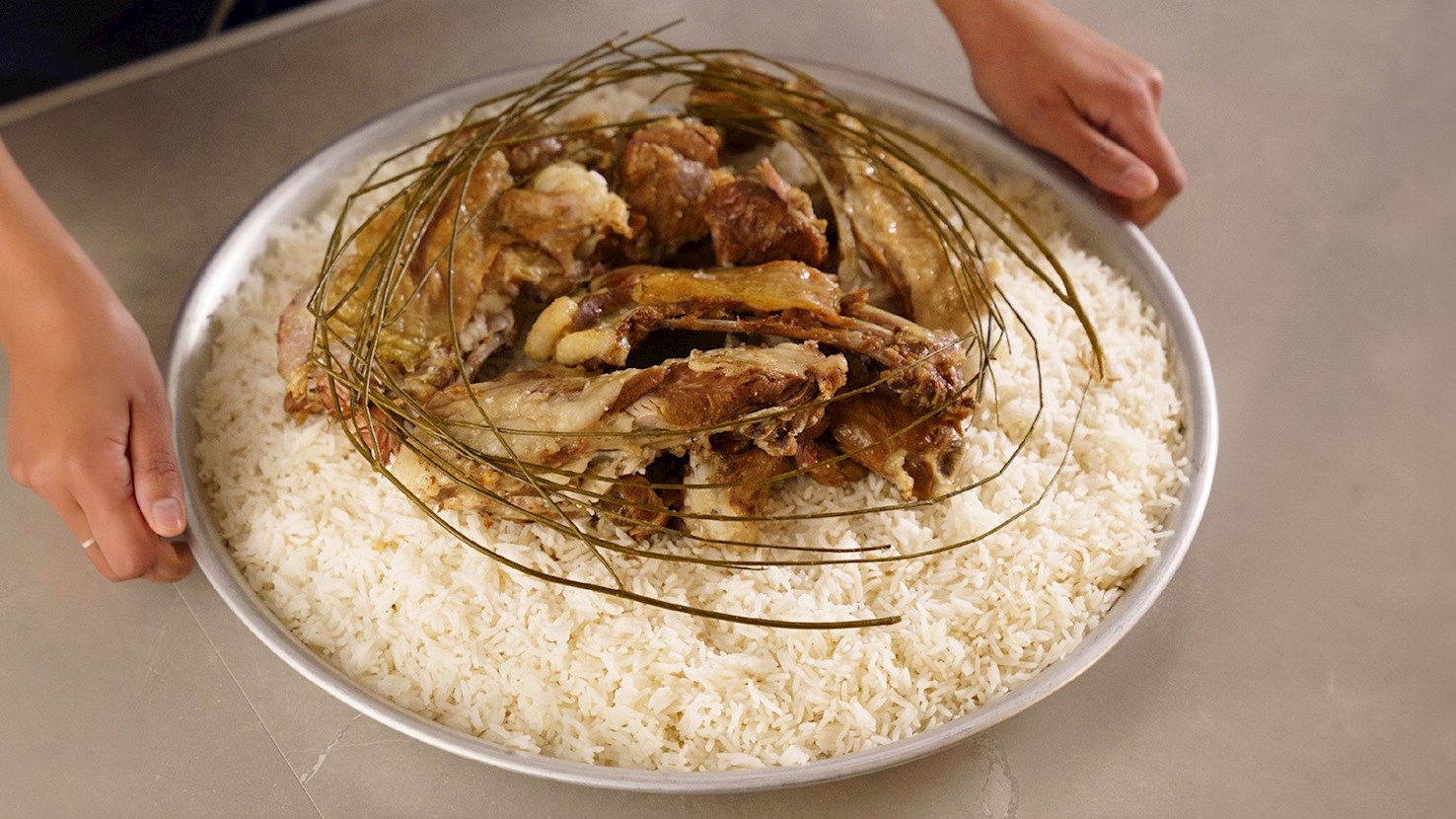
Haneeth is a traditional dish from the Asir region of Saudi Arabia and Shabwah/Hadramout region of Yemen, popular across the Arabian Peninsula. It features slow-roasted, spice-rubbed lamb, typically cooked in a Tannour oven, served on a bed of rice. The preparation involves dry-rubbing chunks of bone-in lamb with a unique spice mix, then slowly roasting it in the oven at a very low temperature for about six hours, ensuring the meat is tender and succulent.
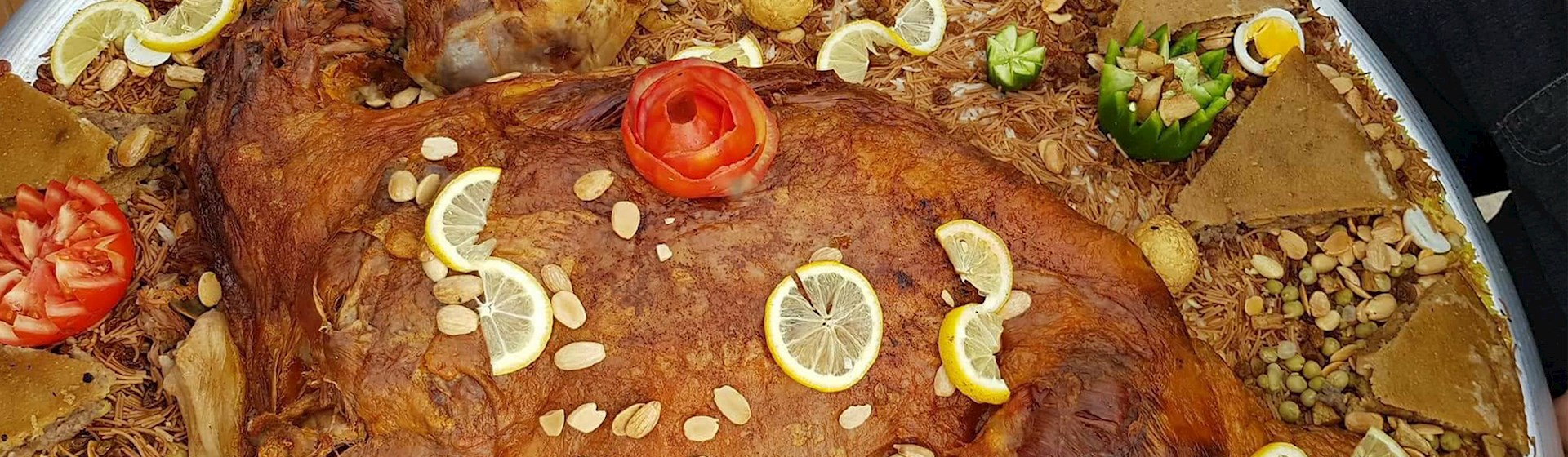
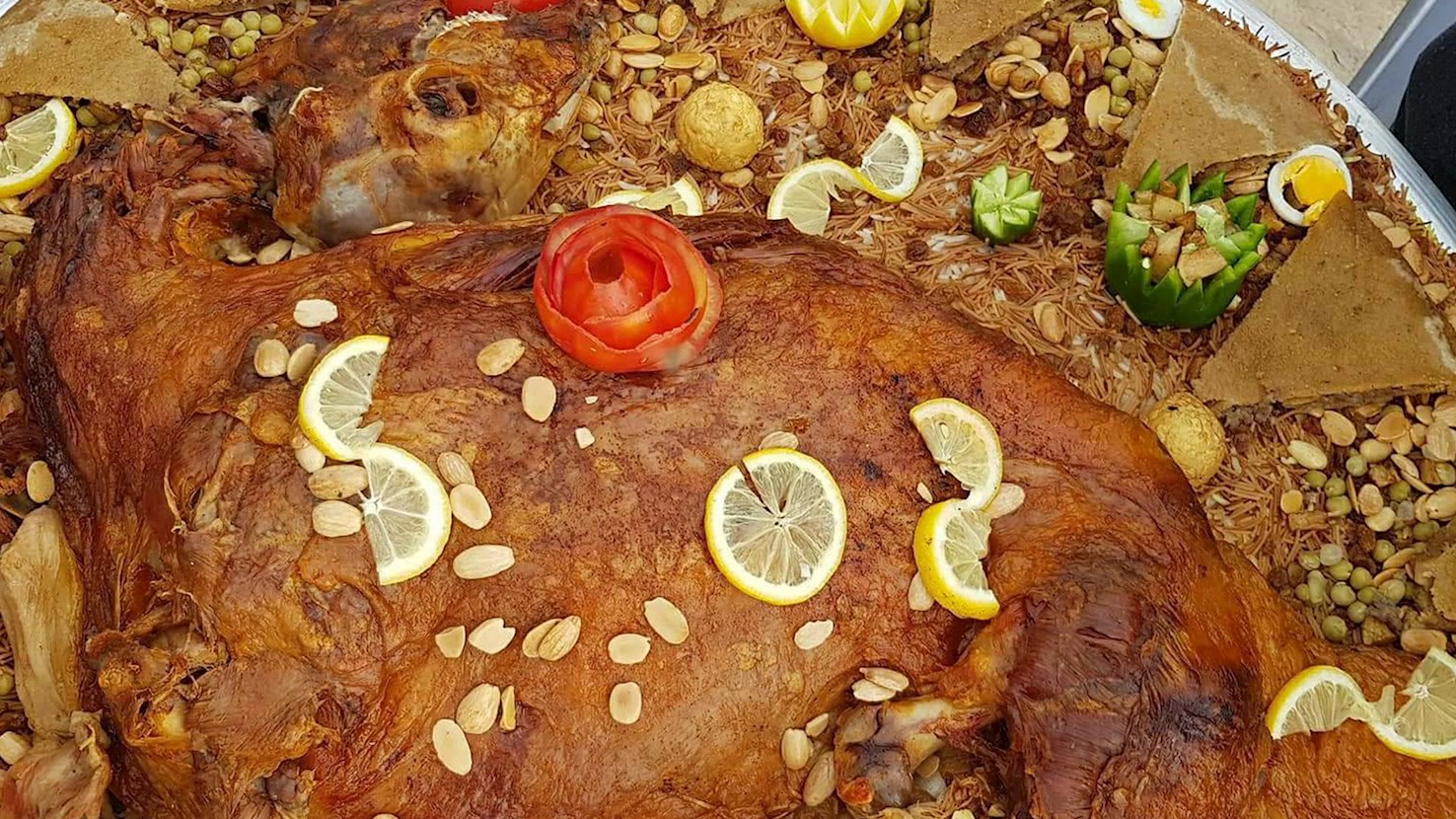
Quzi is a slow-cooked lamb dish from Iraq that has become one of the most recognized festive meals in the Middle East. It is prepared with a whole lamb or large cuts of lamb that are seasoned, stuffed with rice, nuts, and spices, and then roasted or baked until tender. Its spread to neighboring countries such as Syria, Jordan, and the Gulf states has given it different regional touches, but its roots remain firmly Iraqi. The lamb used for quzi is often marinated with a mixture of spices such as cardamom, cloves, cinnamon, black pepper, and bay leaves, which impart a fragrant depth to the meat. It is commonly roasted in underground ovens or large clay ovens, a practice that can be traced back centuries when methods of slow roasting over embers were a marker of patience and abundance. The rice, which forms a central part of the dish, is typically flavored with saffron, raisins, and almonds, and sometimes enriched with chickpeas. Once the lamb is ready, it is laid over the rice on a wide serving tray so that the juices and fat from the meat seep into the grains, creating a rich harmony of flavors. Quzi is not only about meat and rice but also about presentation. In many settings, the lamb is brought whole to the table and carved in front of the guests, which underlines the generosity of the host. What makes the dish distinctive is the use of stuffing inside the lamb cavity, where spiced rice mixed with dried fruits and nuts cooks slowly as the meat roasts, giving an interplay of savory and sweet notes. The labor-intensive preparation often requires several people and hours of cooking, making it a true centerpiece for occasions. The dish is eaten with flatbreads on the side, sometimes used to scoop the rice and lamb together, and accompanied by yogurt, pickled vegetables, or fresh salads that provide balance to the richness. In Iraq, it is particularly tied to Baghdad but is enjoyed throughout the country, often in restaurants that specialize in large-scale roasts. In the Gulf region, it is served at family feasts and national celebrations, while in Jordan and Syria, it appears at weddings and banquets.
Jalamah is a lamb specialty that has traditionally been prepared in the Saudi Arabian region of 'Asir. It consists of pieces of very young lamb meat that's cooked with fat, onions, and a blend of Arabic spices such as cardamom, cinnamon, coriander, and black pepper. The dish is usually accompanied by rice or flatbread on the side to soak up the flavorful gravy. This specialty is usually prepared on festive occasions such as the Eid al-Adha festival.
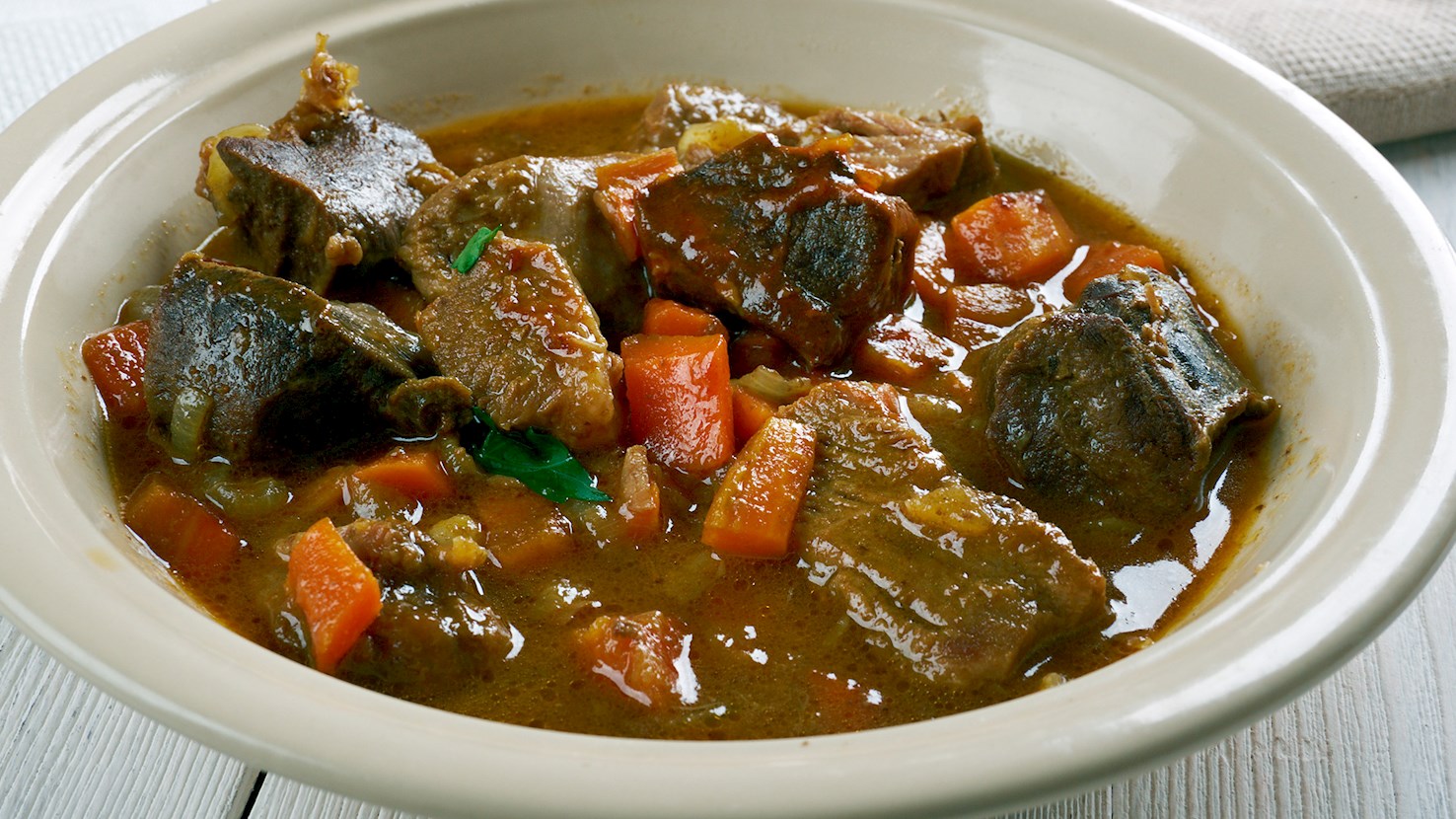
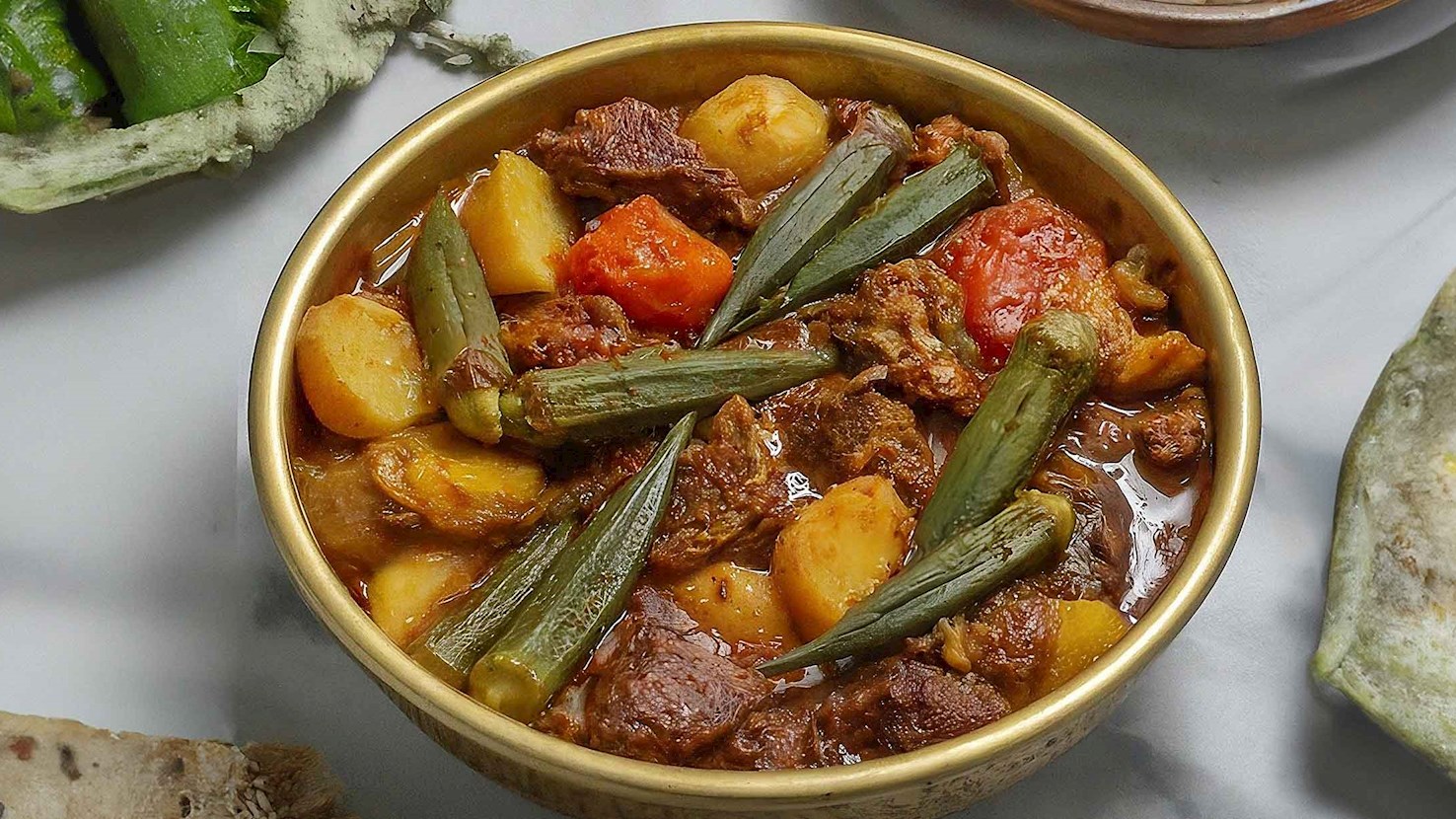
Al-Maghsh from Jazan Region, Saudi Arabia, is a slow-cooked lamb stew rich in flavor. It combines lamb, onions, garlic, and aromatic spices like cumin and cardamom with vegetables, namely tomatoes, zucchini, potatoes, and okra. What makes al-maghsh unique is the slow-cooking process in a stone pot in an earth oven called mefa. This slow roast makes the lamb tender and delicious. Al-Maghsh is typically served with rice or bread and is a must-have during Eid celebrations. Besides being a hearty main dish, its fragrant broth is also enjoyed as soup.
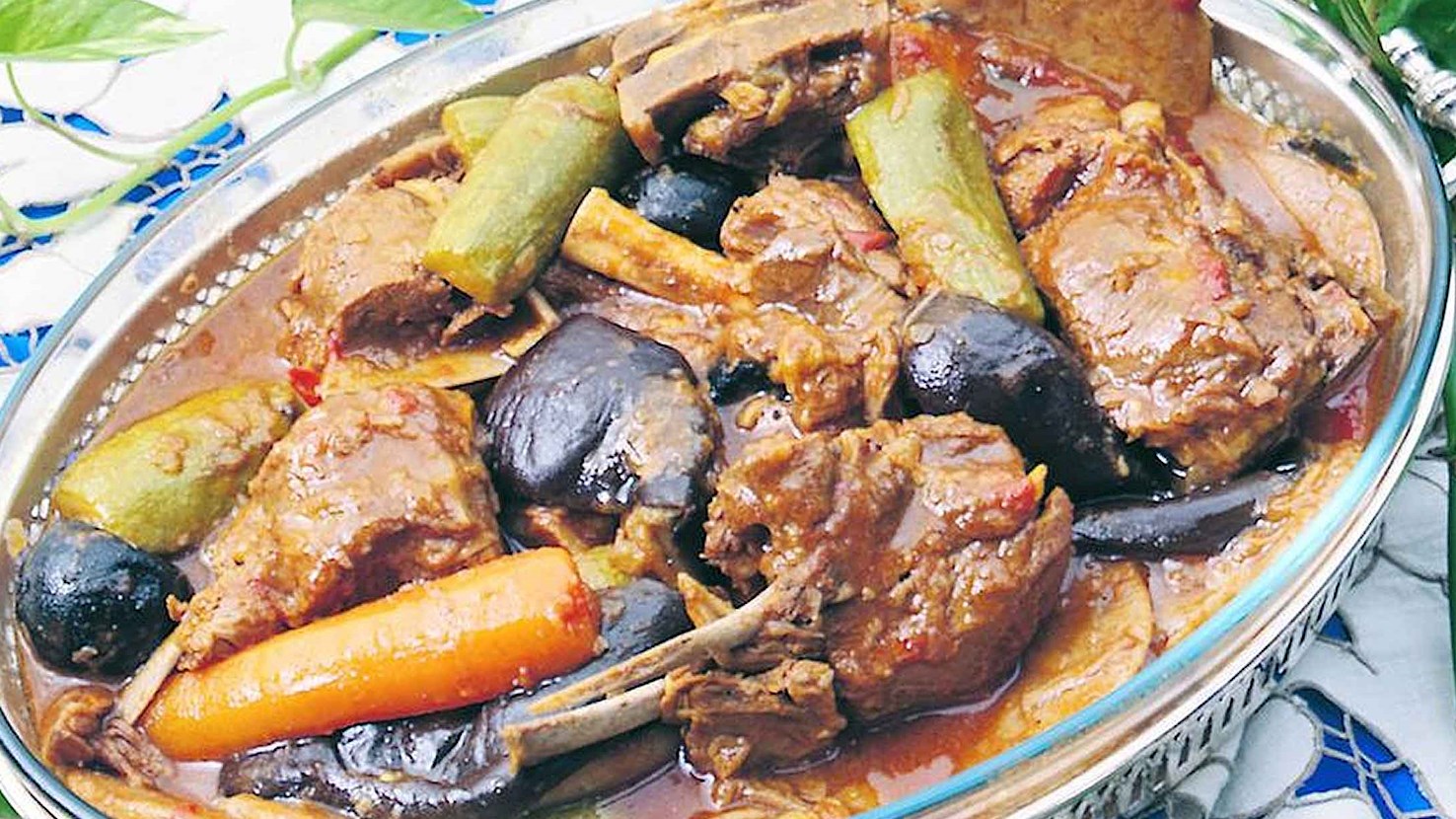
Matazeez is a traditional Arabian dish consisting of flat dumplings that are cooked and served in a rich stew of meat, vegetables, tomato sauce, and spices. The dough is typically made by combining whole-wheat flour, water, salt, and oil, and it is then cut into flattened circles. Lamb is the most common choice of meat for the stew, while the combination of vegetables may include cauliflowers, eggplants, carrots, pumpkins, zucchinis, tomatoes, and onions. A mix of spices such as cumin, cinnamon, loomi (dried limes), bahar spice blend, and black pepper is often added to the dish for extra flavor. Although it is similar to margoog (also marqooq, another pasta-like specialty), matazeez is usually less soupy in consistency as it usually soaks up all of the flavorful juices. This dish is mostly consumed in the central and eastern regions of the country, and it is often sprinkled with fresh coriander before serving.
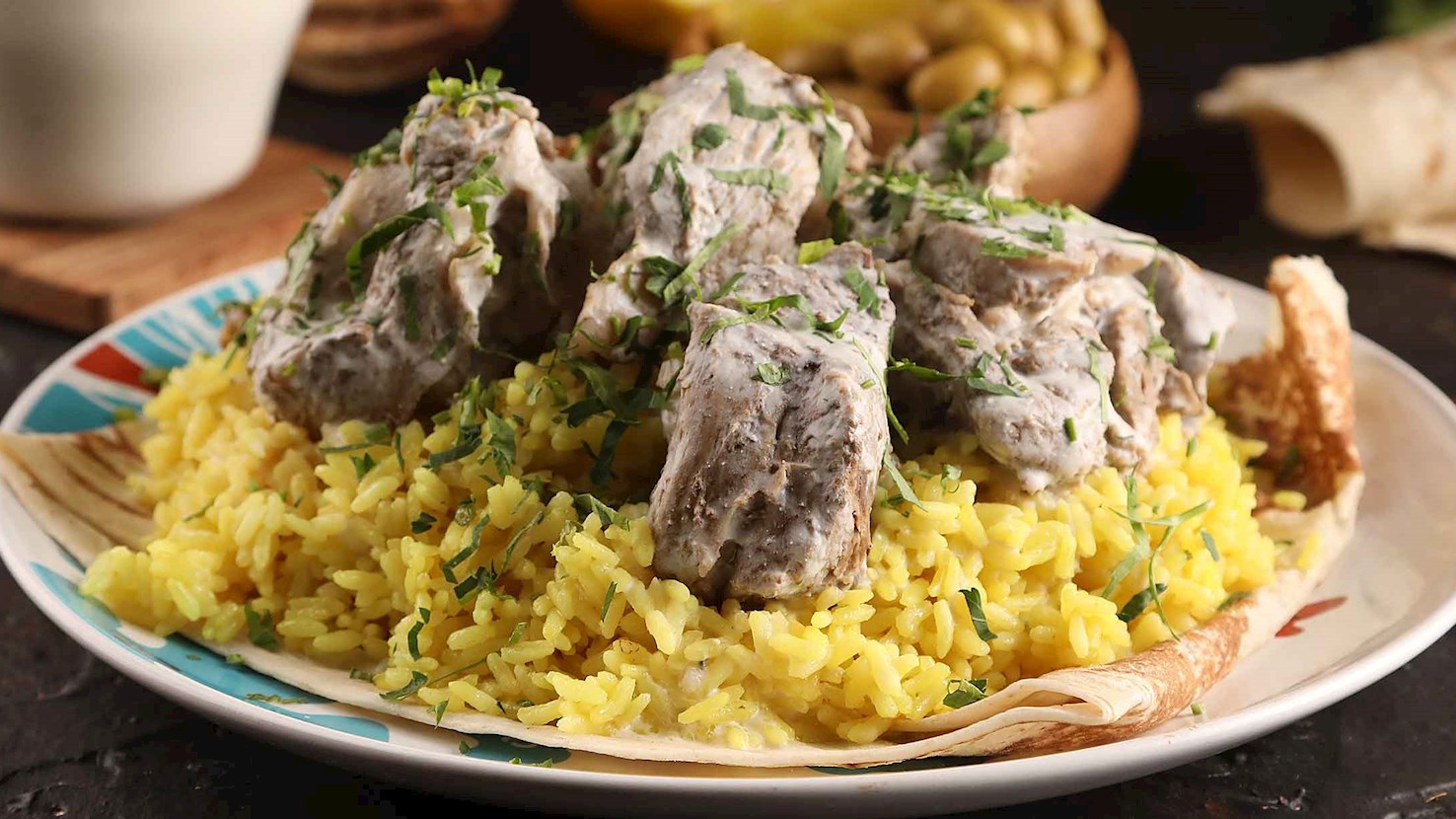
Al-Mulayhiya is a Northern Borders Province specialty and features rice, lamb, meat broth, and dried yogurt (jameed) garnished with parsley and pine nuts. The dish is usually served atop saj bread and very much resembles Jordanian mansaf.
TasteAtlas food rankings are based on the ratings of the TasteAtlas audience, with a series of mechanisms that recognize real users and that ignore bot,
nationalist or local patriotic ratings, and give additional value to the ratings of users that the system recognizes as knowledgeable.
For the “Top 6 Lamb and Mutton Dishes in Arabian Peninsula” list until June 15, 2026, 97 ratings were recorded, of which 32 were recognized by the system as legitimate.
TasteAtlas Rankings should not be seen as the final global conclusion about food. Their purpose is to promote excellent local foods,
instill pride in traditional dishes, and arouse curiosity about dishes you haven’t tried.