





Top 14 Italian Lamb and Mutton Dishes

Last updated on June 15, 2026
01

Arrosticini

4.2 ·

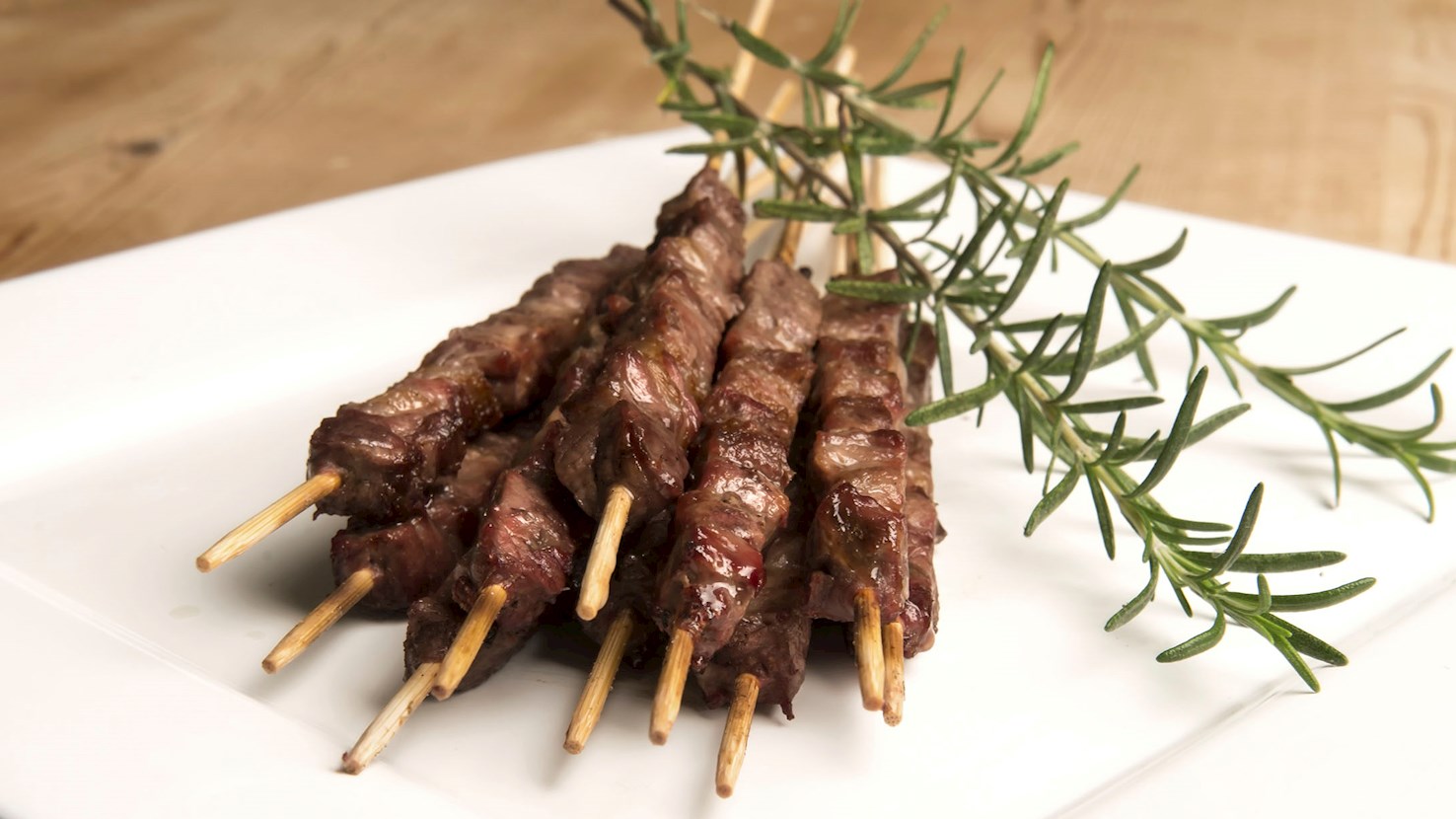
Also known as arrustelle or rustelle in local dialect, arrosticini are skewers made with castrato, the meat of castrated sheep, mutton, or sometimes even lamb, traditionally grilled on an elongated, charcoal-fired brazier called fornacella. One of the most popular meat dishes of modern Italian cuisine, these skewers were once a staple of shepherds who lived in the mountainous areas of Abruzzo, prepared merely with leftover sheep meat of lesser quality. Today, arrosticini are made with well-marbled, more tender cuts mixed with hefty chunks of ovine fat, which makes them particularly succulent. The skewers are sometimes seasoned with Mediterranean herbs, although they are more often simply generously salted to taste and then seared until almost charred. Arrosticini can be found in almost any village and town throughout the region, especially near the Gran Sasso mountain, but they are also available ready-made in numerous supermarkets. In traditional Abruzzo style, to fully enjoy the tenderness and rich flavor of grilled meat, arrosticini are served sizzling hot and are often accompanied by slices of pane unto - a crusty, homebaked sourdough bread that is grilled and drizzled with extra virgin olive oil. As for the wine pairing, arrosticini go hand in hand with a glass of Montepulciano d'Abruzzo.

02

Abbacchio alla Romana

3.6 ·

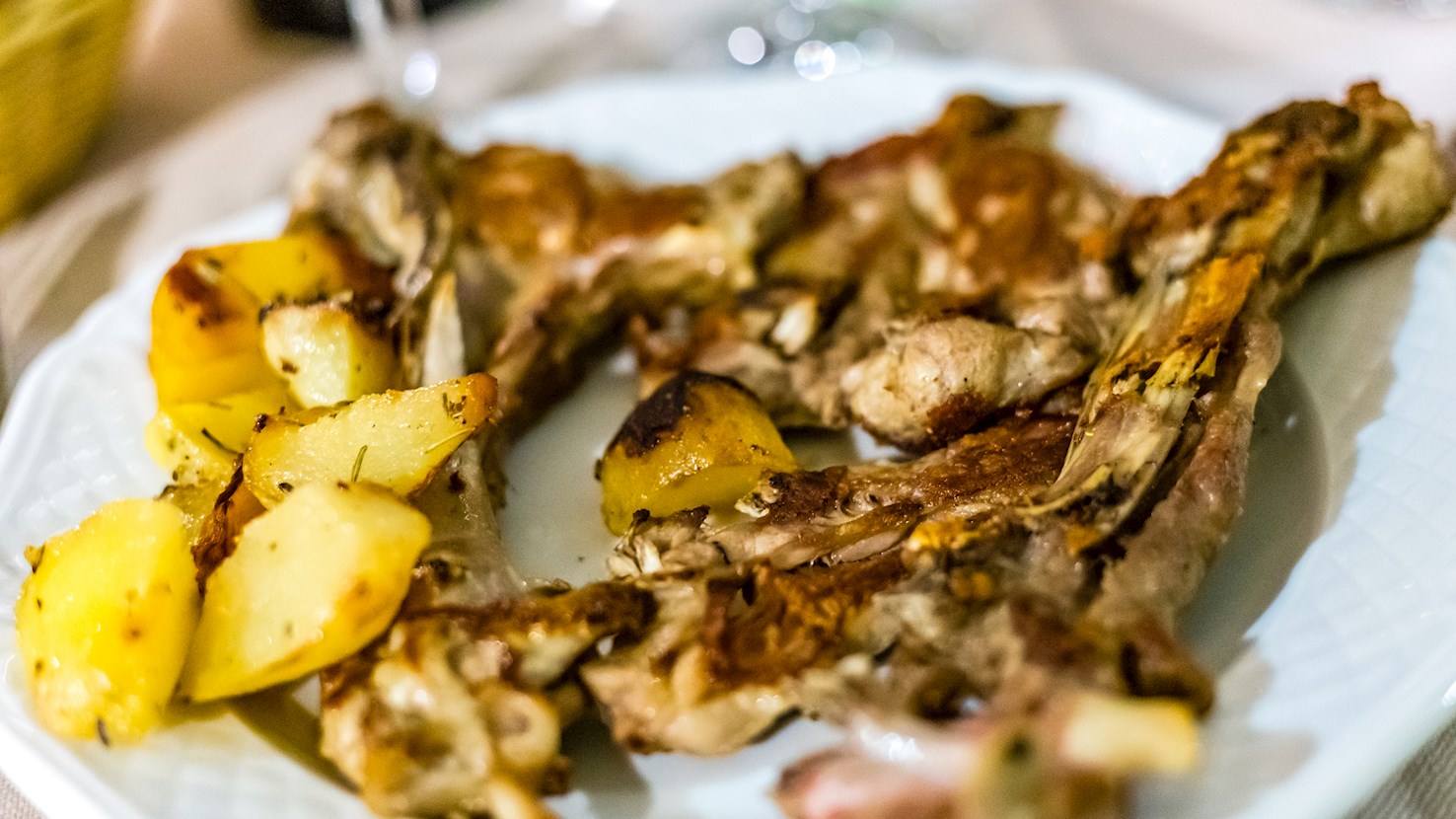
Abbacchio, or milk-fed lamb, has been a Roman springtime delicacy since ancient times, and it is no different today - this festive dish is traditionally prepared for Easter, usually accompanied by roasted potatoes. The lamb is first marinated and then slowly stewed with rosemary, sage, garlic, white wine, vinegar, and anchovies (a modern age replacement for garum, a fish sauce made with fermented and salted anchovies, widely used in ancient Roman cuisine.) The result is exquisitely tender, very aromatic, and slightly sweet meat with a sharp, strong, and salty kick.

03

Scottadito

3.5 ·

Scottadito is a traditional dish hailing from Rome and the central Apennines, although it's nowadays made throughout the country. The dish consists of barbecued baby lamb chops and it's made with a combination of lamb chops, olive oil, mustard, lemon juice, salt, pepper, garlic, and herbs such as marjoram, mint, and thyme. The lamb chops are coated in herbs and drizzled with olive oil, then left to sit for an hour before they're grilled over charcoal. Once fully cooked, the lamb chops are sprinkled with salt and often served with a sauce on the side (consisting of olive oil, lemon juice, and mustard). The dish is especially popular during the Easter festivities and the name means finger-burning because it is served so hot and it's meant to be eaten with your hands.

04

Agnello cacio e ova

n/a ·

Agnello cacio e ova is a traditional dish originating from Abruzzo. The dish is made with a combination of lamb shoulder, eggs, pecorino cheese, onions, white wine, vegetable stock, olive oil, parsley, and salt. The onions are sautéed in olive oil until translucent and then mixed with the diced and seasoned lamb. The meat is browned on all sides, and the ingredients are then covered with white wine and stock and simmered for about an hour or until the liquid has reduced. The pan is removed from the heat and a mixture of eggs and grated pecorino is stirred into the dish in order to create a creamy sauce. Agnello cacio e ova is typically garnished with parsley before serving. The dish is especially popular during the Easter festivities.

05

Agnello con le olive

n/a ·

Agnello con le olive is a traditional dish made with lamb and black olives as the key ingredients. Other ingredients used in the dish include onions, tomatoes, white wine, garlic, rosemary, olive oil, and seasonings. The meat is browned in a pan with sautéed onions and rosemary, and the tomato purée, olives, water, and white wine are then added to the combination. As the dish slowly simmers, the meat should start to fall off the bones. Once the sauce has reduced a bit over half, the dish is ready to be served, traditionally with rice or polenta on the side. The dish is especially popular during the Easter festivities.

06

Abbacchio brodettato

n/a ·

Abbacchio, or milk-fed lamb, has been a Roman springtime delicacy since ancient times. In this version, the lamb is slowly braised with prosciutto, then thickened with a mixture of lemon and egg yolks just before serving. Both the lamb and the eggs are symbols of the crucifixion and Christ's resurrection, so it is no surprise that this dish is traditionally prepared for Easter, but it is also often prepared for less festive opportunities - it is too delicious to enjoy it only on a single day of the year.

07

Agnello alla gravinese

n/a ·

Agnello alla gravinese is a slow-cooked meat dish made with lamb and wild seasonal vegetables originating from the city of Gravina in Puglia. The development of this preparation is tied to the transhumance system and the sheep-farming economy of the Alta Murgia National Park, where the rocky, calcareous soil supports the growth of specific wild flora that constitutes the diet of the local livestock. The culinary practice utilized the availability of young lamb during the spring equinox and the abundance of wild-harvested herbs found in the karst fissures of the surrounding landscape. Preparation involves the use of a "pignata," a tall, earthenware terracotta vessel designed to withstand the indirect heat of a wood-fired oven. The lamb is butchered into small, uniform chunks and layered inside the vessel with a variety of wild herbs, specifically wild thistle known as cardoncello, wild fennel, and occasionally lampascioni (grape hyacinth bulbs). Additional components include cherry tomatoes, garlic, parsley, and cubes of aged pecorino cheese, which provide lipid content and salinity to the broth. The mouth of the terracotta pot is sealed with a layer of bread dough to create a hermetic environment, allowing the ingredients to steam in their own natural juices without the addition of significant amounts of external water. A specific property of this method is the pressure-cooker effect created by the dough seal, which tenderizes the tough fibers of the wild vegetables while infusing the meat with the essential oils of the herbs. The dish is typically served as a celebratory meal in residential homes or specialized restaurants in Gravina during the Easter period. It is eaten by breaking the hardened dough crust and ladling the meat and concentrated vegetable broth into deep ceramic bowls. The high mineral content of the wild thistles and the richness of the lamb require pairing with structured, tannic red wines from the surrounding hills, such as Gravina Rosso or a Nero di Troia, which possess the acidity necessary to cleanse the palate of the collagen and cheese fats.

08

Pecora al cotturo

n/a ·

Pecora al cotturo is a traditional dish originating from Abruzzo. It’s usually made with a combination of sheep, lamb, or mutton meat; onions, carrots, garlic, potatoes, tomatoes, white wine, rosemary, bay leaves, sage, parsley, salt, and black pepper. The meat is boiled in a pot with garlic, onions, bay leaves, and rosemary. After an hour or so, the water is removed, and a mixture of white wine and water is added to the pot along with the remaining ingredients. The dish is cooked over low heat for about two hours, and once the meat starts to fall off the bones, the dish is done. Pecora al cotturo is typically served with the accompanying sauce and either polenta or homemade bread on the side.

09

Agnello brodettato

n/a ·

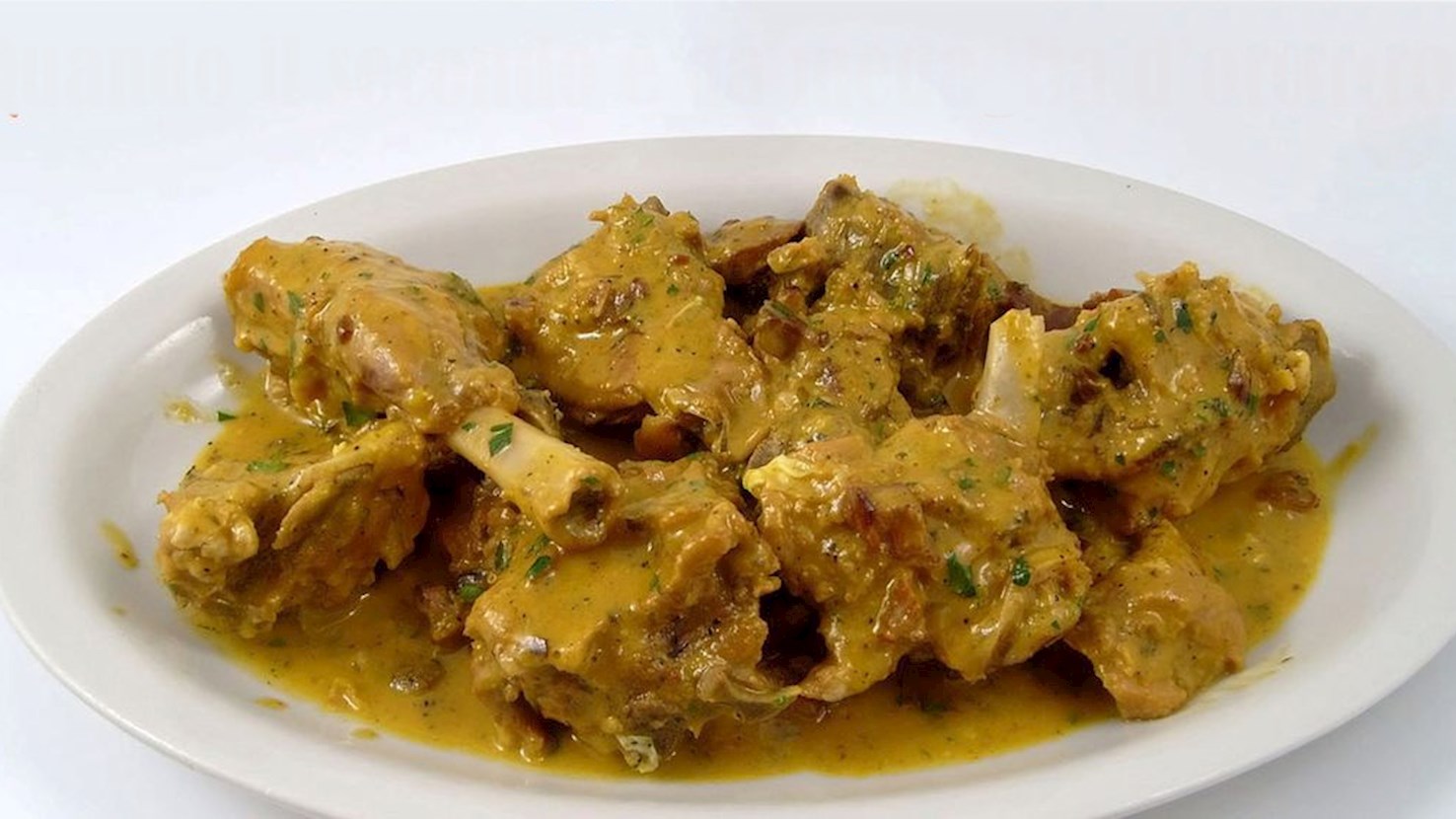
Agnello brodettato is a traditional lamb stew originating from Rome. Especially popular during the Easter festivities, the dish is usually made with a combination of lamb, onions, pancetta, olive oil or lard, white wine, flour, salt, pepper, egg yolks, lemon juice, and parsley. The onions and pancetta are sautéed in olive oil or lard in a pan. The meat is cut into cubes, lightly floured, and added to the pan with salt, pepper, and a splash of white wine. Once it evaporates, water is poured over the meat and the dish is simmered about an hour or until the lamb is tender. The pan is removed from the heat, and a mixture of egg yolks, lemon juice, and parsley is then stirred into the dish. The pan is placed over low heat, and the dish is stirred until the sauce becomes silky smooth. Agnello brodettato is served immediately, while warm.

10

Agnello in salsa bianca

n/a ·

Agnello in salsa bianca is a traditional dish originating from Sardegna. The dish is usually made with a combination of lamb, onions, olive oil, eggs, lemon juice, and salt. The lamb is seasoned with salt, drizzled with olive oil, and mixed with onions before it's baked in the oven for about an hour while being stirred often. The eggs are mixed with lemon juice over low heat until the mixture becomes thick, but the eggs shouldn't scramble. The sauce is then added to the lamb just before serving and the dish is enjoyed while hot.

Read more
View all
View map
About this ranking

TasteAtlas food rankings are based on the ratings of the TasteAtlas audience, with a series of mechanisms that recognize real users and that ignore bot, nationalist or local patriotic ratings, and give additional value to the ratings of users that the system recognizes as knowledgeable. For the “Top 14 Italian Lamb and Mutton Dishes” list until June 15, 2026, 180 ratings were recorded, of which 124 were recognized by the system as legitimate. TasteAtlas Rankings should not be seen as the final global conclusion about food. Their purpose is to promote excellent local foods, instill pride in traditional dishes, and arouse curiosity about dishes you haven’t tried.

Similar lists