




Top 4 Croatian Littoral Lamb and Mutton Dishes

Last updated on June 15, 2026
01

Janjetina na gradele

n/a ·

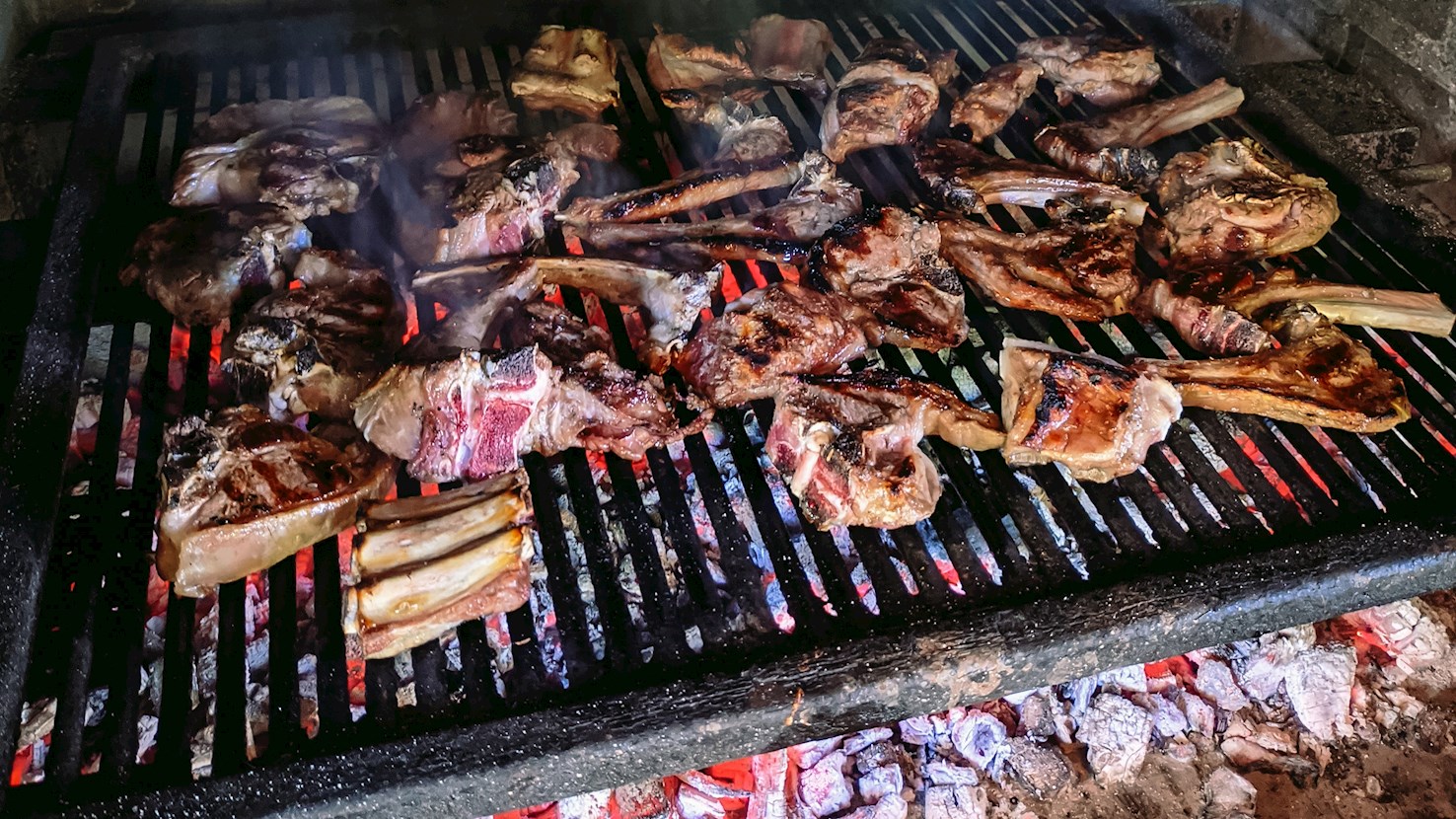
Janjetina na gradele is a traditional specialty hailing from Pag. It involves cooking small pieces of lamb on a simple grill grate (called gradele) over an open fire. The lamb is typically seasoned with nothing else but sea salt (usually flower of salt from the island), and the gradele grill needs to be brushed with oil and lamb fat before the meat is placed on it. The pieces of meat are carefully flipped over throughout the grilling process to prevent them from drying out. This lamb delicacy is usually prepared with slightly older Pag lambs, and it’s traditionally made for Easter. It is recommended to enjoy the perfectly grilled pieces of lamb piping hot, accompanied by sweet red onions, paška sol (Pag salt), Lun olive oil, and a glass of wine on the side. Other common accompaniments include potatoes, grilled vegetables, chicory leaves, and pieces of palenta s paškim sirom (polenta with Pag cheese).

Best restaurants
02

Štufad

n/a ·

Štufad is a unique stew made from sheep or lamb, traditionally prepared only for Christmas and New Year's celebrations on the island of Rab. This dish stands out due to its distinctive sweet flavor, achieved through the use of sage honey, which is balanced with white wine and lemon slices. The name štufad itself has Mediterranean origins, referring to dishes slowly braised for a rich, aromatic flavor—a hallmark of this Rab specialty. Historically made exclusively with sheep meat, or more recently with lamb, Štufad can be stored for several days, as the honey acts as a natural preservative, especially suited for the holiday season when tables are kept bountiful for extended celebrations. Nowdays, select restaurants on the island also serve štufad, celebrating and preserving Rab’s culinary heritage alongside iconic dishes like the famous Rab cake, a festive table staple.

03

Lička kalja

n/a ·

Lička kalja is traditional stew from Lika and Gorski Kotar regions of Croatia, made with lamb or mutton, cabbage, potatoes and other local vegetables. It is a variety of better known Bosnian kalja, main difference being the consistency (Bosnian is thicker) and the meat used (today, Bosnian kalja is mostly made with with veal). Lička kalja was a product of necessity for the poor shepherd families in the destitute mountain regions of Lika and Gorski Kotar, who utilized the animals they were herding and vegetables growing in their yards for most of their dishes. Nevertheless, lička kalja is a highly nutritive meal, and was also used as a cold remedy and a way to keep warm during the harsh winter days and nights. Although nowadays somewhat forgotten, efforts are being made to revive this tasty and healthy dish, and it can be found more and more often on the menus of the local traditional restaurants.

04

Janjetina po staru zi šurlicama

n/a ·

Janjetina po staru zi šurlicama is a traditional dish originating from the region of Kvarner. The dish is made with a combination of lamb, sheep’s milk cheese, onions, flour, garlic, olive oil, rosemary, sage, salt, pepper, and tomatoes. The lamb is cut into pieces, seasoned with salt, dredged in flour, and fried in olive oil. The meat is taken out of the pan, and the onions and tomatoes are sautéed in the same oil. The lamb is placed back into the pan along with garlic, rosemary, and sage. The dish is simmered over low heat, and if the sauce is too thick, water or white wine is added to dilute it. Once done, the dish is served with šurlice pasta on the side for a complete meal.

Read more
View all
View map
About this ranking

TasteAtlas food rankings are based on the ratings of the TasteAtlas audience, with a series of mechanisms that recognize real users and that ignore bot, nationalist or local patriotic ratings, and give additional value to the ratings of users that the system recognizes as knowledgeable. For the “Top 4 Croatian Littoral Lamb and Mutton Dishes” list until June 15, 2026, 7 ratings were recorded, of which 4 were recognized by the system as legitimate. TasteAtlas Rankings should not be seen as the final global conclusion about food. Their purpose is to promote excellent local foods, instill pride in traditional dishes, and arouse curiosity about dishes you haven’t tried.

Similar lists