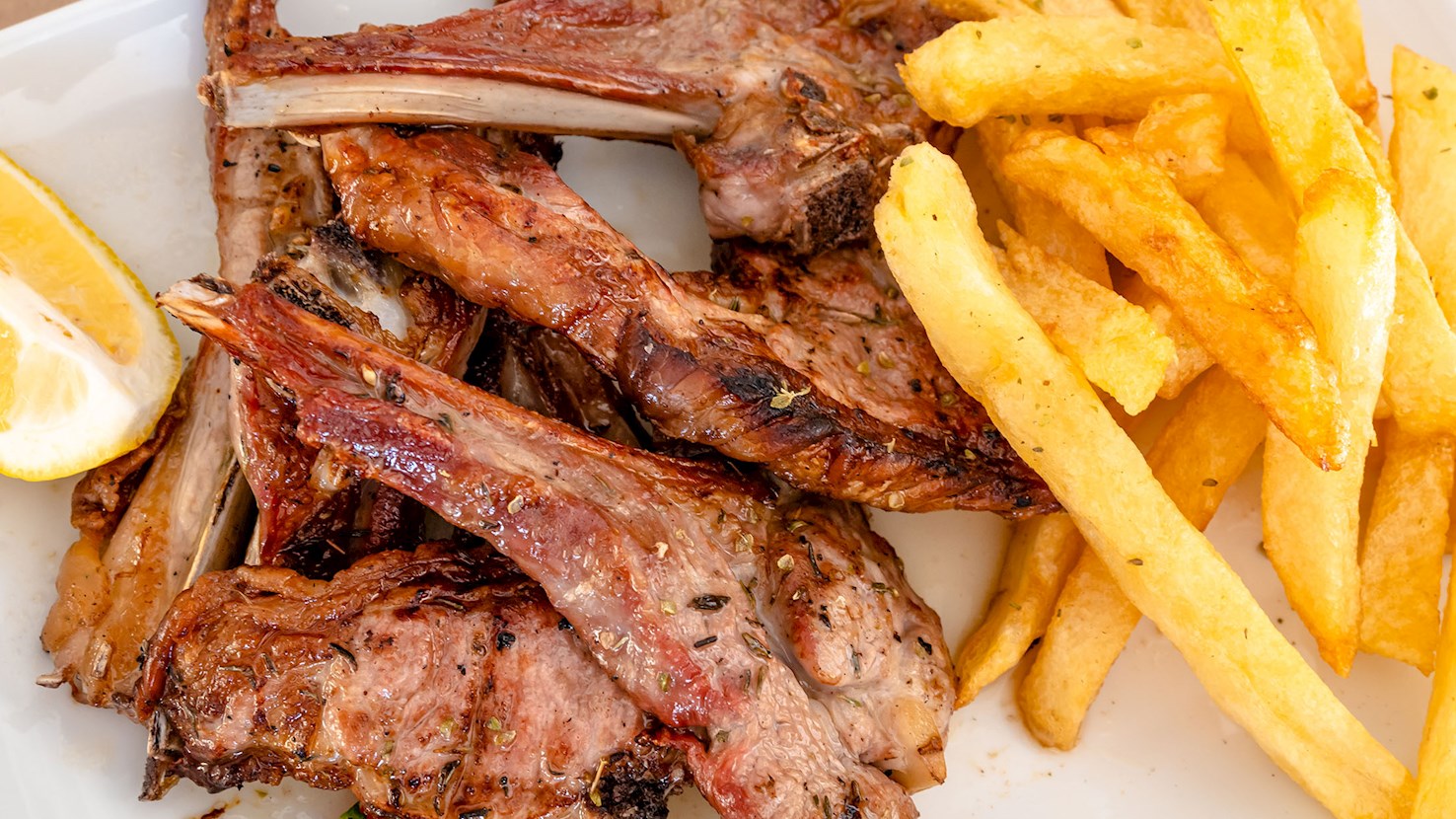
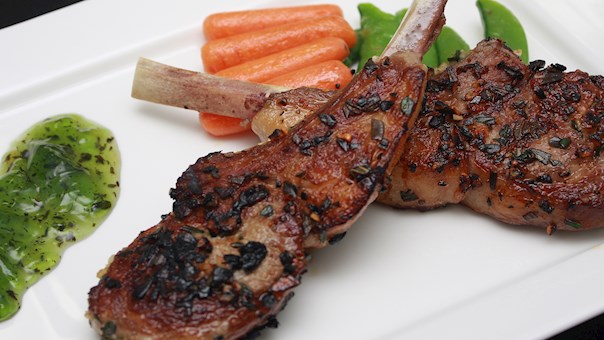
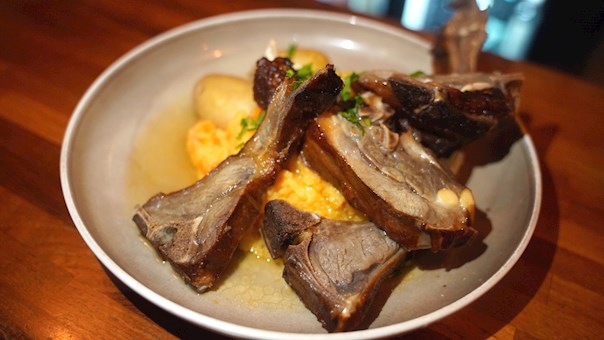
Grilled lamb chops are a traditional Greek dish that is popular throughout the country and usually enjoyed as the main course. Lamb chops are usually marinated in various combinations of olive oil, lemon juice, and a variety of fresh herbs before they are grilled on traditional charcoal barbecues. They are commonly paired with potatoes, salads, or the creamy and refreshing tzatziki sauce.
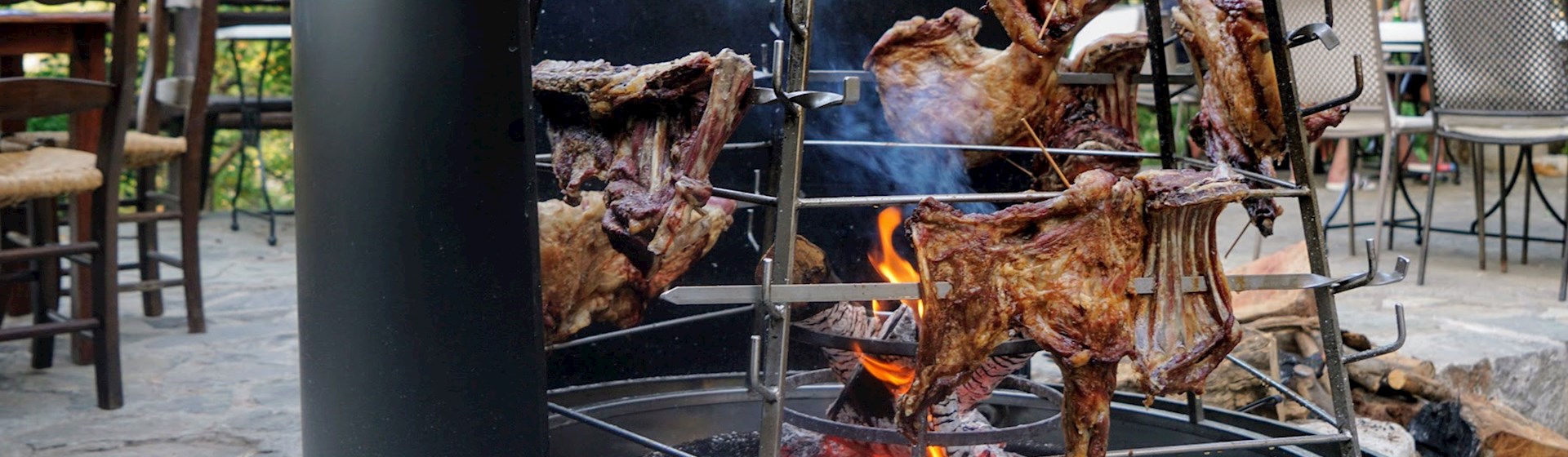
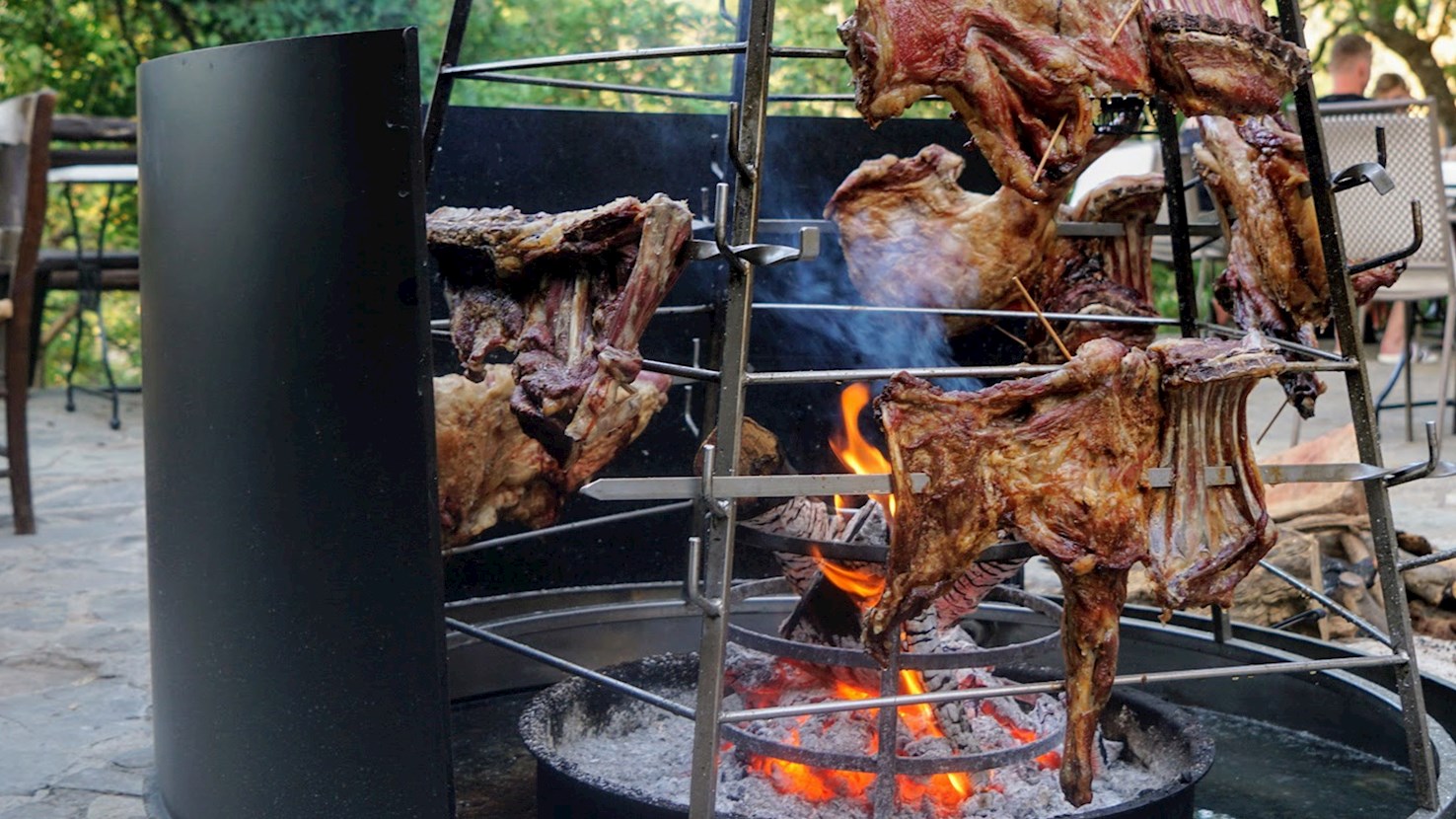
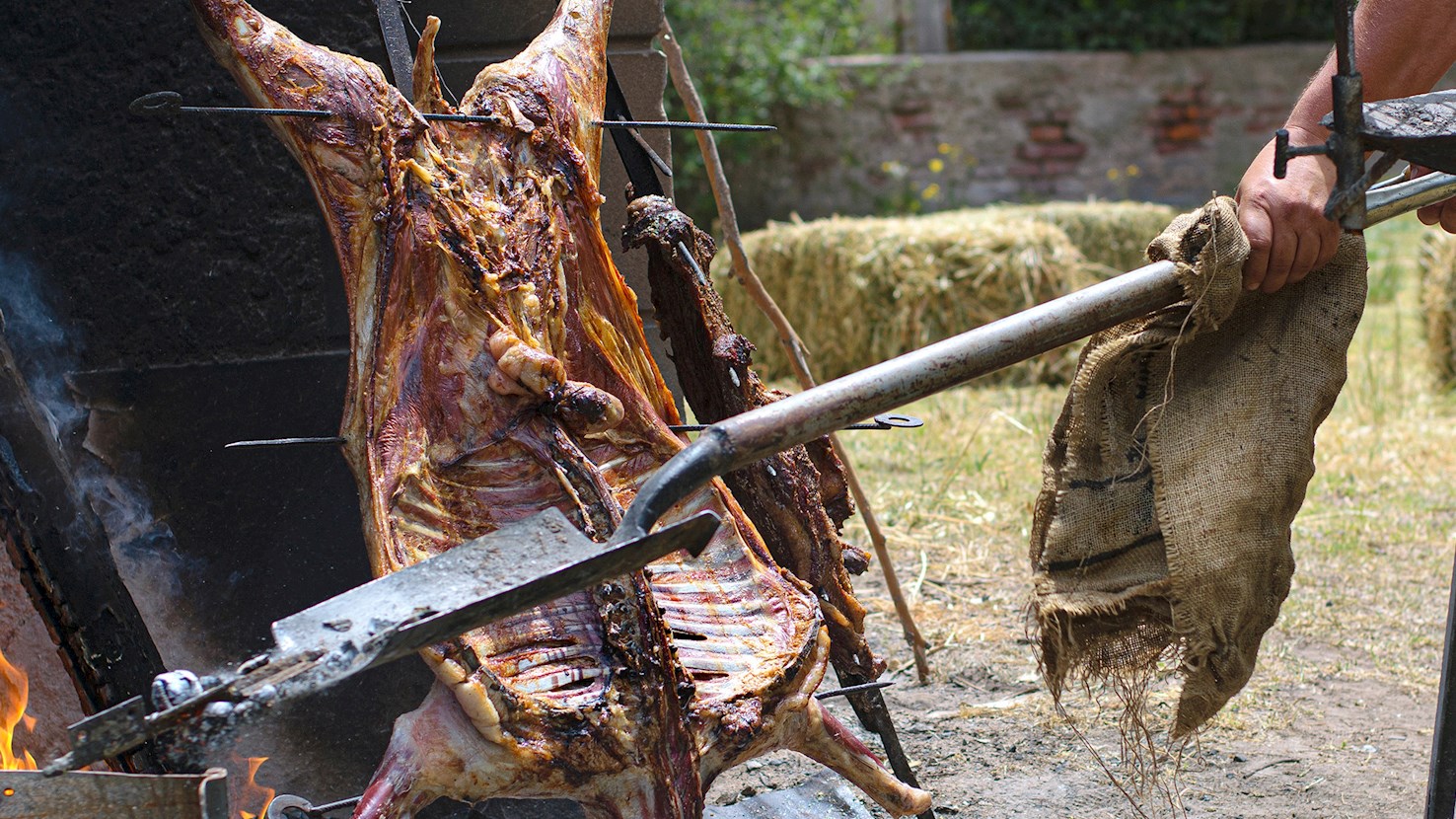
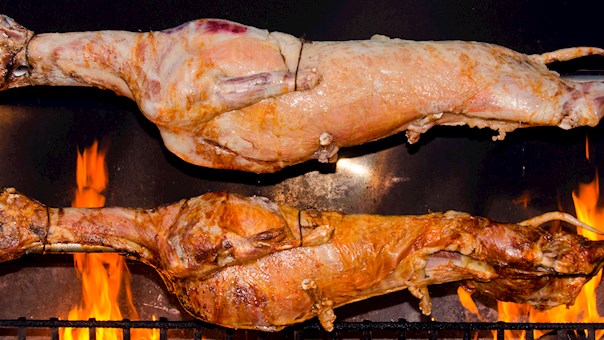
Antikristo is a traditional technique of cooking meat on Crete. A young lamb (or a goat, on rare occasions) is cut into four pieces (called goulidia), salted, then placed on big wooden skewers that are arranged around the fire in a circular formation, taking into consideration the direction of the wind, the intensity of the fire, and the distance between the fire and the meat. This process lets the meat cook in its own fat and salt with the heat coming from the flames instead of coals. The name antikristo means across the fire, describing this unique technique. The meat is slowly cooked, sometimes up to 6 hours, and it develops different flavors in the process. In the past, antikristo was common in the villages of Psiloritis mountain, but nowadays it can be found anywhere in Crete. Traditionally, it's prepared and cooked exclusively by men, most often shepherds.
Cordero asado is a popular Castillan dish made by roasting a whole lamb over an open fire. The lamb is usually marinated with lemon, garlic, and various fresh herbs such as rosemary and thyme. Once it is properly cooked, cordero asado is typically accompanied by roasted potatoes and onions on the side. The dish is especially popular during the Christmas season.
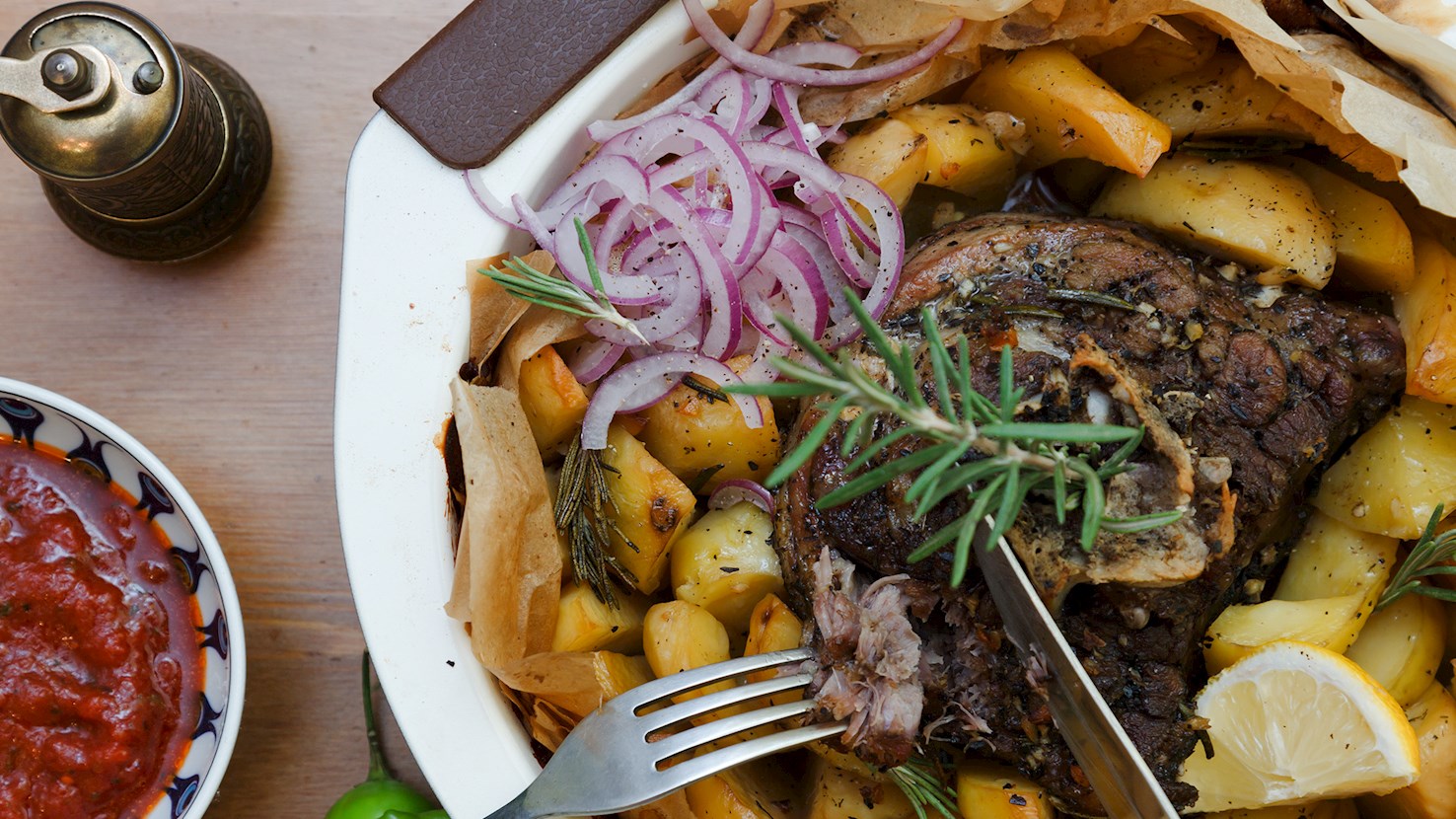
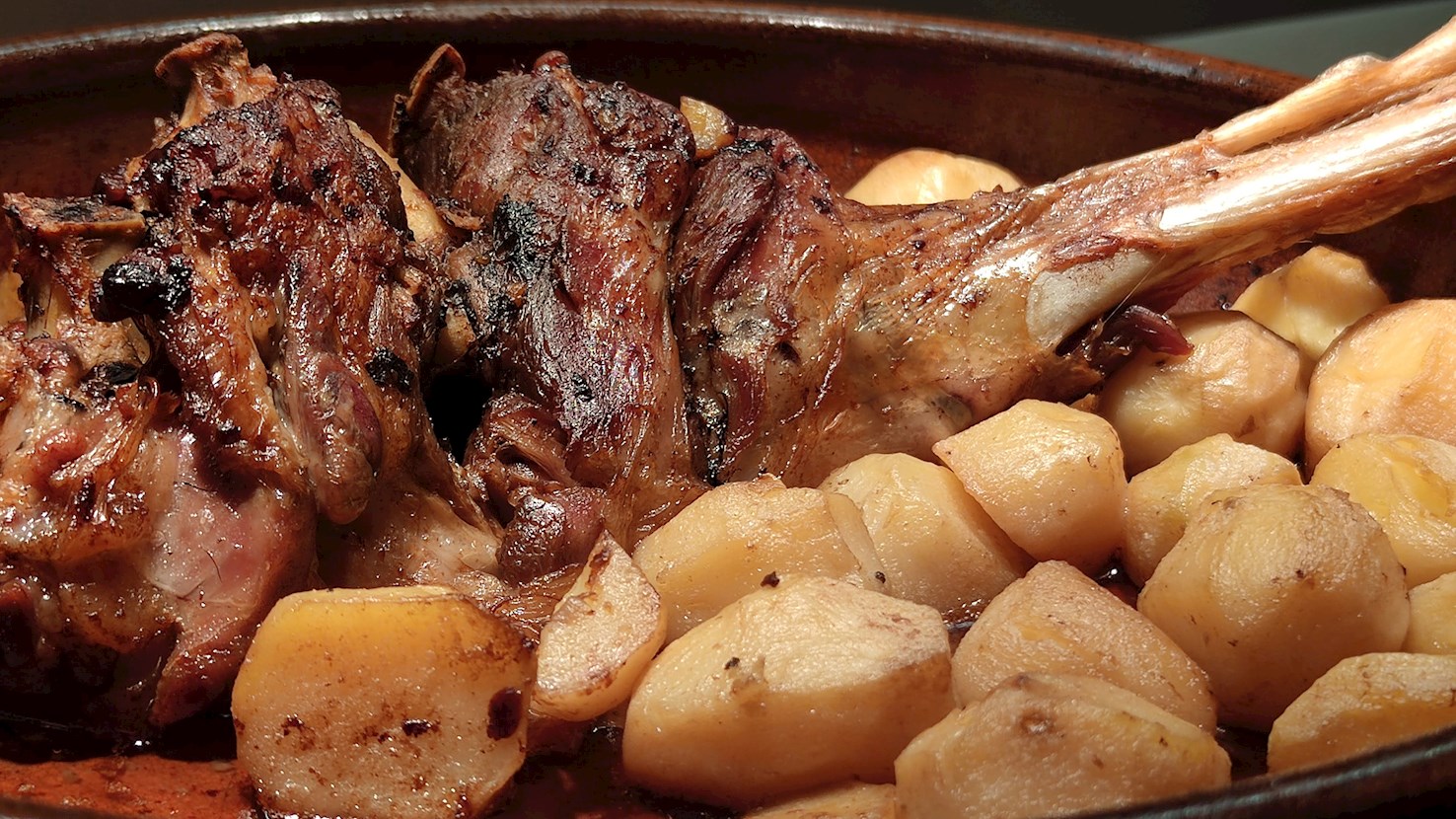
This Greek classic consists of an oven-roasted combination of potatoes and a leg of lamb, which can be marinated or seasoned with olive oil and fresh herbs. The dish is mainly prepared for special occasions or family gatherings, and it is typically served with a drizzle of lemon juice. This hearty main course is best enjoyed with various salads and bread on the side.
Kleftiko is a typical Greek dish that is commonly prepared at festive events and celebrations, consisting of a succulent piece of lamb or goat meat that is wrapped in foil and baked in airtight ovens. Also spelled as klephtiko, the name comes from the Klephts, mountain rebels from the Greek Revolution who cooked the food underground, so that no aromas or steam could escape, as it could reveal their positions. The cooked food was typically stolen, as klepht is also the root of the word kleptomaniac, describing a person with the urge to steal. Today, the meat is slowly cooked in a bowl so that it remains juicy and falls off the bone. Kleftiko is usually cooked with potatoes that soak up some of the flavorful meat juices. Other accompaniments may include red peppers and tomatoes. It is recommended to pair the dish with a glass of red wine on the side.
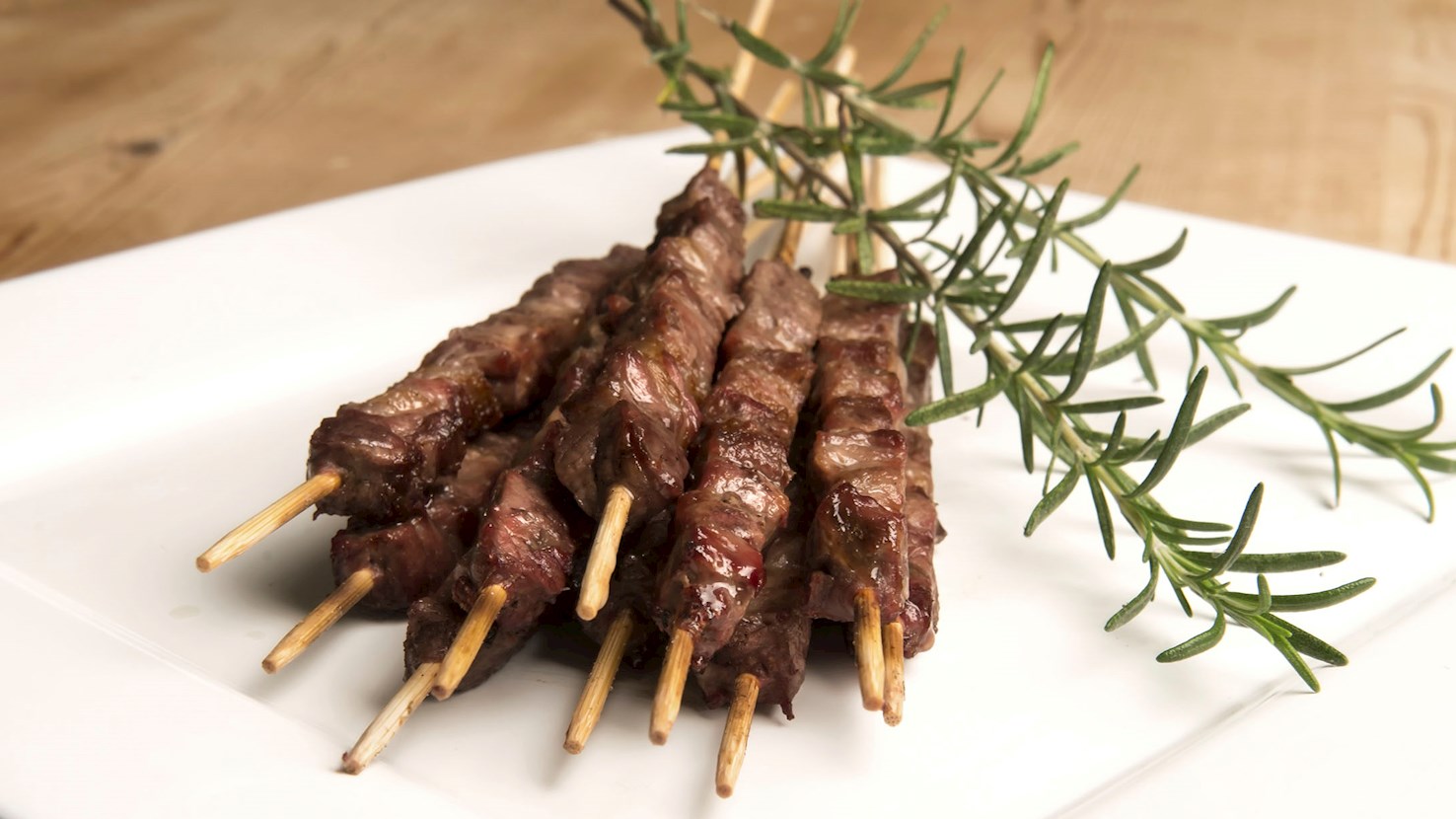
Also known as arrustelle or rustelle in local dialect, arrosticini are skewers made with castrato, the meat of castrated sheep, mutton, or sometimes even lamb, traditionally grilled on an elongated, charcoal-fired brazier called fornacella. One of the most popular meat dishes of modern Italian cuisine, these skewers were once a staple of shepherds who lived in the mountainous areas of Abruzzo, prepared merely with leftover sheep meat of lesser quality. Today, arrosticini are made with well-marbled, more tender cuts mixed with hefty chunks of ovine fat, which makes them particularly succulent. The skewers are sometimes seasoned with Mediterranean herbs, although they are more often simply generously salted to taste and then seared until almost charred. Arrosticini can be found in almost any village and town throughout the region, especially near the Gran Sasso mountain, but they are also available ready-made in numerous supermarkets. In traditional Abruzzo style, to fully enjoy the tenderness and rich flavor of grilled meat, arrosticini are served sizzling hot and are often accompanied by slices of pane unto - a crusty, homebaked sourdough bread that is grilled and drizzled with extra virgin olive oil. As for the wine pairing, arrosticini go hand in hand with a glass of Montepulciano d'Abruzzo.
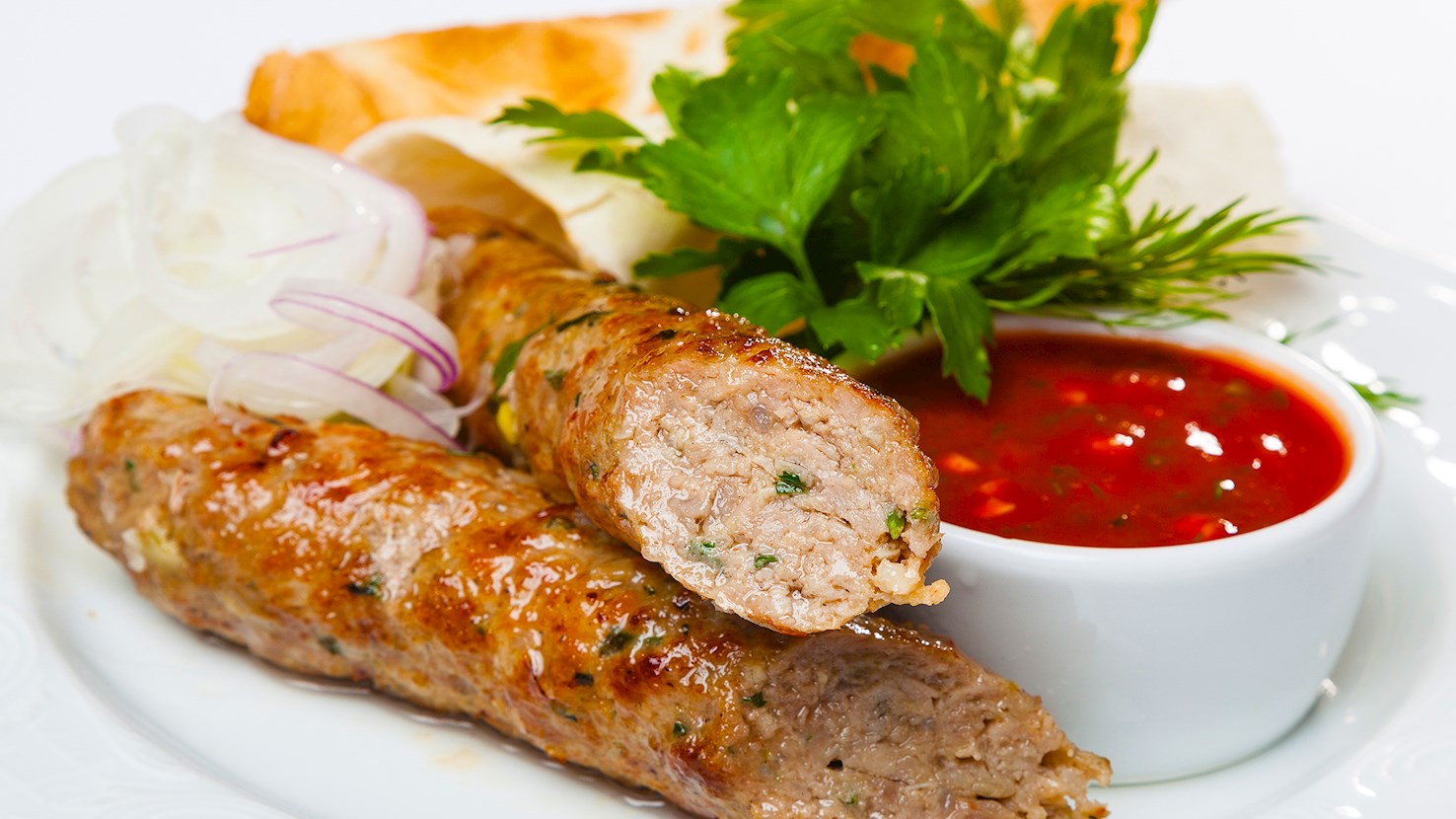
Lyulya kebab is a unique kebab variety popular throughout the Caucasus region. It typically consists of ground lamb combined with finely chopped onions. The mixture is seasoned with salt and black pepper, then skewered and grilled. Other types of meat such as fish and poultry can also be used in the preparation of lyulya. What makes this kebab variety so unique is the process of kneading the meat for a long time so that it becomes denser and does not fall apart. The dish dates back to the 2nd century, and it was even praised by the famous Roman historian Pliny the Elder, as well as the famous Roman scientist Ptolemy. It is recommended to pair lyulya with grilled vegetables, thinly sliced onions, sumac, and lavash.
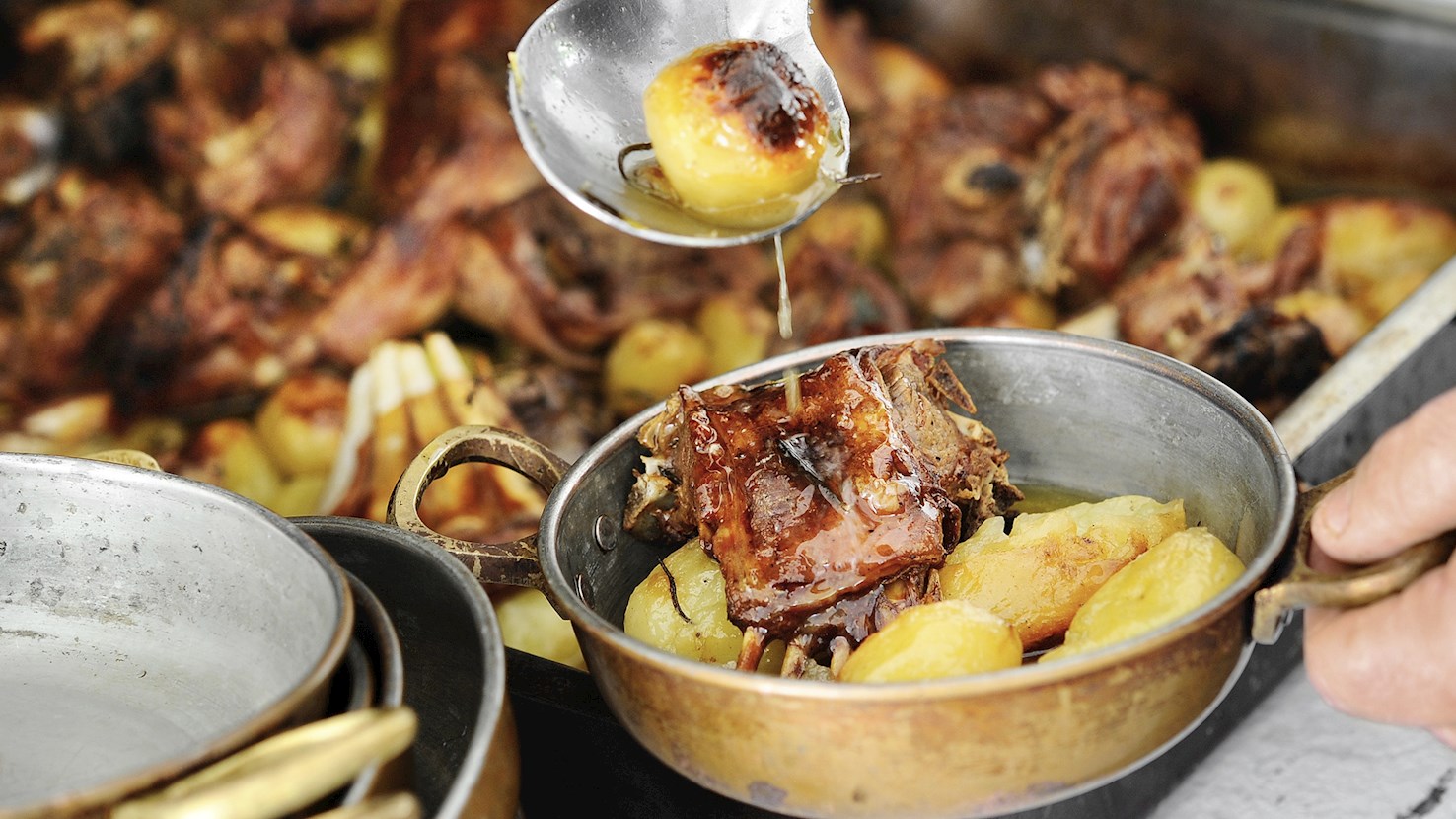
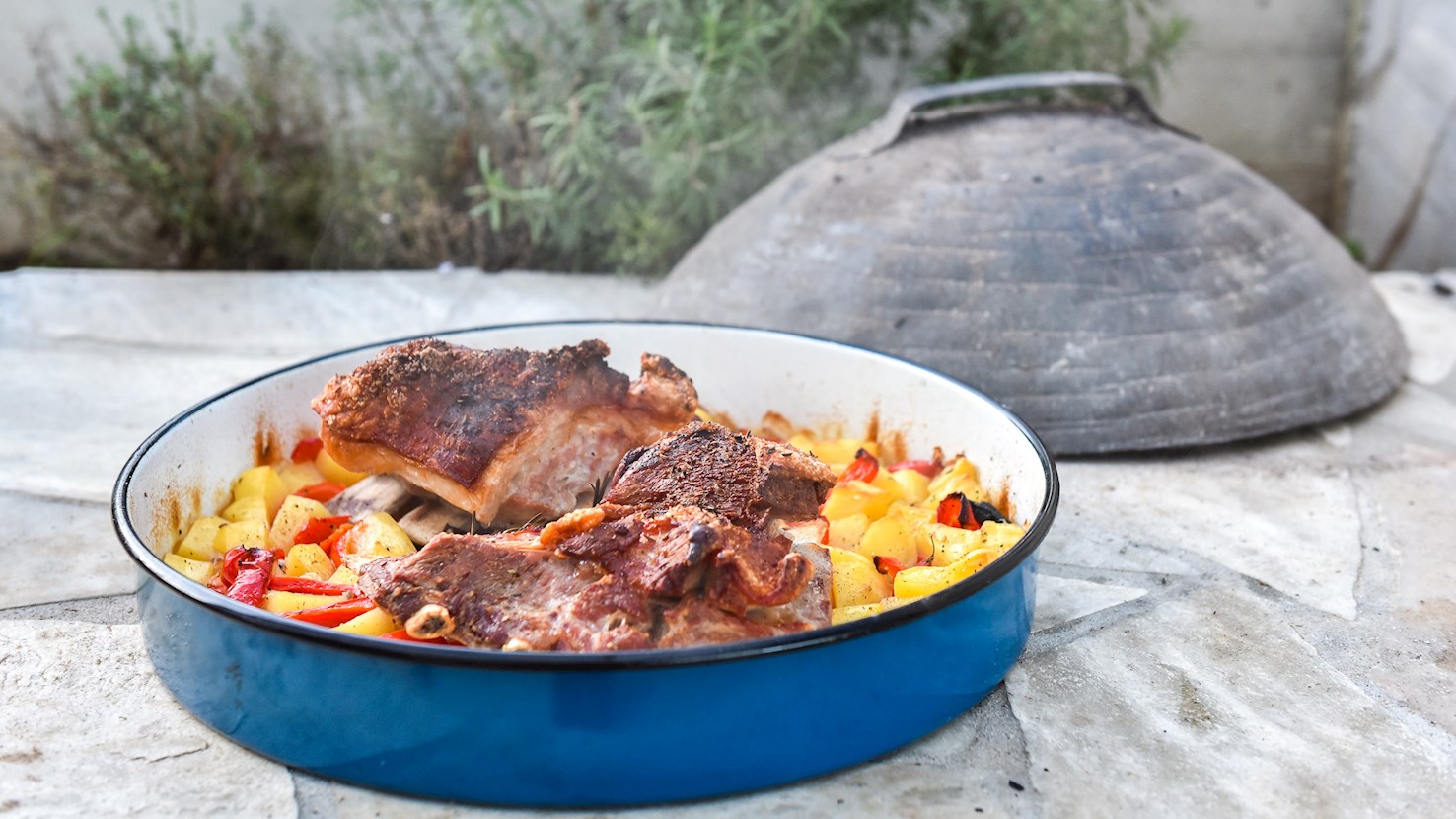
Janjetina ispod peke is a traditional lamb specialty that calls for preparing the meat under a metal, bell-like dome or lid called peka in Dalmatia or čripnja in Istria. The meat is usually combined with potatoes and vegetables such as onions, tomatoes, carrots, and zucchinis, and the whole thing is then commonly drizzled with olive oil. White wine or beer may occasionally be added to the concoction to speed up the cooking process, while the dish is often flavored with aromatic herbs and spices such as rosemary, bay leaves, mint, paprika, and black pepper. Traditionally, the baking tray or pot containing the food is topped with the peka lid, placed in a fireplace, and the lid is then covered with hot embers on top. After hours of cooking slowly under the lid, the meat comes out tender, succulent, and falling-off-the-bone. This specialty is typically accompanied by a fresh seasonal salad, kruh ispod peke (bread baked under the lid), and a glass of white wine or beer on the side. Janjetina ispod peke is a typical dish of the Dalmatia and Istria regions, where it can be savored in local restaurants or prepared at home.
Lechazo is a roasted, unweaned milk-fed lamb prized for its exceptionally tender meat and crackling, brittle skin. The foundation of this meal relies heavily on strict criteria regarding the animal itself; the lamb must be under thirty-five days old, weigh between nine and twelve kilograms, and have consumed absolutely nothing but maternal milk. This diet guarantees a mild flavor and prevents the development of tough muscle fibers. The origins of roasting such young livestock stretch back to the Celtic and Roman eras across the high-altitude plains of the Iberian Peninsula, specifically within the Duero basin. Shepherds navigating the harsh climate relied heavily on massive flocks of sheep, and using dome-shaped clay ovens fueled by local oak branches became the most efficient way to turn young lambs into a robust source of calories. Prepping the meat involves splitting the animal lengthwise down the spine into quarters. These pieces are arranged bone-side down inside wide terracotta earthenware vessels. A small amount of water is poured directly into the bottom of the container to generate continuous steam, keeping the flesh moist, while the exterior skin is vigorously rubbed with coarse salt and occasionally a thin layer of pork lard. The clay pot sits inside a scorching wood-fired oven for a couple of hours. As it roasts, the internal fat renders completely, bathing the meat in its own juices until the outer layer transforms into a golden, blistered crust. While the minimalist approach, using only salt, water, and heat, defines the baseline in Castile and León, regional variations actively alter the flavor profile. Certain recipes add crushed garlic, fresh parsley, and a generous splash of white wine or lemon juice to the roasting pan to baste the meat. Additionally, thick slices of potato are frequently layered beneath the quarters to absorb the rendered fat as the lamb bakes. When pulled from the flames, the hot terracotta vessel is carried straight to the dining table. Because the meat achieves an incredibly soft texture, it separates from the bone effortlessly, requiring no specialized carving knives to dismantle. Slices of crusty bread and a simple side salad of crisp lettuce and white onions, dressed lightly with oil and vinegar, almost always accompany the warm meat, providing a sharp, acidic contrast to the rich, heavy fat.
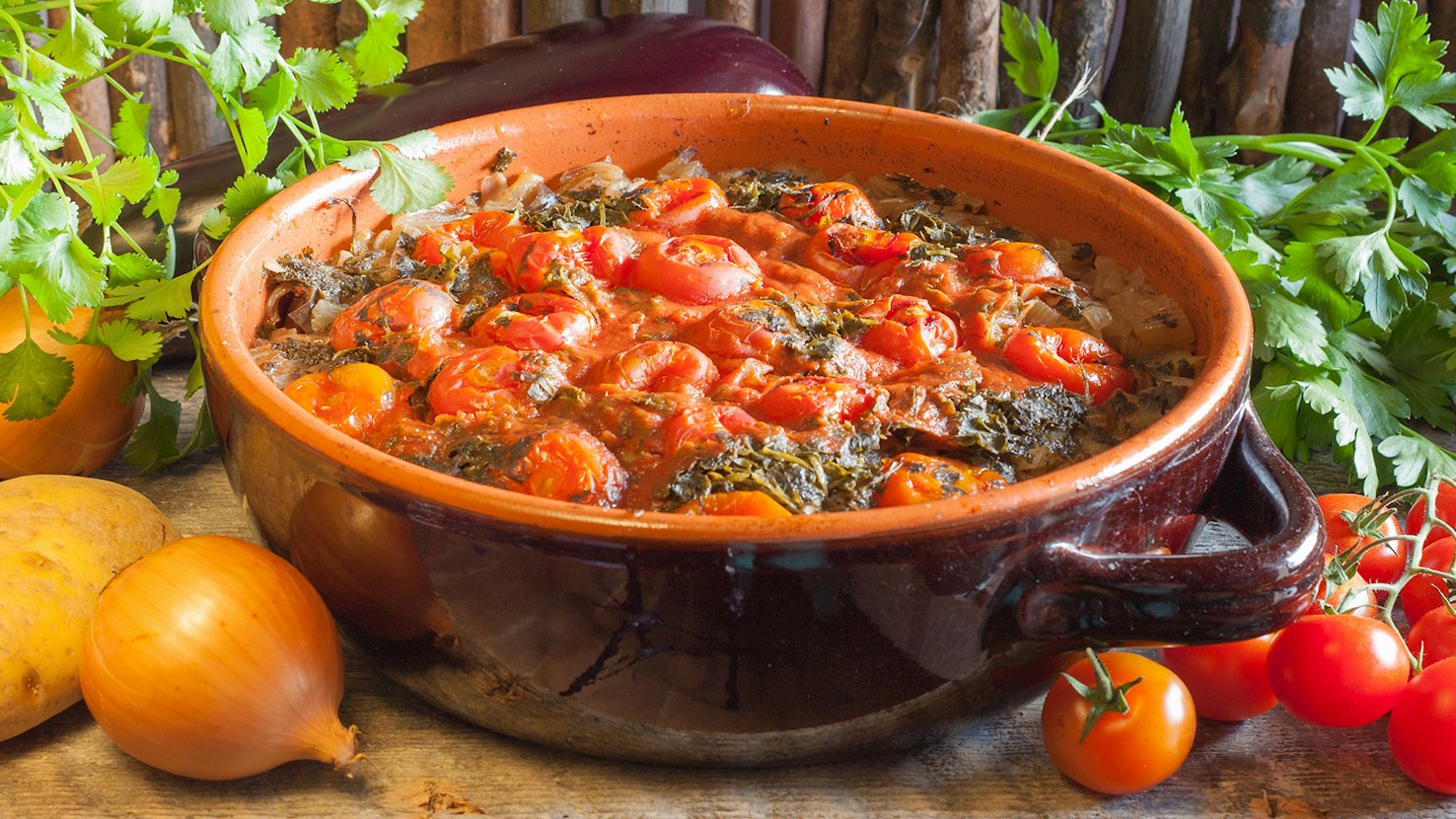
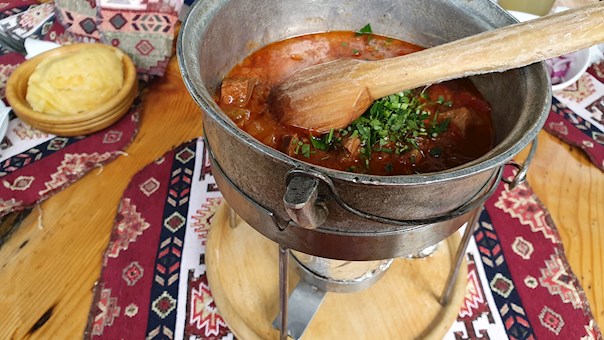
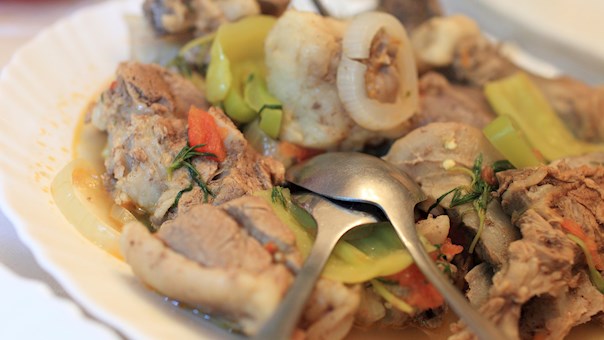
Chanakhi is a hearty Georgian stew made with lamb, eggplant, sweet peppers, and tomatoes. The stew is typically flavored and seasoned with coriander, basil, pepper, and salt. This flavorful dish is traditionally served in individual clay pots, called chanakhi, hence the name. It is believed that chanakhi tastes even better if reheated the next day, when all of the flavors have been thoroughly combined.
TasteAtlas food rankings are based on the ratings of the TasteAtlas audience, with a series of mechanisms that recognize real users and that ignore bot,
nationalist or local patriotic ratings, and give additional value to the ratings of users that the system recognizes as knowledgeable.
For the “Top 64 European Lamb Dishes” list until June 15, 2026, 3,956 ratings were recorded, of which 1,969 were recognized by the system as legitimate.
TasteAtlas Rankings should not be seen as the final global conclusion about food. Their purpose is to promote excellent local foods,
instill pride in traditional dishes, and arouse curiosity about dishes you haven’t tried.