


shutterstock

Top 5 Central European Lambs

Last updated on June 24, 2026
01

Paška janjetina

4.2 ·

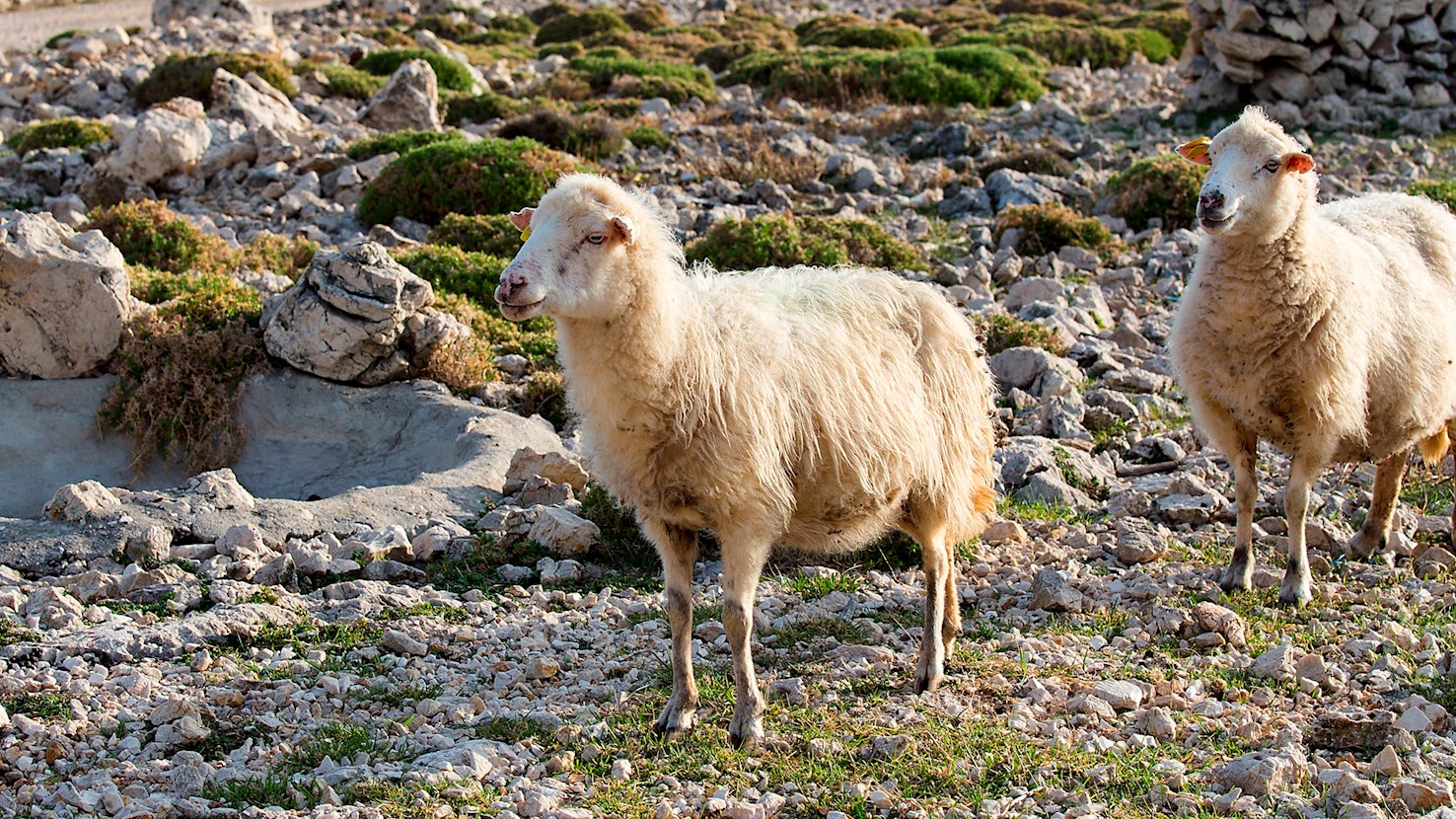
Paška janjetina is the meat of local lambs historically bred and pastured on the island of Pag. These lambs must weigh from 4 to 10 kilograms at the time of slaughter and they must not be more than 45 days old. The lambs are slaughtered mostly between January and March while they are still milk-fed. This meat is exceptionally tender and juicy with a very mellow taste. Flavorful wild herbs, such as rosemary and sage, that grow on the island give this meat a distinctive flavor and character. Lamb from Pag is one of the most famous Croatian dishes and is traditionally grilled or roasted, served with a side of potatoes.

02

Lička janjetina

4.0 ·

Lička janjetina is fresh meat originating from the region of Lika in Croatia. The meat is obtained from lambs of the Lika Curly (lička pramenka) breed, and they are fed sheep's milk, cereals, and meadow hay. During the summer, they are put out in open pastures. The lambs need to be between 90 and 160 days old, with a weight from 22 to 36 kg. Once slaughtered, the carcass ranges from 12 to 18 kg. The meat is bright or intense red in color, with a delicate structure of muscles and firm fat, which is yellowish-white in color. The aroma is that of mutton, yet not too overpowering. It should be noted that this meat is only consumed in cooked form. Lička janjetina is sold as a whole carcass or half-carcass, with the head, kidneys, and kidney tallow intact. It is easily identified by an oval-shaped mark on the shoulders, haunches, or ribs of the carcass, with the words 'lička janjetina' inscribed on the mark, along with the slaughterhouse mark in between those two words. The reputation of this aromatic lamb meat has been known since 1998, when an event known as Autumn in Lika was founded. At the event, visitors are introduced to the folk-songs and dances of the region, while the meat is typically spit-roasted or used in a traditional sour stew.

03

Jagnięcina podhalańska

3.6 ·

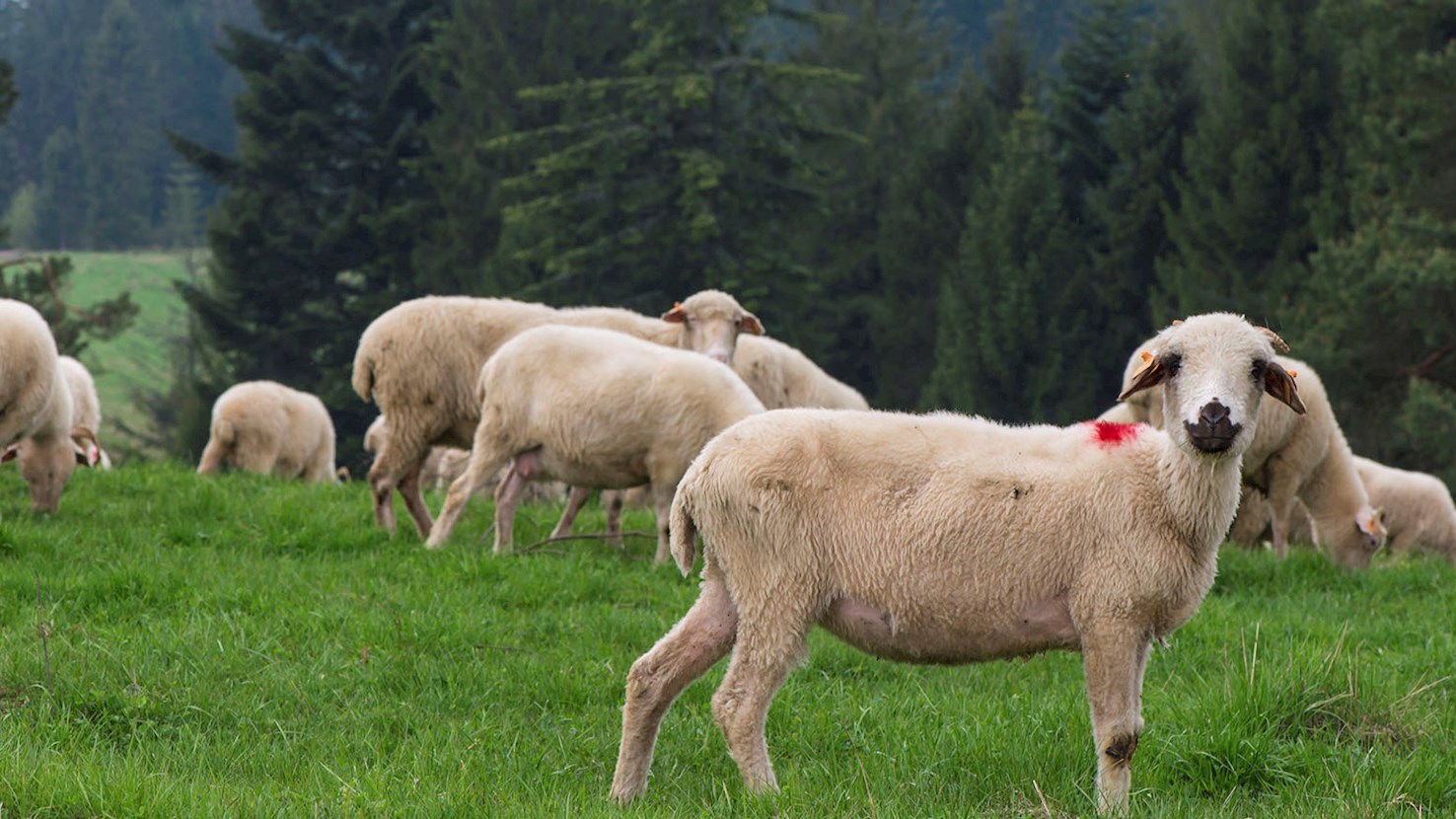
Jagnięcina podhalańska is lamb aged less than 60 days, from the breeds Polish mountain sheep, colored mountain sheep and Podhale zackels. When slaughtered, the final weight of the carcases must be between 4 and 8 kilograms. The uniqueness of the meat is visible in the light pink color and the is soft, elastic and pliable texture. Its flavor is delicate and succulent and it holds an aroma similar to that of venison. The young animals feed on their mother's milk and on green fodder, hay and hay silage, resulting in minimal fat content in the meat. They are born and reared in Silesia and Lesser Poland provinces in Poland. The meat is highly prized by the locals and by consumers abroad who are ready to pay 10-20% higher prices to enjoy this succulent, tasty meat in roasts and stews, paired with vegetables or potatoes.

04

Dalmatinska janjetina (Dalmatian lamb)

n/a ·

Dalmatinska janjetina is the meat of autochthonous local lambs of dalmatinska pramenka breed, historically bred and pastured in Croatian Dalmatia, in Zadar County and Lika-Senj County. These lambs must weigh from 15 to 28 kilograms at the time of slaughter and must be between 70 and 130 days old. The sheep are kept outside for most of the year, grazing on karst pastures. This inhospitable terrain is full of wild herbs, such as sage, heather, immortelle, thyme, yarrow, and a number of endemic species, which are responsible for the meat's distinctive flavor and character. The meat is exceptionally lean and tender, characterized by a lower proportion of fat compared to another well-known Croatian lamb, paška janjetina. It is traditionally grilled or roasted, served with a side of potatoes and vegetables, and paired with local red wine. In 2023, dalmatinska janjetina received a Protected Designation of Origin (PDO) issued by the European Union, thus recognizing it as a product that has been produced, processed, and developed in a specific geographical area.

05

Creska janjetina (Cres lamb)

n/a ·

Creska janjetina is high-quality lamb meat from a sheep breed called Cres sheep, native to the island of Cres. This breed has been raised on the island for centuries, and it is nowadays reared primarily for the production of lamb. Regarded as one of the finest lamb types in Croatia, Cres lamb is the result of a traditional free-roaming method of breeding coupled with the lambs' diet, consisting of ewe’s milk and nutrient-rich aromatic herbs which grow across the island. The meat is highly appreciated for its leanness and unique flavors, aroma, and texture. It's also considered an excellent source of protein, vitamins, minerals, and healthy fatty acids. Both the meat and the animal’s innards are consumed extensively, and they can be prepared in various ways - baked in a bread oven (al forno) or under a peka (a metal, bell-shaped lid), spit-roasted, grilled (usually accompanied by polenta), or breaded. Other popular ways to savor this delicacy include lamb chops, lamb goulash, lamb stew with gnocchi (janjeći žgvacet), and lamb umido in wine sauce with local aromatic herbs. Cres lamb specialties can be enjoyed during the Days of Cres Lamb and Olive Oil (Dani creske janjetine i maslinovog ulja), an annual gastronomic event organized on the island of Cres, usually between April 26th and May 1st.

Read more
View all
View map
About this ranking

TasteAtlas food rankings are based on the ratings of the TasteAtlas audience, with a series of mechanisms that recognize real users and that ignore bot, nationalist or local patriotic ratings, and give additional value to the ratings of users that the system recognizes as knowledgeable. For the “Top 5 Central European Lambs” list until June 24, 2026, 71 ratings were recorded, of which 37 were recognized by the system as legitimate. TasteAtlas Rankings should not be seen as the final global conclusion about food. Their purpose is to promote excellent local foods, instill pride in traditional dishes, and arouse curiosity about dishes you haven’t tried.

Similar lists