

shutterstock

Top 3 Italian Lambs

Last updated on June 01, 2026
01

Agnello del Centro Italia

n/a ·

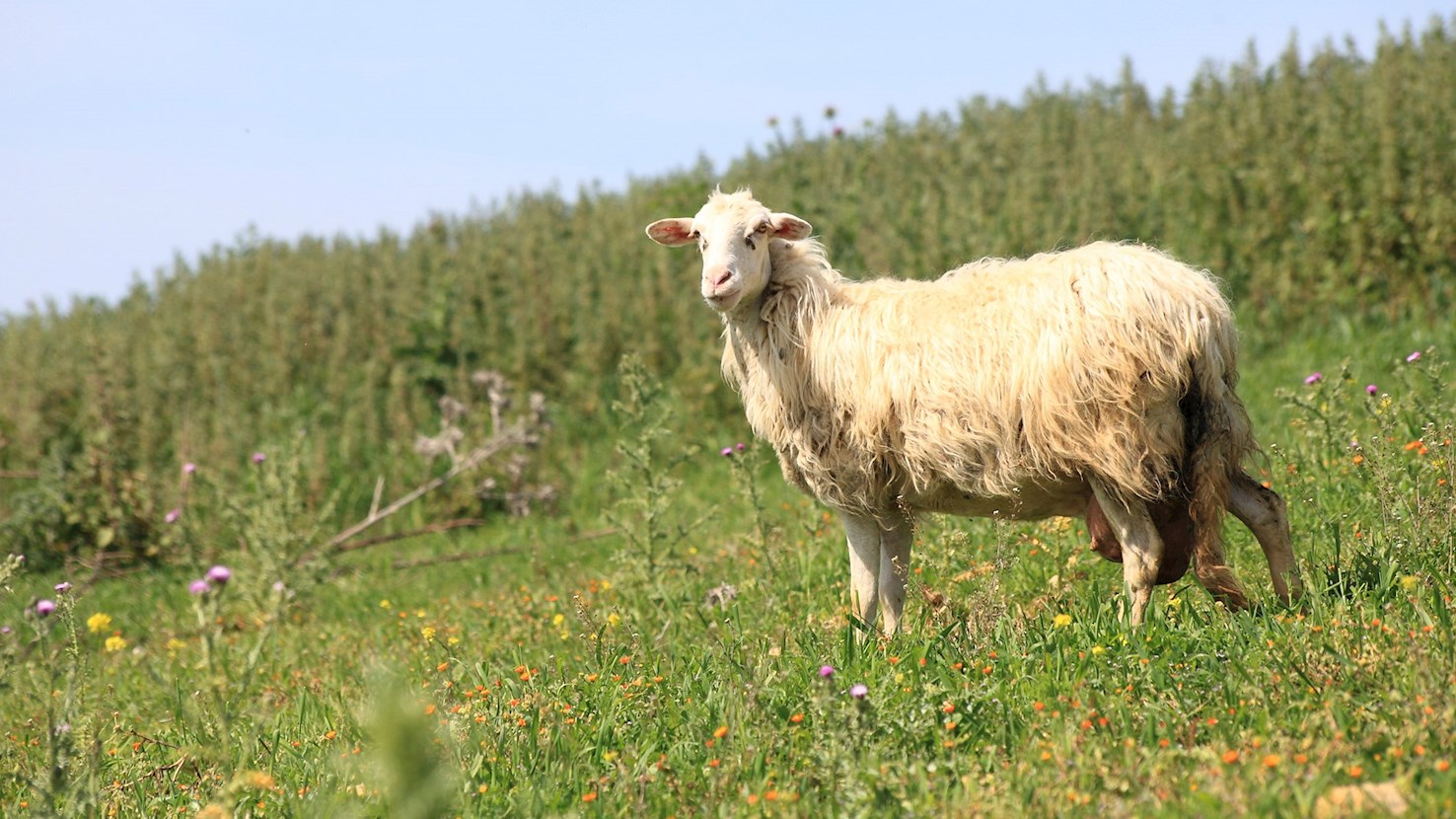
Central Italian lambs come from the local Apennine sheep breeds, historically present in this area. Thanks to a special genetic heritage, the meat quality of these lambs is much higher compared to other breeds of the same age. The animals are born and raised in the regions of Abruzzo, Lazio, Marche, Tuscany, Umbria, and the hills and mountains of Emilia-Romagna. Lambs of Central Italy are breastfed, then weaned and further food consists of locally grown hay, fodder and wild plants, with small additions of grains when needed. The animals are slaughtered about 50 to 130 days after birth. Agnello del Centro Italia is highly prized by breeders because of its high carcass yield and rapid weight gain.

02

Agnello di Sardegna

n/a ·

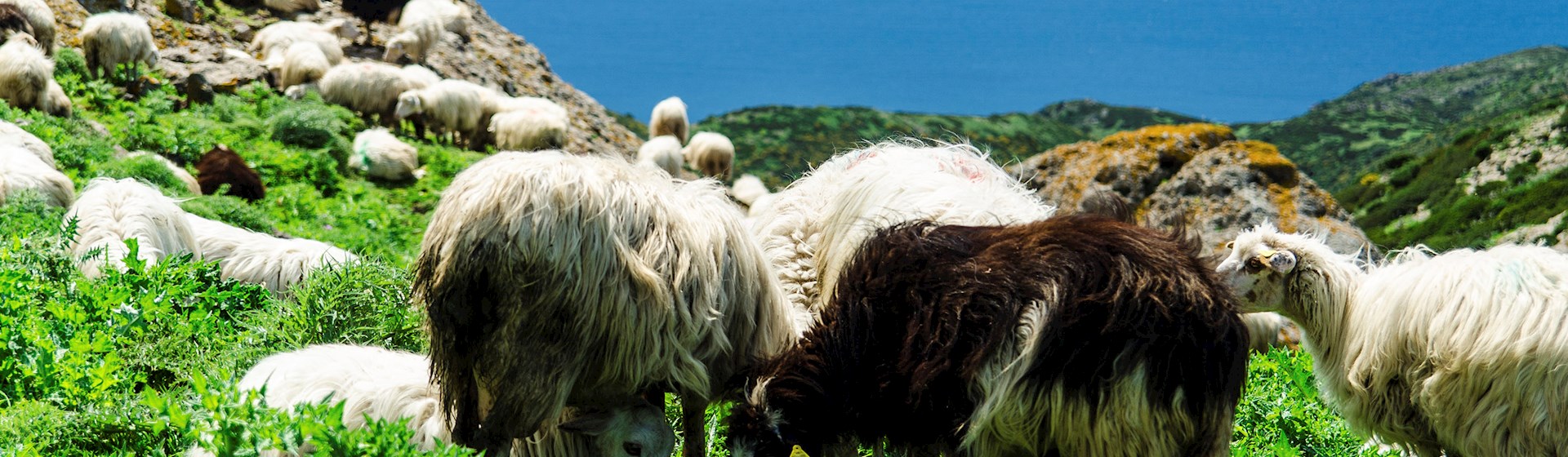
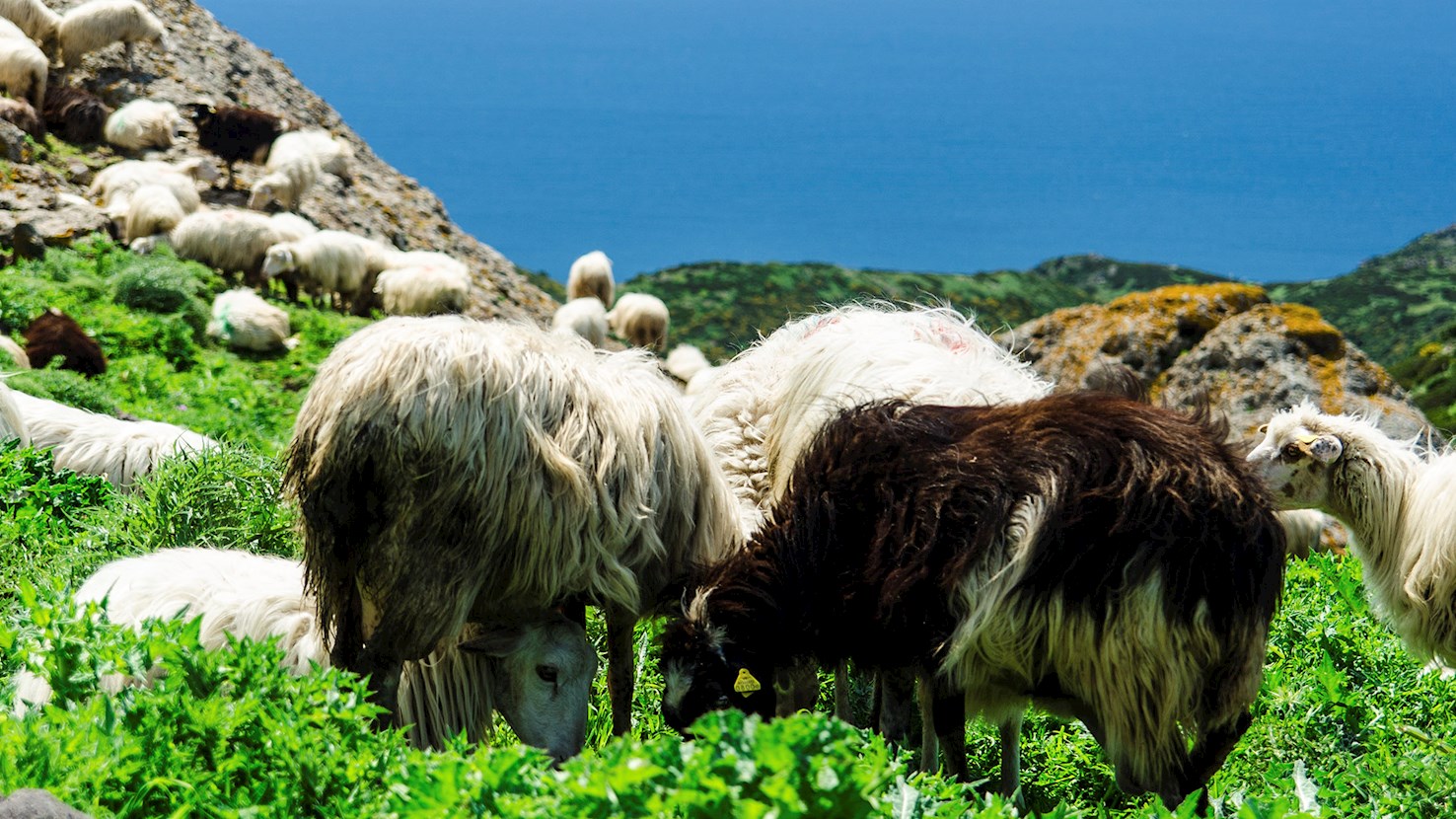
What speaks volumes about the ancient tradition of sheep breeding in Sardinia are the archaeological findings of lamb bones and cheesemaking tools which date back to the Nuragic civilization who lived on the island during the Bronze Age, circa 3000 years BCE. Agnello di Sardegna is pastured in the wild, in a completely natural environment, except in winter time when the animals may be kept in stables during the night. Depending on their age and weight, the lambs are slaughtered and sold fresh, whole or portioned, in three varieties: da Latte (5-7kg), Leggero (7-10kg) and da Taglio (10-13kg). The meat of Agnello di Sardegna is tender, succulent and has a delicate aroma typical of young fresh lamb. In Sardinia, lamb meat is traditionally prepared with the Carciofo Spinoso di Sardegna, a local variety of artichokes.

03

Abbacchio Romano

n/a ·

The name of Abbacchio Romano refers to male or female lambs of the following sheep breeds: Sarda, Comisana, Sopravissana, Massese Merinizzata Italiana and their crossbreeds, all born and bred within the Lazio region, namely the province of Rome. The lambs are pastured in the wild or semi-wild and must be fed with breast milk which may be supplemented with natural foods or wild plants. Considered a specialty of traditional Roman cuisine, Abbacchio lamb can be prepared in many different dishes. The animals are slaughtered at a maximum age of 40 days, when the meat is firm in texture yet very tender, lightly marbled with fat and when it has a particularly delicate taste. In Lazio, the season of Abbacchio Romano begins in the fall and ends in spring, when lamb meat is traditionally served during Easter festivities.

Read more
View all
View map
About this ranking

TasteAtlas food rankings are based on the ratings of the TasteAtlas audience, with a series of mechanisms that recognize real users and that ignore bot, nationalist or local patriotic ratings, and give additional value to the ratings of users that the system recognizes as knowledgeable. For the “Top 3 Italian Lambs” list until June 01, 2026, 22 ratings were recorded, of which 11 were recognized by the system as legitimate. TasteAtlas Rankings should not be seen as the final global conclusion about food. Their purpose is to promote excellent local foods, instill pride in traditional dishes, and arouse curiosity about dishes you haven’t tried.

Similar lists