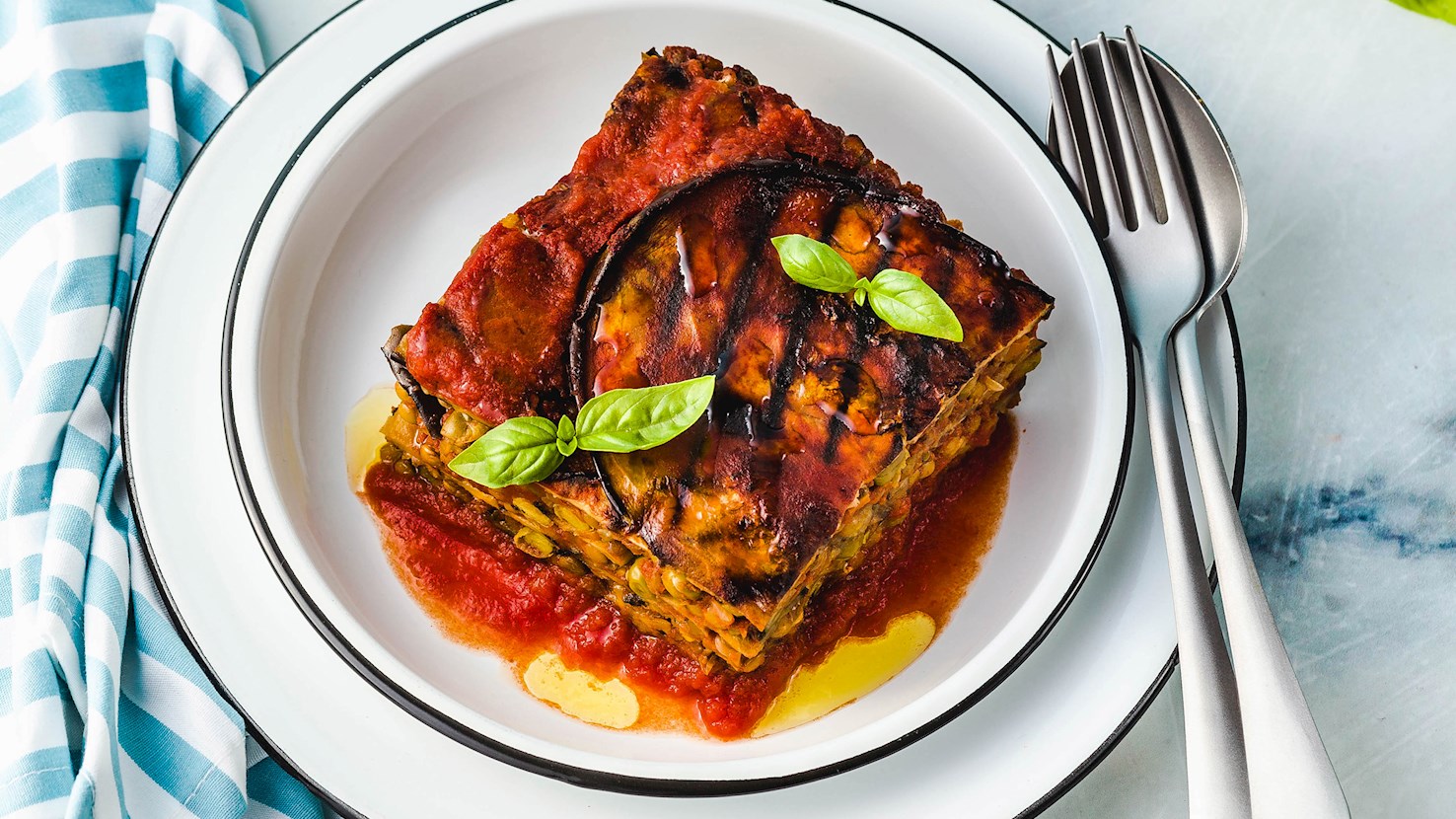
Lasagne alla parmigiana is a traditional lasagna dish originating from Emilia-Romagna. The dish is essentially a blend of two Italian classics – lasagne pasta and eggplant parmigiana. Although there are many recipes, it's usually made with a combination of lasagne sheets, eggplants, tomatoes, garlic, mozzarella, olive oil, basil, grated cheese, salt, and black pepper. The eggplants are sliced, salted, drained, and fried in oil until golden. The tomato sauce is made with tomatoes, olive oil, and garlic. It's spread on the bottom of an ovenproof dish and topped with cooked lasagna sheets, tomato sauce, eggplant slices, mozzarella, grated cheese, and basil. The process of layering is repeated, and the last layer should consist of tomato sauce and grated cheese. The dish is baked in the oven until golden and bubbling, and lasagne alla parmigiana are then ready to be enjoyed. It's recommended to pair the dish with crisp and fruity white wines such as Greco di Tufo.
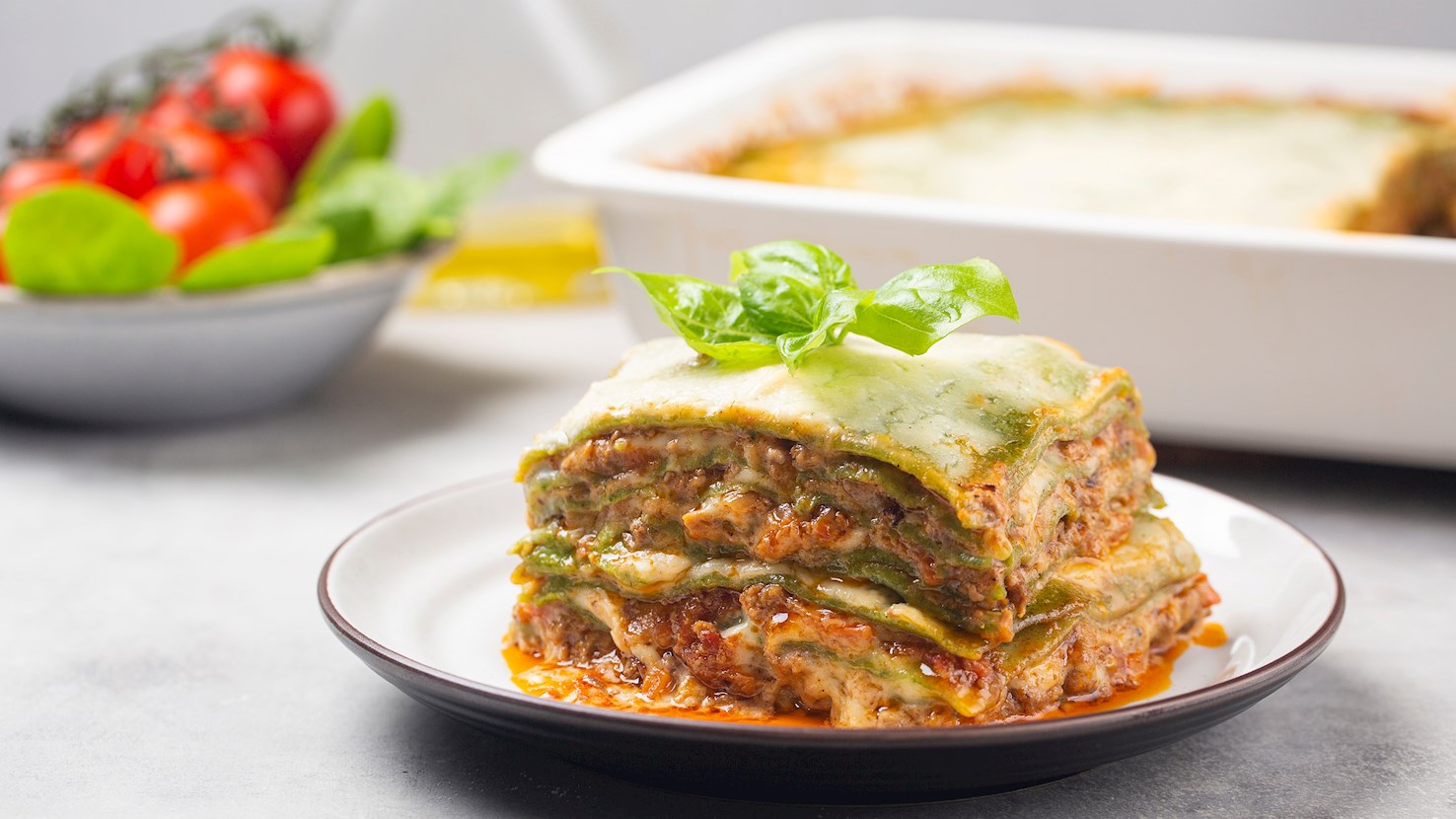
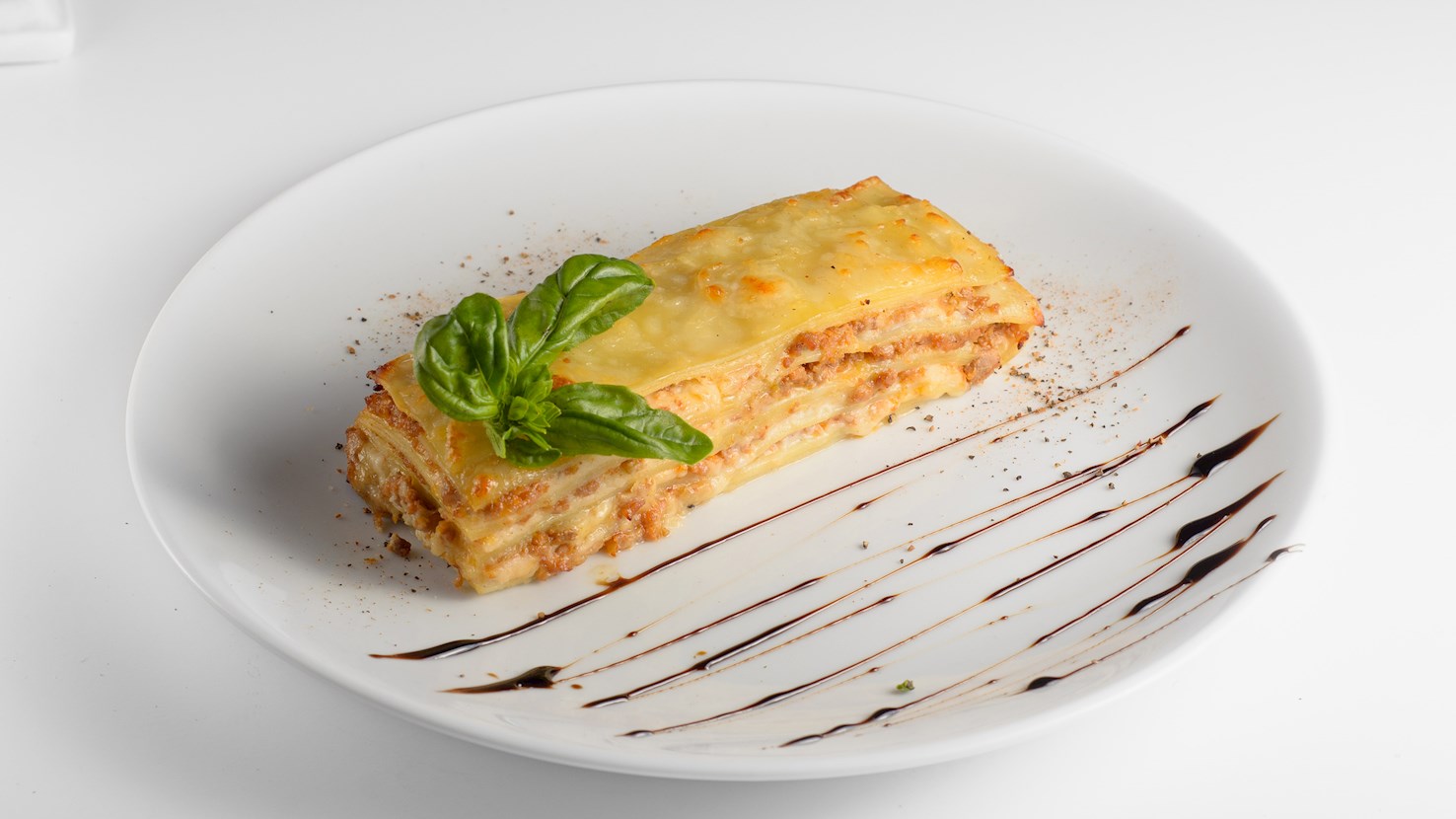
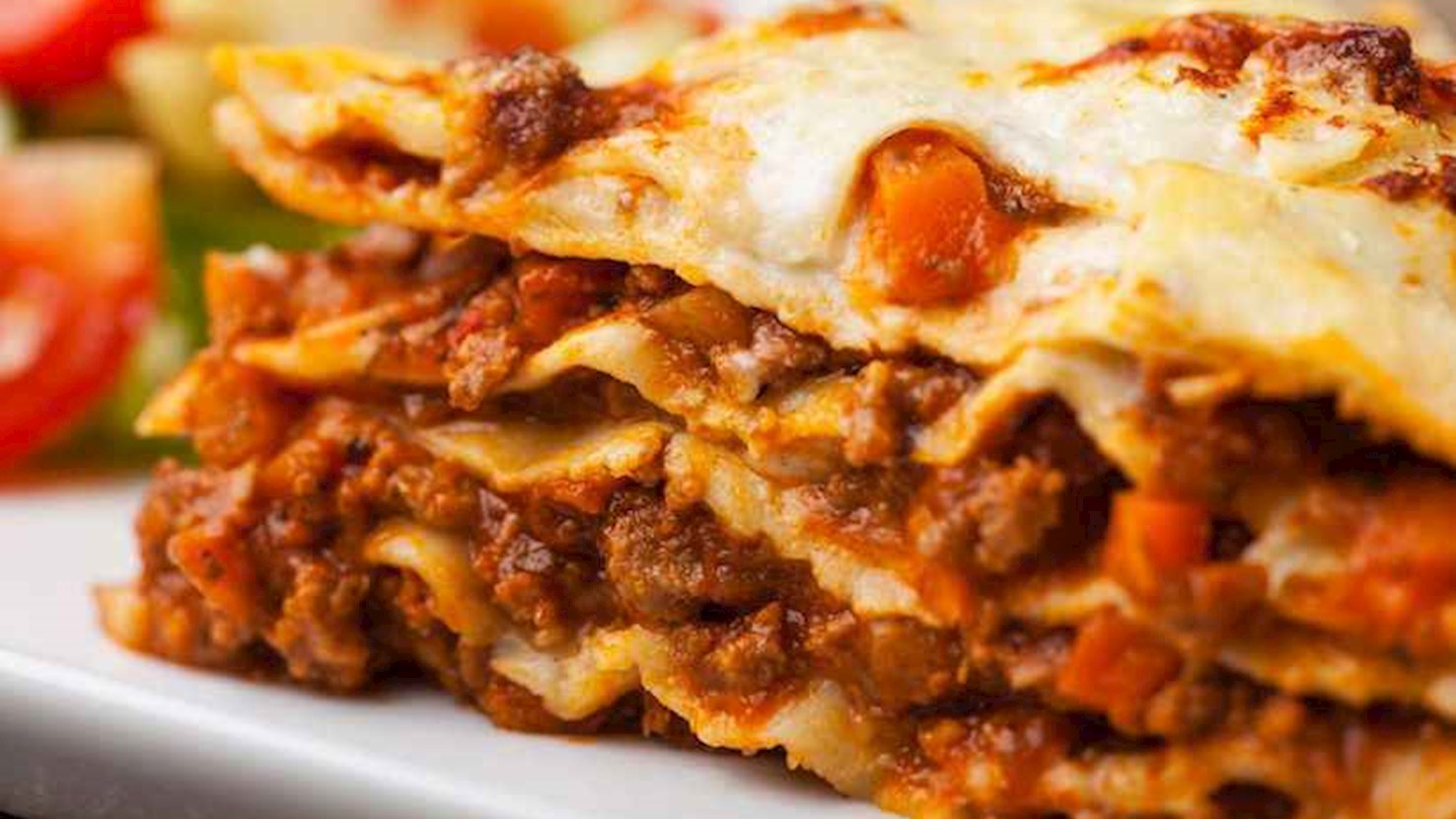
This rich and filling piatto unico (lit. single plate; one-dish meal) is traditionally made from layers of homemade, typically spinach-flavored fresh egg lasagna pasta that is topped with béchamel sauce and a rich meat sauce called ragù alla Bolognese. Lastly, lasagne alla Bolognese is generously sprinkled with the Emilian king of cheeses, Parmigiano-Reggiano, and baked until tender on the inside with a perfectly crisp, browned top. This oven-baked classic is a typical dish of the Emilia-Romagna region, and of the city of Bologna specifically. However, it has become so popular over time that it now enjoys a position as a worldwide symbol of Italian cuisine. Unfortunately, as is often the case with timeless dishes, changes to the original recipe or the substitution of lower-quality ingredients cause many renditions of lasagne alla Bolognese that fail to live up to the splendor of the original. Interestingly enough, in many bolognese households, there is a special deep oven casserole with handles called ruola, made of aluminum and used for baking lasagne alla bolognese.
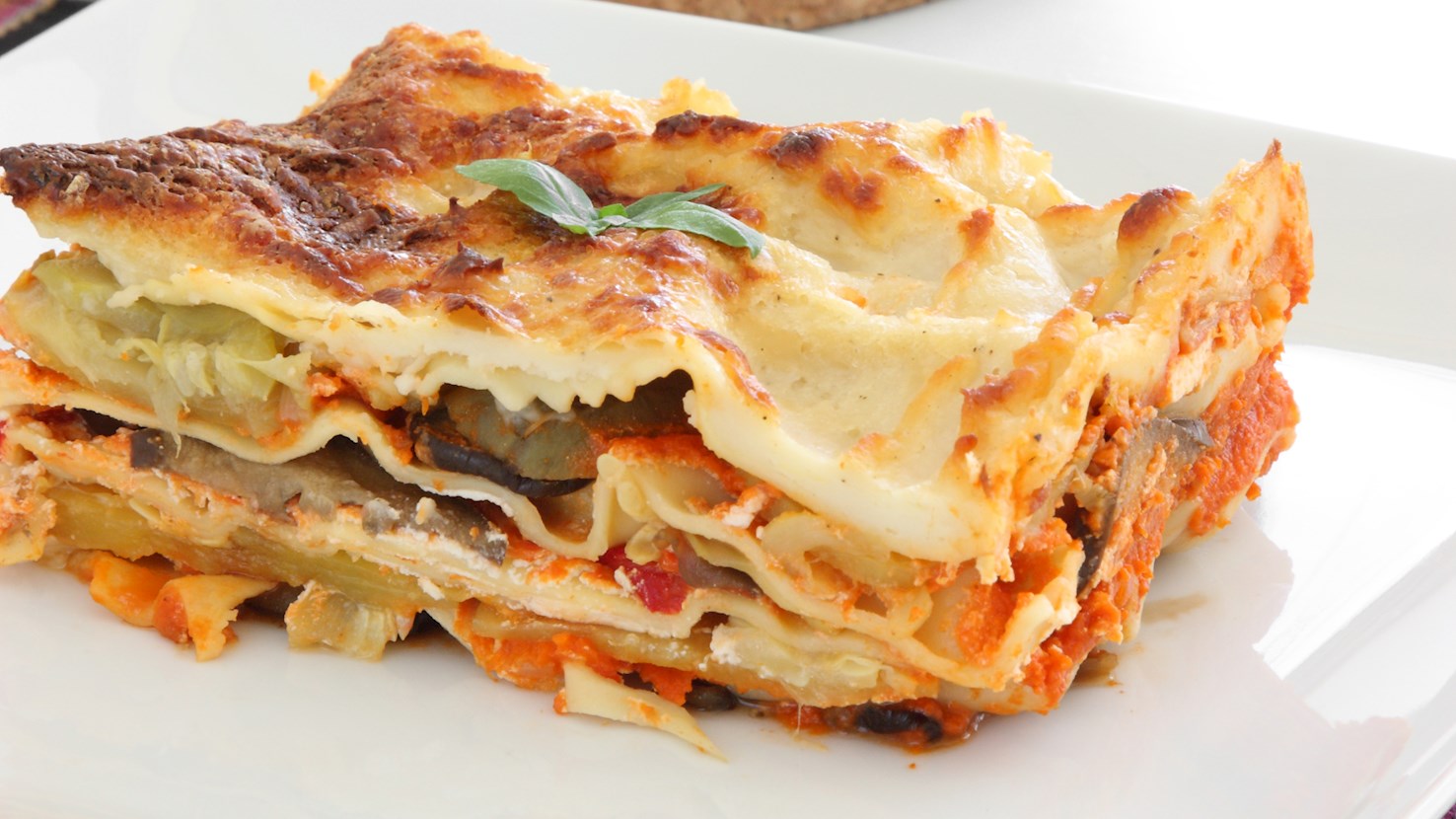
Lasagne con melanzane e ricotta is a traditional lasagna dish originating from Italy. The dish is usually made with a combination of lasagne pasta, eggplants, butter, pine nuts, ricotta, tomato paste, basil, olive oil, salt, and grated Parmigiano-Reggiano. The eggplants are cut into slices, salted, drained, and broiled until tender. An ovenproof dish is greased with butter and layered with cooked lasagne sheets, eggplant slices, pine nuts, ricotta, tomato paste, and basil. The mixture is drizzled with olive oil and the process of layering is repeated. The final layer is sprinkled with grated cheese and the dish is baked in the oven until golden and bubbling.
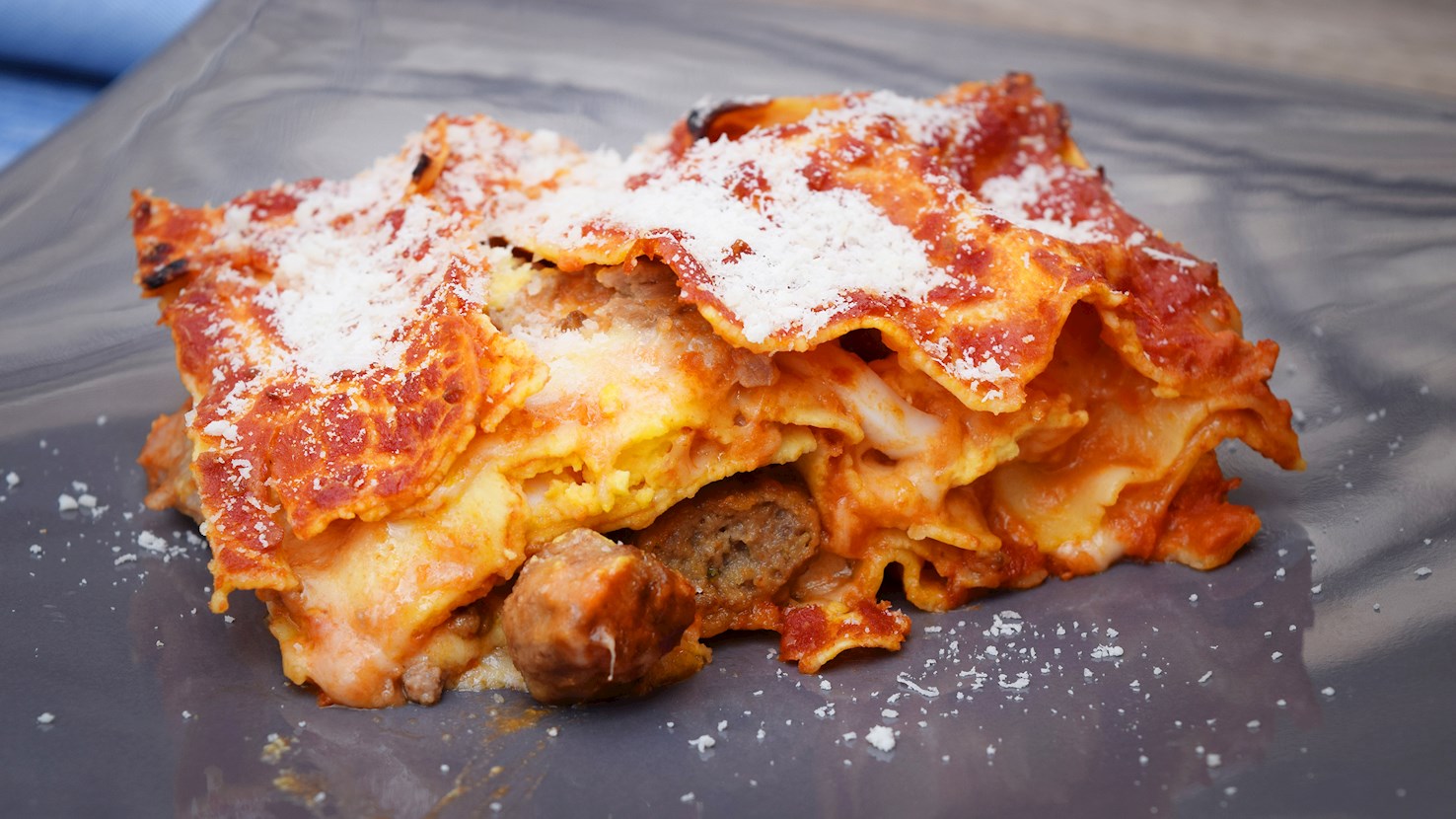
Lasagne di Carnevale is a traditional lasagna dish originating from Naples, usually prepared during the Carnival season (especially on Fat Tuesday). Created sometime in the early 18th century, it is especially hearty and rich, symbolizing abundance that the common folks in those days could afford only during a very short period of the year. It was the season of celebration deeply rooted in pagan traditions, and every family honored it with such a gluttonous feast. Although there is more than one traditional recipe, the dish is usually made with a combination of lasagne pasta, ragu Napoletano juices (not the meat!), olive oil, salsiccia sausage, white wine, meatballs, grated Parmigiano-Reggiano, ricotta, mozzarella, eggs, herbs, and spices. The sausages are fried, sliced, and added to the ragu with white wine. The meatballs are made with a combination of soaked stale bread, ground pork, Parmigiano-Reggiano, eggs, parsley, salt, and pepper. Once shaped, the meatballs are browned in oil and added to the meat sauce. Some of the meat sauce juices are mixed with ricotta in order to make a thick cream. The lasagne sheets are boiled and layered in an ovenproof dish, and then topped with the meat sauce juices, ricotta, Parmigiano-Reggiano, mozzarella, meatballs, and sausage. The process is repeated, and the final layer should consist of the meat sauce and grated cheese. These carnival lasagne are baked in the oven until golden and bubbly, and the dish is then ready to be enjoyed. If desired, add pieces of hard-boiled eggs in the lasagna layers.
Lasagne al pesto e patate is a traditional dish originating from Liguria. This lasagna casserole is usually made with a combination of lasagne pasta, potatoes, pesto, butter, flour, milk, basil, grated parmesan, salt, and pepper. The potatoes are boiled until just tender, drained, cooled, and sliced thinly. A mixture of flour, butter, milk, salt, and pepper is made into béchamel sauce, and it's then mixed with grated parmesan. The sauce is spread on the bottom of an ovenproof dish, topped with a layer of potatoes, a layer of sauce again, and it's then dotted with the remaining pesto and lasagne sheets. The process is repeated, and the final layer should be the sauce. Lasagne al pesto e patate are baked until golden and bubbling. The dish is served hot and it's often sprinkled with basil.
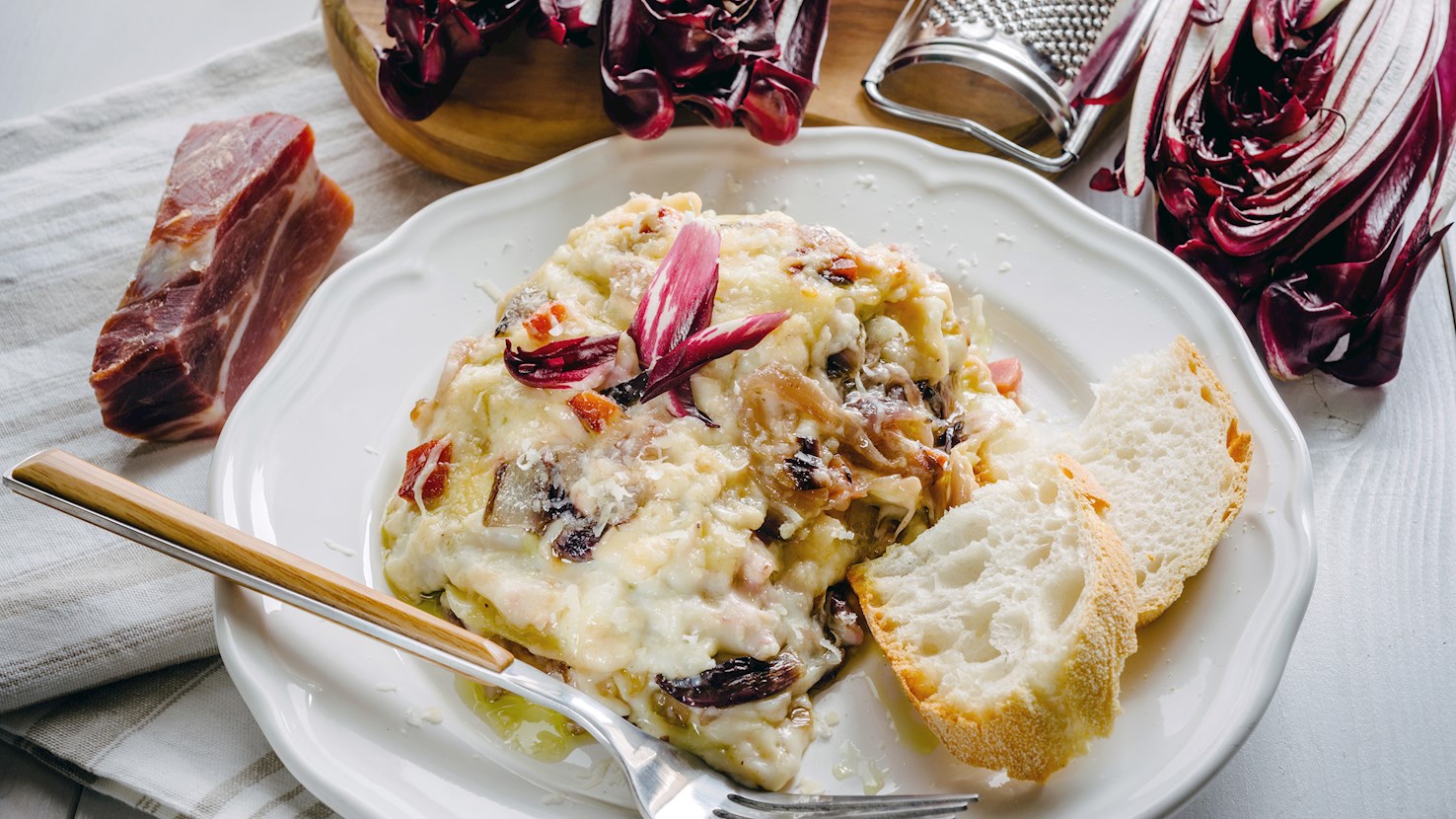
Lasagne radicchio e salsiccia is a traditional lasagna variety that's especially popular in Treviso. This strong-flavored lasagna is usually made with a combination of red radicchio from Treviso, lasagna pasta sheets, salsiccia sausage, garlic, scamorza cheese, olive oil, and béchamel sauce (flour, butter, nutmeg, milk, salt, and black pepper). The radicchio and the sausage are sautéed in olive oil with a clove of garlic, and the lasagna is made by alternating layers of pasta, scamorza cheese, radicchio and sausage mixture, and béchamel sauce. The casserole is baked until golden brown and bubbly, and it's then served immediately.
Lasagne al radicchio is a traditional variety of lasagne made with radicchio as the key ingredient. This type of lasagna is associated with northeastern Italy, and radicchio di Treviso, with its long shape, is the most common type of radicchio used in this lasagna variety. In Veneto, the dish is also called pasticcio di radicchio. There are many variations on radicchio lasagne – besides the crucial ingredients to make the dish such as lasagna sheets, béchamel sauce, salt, pepper, and often some garlic and parmesan, there are varieties made with the addition of salsiccia sausage, walnuts, speck, and cheeses such as Piave, Gorgonzola, Scamorza, and Fontina. Once assembled, radicchio lasagne are baked in the oven until golden and bubbling, and the dish is then ready to be enjoyed.
Lasagne alla ferrarese is a traditional lasagna dish originating from Ferrara. This complex version of lasagna consists of three main parts – pasta, ragu, and white sauce. The lasagna sheets are usually made with a combination of spinach, flour, semolina, eggs, and olive oil. The meat sauce is made with a combination of pancetta, pork loin, beefsteak, prosciutto crudo, onions, carrots, celery, tomato paste, beef stock, red wine, chicken livers, peas, heavy cream, salt, and pepper. The white sauce (béchamel) is made with butter, flour, milk, salt, and nutmeg. The lasagna sheets are cooked and placed over béchamel in a large ovenproof dish. The pasta is topped with the meat sauce and grated parmesan, and the process of layering is repeated so that the top layer is béchamel and grated cheese. The lasagne are baked in the oven until golden and bubbling, and the casserole is ready to be enjoyed. Lasagne alla ferrarese are typically saved for special occasions.
Vinciscgrassi is a traditional pasta dish originating from Marche. This multi-layered baked lasagna dish doesn't have a definitive recipe since every cook and local kitchen makes their own personal version. However, apart from the sheets of lasagne pasta, most vincisgrassi versions include béchamel sauce and a ragù that contains pancetta, prosciutto crudo, onions, garlic, celery, carrots, white wine, tomato purée, and chicken giblets. There are also versions with added ground meat, brains, sweetbreads, and chicken livers. Once assembled and sprinkled with grated Parmigiano-Reggiano, vincisgrassi is slowly baked in the oven until the top becomes golden. The dish is supposedly named after the Austrian Prince Alfred zu Windisgrätz, who commanded the troops occupying Ancona in 1799.
Lasagne ai semi di papavero is a traditional lasagna dish originating from Friuli. This pasta dish can be made savory, but it's more commonly made in a sweet version. Flour, eggs, and salt are used to make the lasagne pasta that are boiled in salted water and drained. The pasta is arranged on a serving plate and it's topped with a cooked mixture of poppy seeds, butter, and sugar. The dish is served warm and it's enjoyed immediately. For the savory version, it's recommended to use poppy seeds, prosciutto crudo, leeks, butter, sometimes gorgonzola cheese, and cream. The savory version is usually topped with fresh sage leaves before serving.
TasteAtlas food rankings are based on the ratings of the TasteAtlas audience, with a series of mechanisms that recognize real users and that ignore bot,
nationalist or local patriotic ratings, and give additional value to the ratings of users that the system recognizes as knowledgeable.
For the “10 Lasagne Varieties Ranked From the Best To the Worst” list until October 17, 2026, 811,838 ratings were recorded, of which 532,919 were recognized by the system as legitimate.
TasteAtlas Rankings should not be seen as the final global conclusion about food. Their purpose is to promote excellent local foods,
instill pride in traditional dishes, and arouse curiosity about dishes you haven’t tried.







What People Say