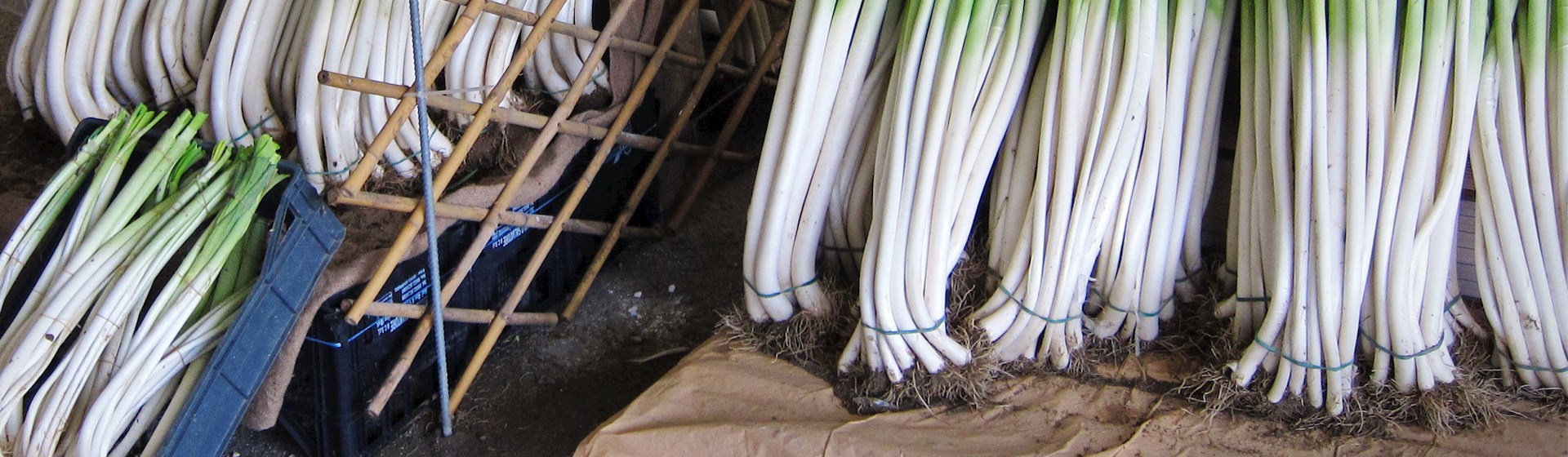
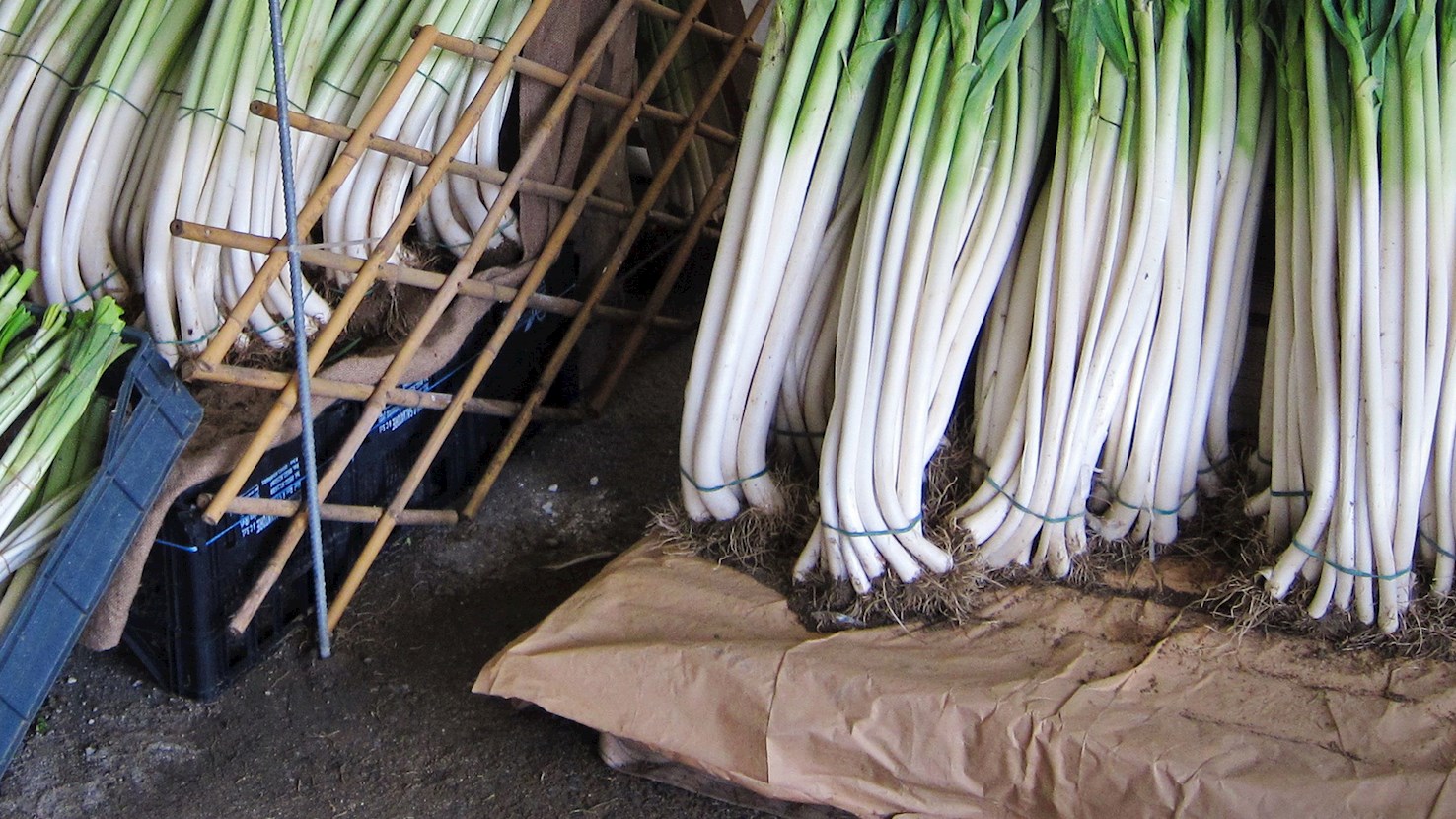
Poireaux de Créances are leeks from the Allium porum variety produced in the Manche region since the 13th century. The white parts of the leeks are very long (at least 20 cm) and tender and get their specific characteristics and refined taste due to the sandy soil on which they grow (with the addition of local seaweed). The leeks are rich in vitamins, minerals and fibre content, and their taste is slightly sweet, with walnut and hazelnut notes. They go well in quiches, cooked in stews or eaten with fresh scallops as an appetizer. When eaten raw, they can replace onions or garlic in salads.
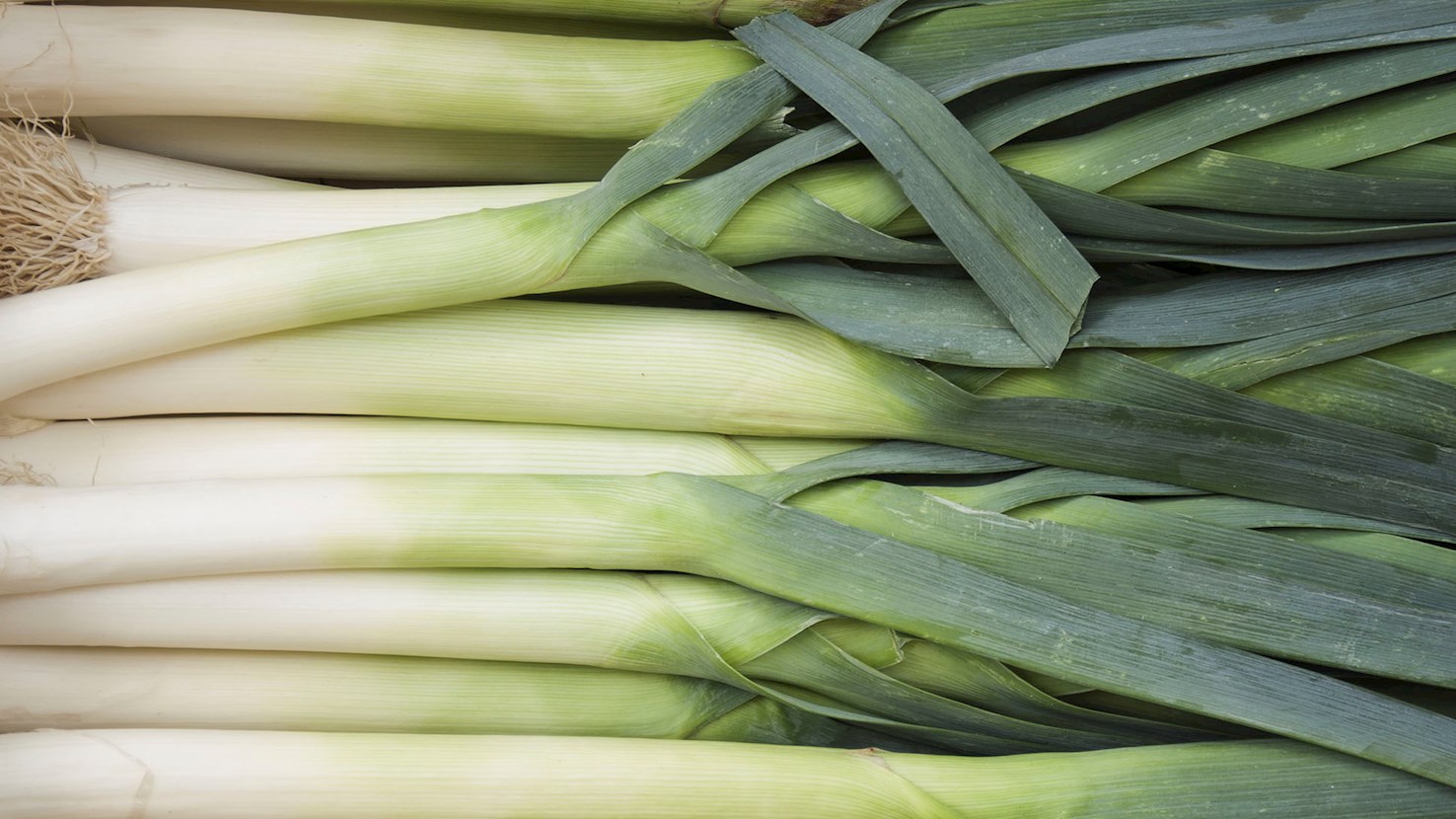
Porro di Cervere is a variety of Italian leek that has traditionally been cultivated in the municipality of Cervere, located in the province of Cuneo. The leeks are characterized by long and thin stalks with a large portion of the white edible part, which is renowned for its uniquely tender texture and a distinctively sweet and delicate flavor. Another distinguishing trait of this leek variety is its easy digestibility due to low levels of lignin and cellulose. Cervere leeks are grown from carefully selected seeds of the local porro lungo d'inverno (long winter leek) variety, following traditional methods of cultivation that rely mostly on manual labor. They owe their excellent organoleptic characteristics to the unique soil composition and the favorable microclimate of the area where they've been grown for many generations, as well as to the extensive knowledge and experience of the producers. This traditional vegetable is mainly appreciated for its white part, and it can be consumed either raw or cooked, lending its distinctive sweetness to a variety of Italian specialties such as pasta, soups, creams, quiches, flans, or omelets. Each November, the municipality of Cervere organizes an annual Fiera del Porro Cervere (Cervere Leek Fair), a gastronomic event that promotes the production and culinary potential of these delicate leeks.
Aglione di Valdichiana is a rare and unique variety of garlic that is technically a type of leek native to the Valdichiana region in Tuscany, Italy. Known for its exceptionally large size, with individual cloves often weighing 50–70 grams, it has a mild, sweet flavor and low levels of allicin, making it easy to digest and free of the strong aftertaste associated with regular garlic. The bulbs are smooth and pale, with large, easy-to-peel cloves, making them ideal for culinary use. Aglione is a key ingredient in traditional Tuscan dishes, most notably pici all'aglione, where its delicate flavor enhances a rich tomato sauce served over handmade pici pasta. Its mildness also makes it versatile for use in soups, sauces and spreads without overpowering other flavors. Cultivated using traditional farming methods in the fertile soils of Valdichiana, Aglione is a symbol of the region's agricultural heritage and is often called "the garlic of lovers" because it leaves no lingering odor. Its rarity and artisanal production have made it a cherished product, celebrated for embodying the rich culinary traditions of Tuscany.
TasteAtlas food rankings are based on the ratings of the TasteAtlas audience, with a series of mechanisms that recognize real users and that ignore bot,
nationalist or local patriotic ratings, and give additional value to the ratings of users that the system recognizes as knowledgeable.
TasteAtlas Rankings should not be seen as the final global conclusion about food. Their purpose is to promote excellent local foods,
instill pride in traditional dishes, and arouse curiosity about dishes you haven’t tried.





What People Say