shutterstock

Top 66 Legumes
in the World

Last updated on June 10, 2026

Best Legumes Types in the World
01

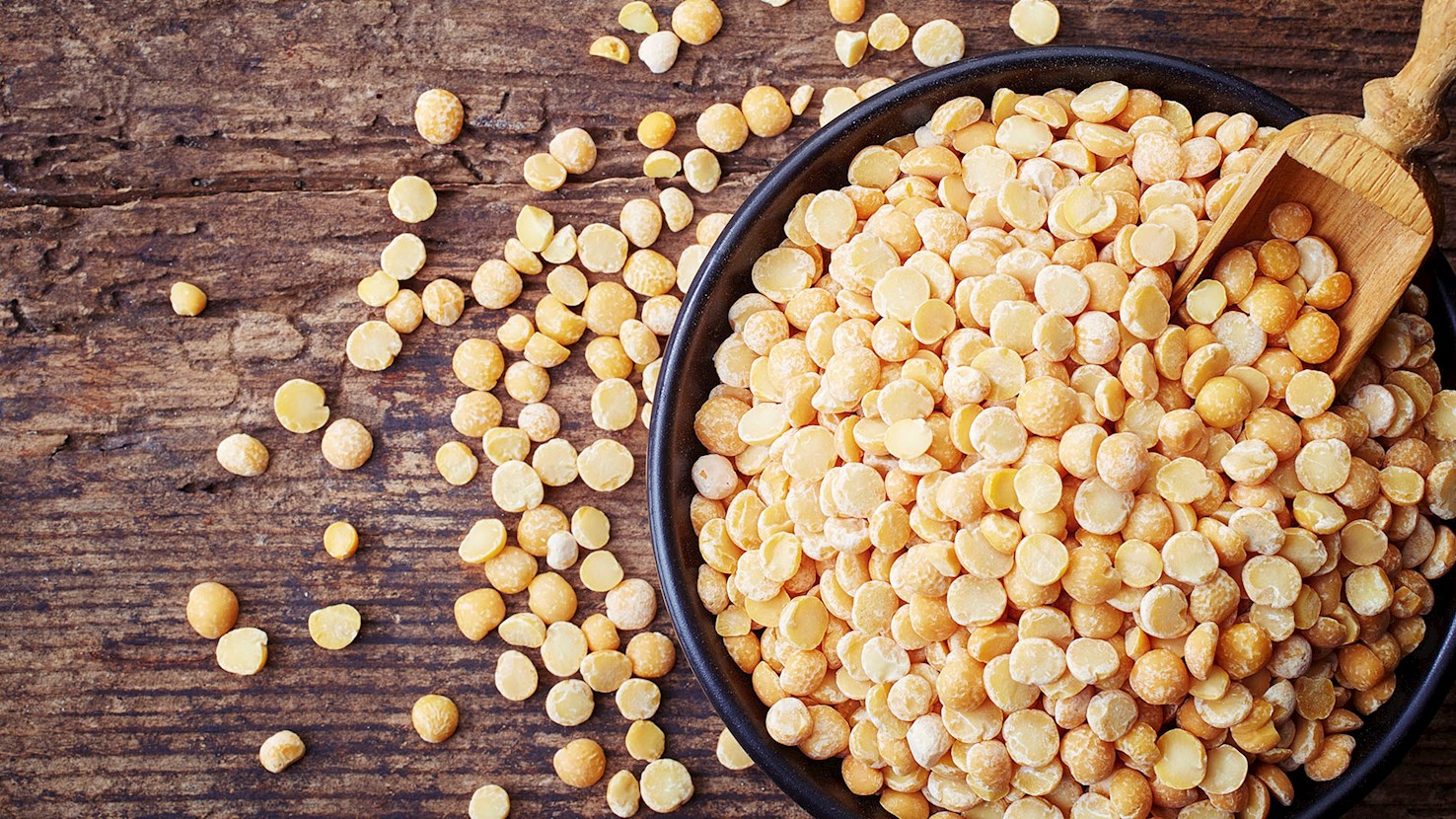
Fava Santorinis

4.6 ·

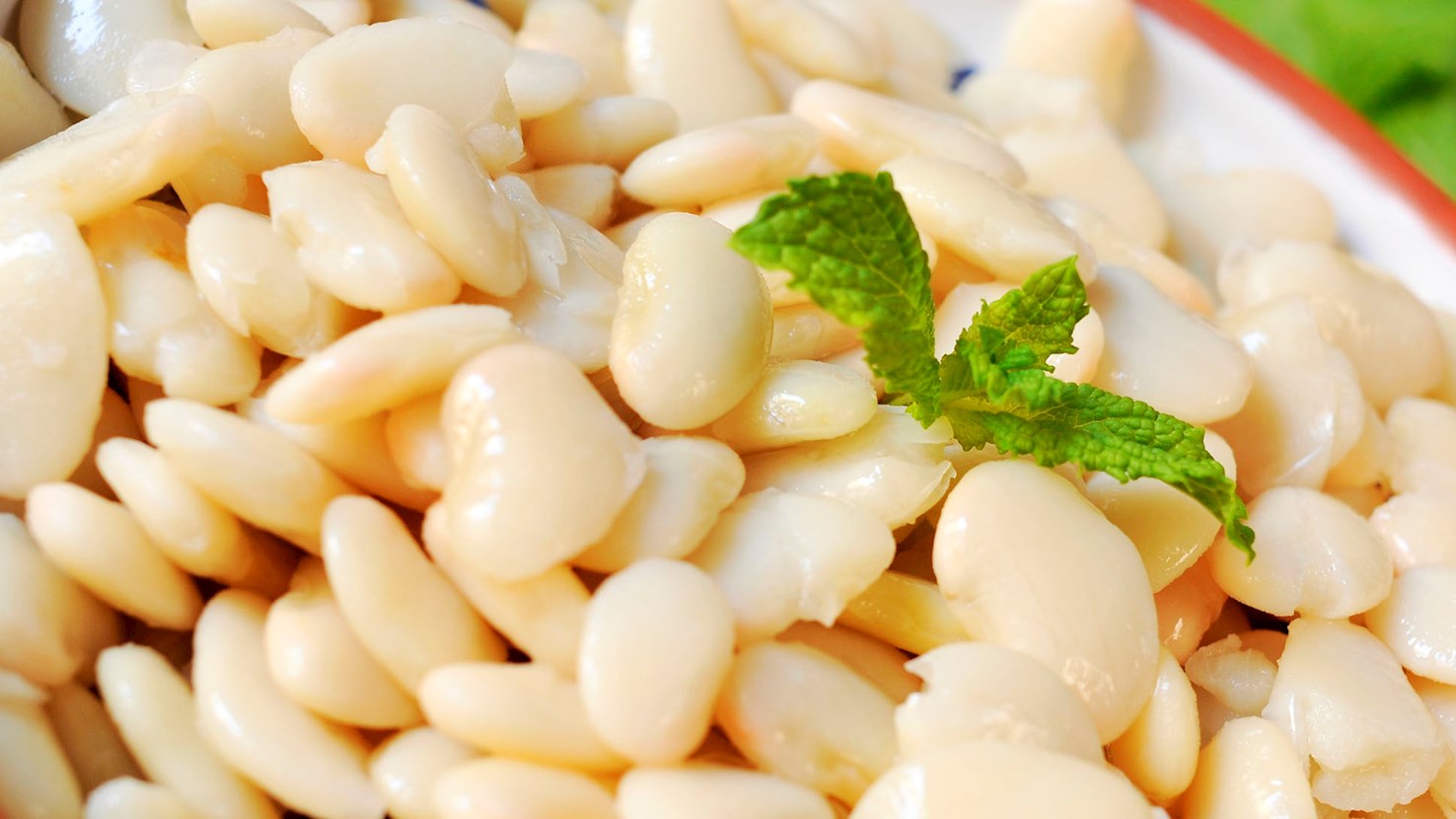
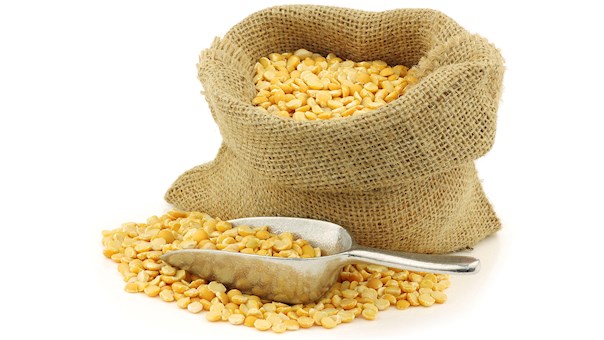
Since ancient times, the plant Lathyrus clymenum has been grown exclusively on the islands of Santorini, Thira, Thirasia, Palea Kameni, Nea Kameni, Aspro, Christiani, and Askania in Cyclades prefecture solely to produce Fava Santorinis. These islands have a very hot and dry climate and volcanic soil, which give this product its unique character. Fava Santorinis are dried, husked, and crushed embryonic leaves that are yellowish in colour and shaped like flattened discs. After the husks are removed and the seeds separated, the product is packed in order to prevent it from absorbing humidity. They have a soft, light texture and sweet taste from the sugars found in the plant tissue, and they add a special flavor to any dish. As they have a particularly high protein and carbohydrate content, a minimal amount of water is required to cook them.

02

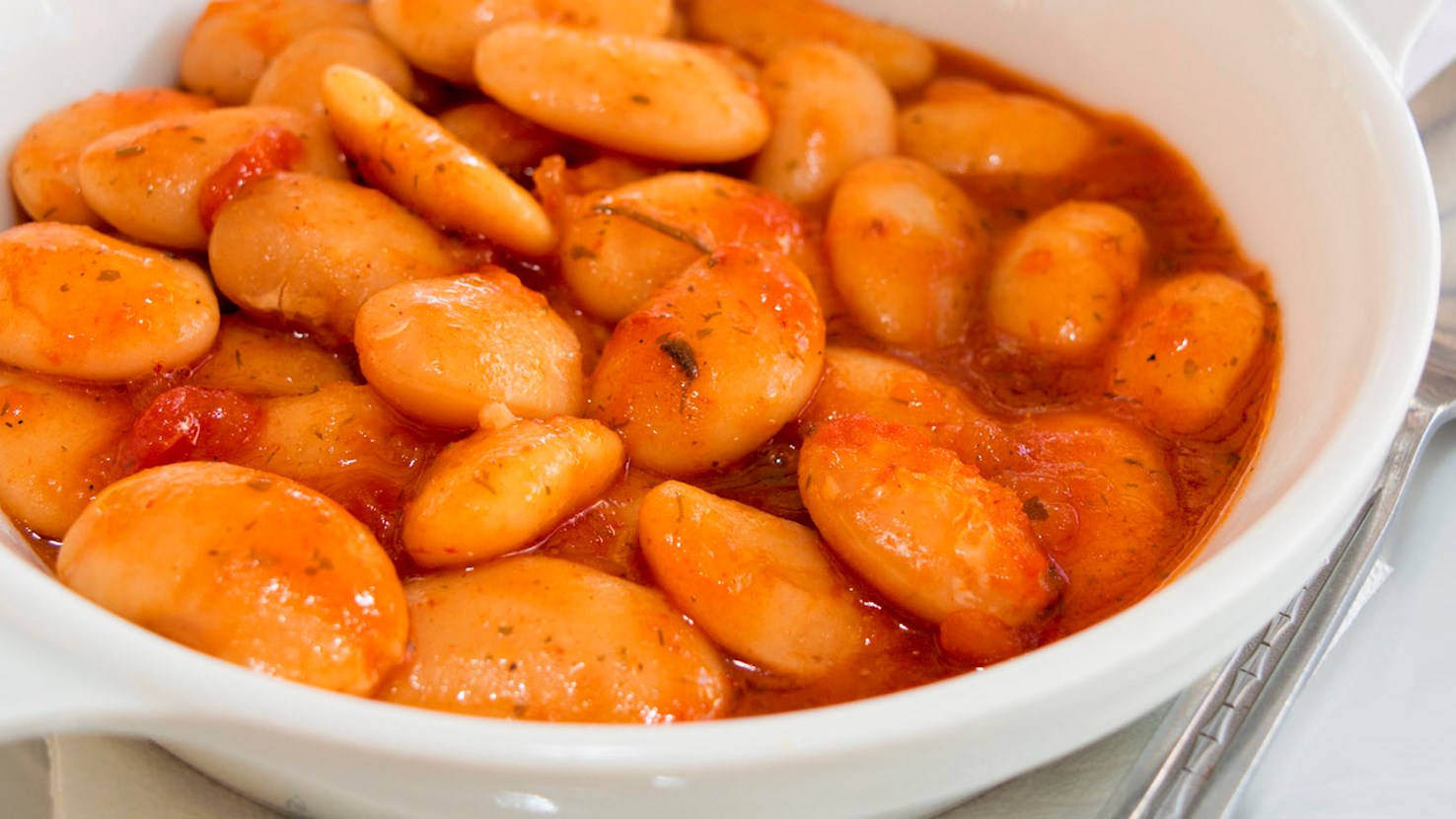
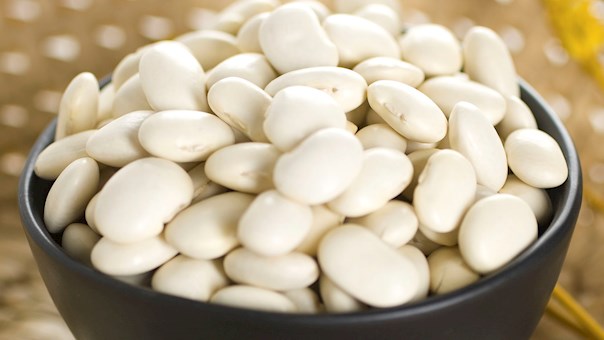
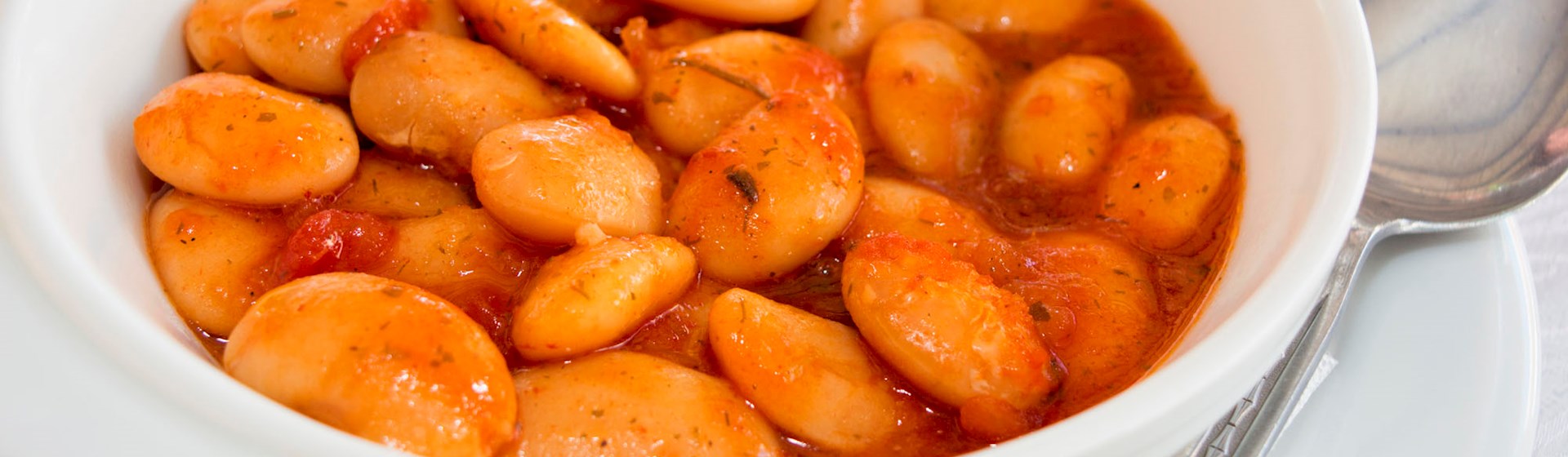
Fasolia Gigantes Elefantes Prespon Florinas

4.4 ·

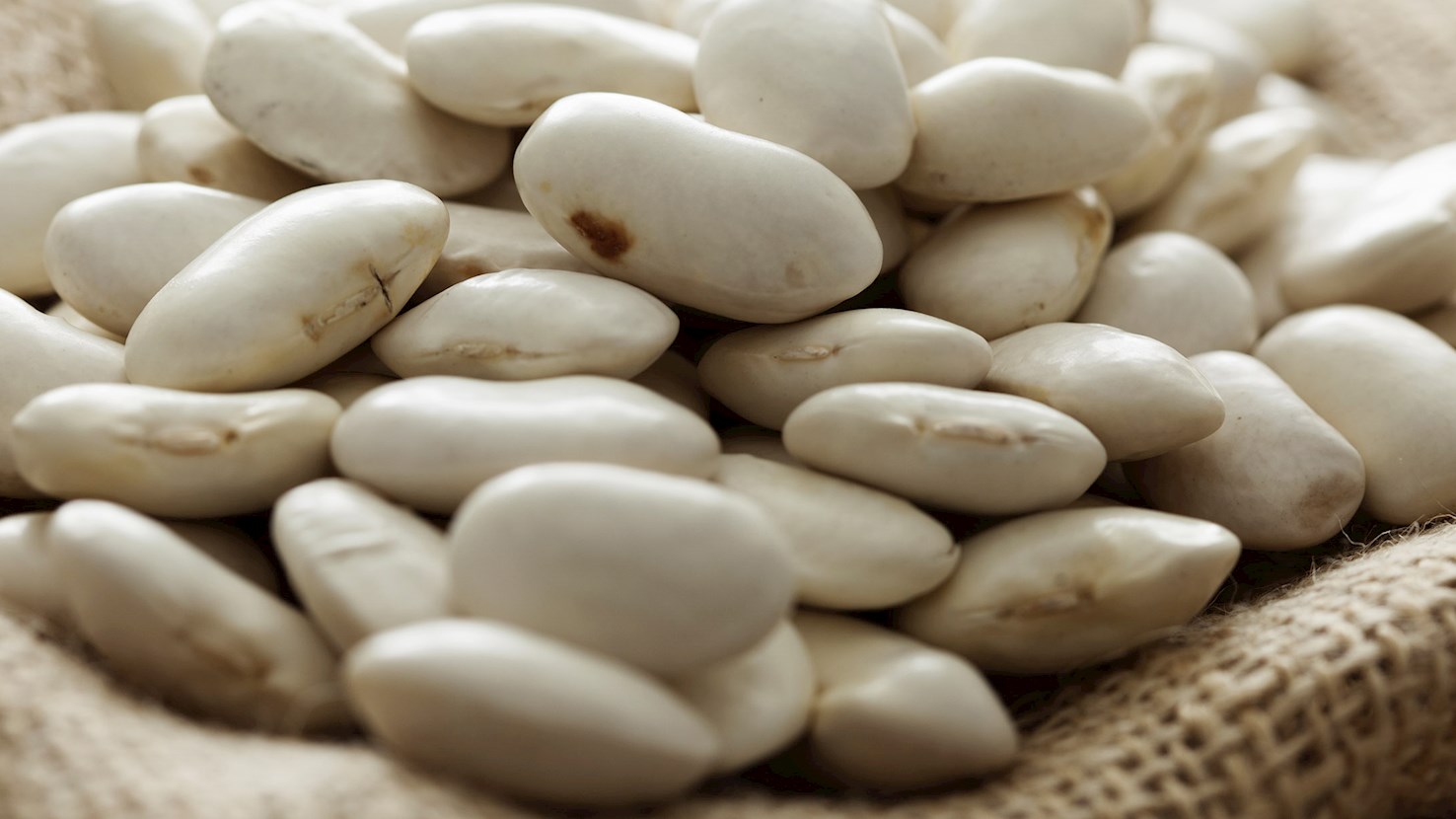
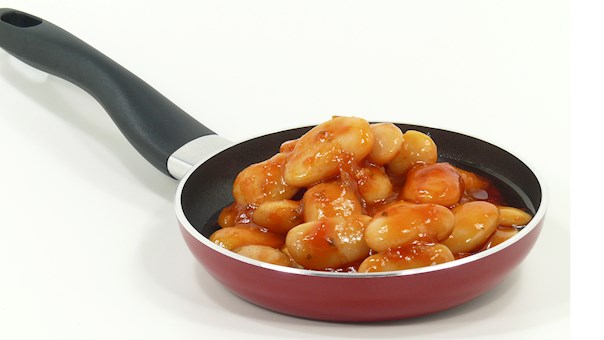
Prespon giant elephant beans are runner beans (Phaseolus multiflorus) grown in the Prespon area (municipalities of Mikrolimni, Karion, Lefkonos, Píateos, Lemou Ag. Germanou, Ag. Ahilios, Vronderou, and Kalithea) in Fiorina prefecture. These large beans have been cultivated in this area since the 16th century. They have a thin, smooth, white skin and a distinctive kidney shape. The unique microclimate and composition of the soil in Prespon area are the main reasons why these beans are so rich in minerals and trace elements and so low in cholesterol and fat. Elephant beans should be soaked overnight before cooking to bring out their fullest flavor. While these giant beans are used to prepare 'Gigantes', a traditional vegetarian meze made with tomato sauce, and a number of traditional soups, they are so rich in flavor that they also go great with nothing more than a drizzle of olive oil and a dash of salt and pepper.

03

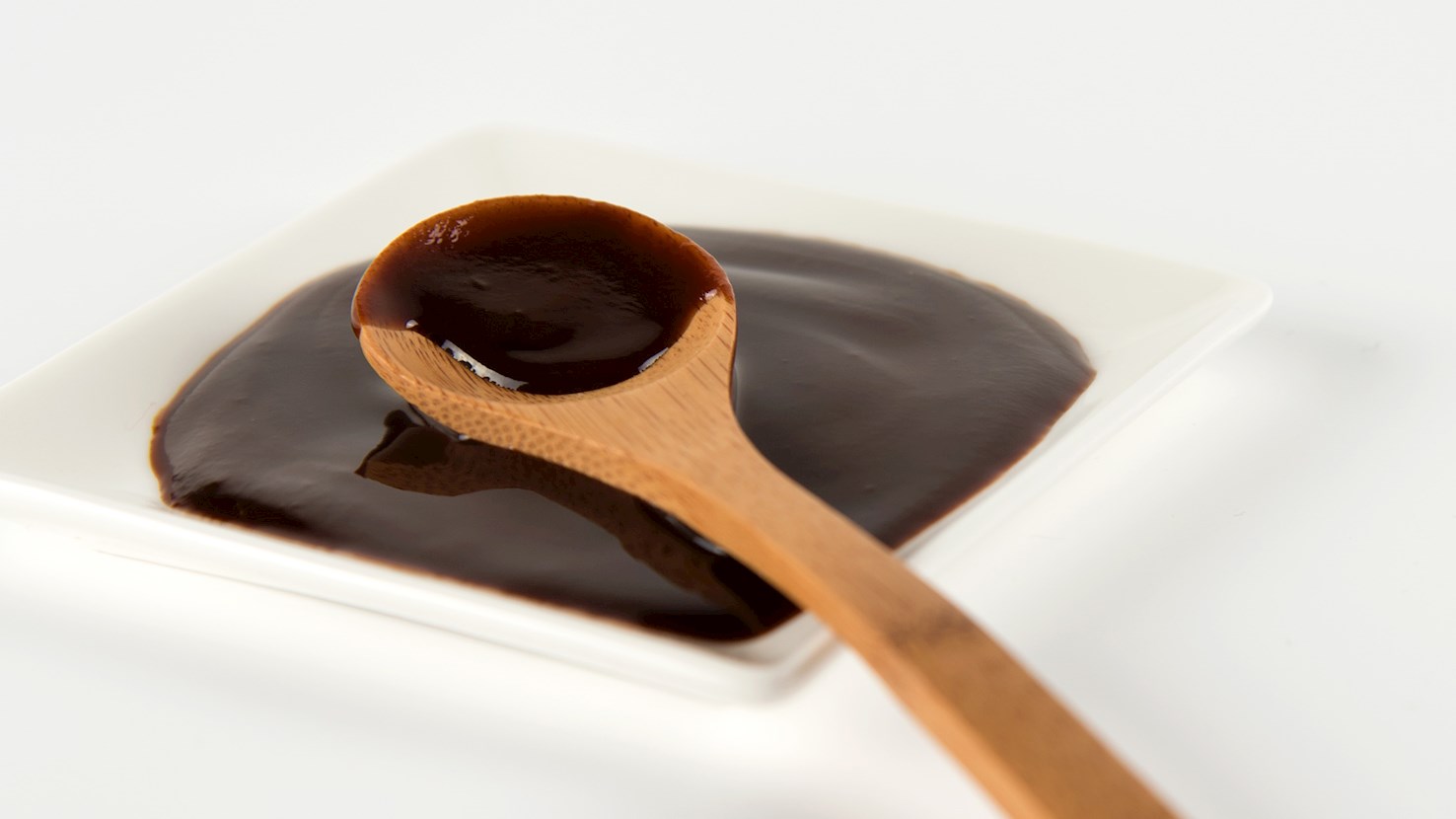
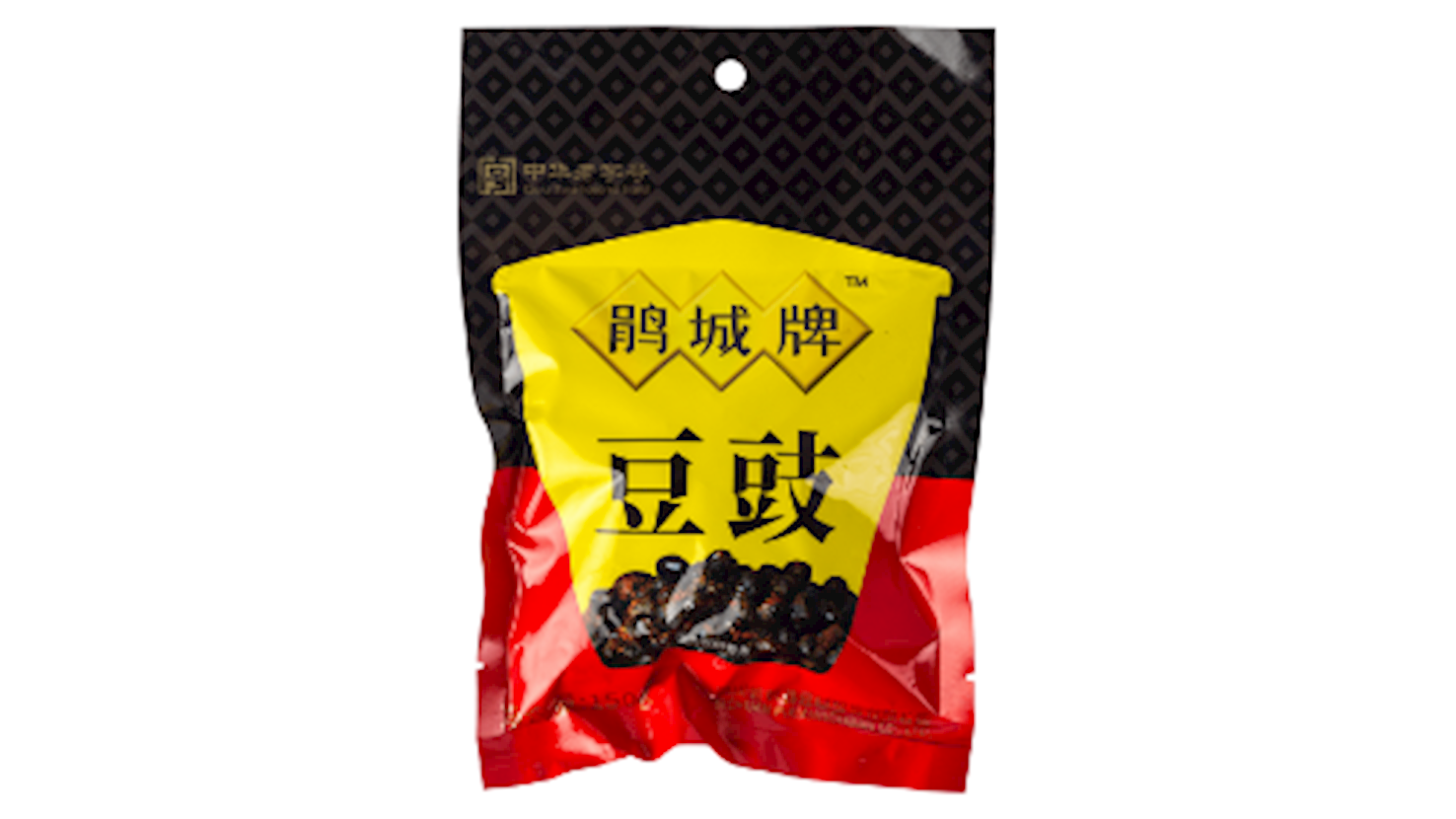
Dou chi jiang (Black bean sauce)

4 ·

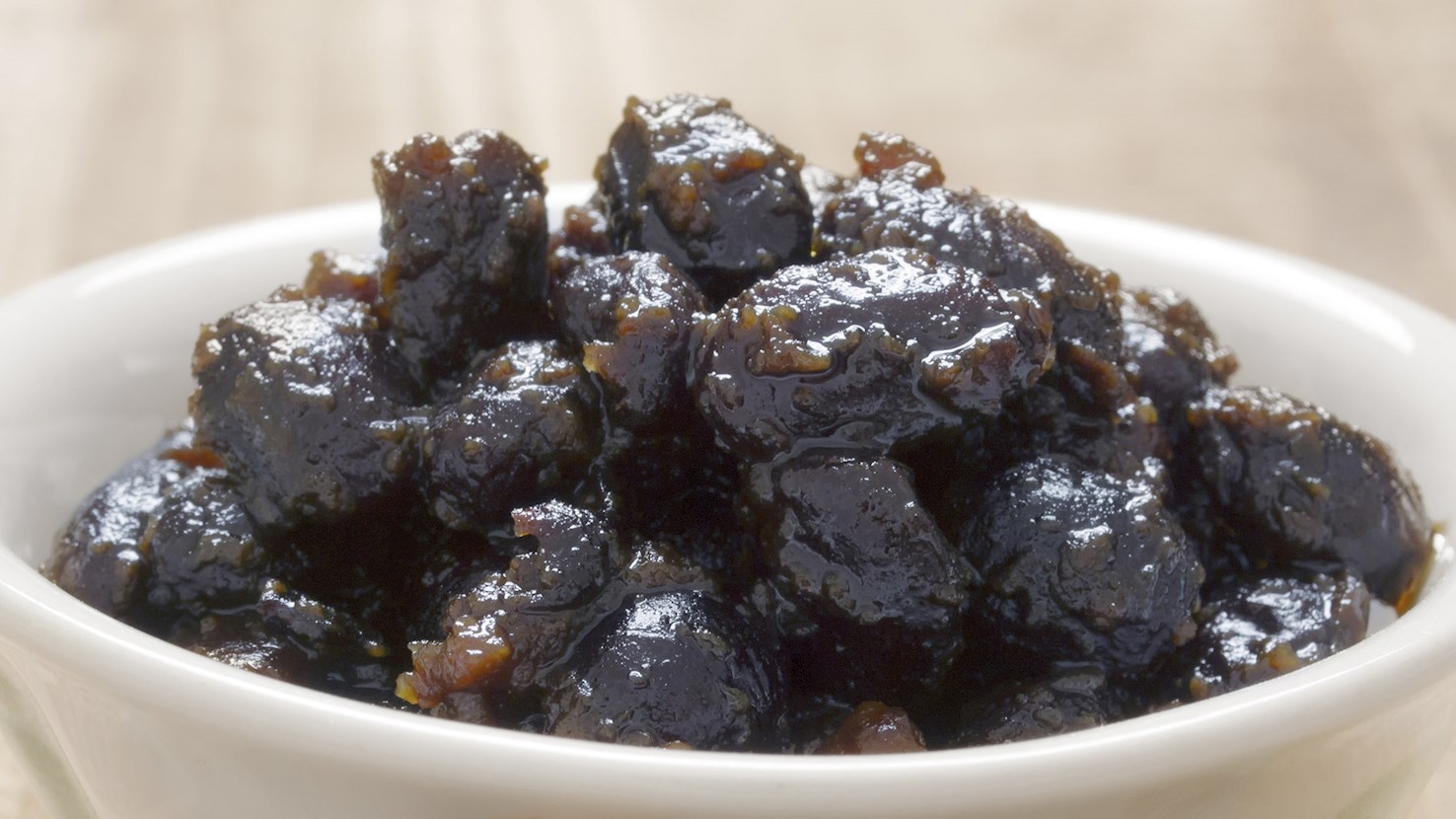
Black bean sauce, also known as douchi sauce, is a popular condiment in Chinese cuisine. It's made with fermented and salted black soybeans, which are used to give the sauce a strong, savory, and slightly bitter flavor. The beans are typically mashed and mixed with other ingredients such as garlic, ginger, sugar, and soy sauce to create a rich, thick sauce. Black bean sauce is often used in stir-fry dishes, marinades, and as a base for other sauces. It's particularly known for its use in dishes such as mapo tofu, black bean chicken, and jjajangmyeon, a Korean-Chinese noodle dish. The unique taste of black bean sauce brings a depth of flavor to dishes that is often described as "umami," a fifth basic taste that is best described as savory.

04

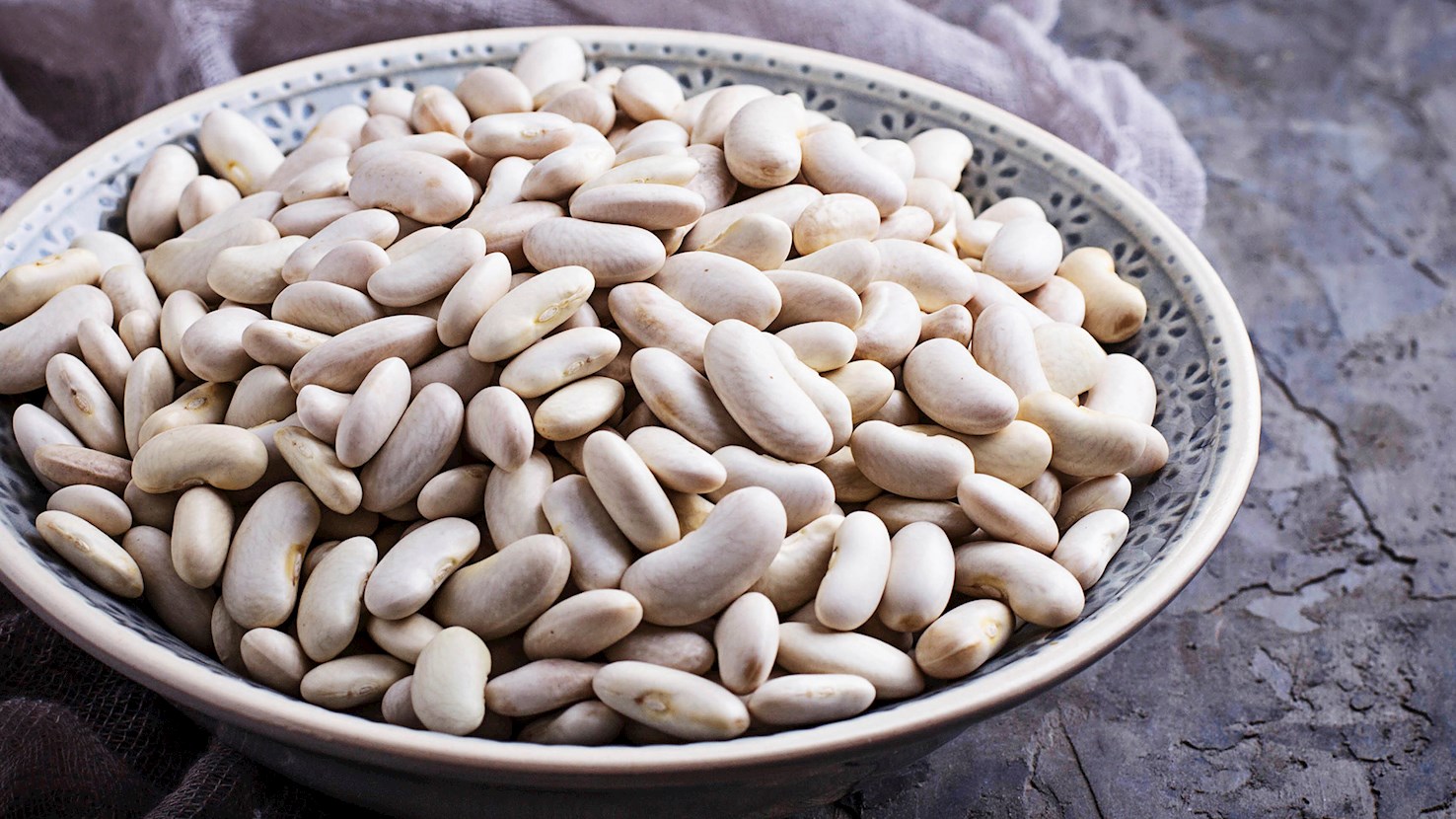
Fasolia Plake Megalosperma Prespon Florinas

4 ·

This is a variety of the common bean that is cultivated in the in the rural areas of the Prespon area of Fiorina prefecture. These beans owe their exquisite organoleptic properties to the unique microclimate and warm and fertile soil of the area. They have been cultivated here since the 16th century, and can be easily distinguished by their large size and white color. Fasolia Prespon Florinas are thin-skinned and easily prepared. When cooked, they are very tender and rich in flavor. Due to their creamy texture, they are often used to prepare a traditional Greek bean soup called Fasolatha.

05

Pacay

4 ·

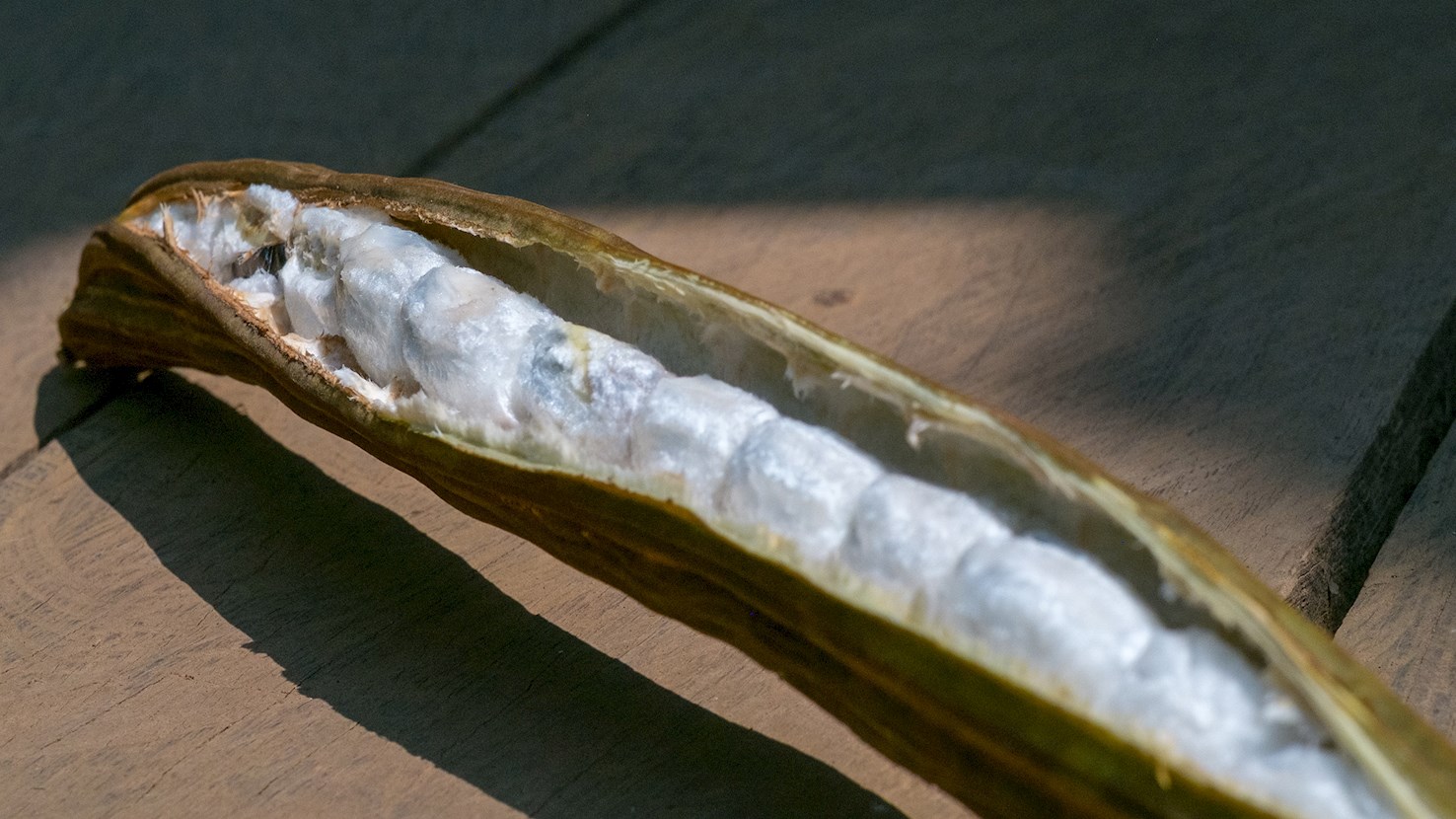
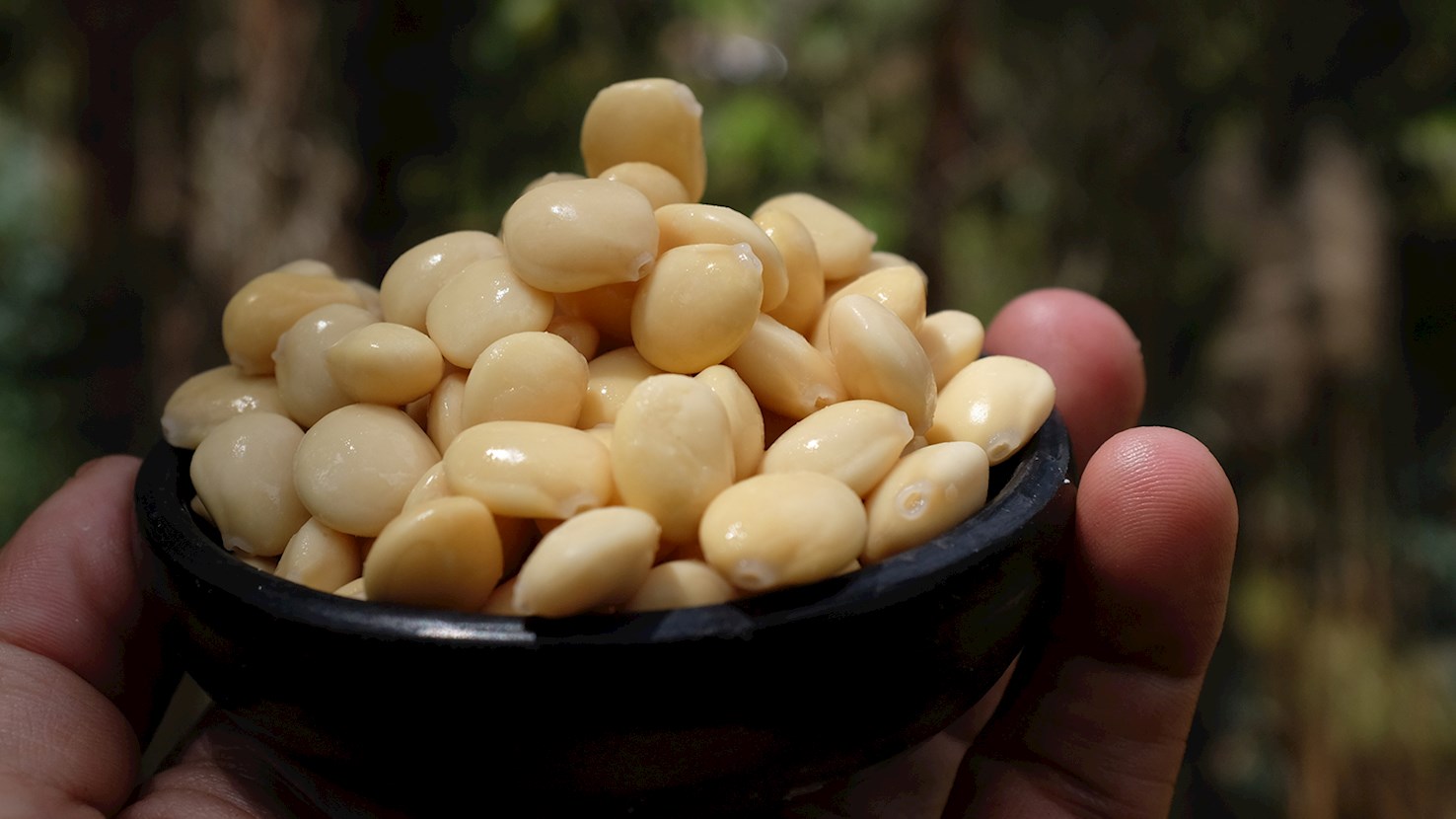
Indigenous to South America, pacay is a type of leguminous plant with a long tradition of cultivation that is believed to date back to the Incas. The plant also thrives in some parts of Central America, and it continues to be grown today, particularly in the Andean highlands and the coastal region of Peru. Belonging to the legume family of Fabaceae, the plant is known to yield large, leathery pods that may be straight or arched and are usually dark-green in color. When split open, the pacay pod reveals numerous glossy, dark seeds covered with a whitish, translucent pulp that is edible and has a pleasant, sweet flavor. Due to this unique flavor of pacay’s pulp, reminiscent of vanilla ice cream, the plant earned the name ice-cream bean tree. Pacay pulp is typically enjoyed fresh as a snack directly from the pod, although it may also be added to various desserts, ice creams, and beverages to provide them with hints of vanilla. Also known by its scientific name Inga feuillei, pacay hasn’t been grown only as a food source, but also for timber, shade, and its purported health benefits associated with digestion, stomach irritations, and stomach inflammations.

06

Edamame

3.9 ·

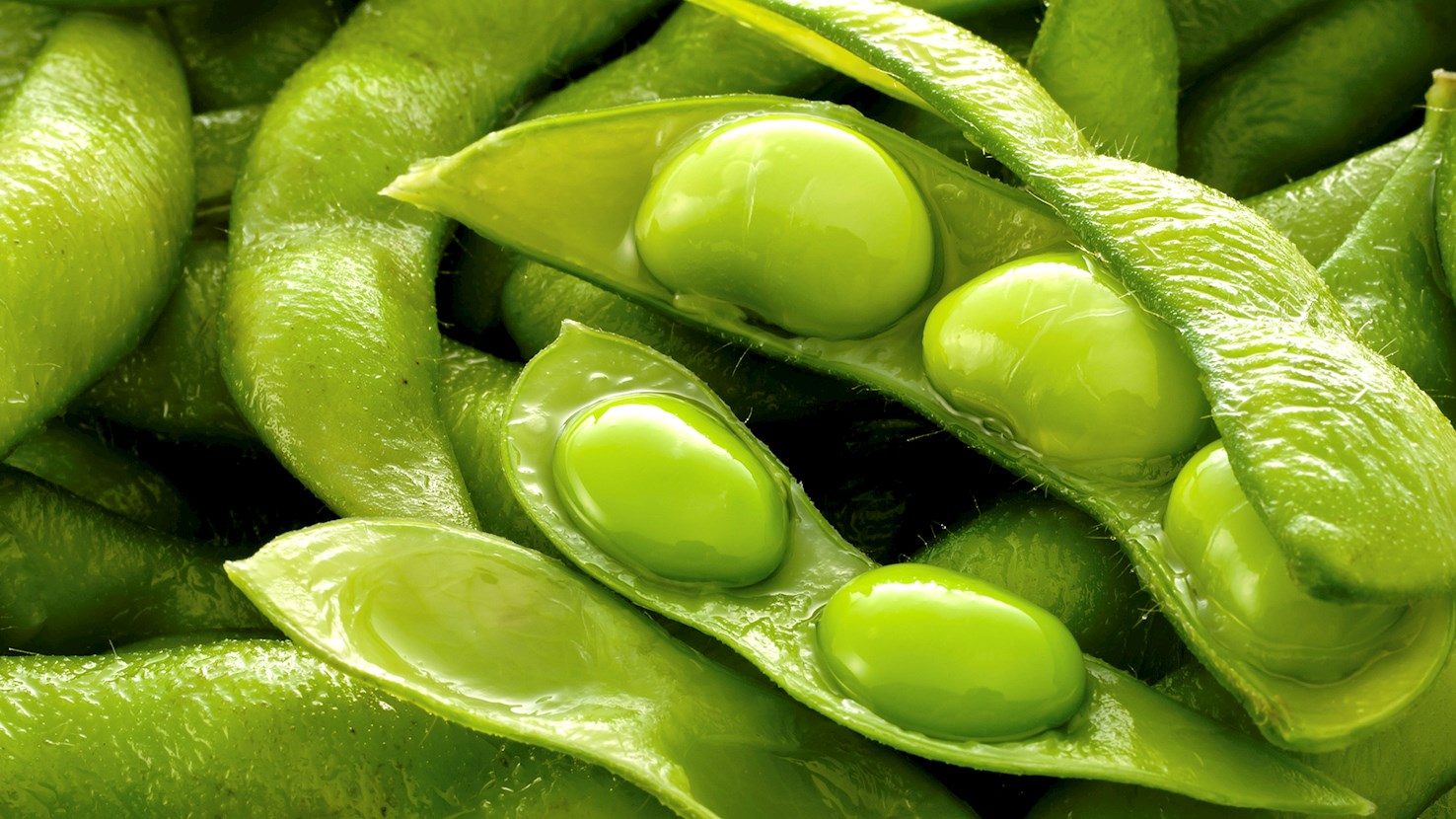
Edamame are fresh soybeans, their name literally translated to beans on branches. The soybeans are usually harvested before they are fully ripe, and are characterized by their crispy, firm texture. The name edamame was first mentioned in 1275, when the Buddhist saint Nichiren wrote a note of gratitude to a parishioner who left the edamame at the temple. Edamame soybeans are often served as a side dish in some Japanese restaurants, but they can also be consumed as a light snack, eaten fresh from the pod. The first mention of consuming fresh soybeans dates back to the Song dynasty, when a poet named Lu You wrote about picking and eating soybeans in his poems. Today, when used in Western-style salads, edamame are usually steamed or lightly boiled, although they can also be used fresh. Fresh soybeans contain great quantities of vitamin C, and some believe that consuming fresh edamame reduces the toxic effects of alcohol consumption.

07

Fasolia Gigantes Elefantes Kastorias

3.8 ·

The runner bean (Phaseolus coccineus) found its way to Greece in the 16th century. The prefecture of Kastoria where these beans are cultivated is an area with a unique climate and fertile soils sheltered by Vitsi mountain and the Grammos mountain range. These beans are white, kidney-shaped, and have a very thin skin. The harvesting season begins in September and lasts until December. The beans are sorted, put in bags, and transported to the Agrotiki Kastorias grading and packing station, where the packing procedure is electronically controlled. To importance the bean cultivation in Kastoria is witnessed by the many bean festivals held – There is an annual fair in Lakkomata and a winter bean soup festival in nearby Fiorina, and this soup is also traditionally served on St. Nicholas's day. Fasolia Gigantes are often baked or stewed with various vegetables, but the most famous way to prepare them is in Fasolatha, a traditional Greek bean soup made with onions, celery, carrots, and spices.

08

Douchi (Fermented black soybeans)

3.7 ·

Also known as Chinese fermented black beans, douchi is an indispensable part of Chinese cuisine. The black soybeans are heavily salted and fermented, resulting in an extremely salty ingredient with a robust and pungent flavor. They are rarely eaten plain and are usually used in classic Chinese dishes as a condiment or a seasoning. Since their taste resembles a mix of soy and fish sauce, they are often added to provide a unique flavor to Chinese culinary classics. In the cooking process, they develop a slightly sweet taste, which is a perfect match for stir-fry dishes, rice, and various Chinese sauces. They are also common in meat dishes and classic Chinese soups, in which they enhance the freshness of other ingredients and provide a sharp background flavor. It is believed that douchi has been used in Chinese cuisine for centuries, with the earliest written mention dating back to 173 BC. There are also numerous products created with this unusual ingredient, the most famous of them being black bean sauce, which is also one of the key ingredients in classic Chinese cuisine. Nowadays, packed douchi can be found in stores and supermarkets across China and in many international supermarkets around the world.

09

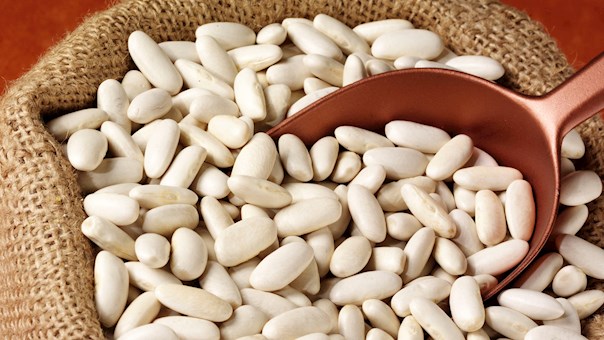
Faba Asturiana

3.7 ·

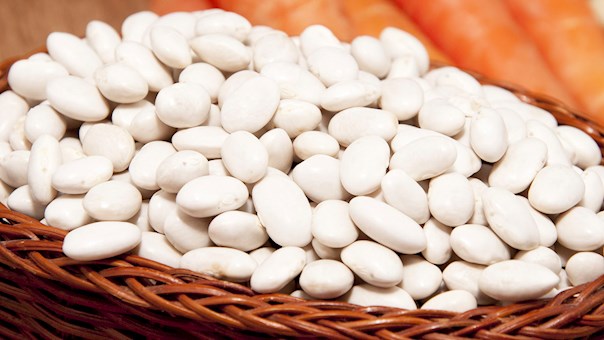
Faba Asturiana are dried white kidney beans of the Phaseolus vulgaris species , removed from the pod, produced in the Autonomous Community of Asturias. These traditional Granja Asturiana beans must be healthy and without any visible blemishes to be marketed as Faba Asturiana. Faba Asturiana is produced on registered plantations using only traditional cultivation techniques ensuring the best quality beans. After harvesting, the beans are removed from the pods, separated and dried, after which they are cleaned by air and vibration. These beans are soft and creamy when cooked, and have a very mellow, buttery flavor without ever being grainy or floury.

10

Fassolia Gigantes Elefantes Kato Nevrokopiou

3.6 ·

These giant elephant beans are a variety of runner bean (Phaseolus coccineus) cultivated using traditional techniques in the Kato Nevrokopi basin in Drama prefecture. These beans are white, kidney-shaped, and quite large – 1,000 seeds of this bean weigh around 1,200g. They are harvested manually, sun dried, and sorted before being graded and packed mechanically. Giant elephant beans are usually baked in a tomato sauce. Prior to cooking, they can be boiled in order to keep the skin firm and give them a buttery texture. Kato Nevrokopi giant elephant beans are also often eaten in a bean salad served with a glass of raki.

Best Legumes in the World
01

Sichuan Pixian Douban

5 ·
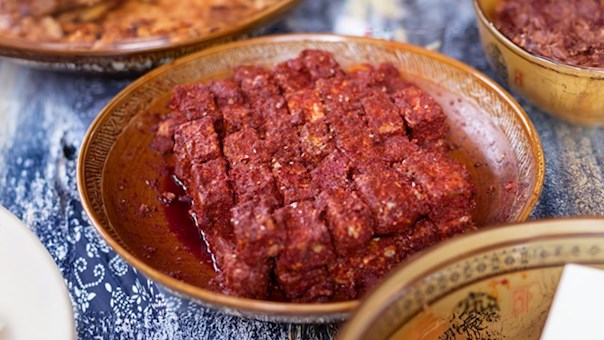
Sichuan Pixian Douban is a historic brand from Pidu District (formerly Pixian) in Sichuan Province, known for producing traditional doubanjiang made from fermented fava beans and chili peppers. Its production dates back to the 17th century, giving the brand an exceptional heritage and a strong connection to the local climate and microbial environment that shape the fermentation process. The core of their method involves long, natural sun-fermentation, the use of the local Erjingtiao chili variety, and aging in clay vessels, resulting in a deeply layered, umami-rich flavor profile. The brand holds a protected geographical indication, ensuring that the paste originates directly from Pixian and follows traditional, region-specific techniques. It is recognized for its thick texture, visible bean-and-chili structure, and a distinctive aroma that cannot be reproduced through industrial shortcuts. Because of its authenticity, Pixian douban is considered the benchmark for Sichuan cuisine and the foundation of classics such as Mapo tofu and twice-cooked pork. Despite partial modernization of the industry, the brand continues to uphold original methods that preserve the unique character of natural fermentation. This combination of tradition, terroir, and craftsmanship makes Sichuan Pixian Douban one of China’s most respected and influential producers of doubanjiang.
02

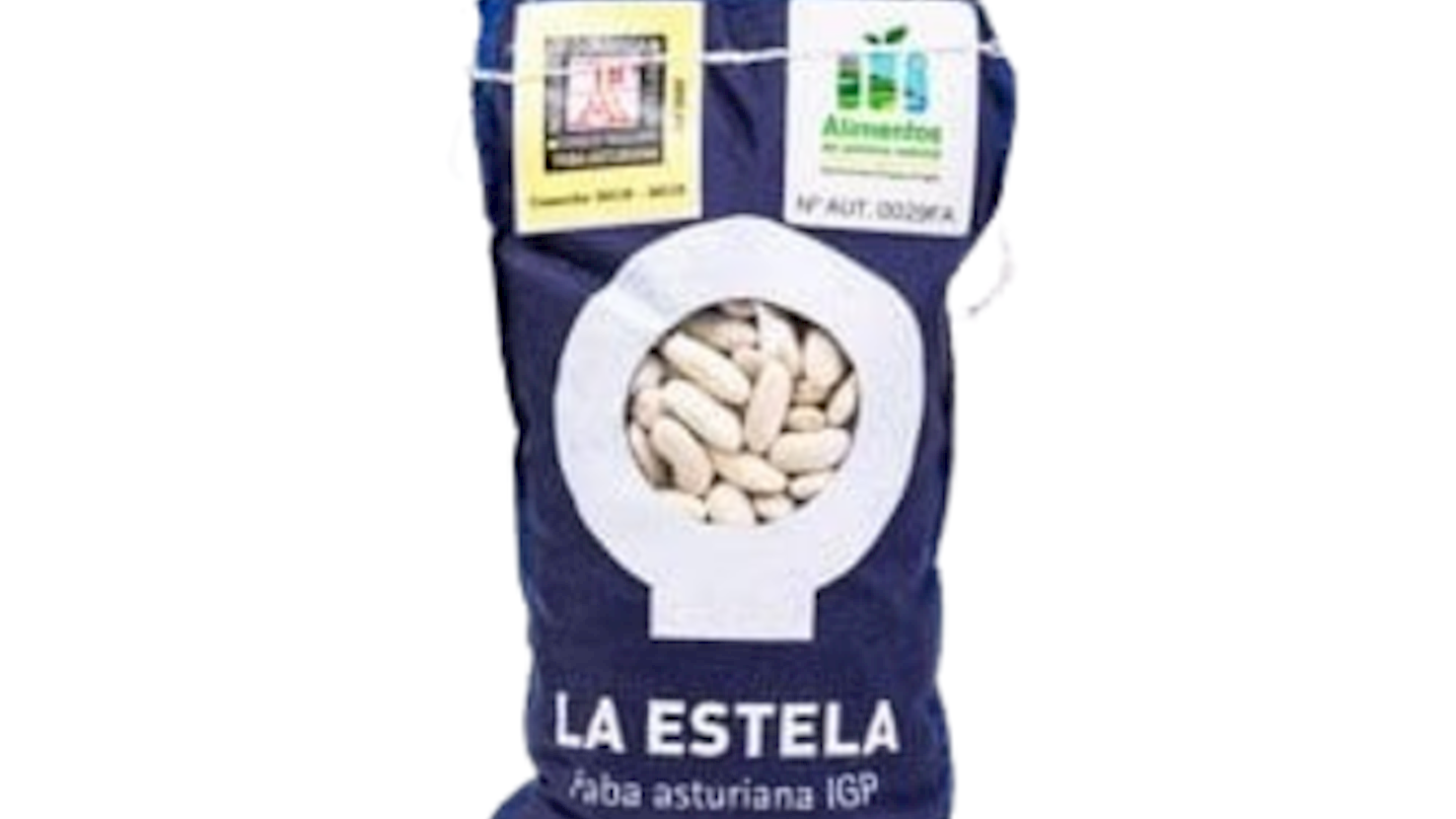
Fabas La Estela

4.5 ·
Fabas La Estela is a family-run producer based in Asturias, Spain, specializing in the cultivation and selection of high-quality traditional beans, particularly “Faba Asturiana IGP” and “Verdina de Asturias”. Their production is closely tied to the local rural landscape, with beans grown on their own fields, allowing full control over quality from cultivation to final selection. The company builds on a long-standing agricultural tradition, further developed since 2004 through a focus on product consistency and careful processing. Their flagship product, Faba Asturiana IGP, is a large white bean known for its thin skin and exceptionally creamy texture, making it essential for preparing the iconic Asturian dish Fabada. Alongside it, they produce verdinas, a smaller green bean variety with a delicate structure, often paired with seafood in regional cuisine. The production process emphasizes manual harvesting and selection, especially for fresh beans, ensuring uniformity and preserving their texture. Their products carry a Protected Geographical Indication, confirming their origin and connection to the Asturian terroir. In addition to raw beans, they offer curated sets with traditional ingredients for preparing Fabada, reflecting a broader gastronomic approach. Overall, Fabas La Estela positions itself as a producer that combines traditional farming practices with a modern quality-driven outlook, rooted in authenticity and regional identity.
03

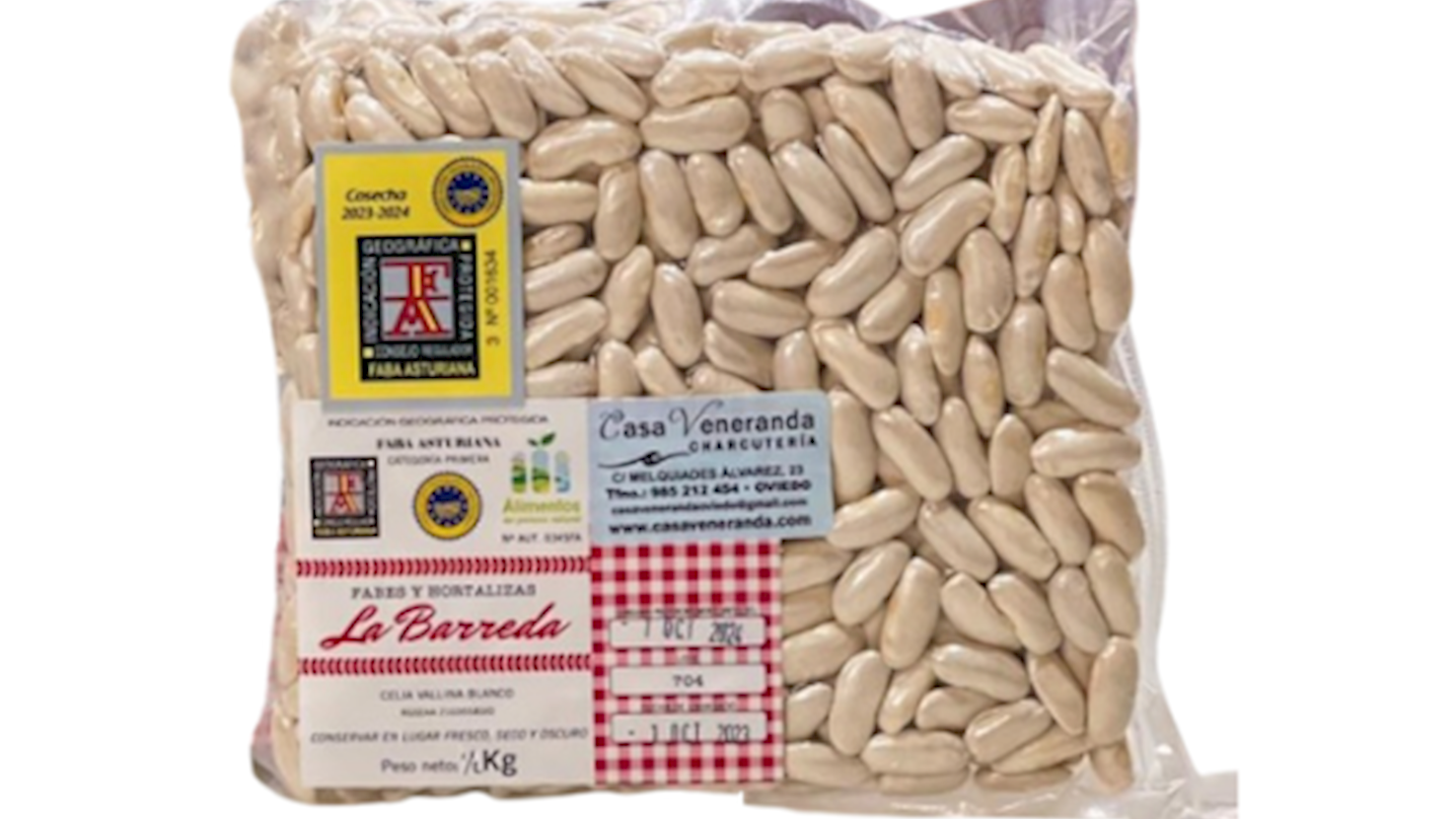
La Barreda

4.3 ·
La Barreda is a family-run farm based in Asturias, focused on the cultivation of traditional beans and vegetables, with a particular emphasis on fabes, a key ingredient in regional cuisine. The production takes place in San Miguel de la Barreda, in the municipality of Siero, where farming is carried out on a small scale with direct control over each stage of the process. The brand is built on generational knowledge, combining inherited practices with the specific soil and climate conditions of the area. Its main product is Faba Asturiana IGP, which guarantees that cultivation, harvesting, and packaging are carried out within the defined region under regulated standards. These beans belong to the “Granja Asturiana” variety, known for their large size, thin skin, and ability to maintain structure after cooking, making them particularly suitable for traditional dishes such as fabada. In addition to fabes, La Barreda also grows other local varieties such as verdina, expanding its offer within the scope of Asturian agriculture. Production remains limited and closely tied to seasonal cycles, avoiding industrial scaling and focusing instead on consistency and product integrity. La Barreda positions itself as a representative small-scale producer that preserves local varieties and contributes to maintaining the culinary identity of the region through controlled and origin-based production.
About this ranking

TasteAtlas food rankings are based on the ratings of the TasteAtlas audience, with a series of mechanisms that recognize real users and that ignore bot, nationalist or local patriotic ratings, and give additional value to the ratings of users that the system recognizes as knowledgeable. For the “Top 66 Legumes in the World” list until June 10, 2026, 1,310 ratings were recorded, of which 820 were recognized by the system as legitimate. TasteAtlas Rankings should not be seen as the final global conclusion about food. Their purpose is to promote excellent local foods, instill pride in traditional dishes, and arouse curiosity about dishes you haven’t tried.

The initial list of top producers was compiled based on available reviews, awards, local recommendations, media and blog coverage, and consumer reviews. The list will be updated with ratings from TasteAtlas local ambassadors and TasteAtlas users.

Similar lists