

shutterstock

Top 9 Lemons
in the World

Last updated on June 10, 2026
01

Limone Costa d'Amalfi

4.4 ·

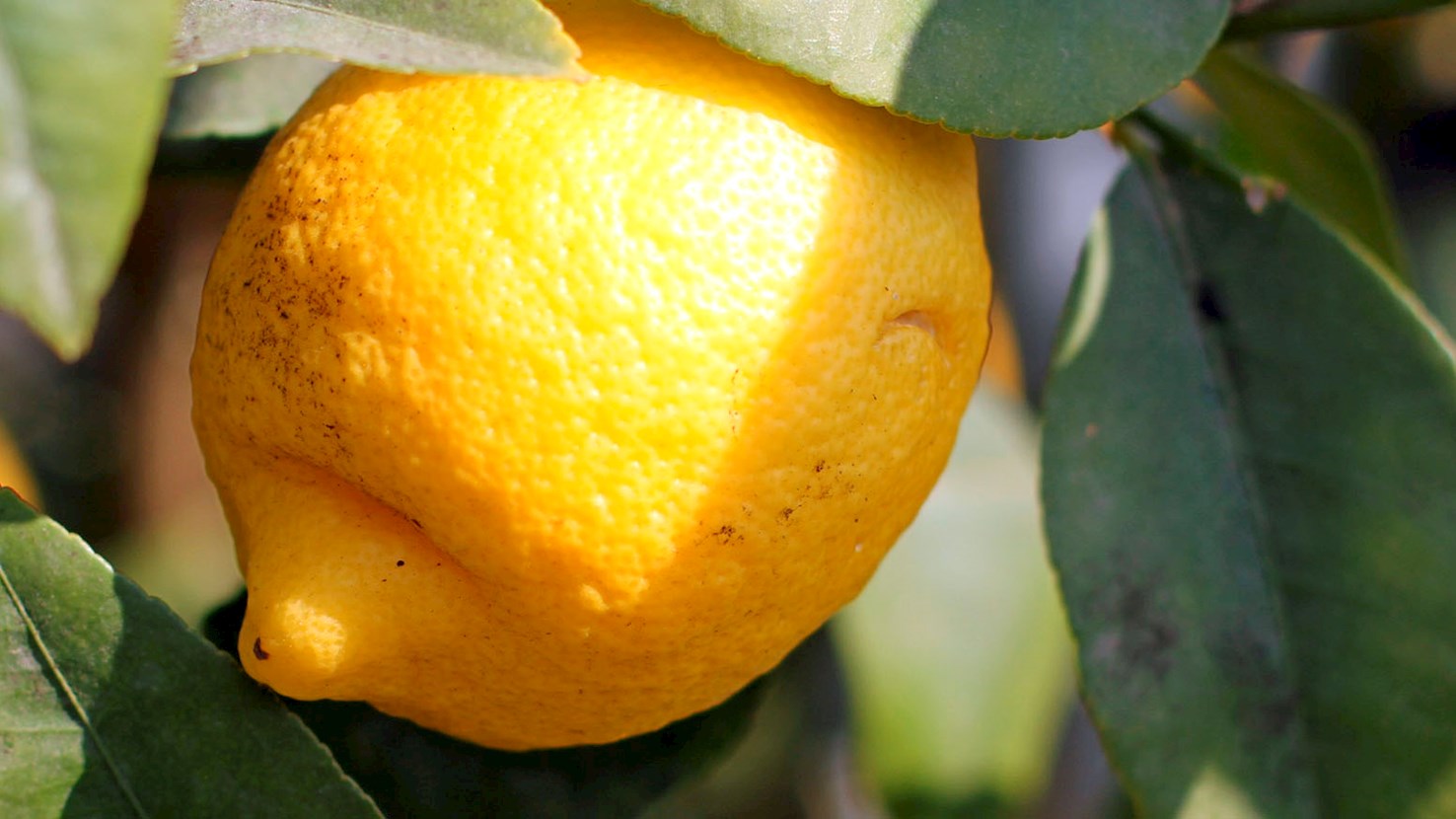
Lemons from the Amalfi coast have been cultivated in the province of Salerno for centuries, growing in terraced groves which are stretched up the hillsides of every village in the area, spreading the intoxicating fragrance of citrus blossoms and dotting the beautiful Amalfi landscapes with green and yellow. Prized for their low acidity and delicate flavor, Amalfi lemons are so sweet you can eat them whole! When they're not enjoyed fresh, traditionally cut into slices sprinkled with salt, mint leaves and drizzled with some vinegar, these aromatic fruits are used for making jams, preserves, lemon honey, sorbettos and various desserts. In fact, there are very few dishes of Campania cuisine which are not flavored with either Amalfi lemon juice or zest. Also, Limone Costa d'Amalfi is the essential ingredient of Limoncello, a refreshing summer pick-me-up liqueur.

02

Limone di Sorrento

4.3 ·

Also known as Limone di Massa Lubrense or Massese, named after a small community of villages settled at the tip of the Sorrentine Peninsula, these fragrant lemons are derived from the local ecotype Ovale di Sorrento and grown in the province of Naples since the Renaissance. The first lemon trees were planted by the Jesuits in the 18th century, and one of the very first cultivars named Gesù still exists today in the Guarazzanno Basin, between Sorrento and Massa Lubrense. Due to a special cultivation technique, Limone di Sorrento can bear fruit up to five times a year, which makes this variety available year round. They are abundant in juice and have a well-balanced sugar content with high acidity levels. Sorrento lemons can be eaten fresh or used as an ingredient in a number of various dishes, from starters to desserts, as well as for making preserves, marmalades, jams and liqueurs such as the famous Limoncello.

03

Eureka Lemon

3.9 ·

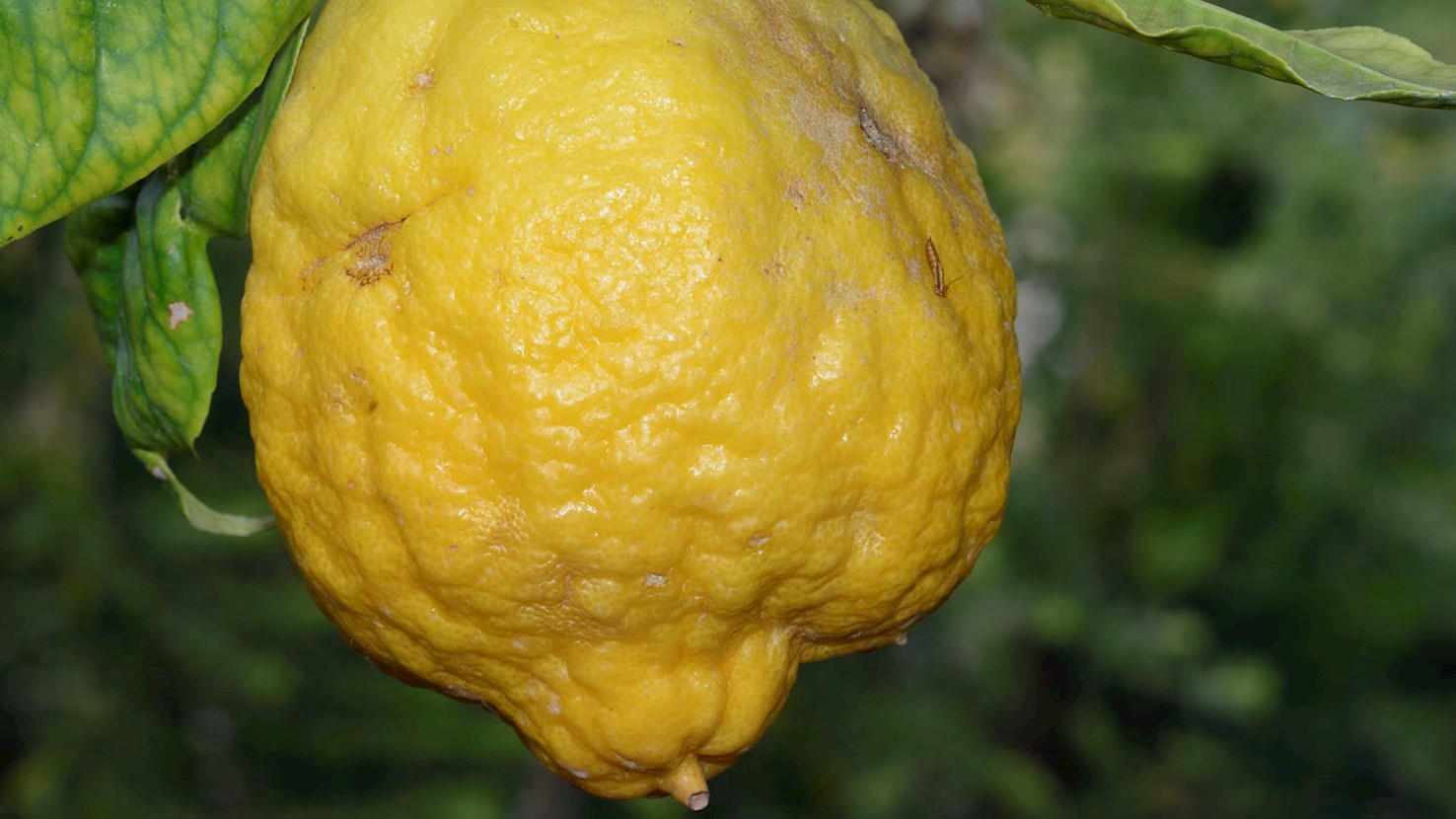
Eureka is a lemon variety that originates from Los Angeles, California, 1858, as a descendant of the Italian Lunario lemon. It was introduced to the public by Thomas Garey in 1877. The lemons are large and elongated, with a vibrant yellow skin and a rind that's loaded with essential oils and an intensely fragrant aroma. The flesh is juicy with few to no seeds, while the flavors are tangy, tart, and acidic. It's recommended to use them in sweet and savory dishes such as lemon meringue pie, marmalades, dressings, and marinades. They pair well with seafood, poultry, and tea.

04

Citron de Menton

3.7 ·

Citron de Menton is a fresh, hand-harvested lemon grown in the Alpes-Maritimes region in France. The lemons must come from the varieties of Adamo, Cerza, Eureka, Santa Teresa and Menton. It has an intense yellow color when it's fully ripe, which becomes almost fluorescent at night. Citron de Menton has a pleasant fragrance and aroma of fresh citronella and its juice is slightly acidic but not bitter, while the lemon peel is rich in essential oils. When sold, it comes with one or two leaves intact, attached to the fruit, accentuating the freshness of the product. The fruit is often used in pastries, lemon liqueur, flavored olive oil and in fruit jams, and its fresh, pure taste is so popular that every year there is a Lemon Festival - the third most popular event in the whole Alpes-Maritimes region.

05

Limone di Siracusa

3.4 ·

The intensive cultivation of lemon trees on Sicily was started by the Jesuits who were expert farmers and can be traced back to the 17th century. Today, more than 50% of all Italian citruses are produced on the island. Named after its province of origin, Limone di Siracusa refers to the fresh fruit of the Femminello Siracusano cultivar and derived ecotypes. These lemons are harvested year round and depending on the ripening period, they are available in following varieties: Primofiore (lit. first flower) which matures from October to March, Bianchetto or Maiolino which are spring lemons maturing from April to June, and Verdello or summer lemon which matures from July to September. Only slightly different in appearance, Syracuse lemons are characterized by an intense fragrance and juiciness which makes them particularly suitable for the preparation of liqueurs, desserts, sorbets and ice cream.

06

Limone dell'Etna

n/a ·

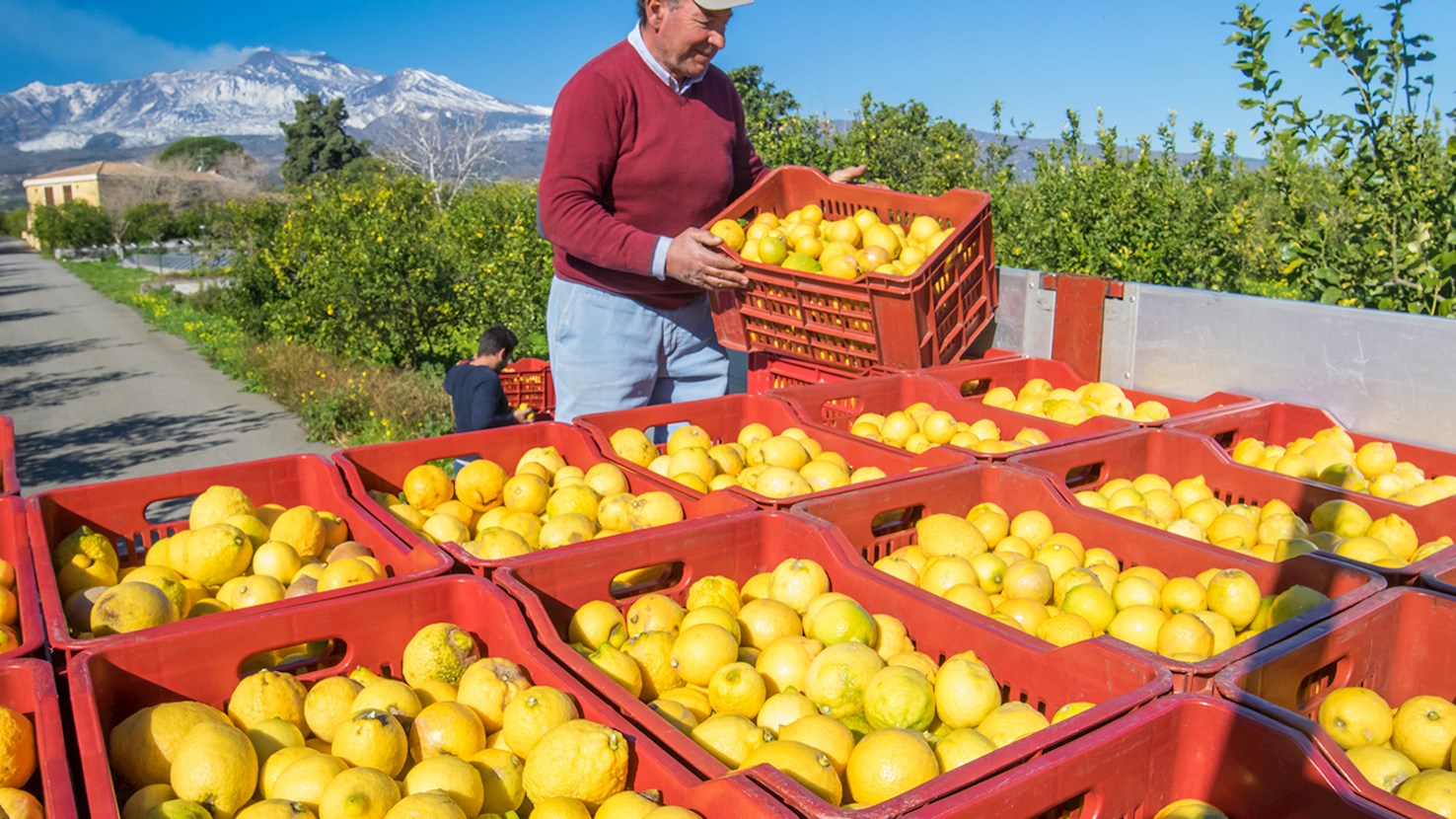
Limone dell'Etna is a term referring to lemons that are grown along the Etna coastal strip, between the Alcantara river and the northern parts of Catania. The lemons are divided into two cultivars – Femminello and Monachello. The Femminello is harvested in winter, spring, or summer. It has an elliptical shape and the flesh color ranges from light green to light yellow or lemon yellow. The Monachello variety is also harvested in winter, spring, or summer, and the shape is elliptical, ovoid, or spheroidal. These lemons are rich in essential oils of high aromatic quality, which can be attributed to the fact that they are grown in an environment with a specific volcanic soil and climate. A special growing technique known as forzatura or secca allows the lemons to be produced in summer. Etna lemons are especially suitable for making juices and candied peel.

07

Limone Interdonato Messina

n/a ·

Derived from the Interdonato cultivar, a natural hybrid between lemon and citron, these fragrant lemons are grown along the Ionian Sea coast of the Sicilian province of Messina, in the area extending from the city of Messina to Giardini Naxos. Named after a Garibaldi colonel Giovanni Interdonato, this variety was first cultivated in 1860 by crossbreeding citron with Ariddaru, a local lemon cultivar. Interestingly, the mother plants can still be found growing in the colonel's Ali Terme villa Reitana. The early ripening Interdonato lemons are characterized by their low citric acid content and a particularly sweet, dainty flavor. Even though they're widely used in the kitchen, the mildly flavored Interdonato lemons are the best variety to serve with tea or they can be enjoyed fresh.

08

Limone Femminello del Gargano

n/a ·

The fragrant Femminello lemons are traditionally grown on the Gargano peninsula, between the Apulian towns of Vico del Gargano Ischitella and Rodi Garganico, which is the only citrus producing region on the Italian Adriatic coast, famous for its lush orange and lemon groves and known as il triangolo giallo-arancio, meaning "the yellow-orange triangle". Limone Femminello del Gargano refers to fresh lemons of the two local cultivars: Limone a Scorza Gentile or Lustrino and Limone Oblungo or Fusillo, both of which are available year-round and differ in the amount of essential oils present in their skin and only slightly in appearance. Femminello lemons go especially well with fish and fried food but they're also great as the basis for jams, fruit preserves and marmalades or used in the preparation of various desserts, juices and liqueurs.

09

Limone di Rocca Imperiale

n/a ·

Grown in the Calabrian province of Cosenza, Limone di Rocca Imperiale refers to the fresh fruits belonging to the Citrus Limon Burm species. Harvested year-round, these lemons have a juice yield of higher than 30% and over 70% of limonene essential oil content, which gives them quite an intense and persistent fragrance. Rocca Imperiale lemons are neither sour nor bitter and thus particularly suitable for making various liqueurs, desserts, sorbettos and ice cream.

About this ranking

TasteAtlas food rankings are based on the ratings of the TasteAtlas audience, with a series of mechanisms that recognize real users and that ignore bot, nationalist or local patriotic ratings, and give additional value to the ratings of users that the system recognizes as knowledgeable. For the “Top 9 Lemons in the World” list until June 10, 2026, 185 ratings were recorded, of which 126 were recognized by the system as legitimate. TasteAtlas Rankings should not be seen as the final global conclusion about food. Their purpose is to promote excellent local foods, instill pride in traditional dishes, and arouse curiosity about dishes you haven’t tried.

Similar lists