shutterstock

Top 7 Emilian Liqueurs

Last updated on June 03, 2026

Best Emilian Liqueurs

01

Casoni Fabbricazione Liquori

4.5 ·
Awards
World Liqueur Awards - Country Winner (2024)
IWSC- International wine & spirit competition - Spirit Gold (2019)
02

Bad Spirits

4.3 ·
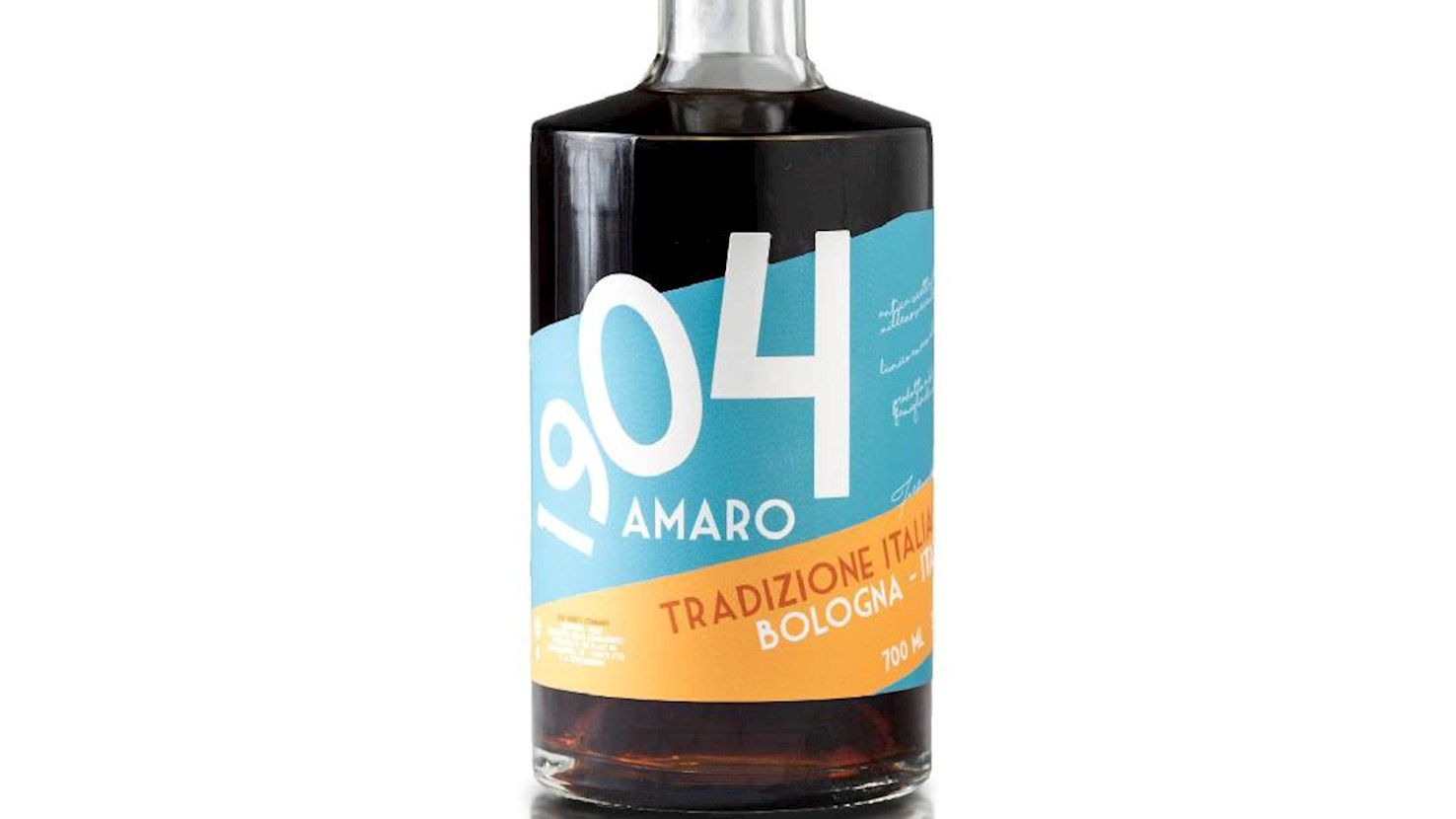
Bad Spirits is a renowned Italian company dedicated to producing premium alcoholic beverages, 100% made in Italy. Their philosophy combines authentic, traditional recipes with a modern approach, resulting in innovative and unique products. The company prides itself on using only natural ingredients and traditional distillation methods, ensuring top-notch quality. Their product range includes vodka, gins, amaro, and sambuca, each with its own story and character. One of their most notable products is Bad Gin, whose bottle design is inspired by the city of Bologna and its culture. Additionally, Amaro 1904, based on an old recipe, stands out with chamomile as its key ingredient, while Sambuca Sbagliata is the result of a fortunate mistake in production, creating a truly unique flavor.
Awards
IWSC- International wine & spirit competition - Silver (2024)

Best Emilian Liqueur Types

01

Nocino

3.7 ·

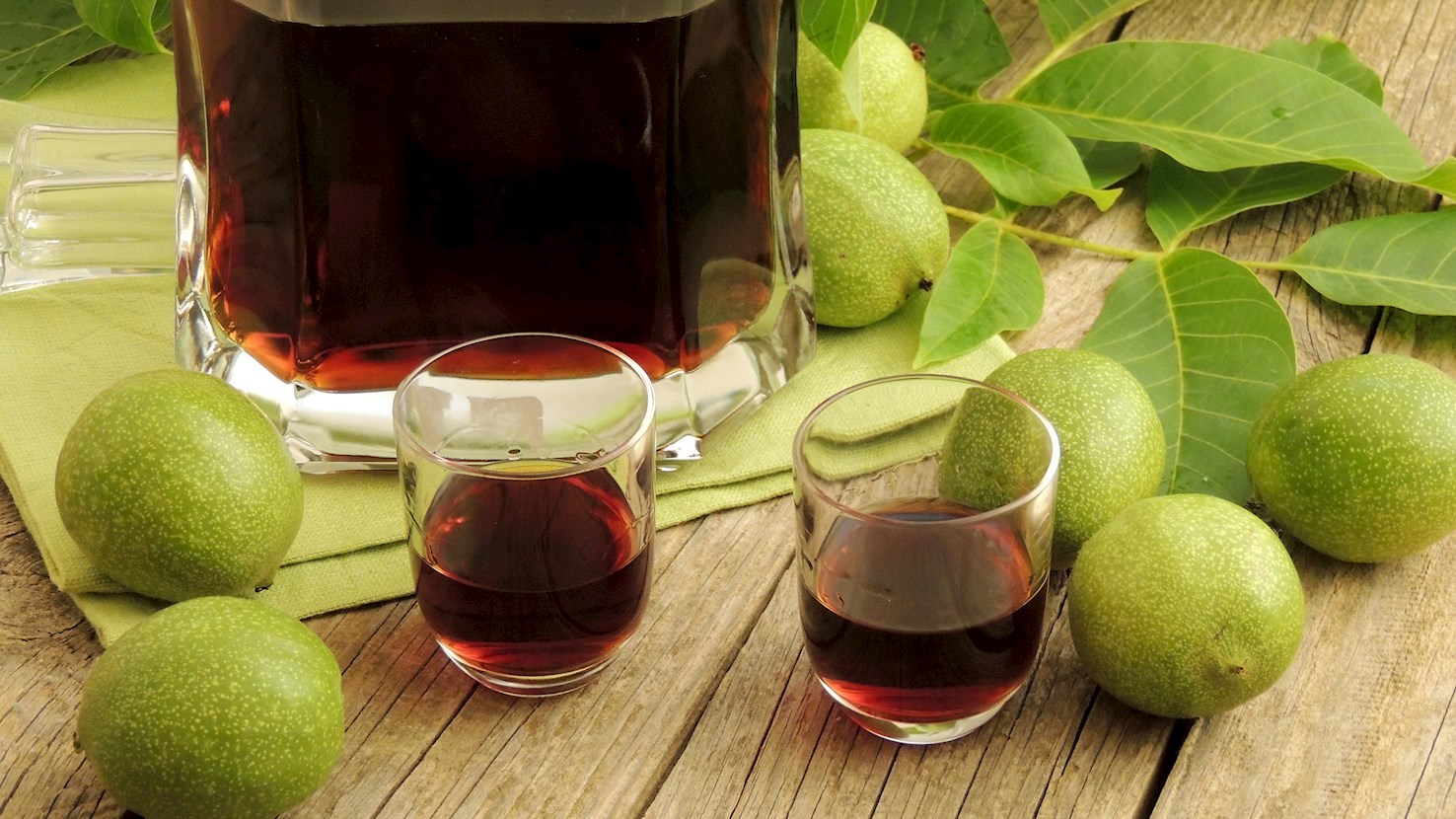
Nocino is an Italian liqueur that is prepared with a maceration of unripe green walnuts in a combination of alcohol and sugar, with the occasional addition of spices, predominantly cinnamon and cloves. The process results in a dark, almost syrupy drink, with a slightly bitter, strong walnut flavor. Though it is found throughout the country and the Swiss Ticino canton, the liqueur is traditionally associated with Emilia-Romagna, where it is usually prepared on the Festa di San Giovanni, celebrated on June 24th. Nowadays, nocino is frequently factory produced, though the homemade varieties are still held in high regard. The liqueur is traditionally enjoyed as a digestif and is usually sipped during Christmas holidays.

02

Amaro Montenegro

3.5 ·

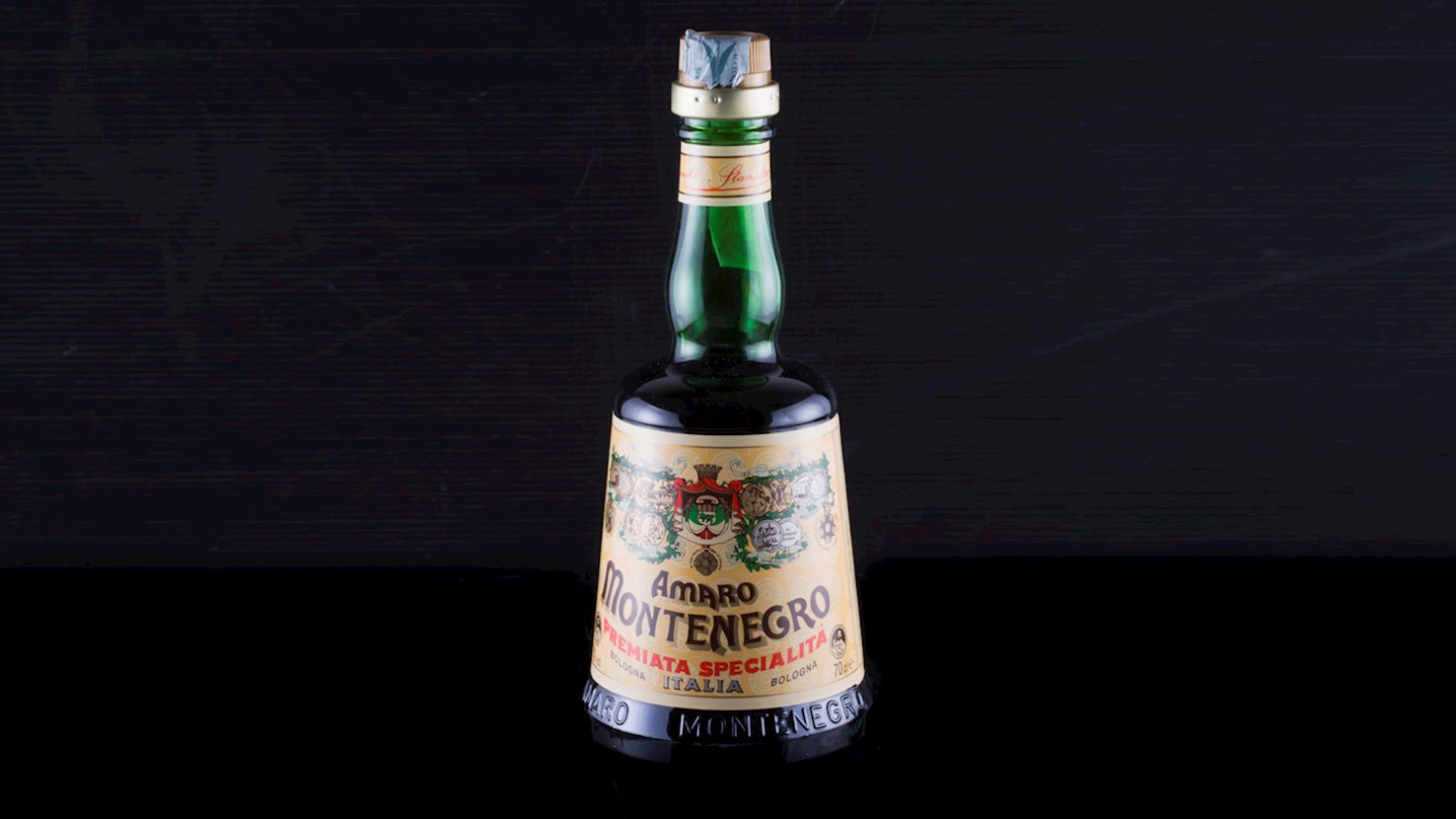
Montenegro is a popular Italian liqueur and a type of amaro that has been produced in Bologna since 1885. It is made with 40 botanicals sourced from four continents, and it remains one of the most popular and best-selling amari in Italy. The production process is complex and includes several techniques, and though the exact botanical blend remains secret, some of the ingredients include oranges, wormwood, cloves, cinnamon, and nutmeg. The liqueur is amber-colored, with a rich, bittersweet flavor. It has intense aromas reminiscent of citrus, herbs, and spices, along with licorice and chocolate nuances. Montenegro works best as a pre- or post-dinner aperitif. It can be incorporated into cocktails and long drinks. Montenegro was created by Stanislao Cobianchi, who named it after the Princess Elena Petrović-Njegoš of Montenegro to commemorate her wedding to King Vittorio Emanuele III in 1896.

03

Nocello

n/a ·

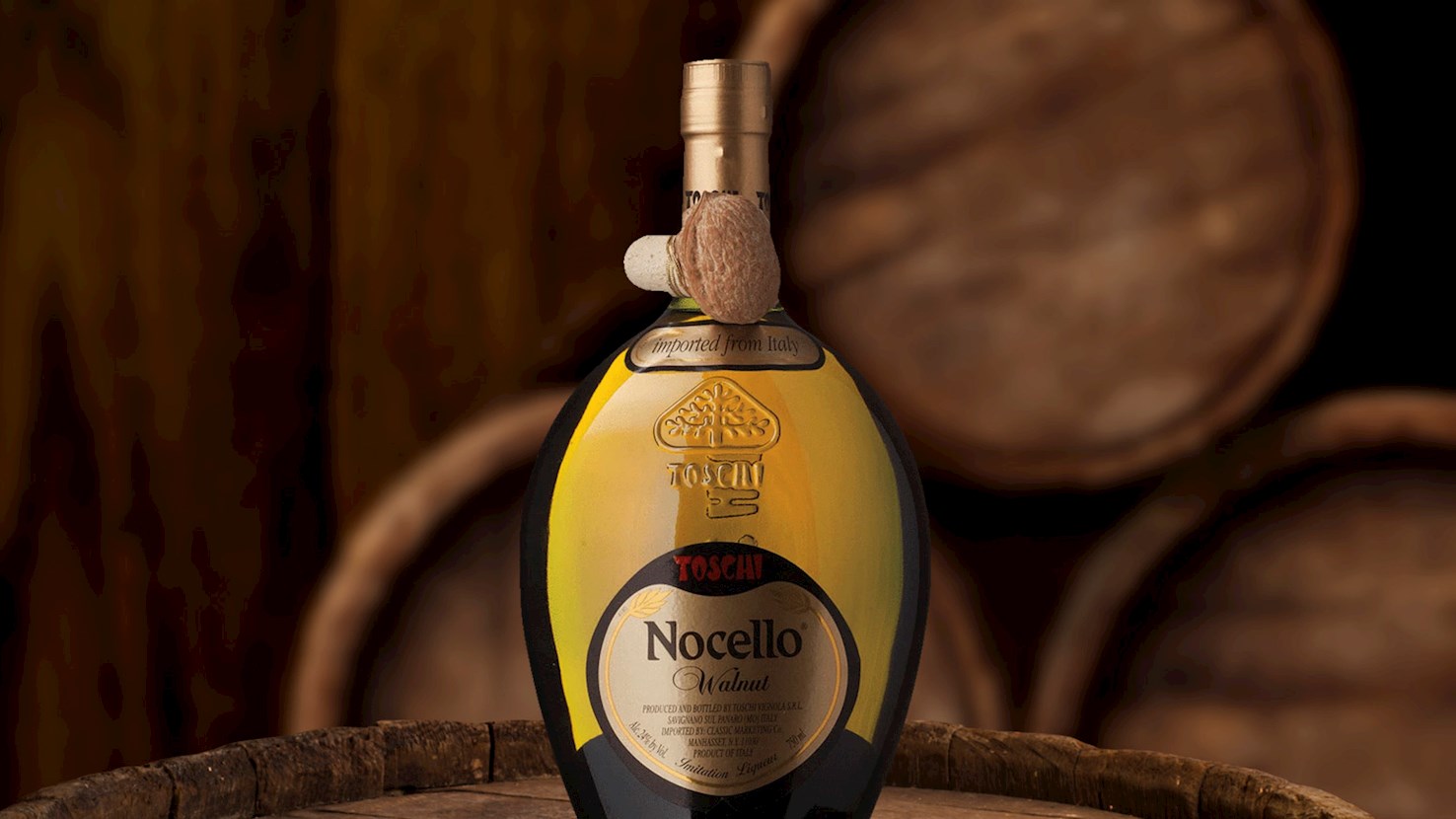
Nocello is an Italian amber-colored liqueur that is flavored with walnuts and hazelnuts. The drink is produced in the province of Modena of Emilia Romagna—a region well-known for the tradition of producing nut-flavored liqueurs. This aromatic and complex drink is subtly sweet with aromas and flavors that are reminiscent of nuts, vanilla, and chocolate, as well as a subtly bitter finish. Interestingly, each bottle comes with a cork stopper that has a walnut imitation attached to it. Nocello can be enjoyed as a digestif, served neat or on the rocks, but it works well as an ingredient in coffee, cocktails, and mixed drinks. It can also be used as a flavoring in desserts. It is bottled at 24% ABV.

04

Zabov

n/a ·

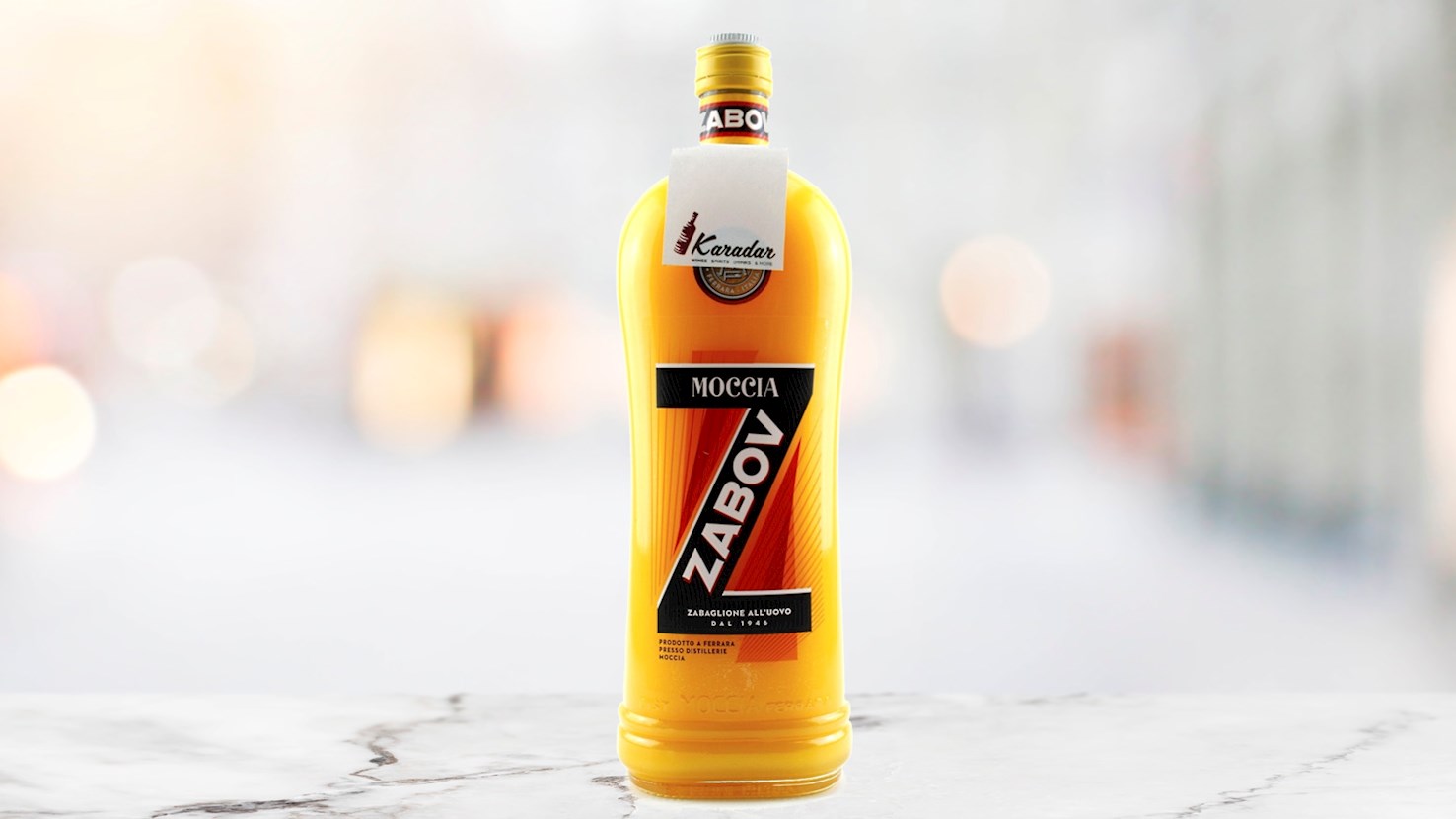
Zabov is an Italian egg liqueur that hails from Ferrara. It is made with a base of fresh milk and egg yolks. The combination is sweetened, fortified, and flavored, and before it is bottled, Zabov is rested for seven days. The resulting liqueur is bright yellow, creamy, and smooth. The liqueur was released in 1946. The main idea was to create a low-proof egg liqueur—Zabov is bottled at 15% ABV—based on brandy. The name Zabov is a portmanteau of Zabaglione (Italian egg custard) and ovo (meaning egg). Apart from its use in cocktails, Zabov can be served as a well-chilled aperitif, and it can be used as a dessert ingredient.

05

Biancosarti

n/a ·

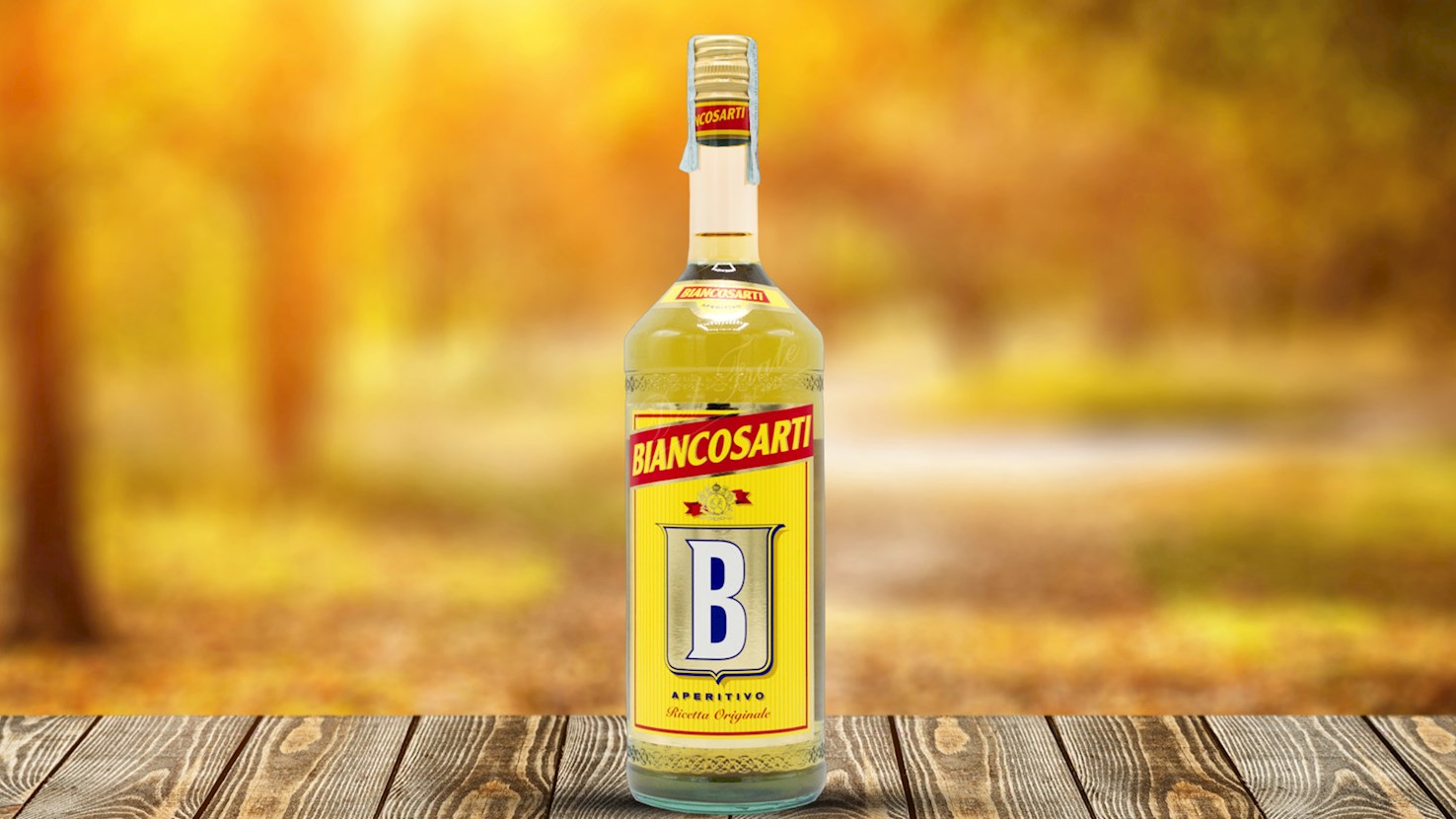
Biancosarti is an Italian aperitif made from various botanicals, including herbs, spices, flowers, bark, and roots. It is a golden-colored liqueur with a pleasant, sweet flavor and a spicy and herbal character. The liqueur is bottled at 28% ABV, and it is mostly enjoyed as an aperitif, served neat or on the rocks. It can also be topped with soda or used as an ingredient in cocktails and long drinks. Biancosarti was first introduced in by the Sarti distillery from Bologna. The liqueur was incredibly popular after it was featured in a few successful advertising campaigns, which often included famous Italian actors. The brand is now owned by Campari.

06

Bargnolino

n/a ·

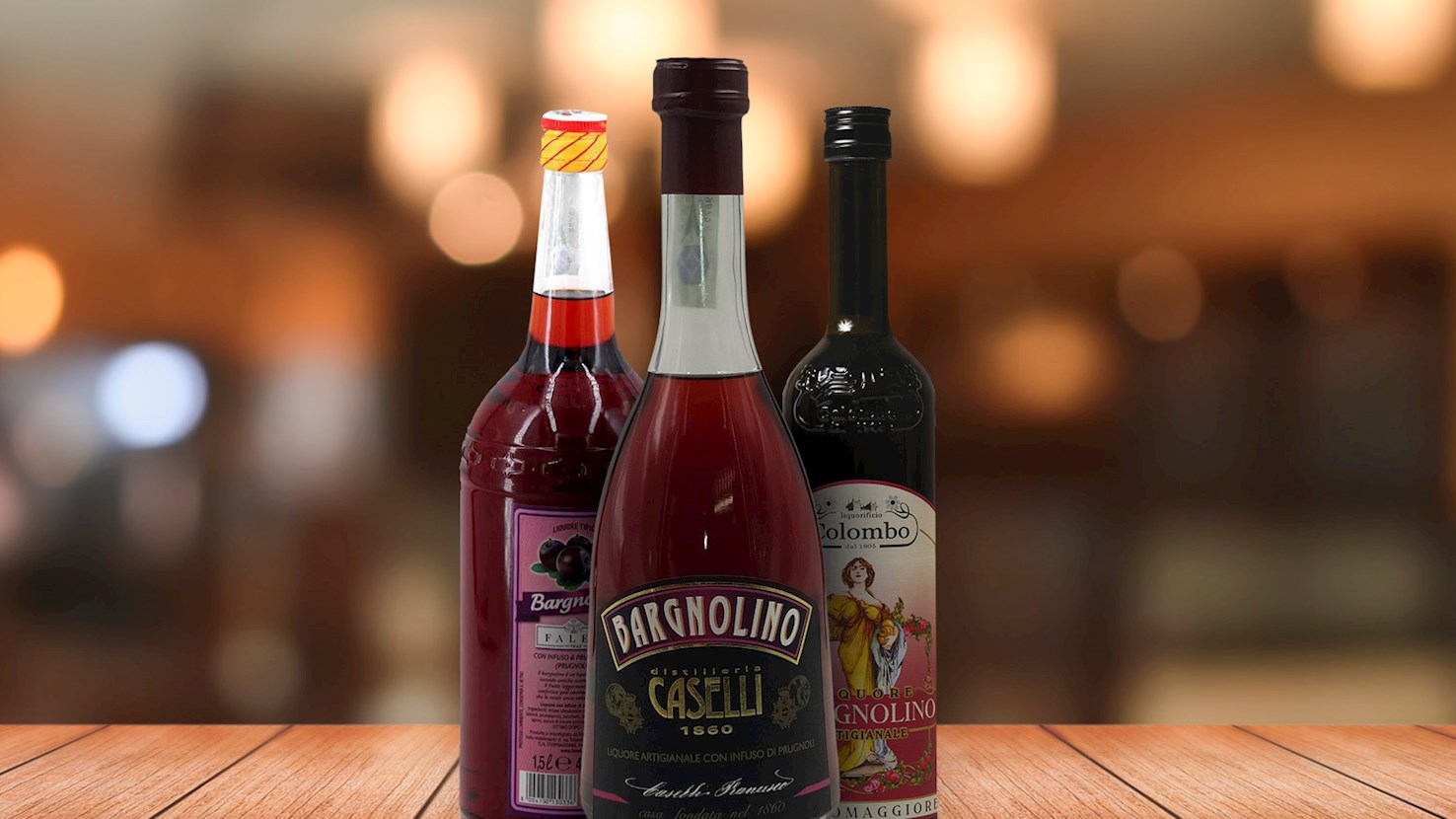
Bargnolino is an Italian liqueur made with sloe berries (blackthorn), locally known as bargnö or bargnòl. The liqueur is made by macerating sloes in a neutral spirit for several weeks. The macerate is then sweetened and diluted. There is no set recipe or an exact list of ingredients for bargnolino, and the recipes differ across the region and among the families. It usually includes wine and sometimes spices such as vanilla or cinnamon and citrus zest. The resulting drink is subtly sweet, with a distinctive mahogany hue. This liqueur is mostly associated with Parma and Piacenza. It is best enjoyed chilled, and it works best as an aperitif or an after-dinner drink.

07

Sassolino di Modena

n/a ·

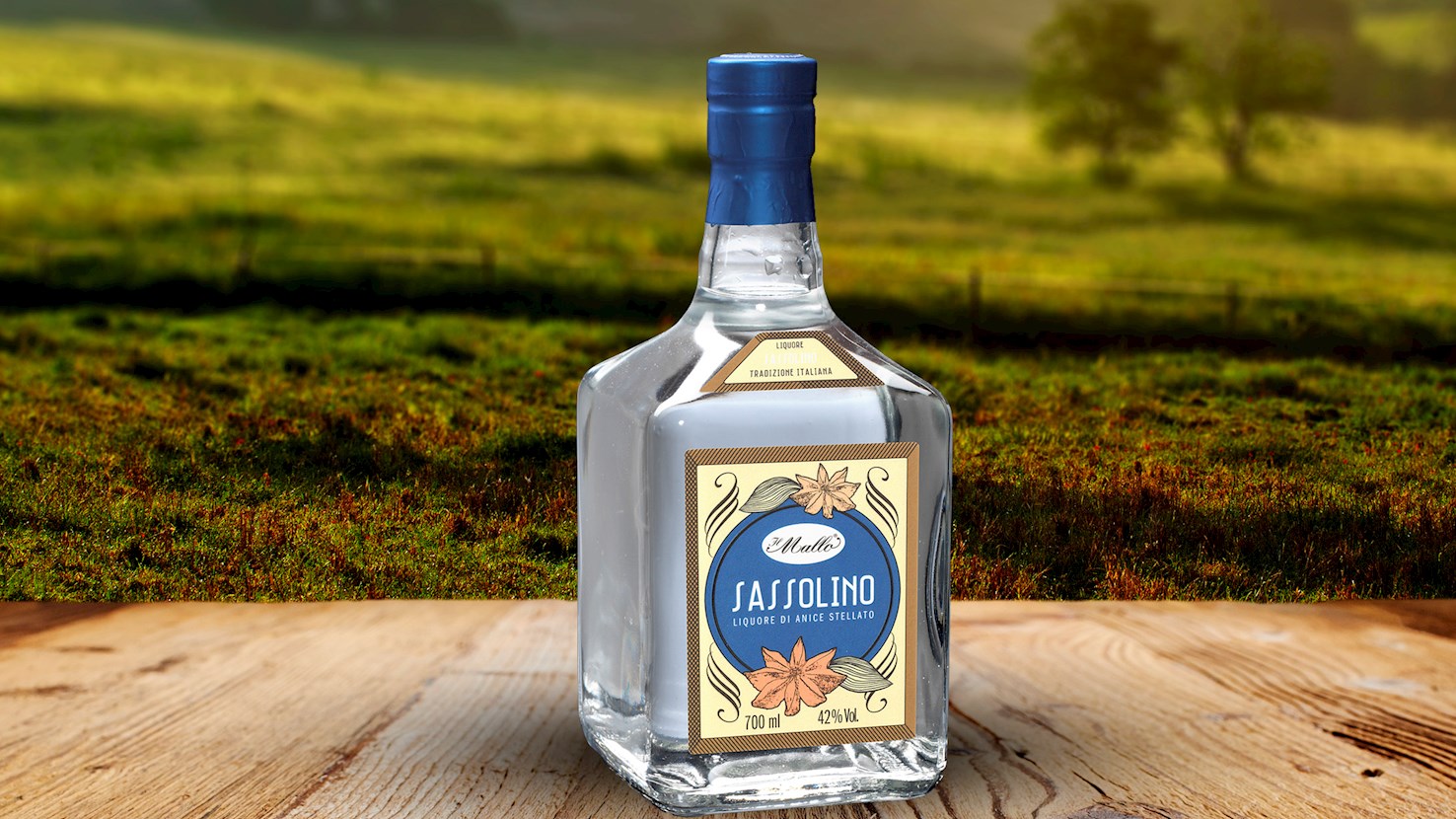
Sassolino di Modena is an anise-flavored liqueur that first appeared in the 19th century. The original version of the liqueur was thick and syrup-like and was often dubbed as a women’s drink because of its low alcohol content. The drink was allegedly invented by Swiss apothecaries who settled in the area, and it was eventually popularized by the cadets of the Military Academy of Modena, who had a summer camp in Sassulo. This clear and bright liqueur has a distinctive star anise aroma, and it is usually enjoyed as a digestif, served neat or over ice. It is also commonly incorporated into desserts or added to coffee to make café corretto.

Read more
View all
View map
About this ranking

TasteAtlas food rankings are based on the ratings of the TasteAtlas audience, with a series of mechanisms that recognize real users and that ignore bot, nationalist or local patriotic ratings, and give additional value to the ratings of users that the system recognizes as knowledgeable. For the “Top 7 Emilian Liqueurs” list until June 03, 2026, 48 ratings were recorded, of which 38 were recognized by the system as legitimate. TasteAtlas Rankings should not be seen as the final global conclusion about food. Their purpose is to promote excellent local foods, instill pride in traditional dishes, and arouse curiosity about dishes you haven’t tried.

The initial list of top producers was compiled based on available reviews, awards, local recommendations, media and blog coverage, and consumer reviews. The list will be updated with ratings from TasteAtlas local ambassadors and TasteAtlas users.

Similar lists