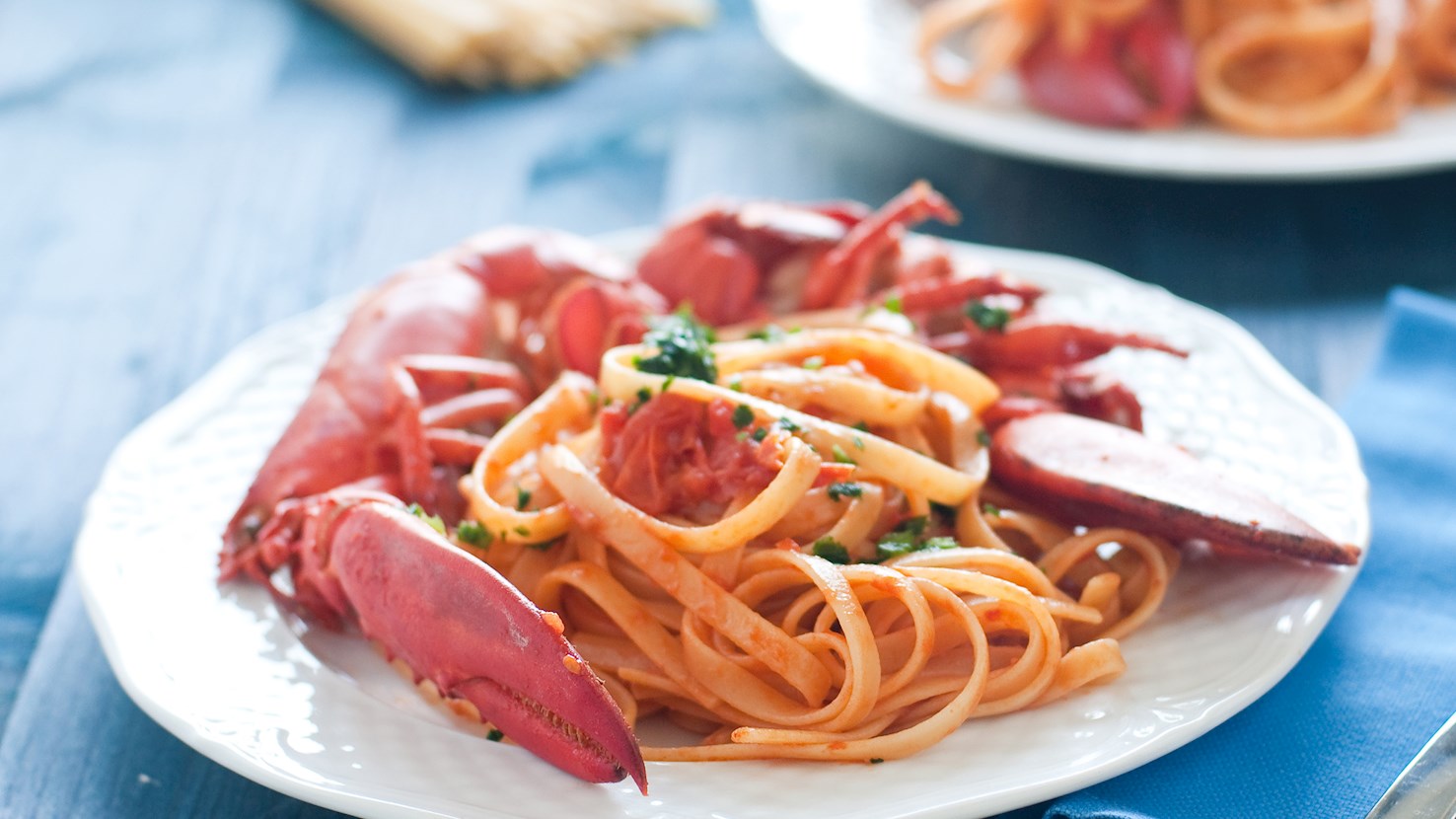
This Italian classic couples linguine pasta with tender lobster meat. The dish starts with a sauce that combines lobster meat and sautéed shallots, garlic, or onions, which are usually deglazed with white wine and finished off with tomatoes. The sauce is served over fresh linguine, and the whole plate is traditionally decorated with shelled lobster.
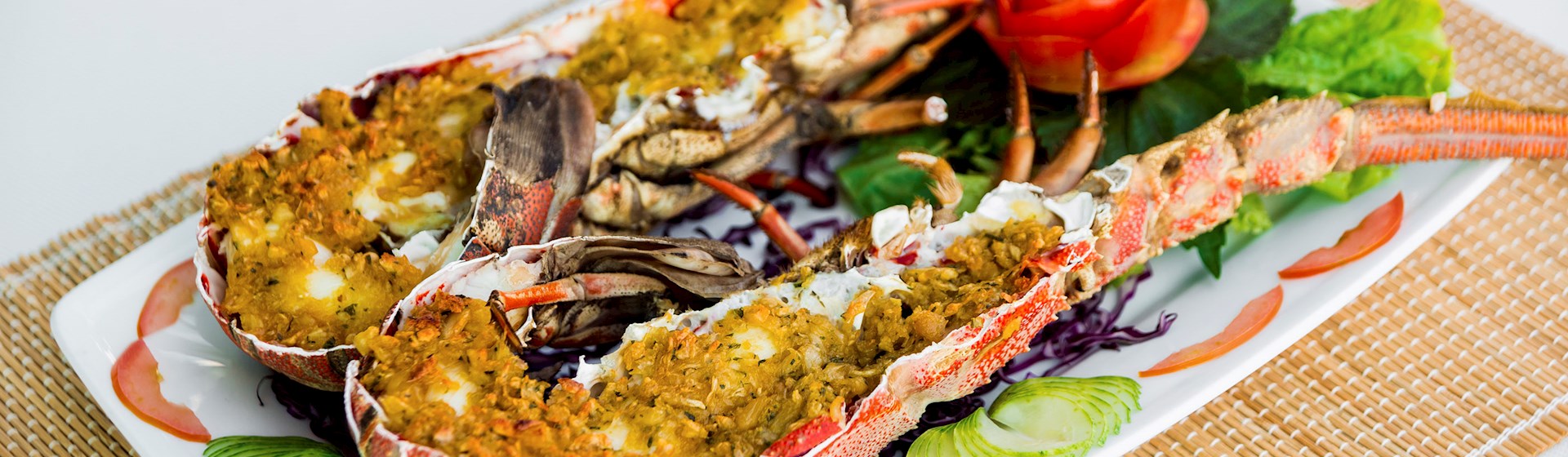
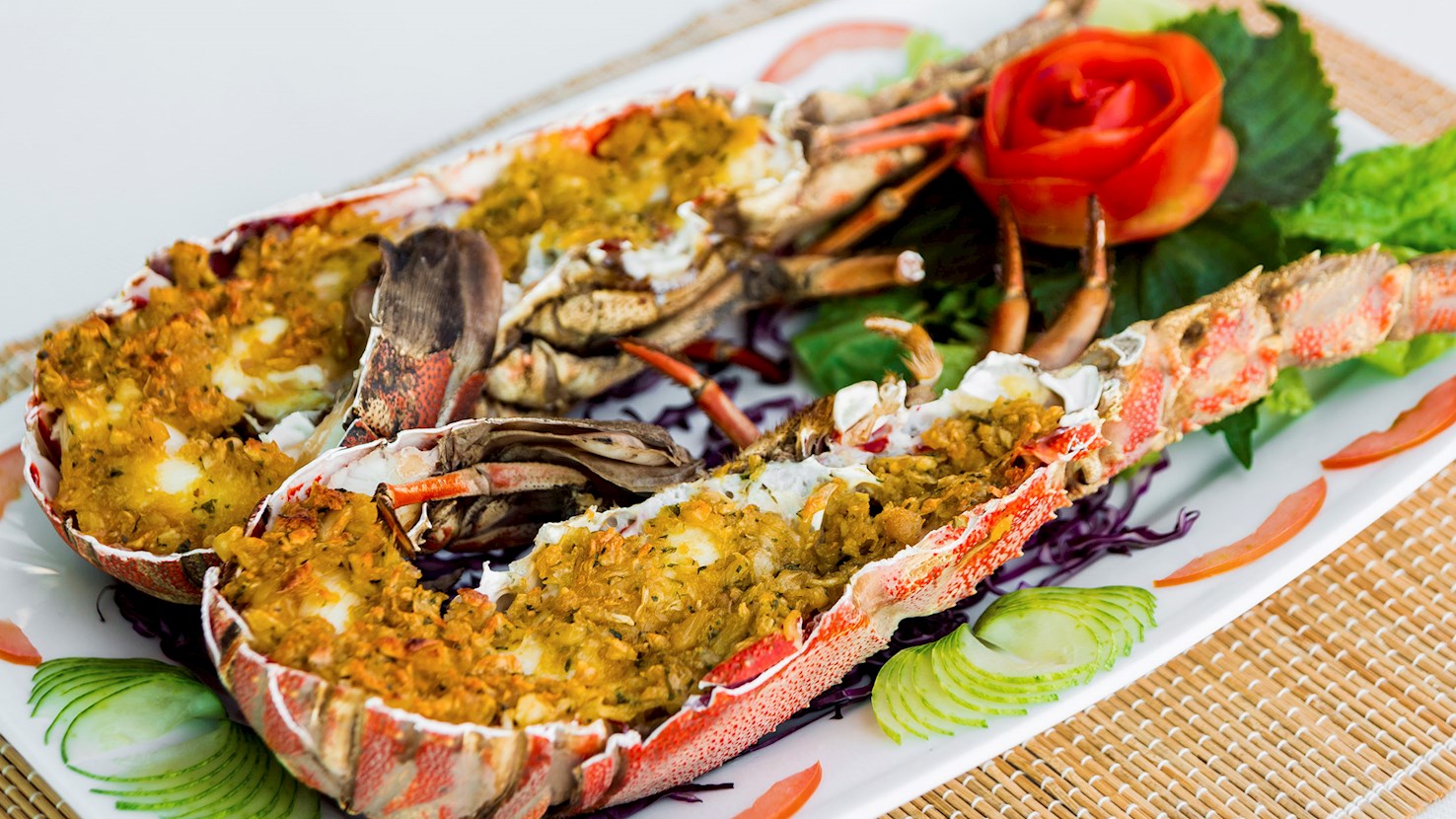
The extravagant lobster Thermidor is a classic French dish. Made with lobster meat which is sautéed in wine or cognac, and mixed with a creamy egg-based sauce and cheese, the dish is assembled and baked in whole lobster tails. Numerous stories and legends surround the dish, but the most probable version is that it is named after the play known as Thermidor, set in Paris in January. According to this theory, the dish was invented at Marie’s, a famous restaurant at the time, on the night of Thermidor's premiere. Even though the play did not gain success, the dish was a crowd-pleaser. It uses all of the traditional French ingredients such as butter and cream, which produce a lavish dish when combined with lobster. The dish is usually served in restaurants and prepared for special occasions. It was a restaurant favorite during the mid-20th century when it was often found in numerous restaurants around the world. Today, it is regarded as a classic of French cuisine, and can usually be found in traditional French restaurants.
Lobster a l'americaine is a traditional dish with many variations and optional ingredients. It's usually made with a combination of lobster meat, carrots, celery, shallots, tomato paste, garlic, dry white wine, cognac or dry sherry, chicken or fish stock, bay leaves, olive oil, thyme, heavy cream, butter, and chopped parsley. The lobster is simmered in the sauce, then flambéed with cognac or sherry. If the lobster is cooked with its shell, it will add extra flavor to the dish. It's recommended to serve it with rice on the side. Regarding its origin, the only thing that's known is that this is a French dish, but many sources claim that the origins are in the regions of Languedoc or Brittany, while some say that it was possibly served to first class passengers on ships that were headed for America, hence the name.
Risotto alla crema di scampi is an Italian dish that is made using Carnaroli or Arborio rice and a cream made of scampi (a type of small lobster). Preparation involves creating a rich stock from scampi heads and shells and garlic, which is gradually introduced to the rice to aromatize it with a deep seafood flavor. The risotto gets its velvety texture and creamy richness from a slow absorption process, during which the rice absorbs the stock one ladle at a time. In the end, the scampi tails are added to enrich the dish. It can be further personalized with various additional touches like a dash of brandy, a sprinkle of saffron, or a garnish of fresh herbs. Risotto alla crema di scampi is best paired with some light white wine or prosecco.
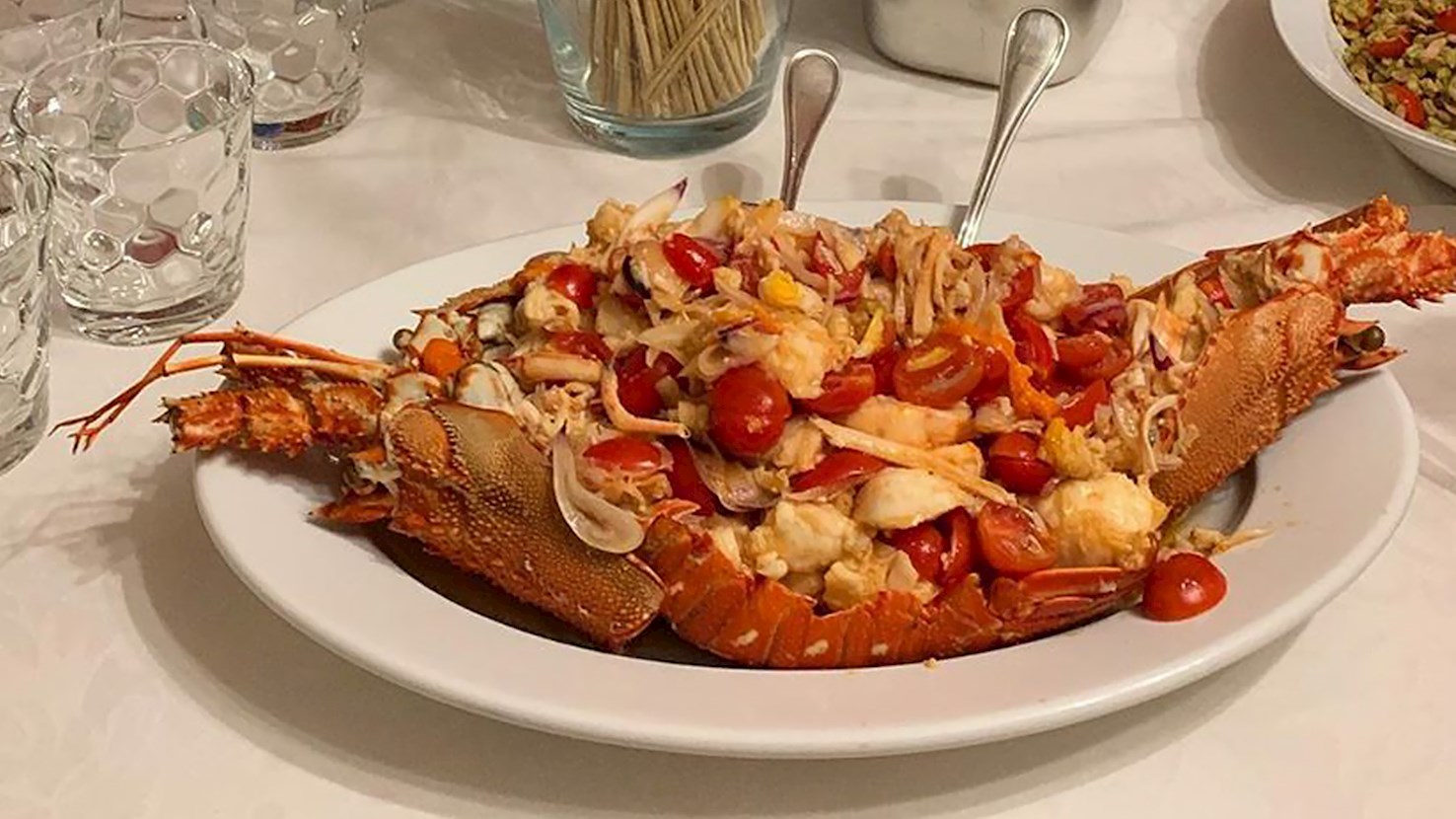
Aragosta alla Catalana is an Italian dish originating from Sardinia. The salad is prepared with lobster, tomatoes, onions, oil, and lemon. Depending on the variations, the dish can also contain potatoes, cherry tomatoes, and capers. The lobster is usually boiled and cut into smaller pieces, then mixed with a combination of oil, tomatoes, onions, and lemon juice. This dish is traditionally served hot, and even though it's very simple, some claim it's the most lavish dish in Alghero.
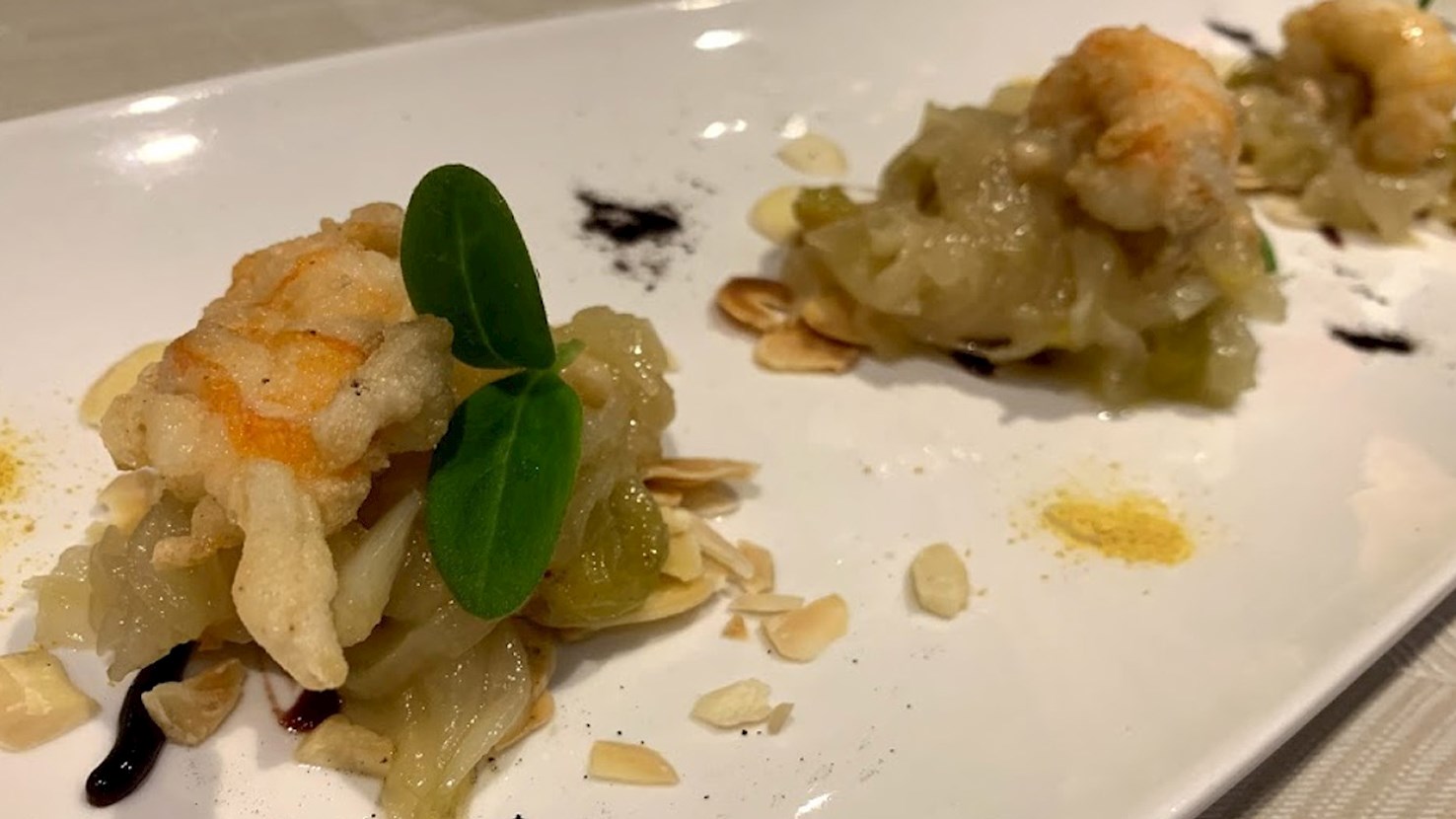
Scampi in saor is a traditional dish originating from Veneto. The dish is made with a technique called in saor, where fish or seafood is marinated in a mixture of onions, pine nuts, raisins, olive oil, white wine, and vinegar. Although sardines are the most common choice for saor, in this case the technique is used on large prawns. They are deveined, washed, dried, rolled in flour, fried in olive oil, and added to the onion sauce. The prawns are then covered and left in the fridge to marinate for at least 24 hours before consumption so that it soaks up the flavors. The dish is typically served as an appetizer.
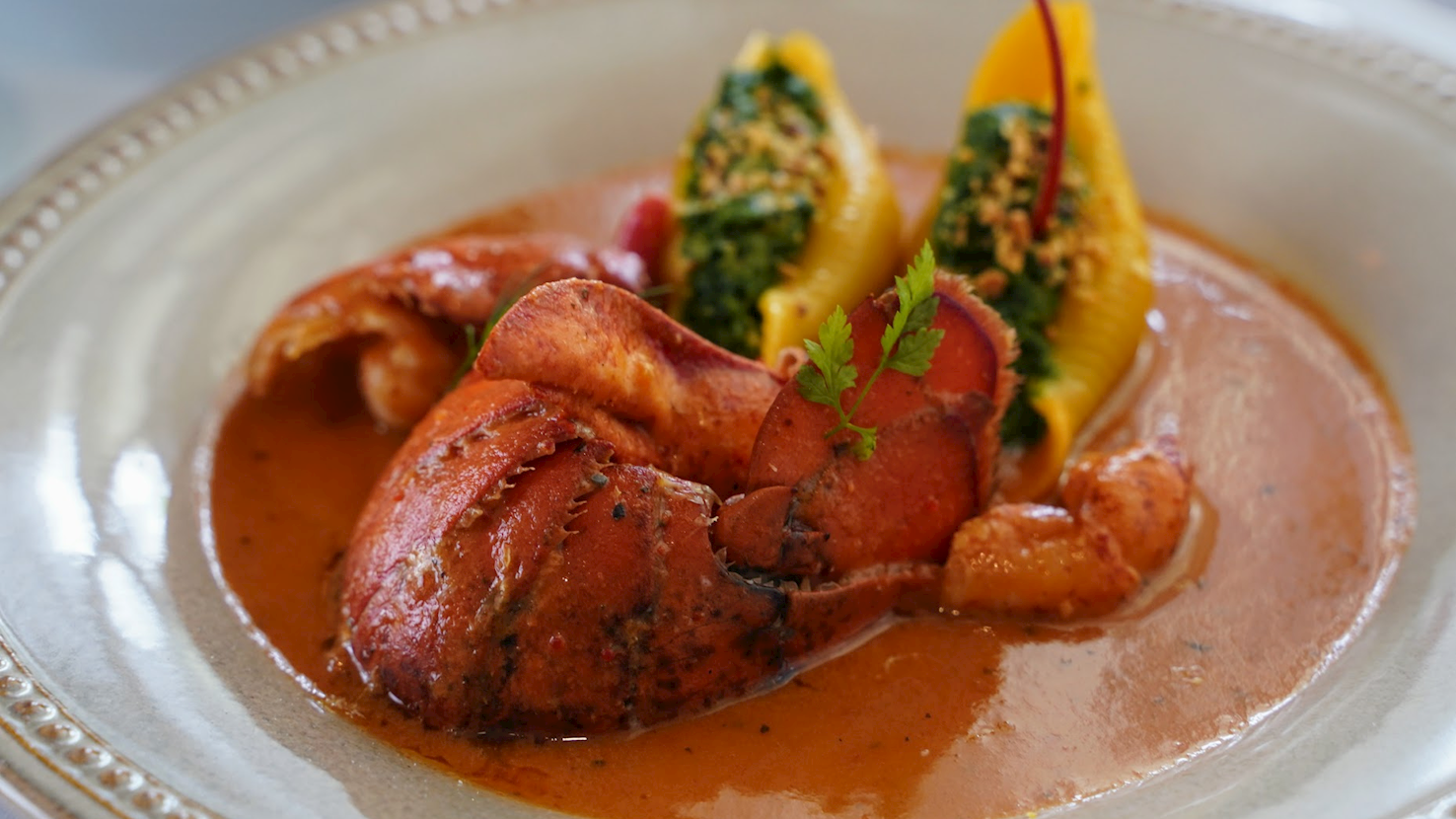
Caldereta de langosta is a lobster stew from the island of Menorca in Spain's Balearic archipelago, regarded as one of the island's most emblematic seafood dishes. Its name comes from caldereta, meaning "small cauldron," referring to the pot in which it is traditionally prepared and served. The dish was originally created by local fishermen, who prepared hearty stews with whatever seafood they caught, combining shellfish with tomato, onion, garlic, and bread to make a nourishing meal. As Menorca's fishing culture evolved and lobster became one of the island's most prized catches, the stew shifted from a humble fisherman's meal to a delicacy served in taverns and family kitchens alike. By the mid-twentieth century, caldereta de langosta had become a signature dish in Menorcan restaurants, particularly in the fishing town of Fornells, which is still regarded as the epicenter of its preparation. Its popularity grew beyond the island as visitors discovered and celebrated its intense flavors and simple elegance. Preparation begins with the lobster, which is cut into pieces and lightly sautéed in olive oil to release its flavor. A base of finely chopped onion, garlic, tomato, and sometimes green pepper is slowly cooked to create a sofrito, which forms the foundation of the stew. Water or fish stock, along with parsley, is added, and the lobster pieces are gently simmered so their juices enrich the broth. To thicken and deepen the flavor, ground toasted almonds, bread, or even lobster liver and roe are sometimes incorporated into the sauce. The result is a silky, deeply flavorful broth, with the lobster remaining tender and succulent. The stew is typically served directly from the pot, accompanied by slices of toasted bread to soak up the sauce. What distinguishes caldereta de langosta is its focus on the lobster's natural flavor, which is not masked by heavy seasoning but rather enhanced by a slow-cooked base and careful layering of ingredients. Caldereta de langosta is most often enjoyed as a main course, particularly during the spring and early summer lobster season. It is served at family celebrations, local festivals, and in restaurants across Menorca, often as the centerpiece of a special meal. The dish pairs well with crisp white wines, such as Albariño or Menorcan wines, which have minerality that complements the sweetness of the lobster and the richness of the broth.
TasteAtlas food rankings are based on the ratings of the TasteAtlas audience, with a series of mechanisms that recognize real users and that ignore bot,
nationalist or local patriotic ratings, and give additional value to the ratings of users that the system recognizes as knowledgeable.
For the “Top 7 Western European Lobster Dishes” list until May 16, 2026, 107 ratings were recorded, of which 77 were recognized by the system as legitimate.
TasteAtlas Rankings should not be seen as the final global conclusion about food. Their purpose is to promote excellent local foods,
instill pride in traditional dishes, and arouse curiosity about dishes you haven’t tried.