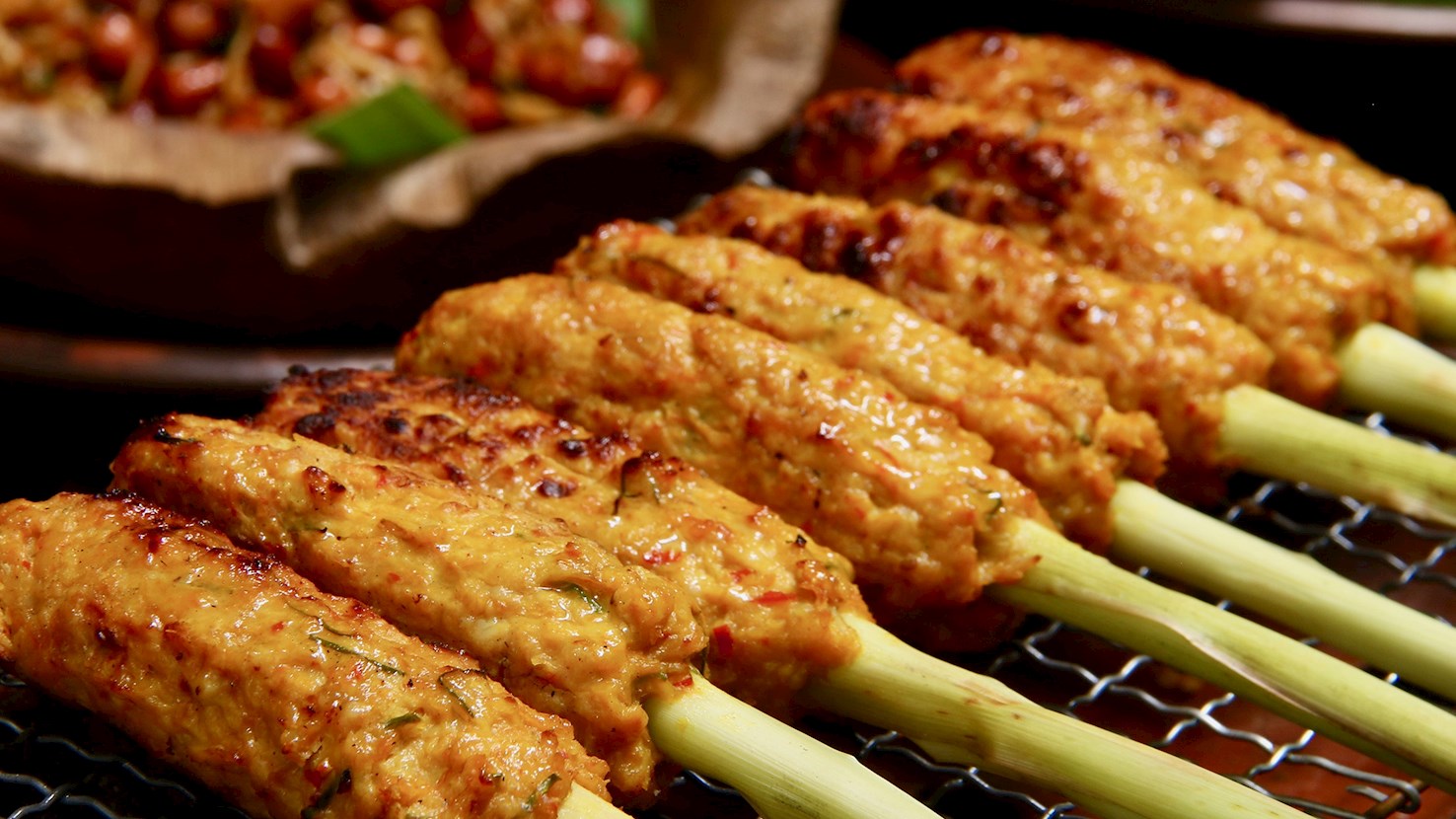
Sate lilit is the favorite street food on Bali. This traditional delicacy is usually made with minced meat which is wrapped around a flat skewer. All meat varieties (including fish and other seafood) are used to prepare sate lilit. However, the most common variety is prepared with pork. The skewers are usually spiced with traditional Indonesian spices such as lemongrass, galangal, chili, and lime leaves. It is believed that Indonesia is the birthplace of sate, and its numerous varieties can be found everywhere in Indonesia. Since sate lilit originated on Bali, it is often referred to as sate lilit Bali, and next to babi guling, it is one of the most popular dishes on the island. This traditional Balinese delicacy can be eaten for breakfast, lunch, or dinner, and it can be served as a light main course or a nutritious snack. The skewers are usually served with rice or rice cakes, and occasionally with spicy sauces on the side.
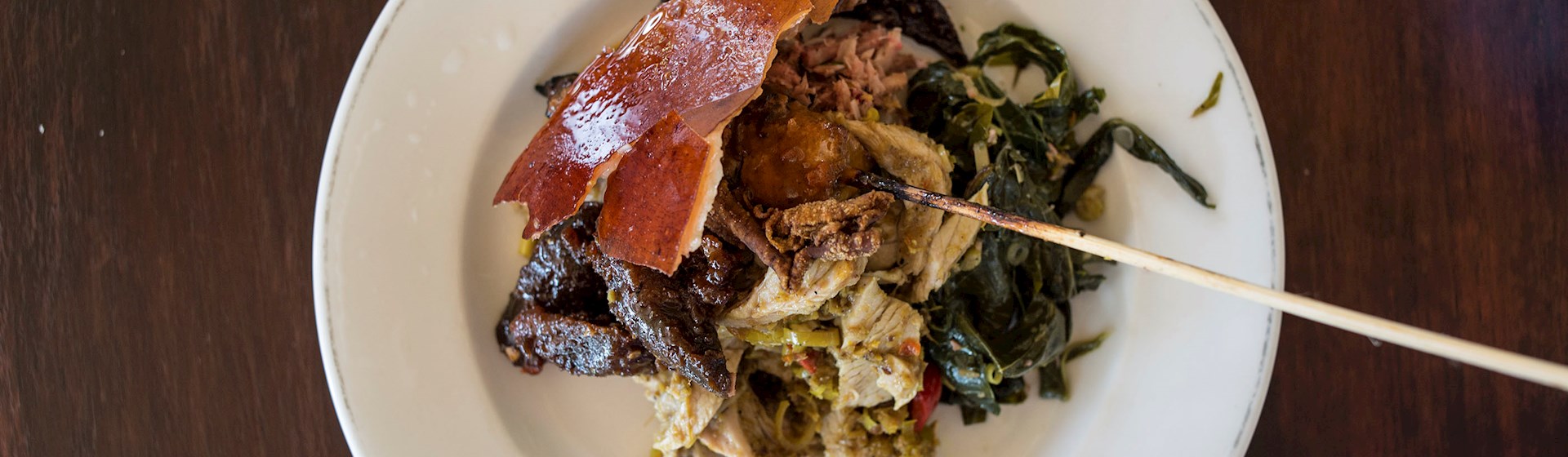
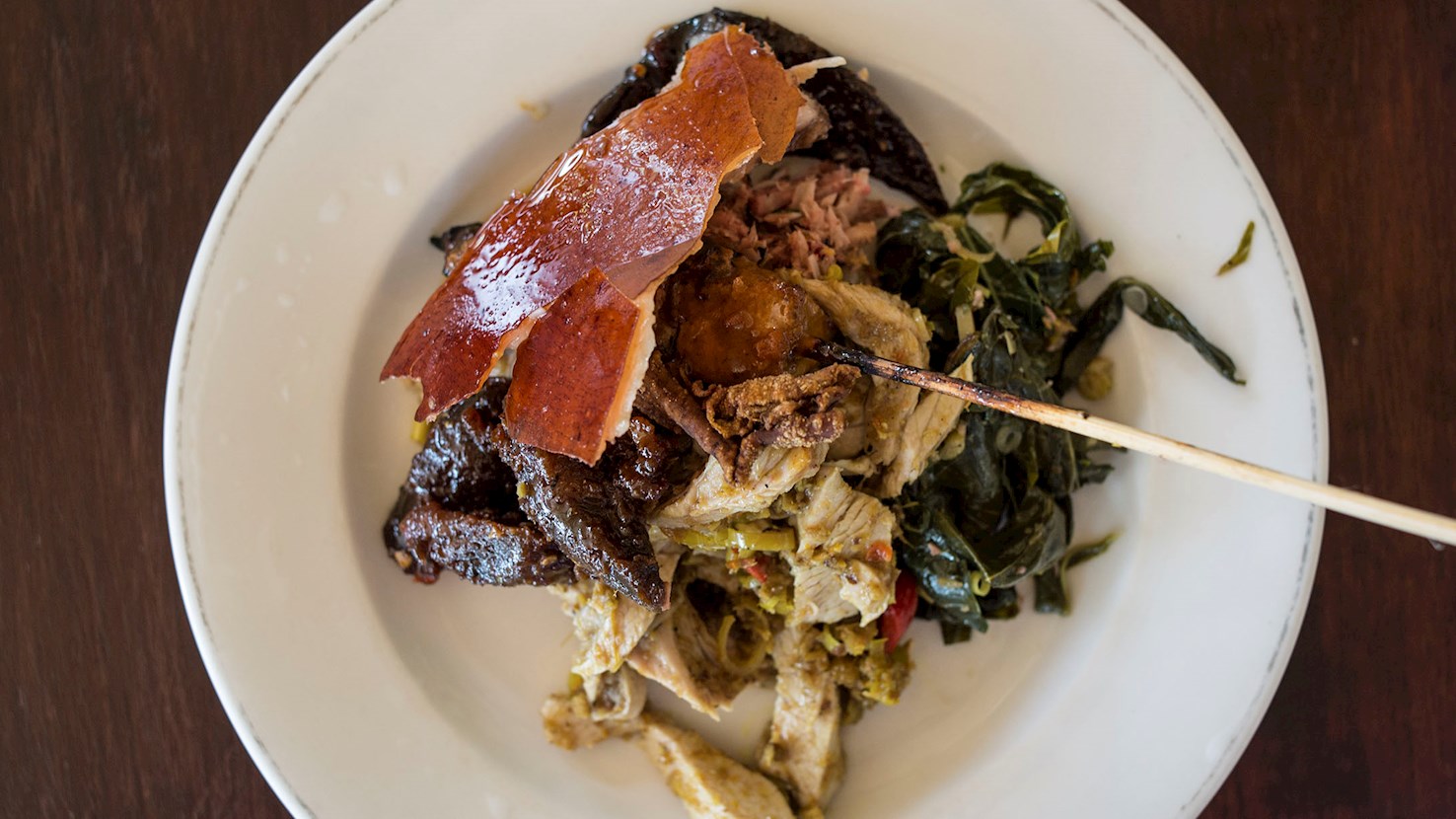
Babi guling is the Indonesian version of a roast suckling pig. Although not common to other Indonesian regions, on Bali, where the predominant religion is Hinduism, it is one of the most popular dishes. Before roasting, pig's skin is usually rubbed with turmeric, and the animal is stuffed with a bumbu Bali spice mixture, which usually includes turmeric, coriander, lemongrass, shallots, galangal, chili, shrimp paste, and garlic. Pork is then placed on a spit and roasted over an open fire. This Balinese delicacy is usually served during special occasions and formal gatherings, but can often be found in warungs, traditional Indonesian casual eateries. The dish is so popular in Bali that most warungs specialize and serve only babi guling as their signature dish. When the pig is roasted, the crisp amber-colored skin is carefully removed, and the meat is cut into chunks. Each serving of babi guling is supposed to have a chunk of juicy meat, a piece of crispy skin, and a tablespoon of the flavorful stuffing. Babi guling is often served with steamed rice, fresh vegetables, and a dollop of spicy Indonesian condiment known as sambal.
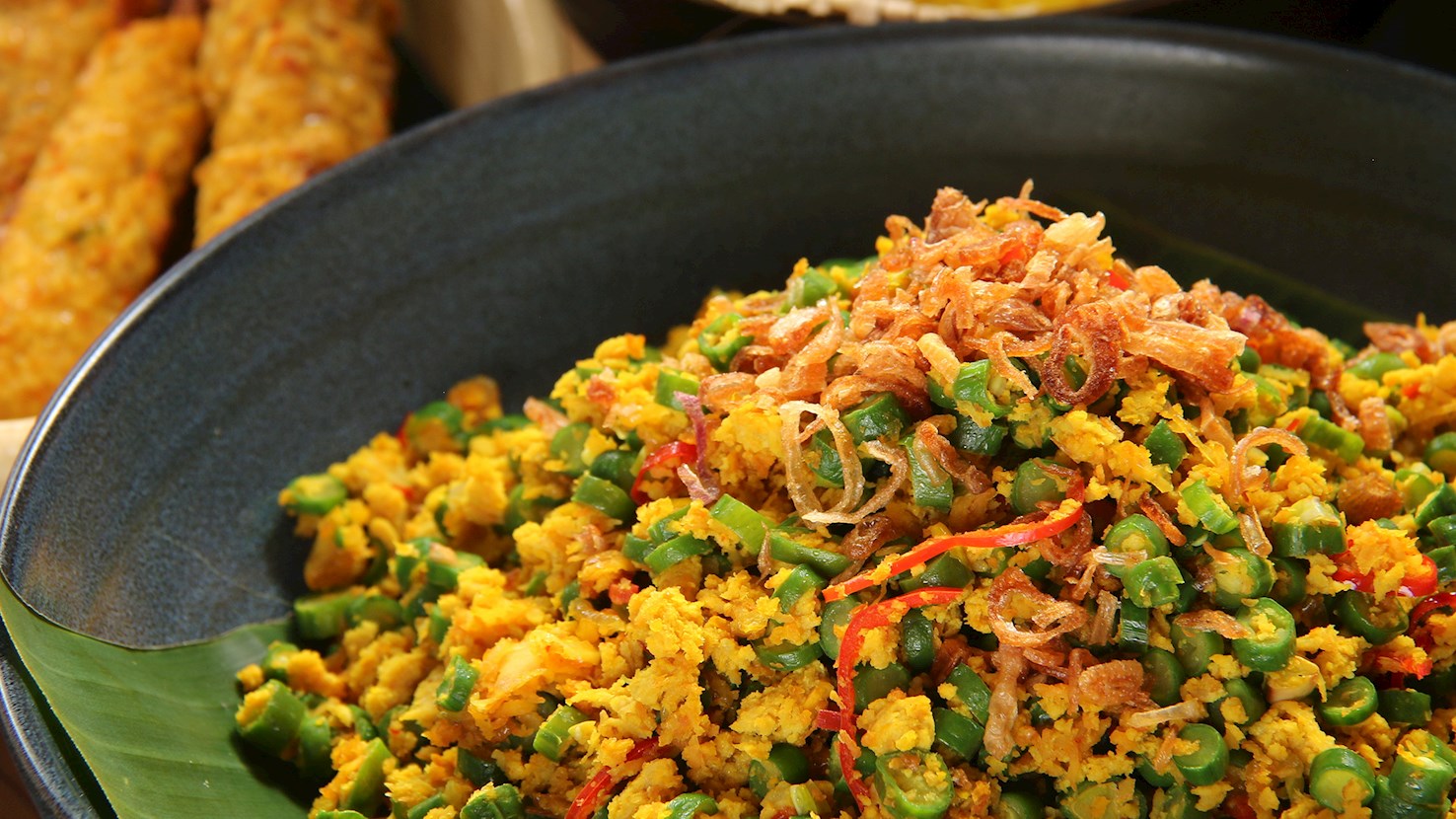
Lawar is a complex, richly textured dish from the island of Bali, emblematic of the island’s intricate balance between ritual, community, and flavor. At its core, it is a warm salad composed of finely chopped vegetables, grated coconut, aromatic spices, and minced meat, often pork or chicken, bound together with fresh herbs and sometimes the animal’s blood, which lends both depth and authenticity to the preparation. Lawar is not a single, fixed recipe but rather a concept that reflects regional variations, family traditions, and ceremonial significance. Its name is thought to derive from the Balinese word lawar, meaning “finely chopped,” which speaks to the foundational preparation technique where every component is carefully sliced or shredded to ensure even texture and full absorption of flavor. What distinguishes lawar from other Indonesian salads is its deeply ceremonial nature. It is most often prepared during temple festivals, religious offerings, and family celebrations, where large quantities are made by a group of men working communally. The act of cooking itself is part of the ritual, a collective endeavor where elders impart both culinary skills and spiritual teachings. Ingredients are chosen not only for flavor but for their symbolic resonance: coconut represents purity, meat for sustenance, and blood as a conduit of life and energy. The seasoning is a masterful blend of bumbu Bali, a paste made from garlic, shallots, turmeric, galangal, ginger, and shrimp paste, which is fried until fragrant and then folded into the mix to create layers of spice and umami. There are many types of Lawar, each named after its key ingredient or color. Lawar putih, or white lawar, omits blood and is seen as a purer, more symbolic offering, while lawar merah or lawar barak includes blood, giving the dish a reddish hue and a more intense flavor. Lawar nangka uses young jackfruit for a meatless alternative, while lawar kacang long beans add crunch and freshness. Despite its ceremonial roots, lawar is also found at roadside warungs and in home kitchens, eaten alongside steamed rice and other traditional Balinese dishes like babi guling or satay lilit.
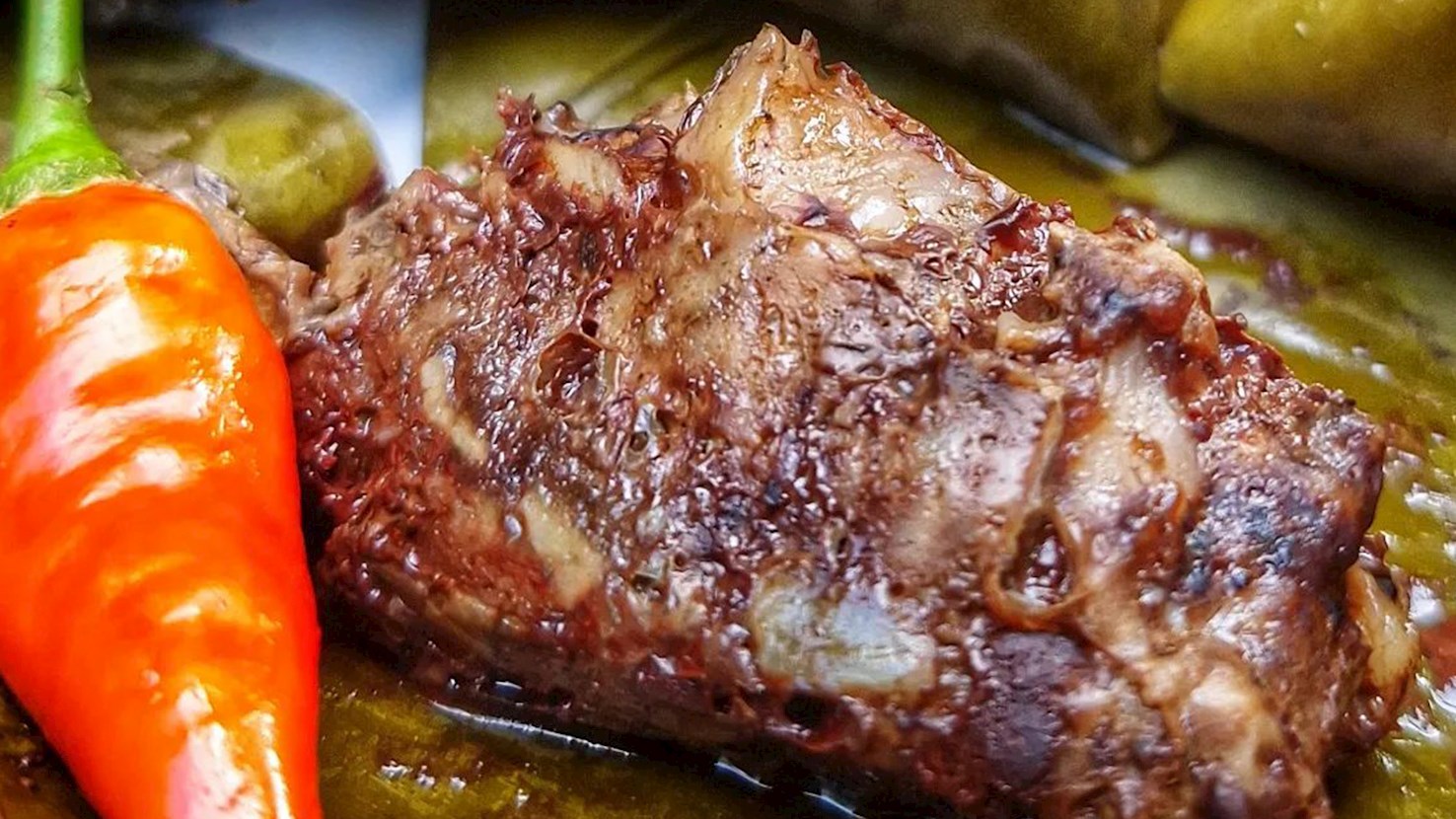
Tum babi is a Balinese dish that features seasoned minced pork wrapped in banana leaves and steamed until fully cooked and aromatic. The preparation involves finely chopping or grinding pork and mixing it with a spice blend called bumbu, which typically includes shallots, garlic, turmeric, galangal, coriander, and chilies. Fresh grated coconut and sometimes a small amount of pork fat are incorporated into the mixture to enhance richness and moisture. Once the pork is thoroughly seasoned, it is portioned onto pieces of banana leaf that are folded and secured into compact parcels. The wrapped tum are arranged in a steamer and cooked gently so the pork becomes tender while absorbing the aroma of the banana leaf. When unwrapped, each parcel reveals a moist filling that is both savory and lightly spicy. Tum babi is usually served with rice and vegetable side dishes such as lawar, and it may be accompanied by sambal for additional heat. Because the dish relies on fresh herbs and local produce, recipes can vary slightly depending on family preference and regional practices within Bali. Tum babi reflects Balinese cooking techniques that favor steaming in banana leaves rather than grilling or frying, creating a clean flavor that allows the spices to come forward without being overpowered by smoke. Some cooks prepare similar parcels using chicken, duck, or fish instead of pork, but tum babi remains among the most popular versions. The dish is often made in larger batches for special meals, as the banana leaf parcels can be prepared ahead of time and steamed when needed. In local markets, ready-made tum are sometimes sold for convenience, especially during holidays when many households are preparing ceremonial meals.
TasteAtlas food rankings are based on the ratings of the TasteAtlas audience, with a series of mechanisms that recognize real users and that ignore bot,
nationalist or local patriotic ratings, and give additional value to the ratings of users that the system recognizes as knowledgeable.
TasteAtlas Rankings should not be seen as the final global conclusion about food. Their purpose is to promote excellent local foods,
instill pride in traditional dishes, and arouse curiosity about dishes you haven’t tried.



What People Say