shutterstock

Top 5 Bavarian Meat Dishes

Last updated on June 15, 2026

Best Bavarian Meat Dishes
01

Vinzenzmurr

4.0 ·
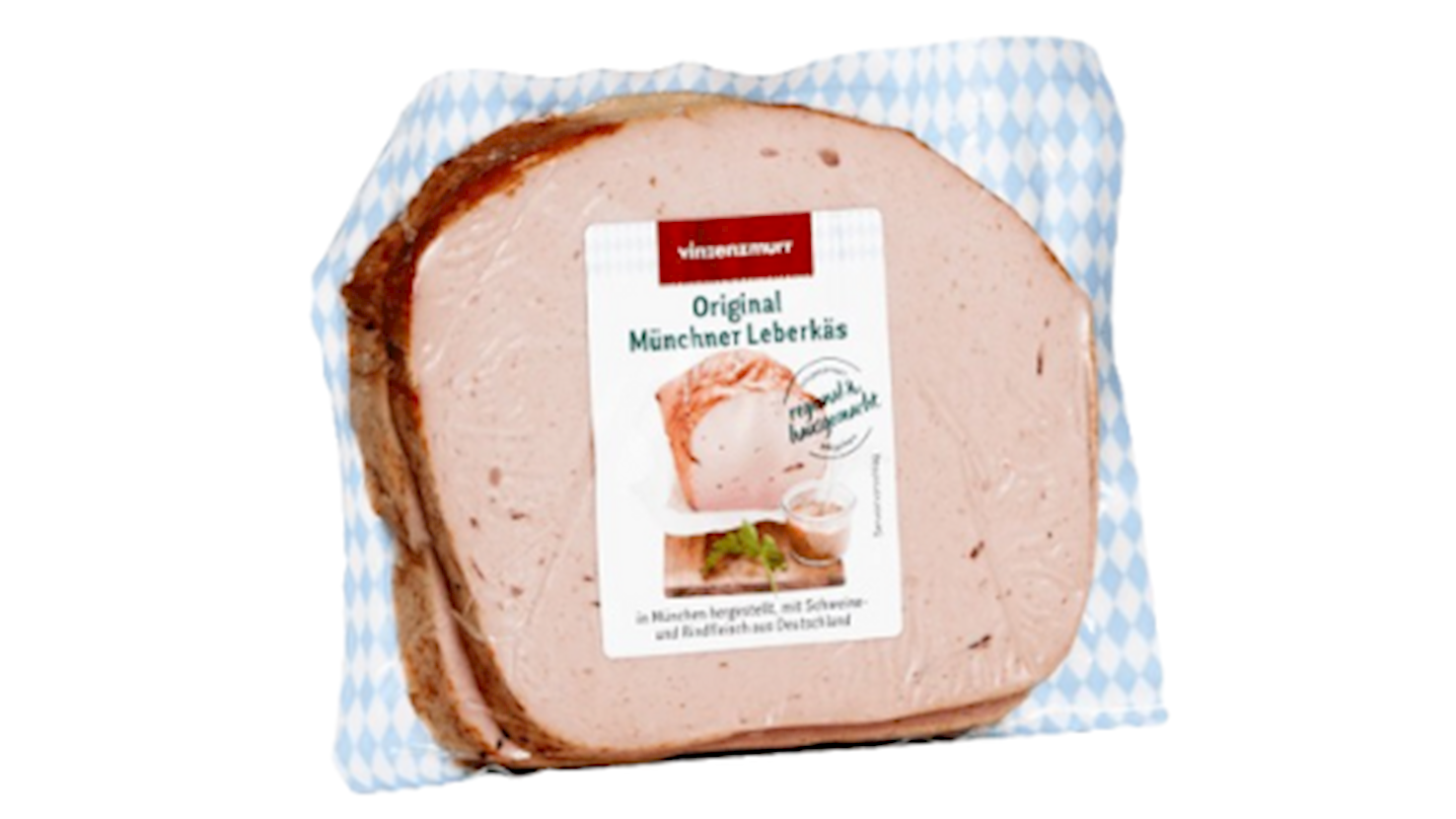
Vinzenzmurr is a traditional Bavarian butcher and delicatessen company based in Munich, founded in 1902 and deeply embedded in the city’s food culture. Built on classic butcher craftsmanship, the brand combines in-house production with a strong focus on freshness, traceability, and regional sourcing, working closely with Bavarian farmers. Vinzenzmurr is best known for its range of traditional specialties such as Münchner Weißwurst, Leberkäse, sausages, hams, and prepared meat dishes, produced according to long-established recipes and strict quality standards. Centralized production in Munich supplies a wide network of retail shops across the city and southern Bavaria, ensuring consistent quality while maintaining a local, neighborhood presence. Beyond everyday retail, the brand is also visible in Munich’s culinary traditions, including its long-standing presence at Oktoberfest. Vinzenzmurr positions itself not as a gourmet brand, but as a reliable, heritage-driven butcher rooted in everyday Bavarian cuisine, where craftsmanship, volume, and regional identity meet.

Best Bavarian Meat Dishes

01

Zwiebelrostbraten

4.3 ·

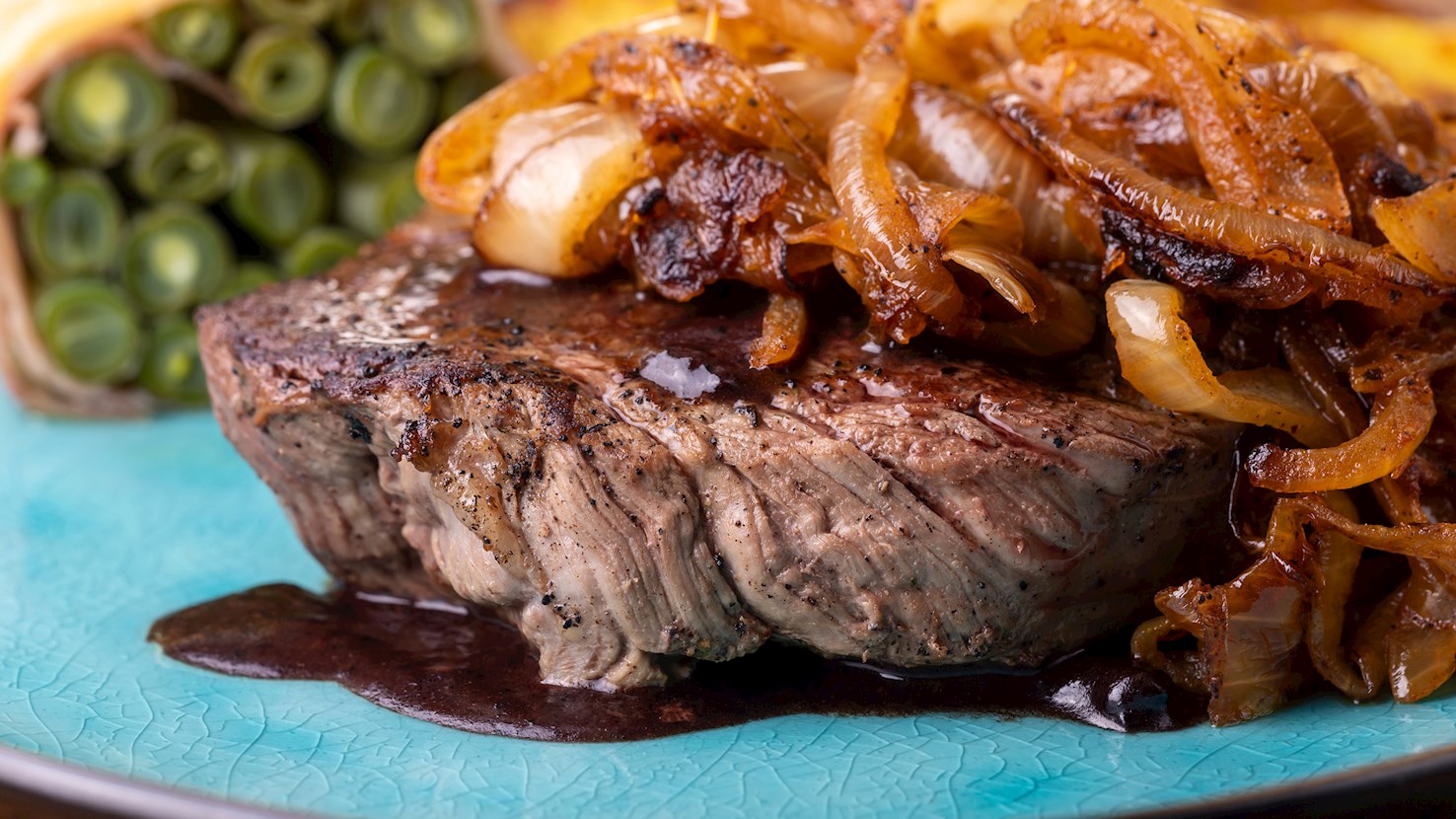
Zwiebelrostbraten is a traditional dish that's served in most German and Austrian restaurants in Bavaria and Vienna, respectively. The dish is usually made with a combination of beef (sirloin steak), onions, flour, oil, butter, paprika, Dijon mustard, cream, beef stock, salt, and pepper. The onions are sliced into rings, dipped in a mixture of flour and paprika, fried in oil, and set aside. The steaks are lightly pounded, seasoned with salt and pepper, coated with flour and paprika, fried in oil and butter on both sides, and removed from the pan. The fried onions are returned to the pan with mustard and beef stock, and the mixture is cooked until the juice are reduced. Cream is added to the pan and everything is simmered for a few minutes. The steaks are added to the sauce, and the dish is then served with spätzle or potatoes on the side. The meat is typically topped with the remaining onions before serving.

Best restaurants
02

Schweinshaxe

4.1 ·

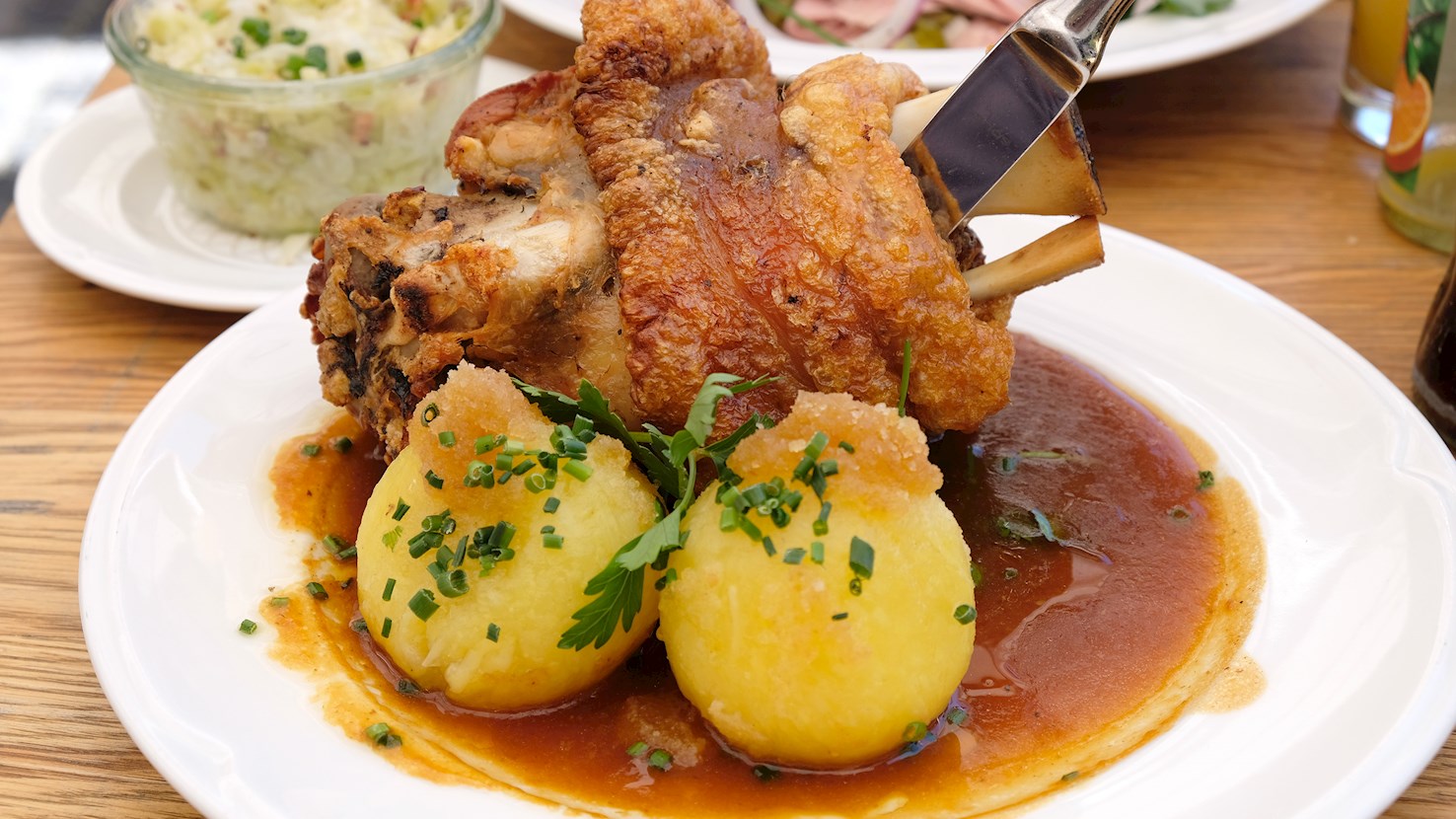
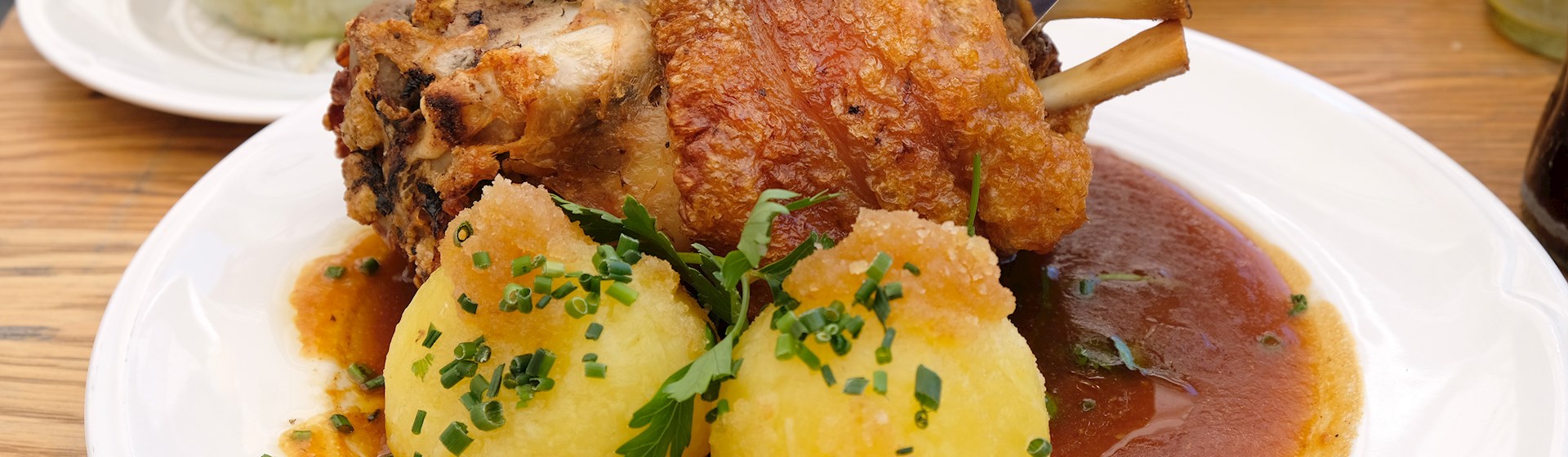
The term Schweinshaxe is typically used in the southern parts of Germany, predominantly in Bavaria, and it usually refers to a whole pork knuckle that is roasted for hours until it is thoroughly cooked and the skin becomes golden brown and crispy. Pork knuckles are a staple in traditional German cuisine, and they come with various names such as hachse, haxe, haxn, knöchla, hechse, hämmchen, and bötel, mainly depending on the region and a slightly different preparation process. Eisbein is the northern version of the dish that is typically cured or pickled and then boiled. Though it is commonly found in restaurants throughout the country and the region, Schweinshaxe is a quintessential dish at the popular folk festival Oktoberfest. The knuckle is almost always served whole, and it's usually accompanied by sauerkraut, braised cabbage, roasted potatoes, or potato dumplings. Similar dishes are found in other European countries, such as pečené vepřové koleno in the Czech Republic.

03

Münchner Schnitzel

4.0 ·

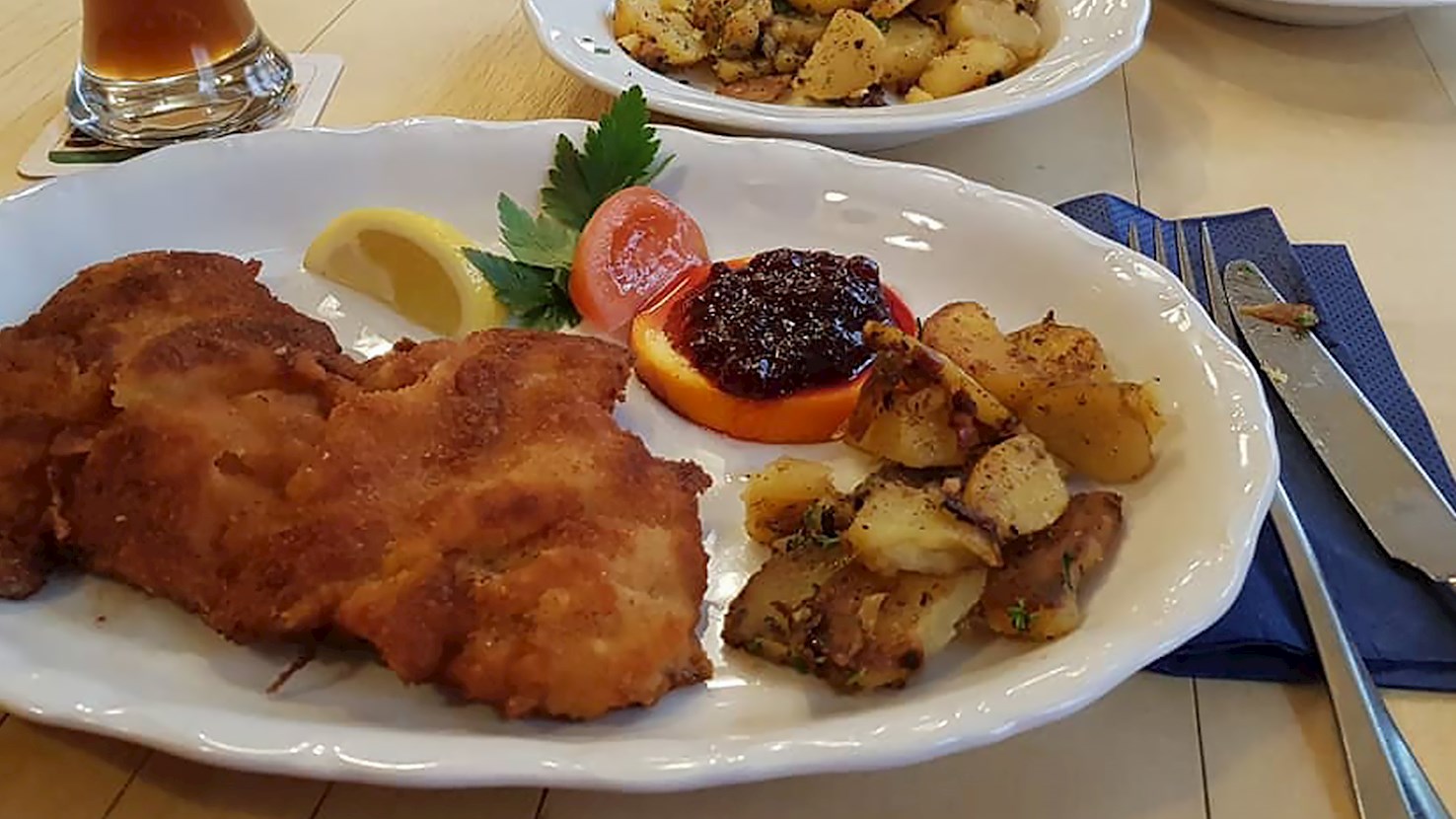
Münchner schnitzel is an interesting variety on the world-famous Wiener schnitzel. This is a Munich-style variety, hence the name of the dish. The veal cutlets are brushed with a combination of sweet mustard and horseradish before they're coated in flour, eggs, and breadcrumbs, then fried in butter. The dish is ready to be eaten when the meat becomes golden brown. It's traditionally served hot with lemon wedges on the side.

04

Schweinebraten

3.9 ·

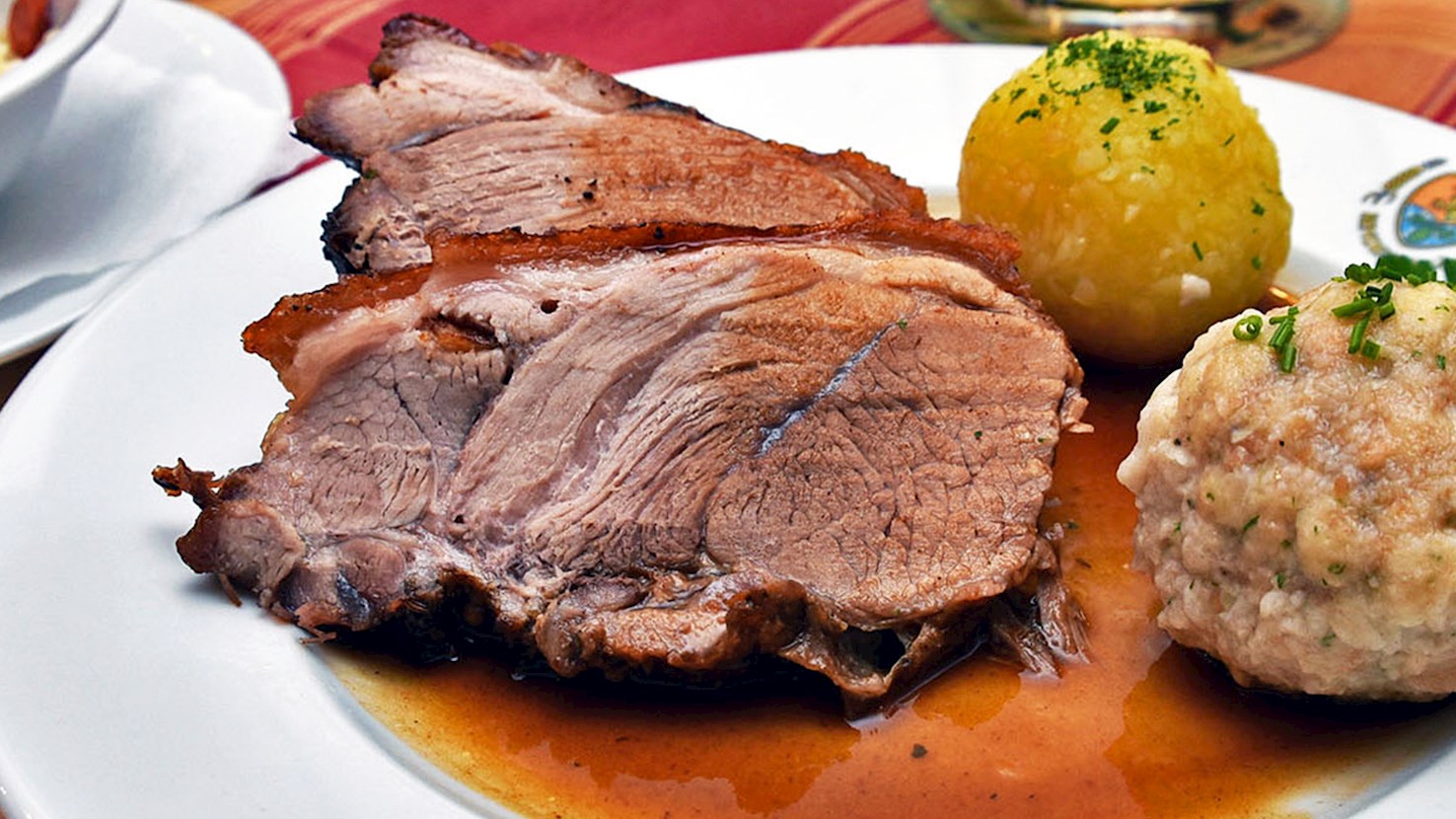
Schweinebraten is a traditional pork roast originating from Bavaria. It is typically prepared for Sunday lunch and consists of sliced pork roast that's served with homemade gravy, semmelknödel (bread dumplings) or potato dumplings, and either sauerkraut or rotkohl (red cabbage). When properly prepared, the meat should be succulent and very tender. The best part of pork to use for this dish is boneless pork shoulder. Before the preparation, pork is often rubbed with mustard, marjoram, or minced garlic, giving it a bit of extra flavor. For the best possible experience, it is recommended to pair the dish with a cold German beer on the side, preferably a lager.

05

Bamberger Zwiebeln

n/a ·

Bamberger Zwiebeln is a regional Franconian specialty from the historic city of Bamberg in northern Bavaria, that consists of large hollowed-out onions filled with a savory meat mixture, typically composed of minced pork or a blend of pork and beef, seasoned with herbs, spices, and usually breadcrumbs or eggs to bind. Once stuffed, the onions are slow-roasted or braised until tender, then often finished in a rich beer gravy made with dark Franconian beer, which imparts a slightly sweet, malty depth to the dish. The result is a comforting and flavorful combination of sweet, soft onion and hearty, well-seasoned meat, often served with potato dumplings or mashed potatoes to soak up the sauce. This dish is closely linked to the culinary identity of Bamberg, a city known not only for its medieval architecture and UNESCO World Heritage status but also for its smoked beer and robust regional cuisine. Bamberger Zwiebeln is typically enjoyed in local taverns and beer halls. The use of beer in the cooking liquid is not merely a flavor enhancer but also a nod to the area’s rich beer culture, especially its rauchbier, which usually finds its way into the sauce.

Read more
View all
View map
About this ranking

TasteAtlas food rankings are based on the ratings of the TasteAtlas audience, with a series of mechanisms that recognize real users and that ignore bot, nationalist or local patriotic ratings, and give additional value to the ratings of users that the system recognizes as knowledgeable. For the “Top 5 Bavarian Meat Dishes” list until June 15, 2026, 583 ratings were recorded, of which 517 were recognized by the system as legitimate. TasteAtlas Rankings should not be seen as the final global conclusion about food. Their purpose is to promote excellent local foods, instill pride in traditional dishes, and arouse curiosity about dishes you haven’t tried.

The initial list of top producers was compiled based on available reviews, awards, local recommendations, media and blog coverage, and consumer reviews. The list will be updated with ratings from TasteAtlas local ambassadors and TasteAtlas users.

Similar lists