


shutterstock

Top 10 Belgian Meat Dishes

Last updated on June 15, 2026
01

Carbonnade

4.2 ·

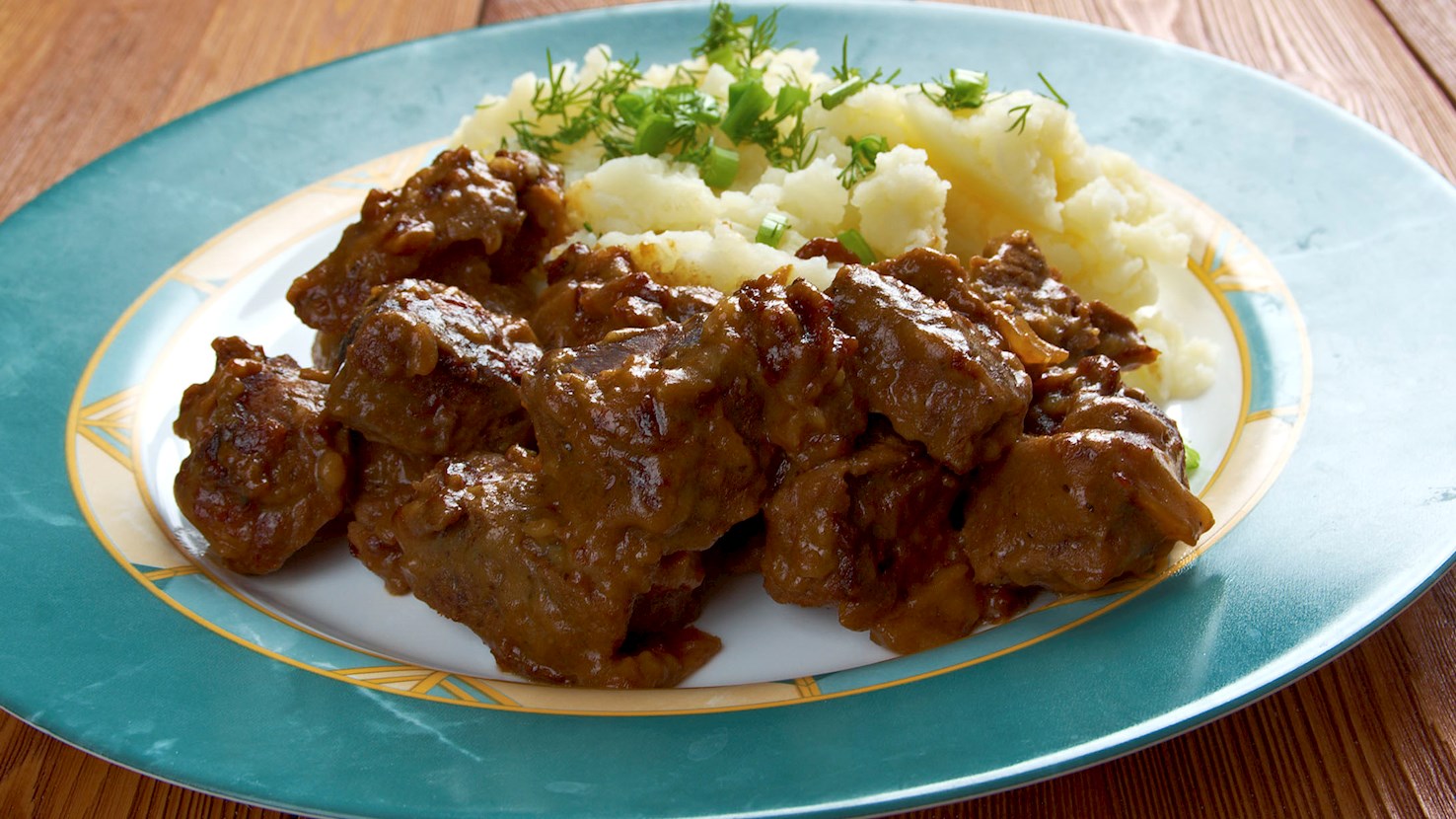
Carbonnade is a traditional stew made with beef and dark beer. Often referred to as carbonade flamande or stoverij, it features simple ingredients, but results in a rich and hearty dish. Although beef is the main ingredient in carbonnade, the crucial element for the dish is traditional Belgian dark beer. It gives the dish certain sour and earthy flavors that perfectly complement the sweet onions and tender beef. Thyme, garlic, and bay leaves are added for extra flavor, while slices of mustard bread are sometimes added in order to thicken the sauce. In Ghent, the dish often contains kidneys and liver. Carbonnade is usually served with mashed potatoes, traditional Belgian fries, bread, or vegetables on the side. It is recommended to pair the dish with a glass of full-bodied Belgian beer.

02

Filet Americain

4 ·

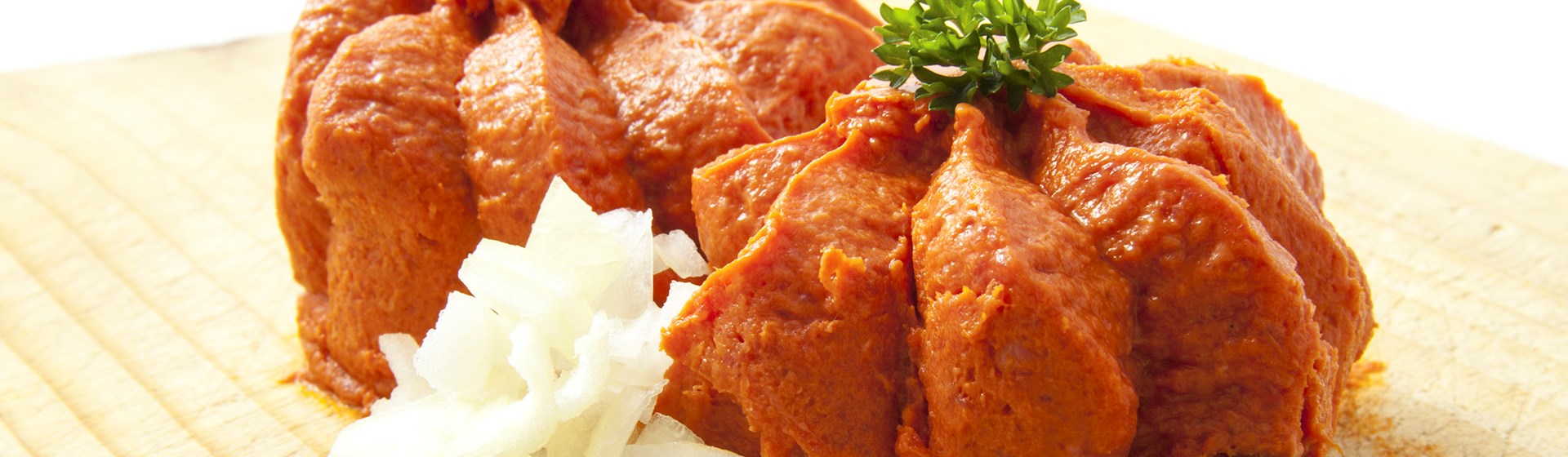
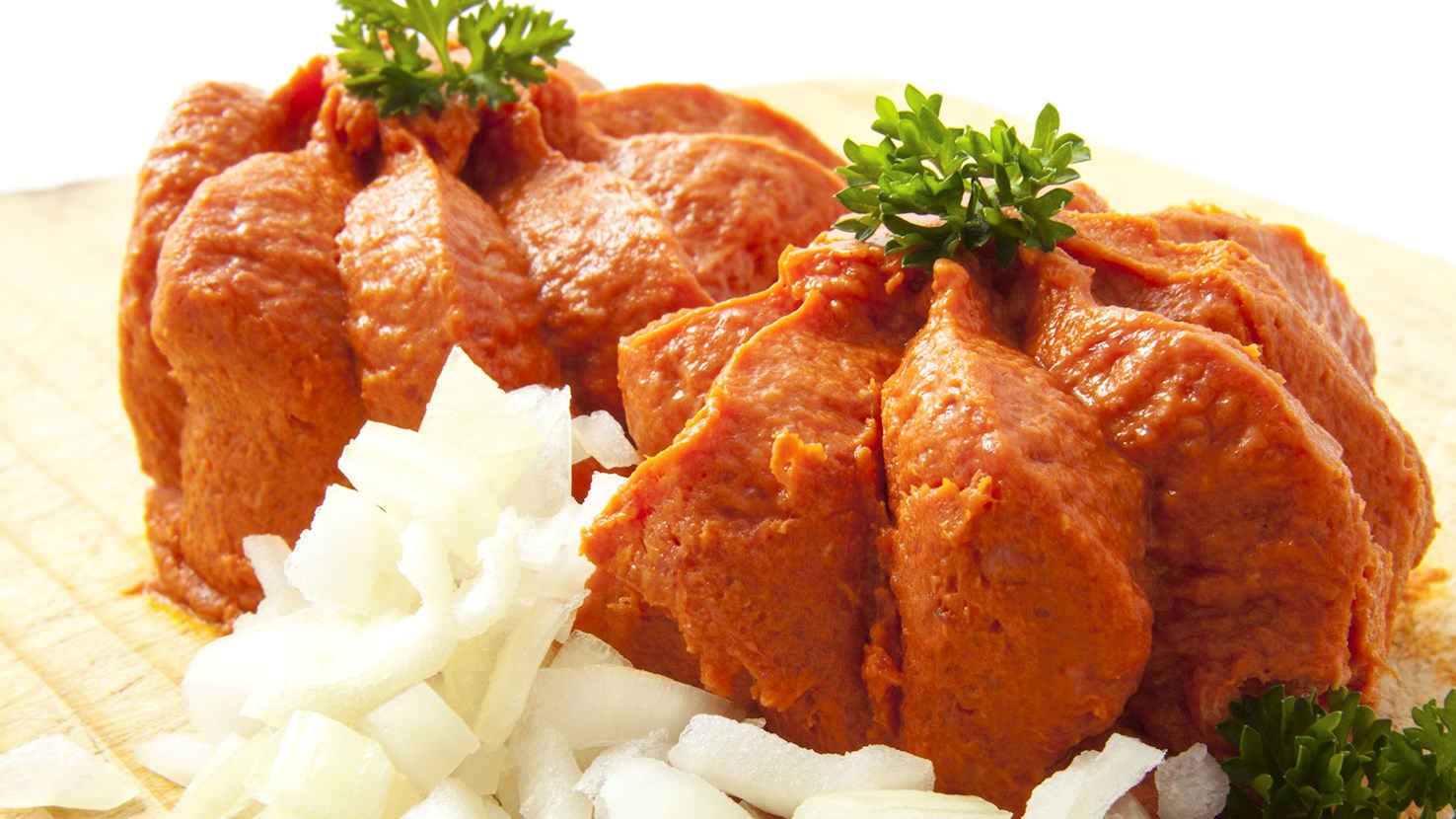
Although it is sometimes confused with a steak due to its unusual name, filet Américain is a spread made with raw beef. This popular dish is a close cousin to the more famous steak tartare, but the difference is that filet Américain uses meat which has been minced in a meat grinder. Only lean and premium beef cuts are used in this Belgian classic, and because the meat is served raw, it should be as fresh as possible. When the meat is ground, it is usually generously seasoned and enriched with onions, capers, mustard, mayonnaise, raw eggs, tabasco, and Worcestershire sauce, which also help in holding the spread together. There are two ways of serving filet Américain in restaurants: fully prepared, or left for the consumers to add the condiments according to individual preferences. It is believed that Joseph Niels invented the dish in 1924 and was the first to serve it in his restaurant in Brussels. Filet Américain is often spread on crackers and served as an appetizer, although it is sometimes served as a main dish with fries and a fresh salad on the side. However, most locals prefer to spread the mixture on a piece of crusty bread and consume it as a sandwich.

03

Boulets sauce lapin à la Liègeoise

4 ·

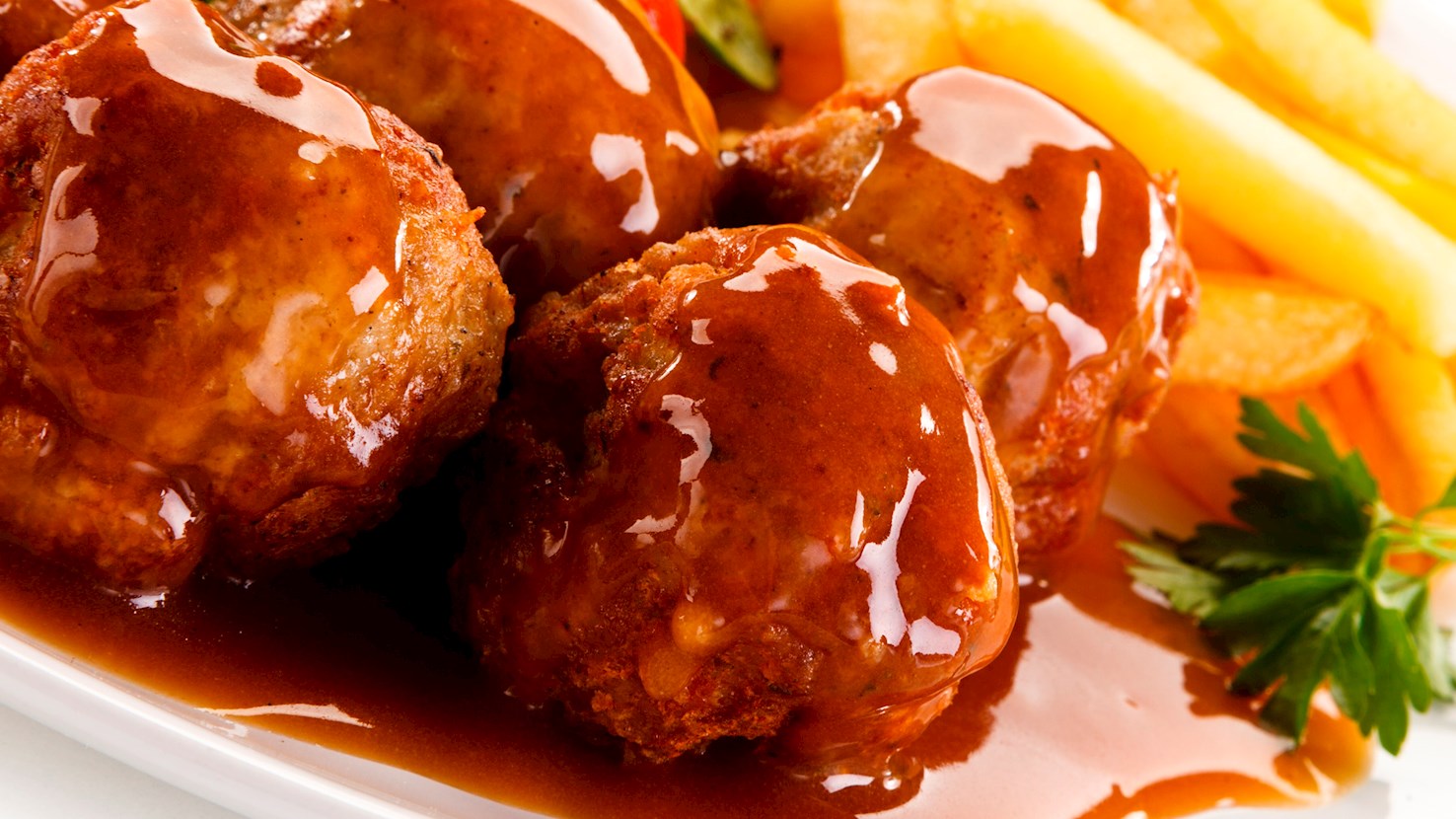
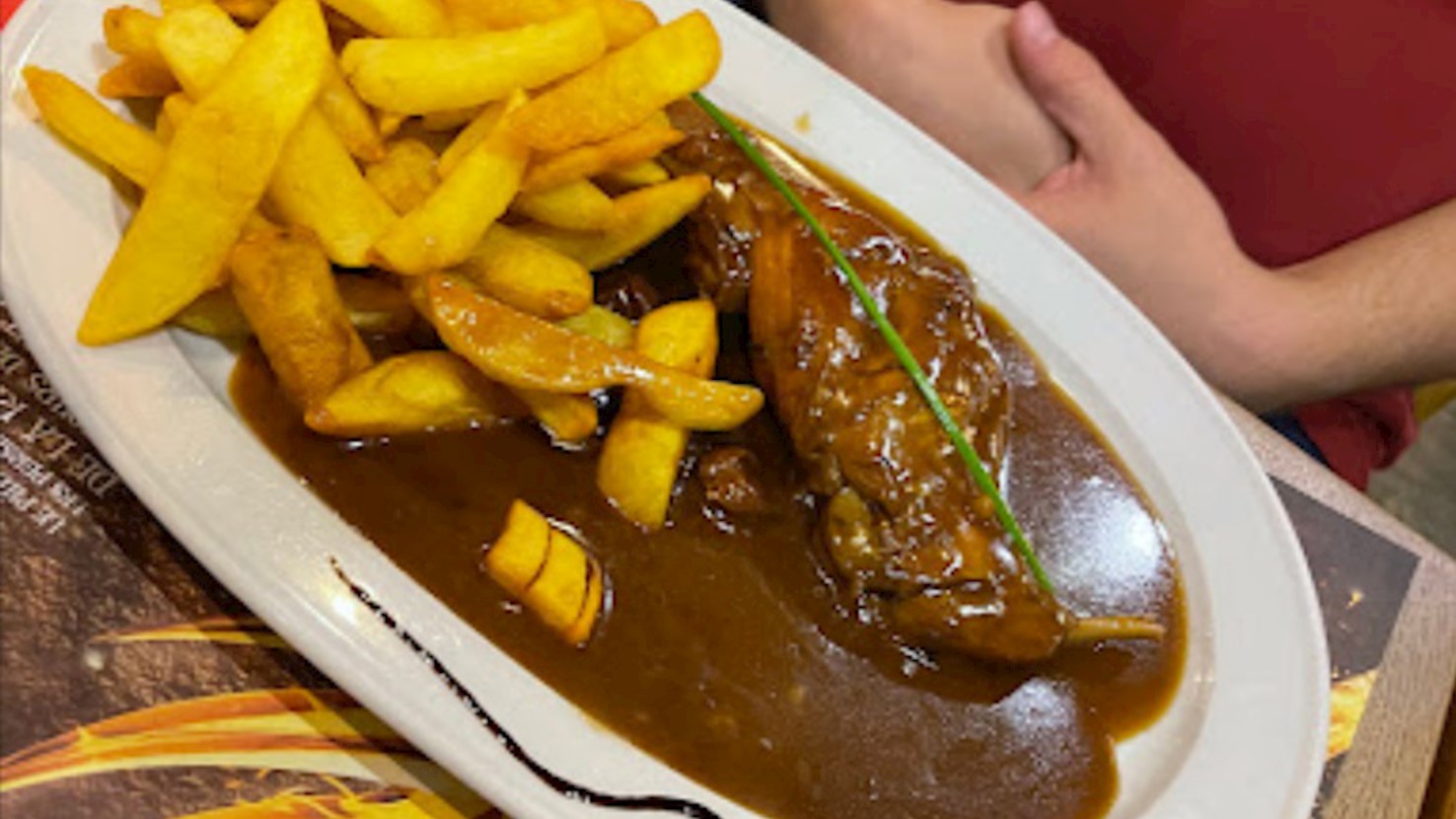
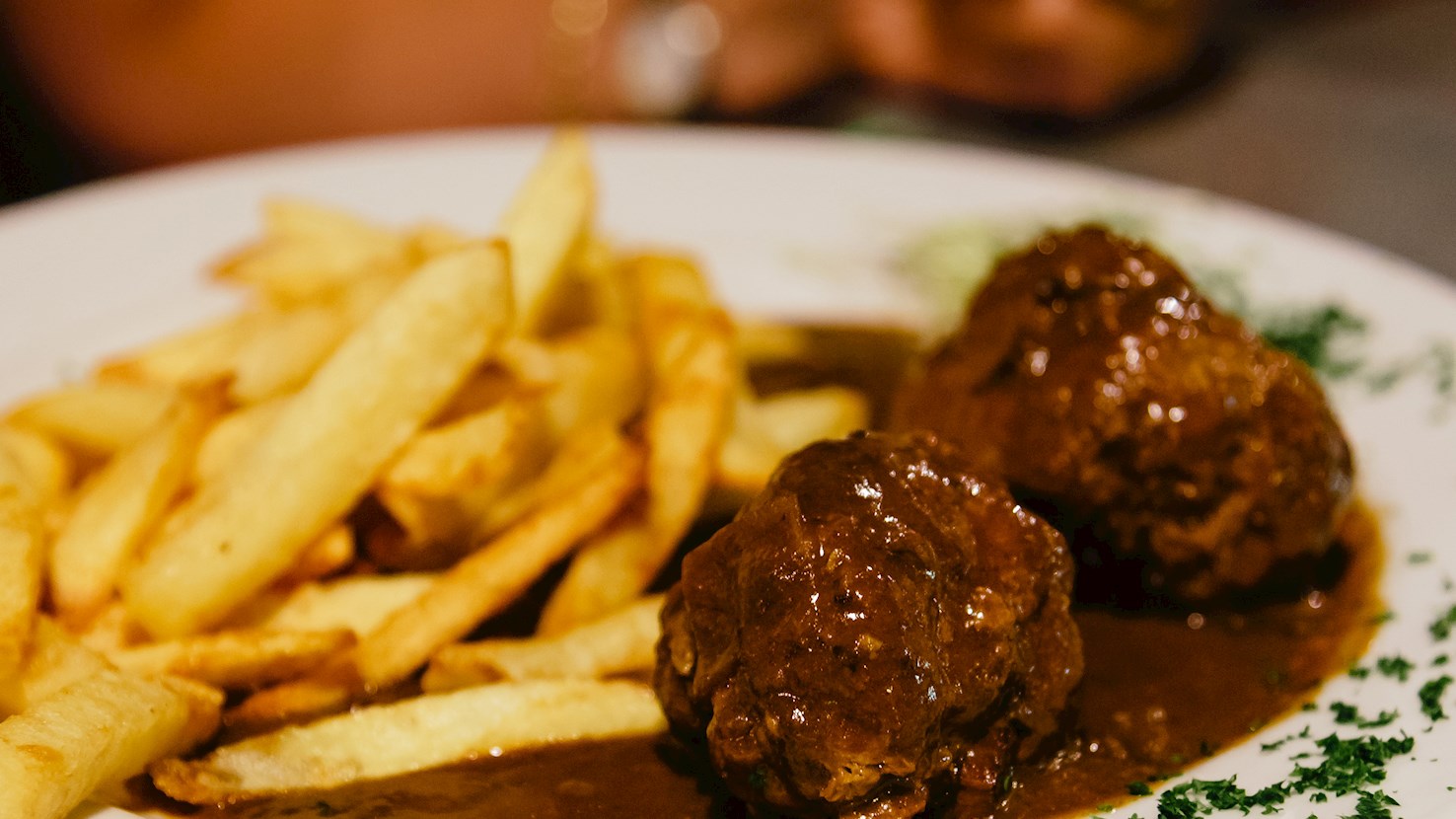
This popular Belgian dish known as boulets liégeoise consists of beef and pork meatballs that are simmered in a gravy made with onions, flour, beef broth, and sirop de Liége. Sultanas are often added to the meatballs, and there are other versions of these meatballs as well - with cherries in Flanders, or with tomato sauce, mushrooms, and Madeira wine. The dish is traditionally served with pommes frites, light salads, and a big glass of Belgian beer.

04

Lapin á la Kriek

3.5 ·

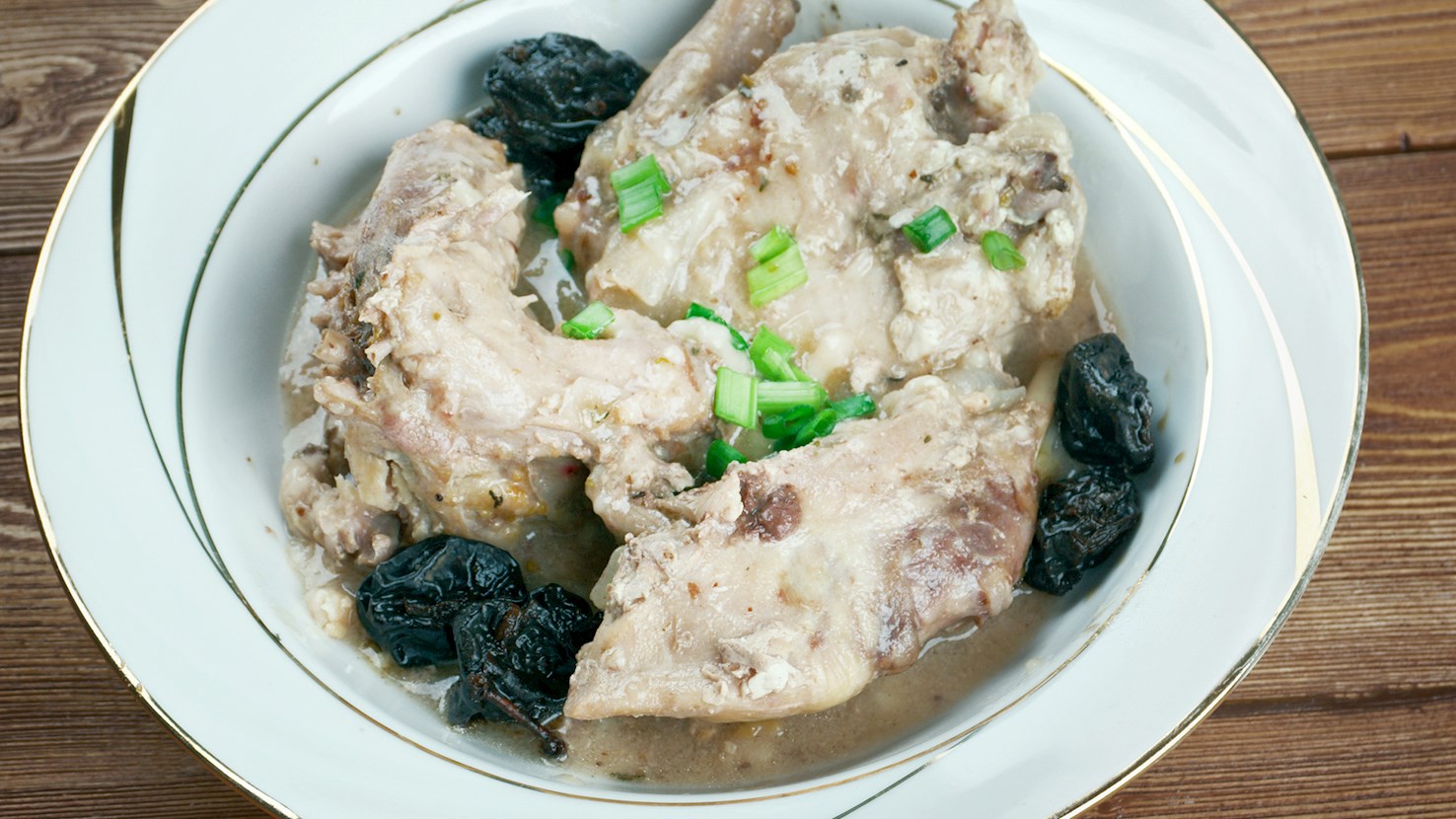
Lapin á la Kriek is a traditional dish consisting of lean rabbit meat that's served in a sauce made with Kriek, a sour lambic beer flavored with cherries. The rich flavors of the meat are a great match for the sour and sweet Kriek. Other ingredients include onions, prunes, thyme, and bay leaves. The sauce is sometimes thickened with a bit of flour. Once prepared, the dish is usually served with fries or mashed potatoes on the side.

05

Vitoulet

3.3 ·

Vitoulet is a Belgian meatball that is typically made with a combination of ground pork, ground veal, bread, milk, eggs, shallots, and parsley. The meat mixture is usually seasoned with salt, pepper, and nutmeg, and it is then shaped into balls which are fried on melted butter until nicely colored and crispy on all sides. Another version calls for making slightly elongated meatballs with a combination of ground veal or veal and pork, egg yolks, milk-soaked bread, parsley, salt, and pepper. For that version, the meatballs need to be rolled in breadcrumbs before being fried in browned butter. Vitoulet meatballs are typically associated with the Belgian city of Charleroi, and they’re often confused with another Belgian meatball called boulet à la liégeoise, which hails from the city of Liège and usually consists of ground pork and beef, egg yolks, onions, cream, white bread, and parsley. Apart from the different ingredients, the boulet meatballs are usually larger than the vitoulets, and they're typically served hot, with sauce on the side. Vitoulet meatballs, on the other hand, can be enjoyed both warm and chilled, with or without sauce, and they’re commonly accompanied by potatoes and a fresh salad on the side.

06

Bicky Burger

3.3 ·

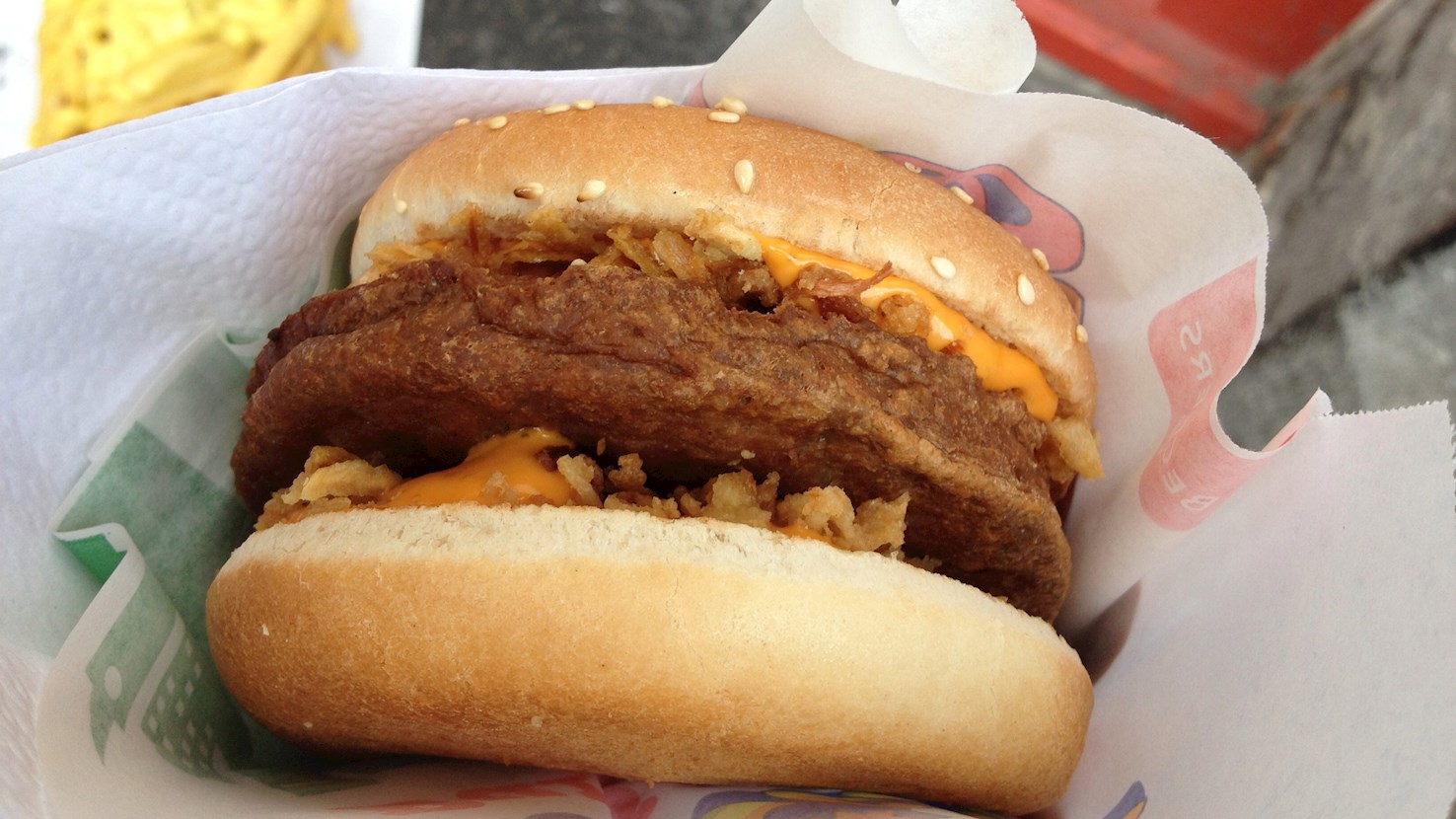
Bicky burger is a unique Belgian hamburger that is also popular in the Netherlands, consisting of a sesame seed-topped bun filled with a deep-fried patty made from a combination of pork, chicken, and horse meat. The hamburger is additionally filled with pickles, fried onions, ketchup, hot sauce, and a special dressing consisting of cucumbers, onions, cabbage, cauliflower, and mustard. The first Bicky was made by a Dutch company named Beckers in 1981, and although the company is Dutch, no one knows why they have decided to target the Belgian market in the first place. In 2019, an advertisement for Bicky burger caused an uproar on social media because it shows a man hitting a woman for bringing him a 'fake' Bicky.

07

Lapin à la Tournaisienne

n/a ·

This traditional Belgian dish consists of a whole rabbit that is cut into pieces before being slowly simmered, usually alongside onions, prunes, raisins, and herbs such as thyme and bay leaves. Nowadays, the dish is often cooked with dark beer, though the original version did not include it as it was once a luxurious addition that was only reserved for the wealthy. As the name suggests, this Belgian dish hails from Tournai, and it is traditionally prepared on Lost Monday (Lundi Perdu)—a festivity held on each Monday following Epiphany that is celebrated with traditional songs and games.

08

Côte de porc à l'berdouille

n/a ·

Côte de porc à l'berdouille (lit. pork chop in mud) is a traditional dish originating from Mons. The dish is made with a combination of pork chops, dry white wine, butter, shallots, cream, Dijon mustard, vinegar, pickles, tarragon, and chervil. The pork chops are fried in butter and seasoned with salt and pepper. They're removed from the pan and it's then deglazed with white wine and vinegar. Shallots are added to the pan and the mixture is reduced, mixed with cream, mustard, and pickles. The dish is simmered for a few more minutes, garnished with chervil and tarragon, and then served hot. Côte de porc à l'berdouille dates back to the 1960s.

09

Potjevleesch

n/a ·

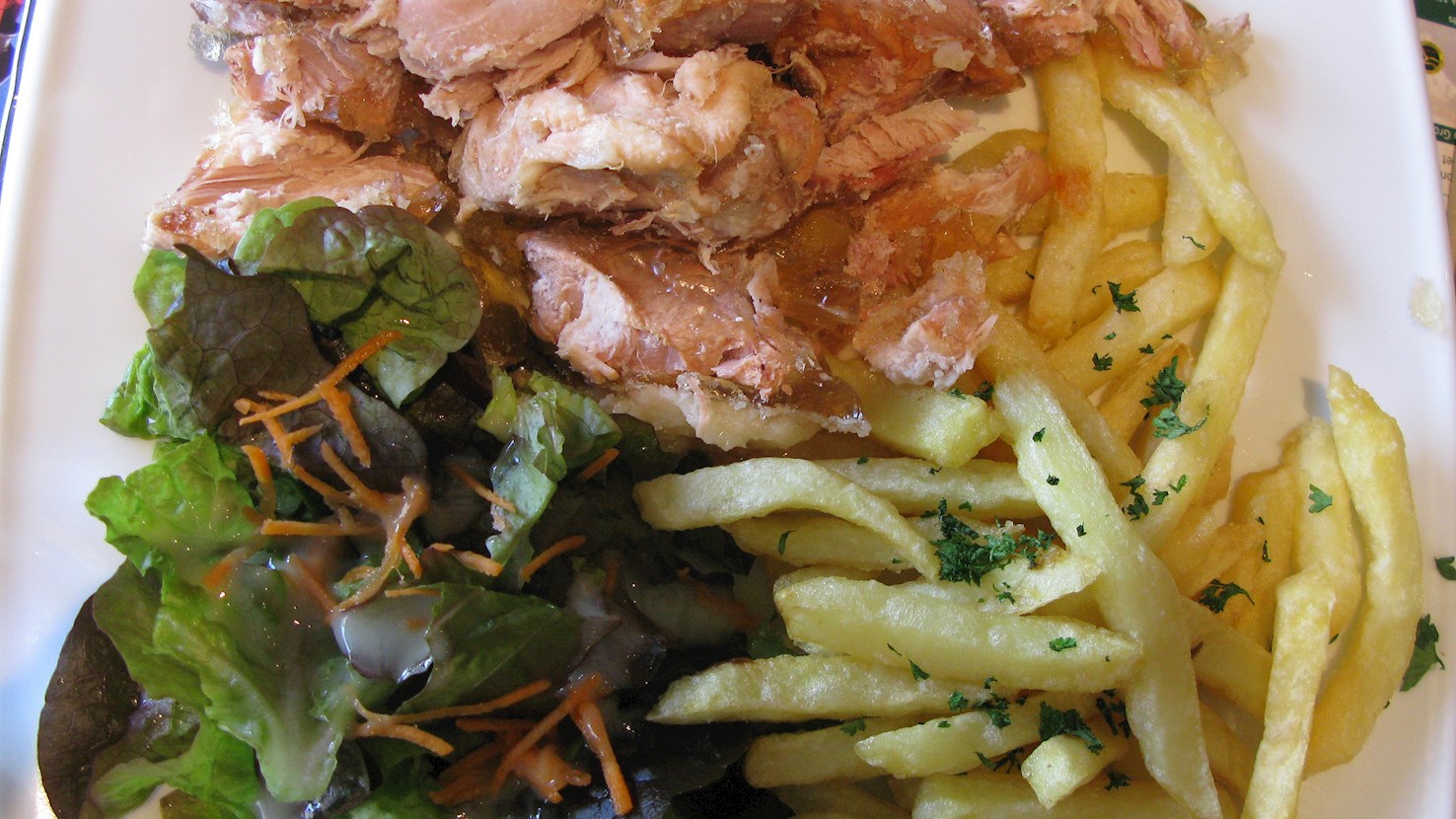
Potjevleesch is a Flemish dish consisting of onions, wine, vinegar, fresh herbs, and sheep, chicken, pig, rabbit, and cow meat, slowly simmered in a crock pot. The dish dates back to the 14th century, when it was traditionally made at the beginning of winter, as it could keep well when frozen for a longer period of time. Today, potjevleesch is traditionally served cold and paired with warm side dishes such as mashed potatoes or French fries.

10

Konijn in het zuur

n/a ·

Konijn in het zuur is a vinegar-braised rabbit dish originating from southern Netherlands and Flanders, most noteably Limburg. The preparation utilizes the lean meat of the rabbit, which is slow-cooked in an acidic liquid to achieve a tender texture. This culinary staple is defined by a balanced sour-sweet profile, characteristic of the lowland territories. The transition of this dish into the regional repertoire occurred during the 19th century as a result of widespread small-scale rabbit farming. Rabbit was an accessible protein for the working class, but its lack of intramuscular fat required a moist-heat cooking method. The use of vinegar or sour beers was a functional choice to tenderize the muscle fibers while extending the shelf life of the cooked meat. The subsequent inclusion of local syrups or gingerbread to the braising liquid evolved to offset the sharp acidity, creating the specific flavor profile found in contemporary versions. Preparation begins with a long-duration soak in a marinade of vinegar, water, onions, and dry spices like cloves and bay leaves. After marination, the meat is seared in animal fat or butter and then simmered in the liquid until the connective tissues soften. A specific technical element involves adding a slice of mustard-coated bread or gingerbread to the pot; the starches and sugars dissolve to thicken the sauce into a dark, glossy gravy. The acidity of the liquid is crucial as it maintains the integrity of the lean meat during the hours of simmering. A unique outcome of this process is the infusion of the bone marrow into the sauce, which occurs due to the prolonged exposure to the acidic environment. Konijn in het zuur is consumed as a heavy main meal, often in a domestic or tavern setting. It is traditionally served with fries or salted boiled potatoes to provide a neutral base for the potent sauce. In Dutch variations, it is frequently paired with braised red cabbage and tart apples. The beverage pairing usually consists of a dark Belgian ale, such as a Dubbel, which shares the malty and slightly sweet characteristics of the gravy. It is also served with a side of fruit preserve or apple butter to further emphasize the contrast between the sour vinegar and sweet additives.

Read more
View all
View map
About this ranking

TasteAtlas food rankings are based on the ratings of the TasteAtlas audience, with a series of mechanisms that recognize real users and that ignore bot, nationalist or local patriotic ratings, and give additional value to the ratings of users that the system recognizes as knowledgeable. For the “Top 10 Belgian Meat Dishes” list until June 15, 2026, 449 ratings were recorded, of which 350 were recognized by the system as legitimate. TasteAtlas Rankings should not be seen as the final global conclusion about food. Their purpose is to promote excellent local foods, instill pride in traditional dishes, and arouse curiosity about dishes you haven’t tried.

Similar lists