





shutterstock

Top 18 Bosnian and Herzegovinian Meat Dishes

Last updated on June 15, 2026
01

Travnički ćevapi

4.5 ·

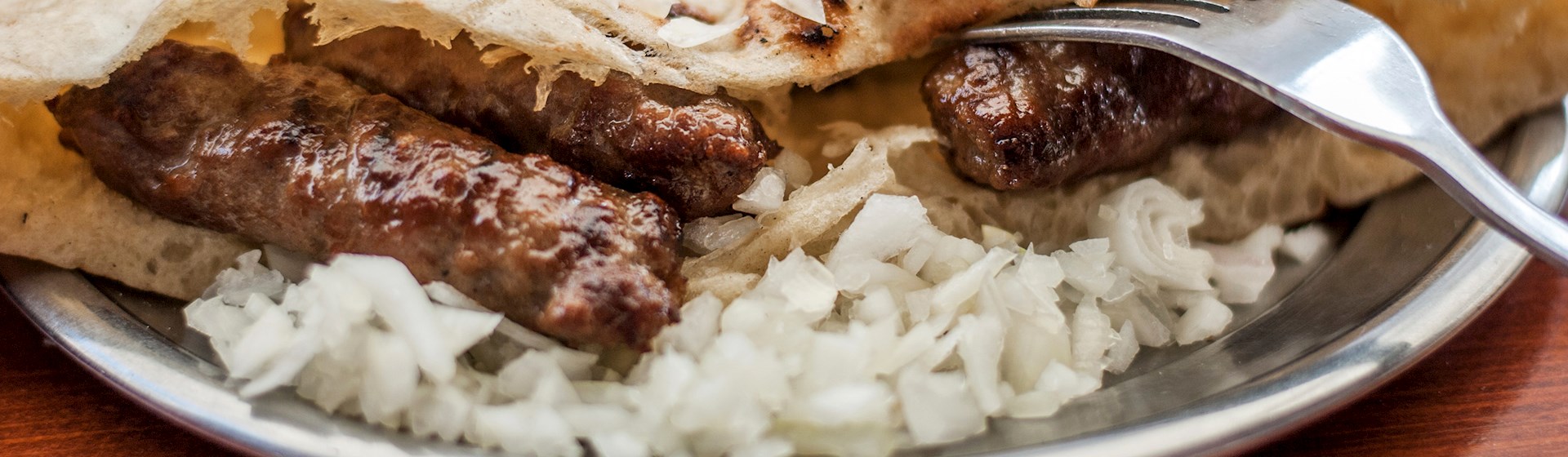
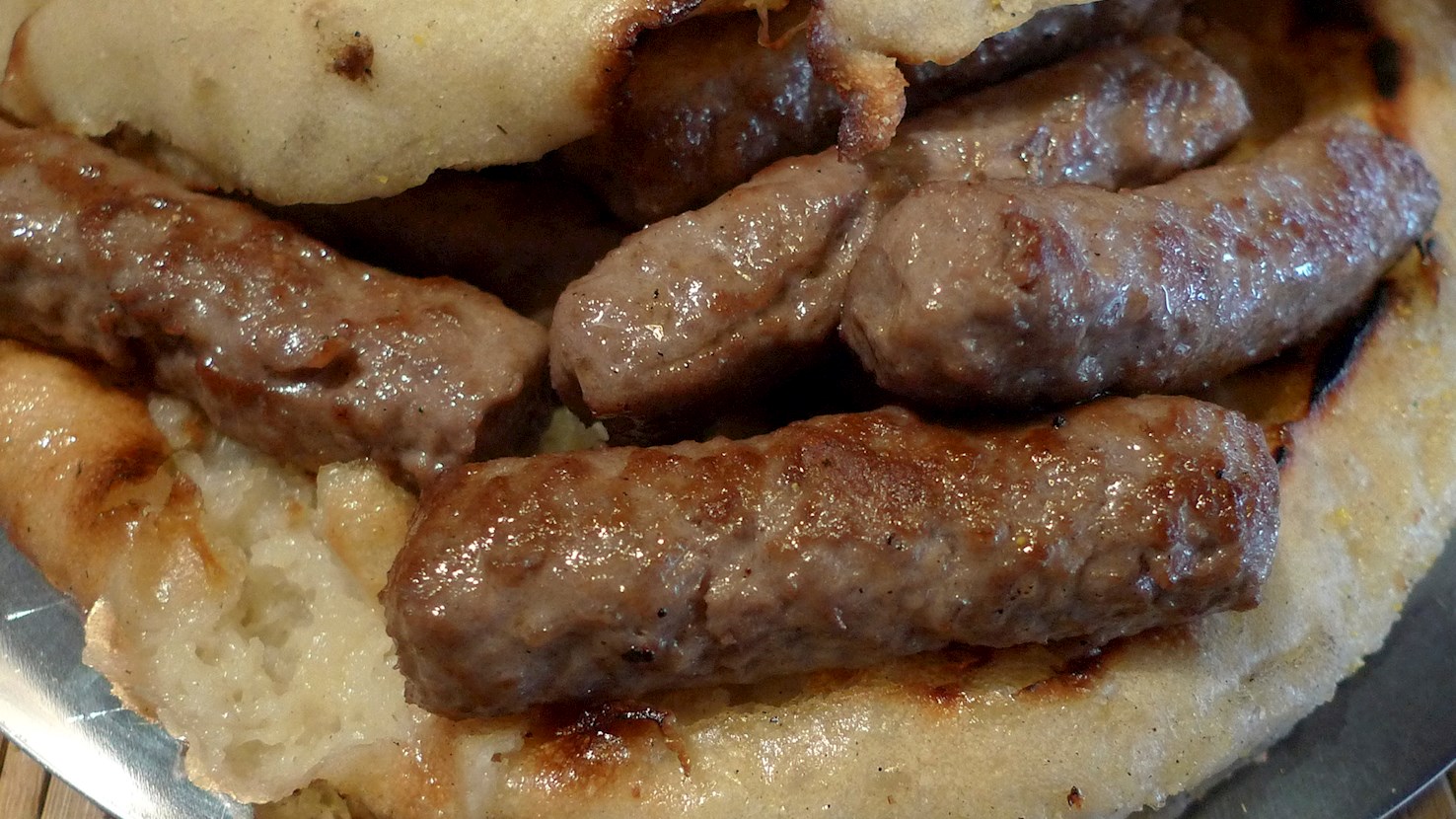
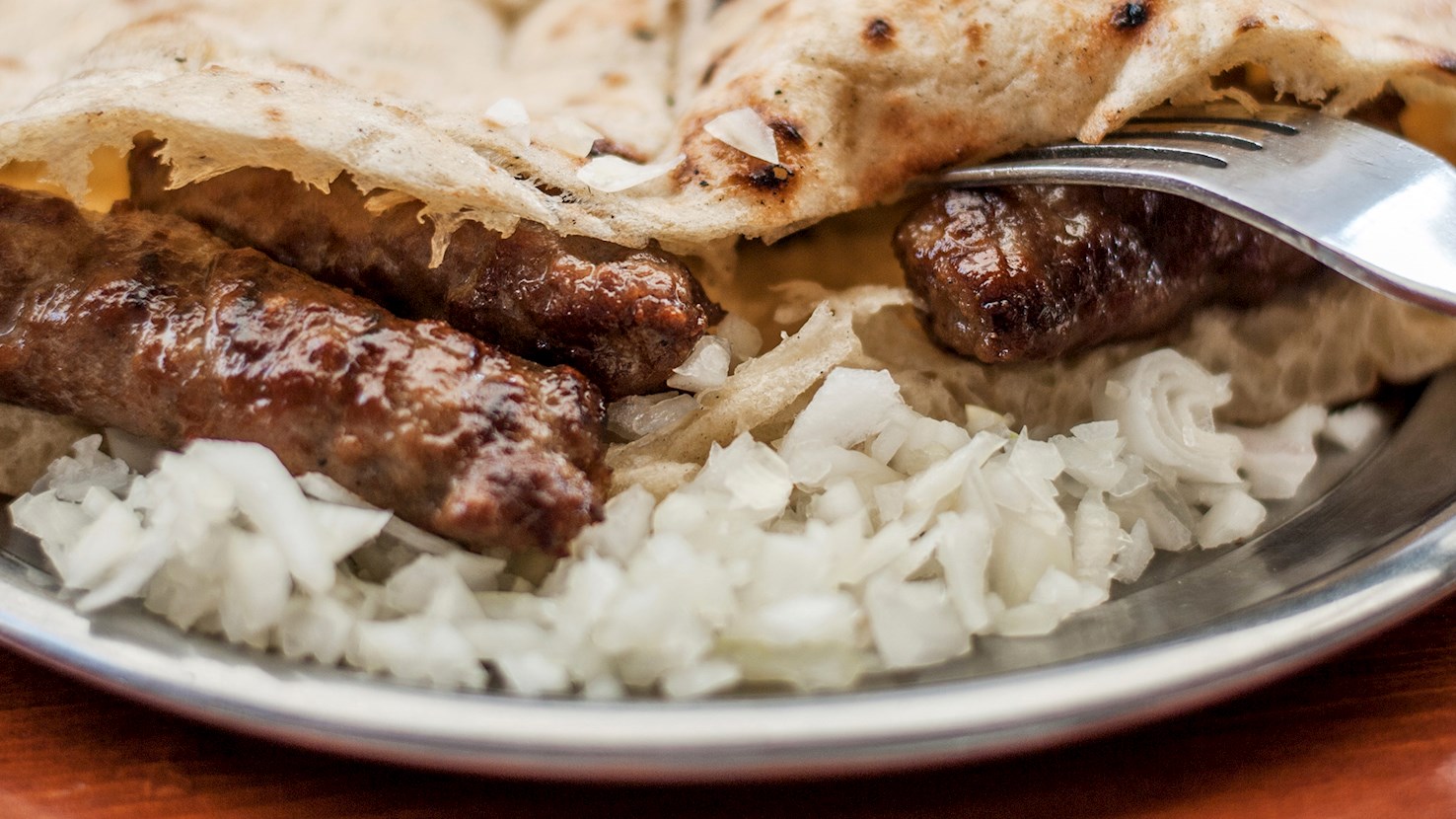
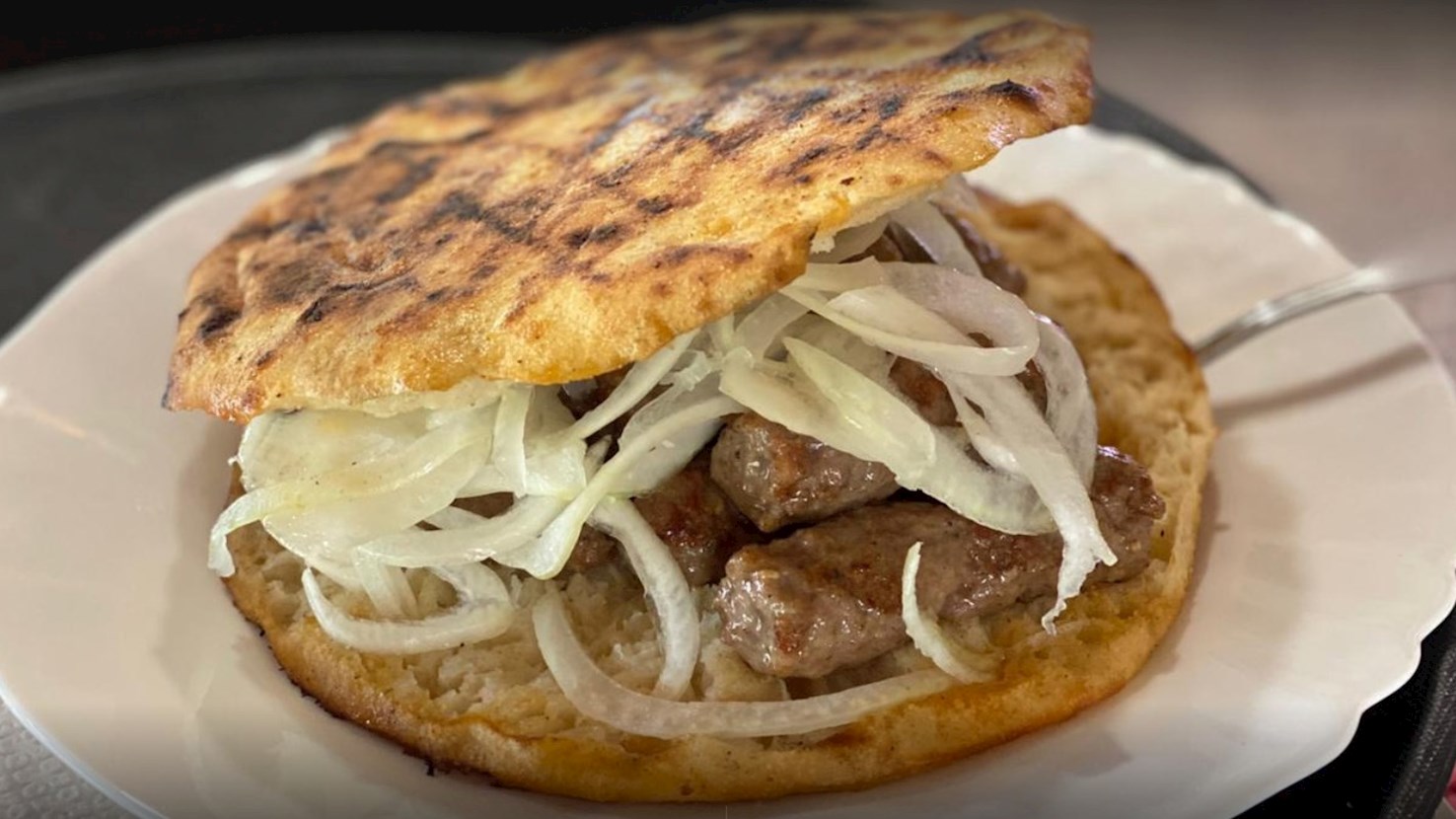
This ćevapi variety is made in the city of Travnik in Bosnia and Herzegovina. The ćevapi are made with a combination of beef, veal, and lamb, with the addition of salt, pepper, and a bit of baking soda. When grilled, the meat is often brushed with a clear broth that was prepared with beef bones and mutton. The bread, locally called pitica, is dipped in the broth, then grilled for a short time. Once grilled, the ćevapi are placed into the pitica, and they are then topped with chopped onions. It is recommended to serve this ćevapi variety with yogurt on the side.

02

Sarajevski ćevapi

4.4 ·

This unique variety of ćevapi hails from the city of Sarajevo, hence the name sarajevski ćevapi. There are variable accounts regarding the usage of meat for these tasty meat rolls – purists make them exclusively with ground beef, salt, and pepper, while others use a combination of ground beef and mutton. In recent years, sarajevski ćevapi are typically made only with ground beef and salt in order for the meat flavor to be as clear as possible. Once prepared, ćevapi should be refrigerated for 48 hours. They are then grilled, and traditionally served in a round-shaped, (sometimes) beef stock-dipped bread called somun, accompanied by raw onions on the side.

03

Ćevapi

4.3 ·

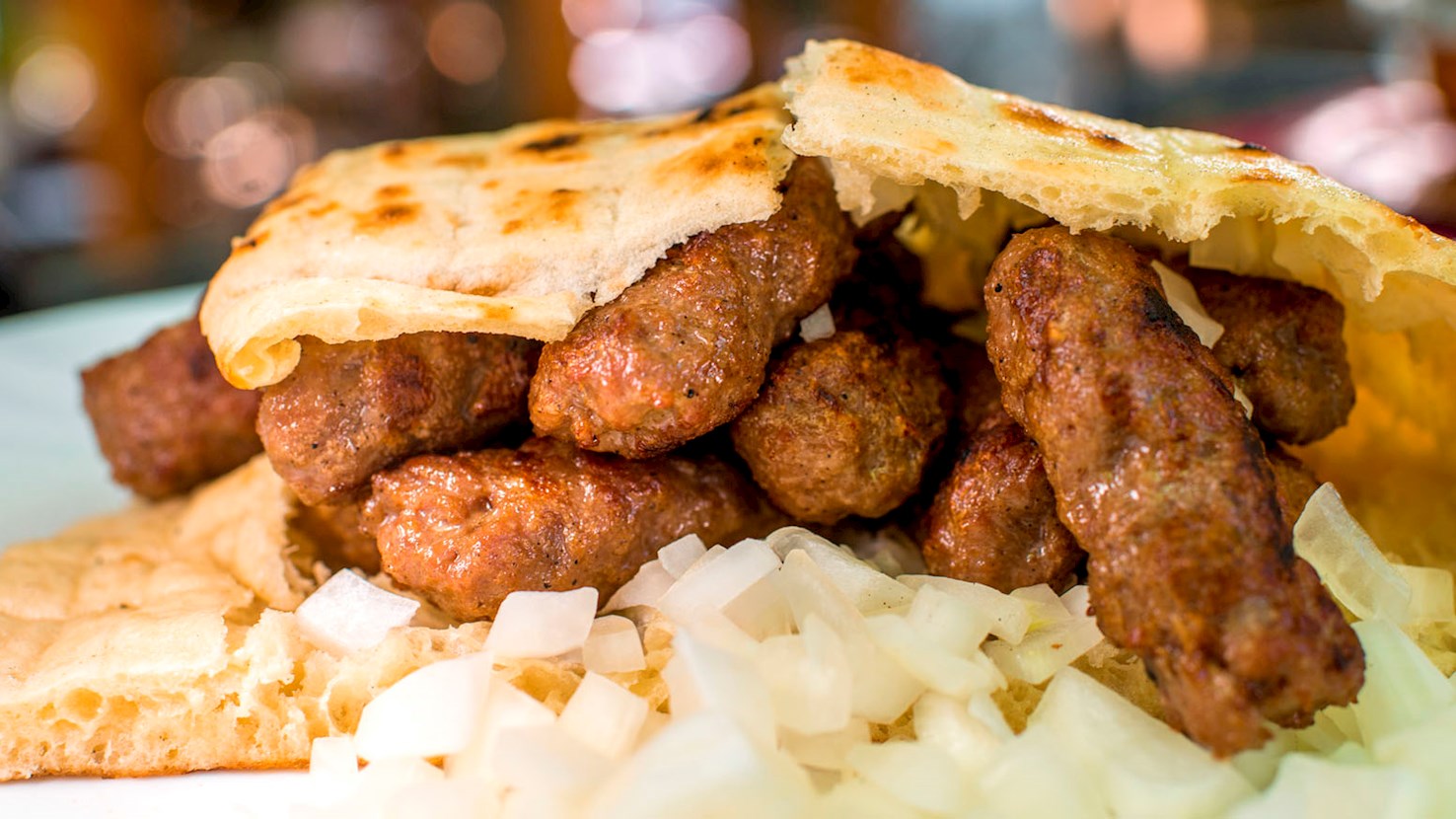
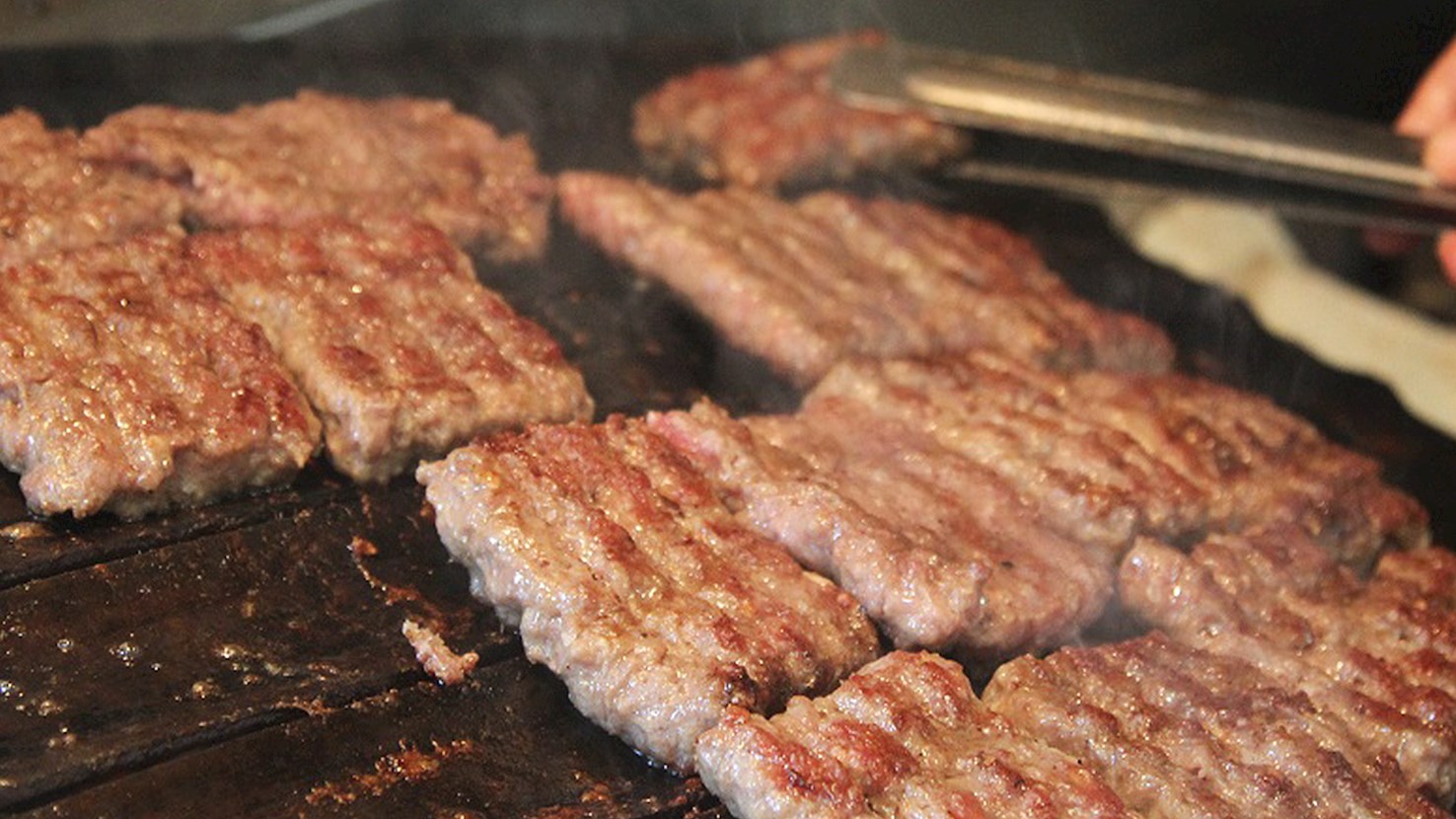
Despite their clear Turkish provenance, Bosnian ćevapi are a source of great national pride and the country's favorite dish. These tiny, hand-rolled minced meat sausages are commonly made with ground beef - or a mix of beef mince with other meats such as veal or lamb - seasoned with a mix of different spices; usually garlic, salt, black pepper, and sometimes paprika or hot red pepper flakes. After they have mellowed for a couple of hours, ćevapi are barbecued over charcoal. Traditionally, one portion of the dish consists of ten pieces of ćevapi tucked in a soft, moist, slightly grilled flatbread called lepinja or somun, and a variety of accompaniments such as kajmak, a type of clotted cream spread, roasted red pepper and eggplant relish called ajvar (especially popular in Croatia and Serbia), and raw onions.

04

Banjalučki ćevapi

4.3 ·

Although other varieties of ćevapi are made in individual pieces, banjalučki ćevapi differ from all others because they are prepared as a meat tile typically consisting of four ćevapi connected in a row. They are usually made just with ground beef, salt, and pepper, just like sarajevski ćevapi, but ground veal and garlic are sometimes also added to the mix. After they have been grilled, banjalučki ćevapi are traditionally tucked into a round-shaped bread called lepinja, and the dish is accompanied by lots of raw onions.

05

Sarma

4.2 ·

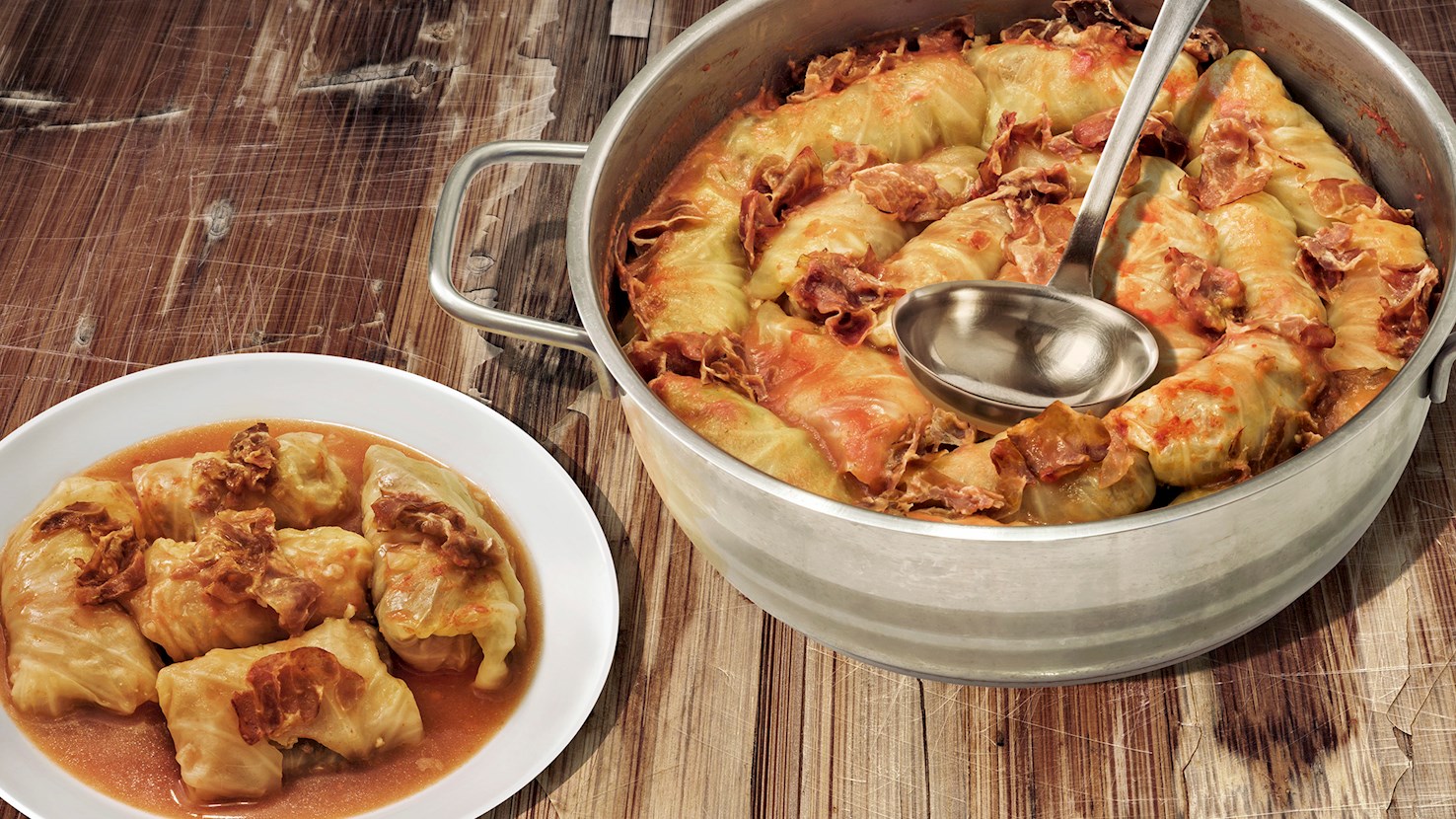
One of the staples of traditional Turkish cuisine, sarma consists of a filling that is snugly surrounded by leaves or leafy vegetables. There are numerous versions of this dish but the mixture typically combines ingredients such as minced meat, rice or bulgur, various herbs, seasonings, red pepper, paprika, ground sumac, or tomato sauce, while the typical wrapping usually includes vine, cabbage, or sauerkraut leaves, or a variety of leafy vegetables such as collard greens and swiss chard. Having its roots in the Ottoman Empire, sarma is also traditionally consumed in the Balkans, the countries of Central Europe, the South Caucasus, and the Middle East. Although it is commonly enjoyed as a filling lunch or dinner (typically during the winter season), sarma is often prepared on special occasions and holidays. The dish is usually accompanied by plain yogurt, mashed potatoes, and crusty bread on the side.

06

Tuzlanski ćevapi

4.1 ·

This variety of ćevapi comes from Tuzla. The small meat logs are usually made with a combination of ground mutton, beef, and lamb (usually in a ratio of 2:1:1), although some places prepare them only with beef. The meat is mixed by hand and seasoned with salt and pepper, and it is recommended to leave the meat combination in the refrigerator for a few hours or a whole day before the preparation. These ćevapi are cooked on an oiled grill, and once done, they are typically seasoned with pepper once more. Tuzlanski ćevapi are served in a round flatbread called lepina, which has previously been dipped in a broth made from beef bones called poljev or poliv. Spring onions or raw chopped onions are traditional accompaniments to this mouth-watering Bosnian meat dish.

07

Japrak

4 ·

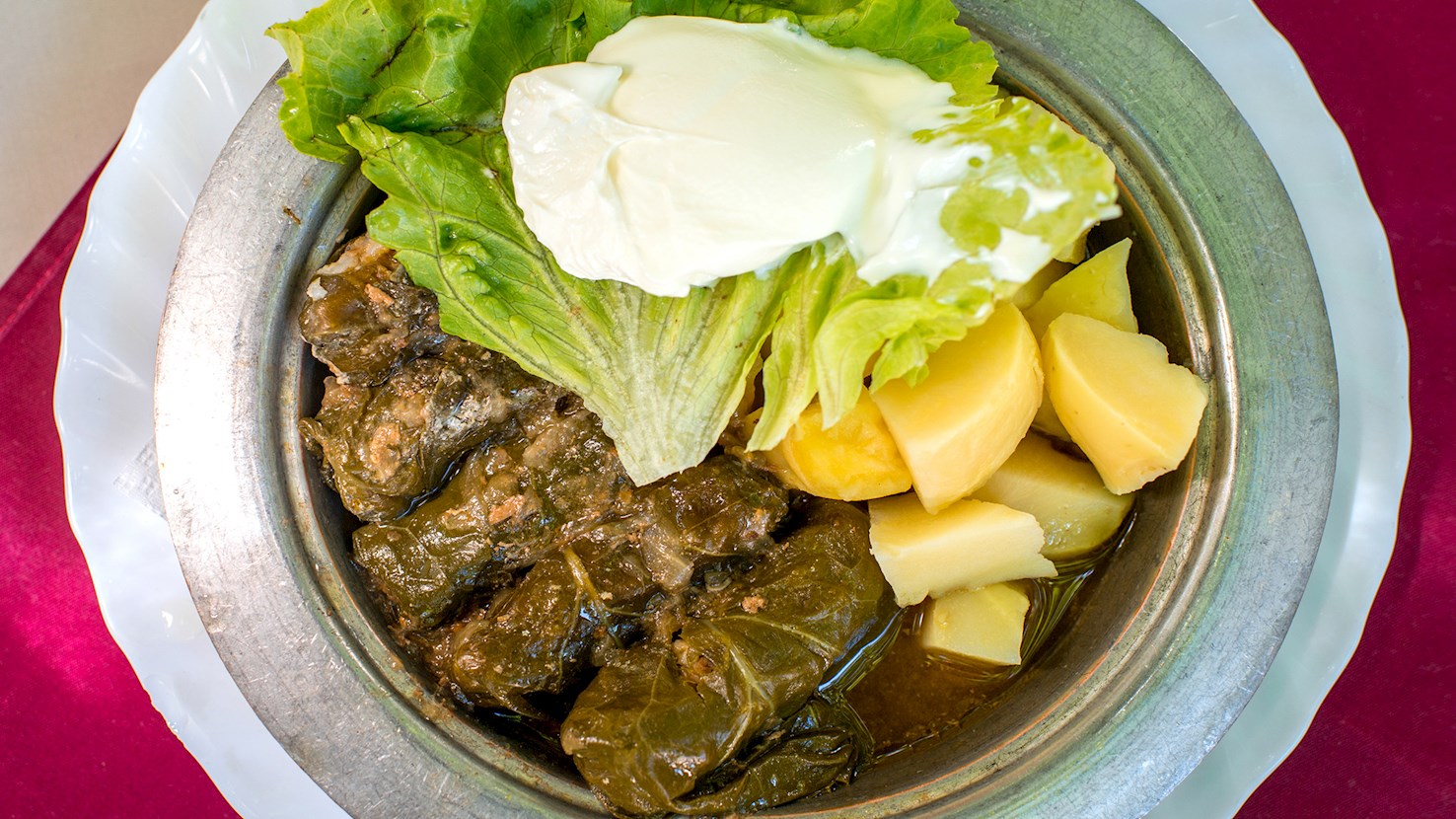
Though it probably derives its origin from Turkish and Levantine cuisine, traditional Herzegovinian japrak is an authentic dish consisting of a minced meat filling that is wrapped in blanched leaves of raštika, a local variety of leaf cabbage. The filling is usually prepared with minced beef or veal that is combined with rice, salt, and pepper. These small-sized stuffed leaves are slowly cooked for hours, occasionally alongside smoked meat. Apart from the traditional version, some varieties replace cabbage with vine leaves, add tomatoes, or season it with mint. The dish is best enjoyed when served accompanied by mashed potatoes or sour cream.

08

Ražnjići (Skewers)

3.8 ·

Ražnjići are a popular type of grilled meat skewer from the Balkan region, particularly in countries like Serbia, Croatia, Bosnia and Herzegovina, and Montenegro. The word "ražnjići" translates to "skewers" in English. These skewers typically consist of chunks of marinated meat—commonly pork, chicken, beef, or lamb—that are threaded onto sticks and then grilled. The marinades vary but often include a blend of herbs, spices, garlic, and sometimes vinegar or lemon juice to enhance the flavor of the meat. Ražnjići are a staple at barbecues and family gatherings and are also commonly found at local eateries and street food stalls. They are usually served with sides such as bread, fresh salad, and various condiments.

09

Bosanski lonac

3.7 ·

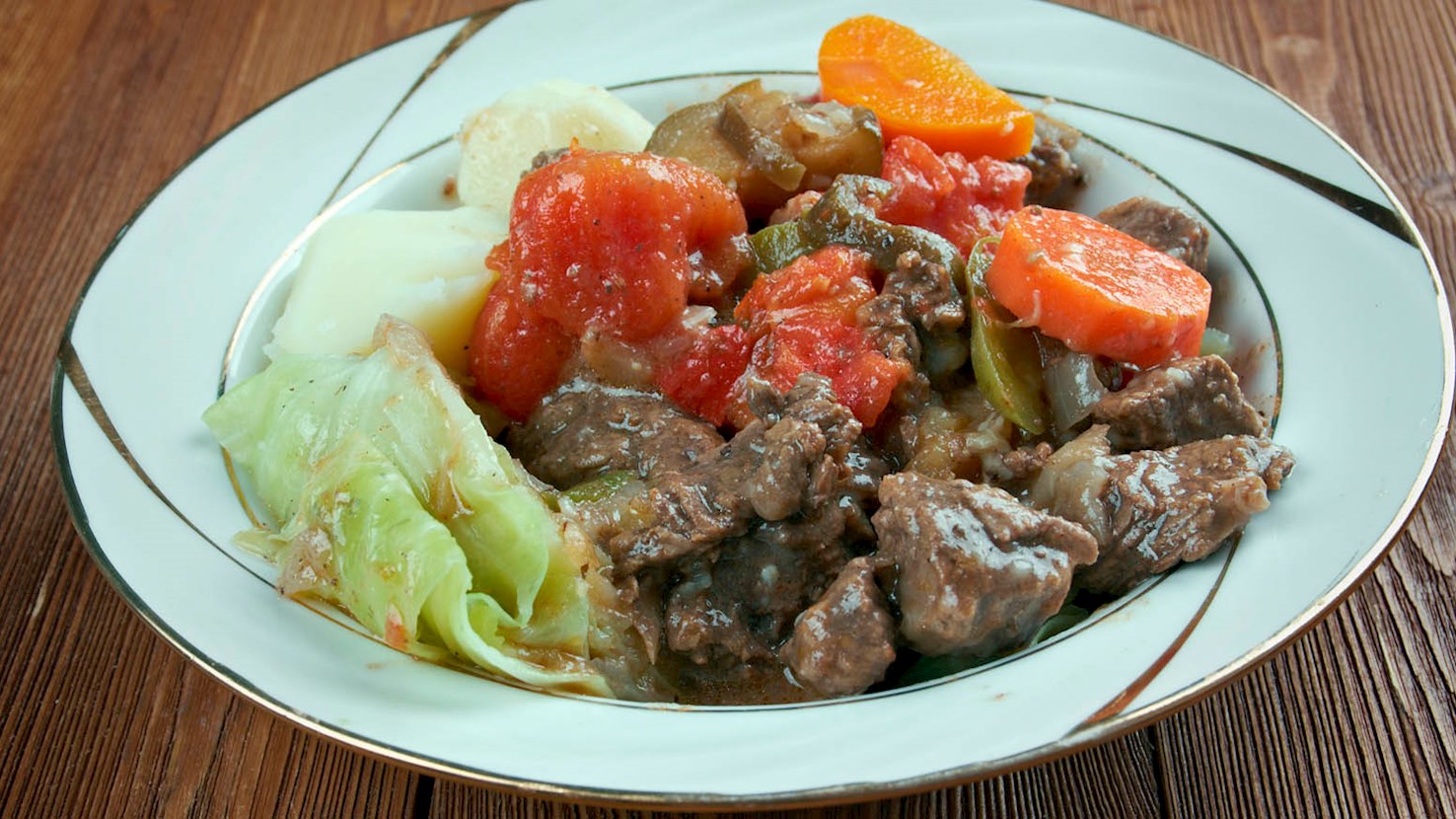
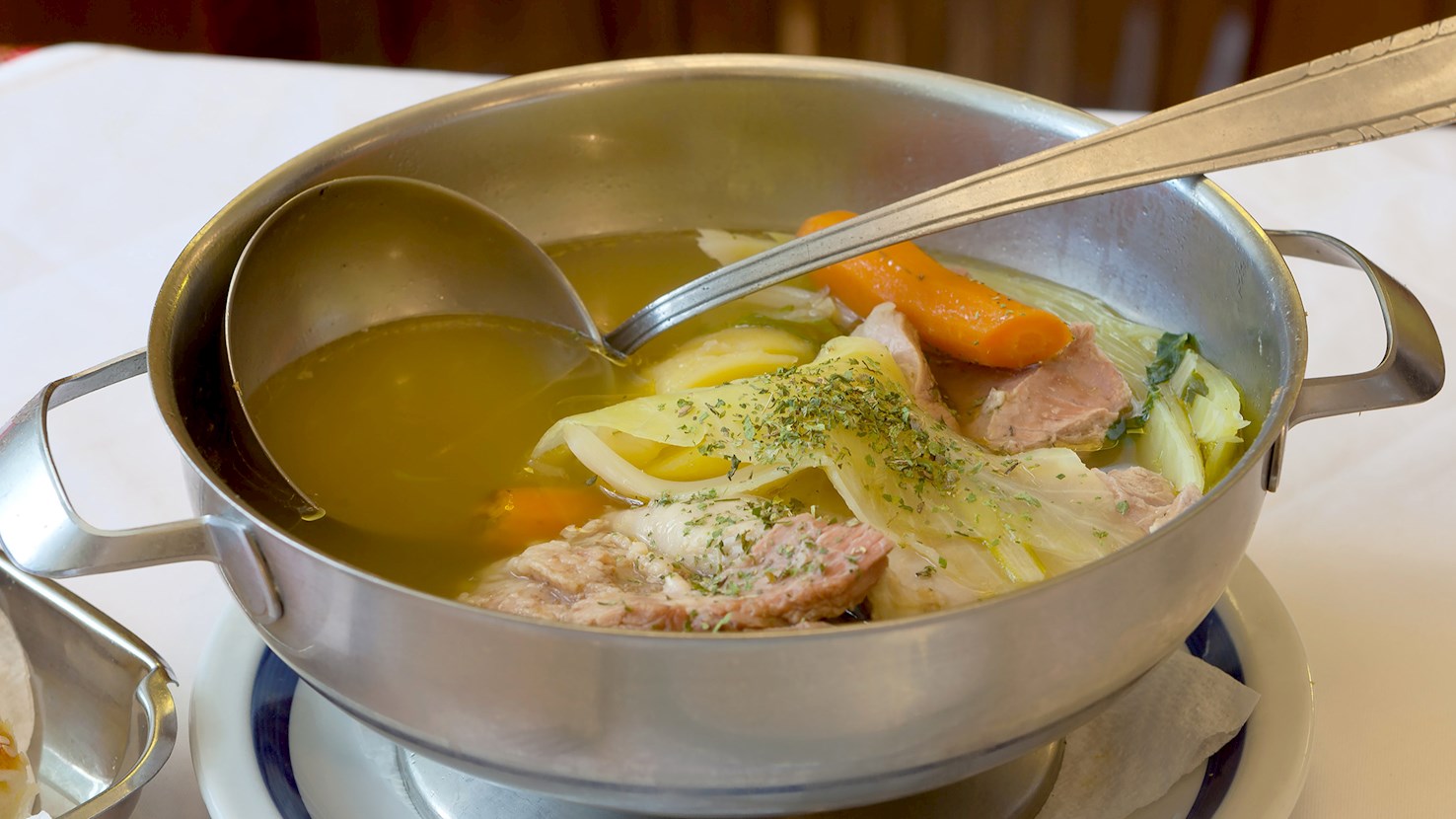
Bosanski lonac or Bosnian pot is a traditional, flavorful stew consisting of layers of large and chunky pieces of meat and vegetables that are covered with water and slowly simmered in a big pot. Due to the size of the meat (usually lamb, veal and beef) and the vegetables (cabbage, potatoes, carrots, tomatoes), it takes about four hours or more to properly cook the dish. Spices and seasonings should be kept to a minimum to let the meat and vegetables flavor the dish with their own juices and aromas. The traditional clay pot (lonac) that the stew is cooked in is such an important part of the dish that the whole dish is named after it. The pot was created in the Middle Ages by coal miners, and since Bosnia has long been a mining country, the miners were forced to prepare their own dishes, so while working, they would leave the stew to simmer until their lunch break. Later on, the dish spread throughout the whole country, with new, regional variations and additions to the pot such as ground meat, carp, eggplants, green peppers, and rice.

10

Kalja

3.3 ·

Kalja is an old peasant dish originating from Bosnia, with variants of it popular in Serbia and the Lika area of Croatia. In the past, the dish was made with a combination of lamb or sheep meat and cabbage or any available vegetables. Nowadays, it's mostly prepared with veal or lamb, potatoes, cabbage, onions, carrots, garlic, and tomatoes. The stew is simmered until the meat becomes tender. Kalja is traditionally served without side dishes, but it's often accompanied by a dollop of sour cream and a few slices of bread. The dish is especially comforting on cold winter days.

Read more
View all
View map
About this ranking

TasteAtlas food rankings are based on the ratings of the TasteAtlas audience, with a series of mechanisms that recognize real users and that ignore bot, nationalist or local patriotic ratings, and give additional value to the ratings of users that the system recognizes as knowledgeable. For the “Top 18 Bosnian and Herzegovinian Meat Dishes” list until June 15, 2026, 3,130 ratings were recorded, of which 1,420 were recognized by the system as legitimate. TasteAtlas Rankings should not be seen as the final global conclusion about food. Their purpose is to promote excellent local foods, instill pride in traditional dishes, and arouse curiosity about dishes you haven’t tried.

Similar lists