


Top 10 Chilean Meat Dishes

Last updated on July 15, 2026
01

Cordero al palo

4.5 ·

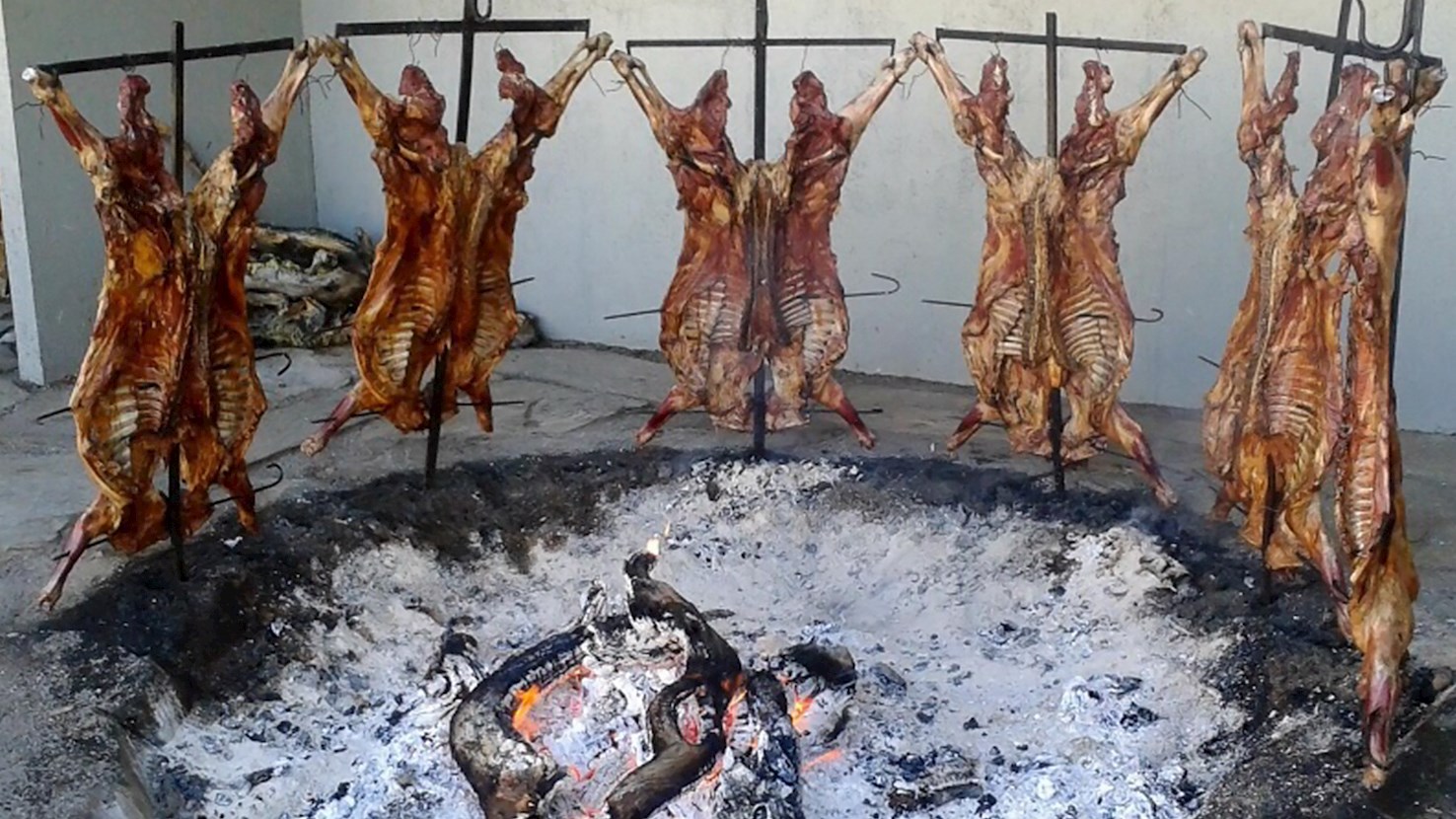
Cordero al palo is a traditional lamb specialty that involves roasting a whole lamb on a spit, a cooking technique which has long been practiced in Chile and Argentina (especially Patagonia). The lamb is slowly cooked for several hours over a wood fire, all the while basting in its own juices and fat, resulting in succulent and tender meat surrounded by crispy skin. While cooking, the meat is often enhanced with a mixture of warm water, salt, and garlic. The dish can be found on the menus of numerous restaurants throughout the region, and it is typically served with pebre, a popular Chilean condiment. Other typical accompaniments to this dish include boiled potatoes, fresh salads, bread, and lots of fine red wine. This spit-roasted lamb delicacy is nowadays usually prepared on special occasions and for holidays.

02

Bistec a lo pobre

4.4 ·

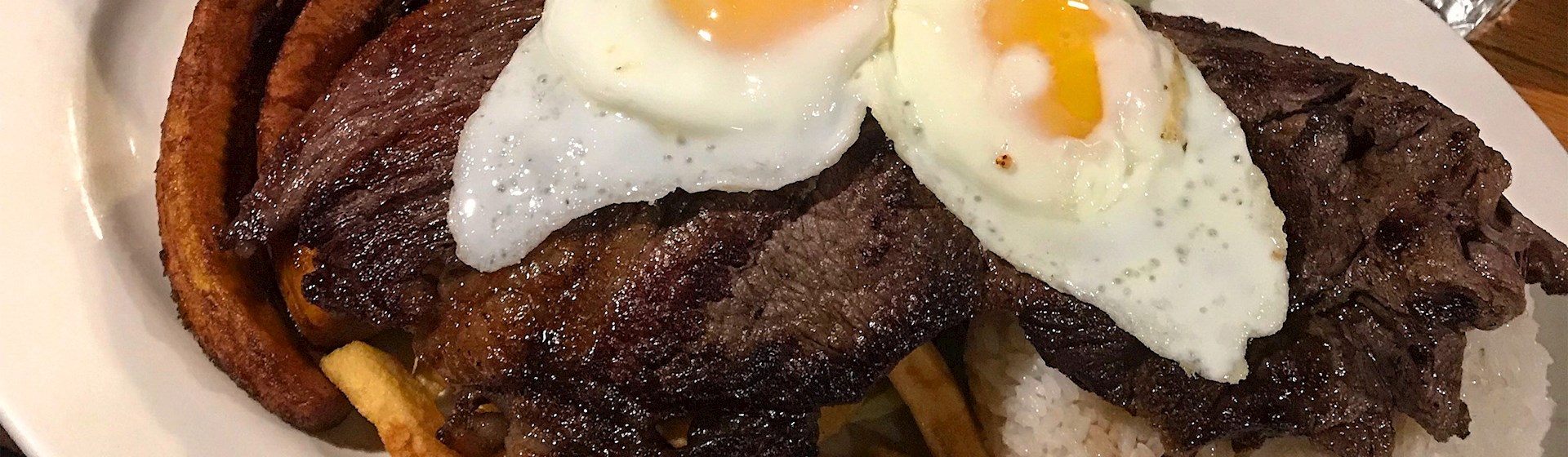
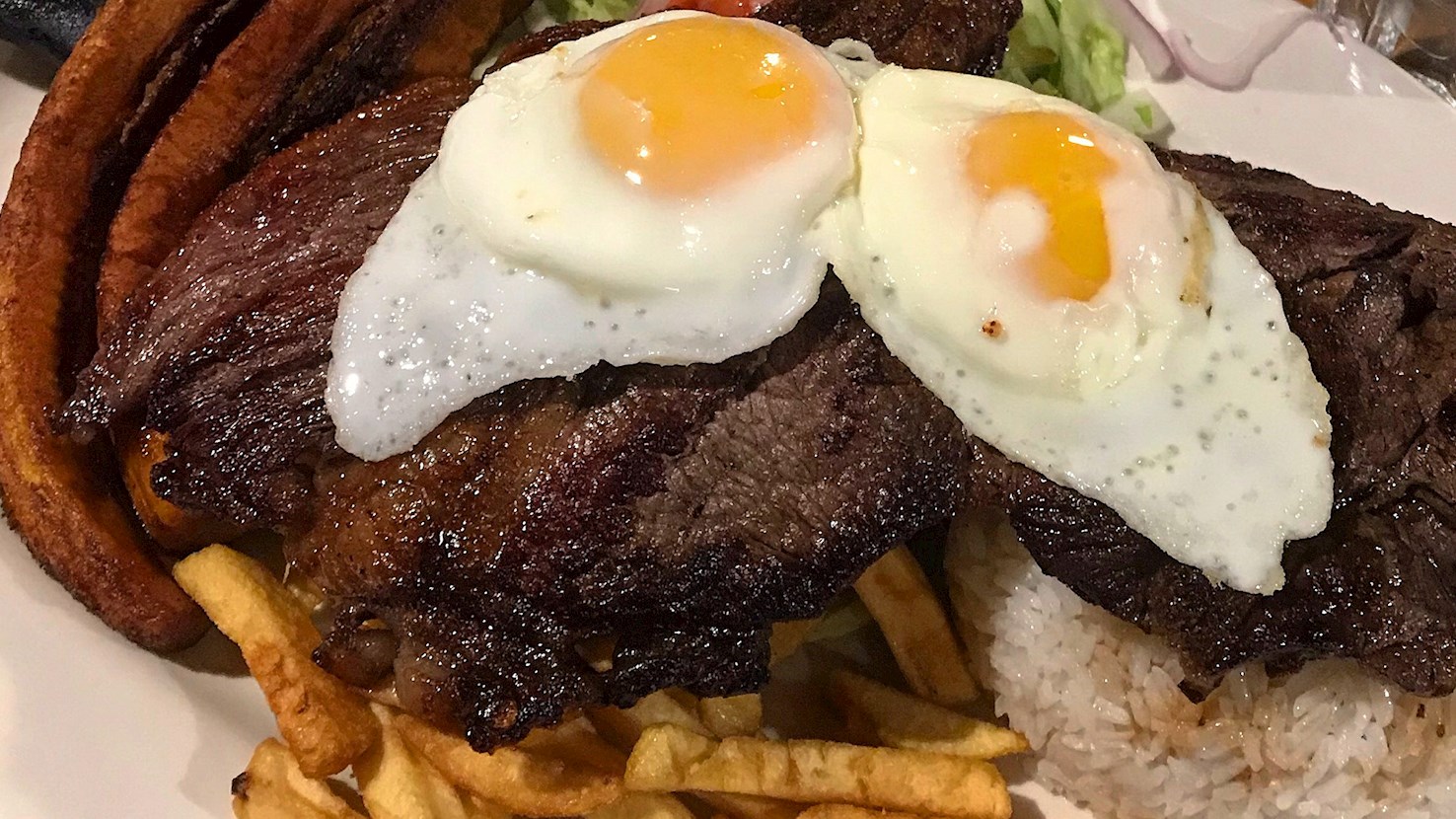
Lomo a la pobre or bistec a lo pobre is a large meal similar to Chorrillana that is popular in Chile and Peru. In its basic form, the meal consists of steak, fried onions, fried potatoes, fried eggs, and rice. A large beef steak (usually rubbed with garlic) is fried, then topped with fried eggs with runny yolks, while onions and potatoes are served on the side. The name of this meal translates to poor man's steak, despite the fact that this dish is hearty and very nutritious. In Chile and Peru, it is almost always served for lunch.

03

Chorrillana

4.2 ·

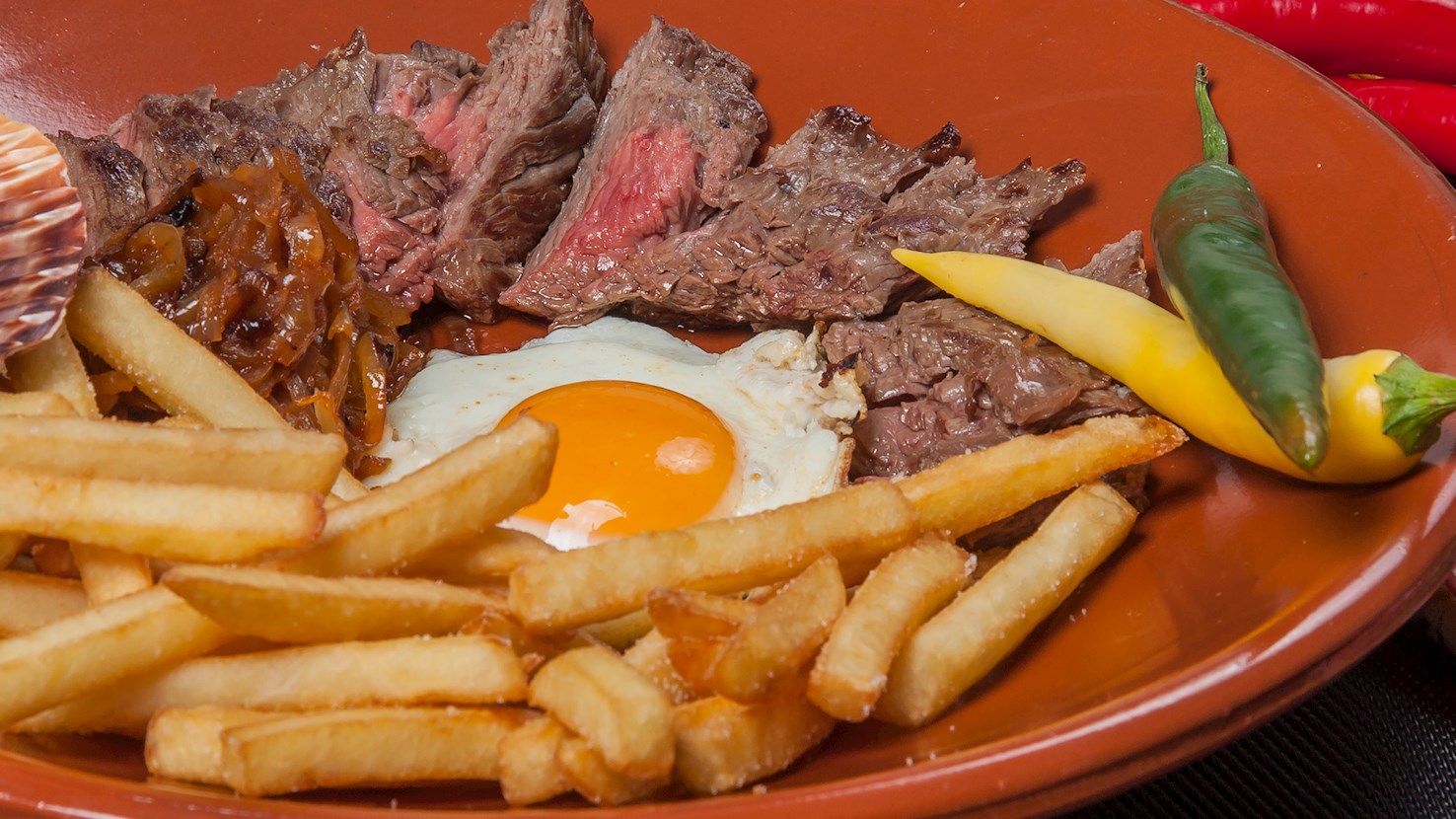
Chorrillana or bistec a la chorrillana is a popular Chilean dish served mostly in pubs where it is labeled as an appetizer or a dish that is meant to be shared. The basis of the meal are French fries which are covered in a combination of fried or scrambled eggs, strips of beef, and caramelized onions. Common variations include additional ingredients like hot dogs, chorizo, and tomatoes, while the seasonings may include either garlic, oregano, or pebre—a popular Chilean condiment.

04

Carbonada chilena

3.8 ·

Carbonada chilena is a traditional brothy stew originating from Chile. The soup-like stew is usually prepared with a combination of beef (often chuck roast), potatoes, carrots, bell peppers, celery, onions, pumpkin, corn, peas, garlic, paprika, oregano, beef stock, bay leaves, salt, pepper, and olive oil. The ingredients are placed in a pot and simmered until the vegetables become tender and the meat is fully cooked. If desired, some cooked rice can be spooned over the dish before serving. This nourishing stew is ideal for colder days in autumn or winter, when it's eaten as comfort food.

05

Curanto

3.5 ·

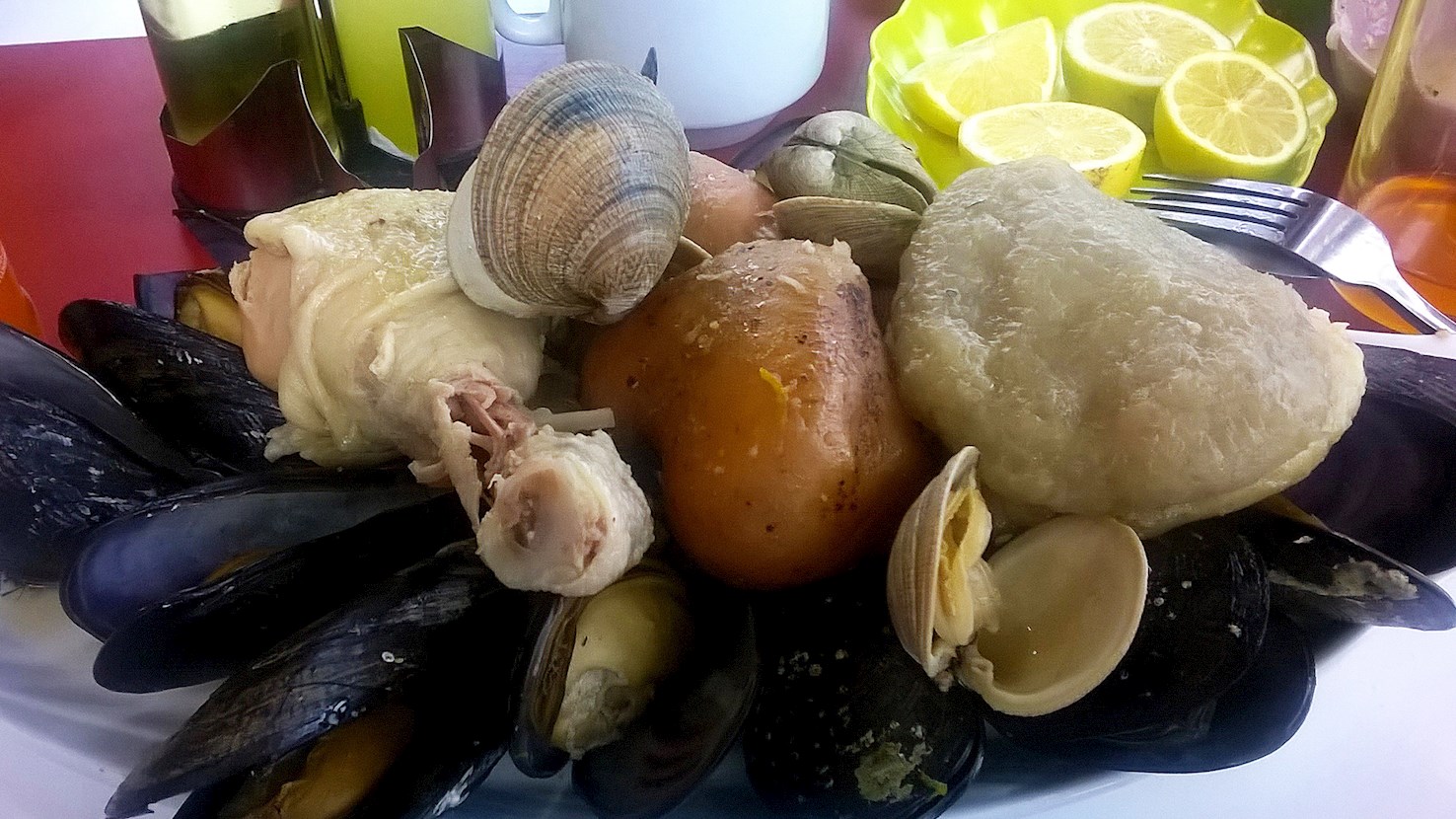
Curanto is a traditional technique of cooking meat and seafood originating from Chiloé. In order to prepare it, chicken, pork, sausages, seafood (clams, mussels, giant barnacles), chapaleles potato dumplings, potatoes, and various vegetables are placed in a pit that's lined with curanto, meaning hot stones. Each layer of the ingredients is topped with large nalca (Chilean rhubarb) leaves that keep the steam trapped inside. Once cooked, the meat and seafood are usually served with pebre, hot sauce, and milcao potato pancakes. Ideally, the feast should be paired with a pisco sour for an authentic experience.

06

Charquicán

3.4 ·

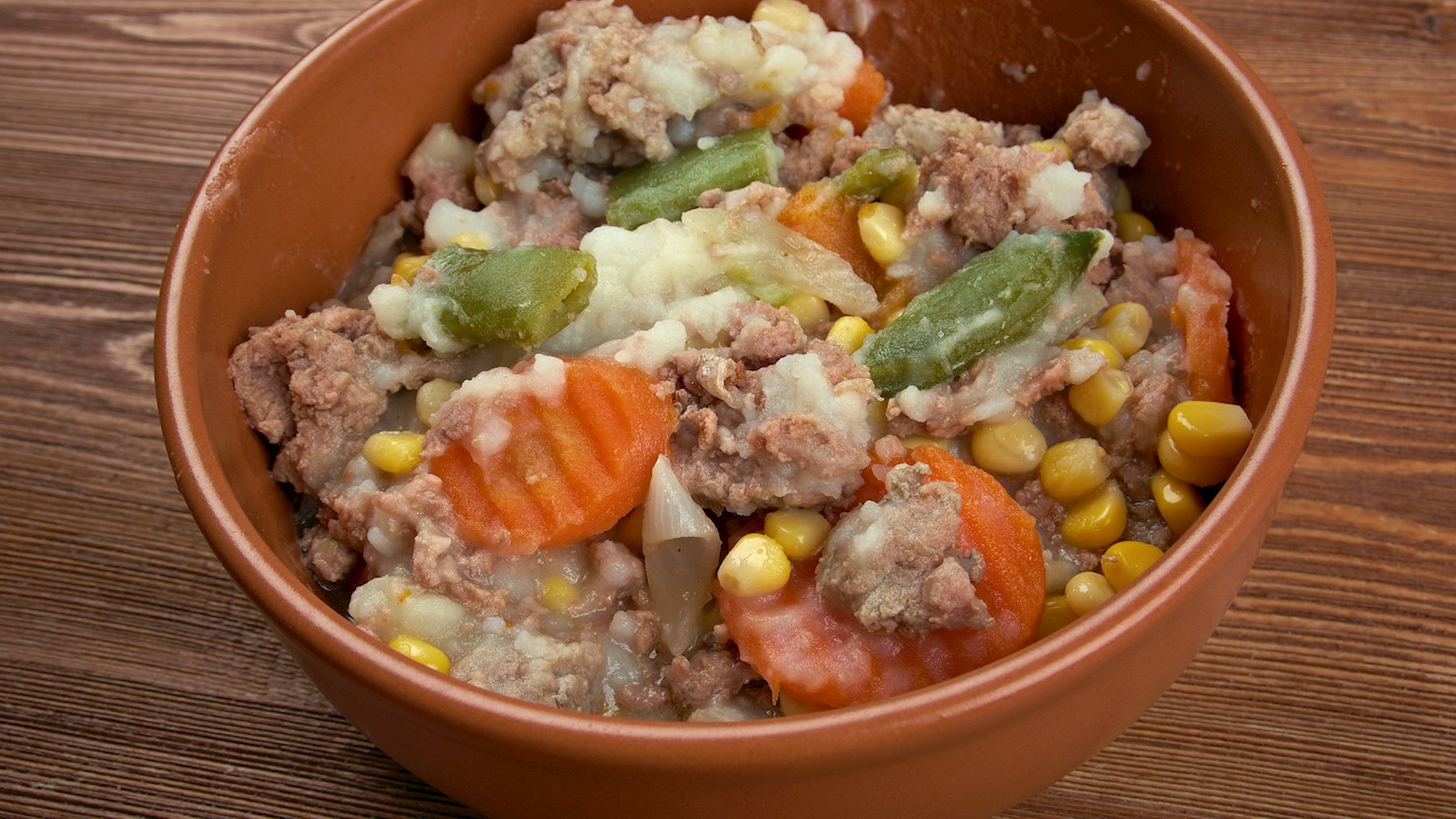
Charquicán is a flavorful Chilean stew that was originally made with dried and salted llama meat, pumpkin, onions, sweet corn, and potatoes as its main ingredients. Modern versions often employ ground beef instead of dried llama meat (due to its strong flavor) and top the dish with a fried egg. The name of the dish is derived from the Quechua and Mapuche word charqui, which means jerky. Apart from Chile, this hearty stew is also popular in Bolivia, Argentina, and Peru.

07

Niños envueltos

3.1 ·

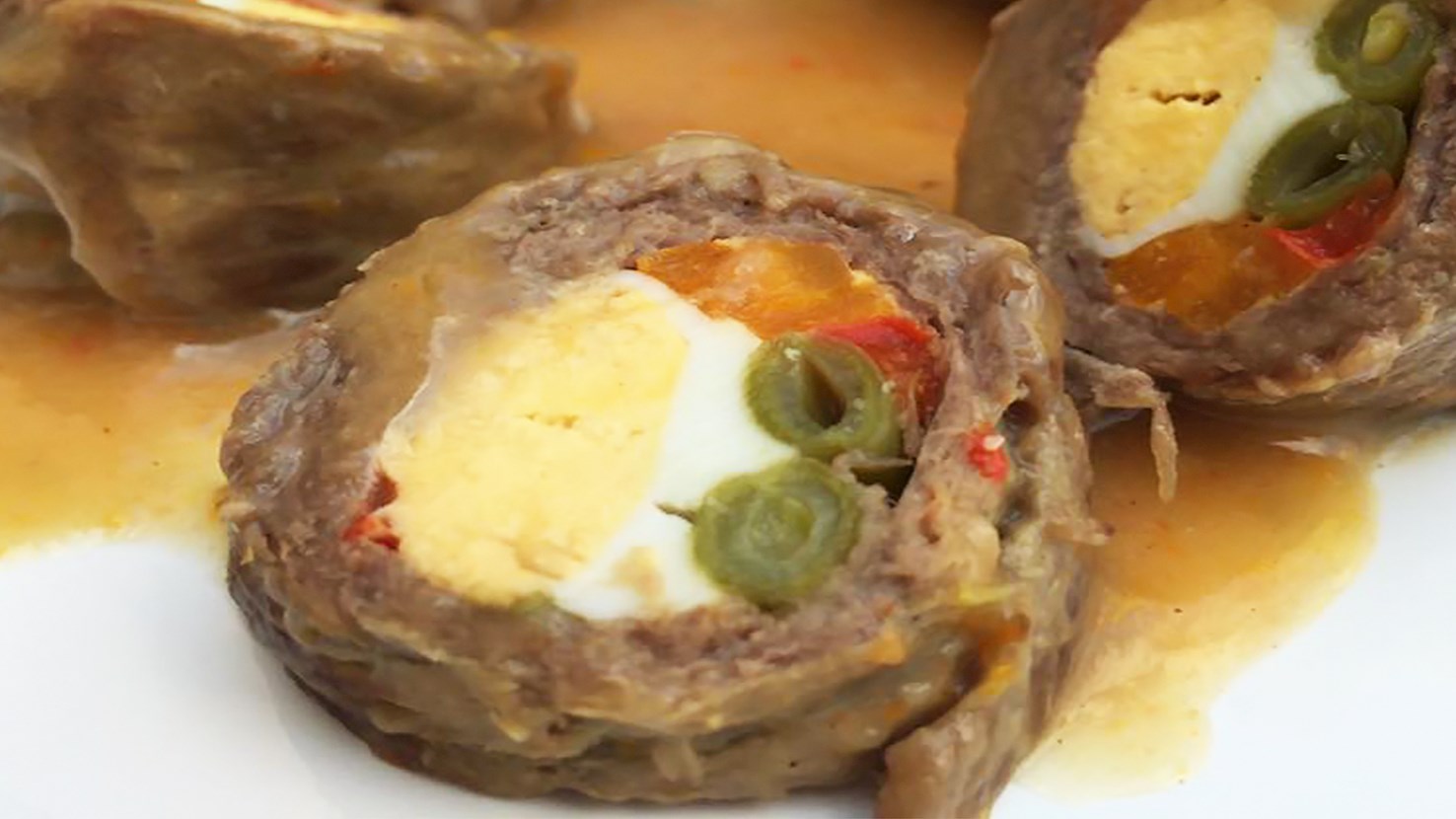
Niños envueltos (lit. wrapped children) is a traditional dish consisting of rice and ground beef that are wrapped in cabbage and cooked in tomato sauce. Apart from the main ingredients, the dish also often contains garlic, basil, bell peppers, and onions, while the tomato sauce is made with olive oil, tomatoes, garlic, oregano, sugar, salt, and pepper. The dish is slowly simmered until the cabbage becomes tender and the rolls are fully cooked. The rolls are often served with bread and a fresh salad on the side. It is believed that this dish is actually a Dominican adaptation of Middle Eastern dishes which were brought to the country by immigrants in the 19th century.

08

Arrollado de malaya (Rolled and stuffed flank steak)

n/a ·

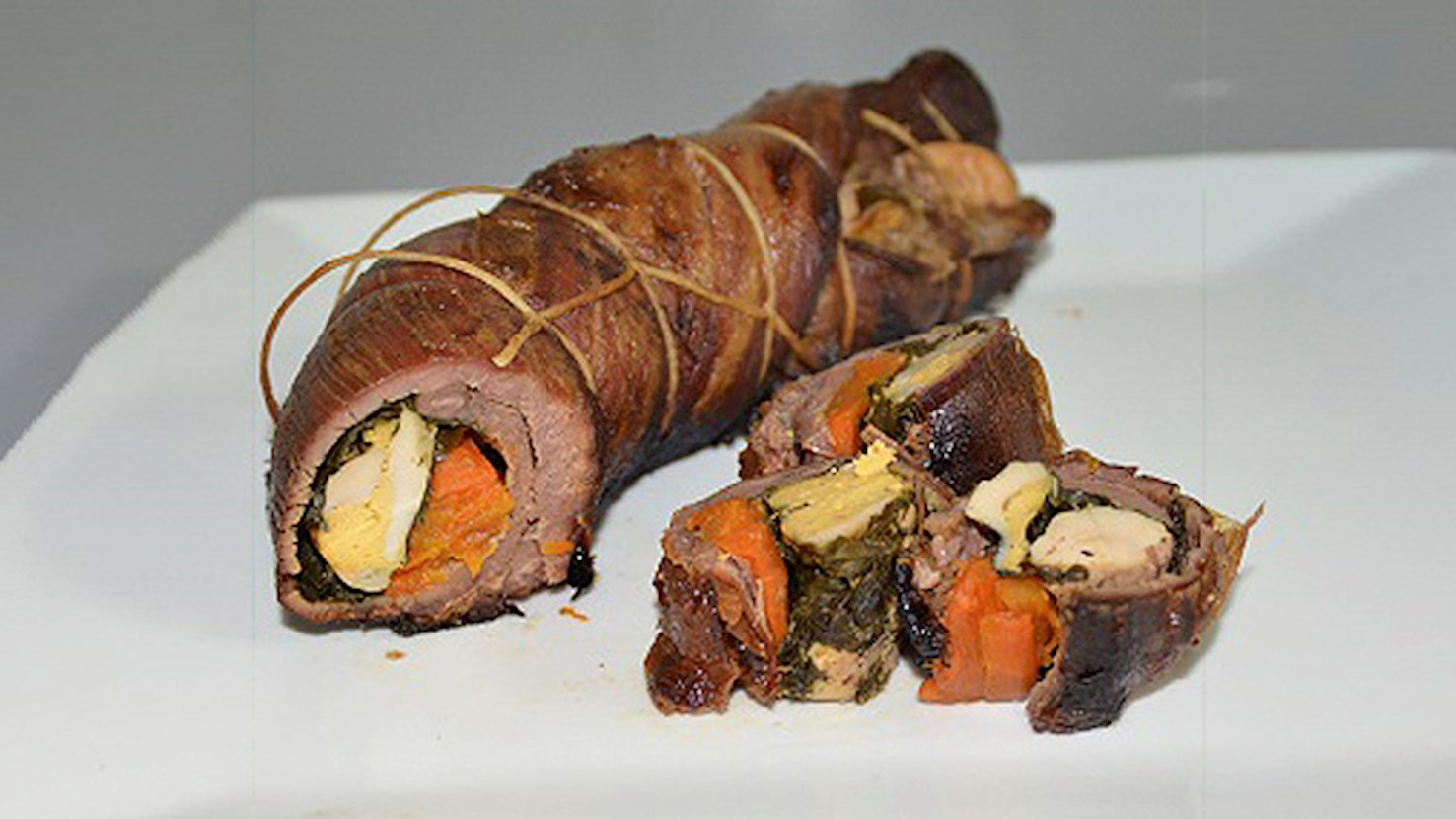
Arrollado de malaya is a traditional meat dish originating from Chile. This meat roll is usually made with a combination of beef (flank steak), bell peppers, hard-boiled eggs, garlic, carrots, onions, salt, and black pepper. The flank steak is boiled and seasoned with salt, pepper, and chopped garlic. Next, strips of peppers, carrots, and onions are placed in the center of the steak, along with hard-boiled eggs. It is then tightly rolled, tied with a string, and boiled again with the remaining peppers and onions. After an hour, arrollado de malaya is thinly sliced, and it can be served warm or cold.

09

Conejo en escabeche

n/a ·

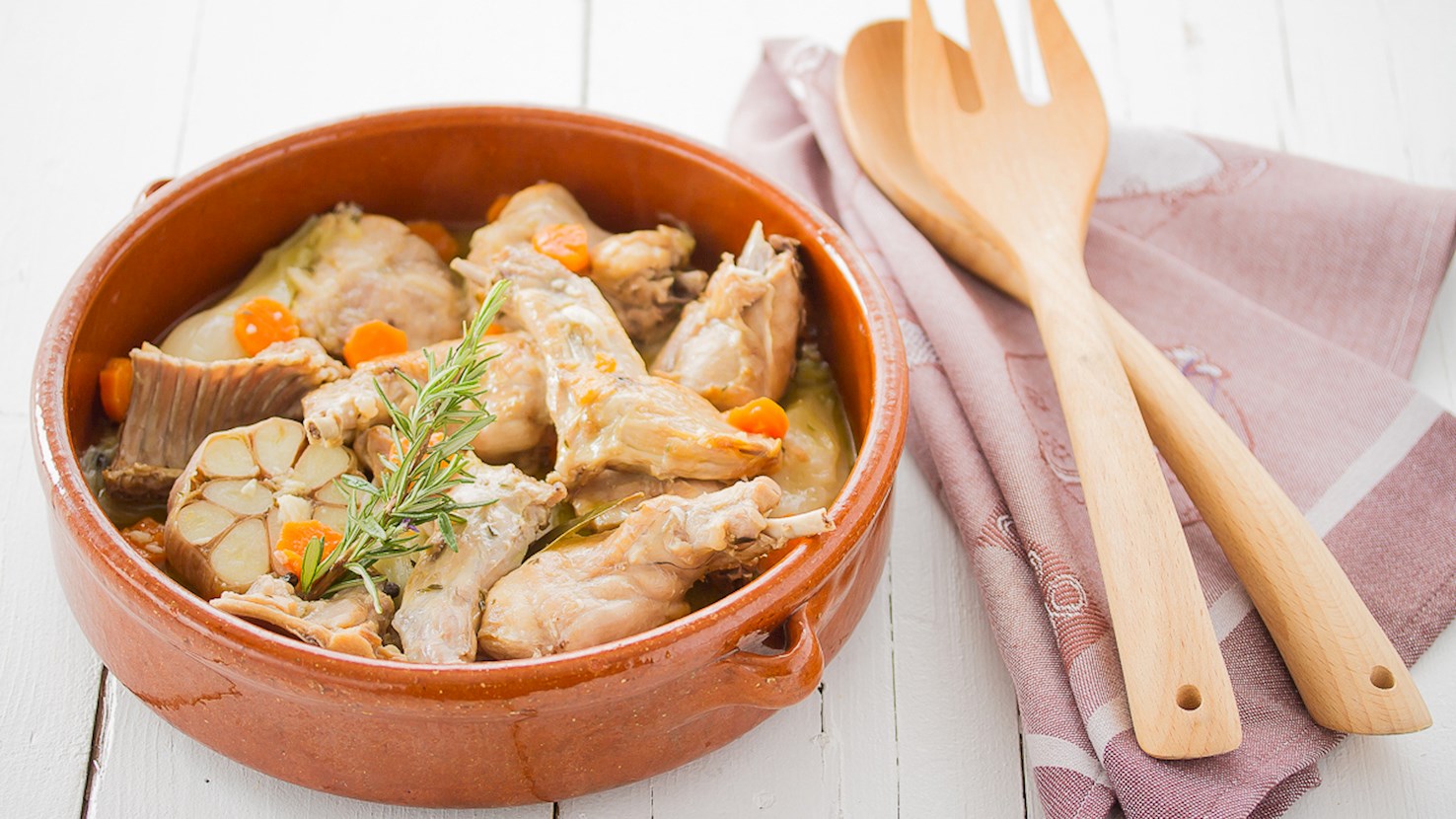
Conejo escabechado is a traditional rabbit dish originating from Chile. The dish is usually made with a combination of rabbit pieces, white wine vinegar, onions, bell peppers, garlic, carrots, white wine, cumin, oregano, bay leaves, hot peppers, olive oil, salt, and black pepper. The rabbit is cut into pieces and covered with water, vinegar, and salt. It’s left in the mixture for at least half a day. Later on, the rabbit pieces are rinsed and marinated in a mixture of garlic, vinegar, oregano, salt, and peppercorns. After a while, the meat is browned in olive oil, removed from the pan, and the onions, garlic, bell peppers, and carrots are sautéed in the same pan. The meat is placed back into the pan with the vegetables, and the dish is seasoned with cumin, hot peppers, and bay leaves. White wine is poured into the pan, and the dish is simmered over low heat until the rabbit meat is tender. Once done, the dish is served warm or cold, depending on side dishes and personal preference.

10

Picante de conejo

n/a ·

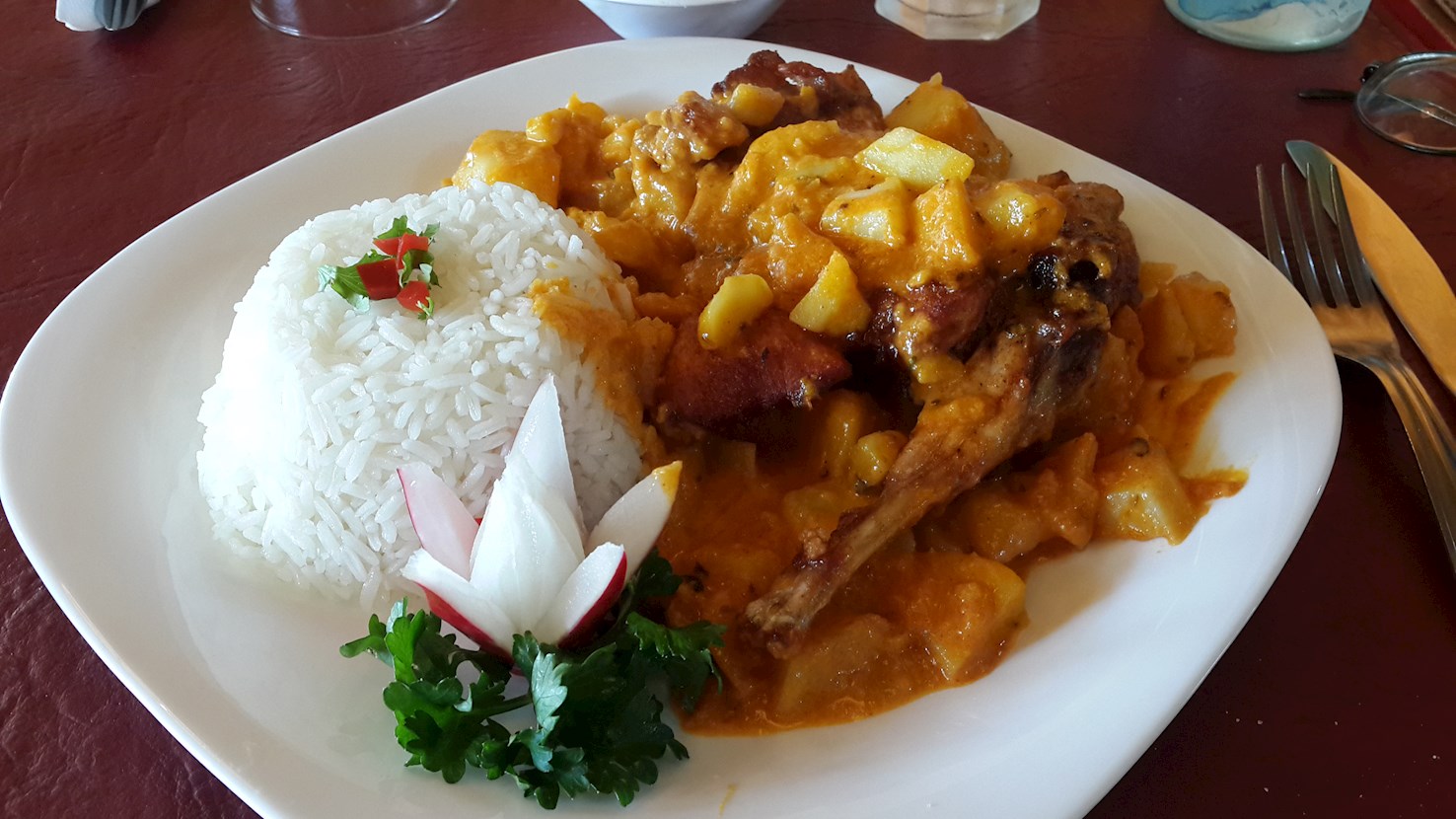
Picante de conejo is a traditional rabbit dish originating from the northern parts of Chile. The dish is usually made with a combination of rabbit, oil, garlic, potatoes, onions, carrots, bell peppers, cumin, turmeric, parsley, coriander, salt, and pepper. The rabbit is cut into pieces and brined overnight. The next day, the pieces are browned in oil, removed from the pan, and the bell peppers, carrots, onions, garlic, and parsley are fried in the same oil. The meat is returned to the pan, and the mixture is covered with water and seasoned with turmeric, cumin, salt, and pepper. The dish is simmered for about an hour, and pieces of boiled potatoes are then added to the pot in order to thicken the dish. Picante de conejo is typically garnished with coriander before it’s served with rice on the side.

Read more
View all
View map
About this ranking

TasteAtlas food rankings are based on the ratings of the TasteAtlas audience, with a series of mechanisms that recognize real users and that ignore bot, nationalist or local patriotic ratings, and give additional value to the ratings of users that the system recognizes as knowledgeable. For the “Top 10 Chilean Meat Dishes” list until July 15, 2026, 847 ratings were recorded, of which 354 were recognized by the system as legitimate. TasteAtlas Rankings should not be seen as the final global conclusion about food. Their purpose is to promote excellent local foods, instill pride in traditional dishes, and arouse curiosity about dishes you haven’t tried.

Similar lists