

Top 55 Croatian Meat Dishes

Last updated on July 15, 2026
01

Sarma

4.2 ·

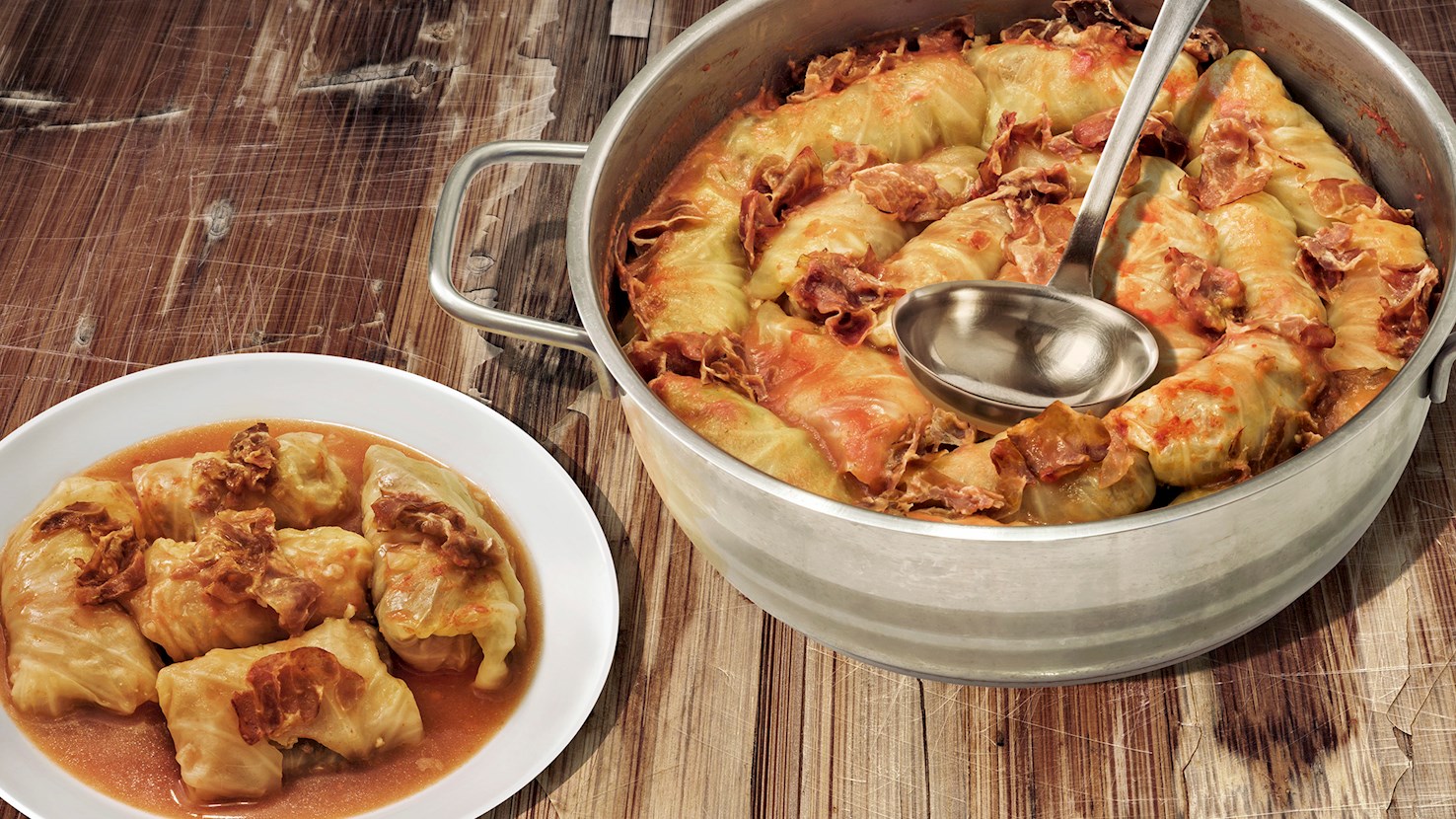
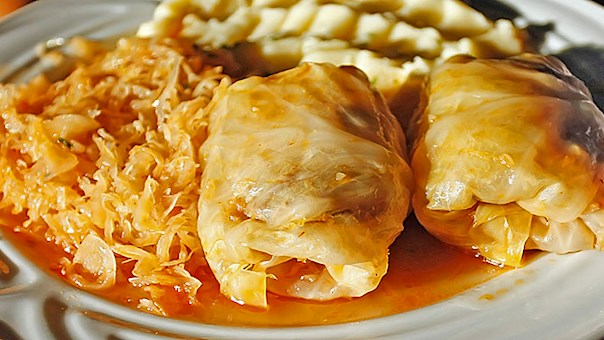
One of the staples of traditional Turkish cuisine, sarma consists of a filling that is snugly surrounded by leaves or leafy vegetables. There are numerous versions of this dish but the mixture typically combines ingredients such as minced meat, rice or bulgur, various herbs, seasonings, red pepper, paprika, ground sumac, or tomato sauce, while the typical wrapping usually includes vine, cabbage, or sauerkraut leaves, or a variety of leafy vegetables such as collard greens and swiss chard. Having its roots in the Ottoman Empire, sarma is also traditionally consumed in the Balkans, the countries of Central Europe, the South Caucasus, and the Middle East. Although it is commonly enjoyed as a filling lunch or dinner (typically during the winter season), sarma is often prepared on special occasions and holidays. The dish is usually accompanied by plain yogurt, mashed potatoes, and crusty bread on the side.

02

Dalmatinska pašticada

4.2 ·

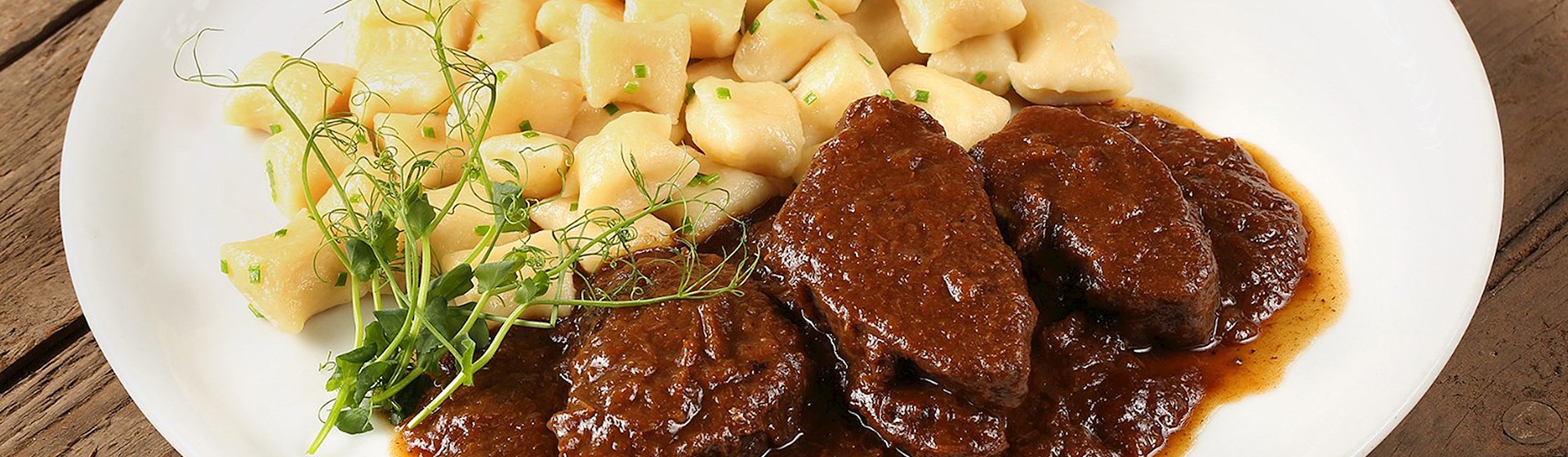
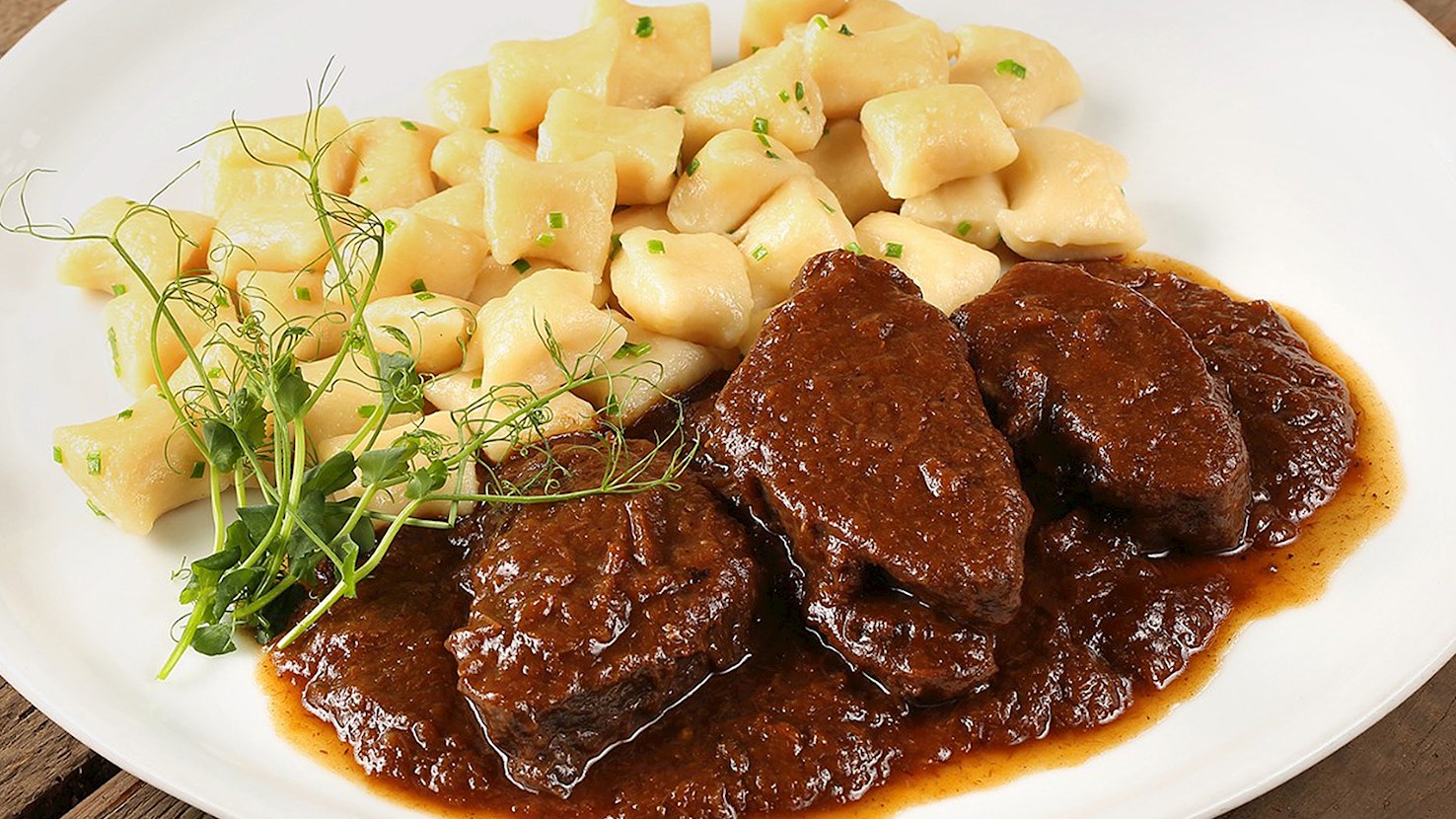
Dalmatinska pašticada is a traditional Dalmatian dish consisting of beef (the traditional cut used being frikando, the toughest part of beef round) that is marinated in vinegar and spices for up to a couple of days, after which it’s stewed in red wine or prošek with bacon, tomatoes, a few dried prunes or figs, and root vegetables. Once cooked, the sauce is puréed and additionally seasoned with a selection of various spices. Traditionally, the dish is served at weddings with a side of gnocchi or homemade pasta. It is recommended to serve pašticada with some grated cheese on top. Experts believe that the dish had traveled a long way from ancient Greece and Rome to the Republic of Venice and the tables of noblemen until it was finally brought over to Dalmatia, where it became an ingrained part of local cuisine.

03

Janjetina ispod peke (Lamb under the bell)

4.2 ·

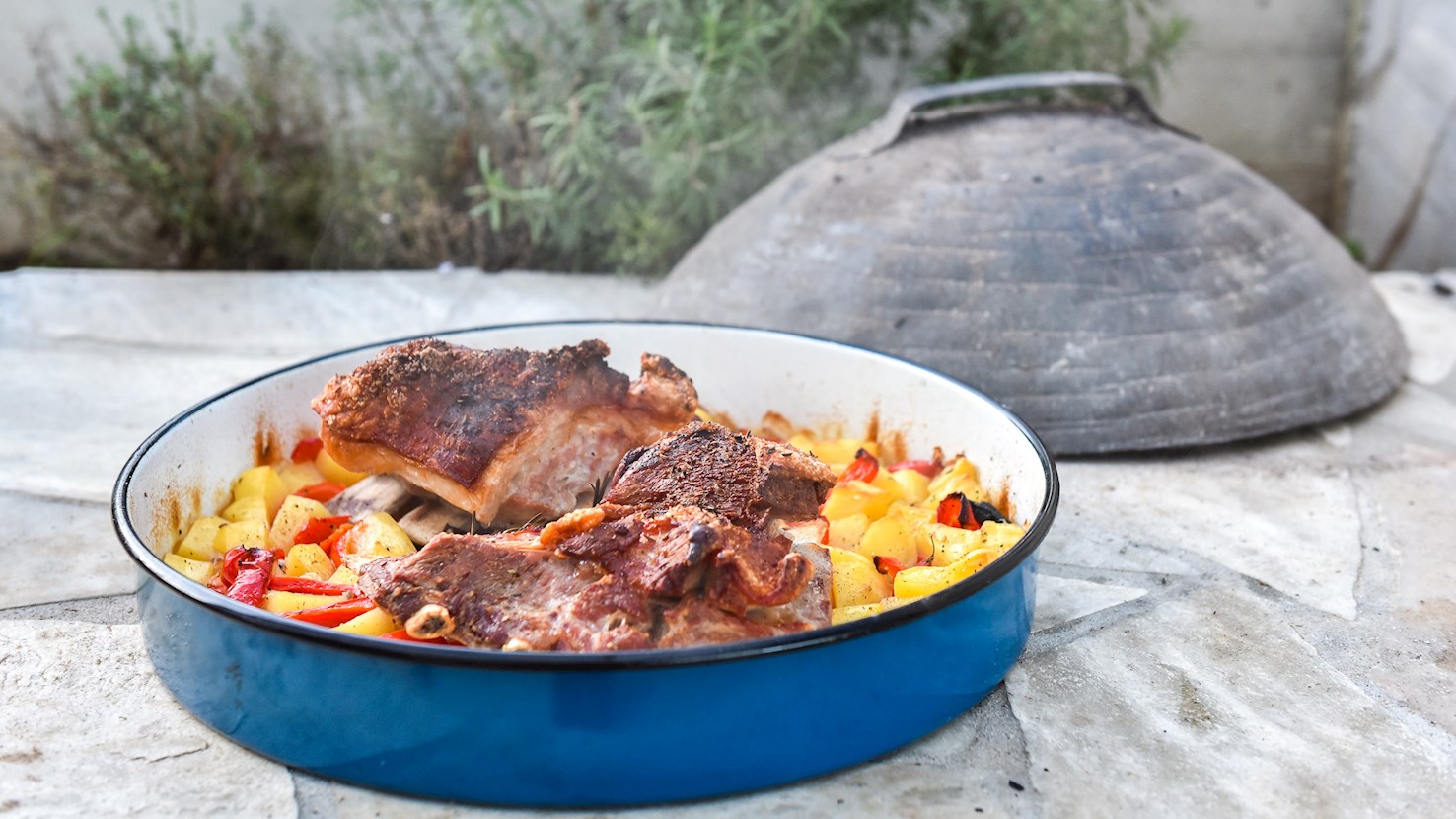
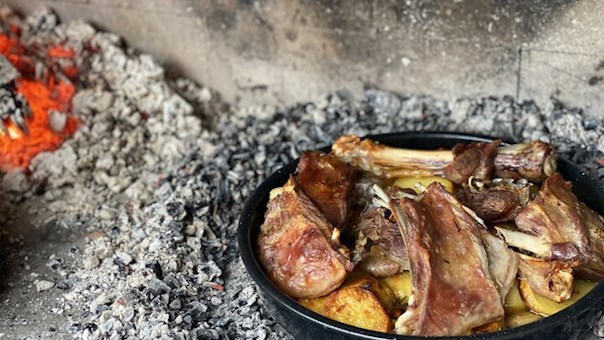
Janjetina ispod peke is a traditional lamb specialty that calls for preparing the meat under a metal, bell-like dome or lid called peka in Dalmatia or čripnja in Istria. The meat is usually combined with potatoes and vegetables such as onions, tomatoes, carrots, and zucchinis, and the whole thing is then commonly drizzled with olive oil. White wine or beer may occasionally be added to the concoction to speed up the cooking process, while the dish is often flavored with aromatic herbs and spices such as rosemary, bay leaves, mint, paprika, and black pepper. Traditionally, the baking tray or pot containing the food is topped with the peka lid, placed in a fireplace, and the lid is then covered with hot embers on top. After hours of cooking slowly under the lid, the meat comes out tender, succulent, and falling-off-the-bone. This specialty is typically accompanied by a fresh seasonal salad, kruh ispod peke (bread baked under the lid), and a glass of white wine or beer on the side. Janjetina ispod peke is a typical dish of the Dalmatia and Istria regions, where it can be savored in local restaurants or prepared at home.

Best restaurants
04

Kotlovina

4.2 ·

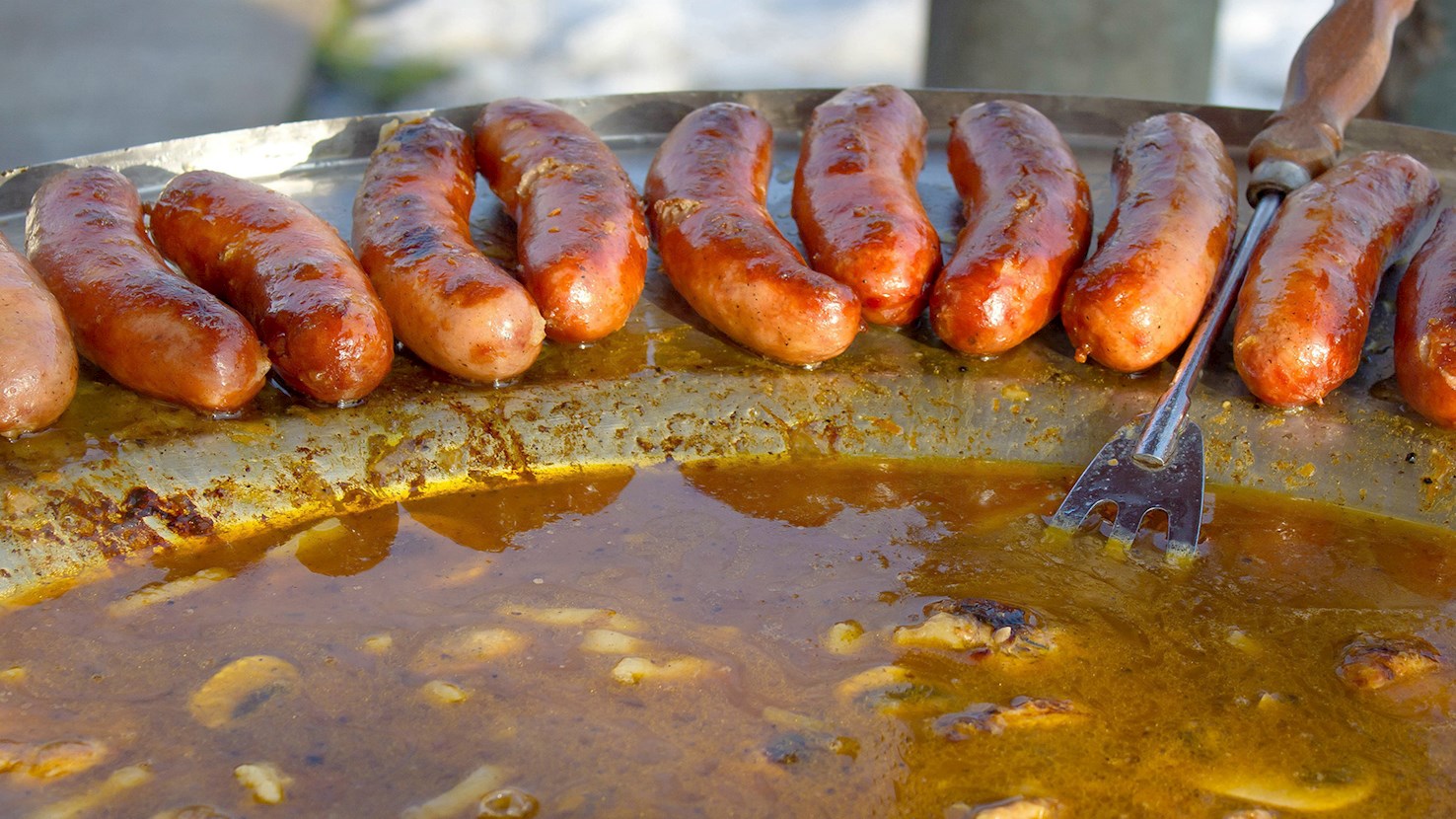
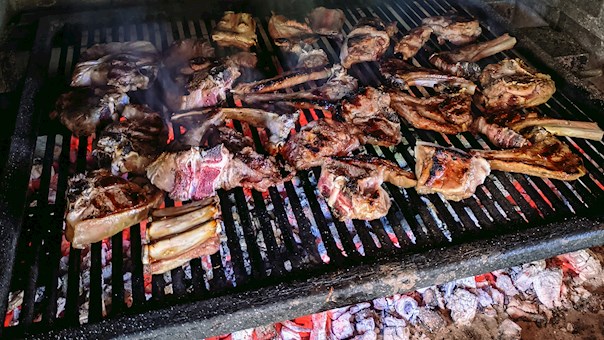
Kotlovina is a traditional dish made by cooking various types of meat, sausages, and vegetables in a large, shallow plate that is placed over an open fire. The dish is typically prepared outdoors, often in gardens or courtyards. There are numerous recipes for kotlovina, but the meat is usually seasoned with salt, pepper, and oil. It is recommended to serve the dish with roasted potatoes or a fresh salad on the side.

05

Čobanac

4.1 ·

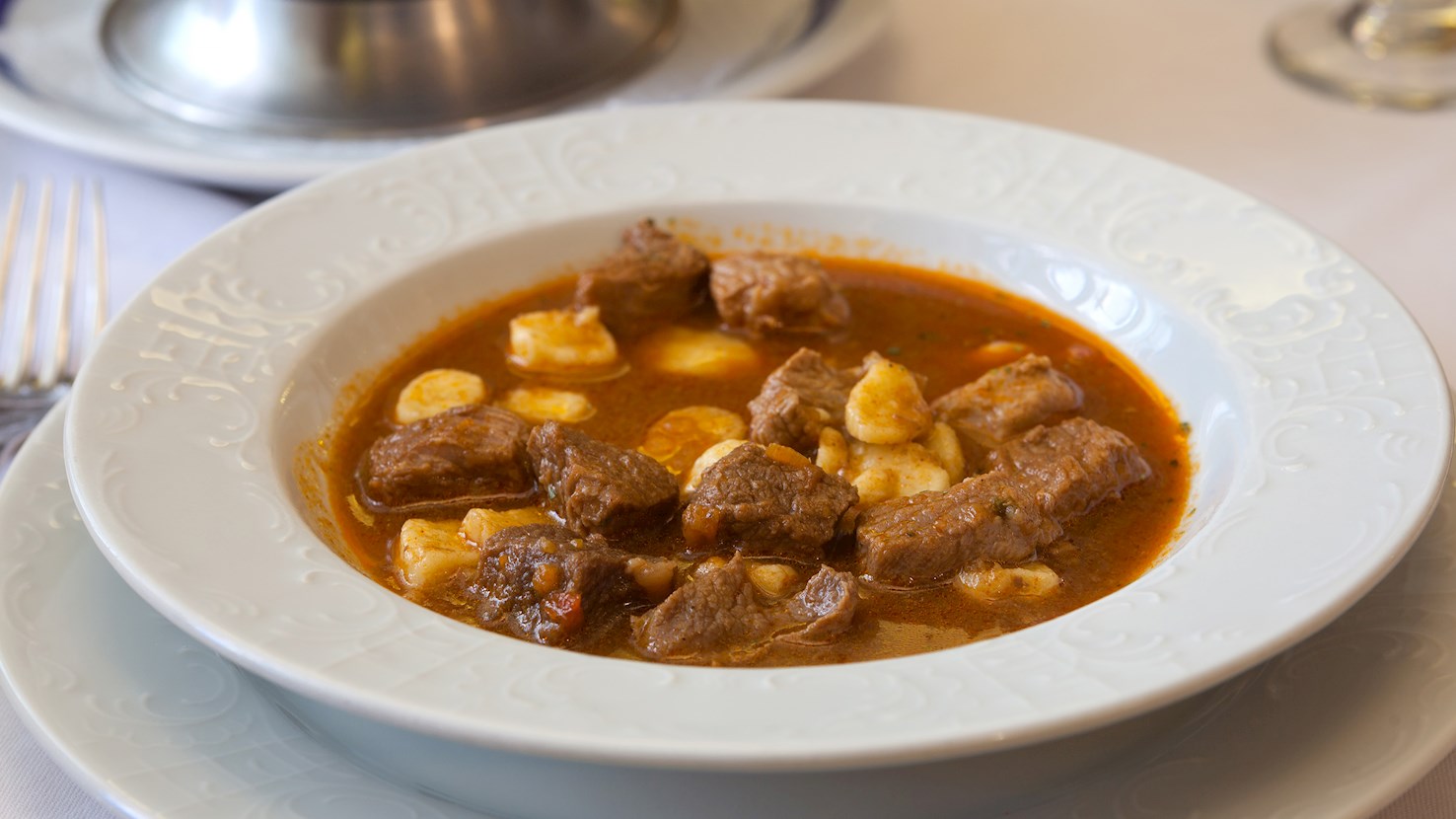
Čobanac is a traditional meat stew originating from Slavonia and Baranja, located in the eastern part of Croatia. The dish is traditionally prepared by slowly cooking all of the ingredients for several hours in a large copper pot that is strung over an open fire. Typically, it consists of a few different types of meat, from veal and pork to wild game meat, along with large quantities of onions, and a special blend of sweet and hot ground paprika which gives the stew its characteristical rich and vivid color. It is recommended to serve čobanac with a few slices of fresh, homemade bread.

06

Janjetina s ražnja (Spit-roasted lamb)

4.1 ·

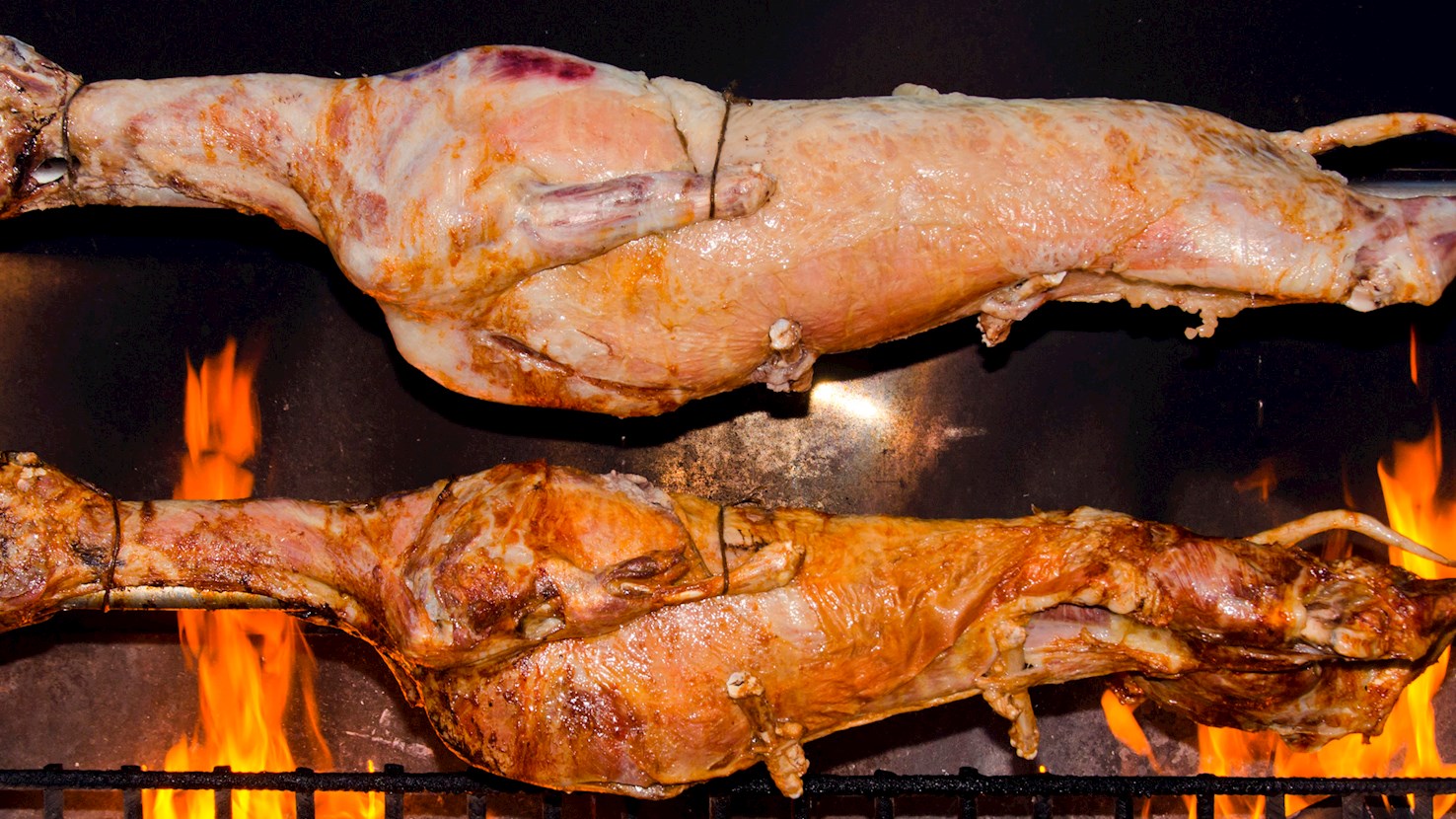
Janjetina s ražnja is a popular Dalmatian dish made by roasting a whole lamb on a spit. It is roasted over an open fire until the skin becomes crispy and golden-brown in color. Before roasting, the lamb can be marinated in oil with fresh herbs, but it is traditionally seasoned only with sea salt. When the lamb is properly roasted, it is usually served with sliced onions, green onions, or young potatoes, and a few slices of bread.

07

Punjena paprika

4.0 ·

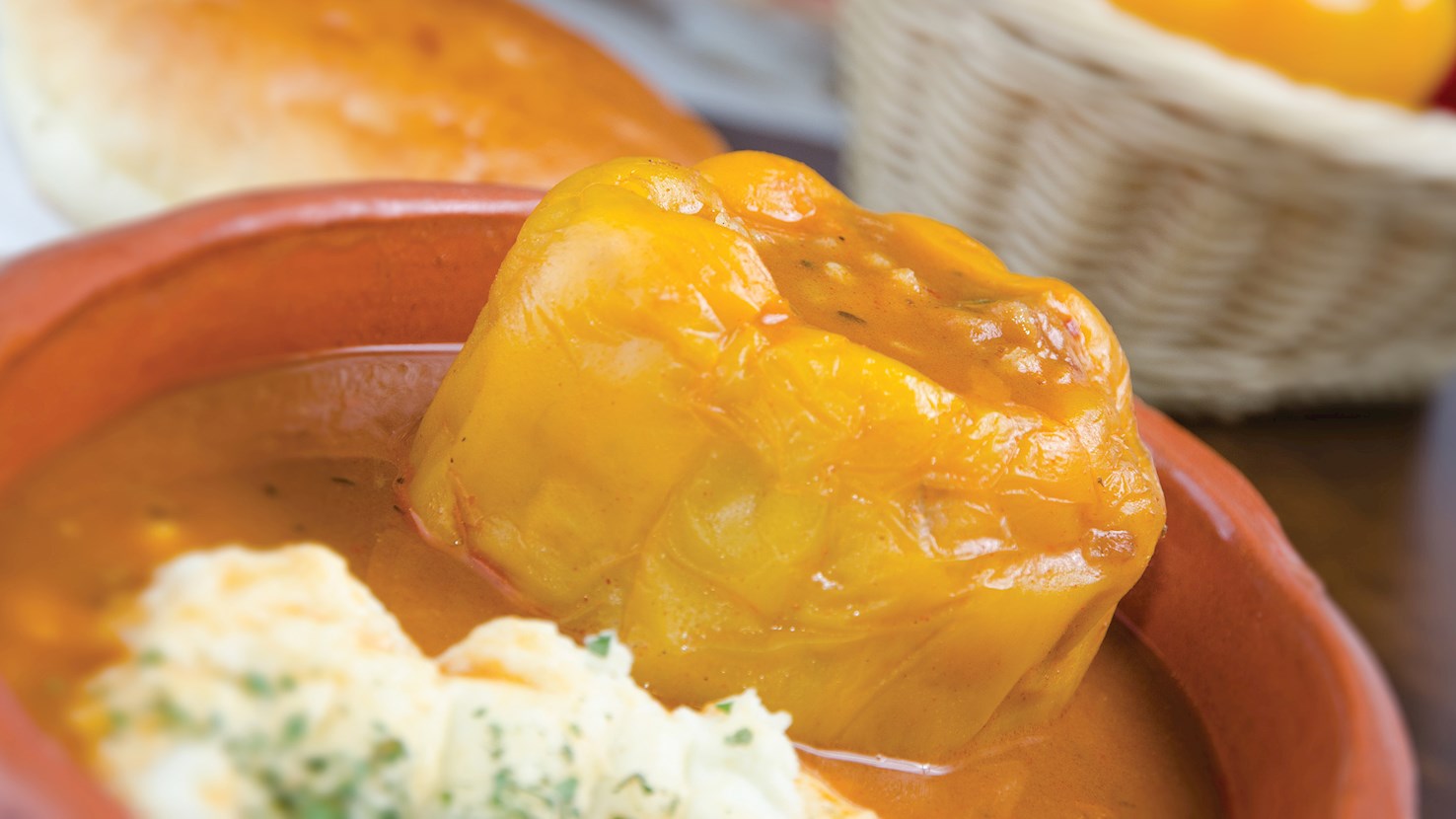
Punjena paprika is a ground meat dish that's prepared in many variations across the Balkans, in countries such as Croatia, Bosnia, Slovenia, Serbia, and Hungary, among others. The dish consists of bell peppers that are stuffed with a mixture of ground meat (veal, pork, or both), rice, and spices. Punjene paprike are a quintessential summer dish in Croatia – sarma is reserved for winter, while punjena paprika is a summer staple. The meat and rice mixture is typically seasoned with onions, salt, pepper, and paprika powder. Once stuffed, the bell peppers (usually green bell peppers) are cooked in tomato sauce with a bit of flour and garlic, and they are then served with mashed potatoes on the side.

08

Odojak na ražnju

3.9 ·

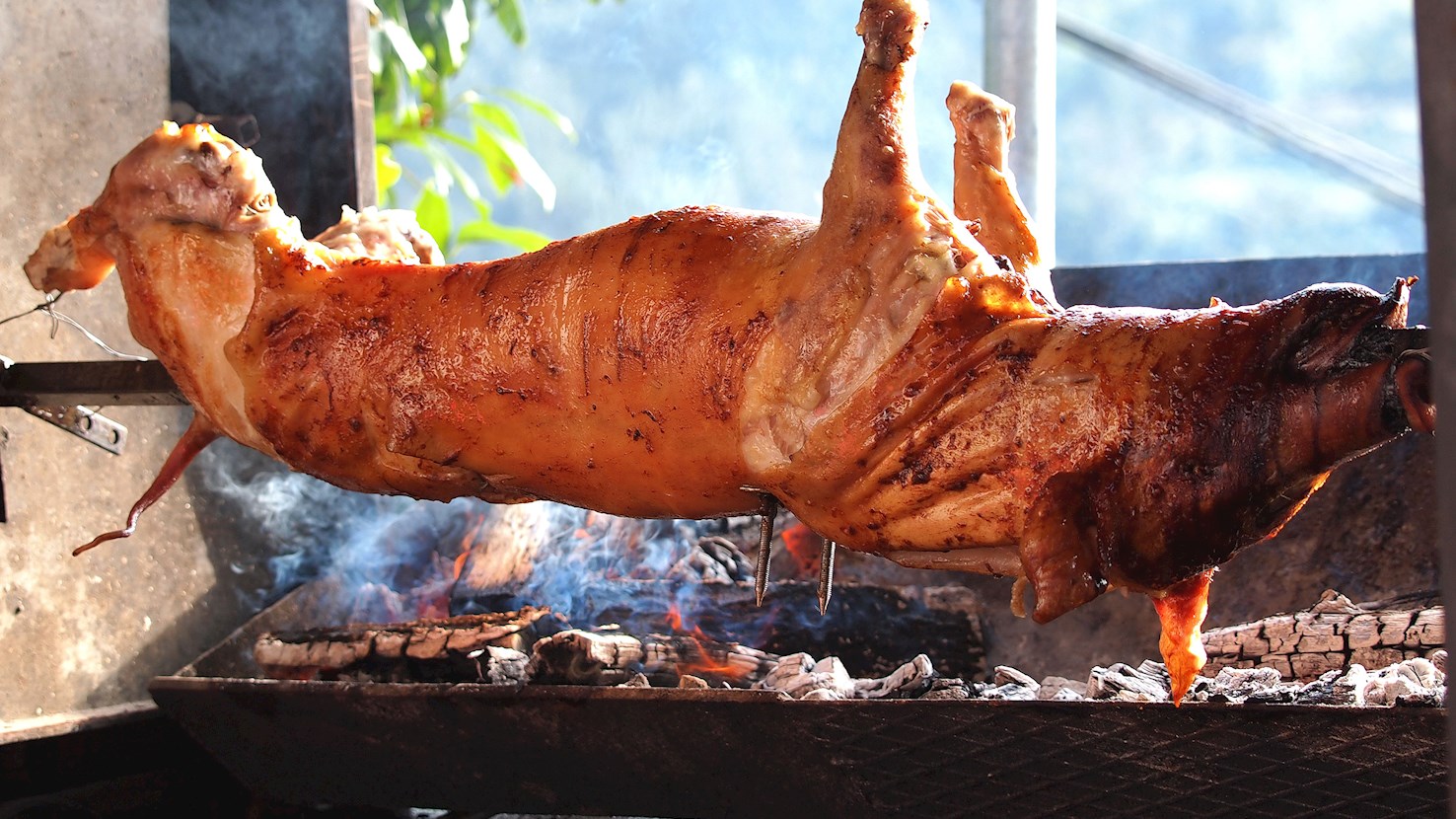
Odojak na ražnju is a popular Croatian dish made by roasting a whole suckling pig on a rotating spit. It is roasted over an open fire until the skin becomes crispy and golden-brown in color. Before it's roasted, the suckling pig is traditionally seasoned only with salt. The cooking time is somewhere between 3,5 hours and 5,5 hours, depending on the size of the pig. Once the white steam starts to form and the fat stops dripping, the suckling pig is properly roasted. This dish is often prepared for special occasions and important guests, and it's usually served with bread and roasted potatoes.

09

Ražnjići (Skewers)

3.8 ·

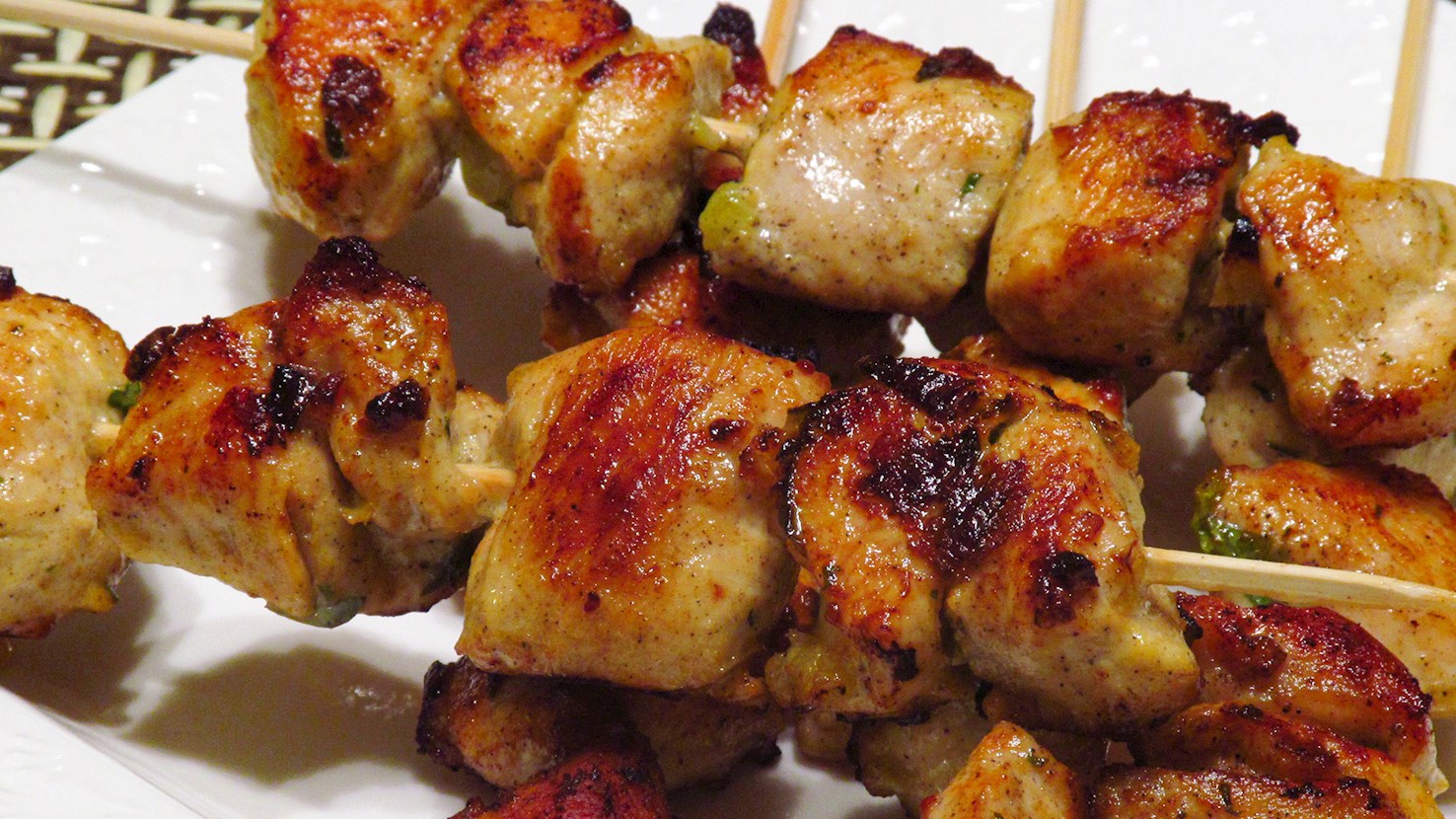
Ražnjići are a popular type of grilled meat skewer from the Balkan region, particularly in countries like Serbia, Croatia, Bosnia and Herzegovina, and Montenegro. The word "ražnjići" translates to "skewers" in English. These skewers typically consist of chunks of marinated meat—commonly pork, chicken, beef, or lamb—that are threaded onto sticks and then grilled. The marinades vary but often include a blend of herbs, spices, garlic, and sometimes vinegar or lemon juice to enhance the flavor of the meat. Ražnjići are a staple at barbecues and family gatherings and are also commonly found at local eateries and street food stalls. They are usually served with sides such as bread, fresh salad, and various condiments.

10

Skradinski rižot (Skradin risotto)

3.8 ·

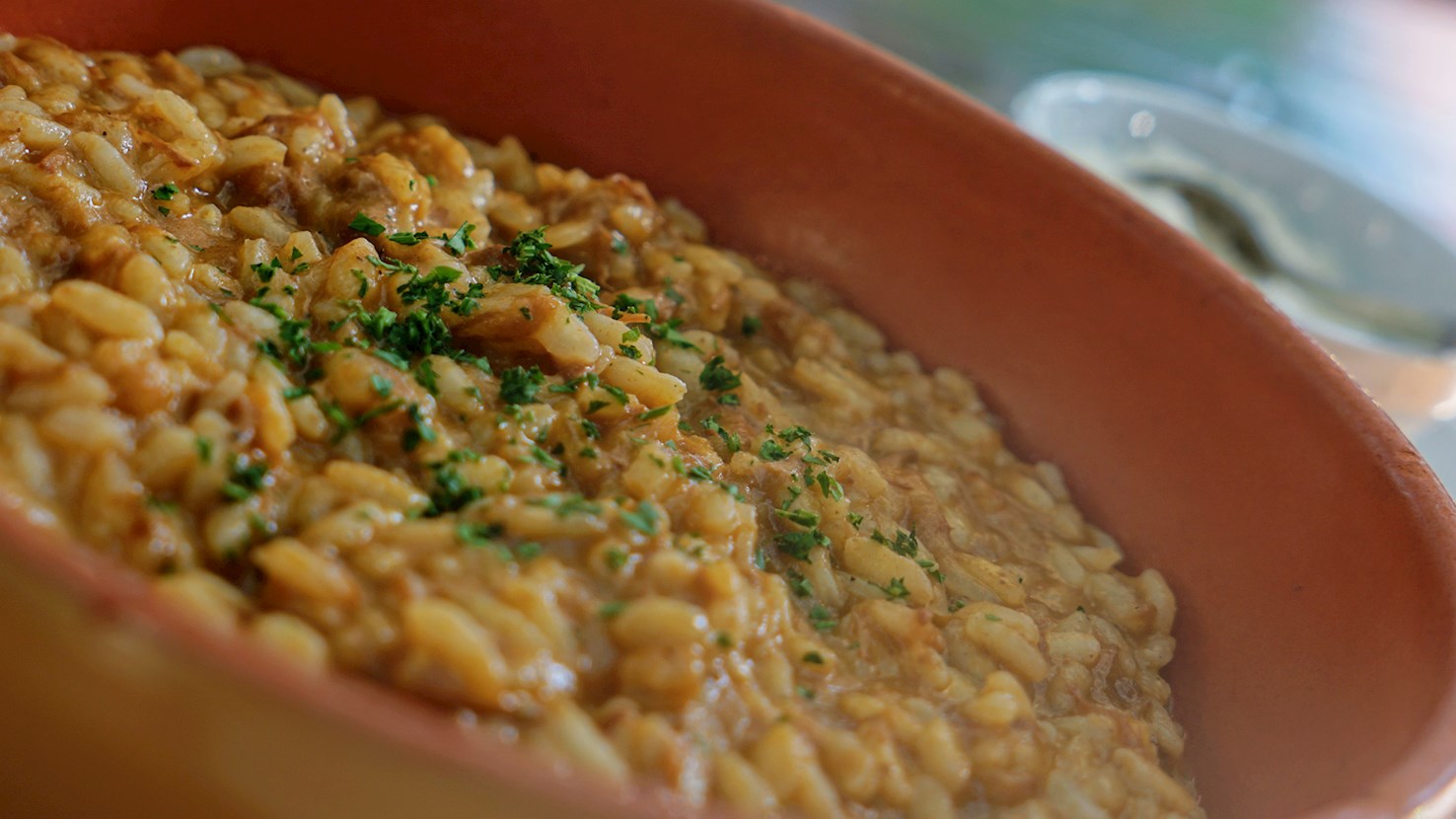
It takes about 10 to 12 hours to make this magnificent risotto that is traditionally prepared by men. Skradinski rižot is made with veal rump, a bit of ham, some beef, onions, a bouillon of capon, rooster, or beef, and rice. Some recipes incorporate prosciutto pieces for extra flavor. The risotto is usually seasoned with salt, pepper, and nutmeg, and the whole thing is finished off with some grated cheese, preferably Paški sir from the nearby island called Pag. Due to its long cooking time, it often has to be ordered a few days in advance. It is recommended to pair Skradinski rižot with a glass of full-bodied red wine.

Read more
View all
View map
About this ranking

TasteAtlas food rankings are based on the ratings of the TasteAtlas audience, with a series of mechanisms that recognize real users and that ignore bot, nationalist or local patriotic ratings, and give additional value to the ratings of users that the system recognizes as knowledgeable. For the “Top 55 Croatian Meat Dishes” list until July 15, 2026, 2,087 ratings were recorded, of which 1,198 were recognized by the system as legitimate. TasteAtlas Rankings should not be seen as the final global conclusion about food. Their purpose is to promote excellent local foods, instill pride in traditional dishes, and arouse curiosity about dishes you haven’t tried.

Similar lists