


shutterstock

Top 8 Czech Meat Dishes

Last updated on July 15, 2026
01

Svíčková

4.3 ·

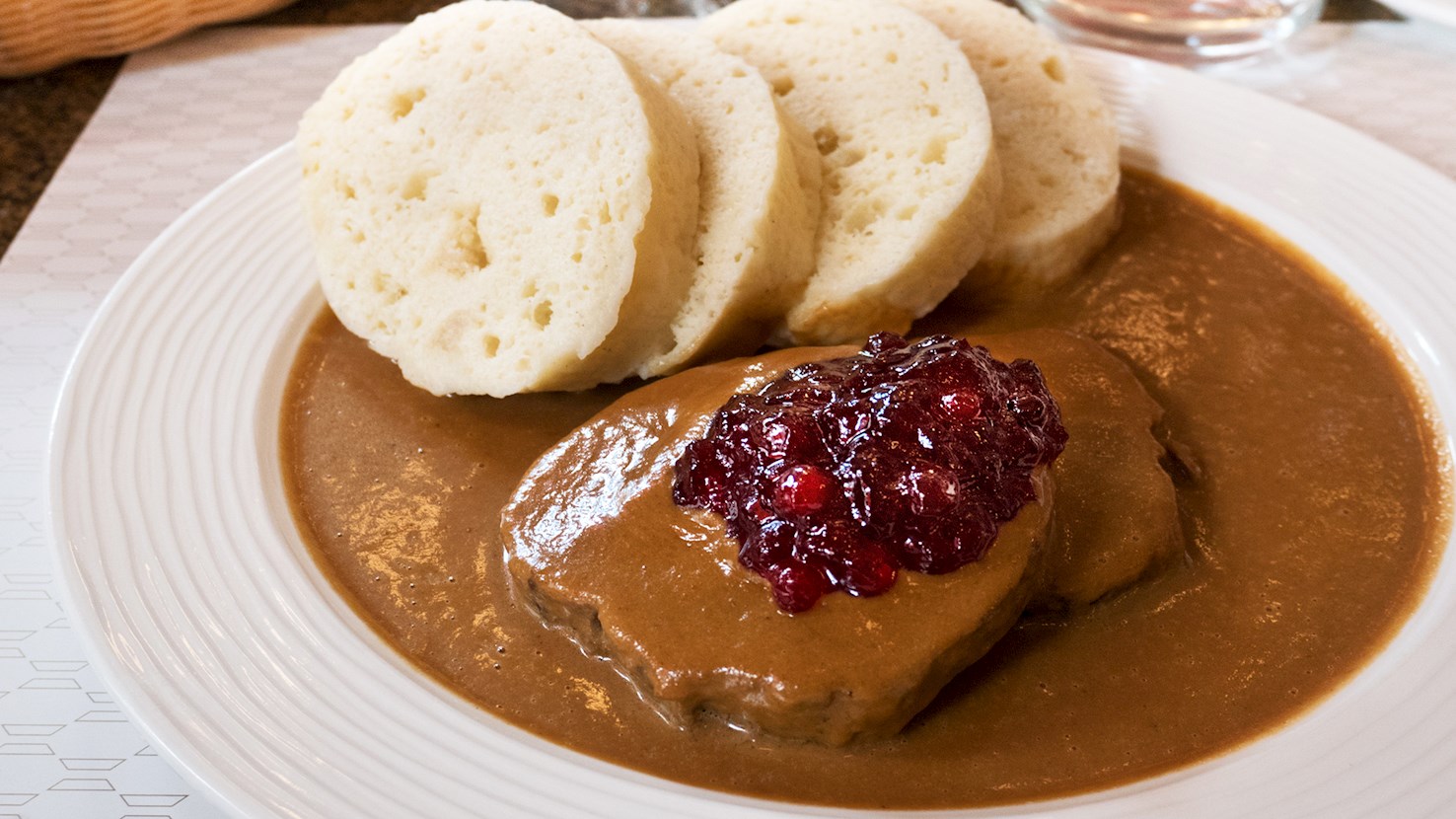
This delicious beef dish is one of the best-known creations of Czech cuisine. It is made with marinated braised beef, usually tenderloin, served in a creamy vegetable sauce made with carrots, celeriac, and parsley root. The dish is usually spiced with thyme, bay leaves, and allspice, which lend the dish bold flavors. The trademark of this dish, however, is its creamy gravy made with puréed or mashed root vegetables and sour cream. The recipe for this traditional dish first appeared in 1805. It was heavily influenced by Bavarian cuisine and traditional French cooking techniques, both of which incorporate generous amounts of butter and cream into their recipes. Svíčková is traditionally served with the famous soft Czech bread dumplings, a slightly tart cranberry sauce, a dollop of whipped cream, and a slice of lemon.

02

Řízek

4.1 ·

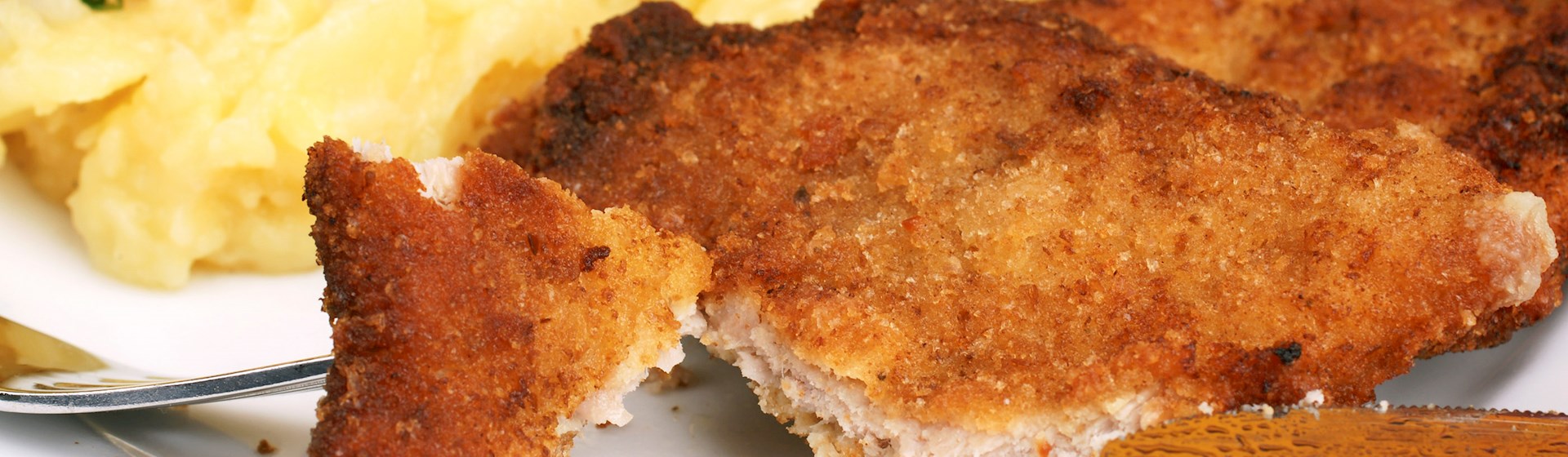
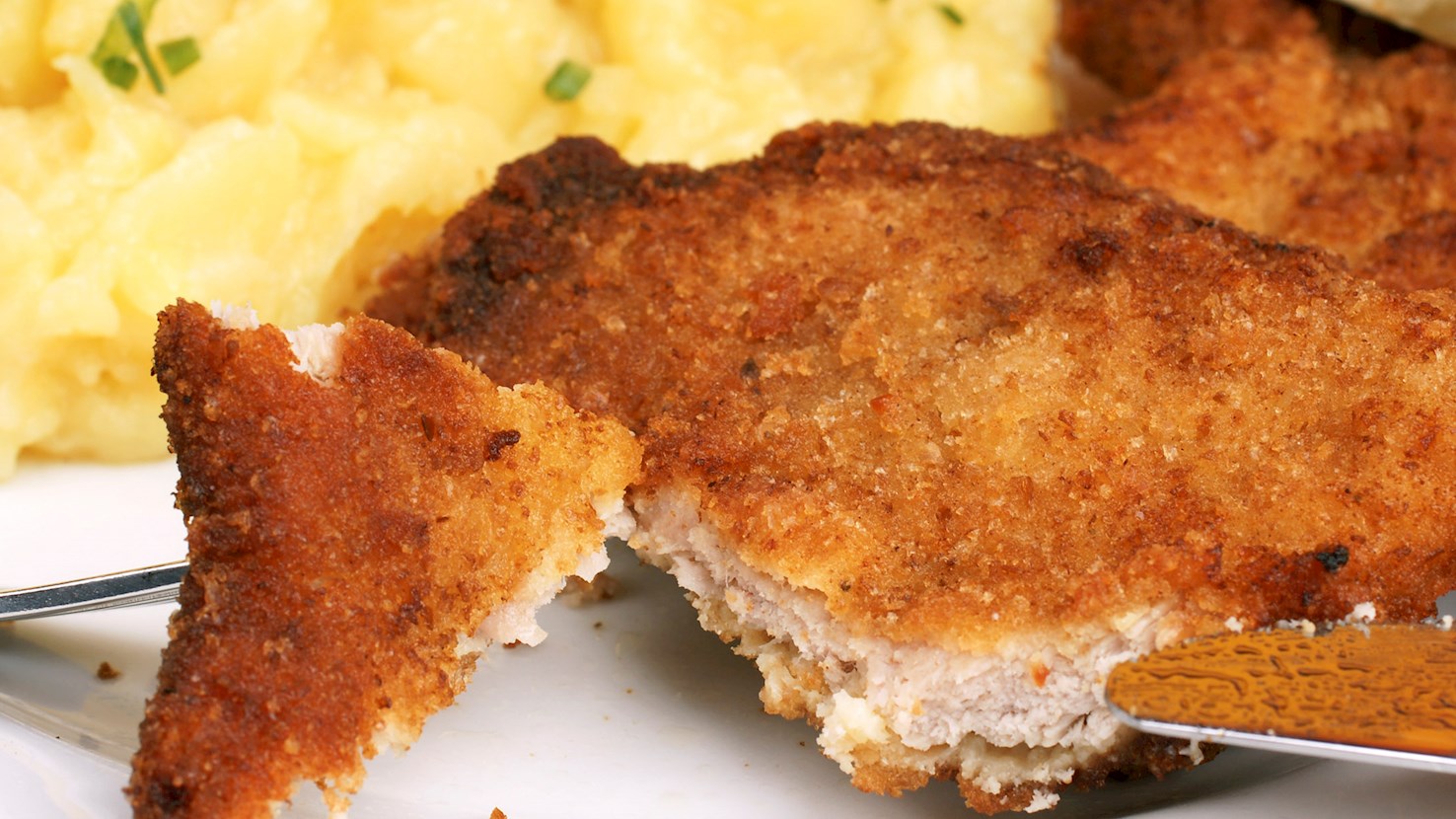
Řízek is the Czech version of the famous Austrian Wiener schnitzel, consisting of thin, tenderized pieces of meat that are coated in a combination of breadcrumbs, flour, and eggs. The meat is then gently fried in oil or butter. The Austrian version is exclusively made with veal, and it is one of their unique delicacies. The Czech interpretation is only occasionally made with veal, and more commonly employs pork chops or pork cutlets. Chicken or turkey breasts are also frequent and represent a lighter version of this classic dish. Řízek is found in numerous restaurants in the Czech Republic and is often prepared as a family meal. It is usually served with mashed or plain boiled potatoes on the side, or between two bread slices in order to create the famous bread and schnitzel sandwich.

03

Guláš

4.0 ·

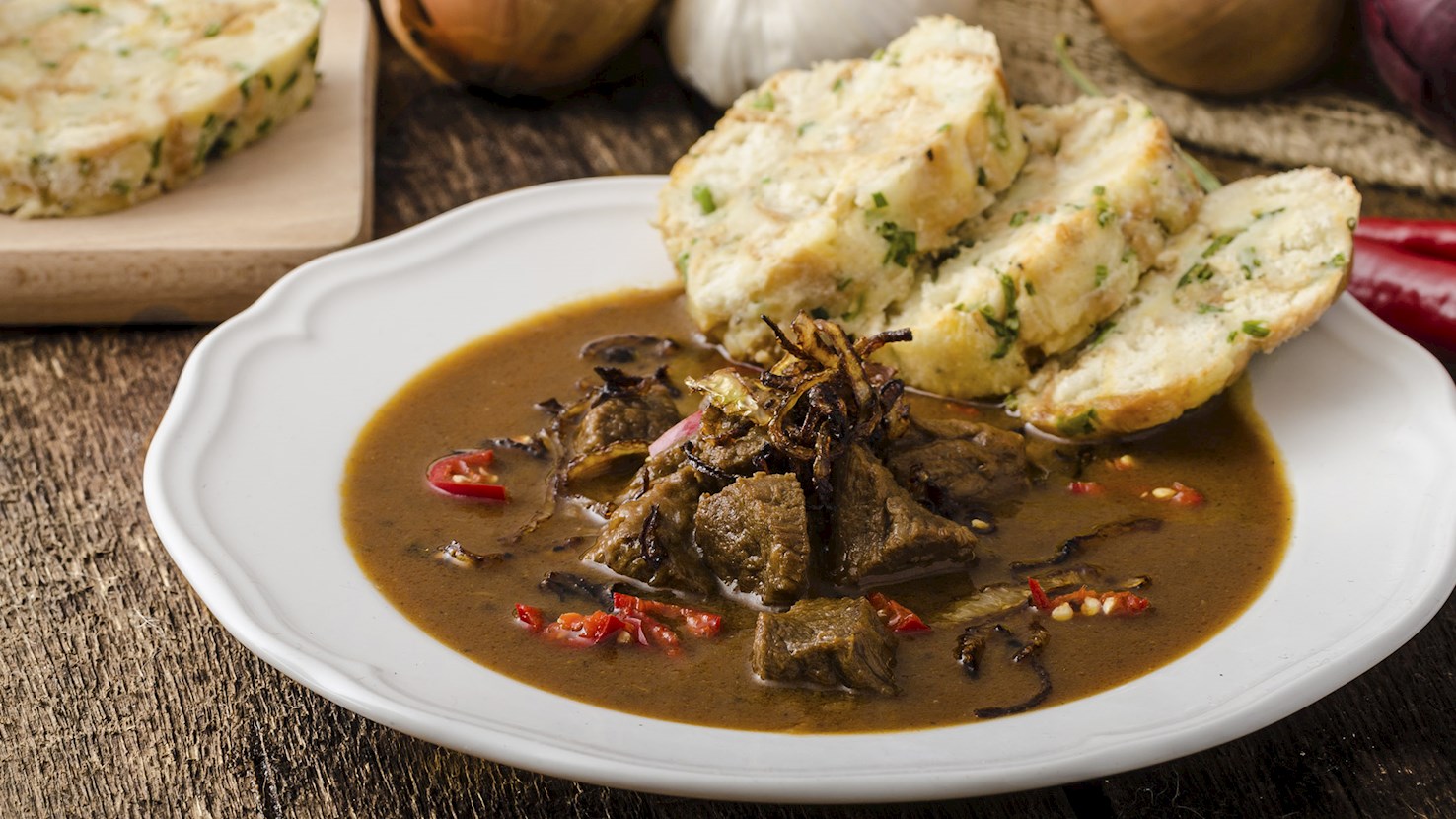
Traditional guláš is a hearty meat stew served with a dark red sauce that is heavily seasoned with paprika. Through history, this dish with Hungarian origins has become one of the most common meals in the Czech Republic and Slovakia. The two countries have created their unique version, slightly different from the original. It usually consists of beef, pork, or game meat, browned and simmered alongside onions for hours until the broth thickens. There are numerous varieties of this rustic dish, including the ones with different meat cuts, thicker and thinner broth types, potatoes, caraway seeds, marjoram, and even sausages and mushrooms. Guláš is a common restaurant dish, and it is traditionally accompanied by tender steamed dumplings or plain bread.

04

Vepřo knedlo zelo (Pork roast with dumplings and sauerkraut)

4.0 ·

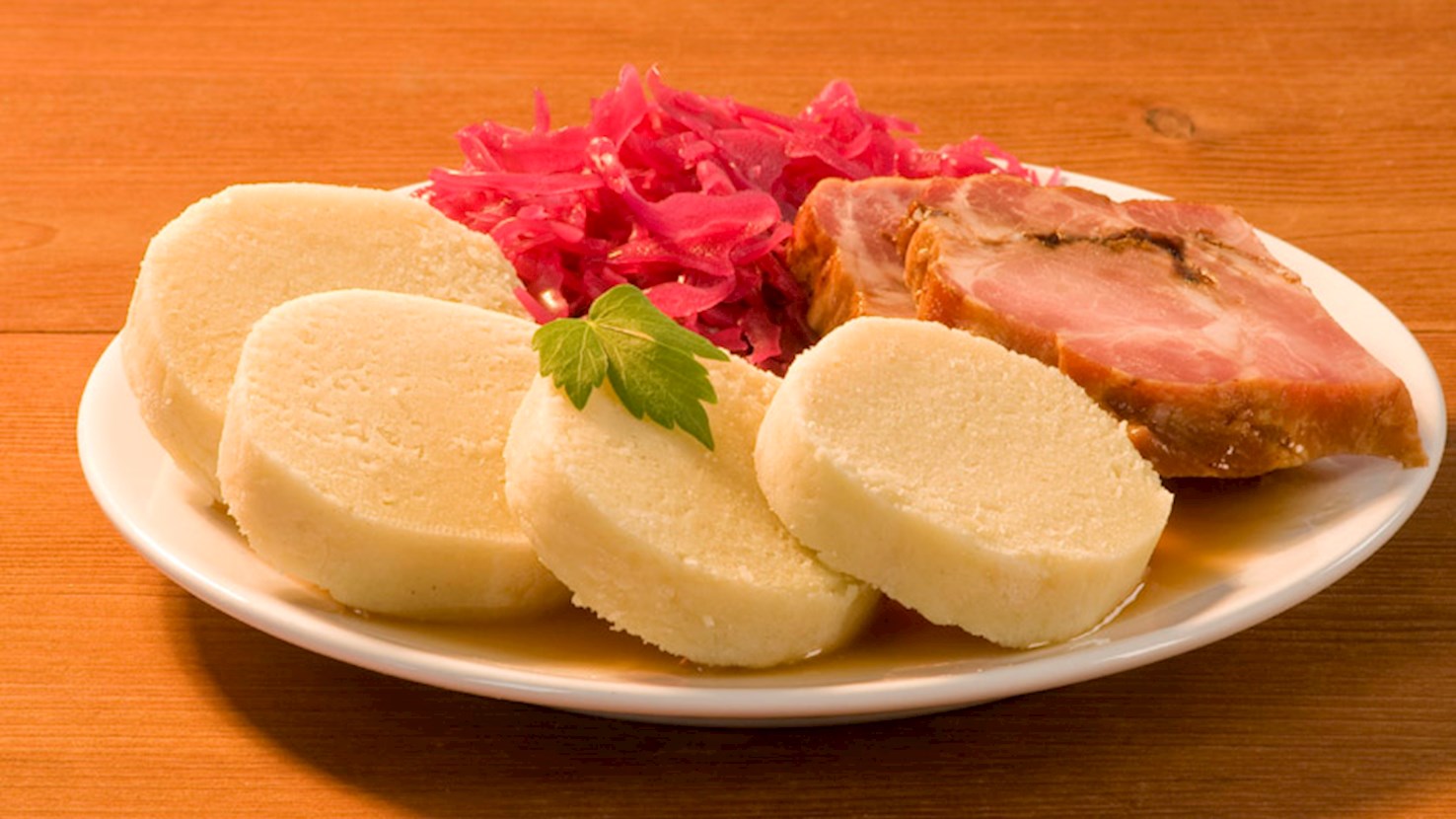
The name of this Czech national dish translates simply as pork roast with bread dumplings and sauerkraut. Pork is roasted in the oven with chopped onions, and the drippings from the roast are reduced into a sauce that is served with the dish. The sauerkraut can be stewed or served plain, and it can range from sweet to sour depending on the chef. Sauerkraut can also be replaced with red cabbage, or enriched with the addition of sliced bacon and caraway seeds, a spice used frequently in Czech national cooking. Plain bread dumplings are usually standard alongside this dish, but potato dumplings occasionally make an appearance in their stead. Vepřo-knedlo-zelo is served in most Czech households as a regular weekend meal, but it is also often the central dish served during Christmas dinner. The dish is believed to have German origins, and the German cooking tradition almost certainly influenced the three essential parts of the dish. However, it has become a Czech national dish, and it can be found in every traditional restaurant across the country. For the locals, a good Czech Pilsner beer is a must alongside this comforting, hearty classic.

05

Gulášová polévka (Czech goulash soup)

3.7 ·

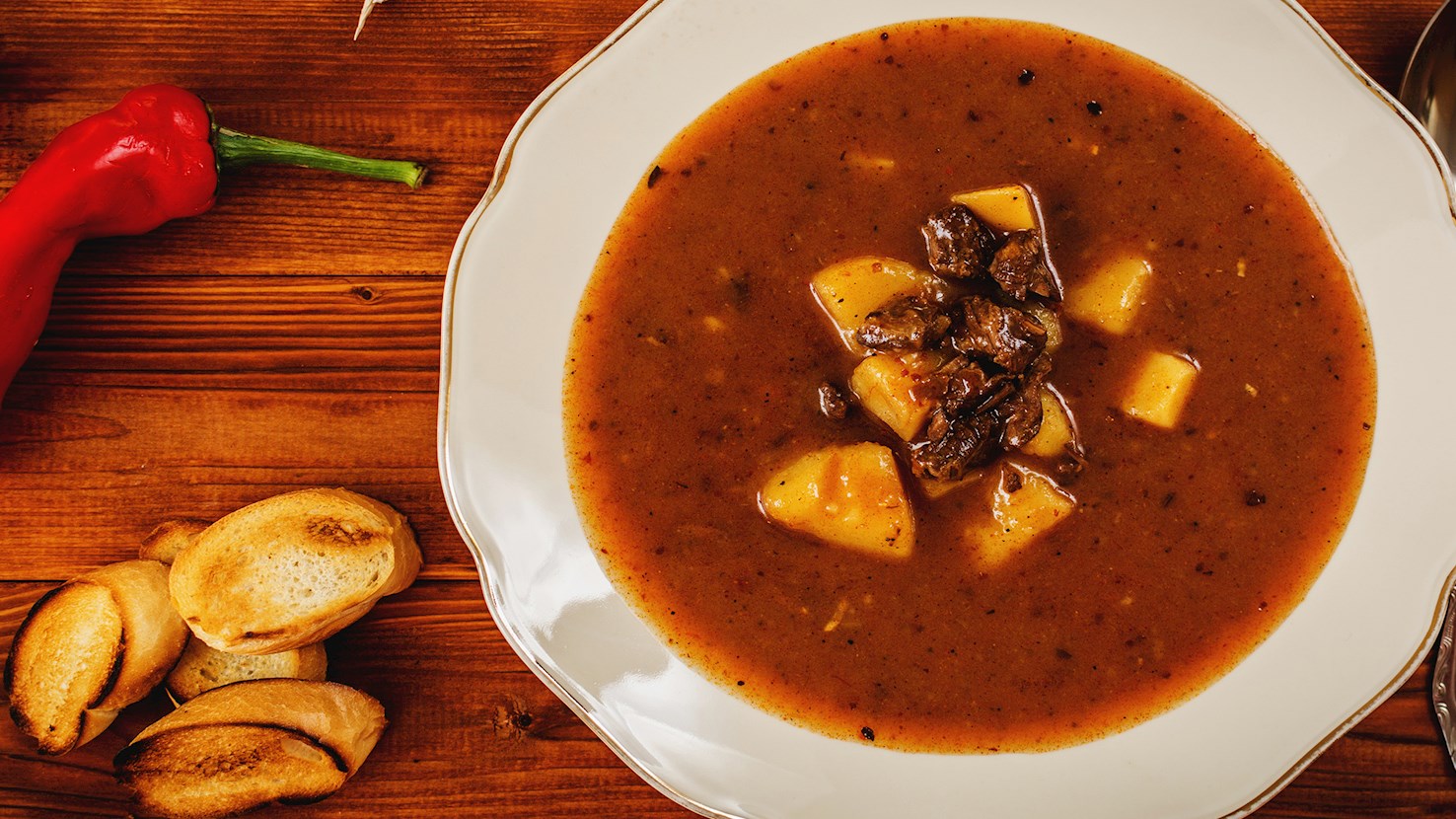
Very similar to the famous guláš, this hearty soup employs similar ingredients to create a slightly different dish. It is usually prepared with beef that is browned and simmered alongside onions in a flavorful, paprika-spiced broth. The soup is commonly enriched with potatoes, and occasionally thickened with a floury roux. A staple in many households and restaurants, the nutritious gulášovka is often accompanied by bread on the side, and it can be enjoyed as an appetizer or the main course.

06

Sekaná

3.7 ·

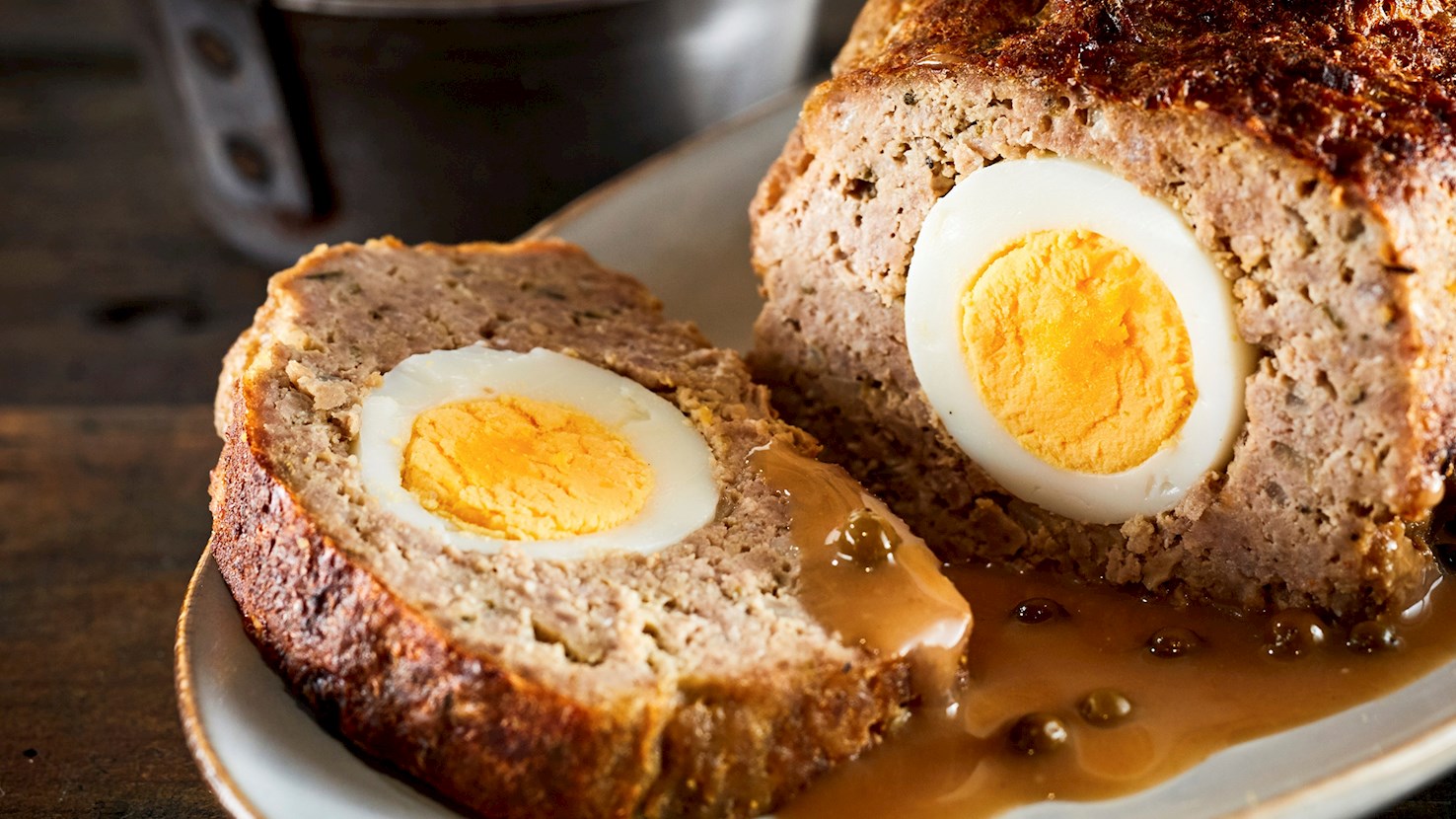
Although it appears in numerous varieties throughout the country, this traditional Czech meatloaf is usually prepared with a combination of ground beef and pork, eggs, soaked bread, and a variety of spices such as marjoram and cumin. Shaped into loaves, it is occasionally enriched with smoked bacon and filled with hard-boiled eggs or various vegetables. The dish is served sliced and enjoyed as the main course, and it is recommended to pair it with boiled or mashed potatoes on the side.

Best restaurants
07

Karbanátky

3.6 ·

Karbanátky is a universal term which refers to a broad group of traditional Czech and Slovak patties. Although they are predominately made with minced pork, beef, or chicken, they can also be based on various vegetables, fish, soy, lentils, oats, and even cheese. Apart from the base ingredients, they usually incorporate onions, garlic, and a variety of spices. Most types are shaped into thick, round patties that are breaded and pan-fried until crispy and golden-brown in color. Both Czechs and Slovaks consume them as a quick and nutritious lunch or dinner. It is recommended to pair the patties with potatoes and salads on the side. Occasionally, these versatile patties can also be used as a sandwich filling.

08

Katův šleh

3.2 ·

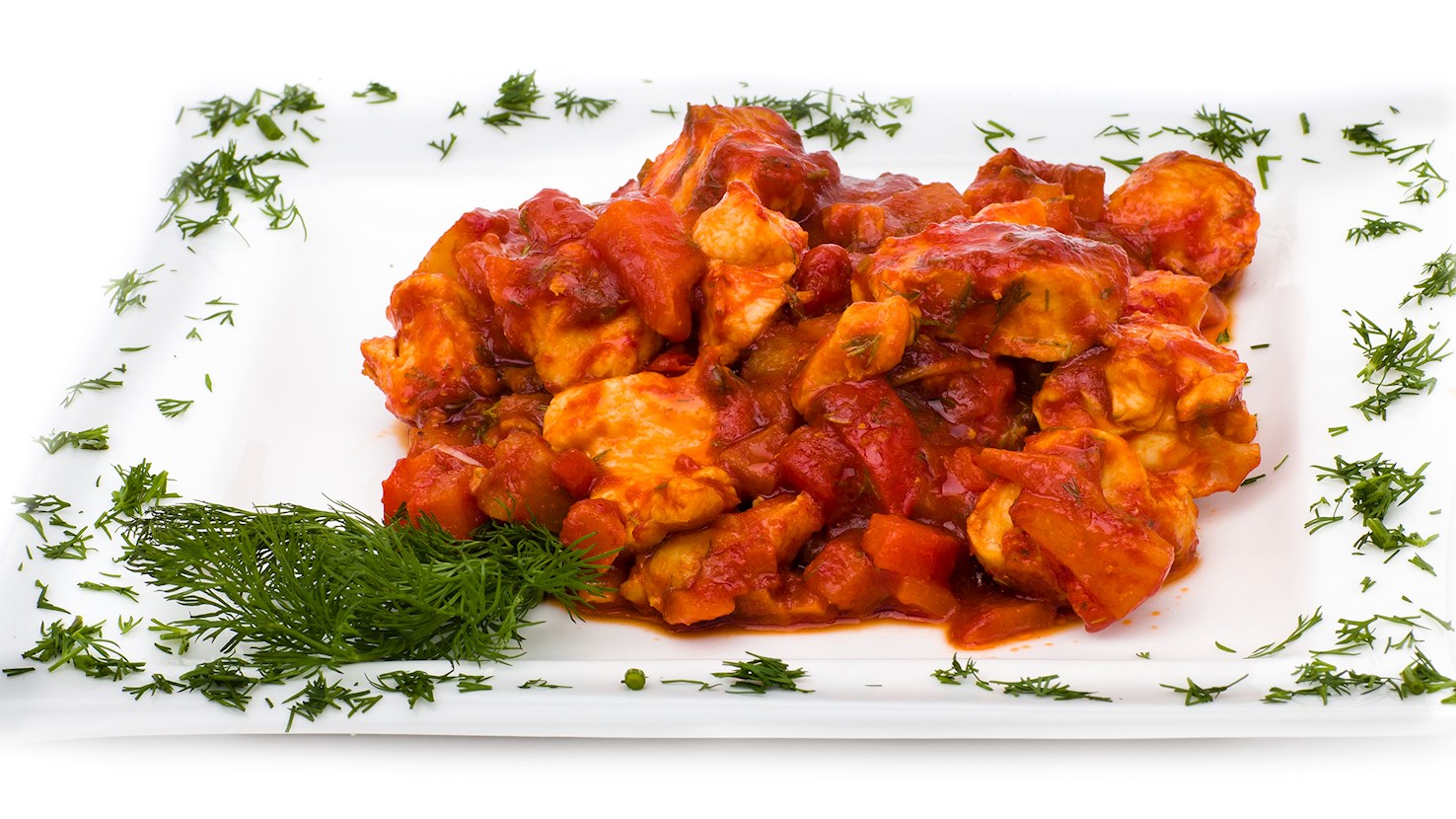
Simple and inexpensive to make, katův šleh is a spicy Czech dish prepared in numerous variations throughout the country. It usually consists of chicken or pork, onions, and bell peppers, coated in a creamy tomato sauce and seasoned with chili and Worcestershire sauce. Despite its unusual name, translated as headman’s whip, this hearty Czech classic is a staple restaurant dish, usually served alongside rice, dumplings, bread, or French fries.

Read more
View all
View map
About this ranking

TasteAtlas food rankings are based on the ratings of the TasteAtlas audience, with a series of mechanisms that recognize real users and that ignore bot, nationalist or local patriotic ratings, and give additional value to the ratings of users that the system recognizes as knowledgeable. For the “Top 8 Czech Meat Dishes” list until July 15, 2026, 1,223 ratings were recorded, of which 1,030 were recognized by the system as legitimate. TasteAtlas Rankings should not be seen as the final global conclusion about food. Their purpose is to promote excellent local foods, instill pride in traditional dishes, and arouse curiosity about dishes you haven’t tried.

Similar lists