

shutterstock

Top 100 Meat Dishes
in East Asia

Last updated on June 15, 2026
01

Siu mei

4.4 ·

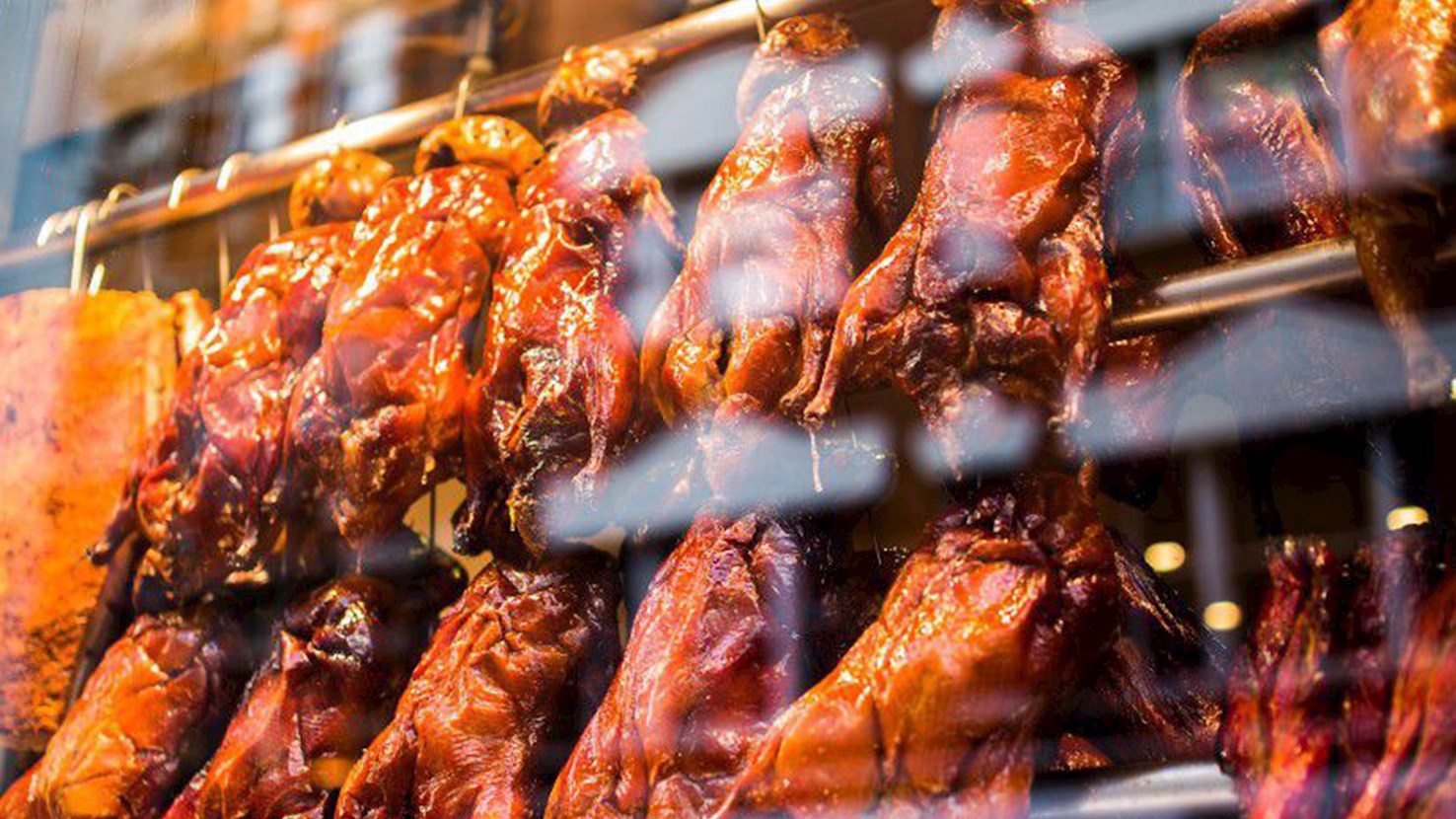
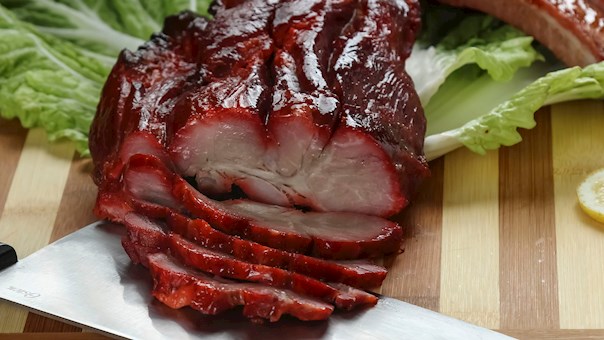
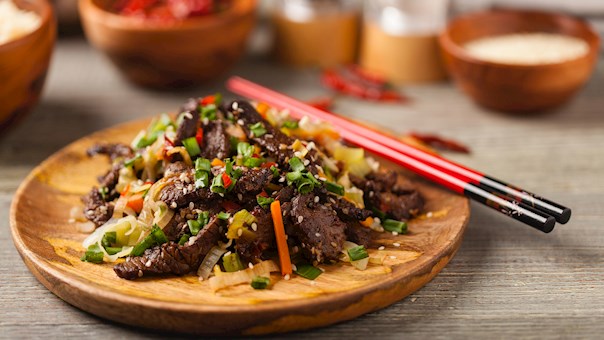
Siu mei refers to a style of Chinese cuisine that is primarily characterized by roasting meat on spits over an open fire or in a rotisserie oven. Originating from Guangdong province, this culinary tradition is particularly prevalent in Hong Kong. The term siu mei translates to "roast flavor" in Cantonese. Some of the most prominent and beloved examples of siu mei include char siu, siu yuk, soy sauce chicken, and white cut chicken. These dishes are typically served with rice and vegetables and sometimes with noodles. Siu mei meats are often displayed hanging in restaurant windows, a characteristic sight in Chinese eateries that specialize in this style of cooking. The visual display is not only appetizing but also allows customers to select their preferred cuts of meat. Siu mei is enjoyed by people all over the world, wherever there are Chinese communities, and it is celebrated for its rich flavors, varied textures, and the mastery required for its preparation.

02

Galbi

4.4 ·

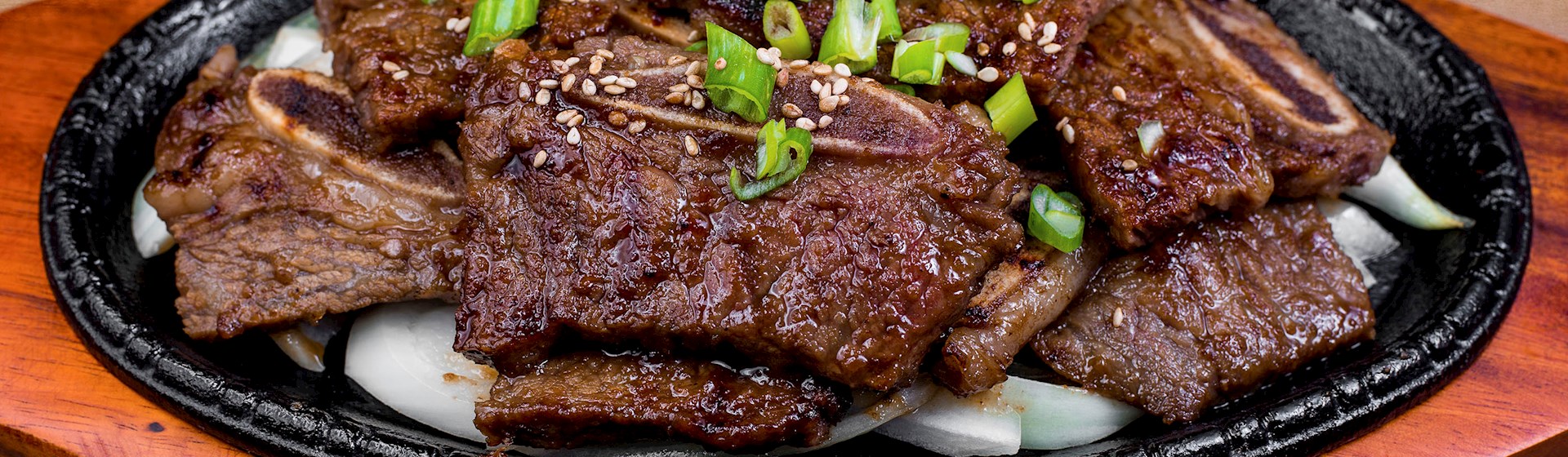
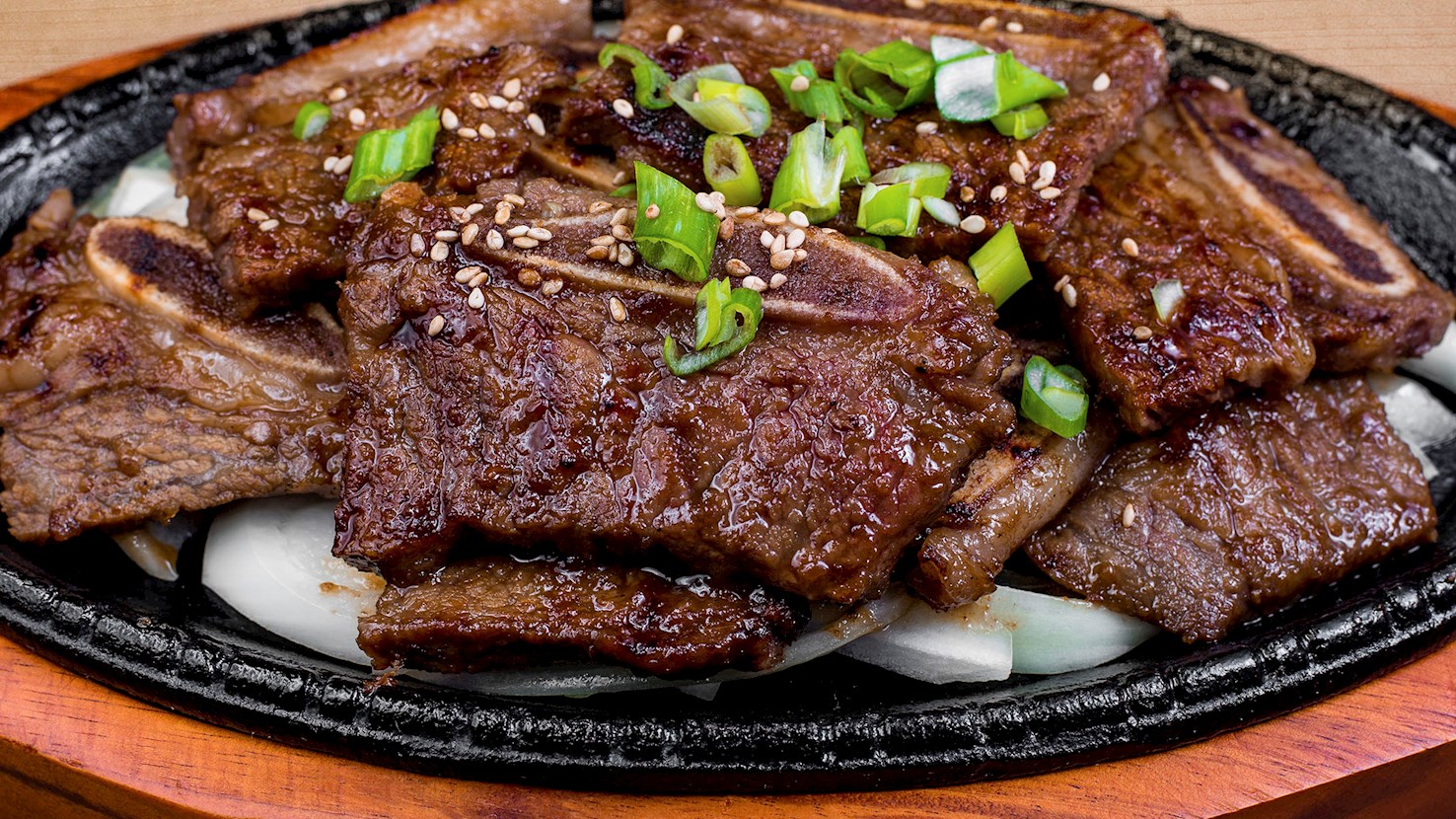
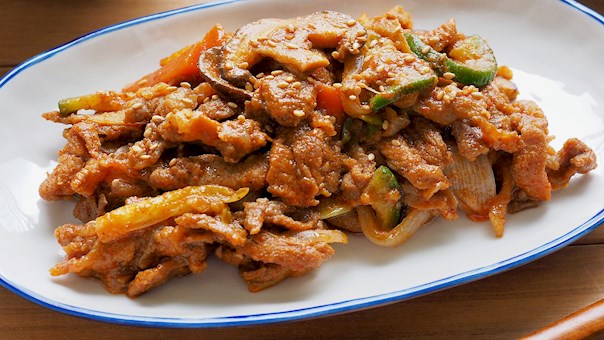
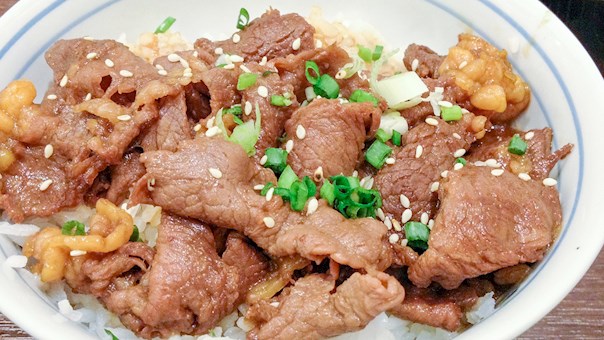
Galbi or kalbi refers to a variety of grilled beef short ribs dishes popular in South Korea. The ribs are marinated in a sweet sauce consisting of soy sauce, sugar, rice wine, sesame oil, and garlic. Although the name of the dish translates to ribs, chicken or pork meat can also be used. The dish originates from 18th-century Korea, when killing cows was strictly forbidden. As workers were building the Hwa Castle, they needed to be well-fed, so King Jeongjo allowed the opening of only one slaughterhouse in the whole country to process beef and feed the hungry workers. Of course, it didn't stop at just one slaughterhouse, and that is the best recommendation for trying the dish for yourself. Galbi is typically accompanied by kimchi, red bean paste or rice, but it can also be wrapped up in lettuce leaves with a variety of other vegetables. Due to galbi's great balance of sweet and savory flavors and rising popularity, the dish even has its own annual festival since 1995, called the Suwon Galbi Festival, offering the visitors a chance to indulge in this celebrated delicacy.

03

Katsu karē

4.4 ·

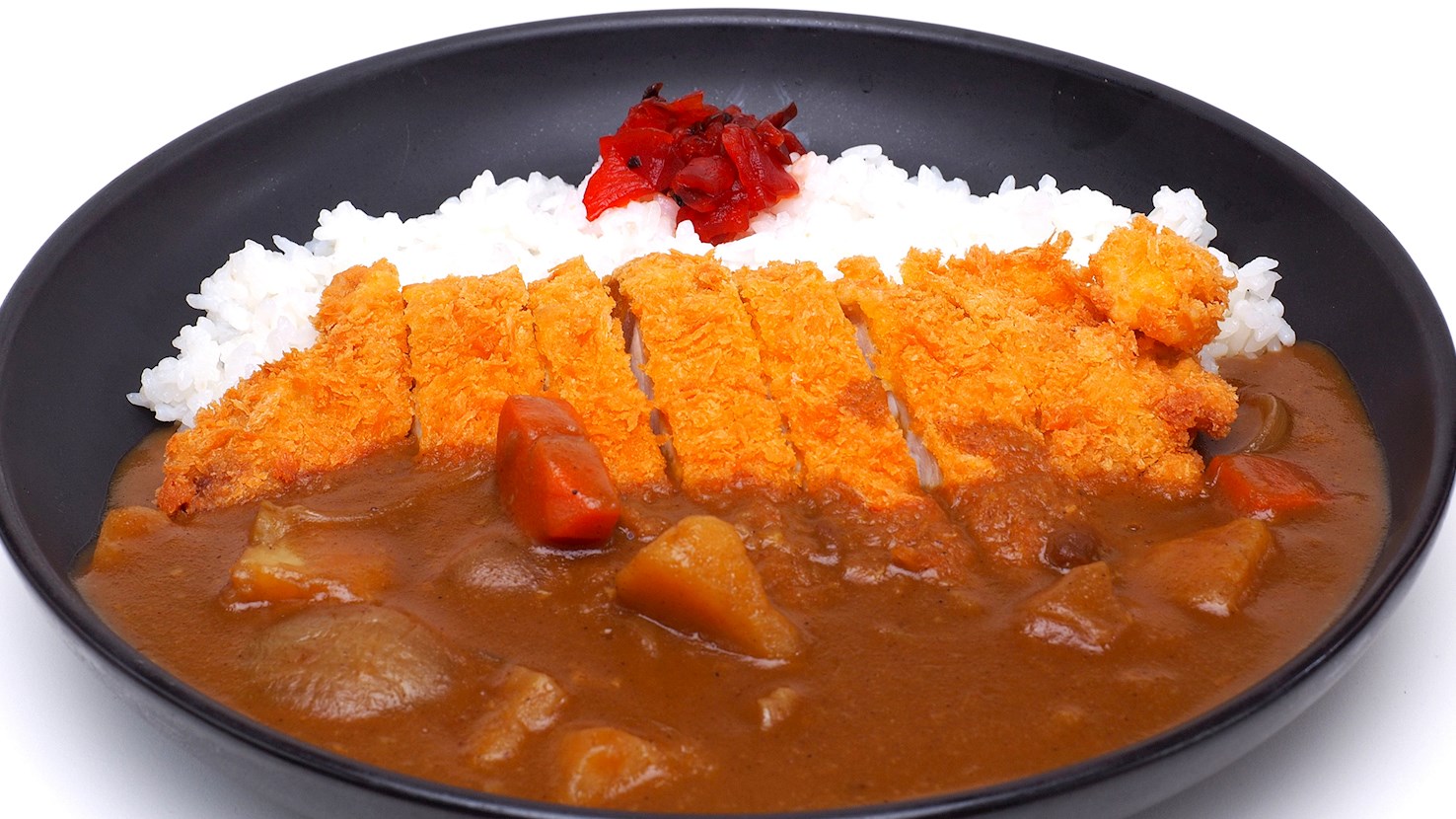
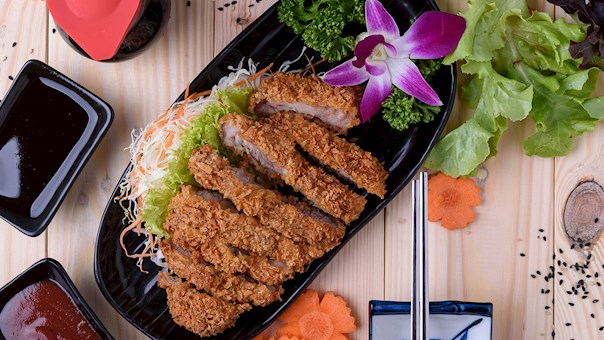
Katsu karē is a Japanese curry variation made with a combination of tonkatsu (breaded and fried pork or chicken cutlet) and curry sauce. The dish is sometimes served with just the curry sauce, and sometimes with the full curry – including meat and vegetables. On the other hand, it is almost always served with rice or over rice. In the region of Kansai, beef cutlet is typically used instead of chicken or pork.

04

Samgyeopsal

4.3 ·

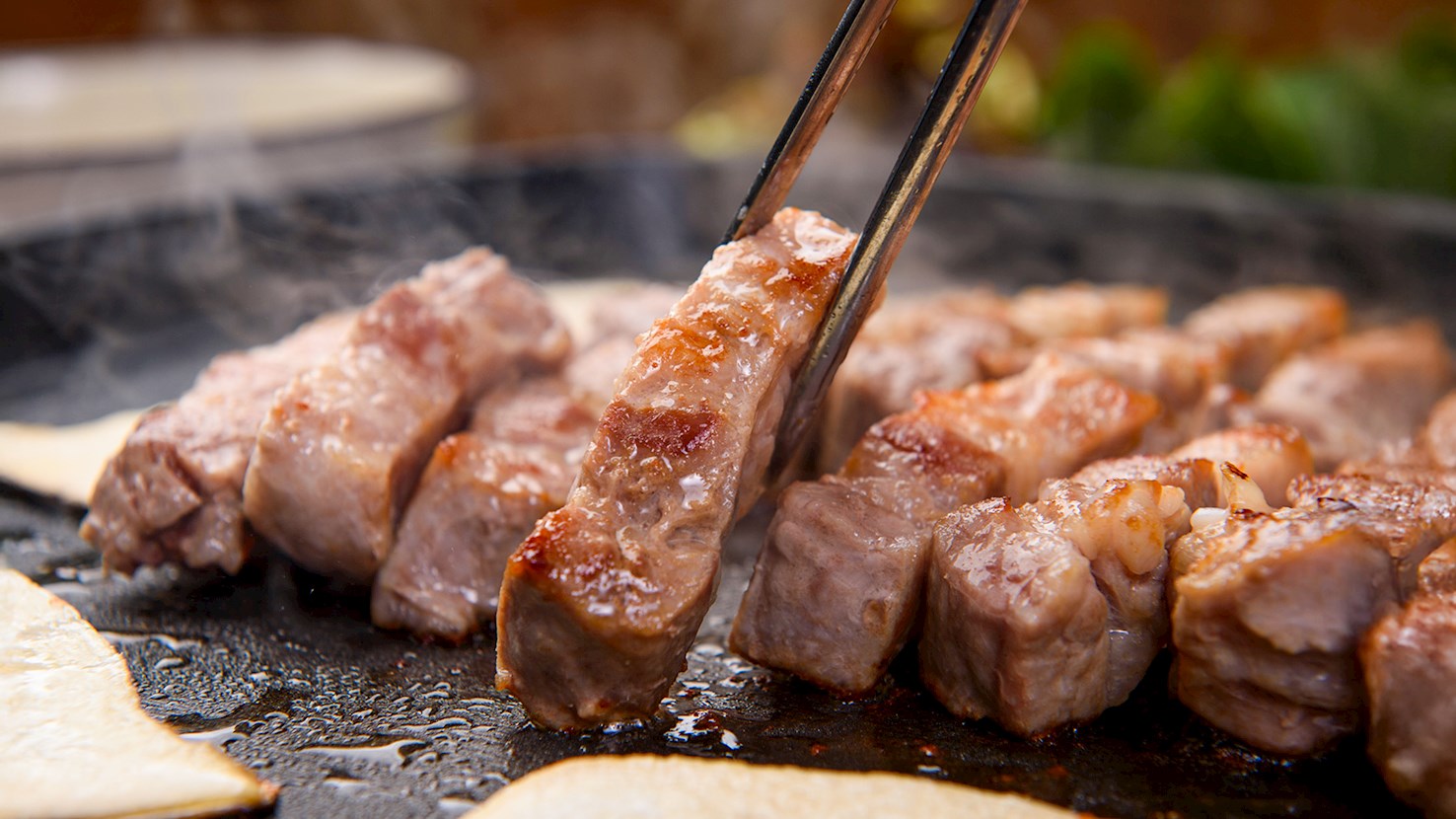
Samgyeopsal is a South Korean delicacy consisting only of pork belly, the most expensive cut of pork in the country. It is so popular in South Korea that the residents eat it approximately once every four days. The name of the dish consists of three words: sam (three), gyeop (layered), and sal (meat), so it can be literally translated as three-layered meat, referring to the three visible layers of the meat. It is believed that the dish became popular in the 1960s, when the price of soju decreased and people needed a dish to go with it, so they chose pork belly due to its low price at the time. Whether at home or in restaurants, samgyeopsal is traditionally cooked at the table in a special pan which is designed to let the fat run off the sides of it. The dish is most commonly accompanied by lettuce, raw garlic, green chili peppers, kimchi, and green onions. Two dipping sauces are traditionally served on the side: one is ssamjang, consisting of sesame oil, chili paste, and soybean paste, and the other is gireumjang, consisting of sesame oil, salt, and black pepper.

05

Niúròu miàn (Beef noodle soup)

4.3 ·

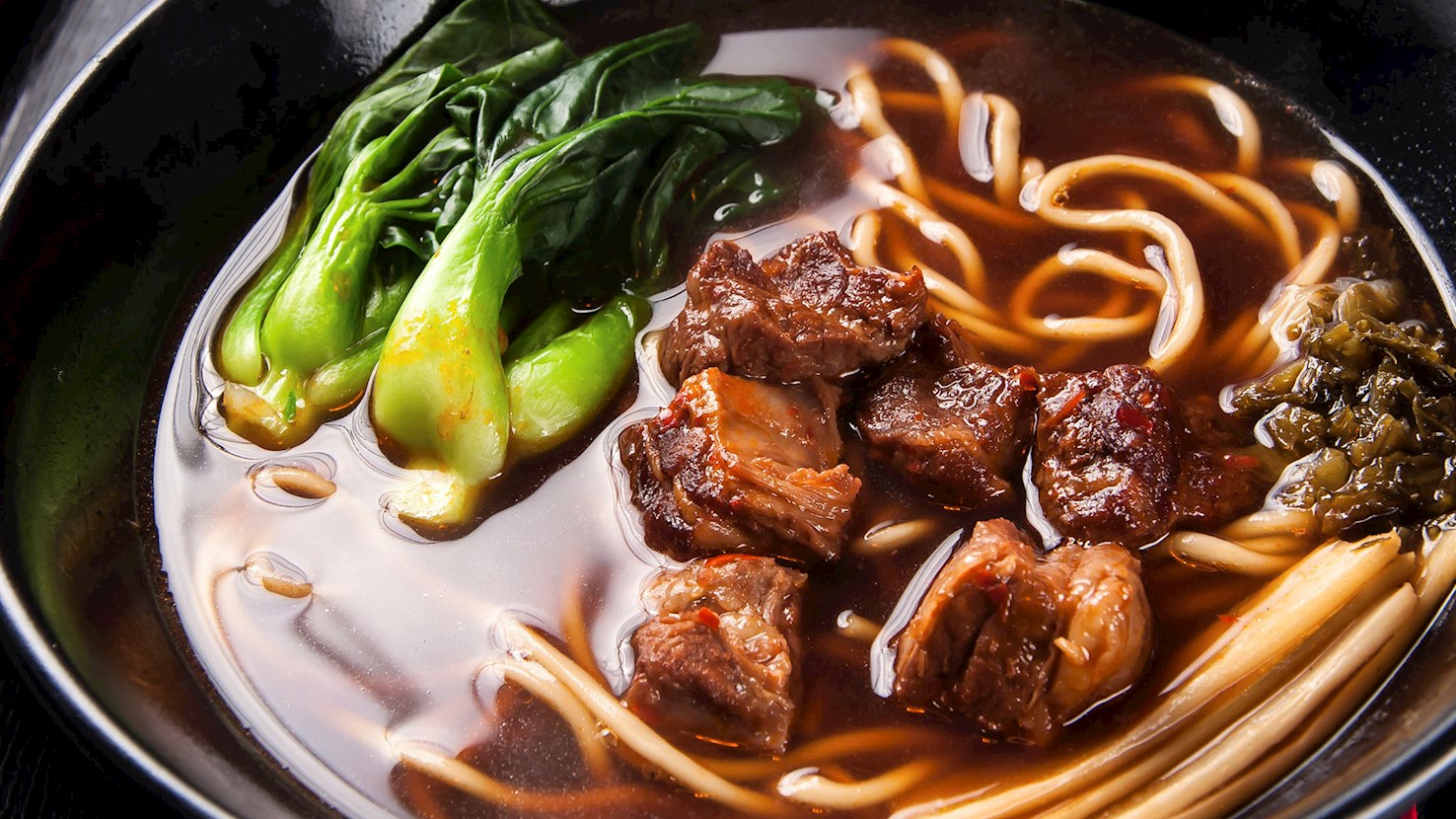
The savory, spicy beef noodle soup is the national dish of Taiwan and the source of immense pride for the locals. The dish is an ideal winter comfort food, typically consisting of beef, broth, vegetables, noodles, and spices. Beef noodle soup has a great Sichuan influence dating back to the 1940s, when China was in civil war and many Chinese people moved to Taiwan, creating this cross-provincial dish and incorporating chili bean sauce and Sichuan peppercorns into it along the way. Variations are endless when making this long-simmering stew, and in Taiwan, there are numerous side dishes to accompany it, such as seaweed and braised dried tofu. Today, there is even an annual Beef Noodle Festival held in Taipei, where various restaurants and cooks compete for the prestigious title of Best Beef Noodle.

06

Shāo ròu (Roast suckling pig)

4.3 ·

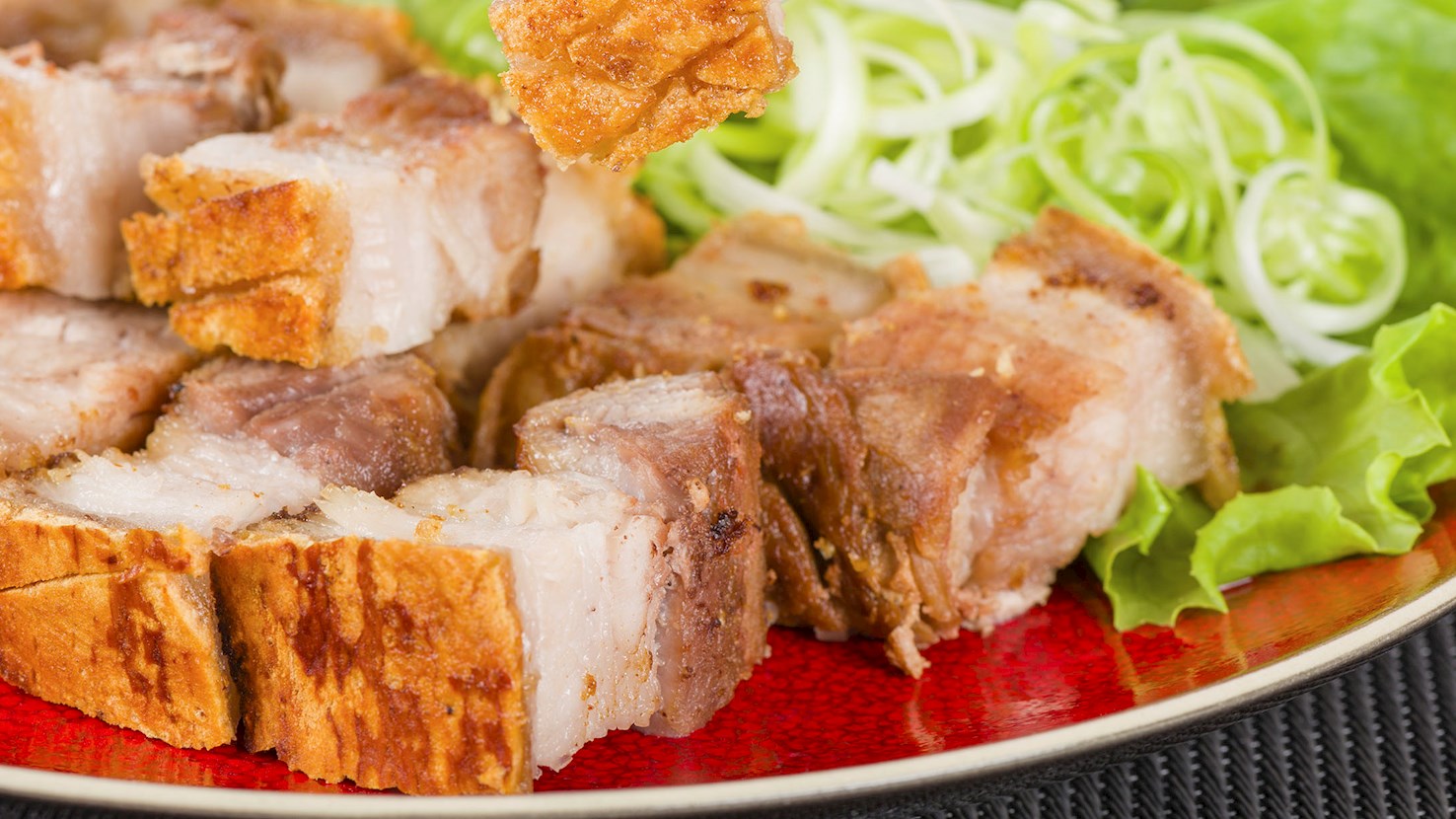
A version of typical Cantonese siu mei (roasted meat dishes), siu yuk is a hefty meal that is mostly consumed in small quantities, made by roasting a whole, seasoned pig in charcoal furnaces at very high temperatures, resulting in succulent, tender meat and crispy skin. Traditionally, the meat is served as it is, but it is sometimes accompanied by either hoisin sauce or soy sauce. Since it is a known fact that the Chinese have many beliefs, in Hong Kong siu yuk is often oferred to the Jade Emperor (the first god in Chinese culture) in order to celebrate a movie's opening, hoping that the movie achieves great success in the cinemas. The dish is often garnished with pineapple or cucumber slices, placed in a red box and wrapped with red wrapping paper, for additional luck.

07

Ansim

4.3 ·

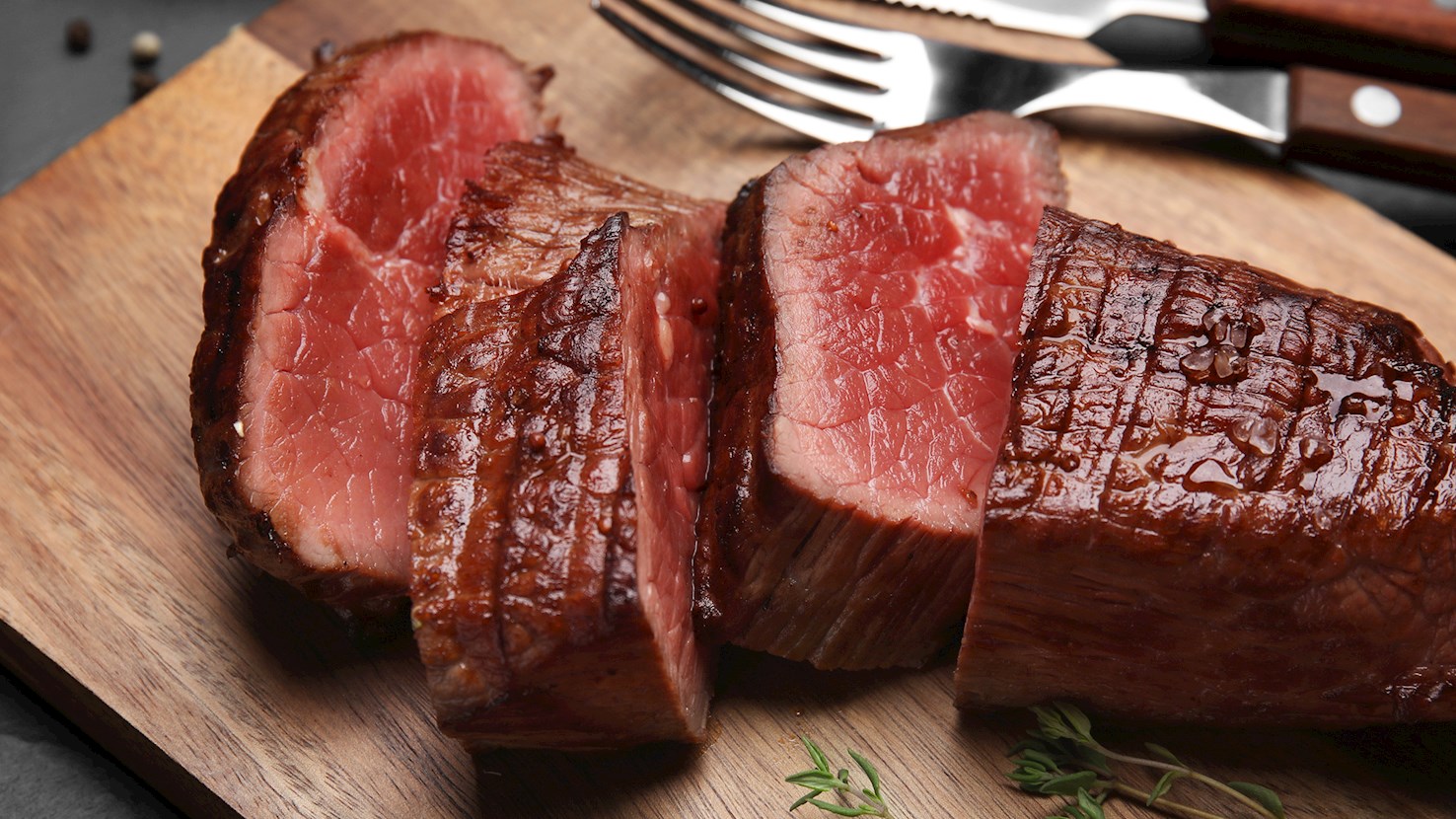
In the American, French, German, Brazilian, and Korean systems of primal beef cuts, the tenderloin is a cut from the loin, which is located towards the back of the cow, nestled under the ribs, next to the backbone. It spans two primal cuts: the short loin and the sirloin. The tenderloin is one of the most tender cuts of beef as it comes from a muscle that doesn't get much exercise. It is also one of the most highly prized and correspondingly expensive cuts of beef, due to its tenderness and flavor. Given the tenderness of this cut, the tenderloin is often cooked quickly over high heat, with methods such as grilling or broiling. It's often served slightly rare to maintain its tender texture.

08

Dōngpō ròu (Dongpo pork)

4.3 ·

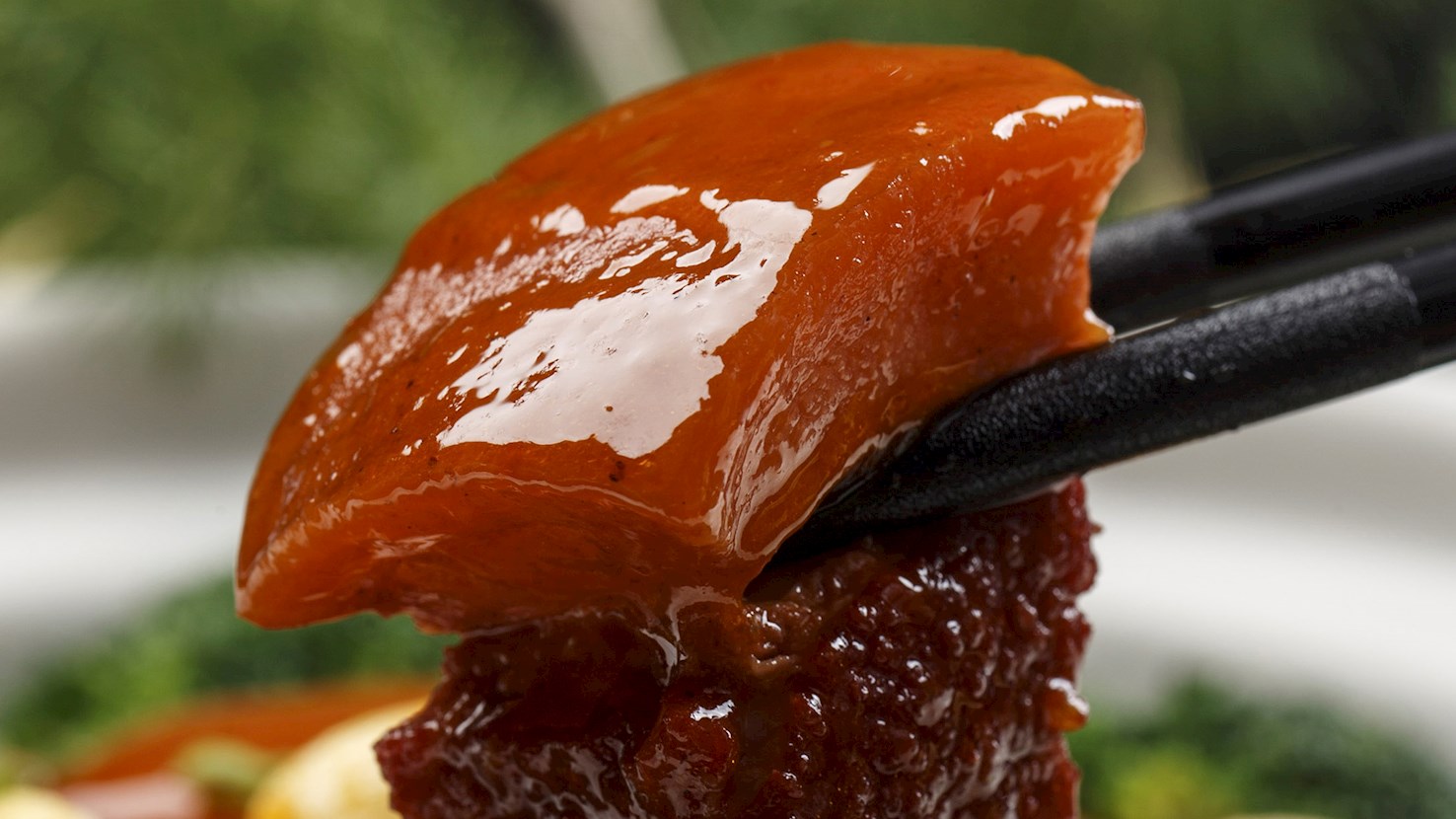
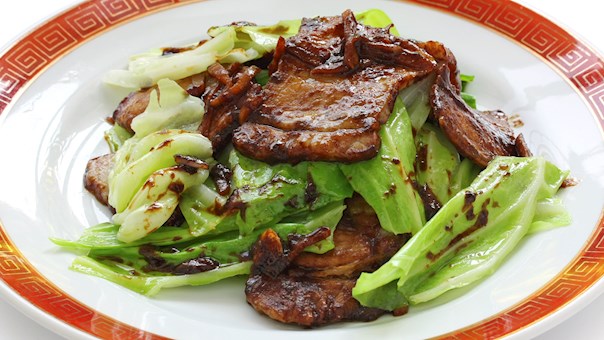
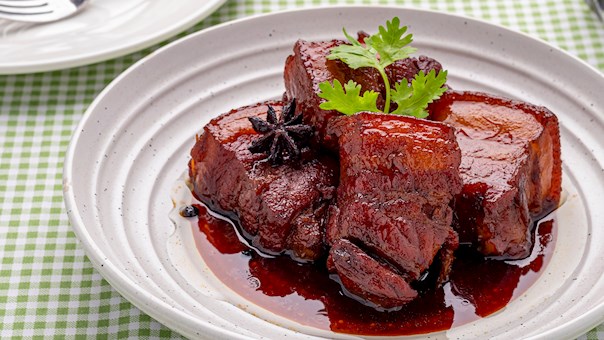
The traditional Hangzhou's trademark dish of red-cooked pork belly, Dōngpō ròu, is built with a handful of Chinese staple ingredients like ginger, scallions, soy sauce and, most importantly, Shàoxīng rice cooking wine, an essential ingredient for red-cooked meals. The meat (with the skin on) is typically browned in fat, simmered twice, braised, sautéed, and finally steamed, after which it becomes so amazingly tender it can be pulled away with chopsticks. Dōngpō ròu is said to have been invented (or at least inspired) by Su Dongpo, an 11th-century Song Dynasty statesman, poet, artist, calligrapher, and one of the four classical Chinese gastronomes. According to legend, one day Su Dongpo decided to prepare stewed pork when, in the middle of cooking, an old friend visited and challenged him to a game of Chinese chess. Engrossed with the game, Su had completely forgotten about his stew until the intense aroma of slow-braised pork meat reminded him of it. The dish was eventually named Dongpo pork in his honor and later became widely popular across the country.

09

Yukhoe

4.2 ·

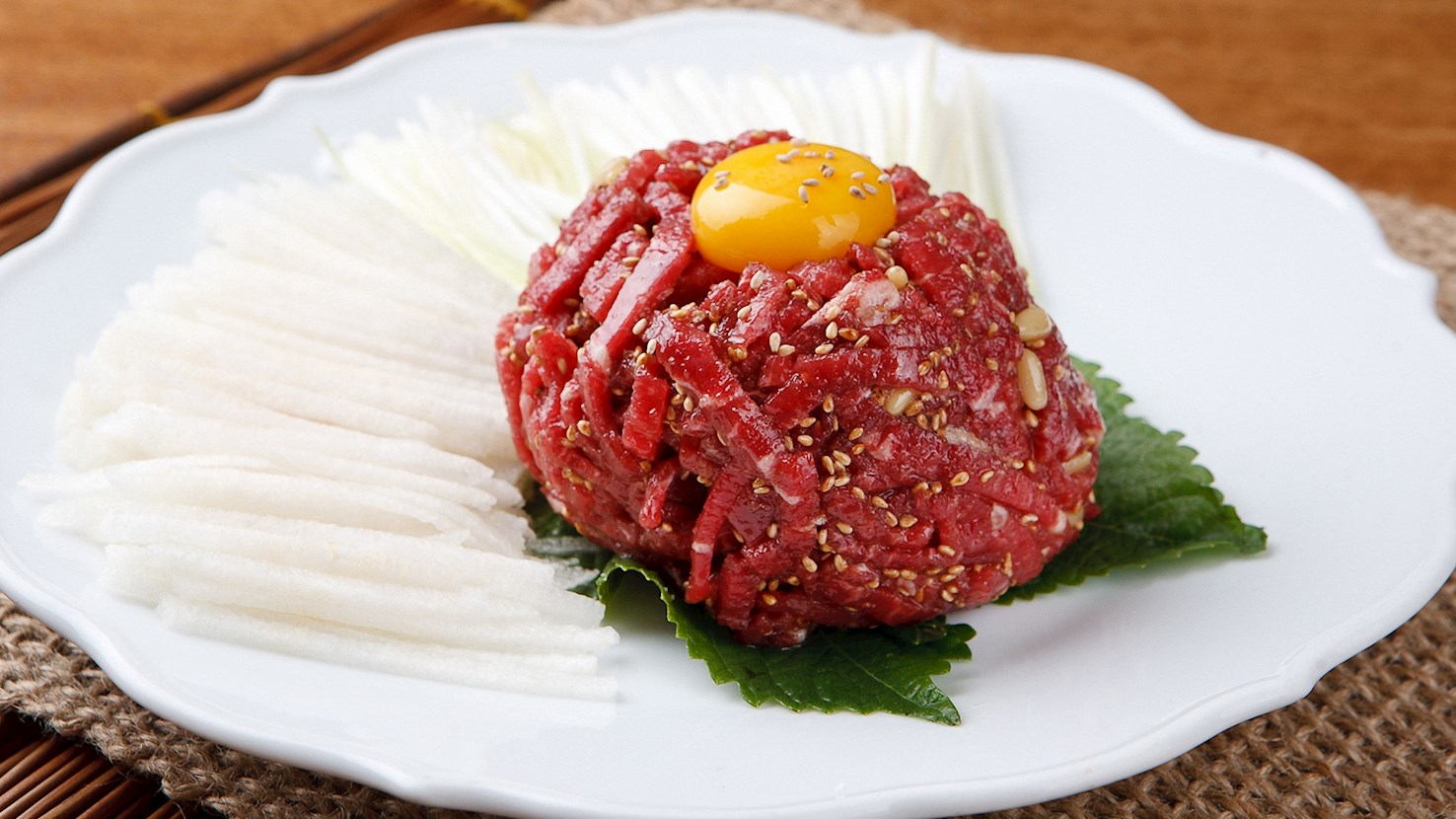
Yukhoe is the Korean version of steak tartare, consisting of thinly sliced beef marinated in soy sauce, sesame oil, garlic, and sugar. The concoction is then seasoned with salt and pepper. The dish is always served with a raw egg yolk on top, while thinly sliced Korean pear is an often-seen addition served on the side. The name of the dish is derived from two words: yuk, meaning meat, and hoe, meaning sashimi. No one is yet sure about the origins of yukhoe, but some say it originated in China, while the others claim it was first served at the Korean Royal Court. Today, the dish is traditionally consumed by dipping the meat in raw egg yolks or in chogochujang sauce, consisting of chili, sugar, vinegar, and honey.

10

Katsudon

4.2 ·

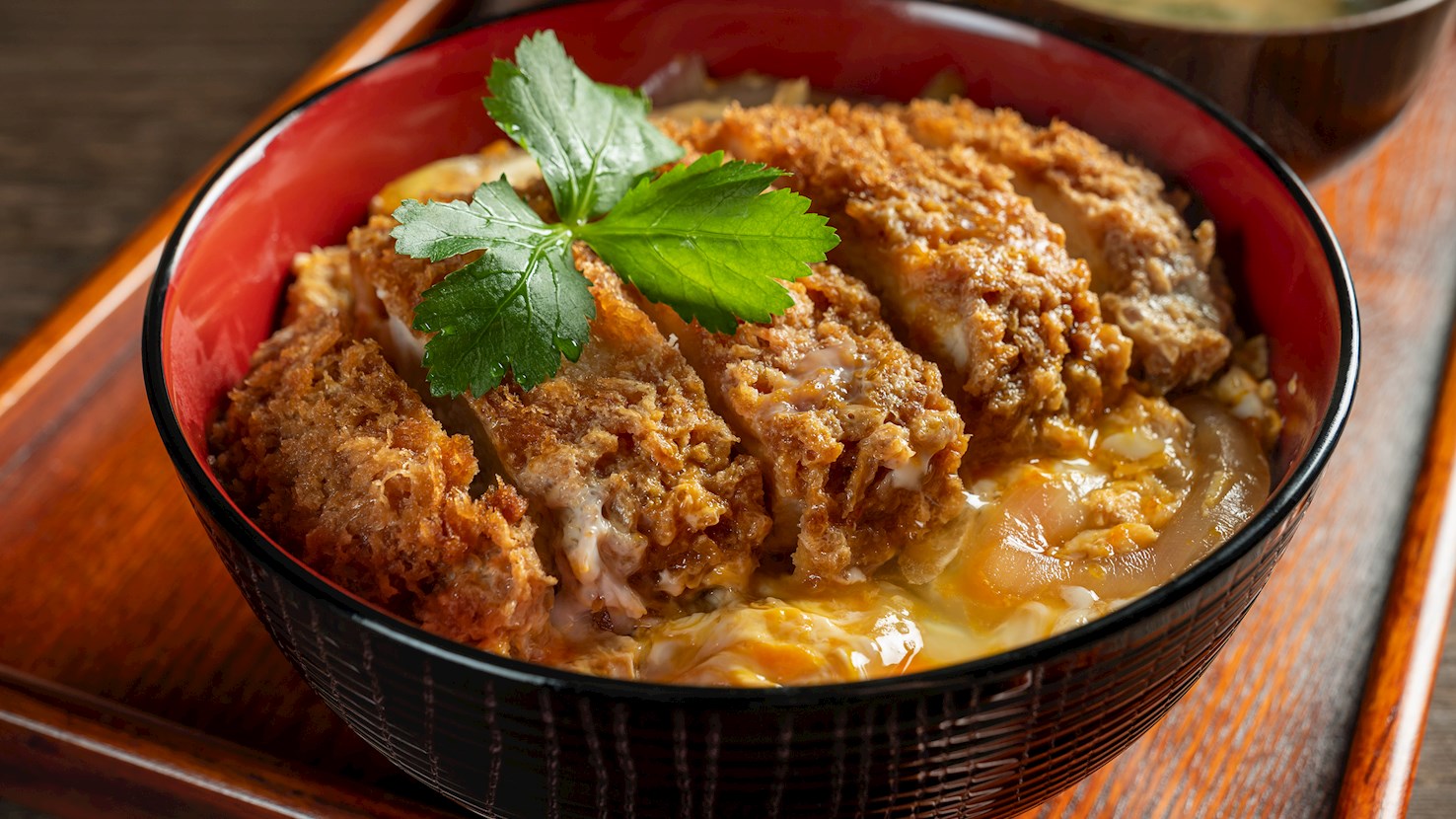
Katsudon is a type of donburi, meaning it's a rice dish served in a bowl topped with simmered ingredients. In this case, the topping is another Japanese favorite — tonkatsu — a deep-fried and crumbed pork cutlet, but here it is simmered together with vegetables in a seasoned sauce bound with eggs. The earliest reference to the dish dates back to 1921 and since then numerous varieties have been developed by adding or replacing the ingredients from the original recipe. The best-known versions include katsudon made with Worcestershire sauce, miso, and soy sauce, but there are also ones that replace pork with beef or chicken.

About this ranking

TasteAtlas food rankings are based on the ratings of the TasteAtlas audience, with a series of mechanisms that recognize real users and that ignore bot, nationalist or local patriotic ratings, and give additional value to the ratings of users that the system recognizes as knowledgeable. For the “Top 100 Meat Dishes in East Asia” list until June 15, 2026, 5,661 ratings were recorded, of which 4,859 were recognized by the system as legitimate. TasteAtlas Rankings should not be seen as the final global conclusion about food. Their purpose is to promote excellent local foods, instill pride in traditional dishes, and arouse curiosity about dishes you haven’t tried.

Similar lists