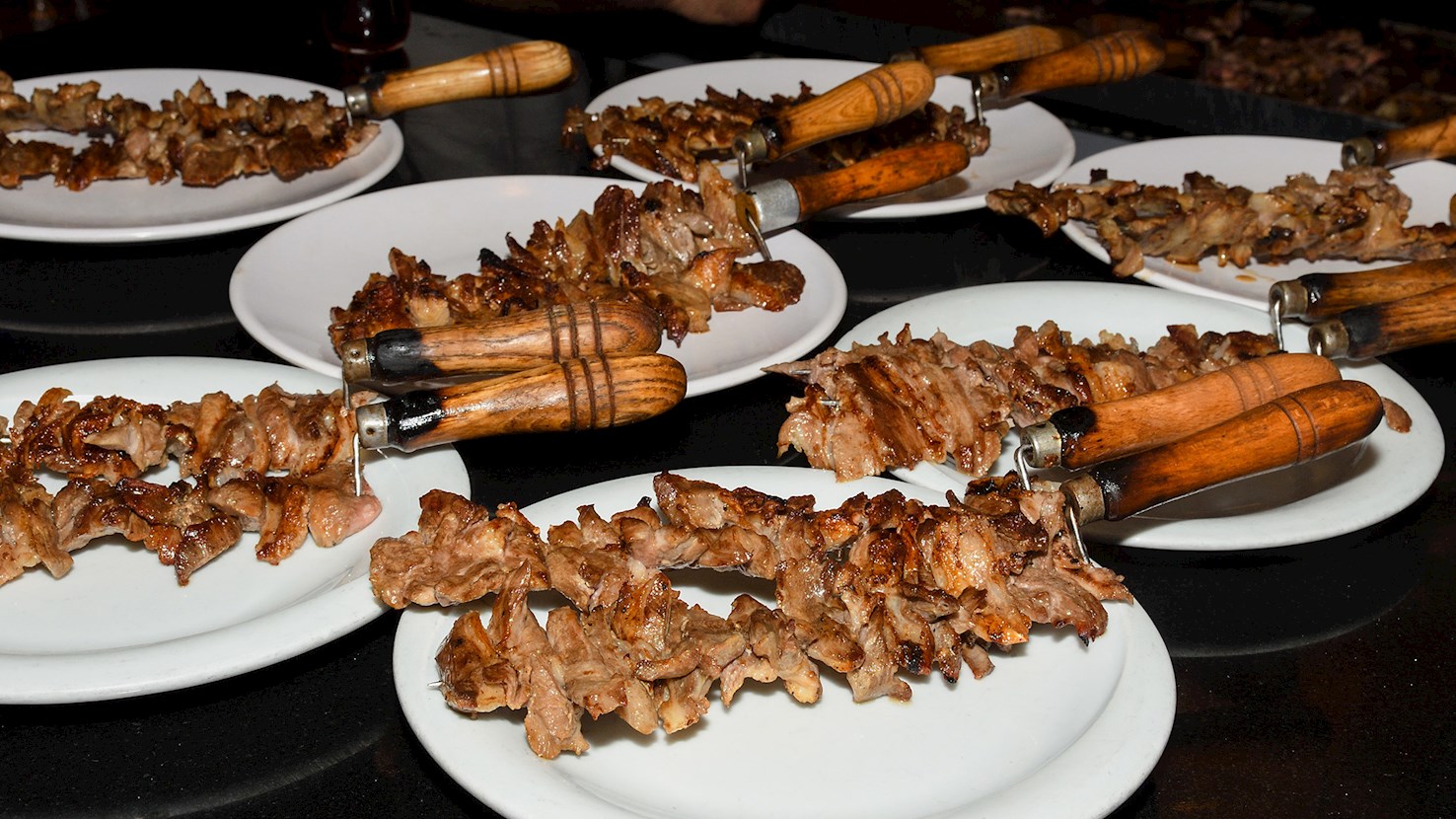
Oltu cağ kebabı is a horizontally roasted lamb kebab identified with the Oltu district of Erzurum Province in northeastern Türkiye, where the product took shape and continues to be defined by local practice and oversight. The kebab’s emergence is tied to sheep and lamb husbandry in Oltu and its surroundings, the availability of young lamb with a balanced fat profile, and a cooking method adapted to regional conditions that favored slow, controlled roasting on a horizontal spit rather than vertical stacking; over time, the name “Oltu” became inseparable from the product, and the name Oltu cağ kebabı is recorded in linguistic sources and in world culinary literature, a point that distinguishes it from similar regional preparations that may share techniques but not designation. Preparation centers on marinating carefully selected lamb, typically shoulder and leg cuts, with salt and restrained seasonings, then layering the meat onto a horizontal skewer and roasting it gradually over wood embers so the fat renders evenly and bastes the meat; as the exterior reaches doneness, thin slices are shaved off and served immediately, a service rhythm that prioritizes temperature and texture over batch holding. Serving is characteristically done on the cağ skewer itself, which functions both as utensil and presentation, and portions are often accompanied by flatbread and simple sides that do not compete with the meat; the method produces slices that balance exterior browning with a moist interior, and the horizontal orientation allows steady heat exposure that differentiates the cut and mouthfeel from vertical-spit kebabs. The product’s naming and oversight are formalized by the authorized supervisory body (Oltu Chamber of Commerce and Industry), which maintains standards tied to geographic identity and production criteria. Oltu cağ kebabı is commonly eaten as a shared table order served in successive cağs rather than a single plated portion, and it is paired most often with ayran, plain yogurt drinks, or lightly acidic beverages that refresh the palate, while bread and onions remain the customary accompaniments.
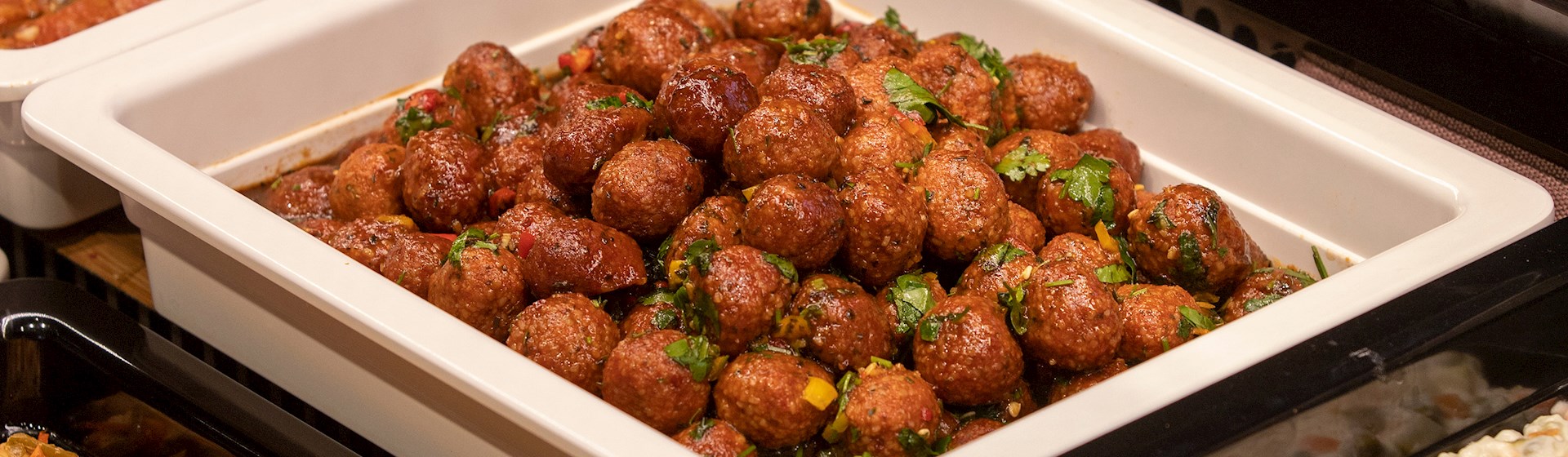
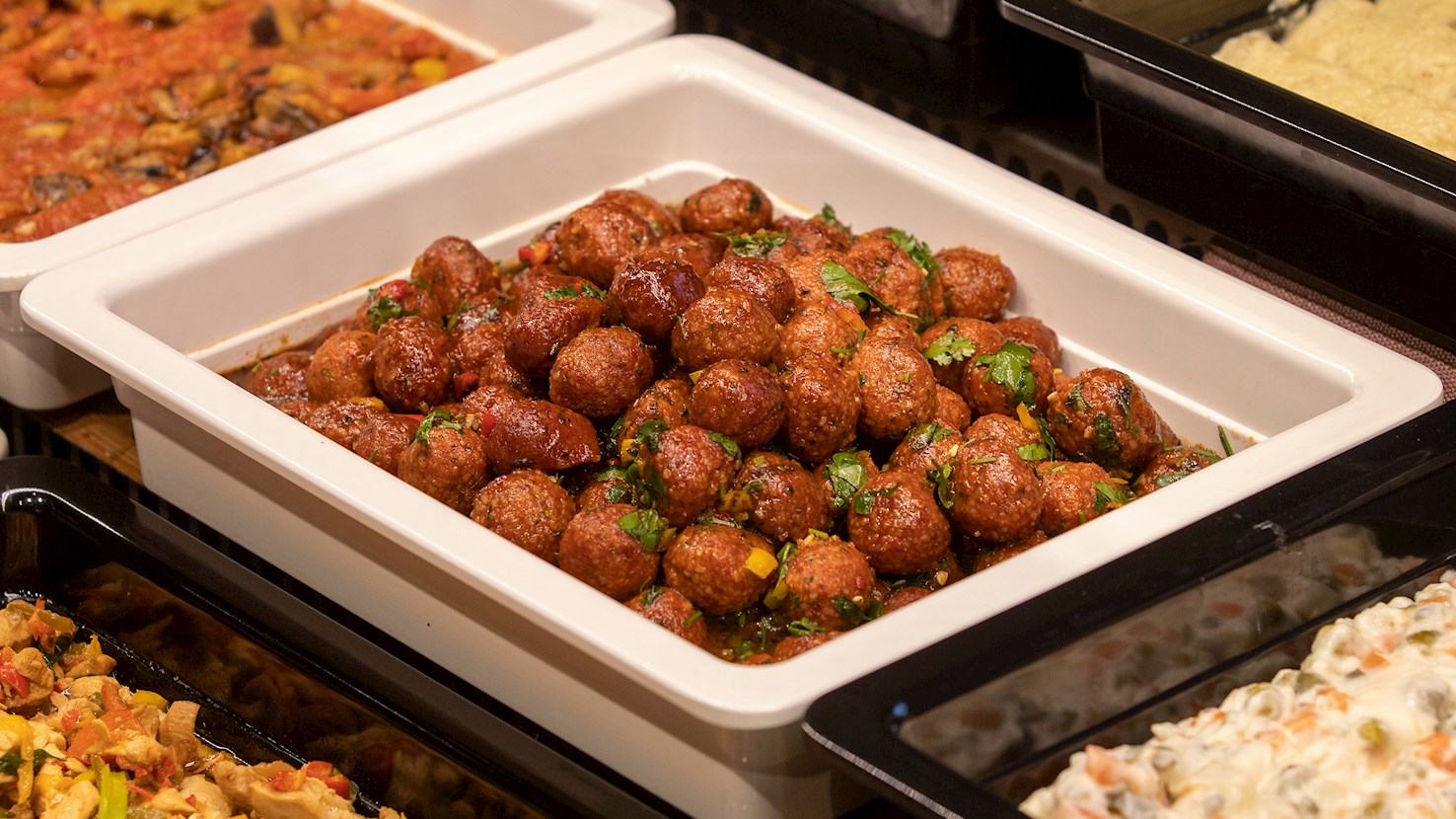
Harput köftesi are traditional Turkish köfte meatballs originating from Elazığ (formerly Harput). The dish is made with a combination of ground beef, basil, onions, bulgur, tomato paste, salt, paprika, black pepper, and parsley. The mixture is shaped into small balls, and the meatballs are then simmered in a combination of oil, water, and tomato paste. Once done, Harput meatballs are served immediately in warmed plates.
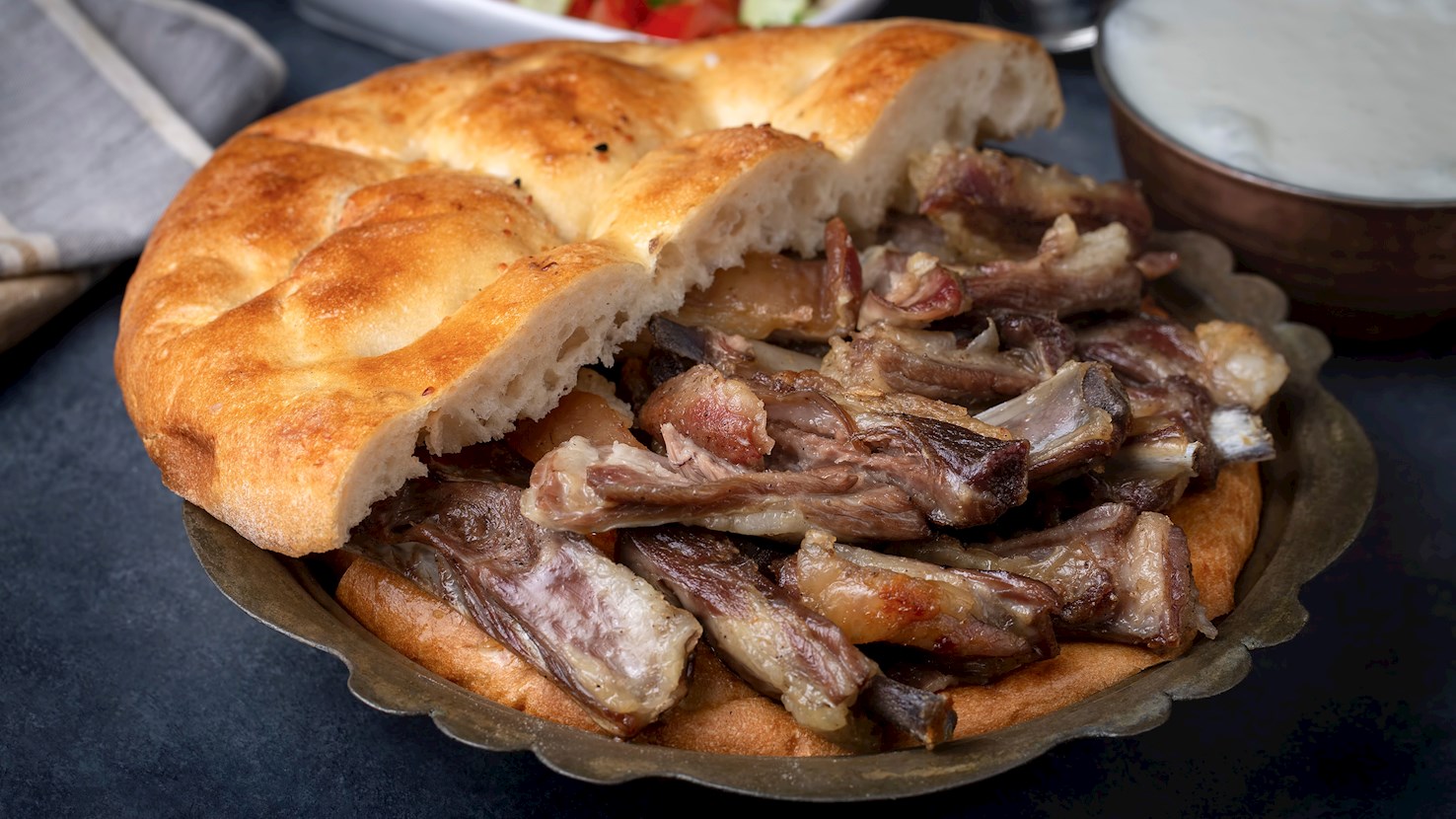
Büryan kebabı is a meat dish prepared by cooking a whole goat or lamb in a deep well over a wood fire. The well is covered with a lid and sealed with mud or ash so the meat cooks and steams simultaneously. There are two kinds of büryan kebab: Bitlis büryan kebabı from the Bitlis province and Siirt büryan kebabı from the city of Siirt. The former is made with a male goat, while the latter can be made with a goat or lamb. The meat is either placed in a cauldron with water or hung and then positioned in the well. As far as seasoning, only rock salt is used. The cooked meat is served atop pita bread, and when ordering, one can choose between bone-in and boneless meat and between fatty and lean meat.
TasteAtlas food rankings are based on the ratings of the TasteAtlas audience, with a series of mechanisms that recognize real users and that ignore bot,
nationalist or local patriotic ratings, and give additional value to the ratings of users that the system recognizes as knowledgeable.
For the “Top 3 Eastern Anatolian Meat Dishes” list until June 15, 2026, 709 ratings were recorded, of which 311 were recognized by the system as legitimate.
TasteAtlas Rankings should not be seen as the final global conclusion about food. Their purpose is to promote excellent local foods,
instill pride in traditional dishes, and arouse curiosity about dishes you haven’t tried.