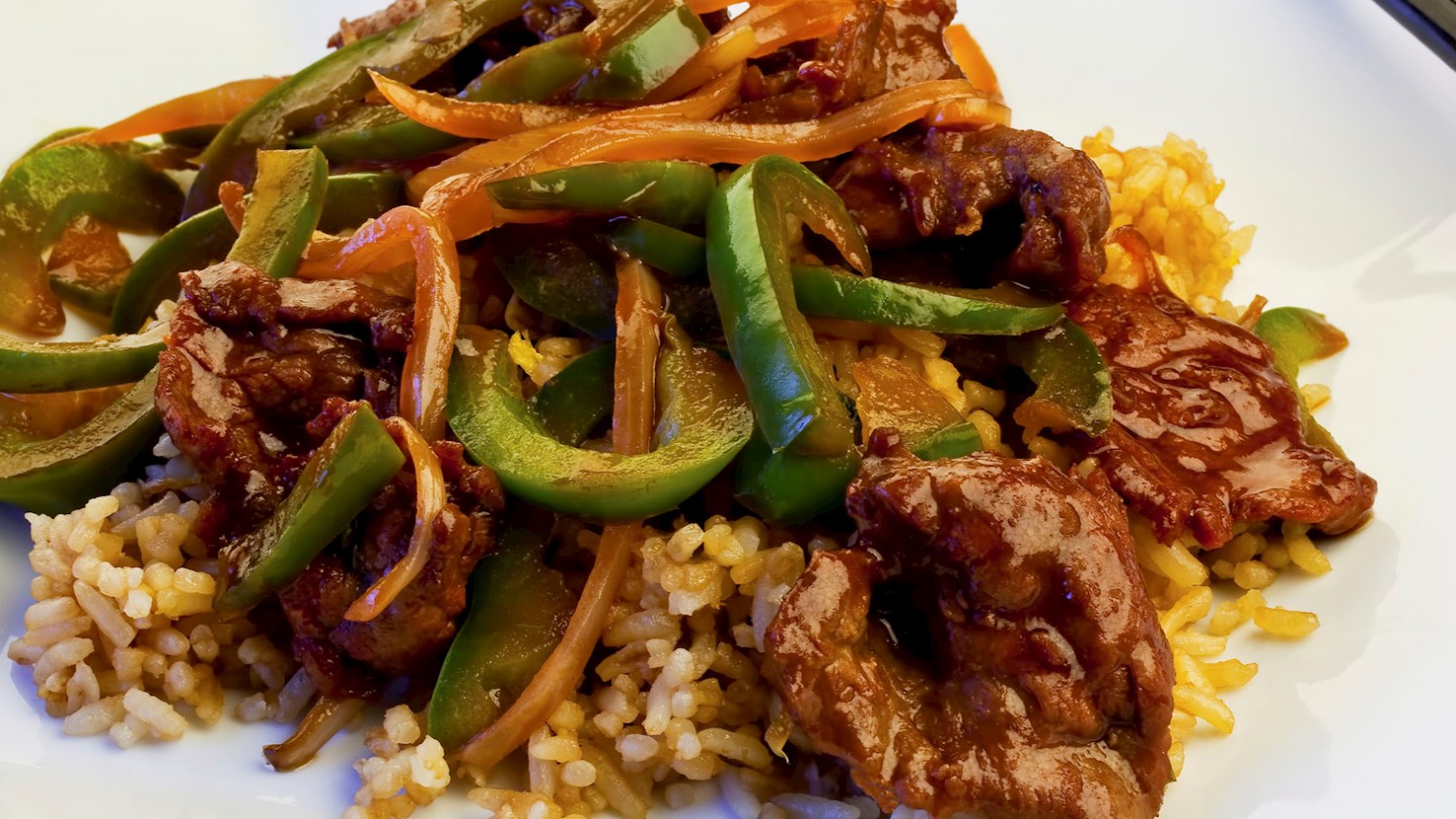
Pepper steak is a classic Chinese-American dish consisting of sliced strips of steak that are seasoned with a hefty dose of freshly ground pepper. The dish is believed to have origins in the Chinese province of Fujian, where pork was originally used instead of beef. Today, the beef is usually prepared with bell peppers and sliced onions, and it can be served either as an appetizer or as a main course, often with a side of rice or noodles. The dish has been prepared in the United States since the 1940s, with the main difference being that it is more heavily seasoned than the traditional Chinese version.
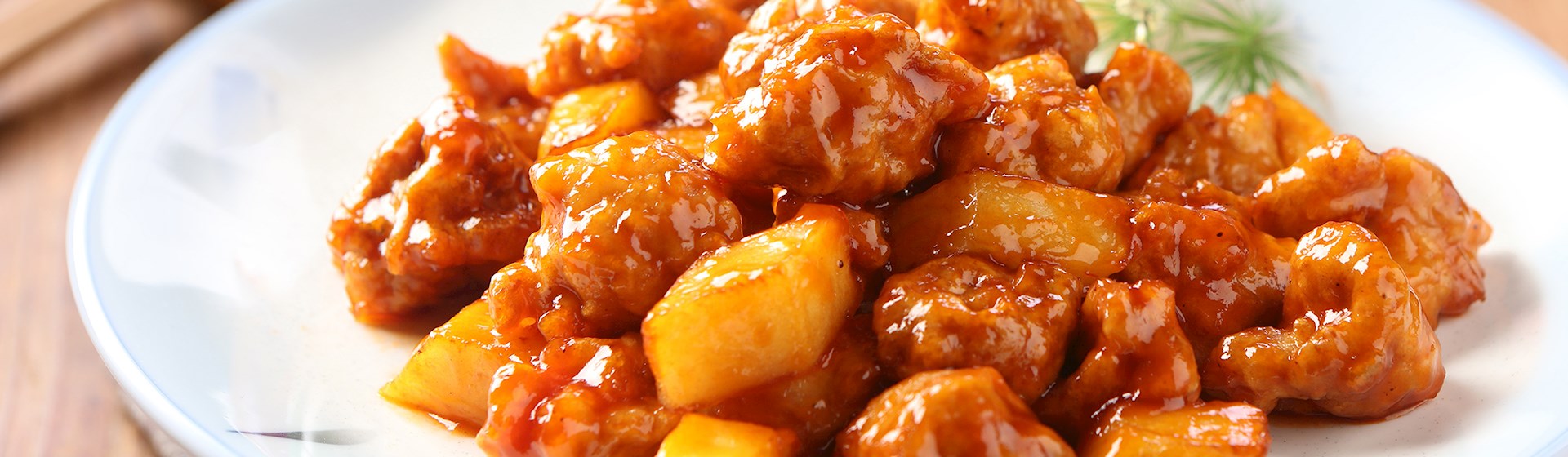
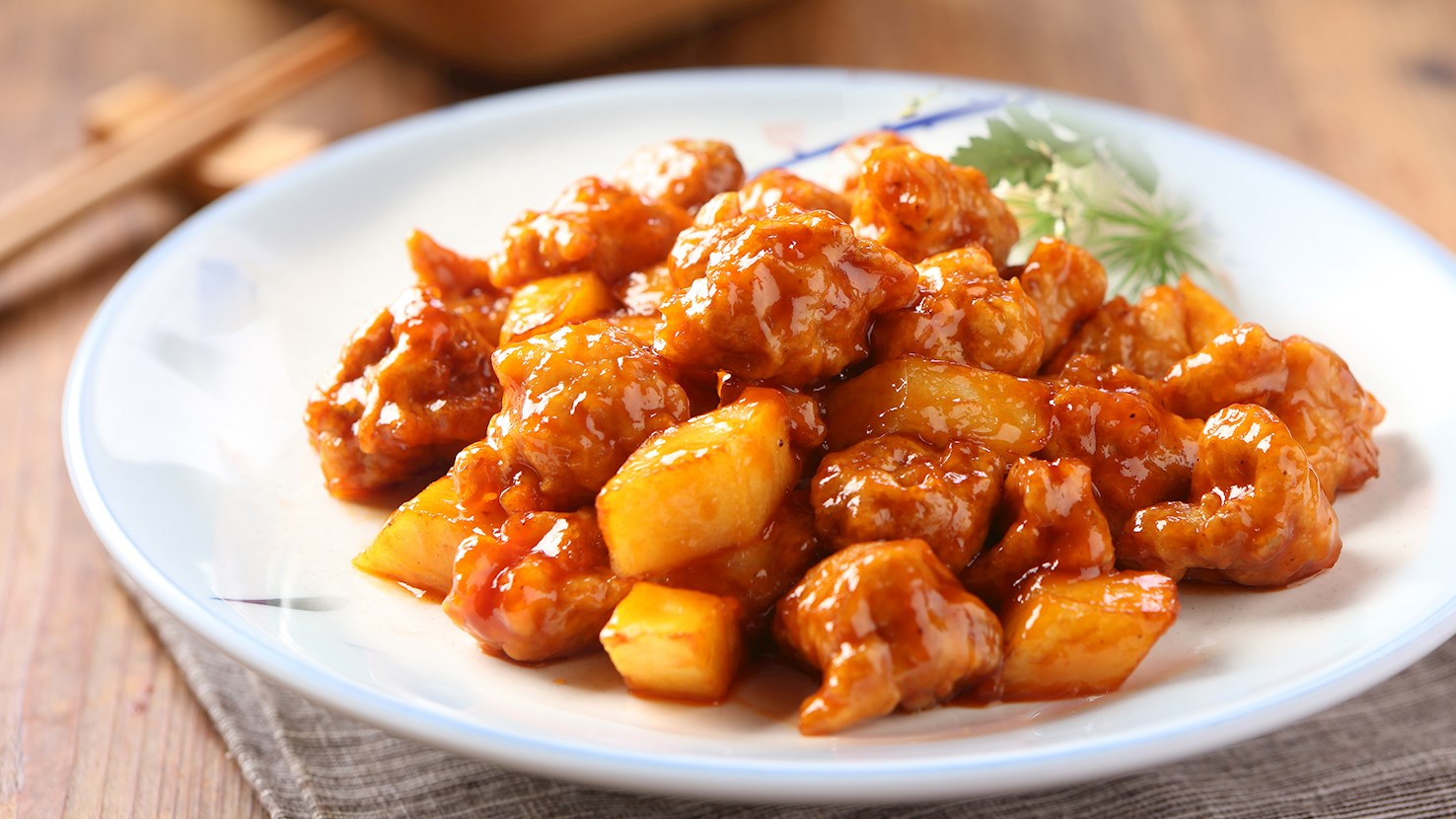
Lìzhī ròu is a sweet and sour pork dish from Fujian Province, particularly associated with the city of Fuzhou. The name translates to “lychee pork,” not because it contains the fruit, but because the pieces of meat resemble lychees in shape and color once cooked. It is made from small chunks of pork that are marinated, coated in starch, deep-fried, and then stir-fried in a bright, tangy sauce. The dish is characterized by its crisp exterior, tender interior, and glossy reddish appearance. It belongs to the Min cuisine family, known for dishes that balance sweetness, acidity, and umami with light textures and delicate presentation. The dish developed in Fujian during the Qing dynasty, when cooks began experimenting with sweet-sour sauces influenced by maritime trade and local fermentation techniques. Sugar production was already well established in the region, and the combination of sugar and vinegar became a defining element in Fujian cooking. Lìzhī ròu evolved from these flavor preferences, using vinegar for acidity and sugar for balance. The dish’s visual resemblance to lychee fruit gave it its name and helped it stand out in banquet cooking. Over time, it became a hallmark of Fuzhou cuisine, frequently served during festive occasions or family gatherings. Its sauce, lighter and more fruit-toned than that of Cantonese sweet and sour pork, reflects the subtler seasoning style typical of coastal Fujian dishes. Preparation begins with lean pork, commonly tenderloin, cut into bite-sized pieces. The meat is marinated in a mixture of rice wine, salt, and a small amount of cornstarch to tenderize it. Each piece is then coated with additional starch, usually sweet potato or potato starch, and deep-fried in oil until golden and crisp. Separately, the sauce is prepared by heating sugar until it melts into a light caramel, to which rice vinegar, soy sauce, and water are added, creating a balanced sweet-sour base. The fried pork pieces are added to the sauce and quickly tossed over high heat, allowing the glaze to coat them evenly without softening the crisp crust. The result is glossy, bite-sized pieces of pork with a slightly chewy shell and juicy interior. Lìzhī ròu is commonly eaten as part of a shared meal rather than a standalone dish. It appears at banquets, restaurants, and home dinners throughout Fujian and in overseas Chinese communities with Min roots. It is typically served with plain steamed rice to balance the sauce, and sometimes accompanied by light soups or stir-fried greens. The dish pairs well with mildly fragrant teas such as Tieguanyin or Wuyi oolong, which cut through its sweetness, or with light rice wine that complements its acidity.
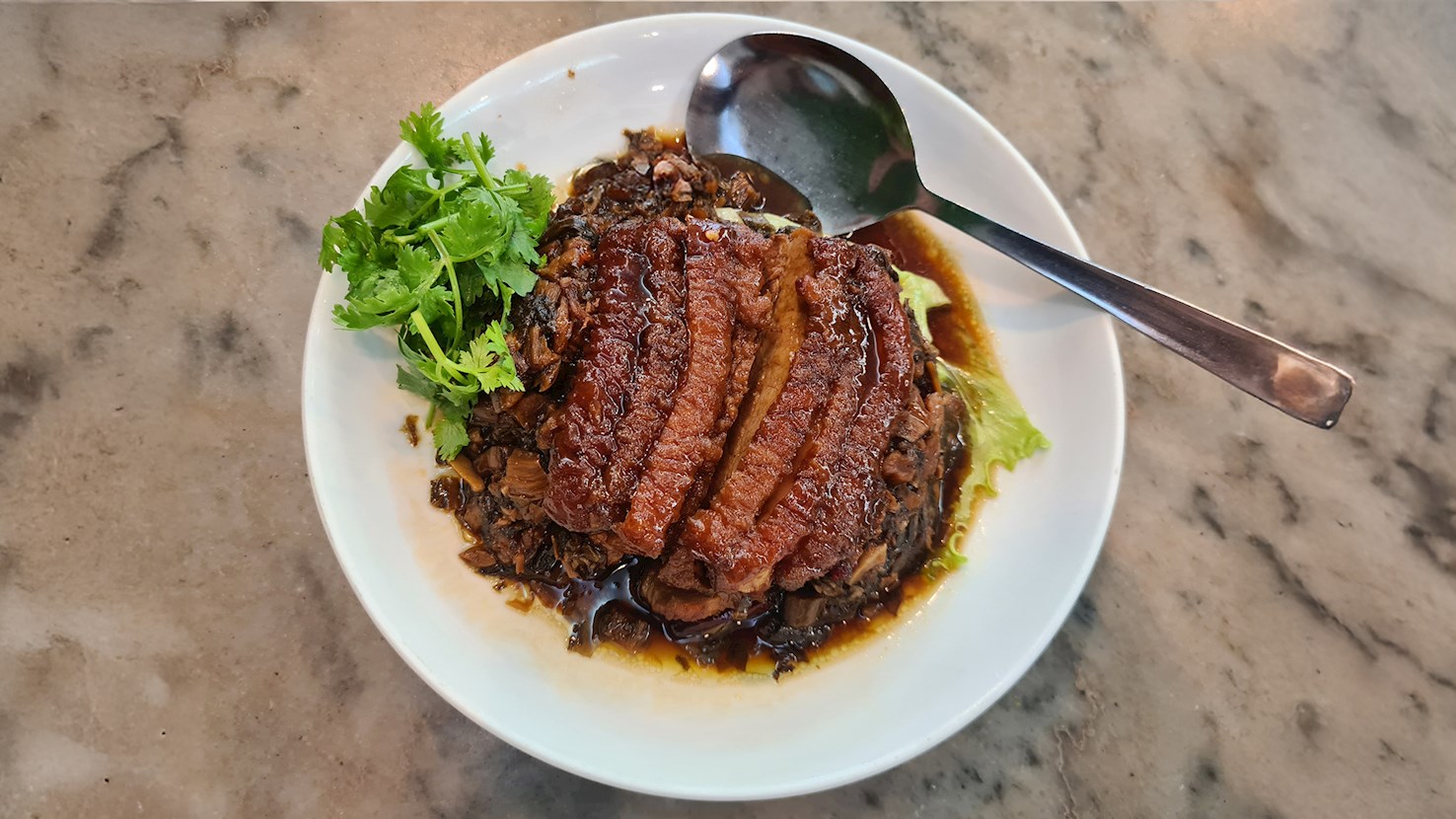
Méicài kòuròu is a pork dish from southern China, particularly associated with Hakka cuisine and widely enjoyed in regions such as Guangdong, Fujian, and Jiangxi. It is made by braising pork belly with preserved mustard greens, known as méicài, which gives the dish its distinctive balance of richness and depth. Originating from communities where resourcefulness and preservation were central to cooking practices, it emerged as a way to combine preserved vegetables, often made during harvest seasons, with fatty cuts of pork, creating a dish that was both flavorful and sustaining. Over time, it became a hallmark of celebratory meals and family gatherings, valued for its comforting, savory profile and the skill required to achieve its perfect texture and flavor. The preparation begins with pork belly, which is first blanched to remove impurities and then deep-fried or seared to render some fat and develop a caramelized outer layer. The meat is then sliced and arranged over a bed of soaked and seasoned preserved mustard greens, which have been rinsed to reduce their saltiness and sautéed with aromatics such as garlic, ginger, and soy sauce. The layered ingredients are steamed slowly for several hours, allowing the flavors to meld and the pork to become tender enough to melt in the mouth while the vegetables absorb the richness of the rendered fat. The dish is often inverted onto a plate before serving, with the glossy, tender slices of pork on top and the savory preserved greens forming a base beneath. It is most often served as part of a larger shared meal rather than on its own, frequently accompanied by plain steamed rice or mantou, which help absorb the flavorful sauce.
Zuì páigǔ is a Fujian dish centered on pork ribs seasoned with fermented rice mash, most commonly prepared in and around Fuzhou and neighboring coastal areas where rice fermentation is widely used in home cooking. It developed in households that produced jiǔniàng and rice wine as part of regular food preparation, and the leftover fermented mash was incorporated into savory dishes to enhance aroma and tenderness. Over time, cooks began applying this method to short-cut pork ribs, combining the mild sweetness of the mash with soy sauce, ginger, and garlic, which resulted in a recognizable regional style. The preparation starts with rinsed and chopped ribs that are marinated with fermented rice mash, a small amount of wine, salt, sugar, and aromatics until the mixture softens the meat. The ribs are then steamed or simmered at low heat until tender and later finished by reducing the cooking liquid to form a light glaze, with some versions receiving a quick pan-frying step to tighten the surface. A defining element is the use of Fujian-style fermented rice mash, which contributes natural sweetness and a subtle fermented fragrance that differs from marinades based purely on wine or soy sauce. Zuì páigǔ is eaten in homes and small restaurants, served with rice or plain noodles, often accompanied by mild vegetables or soups that balance the slightly sweet seasoning. It pairs well with light rice wine, jasmine tea, or barely seasoned greens that do not overshadow its gentle fermented flavor.
TasteAtlas food rankings are based on the ratings of the TasteAtlas audience, with a series of mechanisms that recognize real users and that ignore bot,
nationalist or local patriotic ratings, and give additional value to the ratings of users that the system recognizes as knowledgeable.
For the “Top 4 Fujian Meat Dishes” list until June 15, 2026, 81 ratings were recorded, of which 66 were recognized by the system as legitimate.
TasteAtlas Rankings should not be seen as the final global conclusion about food. Their purpose is to promote excellent local foods,
instill pride in traditional dishes, and arouse curiosity about dishes you haven’t tried.