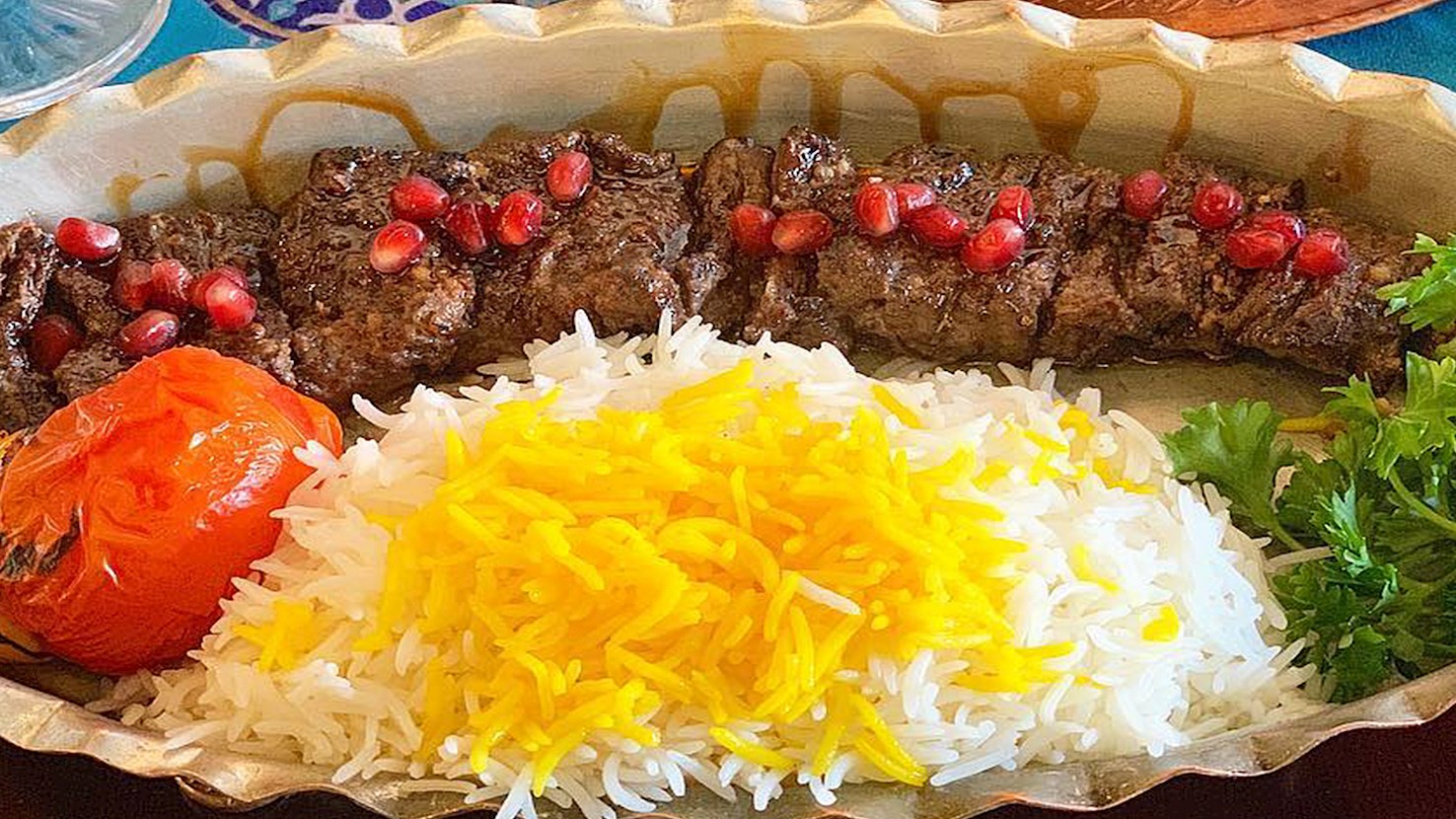
Kabab torsh is a sour marinated kebab originating in Iran’s northern Caspian provinces, especially Gilan and Mazandaran. This dish is made from chunks of beef or lamb that are soaked in a rich marinade featuring crushed walnuts, pomegranate molasses, garlic, and herbs, resulting in a distinctly tangy and earthy flavor profile. The history of kabab torsh reflects the agricultural abundance of northern Iran. Walnuts and pomegranates have been cultivated in the area for centuries, and local cooking frequently uses them to balance richness with acidity. While skewered meat dishes have existed across Persian cuisines for a long time, the specific combination of ground walnut, pomegranate syrup, and fresh herbs became a hallmark of Gilan’s kebabs. Generations of cooks in cities like Rasht and Lahijan adapted this preparation to use regional products, and kabab torsh gradually gained popularity beyond its original home, appearing in restaurants and on family tables throughout Iran. Preparation begins by cutting beef or lamb into medium-sized pieces. The marinade is made by pounding or blending walnuts until coarse, then combining them with pomegranate molasses, chopped garlic, finely chopped parsley, and chopped fresh cilantro or savory. Salt and sometimes a little black pepper are added to enhance the flavors. The meat is thoroughly coated in this thick mixture and left to rest for several hours, or overnight, allowing the marinade to penetrate. To cook, the marinated meat is threaded onto wide metal skewers and grilled over hot coals, turned regularly to ensure even cooking and to lightly char the surface. The grilling process both caramelizes the pomegranate and softens the walnuts, creating a glaze that clings to the kebab. Some cooks baste the meat with more marinade or melted butter during grilling to keep it moist. In Gilan, it is common to accompany the kebab with fresh herbs, raw onions, pickled vegetables, and sometimes grilled tomatoes.
Vavishka is a hearty Iranian stew originating from the northern regions of Iran, particularly popular in the Gilan province along the Caspian Sea coast. This dish is distinguished by its rich blend of herbs, legumes, and tender meat, usually lamb or beef, simmered together to create a thick, flavorful stew that reflects the agricultural abundance and culinary heritage of the area. Vavishka embodies the region’s preference for fresh, green ingredients and the use of local herbs such as parsley, cilantro, and chives, which impart a distinctive aroma and vibrant character to the dish. The history of vavishka is closely connected to the rural communities of northern Iran, where stews have long been a staple due to their ability to combine available produce and proteins into nourishing meals. The dish developed as a way to utilize the region’s fertile land and diverse herbs, integrating them with pulses like chickpeas or white beans to create a filling and balanced dish. Over generations, vavishka has been passed down through families, adapting slightly with local tastes and ingredient availability, but maintaining its essential qualities of freshness and depth of flavor. Preparation of vavishka involves slow-cooking ground meat with an assortment of finely chopped herbs and legumes in a seasoned broth. The herbs are often sautéed before being added, helping to release their oils and intensify the stew’s fragrance. The legumes contribute to the stew’s texture and nutritional value, thickening the broth as they soften. The cooking process allows the flavors to meld over several hours, resulting in a stew that is rich, aromatic, and comforting. Vavishka is traditionally served with steamed rice, which balances the intensity of the stew and provides a complete meal.
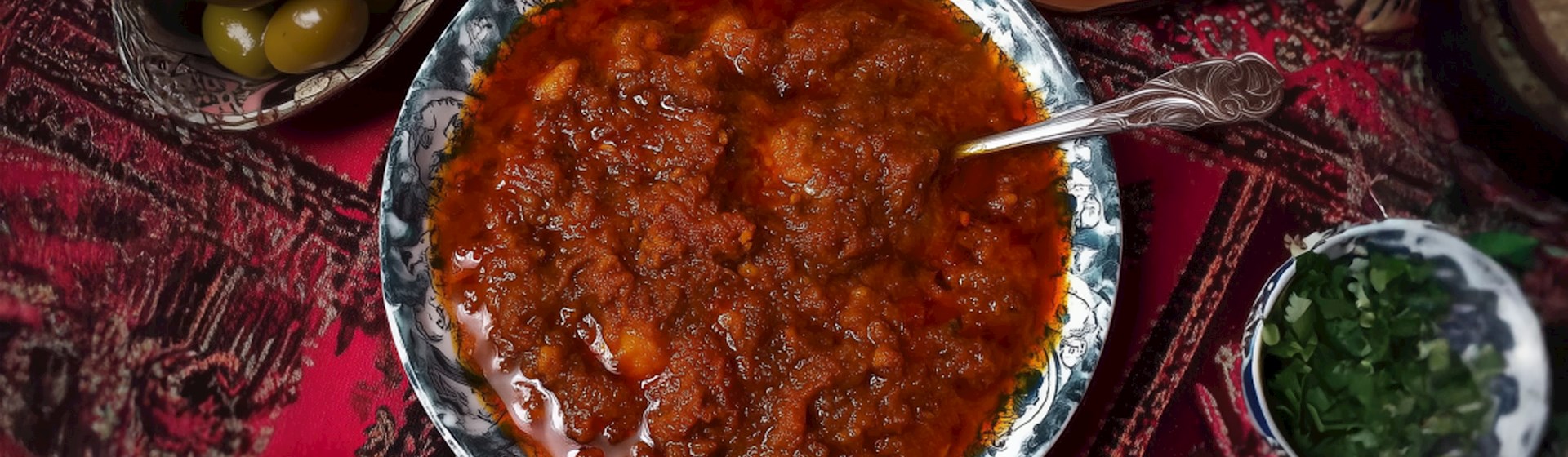
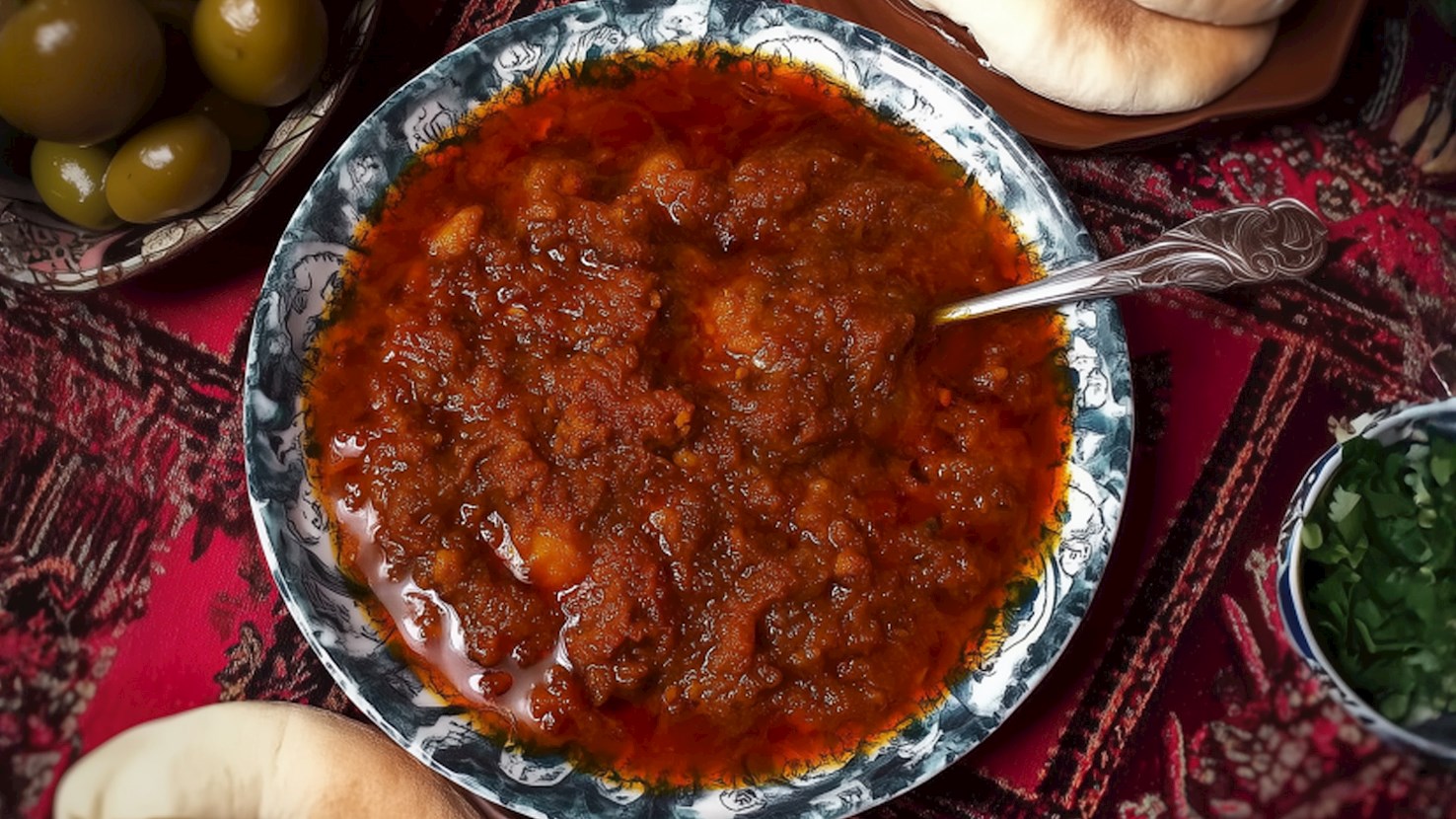
Anar bij is a flavorful Iranian dish originating from the northern regions of Iran, where pomegranates are widely cultivated and used in cooking. This dish combines tender pieces of meat, often lamb or beef, with the sweet and tart juice of pomegranates, resulting in a stew that balances rich, savory flavors with bright, fruity acidity. Anar bij reflects the culinary traditions of northern Iran, where the abundant local produce inspires dishes that are both hearty and refreshingly vibrant. The history of anar bij is closely linked to the agricultural richness of the Caspian Sea region, known for its fertile soil and diverse crops. Pomegranates have been a staple ingredient in this area for centuries, and their incorporation into savory dishes like anar bij showcases the regional preference for combining fruit with meat. The dish evolved as a way to utilize the fresh pomegranate juice during harvest season, highlighting the natural sweetness and complexity it brings to slow-cooked meals. Its recipe has been preserved through generations, adapting slightly with seasonal variations and local tastes. Preparation of anar bij involves marinating ground meat in a mixture of pomegranate juice and spices before slowly simmering them until tender. The cooking process allows the meat to absorb the tangy-sweet flavors of the fruit while developing a rich sauce. Additional ingredients such as onions, garlic, and herbs may be included to enhance depth and aroma. The dish is usually cooked over low heat to meld the flavors thoroughly and achieve a harmonious balance between acidity and savoriness. Anar bij is typically served with steamed rice, which complements the stew’s complex taste and provides a neutral base for the intense flavors. It is enjoyed in homes and local eateries throughout northern Iran, especially during pomegranate season when the fruit is at its freshest.
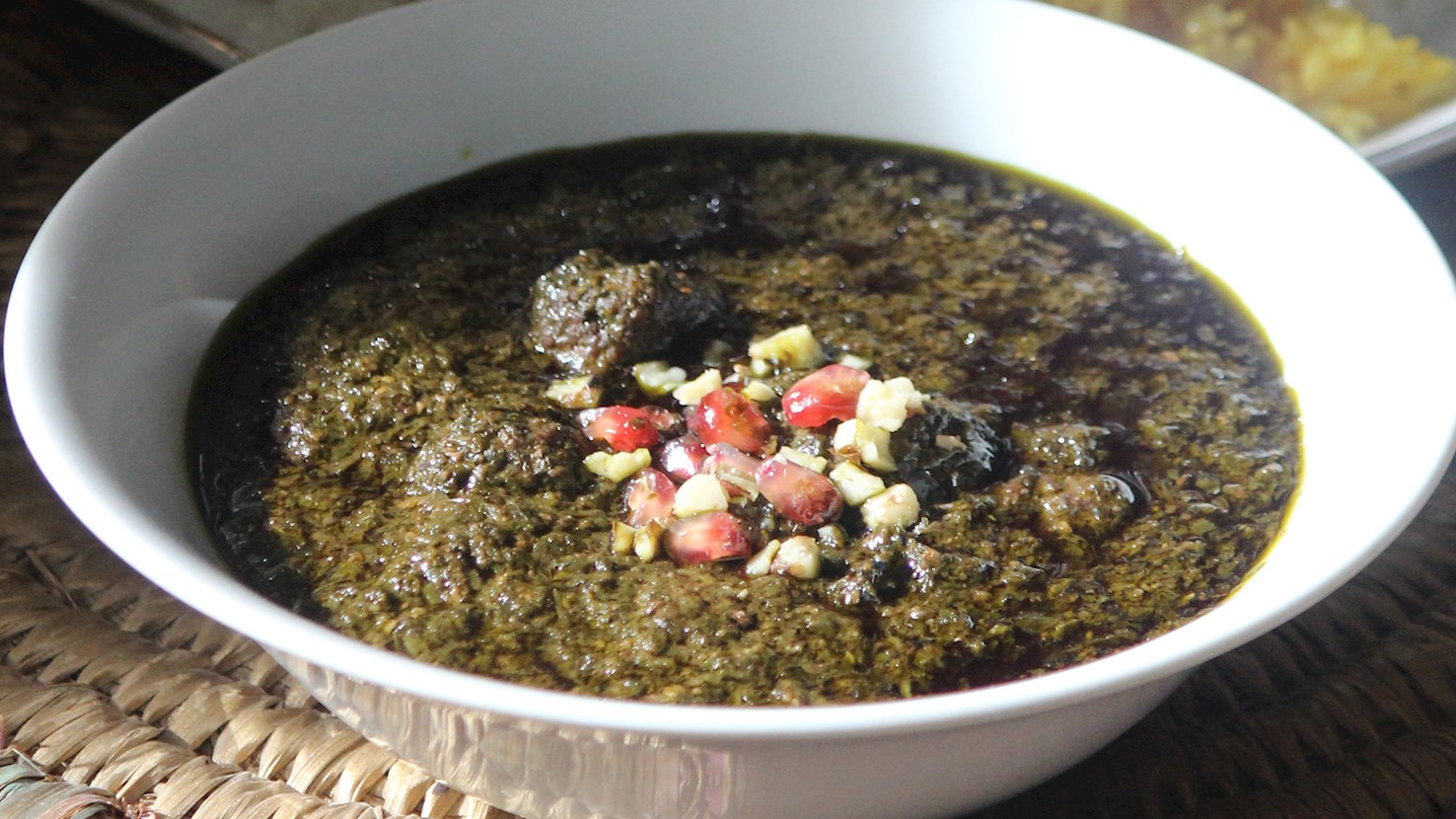
Gamaj kabab is a luxurious and flavorful stew from the Gilan province in northern Iran. The dish is named after the traditional clay cauldron called "gamaj" used to cook it. Gamaj kabab is typically prepared with red meat, such as lamb, veal or beef, though chicken or turkey can also be used. When made with chicken, it is locally referred to as tala-kooleh-ghoorabe stew. The main ingredients include walnut kernels, onions, pomegranate paste and juice, and a blend of local herbs like choochaq or a mix of chives, parsley, and coriander. These ingredients are sautéed and combined with the meat, creating a rich, aromatic stew. The pomegranate elements provide a unique tartness, while the walnuts add depth and texture. The dish is typically served with Persian saffron rice, making for a hearty and satisfying meal.
TasteAtlas food rankings are based on the ratings of the TasteAtlas audience, with a series of mechanisms that recognize real users and that ignore bot,
nationalist or local patriotic ratings, and give additional value to the ratings of users that the system recognizes as knowledgeable.
For the “Top 4 Traditional Meat Dishes in Gilan Province” list until April 19, 2026, 131 ratings were recorded, of which 78 were recognized by the system as legitimate.
TasteAtlas Rankings should not be seen as the final global conclusion about food. Their purpose is to promote excellent local foods,
instill pride in traditional dishes, and arouse curiosity about dishes you haven’t tried.