



shutterstock

Top 13 Hungarian Meat Dishes

Last updated on June 15, 2026
01

Pörkölt

4.2 ·

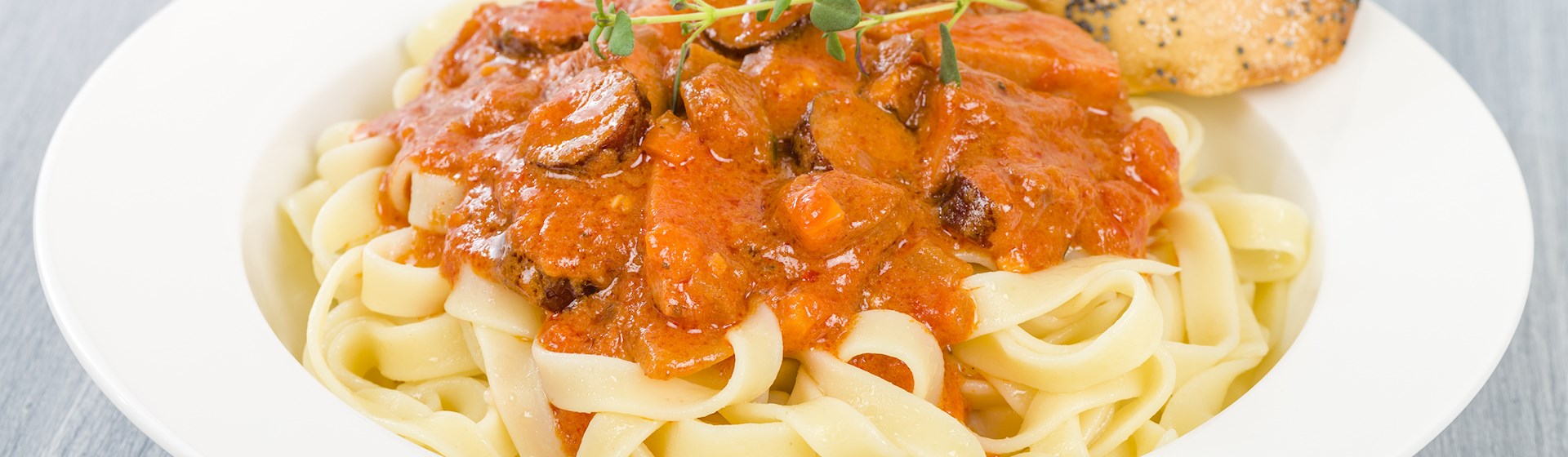
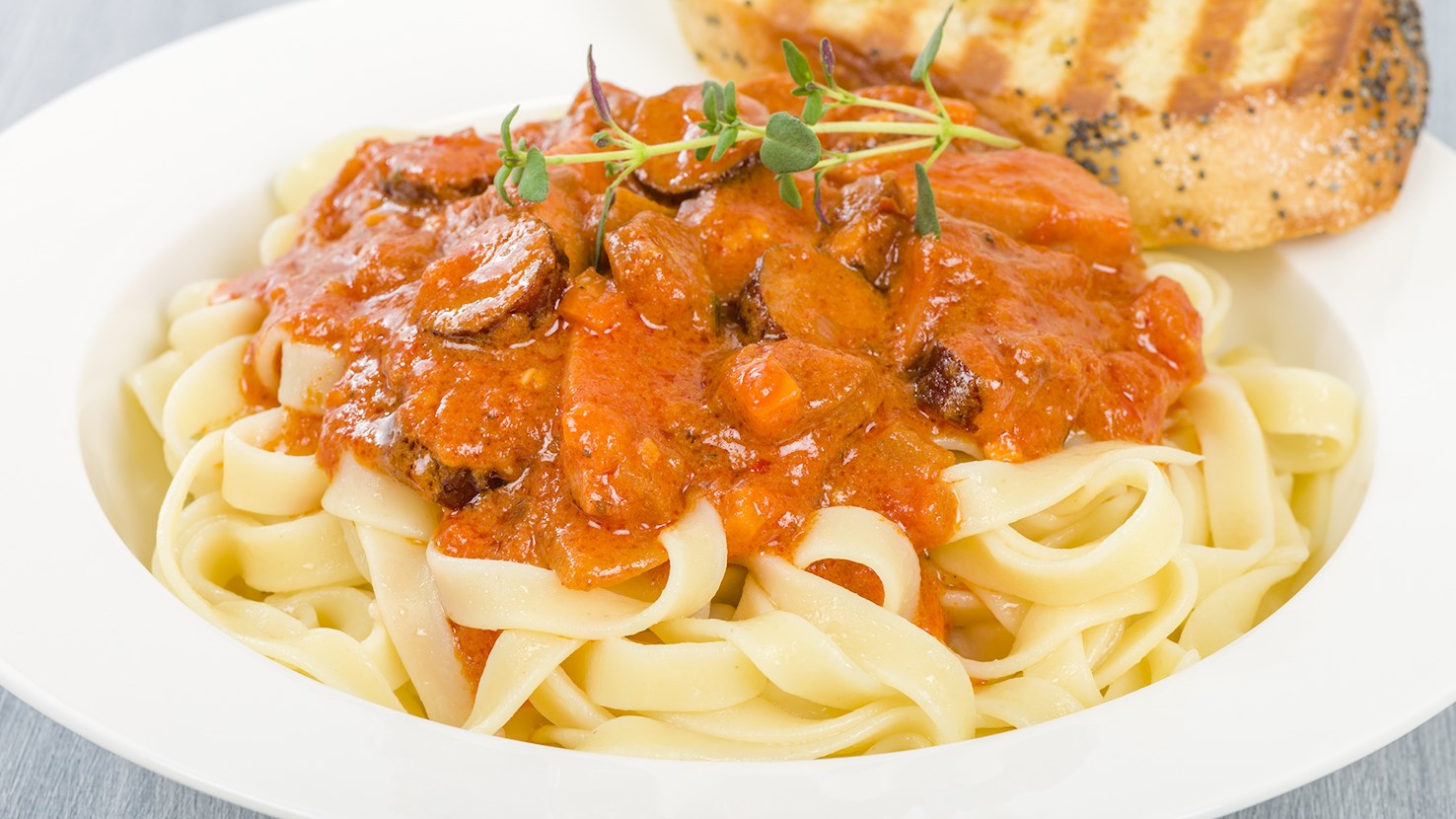
Pörkölt is Hungary's national stew, its name derived from the word pörkölni, meaning to roast or singe. The stew is made from meat such as beef, lamb, pork, or chicken, simmered in a red sauce with lots of onions, garlic, and paprika powder. It is traditionally served with dumplings, boiled potatoes, or pasta, and it is recommended to pair it with a Hungarian fruit brandy. Pörkölt's history is closely linked to the traditional Hungarian goulash, as both dishes were originally prepared as peasant meals that made hefty use of powdered paprika. Today, there are many varieties of pörkölt, with the names accordingly matching the key ingredient used in the dish, such as pacalpörkölt (tripe), marhapölkört (beef), and borjupörkölt (veal). In the Czech Republic, pörkölt is traditionally made with pork, dark bread, caraway seeds, and dark beer.

02

Székely gulyás

4.1 ·

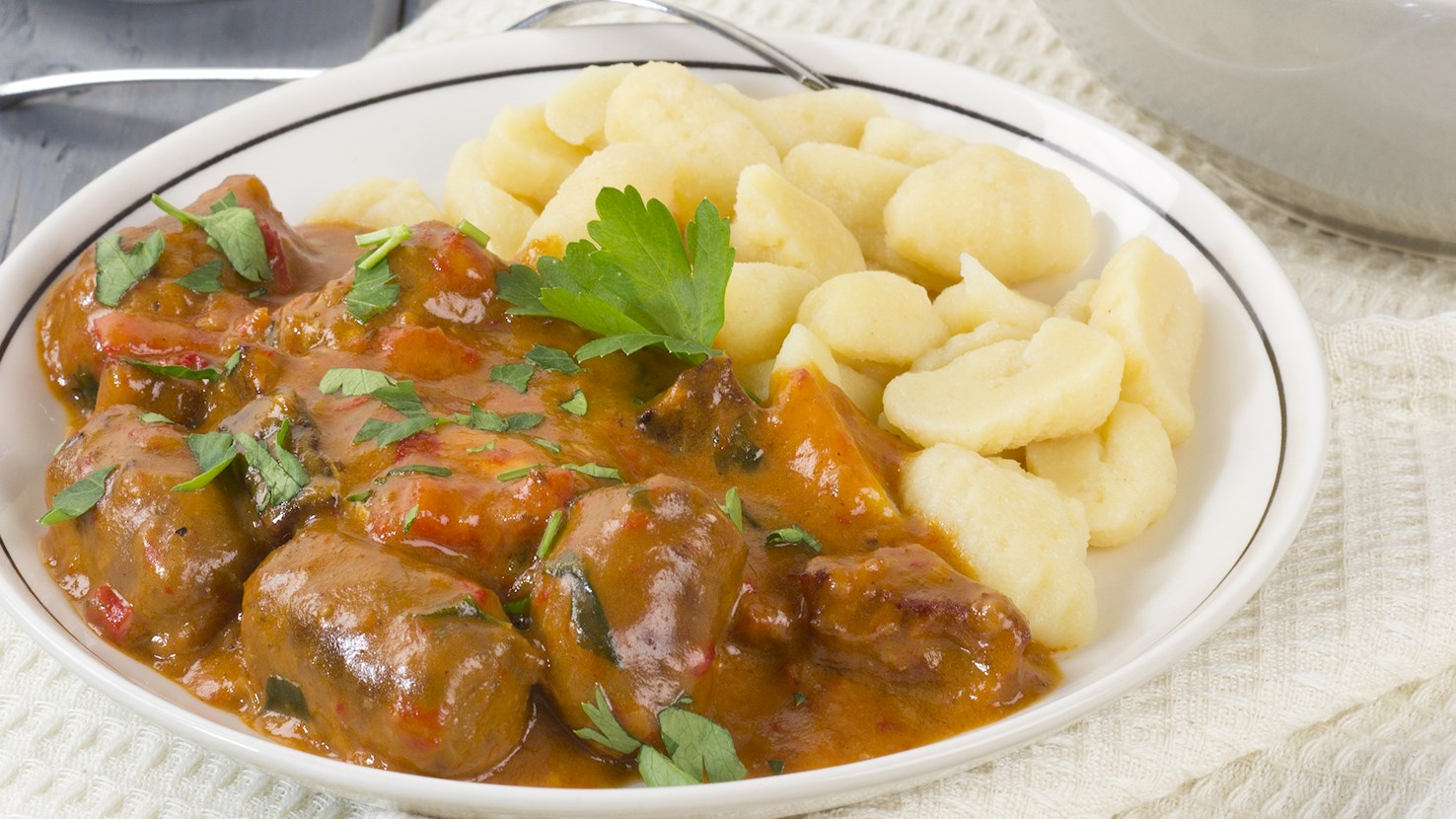
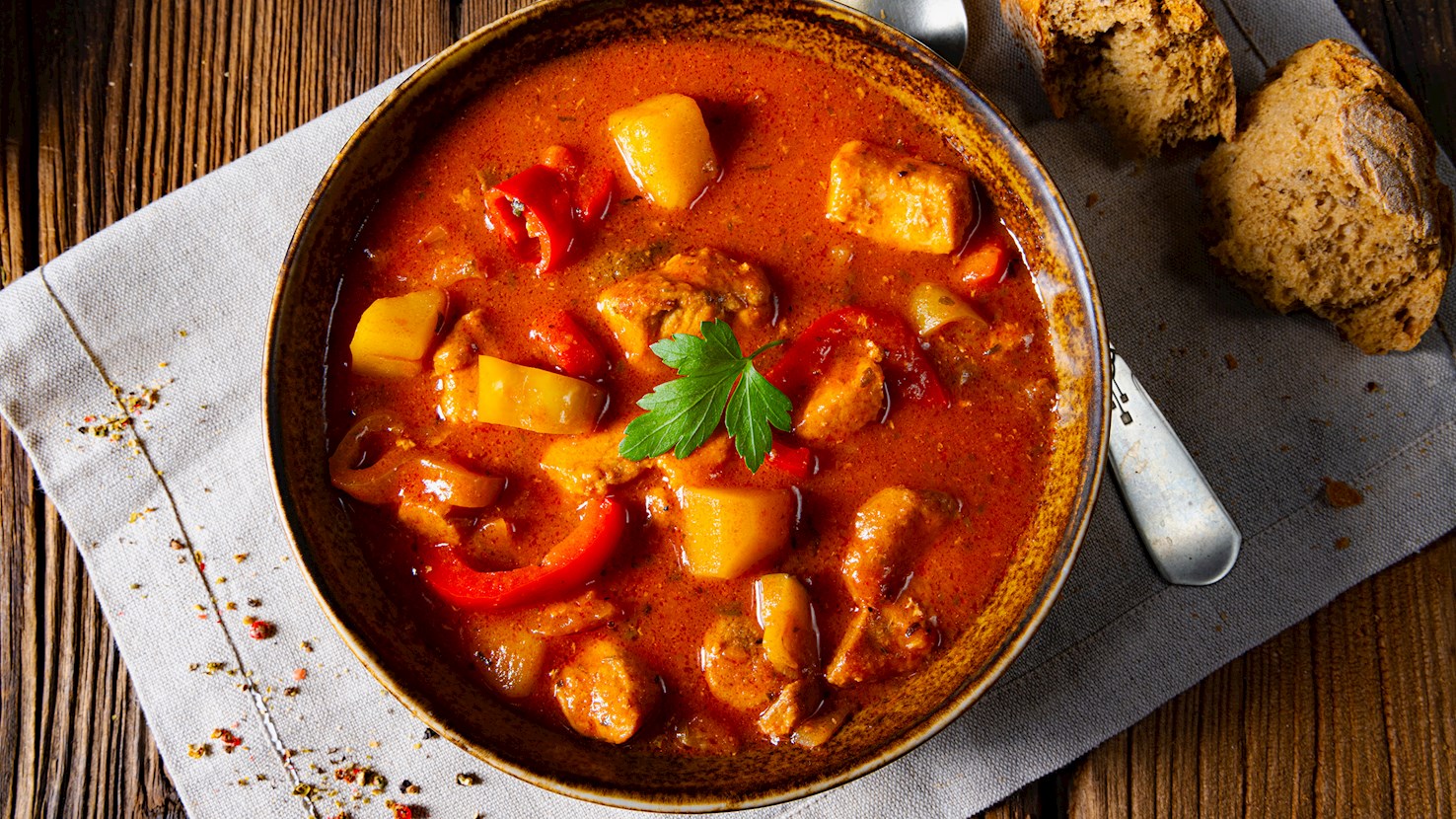
Székely gulyás is a thick and rich Hungarian stew prepared with a combination of pork, onions, peppers, paprika, potatoes, sauerkraut, sour cream, and garlic. The dish is believed to have originated in the city of Szeged, known for its paprika, and it was supposedly named after the Hungarian journalist and archivist Jószef Székely. Once prepared, Székely goulash is typically served with homemade pasta or crusty bread on the side.

03

Hortobágyi palacsinta

4.1 ·

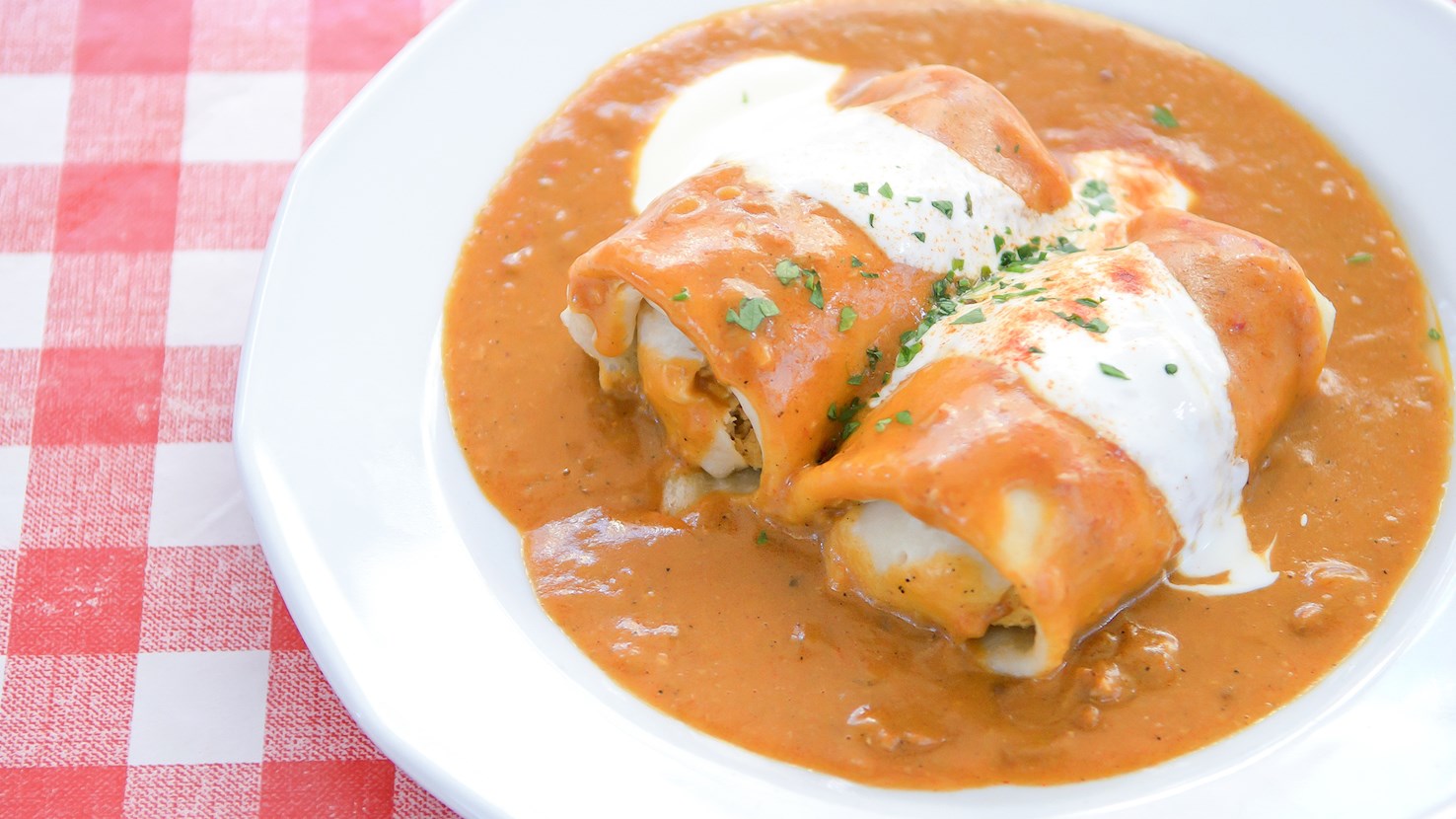
This savory pancake is a specialty of the Hungarian cuisine. It is filled with meat (typically veal) which is prepared like a stew – sautéed with tomatoes, onions, spices, and (sometimes) mushrooms. The pancakes are first filled with the combination of meat and vegetables, then tucked at the ends and baked in the oven with sour cream and paprika. After the baking, the dish is usually garnished with chopped parsley. Although the dish is named Hortobágyi palacsinta, it is believed that it does not have anything to do with Hortobágy nor the Great Hungarian Plain, as it was invented for the 1958 Brussels World Fair. However, there are some Hungarian cookbooks from the 1930s featuring a similar, but not quite the same recipe.

Best restaurants
04

Töltött kaposzta

4.0 ·

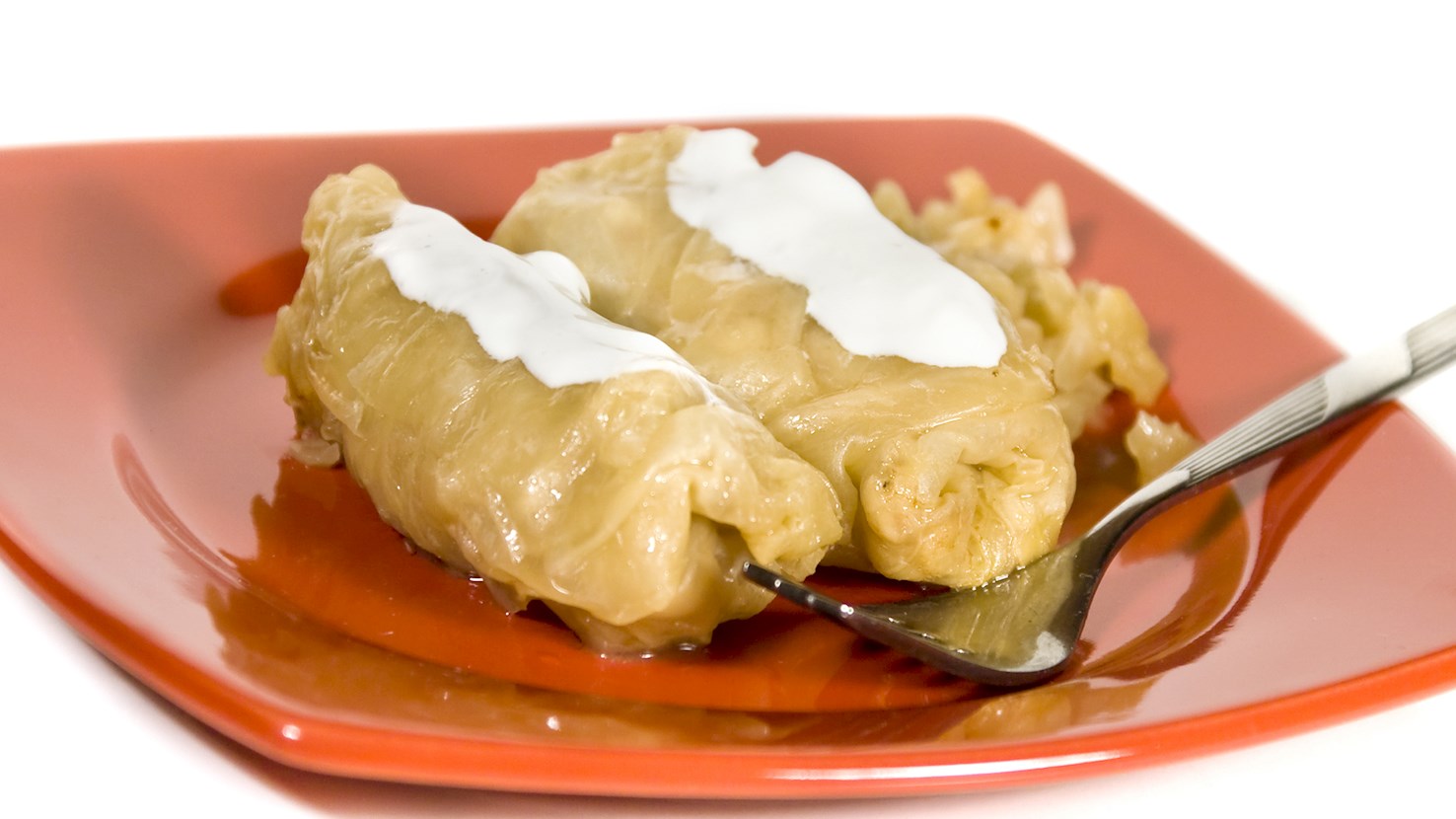
Hungarian stuffed cabbage consists of blanched fresh or sour cabbage leaves that are stuffed with a flavorful mixture of minced pork, onions, rice, and seasonings. Neatly tucked rolls are layered with sliced sauerkraut and slowly cooked. Traditionally, stuffed cabbage is cooked alongside smoked meat, and it can be slowly baked in the oven or cooked on the stovetop. Often thickened with paprika-spiced roux and served topped with sour cream, these tender rolls are traditionally associated with Christmastime and are often served on other festive and special occasions.

05

Fatányerós

3.9 ·

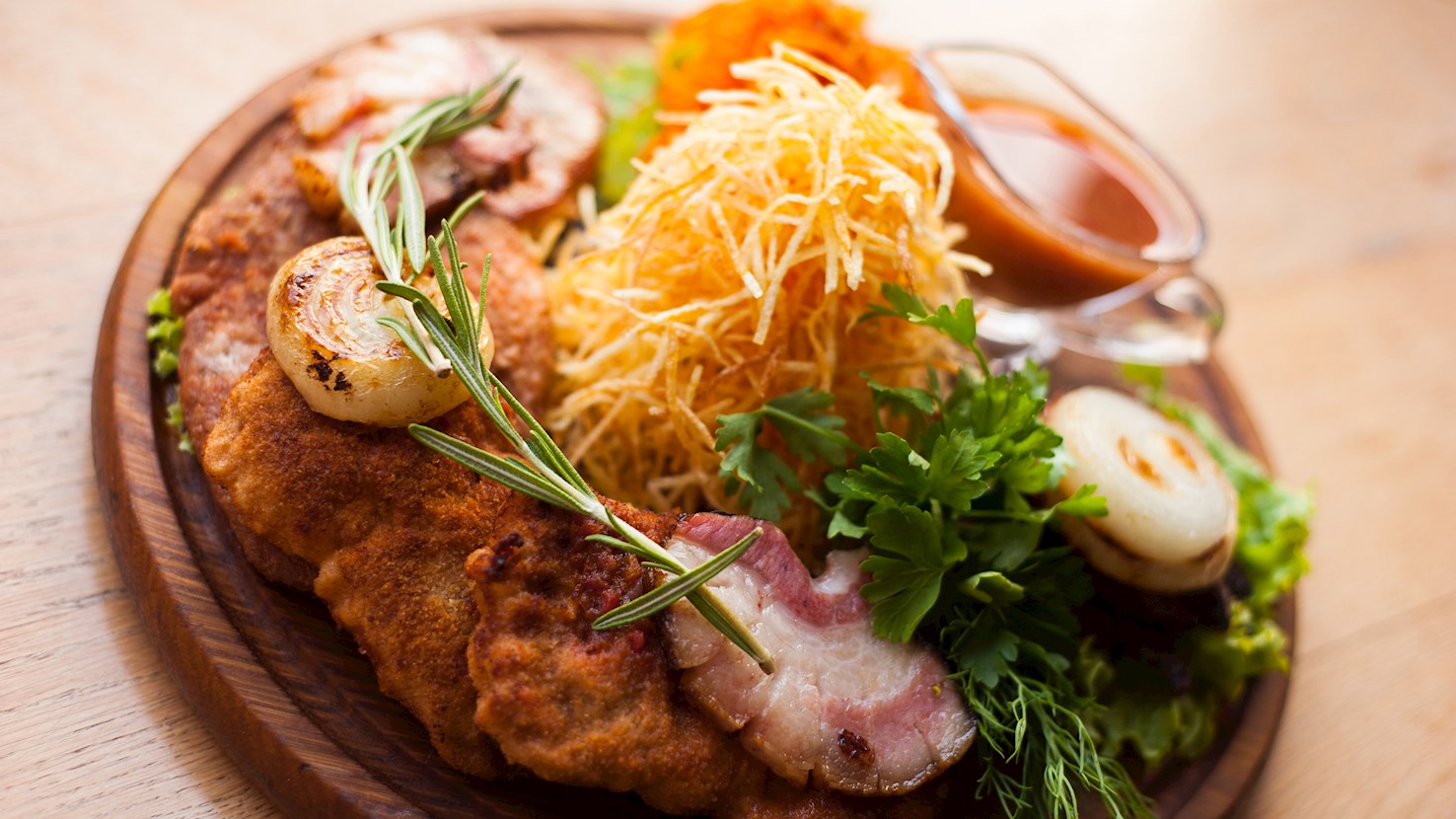
Fatányerós is a traditional dish, consisting of mixed meat that has been grilled or roasted on a spit. The meat that is most commonly used is pork, beef, and veal, but in some recipes, game meat is also used. Fatányerós is essentially a Hungarian barbecue, served on a wooden platter, with a slice of bacon, french fries, and fresh green vegetables. The dish has Transylvanian roots and became very popular at the beginning of the 20th century. The name of the dish means wooden plate in Hungarian, and comes from woodcutters who spent weeks in the woods. They hunted game, roasted it on a spit, and used a piece of cut wood as a plate.

06

Töltött paprika

3.8 ·

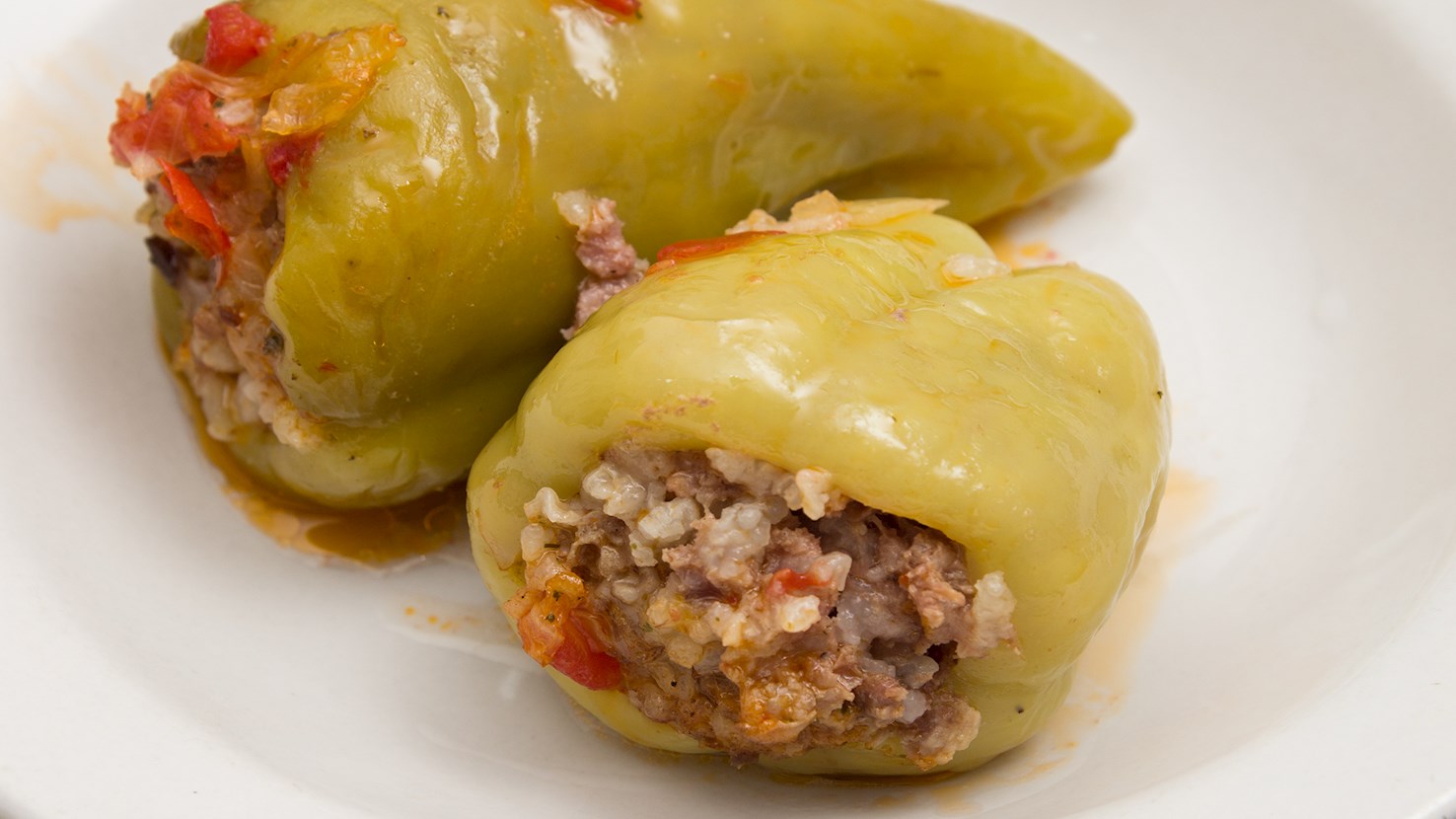
Traditionally prepared with yellow wax peppers, this Hungarian summer classic is both a common restaurant dish and a popular home-cooked meal. The peppers are usually filled with a combination of minced meat, rice, and different seasonings before they are cooked in a rich, paprika-infused tomato broth. Stuffed peppers are always served doused in the accompanying broth and are usually enjoyed complemented by mashed potatoes or bread.

07

Birkagulyás

3.7 ·

Birkagulyás is a version of a traditional Hungarian goulash prepared with mutton as the key ingredient. The mutton is cooked in a mix of vegetables such as carrots, onions, garlic, tomatoes, potatoes, and celery. The combination is usually flavored with parsley, paprika, black pepper, salt, and caraway seeds. Some recipes also suggest the inclusion of red wine sauce to the mix. Birkagulyás can be served with dumplings, sour cream, or spätzle noodles.

08

Sólet

3.7 ·

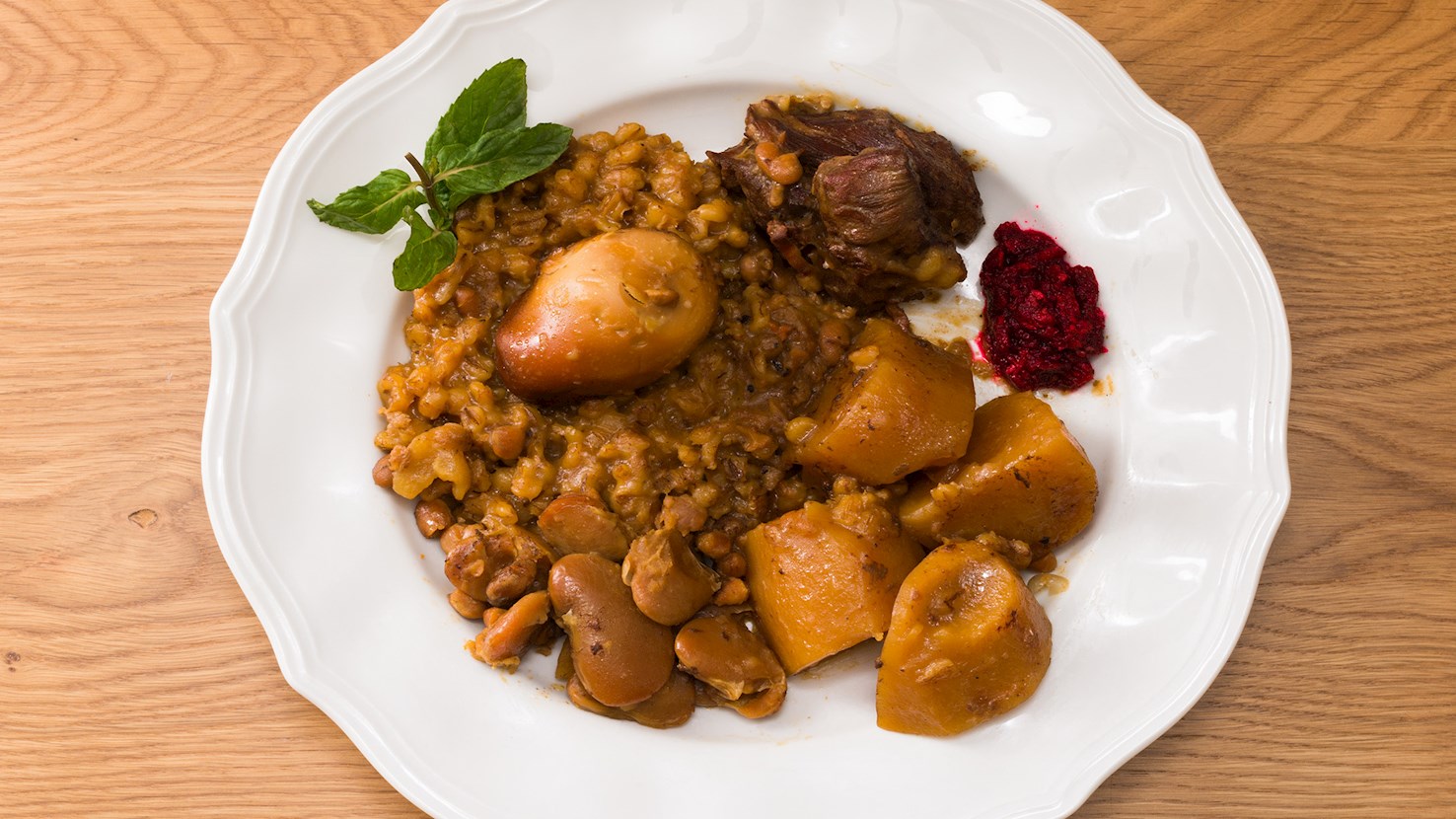
Often considered to be the predecessor to cholent, sólet is a Hungarian-Jewish stew that is traditionally slowly cooked on Friday night before the Sabbath. The stew consists of beans, paprika, onions, potatoes, boiled eggs, and meat such as smoked pork, duck, beef, or goose. The next day, this hearty and nutritious stew is ready to be consumed.

09

Nyúlpaprikás

3.7 ·

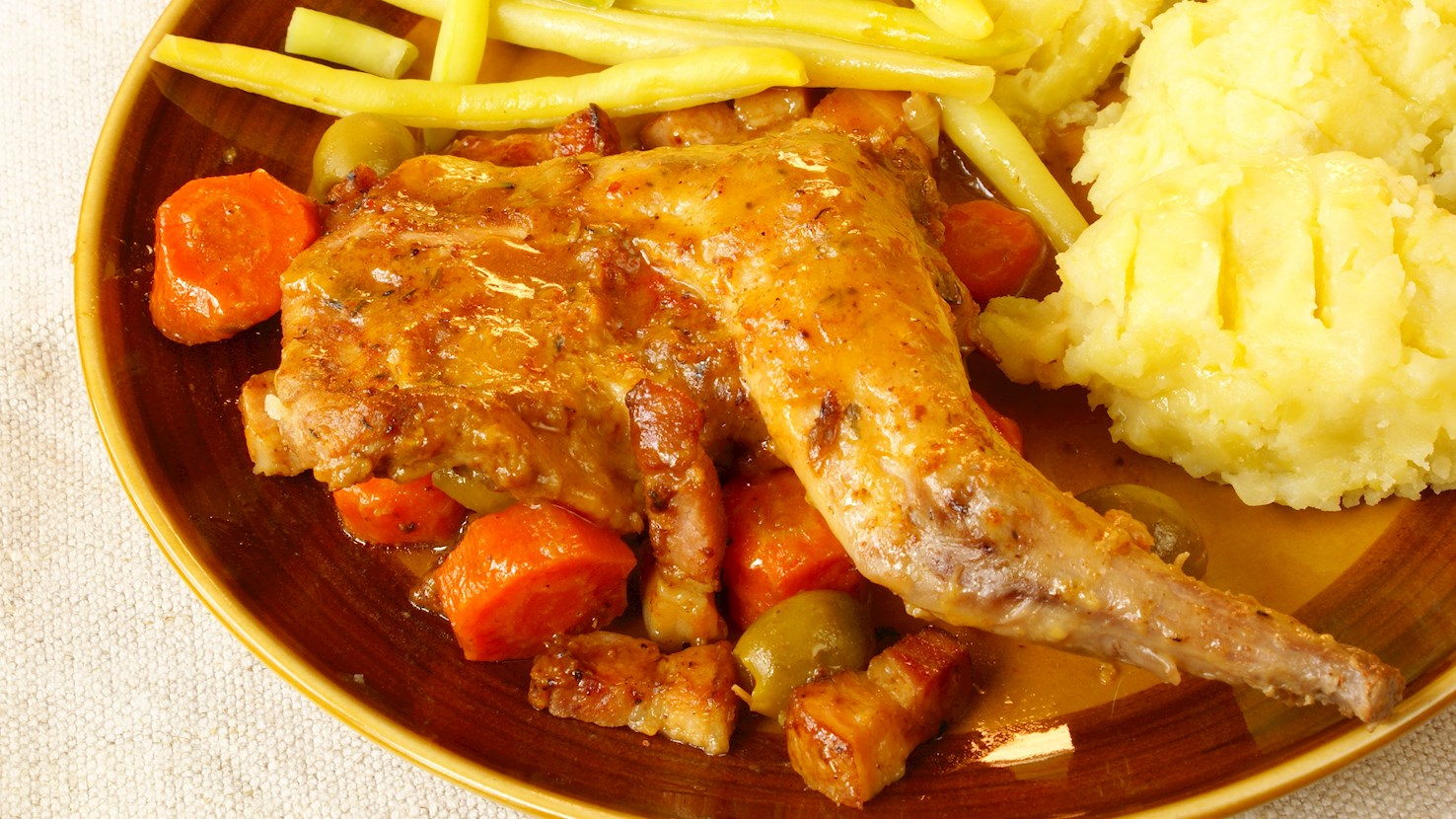
Nyúlpaprikás is a traditional rabbit stew. In the traditional recipes, almost the entire rabbit, apart from the bones, is used for the stew. Other main ingredients for the stew include onions, garlic, red peppers, and tomatoes. Some recipes also add mushrooms, red or white wine, and bacon. Nyúlpaprikás is usually served with spätzle, a type of pasta traditionally used in Hungarian cuisine. It can also be served with pickles and potatoes. This dish spread from the Hungarian countryside, where people often enjoyed hunting rabbits and other game. While it's still very popular, nyúlpaprikás is mostly found on the menus of authentic Hungarian restaurants that specialize in traditional dishes.

10

Stefánia szelet

3.3 ·

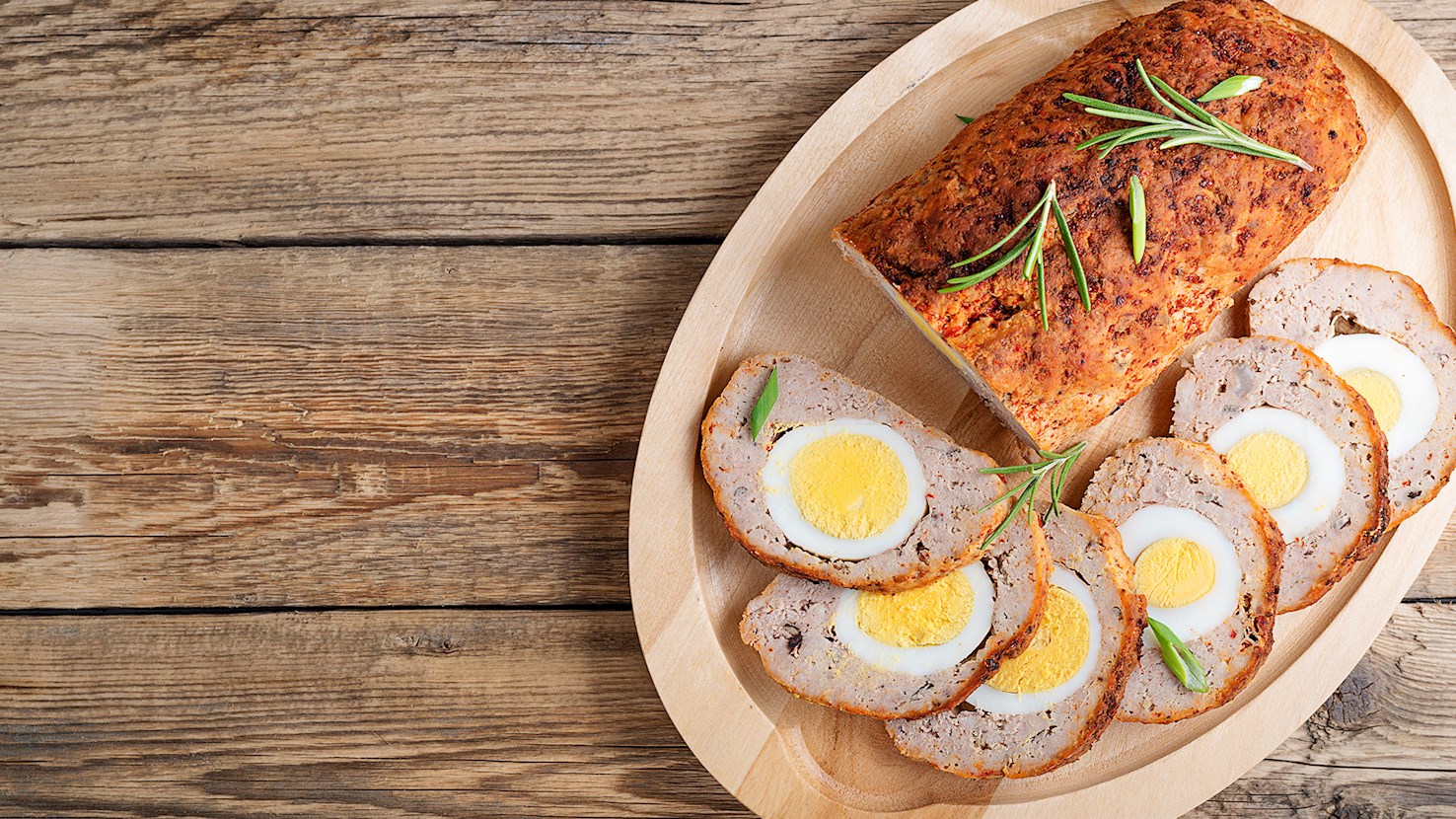
Stefánia szelet is a traditional meatloaf stuffed with hard-boiled eggs in the middle, making the dish visually attractive once cut and the cross-section becomes visible. The meat mixture consists of ground pork, onions, garlic, caraway, paprika, parsley, and marjoram. Instead of being fried in the pan, the meatloaf is baked in a loaf pan. When baked and sliced, the dish is often accompanied by boiled potatoes, but it can also be served on its own when it cools down a bit.

11

Vadas marha

3.3 ·
13

Sült mangalica

n/a ·
Read more
View all
View map
About this ranking

TasteAtlas food rankings are based on the ratings of the TasteAtlas audience, with a series of mechanisms that recognize real users and that ignore bot, nationalist or local patriotic ratings, and give additional value to the ratings of users that the system recognizes as knowledgeable. For the “Top 13 Hungarian Meat Dishes” list until June 15, 2026, 786 ratings were recorded, of which 571 were recognized by the system as legitimate. TasteAtlas Rankings should not be seen as the final global conclusion about food. Their purpose is to promote excellent local foods, instill pride in traditional dishes, and arouse curiosity about dishes you haven’t tried.

Similar lists