Humska konoba

Top 10 Istrian Meat Dishes

Last updated on June 15, 2026
01

Janjetina ispod čripnje (Lamb under the bell)

4.2 ·

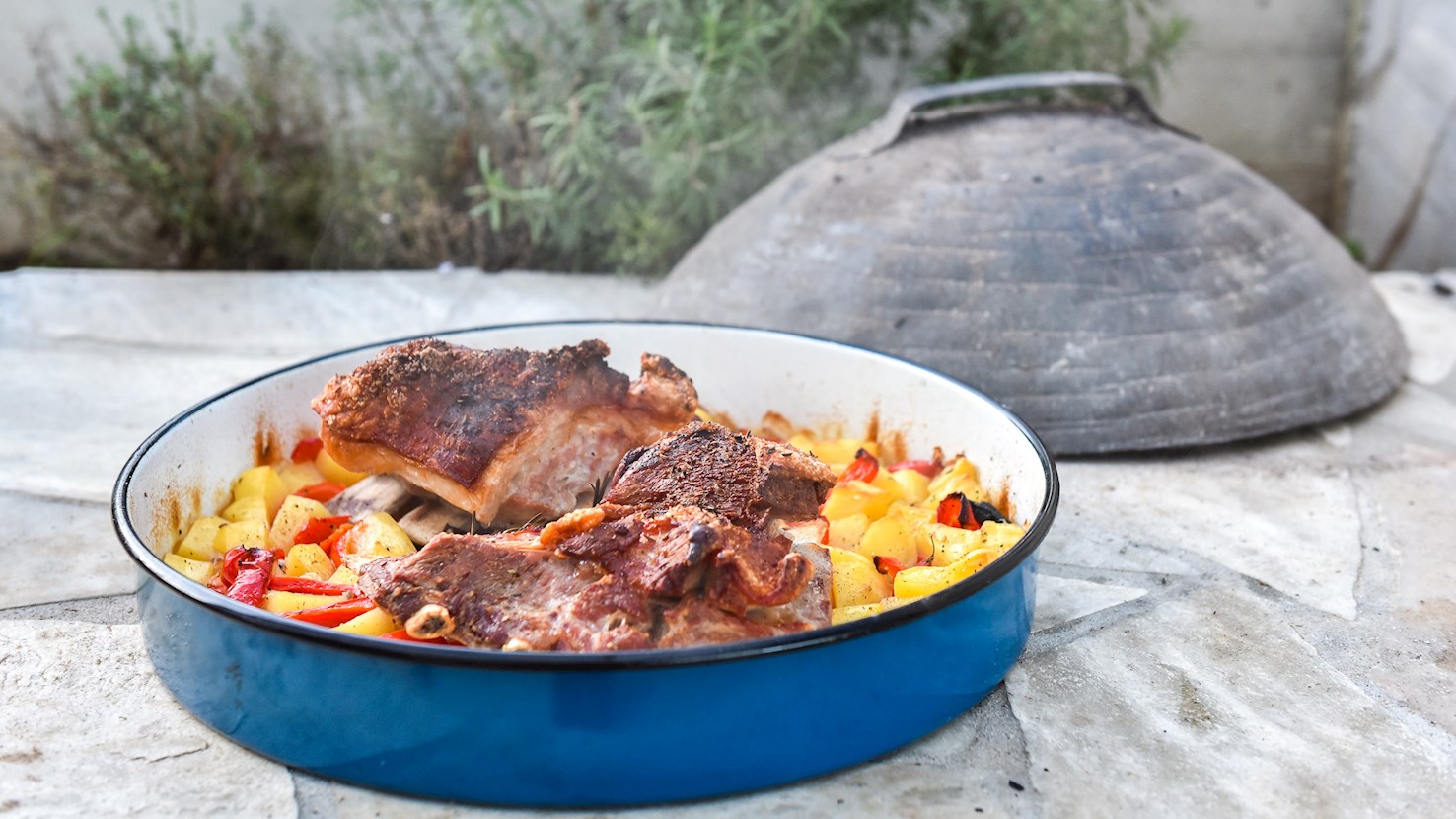
Janjetina ispod peke is a traditional lamb specialty that calls for preparing the meat under a metal, bell-like dome or lid called peka in Dalmatia or čripnja in Istria. The meat is usually combined with potatoes and vegetables such as onions, tomatoes, carrots, and zucchinis, and the whole thing is then commonly drizzled with olive oil. White wine or beer may occasionally be added to the concoction to speed up the cooking process, while the dish is often flavored with aromatic herbs and spices such as rosemary, bay leaves, mint, paprika, and black pepper. Traditionally, the baking tray or pot containing the food is topped with the peka lid, placed in a fireplace, and the lid is then covered with hot embers on top. After hours of cooking slowly under the lid, the meat comes out tender, succulent, and falling-off-the-bone. This specialty is typically accompanied by a fresh seasonal salad, kruh ispod peke (bread baked under the lid), and a glass of white wine or beer on the side. Janjetina ispod peke is a typical dish of the Dalmatia and Istria regions, where it can be savored in local restaurants or prepared at home.

02

Istarski ombolo i kobasice s kiselim kupusom (Istrian ombolo and sausages with sauerkraut)

3.6 ·

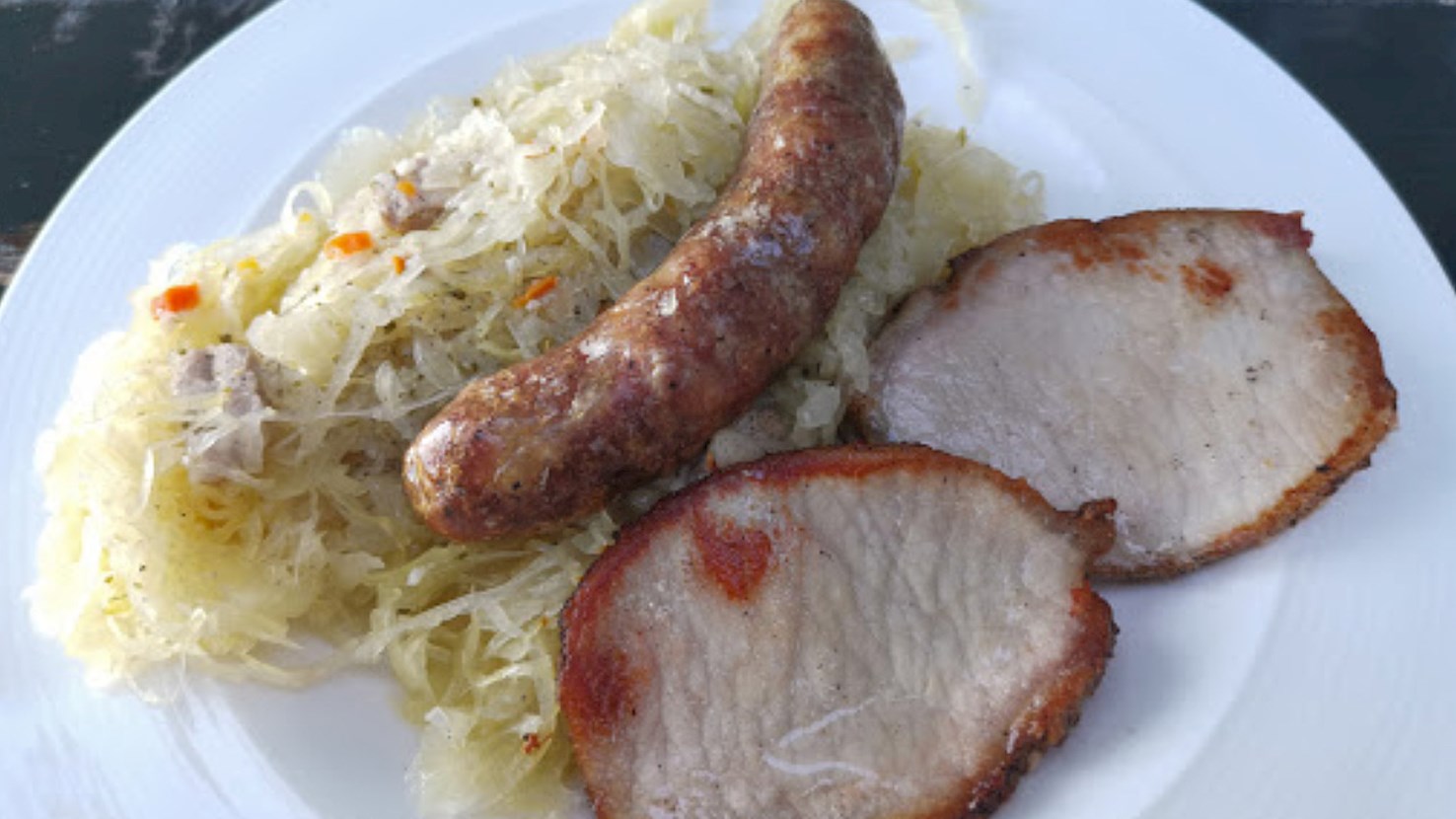
Istarski ombolo i kobasice s kiselim kupusom is a traditional dish originating from Istria. Previously marinated in white wine that is flavored with garlic and bay leaves, slices of ombolo (cured pork loin) are grilled with pork sausages (preferably homemade) and served sided with wine-braised sauerkraut and pan-fried potatoes. This hearty, meat-packed meal is a classic of Istrian cuisine found in virtually any restaurant and country-style trattoria. In local dialect, cured pork loin is known under different names, but the most common are zarebnjak, kanica, žlomprt, and—ombolo.

03

Tagliata od boškarina na posteljici od rikule

n/a ·

Tagliata od boškarina na posteljici od rikule is a traditional dish originating from Istria. The star of the dish is boškarin – Istrian long-horned cattle that has almost disappeared in the past, but nowadays it’s saved due to the intervention from the Federation of Istrian Cattle Breeders. The dish is usually made with a simple combination of boškarin meat, olive oil, rocket (arugula), aceto balsamico, and salt. The meat is cut into thin slices and seasoned with salt. It’s then shortly browned on both sides in a pan. The rocket is sprinkled with salt and drizzled with olive oil, and the meat is then placed on a bed of rocket, drizzled with aceto balsamico and olive oil, and the dish is ready to be enjoyed.

04

Janjeći but na istarski (Istrian-style leg of lamb)

n/a ·

Janjeći but na istarski is a traditional dish originating from Istria. The dish is made with a combination of a leg of lamb, Istrian prosciutto, butter, carrots, white wine, bay leaves, rosemary, lamb peritoneum, salt, and pepper. The meat is ground, seasoned with salt and pepper, and wrapped in prosciutto slices. Next, the assembled meat is wrapped in lamb peritoneum and placed in a buttered dish. Carrots, bay leaves, and rosemary are arranged near the meat, which is drizzled with wine and baked in the oven for about an hour. Once done, the meat is thinly sliced, while the roasting juices are made into a sauce that’s poured over the meat. It’s recommended to serve the dish with roast potatoes on the side.

05

Njoki s boškarinom

n/a ·

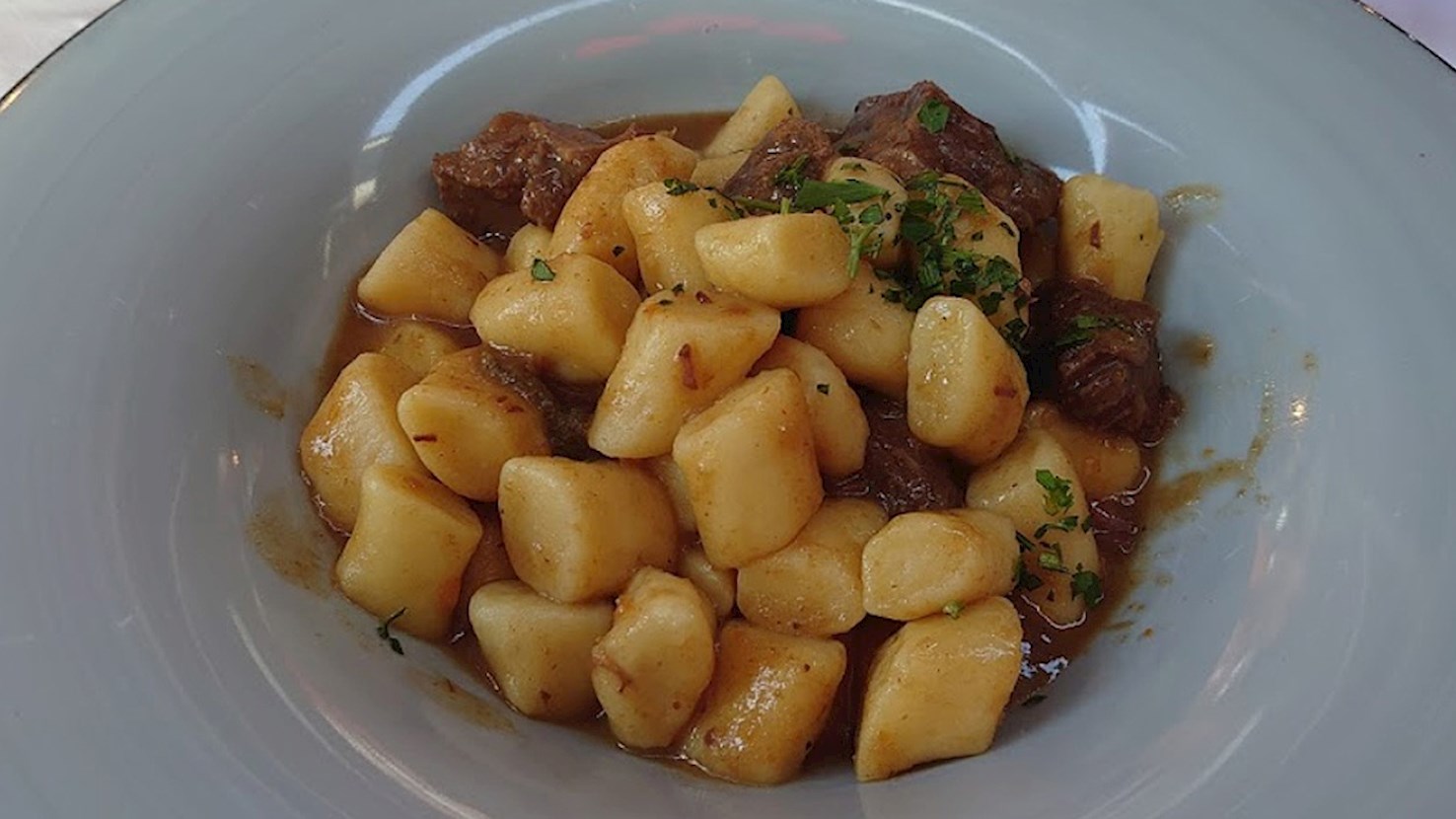
Njoki s boškarinom is a traditional dish originating from Istria. The star of the dish is boškarin – Istrian long-horned cattle that has almost disappeared in the past, but nowadays it’s saved due to the intervention from the Fedration of Istrian Cattle Breeders. The dish is usually made with a combination of gnocchi, boškarin meat, onions, garlic, tomatoes, red wine (preferably Teran), flour, olive oil, bay leaves, marjoram, salt, and black pepper. First, the meat is cut into smaller pieces, rubbed with oil, seasoned with salt and pepper, and browned in a pan. It’s then dusted with flour and cooked with sautéed onions and garlic, tomatoes, bay leaves, marjoram, and red wine. Once the sauce thickens, the dish is served with cooked gnocchi.

06

Fuži s boškarinom

n/a ·

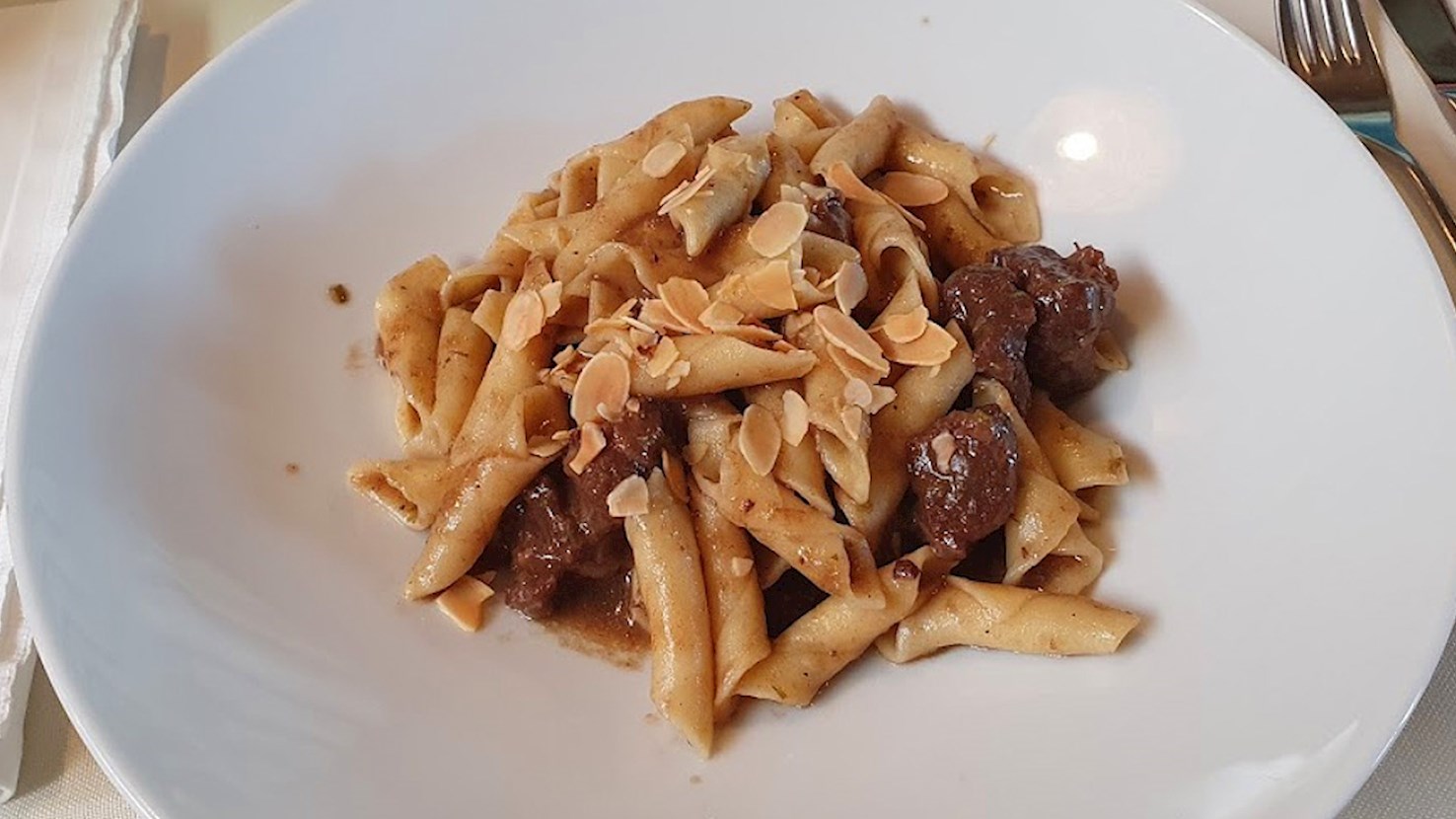
Fuži s boškarinom or pljukanci s boškarinom is a traditional Istrian pasta dish. The star of the dish is boškarin – Istrian long-horned cattle that has almost disappeared in the past, but nowadays it’s saved due to the intervention from the Fedration of Istrian Cattle Breeders. The dish is made with local pasta such as fuži or pljukanci, along with boškarin meat, onions, garlic, tomatoes, red wine (preferably Teran), flour, olive oil, bay leaves, marjoram, salt, and black pepper. First, the meat is cut into smaller pieces, rubbed with oil, seasoned with salt and pepper, and browned in a pan. It’s then dusted with flour and cooked with sautéed onions and garlic, tomatoes, bay leaves, marjoram, and red wine. Once the sauce thickens, the dish is served with cooked pasta.

07

Kunelić na padelu

n/a ·

Kunelić na padelu is a traditional dish originating from Istria. Although there are variations, the dish is usually made with a combination of rabbit meat, bacon, onions, garlic, carrots, tomatoes, parsley, oil, white wine, flour, and aromatic herbs such as marjoram, bay leaves, and rosemary. The rabbit meat is cut into pieces, seasoned with salt, and browned in hot oil before it's taken out of the pot. The bacon is finely chopped and fried in the same oil along with onions, garlic, carrots, and parsley. Once the vegetables become tender, the flour, tomatoes, pepper, rosemary, and bay leaves are added to the pot (called padela in local dialect). The meat is placed back into the pot, the mixture is covered with stock or water and white wine, and the dish is simmered until the meat is fully cooked and tender. Kunelić na padelu is often served with potato gnocchi or roasted potatoes on the side.

08

Žgvacet od teletine

n/a ·

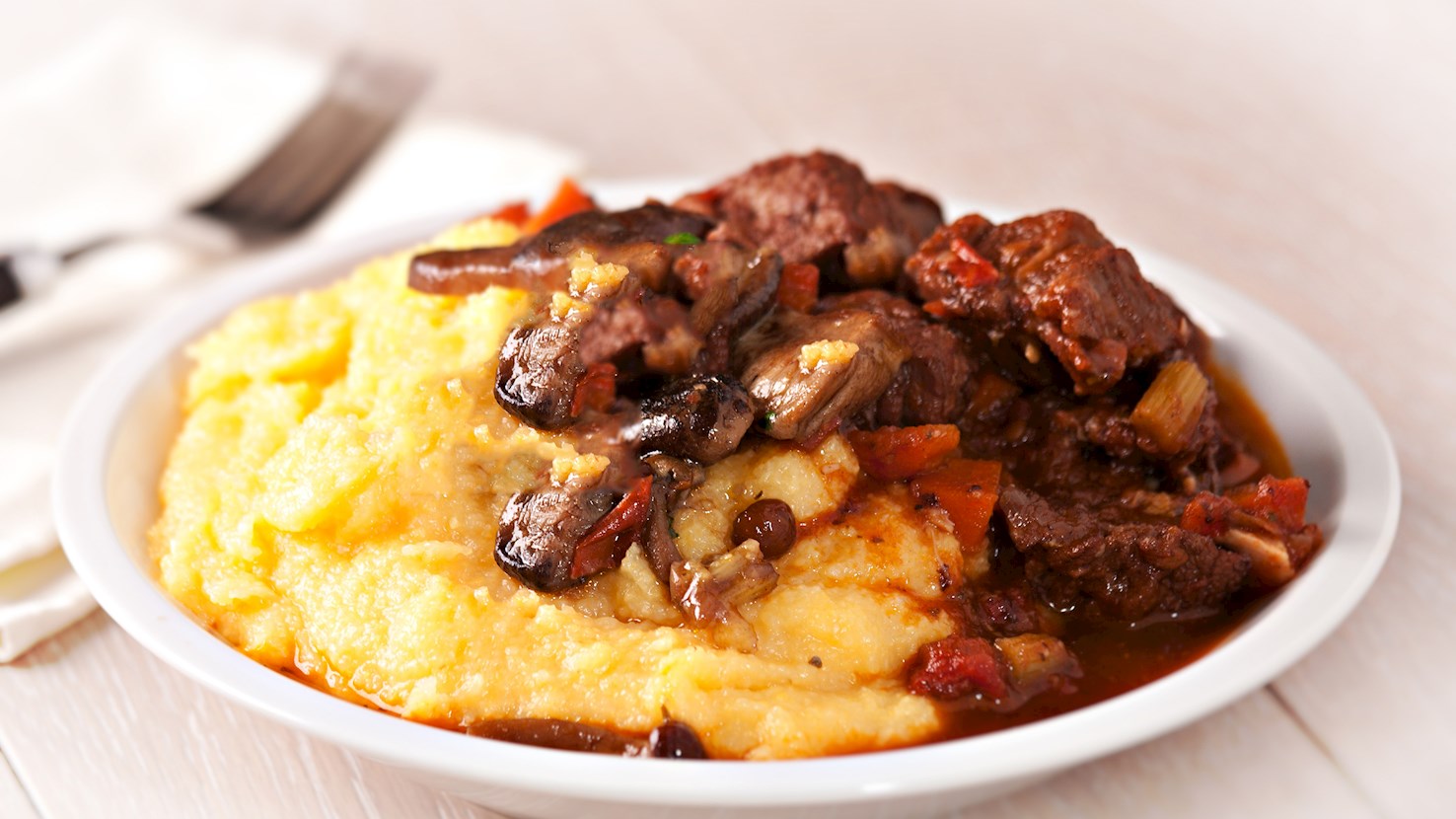
Žgvacet od teletine is a traditional dish originating from the region of Istria. The dish is usually made with a combination of veal, onions, garlic, tomatoes, white wine, basil, parsley, marjoram, flour, oil, salt, and pepper. The veal cubes are sautéed in oil, followed by the addition of onions, garlic, and parsley to the pan. The mixture is seasoned with marjoram, basil, salt, and pepper, and it's then simmered in water or stock. Once the meat is tender, the dish is sprinkled with flour, stirred, covered with white wine, and simmered until the sauce becomes thick. Žgvacet od teletine is traditionally served with polenta or local fuži pasta on the side.

09

Zec na istarski

n/a ·

Zec na istarski is a traditional dish originating from Istria. The dish is made with a combination of rabbit, pancetta, onions, garlic, parsley, carrots, tomatoes, flour, oil, white wine, bay leaves, rosemary, and marjoram. The rabbit should be marinated overnight. It is then cut into cubes, fried in oil, seasoned with salt and pepper, and taken out of the pan once browned. The pancetta, onions, garlic, and parsley are sautéed in the same pan, dusted with flour, and mixed with chopped tomatoes, bay leaves, and rosemary. Once the mixture is bubbling, the meat is added back to the pan and simmered until everything is tender. Near the end of cooking, white wine is added to the dish and it's simmered for a few more minutes. It's recommended to serve this dish with gnocchi and a green salad on the side.

10

Nonina kanavaca

n/a ·

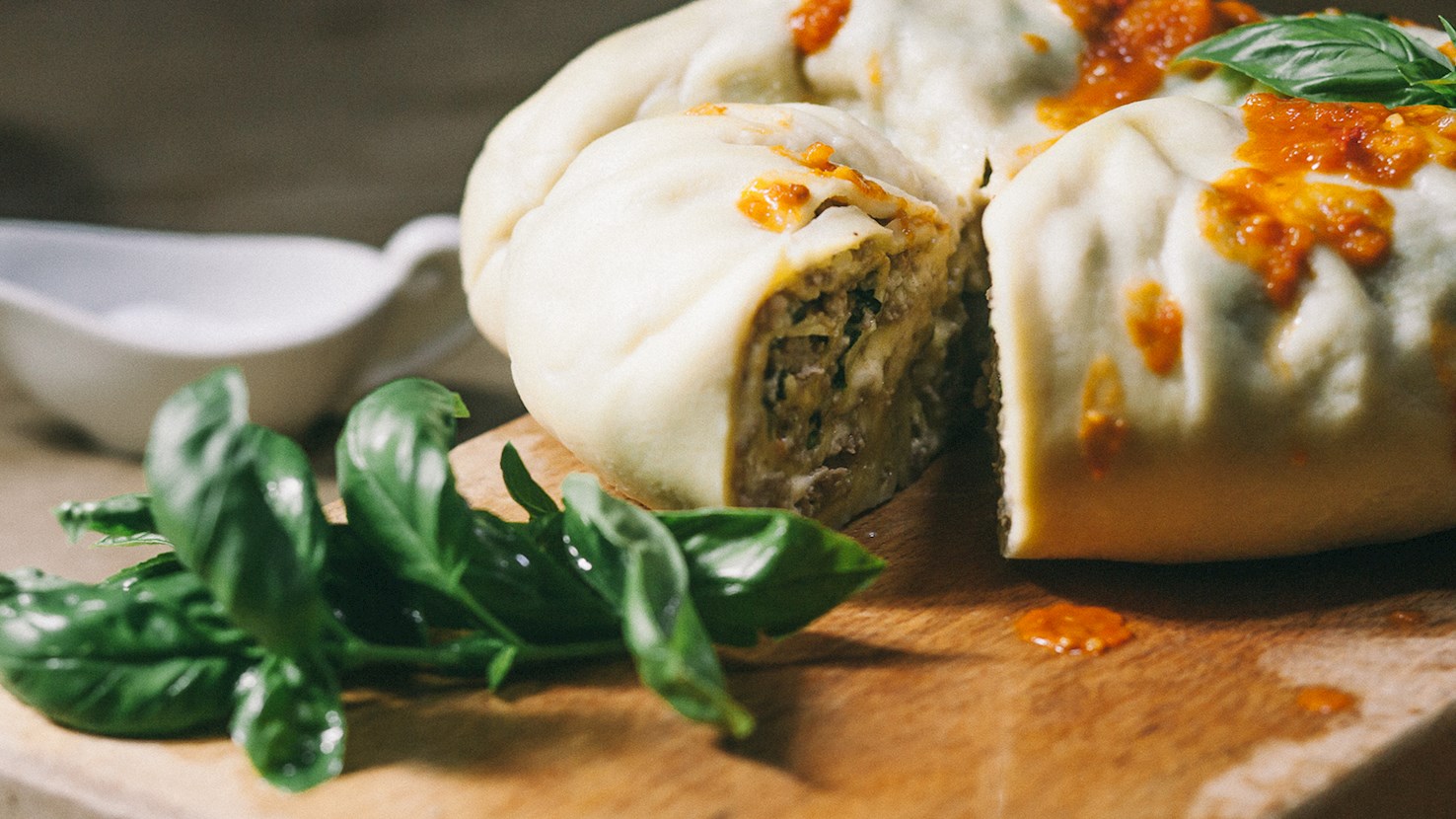
Nonina kanavaca is a unique Istrian dish that is prepared as a savory strudel filled with spinach, prosciutto, garlic, ground beef, eggs, and cheese. The word kanavaca is derived from the Italian word canavaccio, which means kitchen cloth, referring to an unusual way in which this dish is made. The dough is prepared with flour, eggs, salt, and a bit of water. It is then thinly rolled and filled with a combination of shortly boiled spinach, prosciutto pieces, garlic, sautéed ground beef, eggs, and grated cheese. The strudel is rolled to resemble a snail, and is then placed in the kitchen cloth. The cloth is tied into a knot, and a wooden kitchen spoon is traditionally inserted through the knot so that the whole thing can be placed over a pot filled with boiling water. After the dish has been properly cooked, it is taken out of the kitchen cloth, sliced, and topped with a flavorful tomato sauce consisting of onions, garlic, water, tomatoes, and fresh herbs. It is recommended to garnish the dish with grated parmesan and pair it with a glass of red wine.

Read more
View all
View map
About this ranking

TasteAtlas food rankings are based on the ratings of the TasteAtlas audience, with a series of mechanisms that recognize real users and that ignore bot, nationalist or local patriotic ratings, and give additional value to the ratings of users that the system recognizes as knowledgeable. For the “Top 10 Istrian Meat Dishes” list until June 15, 2026, 66 ratings were recorded, of which 43 were recognized by the system as legitimate. TasteAtlas Rankings should not be seen as the final global conclusion about food. Their purpose is to promote excellent local foods, instill pride in traditional dishes, and arouse curiosity about dishes you haven’t tried.

Similar lists