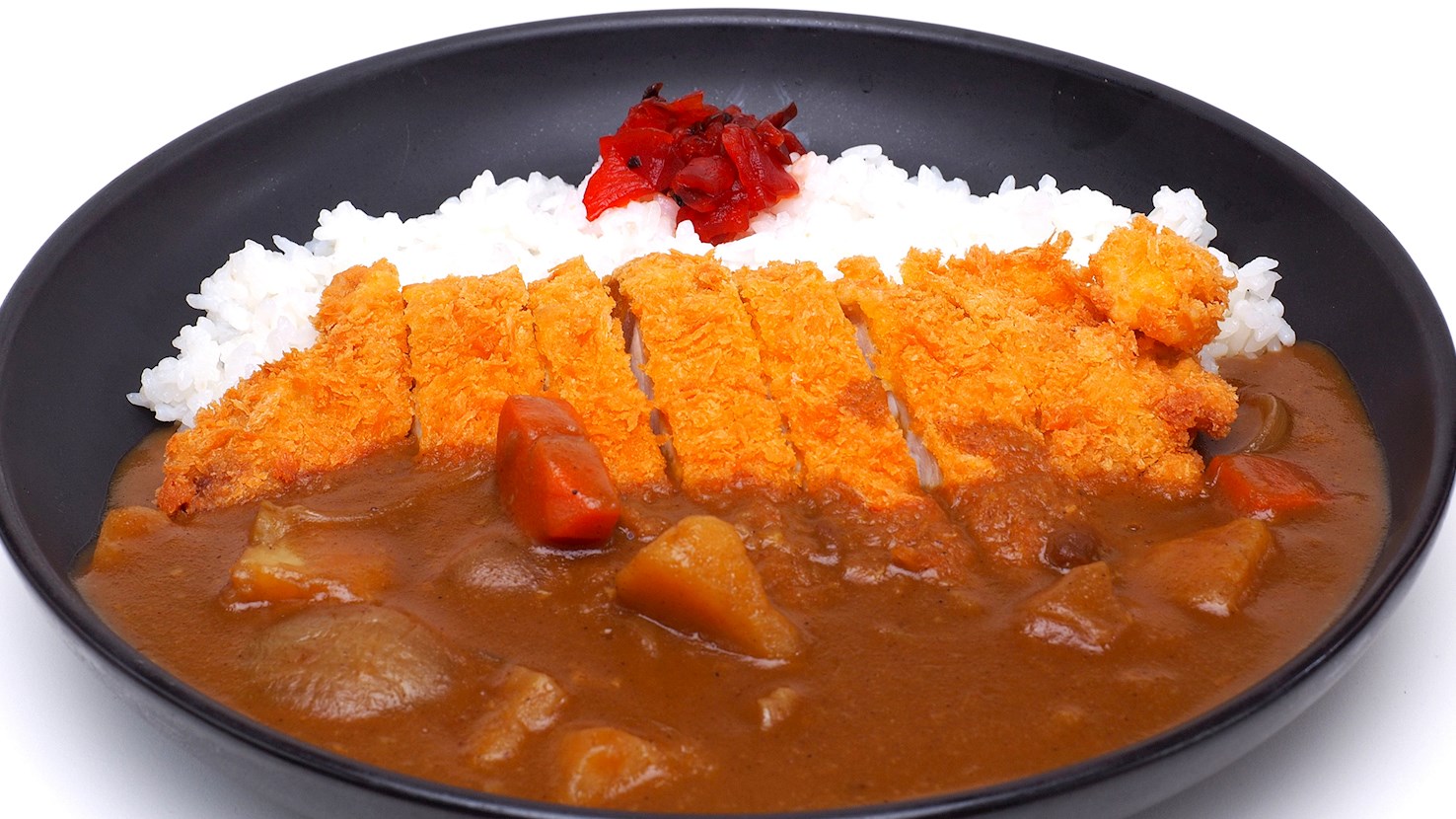
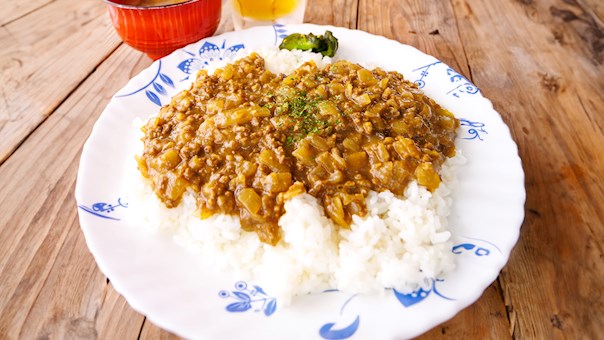
Katsu karē is a Japanese curry variation made with a combination of tonkatsu (breaded and fried pork or chicken cutlet) and curry sauce. The dish is sometimes served with just the curry sauce, and sometimes with the full curry – including meat and vegetables. On the other hand, it is almost always served with rice or over rice. In the region of Kansai, beef cutlet is typically used instead of chicken or pork.
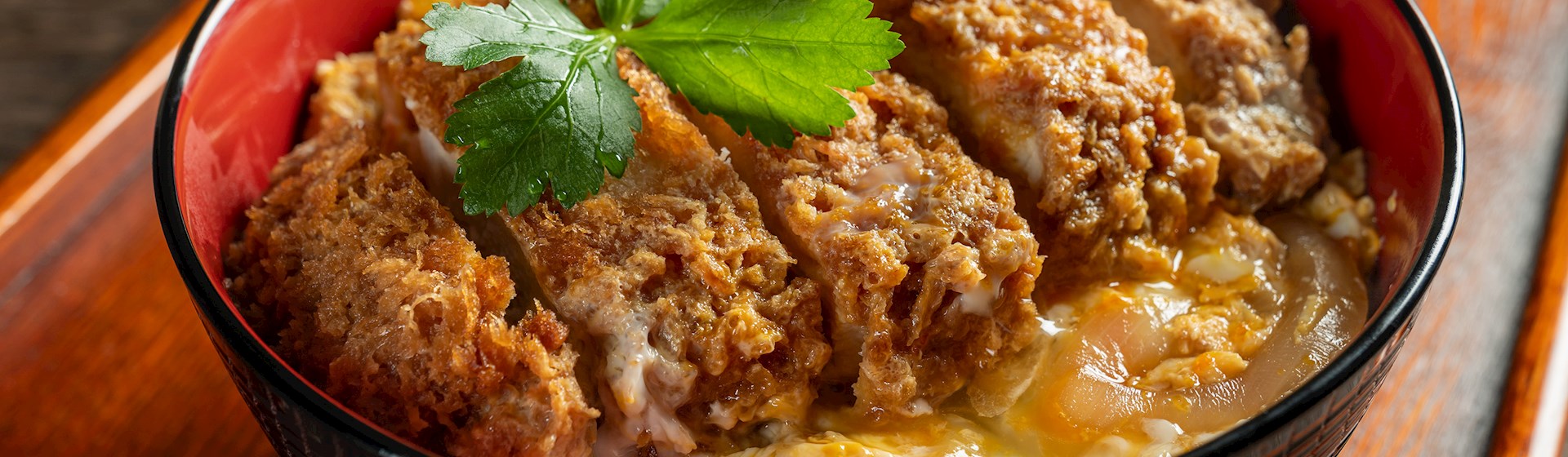
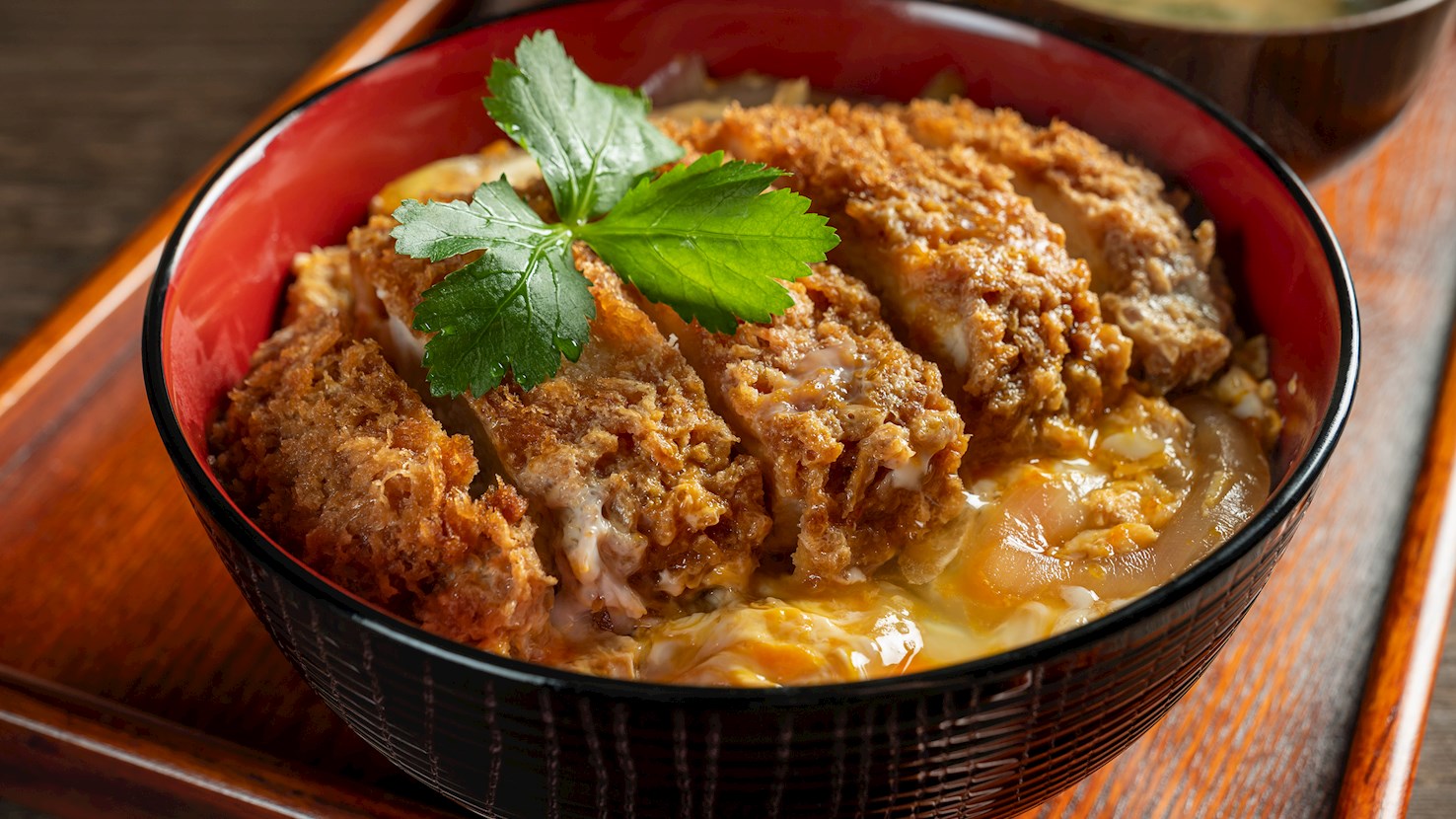
Katsudon is a type of donburi, meaning it's a rice dish served in a bowl topped with simmered ingredients. In this case, the topping is another Japanese favorite — tonkatsu — a deep-fried and crumbed pork cutlet, but here it is simmered together with vegetables in a seasoned sauce bound with eggs. The earliest reference to the dish dates back to 1921 and since then numerous varieties have been developed by adding or replacing the ingredients from the original recipe. The best-known versions include katsudon made with Worcestershire sauce, miso, and soy sauce, but there are also ones that replace pork with beef or chicken.
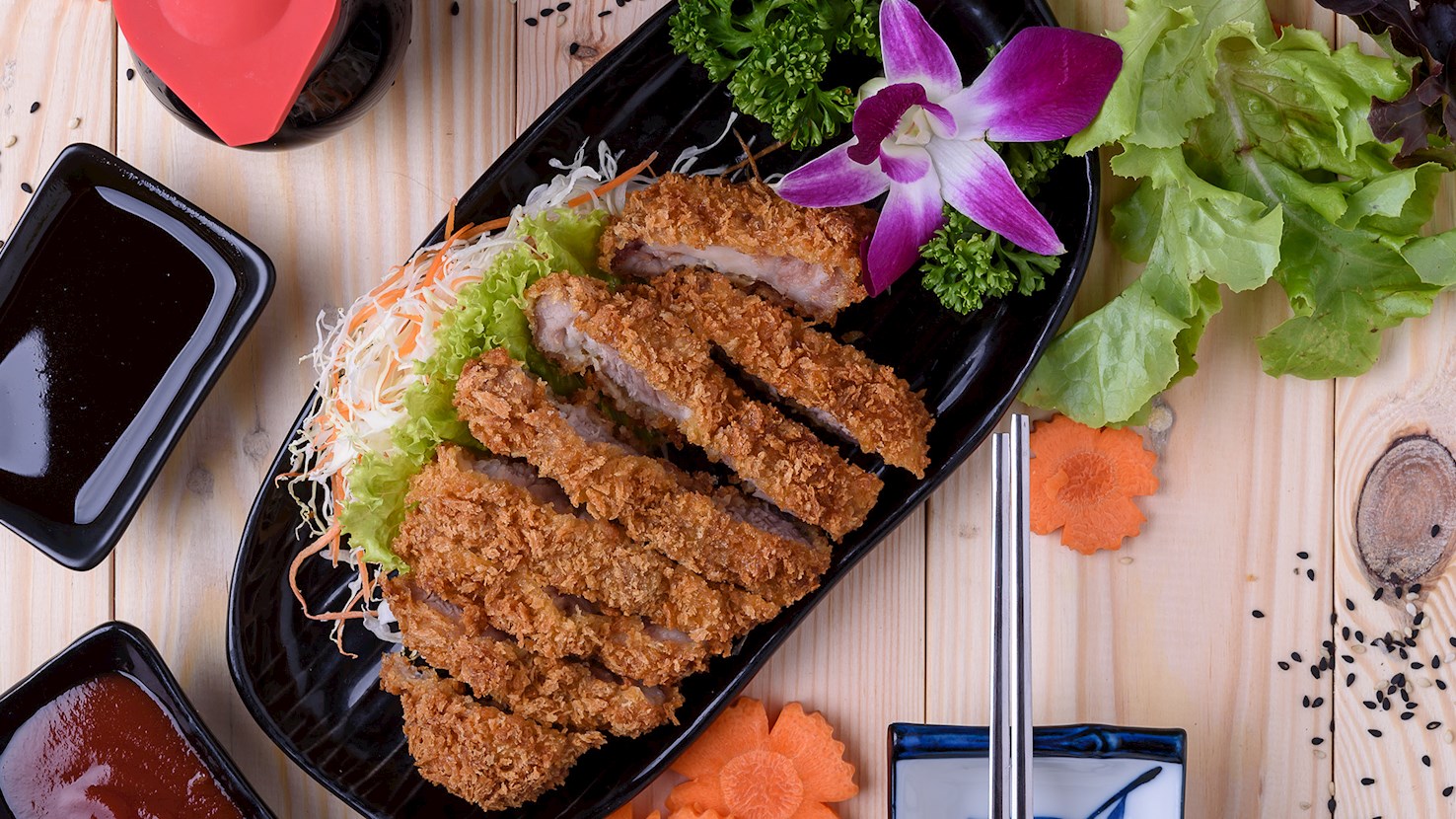
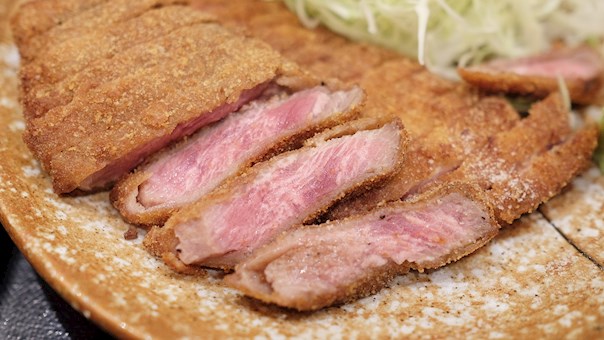
The breaded, deep-fried pork cutlet tonkatsu is a Japanese dish with a very recent history. It first appeared at the end of the 19th century as a type of yoshoku — the Western-influenced Japanese dishes — but with time, tonkatsu has become increasingly Japanized, widely available to the masses and thus more popular. Tonkatsu is a dish in itself or, if married with other ingredients, it can turn into many of its almost endless variations; made like a sandwich, paired with ramen or rice, poured over with a thick miso sauce as done in Nagoya, or served with curry to make katsu karē. As a result of such popularity, many other fried dishes were developed using ham, beef, minced patties, and chicken as substitutes. For serving, tonkatsu is sliced, then placed on a plate together with shredded cabbage. Rice and miso come in separate bowls, while pickled vegetables and a citrus-based sauce are placed on the side. An essential element is the seasoning, traditionally either a type of thick Worcestershire sauce called sōsu or mustard.
Gyūdon is one of the most popular and inexpensive fast food dishes in Japan. Its name can be literally translated to beef bowl. The dish consists of beef and onions served over a bowl of rice. Beef and onions are cooked in a combination of mirin, sugar, sake, and soy sauce, imparting a salty-sweet flavor to the dish. In the restaurants, known as gyūdon-ya, there is often pickled red ginger and red chili at the table, so anyone can season their dish according to personal preferences. The restaurants are often frequented by numerous hungry students who eat on a budget, and some of those restaurants are open 24 hours a day. A beaten raw egg is sometimes stirred into the dish, while chopped green onions are a common garnish. Miso soup, salads, or kimchi are regular side dishes accompanying gyūdon. It is said that the first version of gyūdon stems from an old dish called gyūnabe, where thinly sliced beef is cooked with vegetables in a pot. The first popular version of gyūdon appeared in 1862 in the Kantō region, and it has remained an inexpensive, yet nourishing and flavorful dish until today.
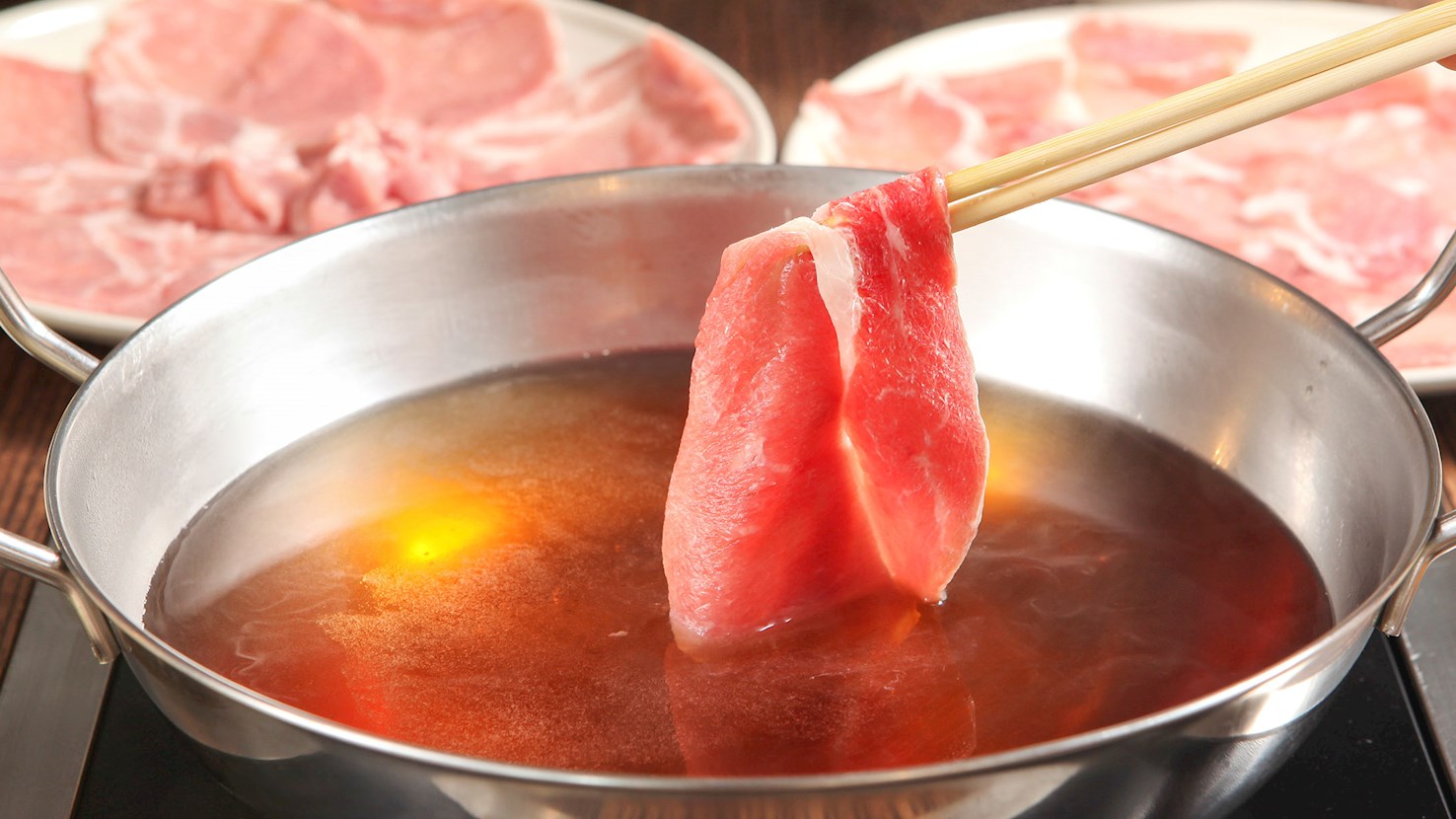
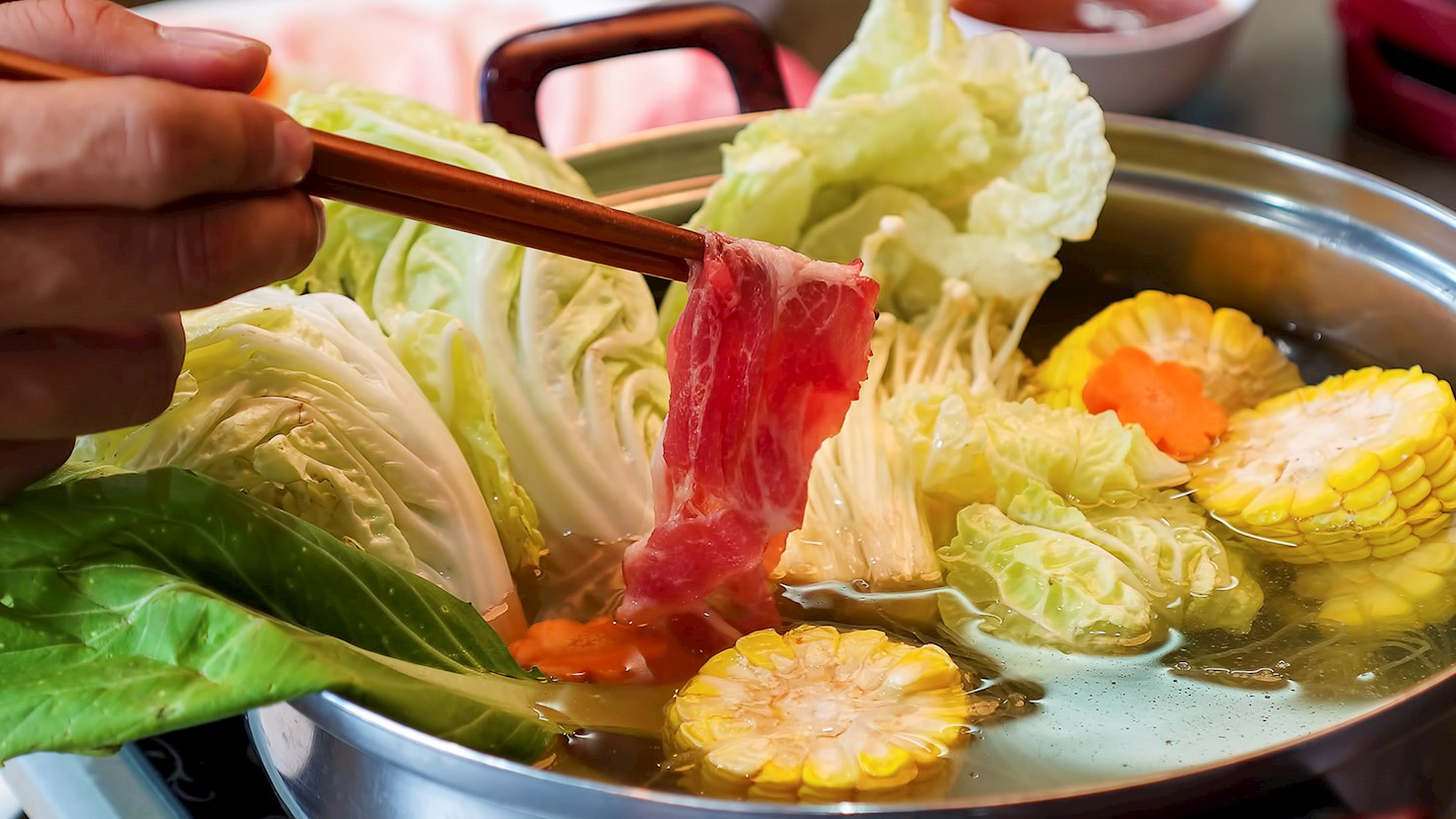
Shabu-shabu is a popular Japanese dish consisting of thinly sliced meat and vegetables cooked in water. The dish is an evolved version of the traditional Mongolian nabemono (one-pot) cooking. Roughly translated to swish-swish, its name is referring to the sound that is made when the sliced pieces of meat go through the water. Although beef is the most popular choice of meat, shabu-shabu can also be prepared with lamb, chicken, pork, duck, crab, or lobster. Steamed rice and a variety of sauces are often served on the side, accompanying the main dish. The dish is typically shared and eaten communally, each consumer dipping a slice of meat in the central pot that is filled with boiling water. Although shabu-shabu originates from China, it was popularized during the 20th century in Osaka, Japan.
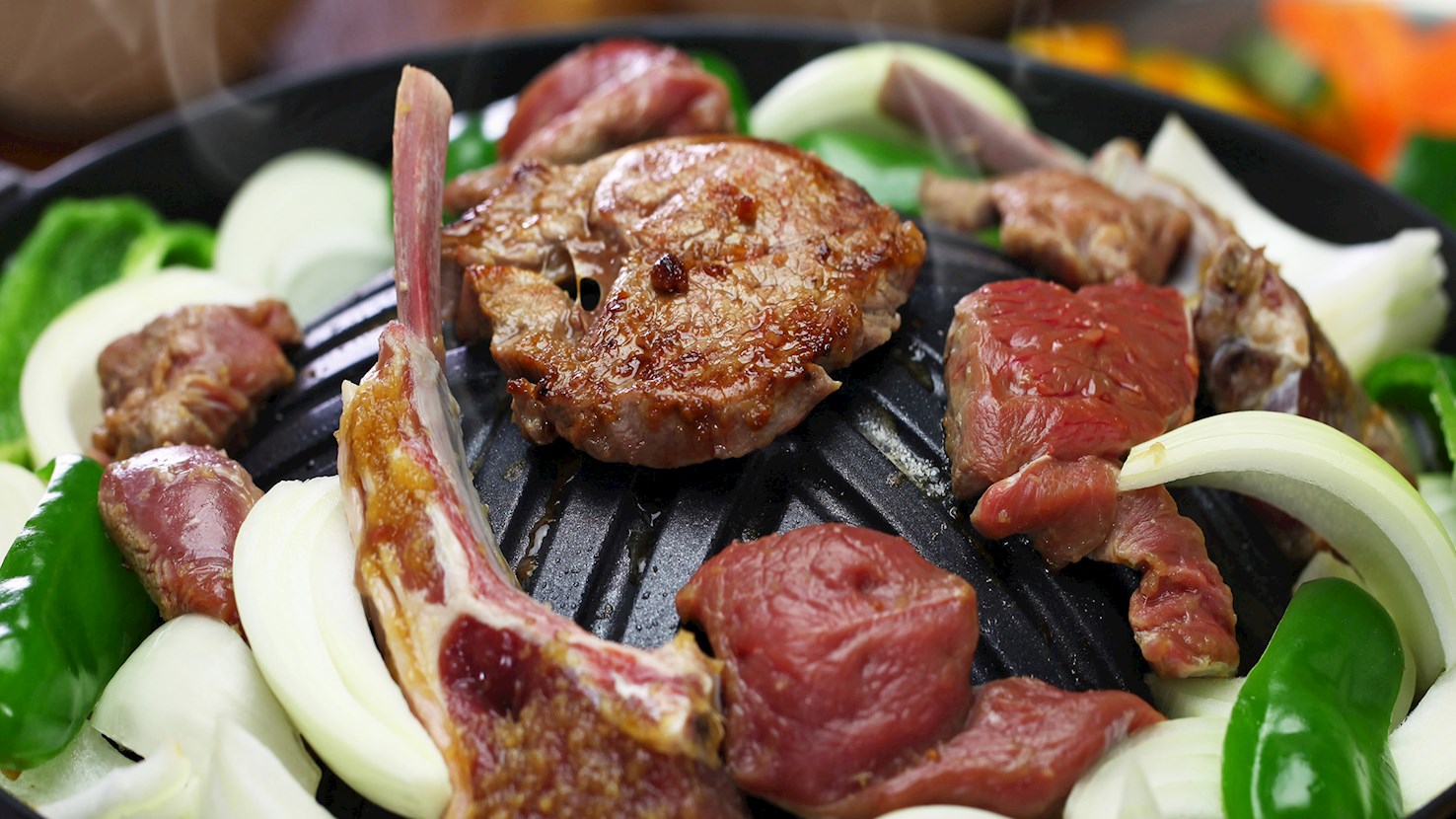
Jingisukan is a Hokkaido-specialty consisting of grilled mutton or lamb. The dish is always prepared tableside on the convex-shaped grills. The guests are served with sliced meat, which can be plain or marinated, and are then encouraged to grill the meat themselves, along with various vegetables such as onions, cabbage, leeks, or peppers. Typical accompaniments include special soy sauce-based condiments, chili sauce or grated garlic. The origins of consuming mutton in Japan date back to 1918 when the government promoted sheep farms, but the practice only remained on Hokkaido, and though restaurants specialized in preparing Jingisukan can be found elsewhere, the dish has remained a favorite on Hokkaido and in its capital Sapporo. It is believed that Jingisukan was named after Genghis Khan—the founder of the Mongol Empire. Although there are many theories about the origin of the name, the most popular say that it was influenced by the convex shape of the grill, which resembles a warrior’s hat, and the fact that the Mongolians were well-known for favoring sheep in their diet. Outside of Japan, the dish can also be found in Taiwan, China, and Thailand.
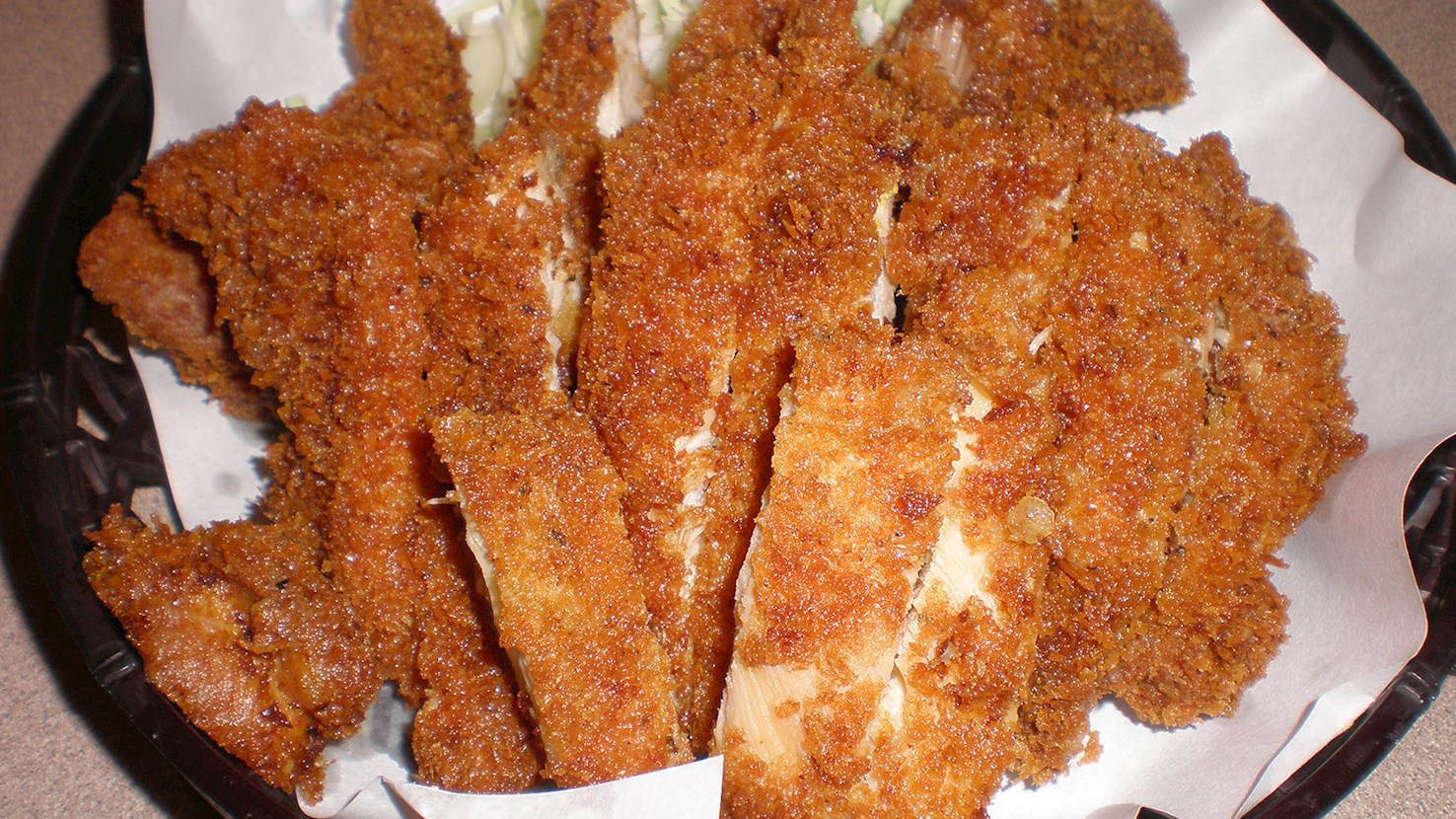
Chicken katsu is a traditional dish and a type of katsu. It's made by dredging tender chicken breast in flour, eggs, and panko breadcrumbs, then frying the cutlets in hot oil until they become golden and crunchy. Although chicken breast is the most popular choice, other parts of the bird can be used as well. The cutlet is traditionally served cut into smaller pieces since it's eaten with chopsticks. The dish is served with steamed white rice and katsu sauce, a tangy, sweet, and thick Worcestershire-like concoction made from apple purée.
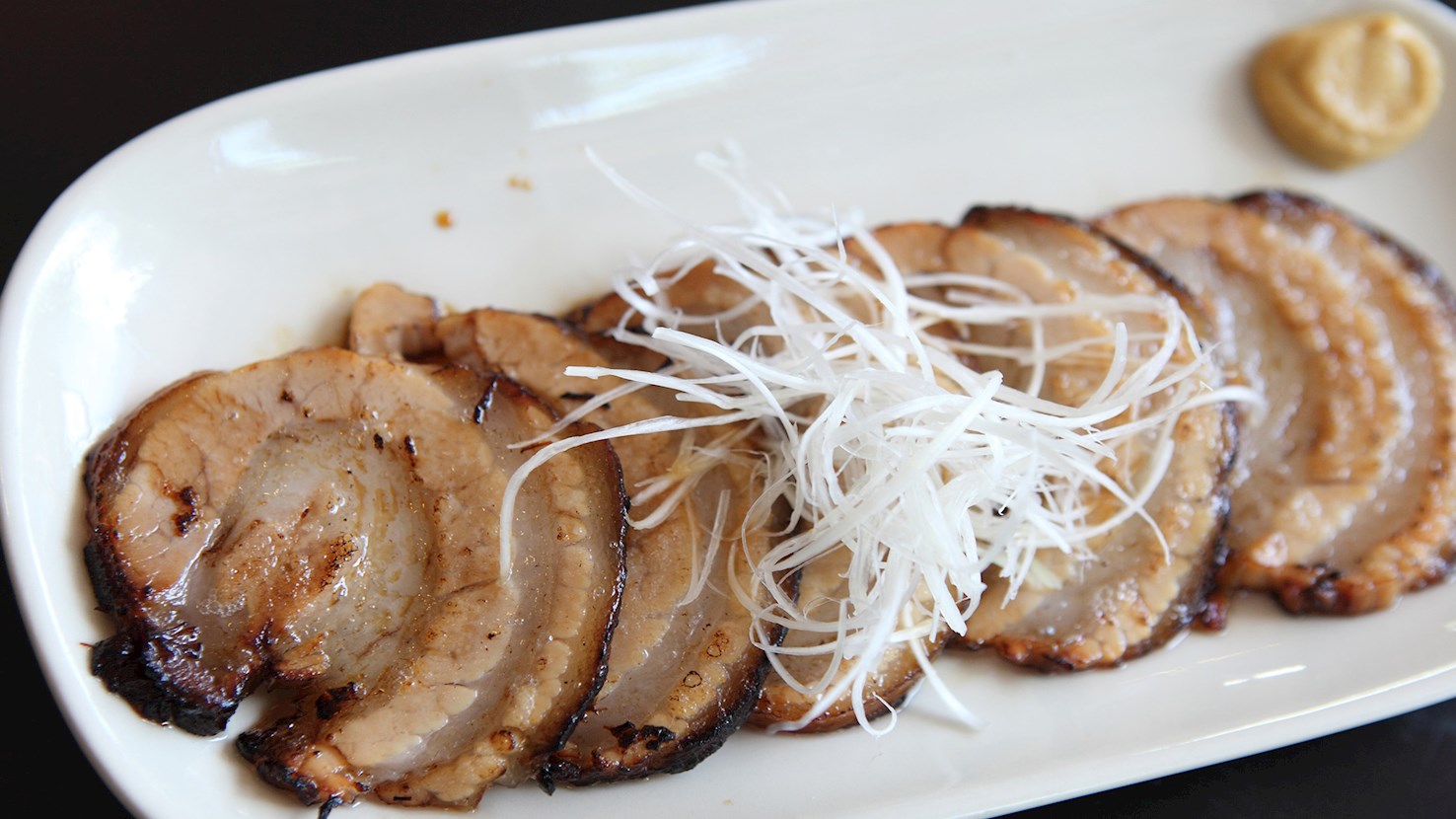
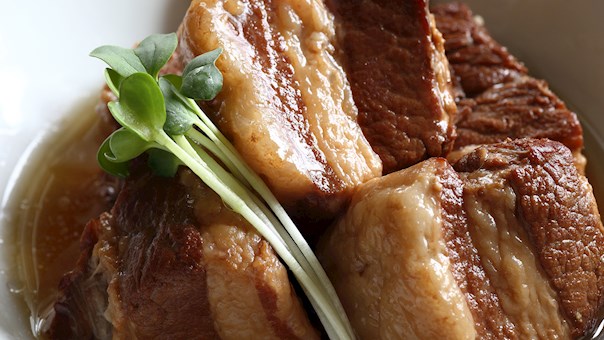
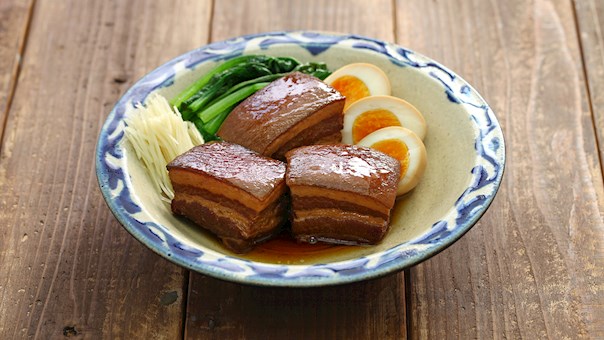
Chashu is slowly braised pork belly, a staple Japanese dish infused with traditional flavors of soy sauce and sake. The dish can be made with flat pork belly, but the pieces can also be rolled to create more sophisticated versions which cook more evenly. Prepared pork belly is covered in a fragrant mixture of soy sauce, mirin, sake, and sugar. The liquid is additionally seasoned with sliced ginger and scallions, and the meat is braised on low heat for hours, until it soaks up all the layered flavors and turns the thick pork belly into an incredibly soft, tender, and juicy piece of meat. If the skin is left on the meat, it will caramelize during braising, becoming slightly gelatinous and affecting the final texture of the dish. The name and origin of this Japanese classic probably stems from char siu, the popular Chinese roasted pork dish. It was adapted with traditional Japanese ingredients to create a simple treat that is eaten throughout Japan. Sliced chashu is the essential component of legendary ramen dishes, but it can also be used as a stuffing inside bread and sandwiches or as a topping for other noodle and rice dishes.
Sukiyaki is a sweet-and-salty hot pot dish, usually prepared tableside on a portable gas stove in a traditional shallow iron pan. This popular Japanese dish is usually made with beef, preferably the well-marbled tender cuts. However, some varieties employ pork or even tofu, creating the vegetarian version of the dish. Other ingredients in sukiyaki include sliced Chinese cabbage, mushrooms, leeks, gelatinous konnyaku noodles, and shungiku leaves. All the ingredients are then quickly cooked in a mixture of mirin, soy sauce, and sugar. Sukiyaki is a communal style dish, served in one pot, then shared among a larger group of people. There are two traditional ways hot to prepare sukiyaki, Kansai and Kanto style. Essentially, they differ in the order in which the ingredients are added to the broth. In the Kansai variety, all ingredients are added at the same time, while in the Kanto variety, the meat is cooked before any other ingredients are added. The tradition also suggests that before consumption, every morsel should be dipped into beaten eggs. It is believed that the dish was developed during the Meiji era, which started at the end of 19th century. At that time, Japan opened its borders and foreigners introduced new cooking styles and the tradition of eating meat. Since then, it has become one of the favorite communal style dishes in Japan, commonly shared among larger groups of people.
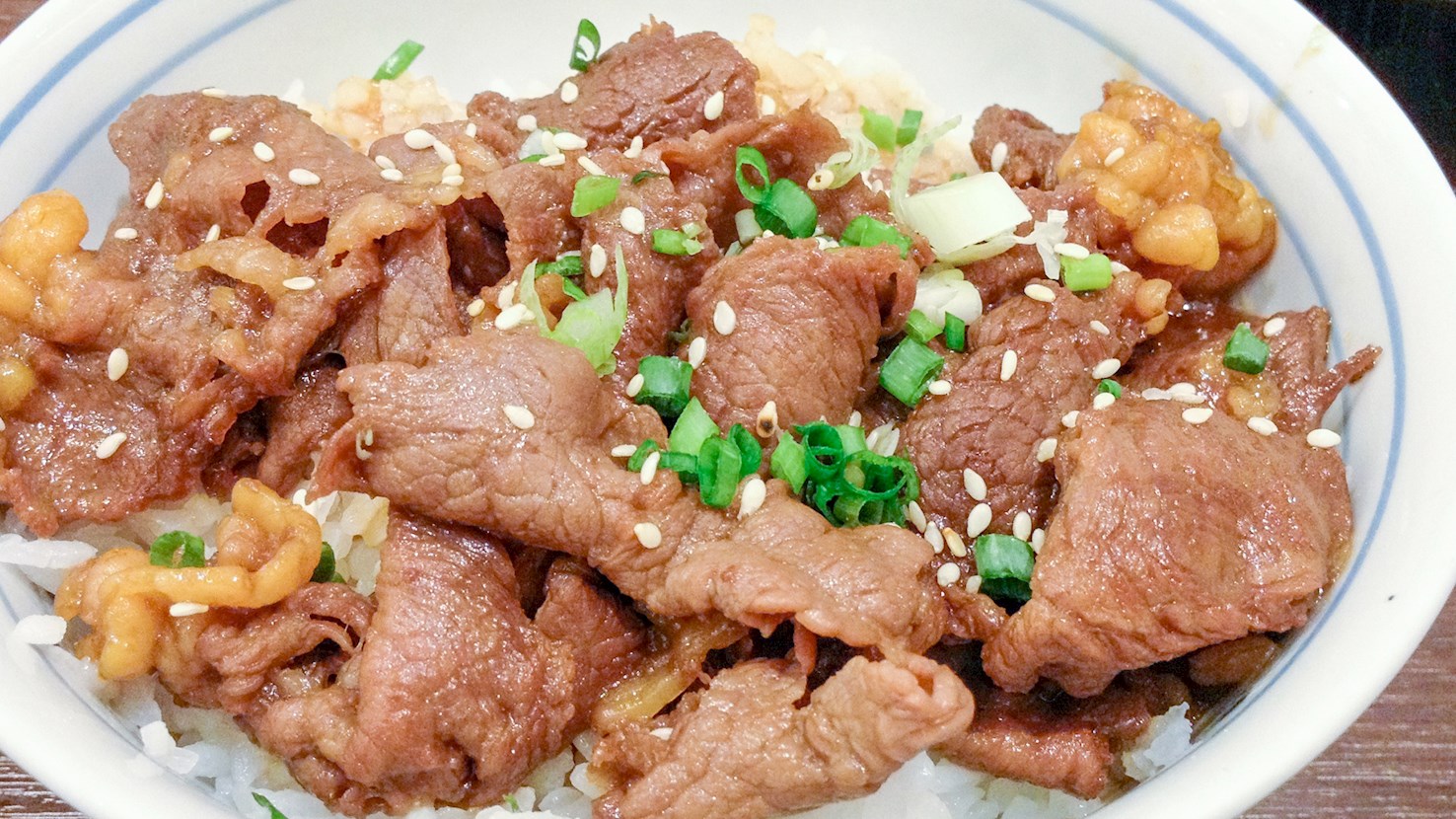
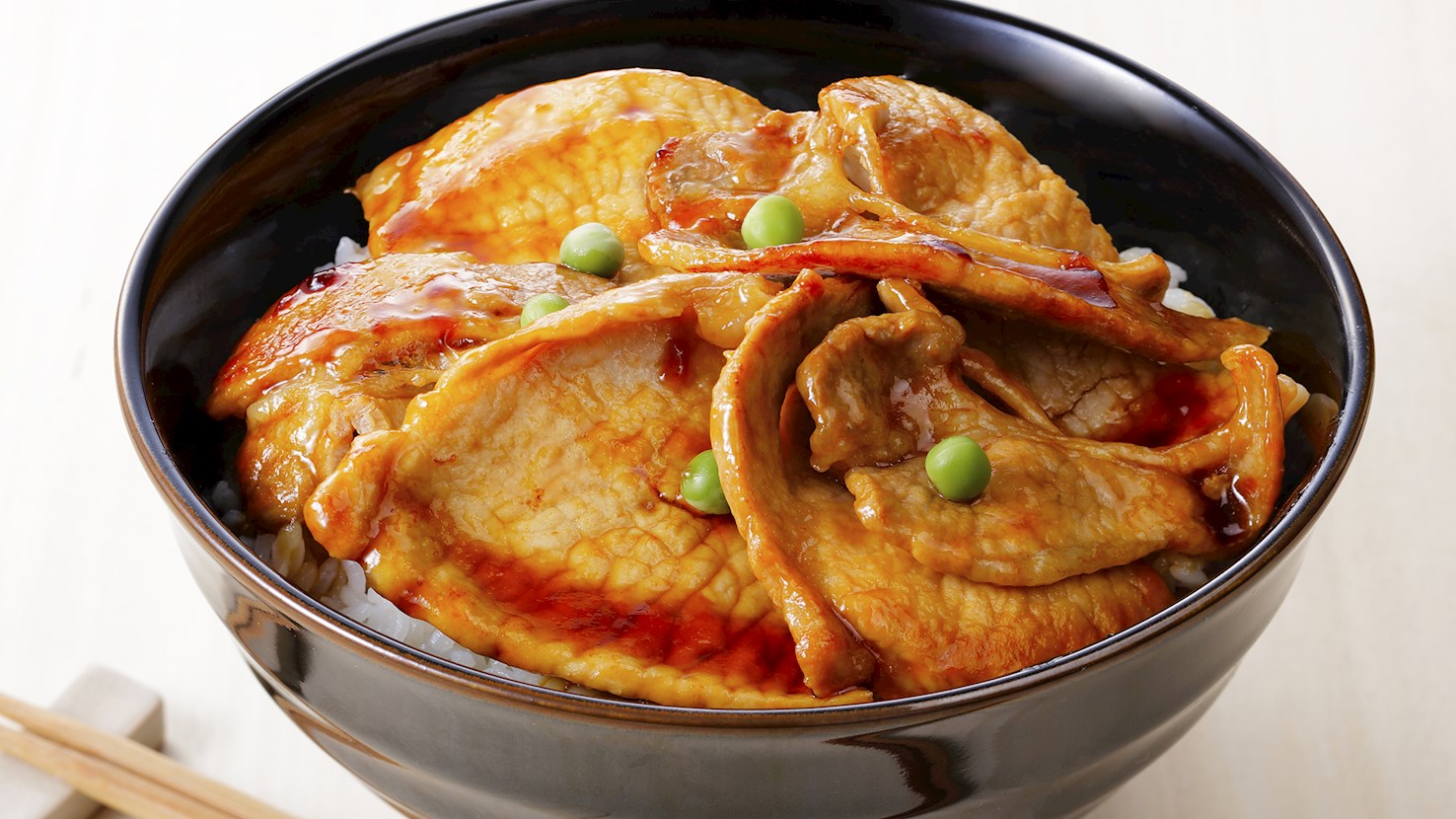
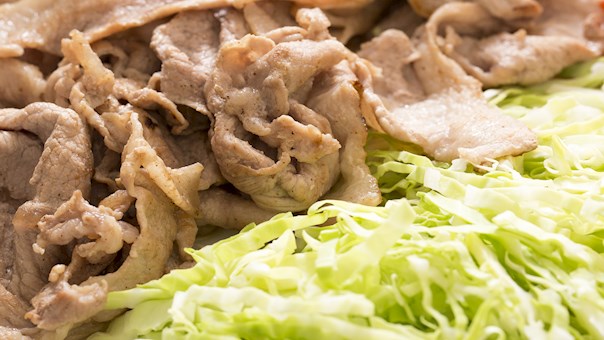
Butadon is a rice bowl from Obihiro in Hokkaido's Tokachi region, made with thick slices of grilled pork coated in a sweet, savory soy-based sauce and served over steamed white rice. The name simply means “pork bowl.” The dish dates to 1933 and is credited to Shuji Abe, the founder of the Obihiro restaurant Pancho. By the early 20th century, pig farming had become established in Tokachi, making pork an increasingly familiar local ingredient. Abe wanted to create a substantial meal for the farmers and laborers working in the region. Initially, he took inspiration from unadon, the Japanese dish of grilled eel served over rice. Eel was expensive and difficult to obtain in Hokkaido, so Abe adapted the same basic idea to locally available pork. He grilled the meat and seasoned it with a sweet soy-based sauce resembling the tare used for grilled eel. The combination of pork, sauce, and rice became closely associated with Obihiro and later spread throughout the Tokachi region. Traditional Obihiro butadon is deliberately simple. Pork loin is particularly characteristic, though pork belly is also common. The meat is cut into relatively thick slices so it stays juicy during cooking and develops a browned exterior without drying out. The pork is traditionally grilled over charcoal, which gives the meat a lightly smoky aroma and browned edges. As they cook, the slices are brushed or dipped in a sweet-salty sauce based primarily on soy sauce and sugar. The sauce caramelizes over the heat, forming a glossy coating on the surface of the pork. Individual recipes may include mirin or other seasonings, but established restaurants often keep their exact sauce formulas closely guarded. A bowl is filled with freshly steamed Japanese short-grain rice, and the grilled pork is arranged generously across the top. A little extra sauce usually seasons the rice underneath, but the dish should not be swimming in liquid. The contrast between plain rice, smoky pork, and concentrated sweet-and-savory sauce is the dish's main point. The original style doesn't rely on onions, eggs, or large amounts of garnish. A small amount of green onion, peas, or another simple garnish may occasionally appear, but traditional Obihiro butadon remains centered almost entirely on pork and rice. Butadon is eaten throughout the year and is served both in restaurants and at home across Tokachi. Miso soup and Japanese pickles can accompany the bowl as part of a meal, but they aren't essential.
TasteAtlas food rankings are based on the ratings of the TasteAtlas audience, with a series of mechanisms that recognize real users and that ignore bot,
nationalist or local patriotic ratings, and give additional value to the ratings of users that the system recognizes as knowledgeable.
For the “Top 24 Japanese Meat Dishes” list until September 15, 2026, 2,419 ratings were recorded, of which 2,104 were recognized by the system as legitimate.
TasteAtlas Rankings should not be seen as the final global conclusion about food. Their purpose is to promote excellent local foods,
instill pride in traditional dishes, and arouse curiosity about dishes you haven’t tried.



What People Say