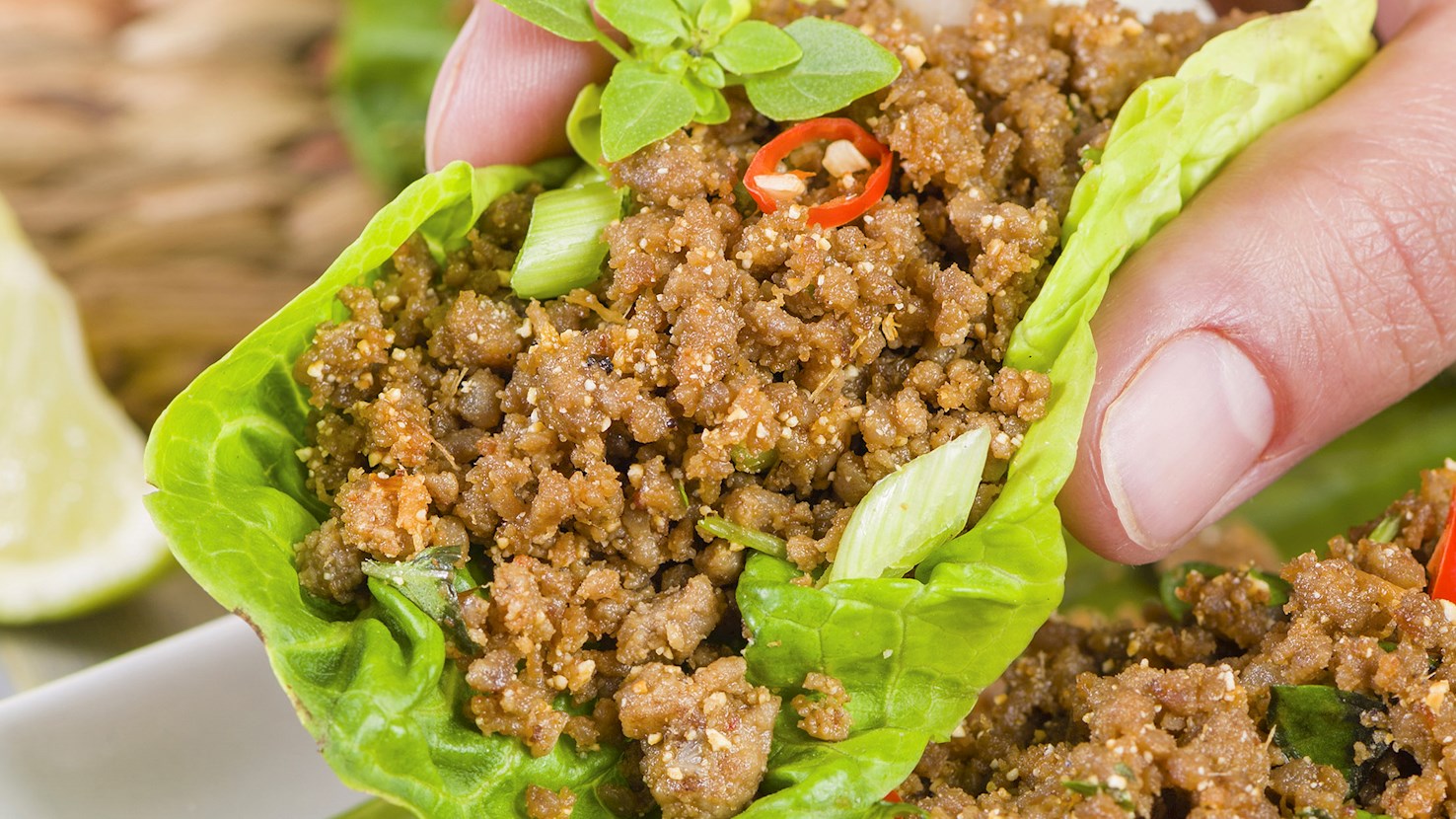
Larb, also spelled laap or larp, is a seasoned minced meat salad originating from Laos, where it functions as a national dish, and widely consumed throughout the Isan region of northeastern Thailand. The dish developed among ethnic Lao agrarian communities along the Mekong River basin as a method to process fresh livestock, wild game, or river fish immediately following slaughter, serving as a focal point for communal labor exchanges and ceremonial feasts. Preparation involves finely hand-chopping lean meat and offal, most commonly pork, beef, chicken, duck, or fish, and quickly blanching or cooking it in a small amount of broth before tossing the warm meat with fermented fish sauce (padaek or nam pla), lime juice, ground dried chili flakes, sliced red shallots, chopped mint, cilantro, and culantro. What distinguishes larb from other Southeast Asian seasoned meat preparations is the essential addition of khao khua, a coarse powder produced by dry-roasting raw glutinous rice grains until golden brown and grinding them, which acts as a textural thickening agent that binds the citrus-herb dressing to the minced protein while imparting a roasted, nutty flavor profile. Northern Thai variants (larb Lanna) differ by substituting lime juice and fish sauce with a complex blend of dried spices, including long pepper, dried ginger, and star anise, often incorporating fresh bile or blood for bitterness. Larb is eaten at room temperature or warm during daily family meals, market stalls, and village gatherings across Laos and northern Thailand. Diners eat the dish by hand, rolling small portions of warm steamed sticky rice (khao niao) into balls to scoop up the minced meat alongside raw vegetable garnishes including cabbage wedges, Thai eggplant, green beans, and cucumber slices, pairing the meal with cold lager beer, crushed sugar cane juice, or iced green tea.
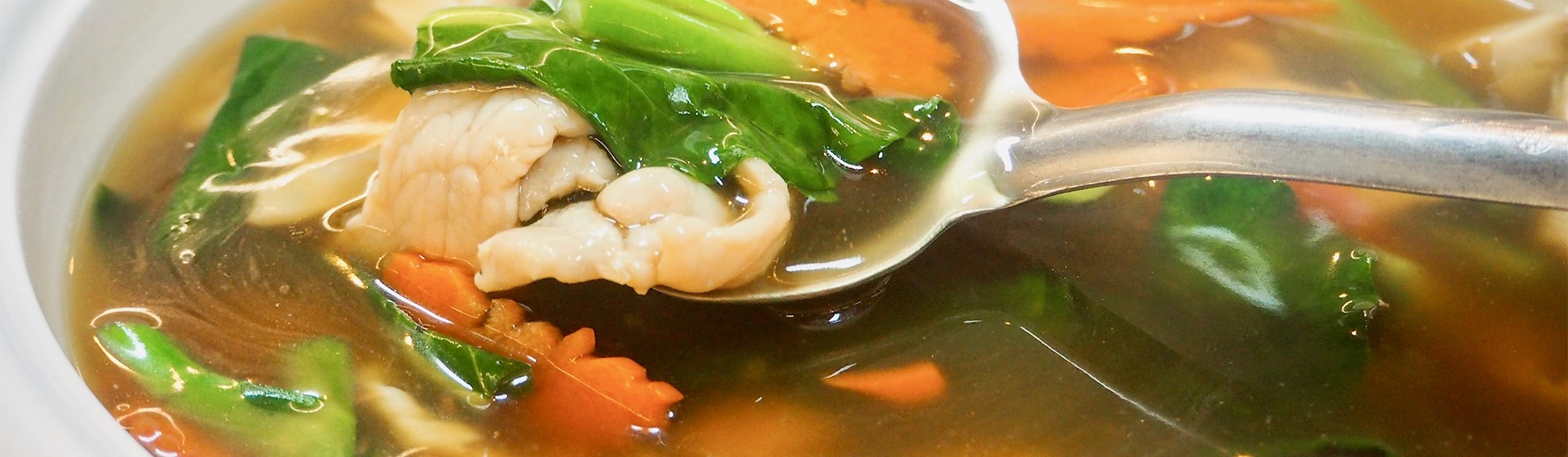
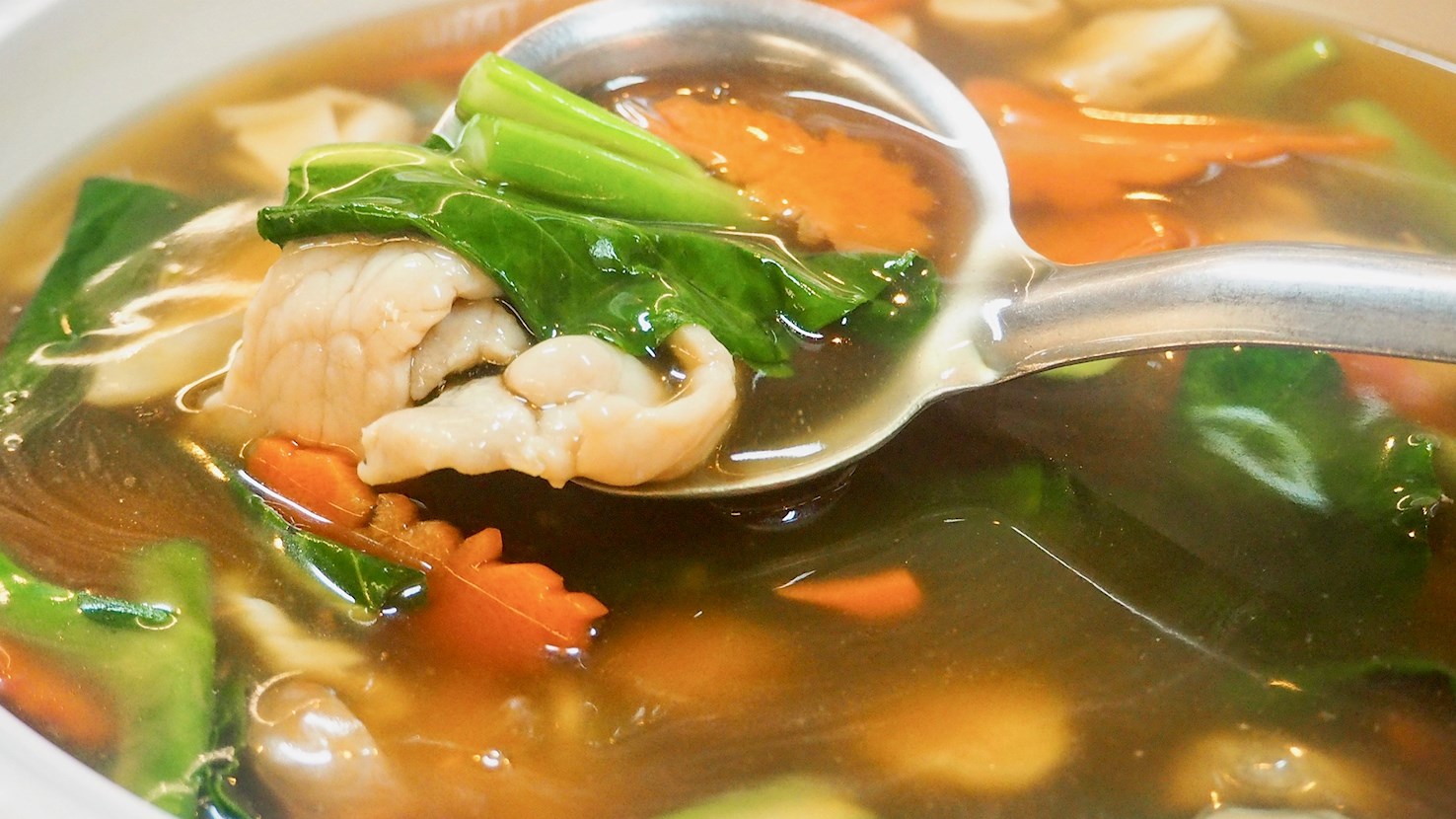
Lard na is a stir-fried rice noodle dish, popular as local street food in Laos and northern Thailand. The dish is prepared with a rich sauce made with beef, pork, chicken or even tofu. The meat and noodles are accompanied by Chinese broccoli, carrots, mushroom, and chopped garlic. After the vegetables have simmered in chicken stock, tapioca starch is added to thicken the gravy, along with yellow bean sauce, fish sauce, and soy sauce. The result is a filling and healthy dish that is enjoyed as comfort food, especially in the Chinese communities in Laos.
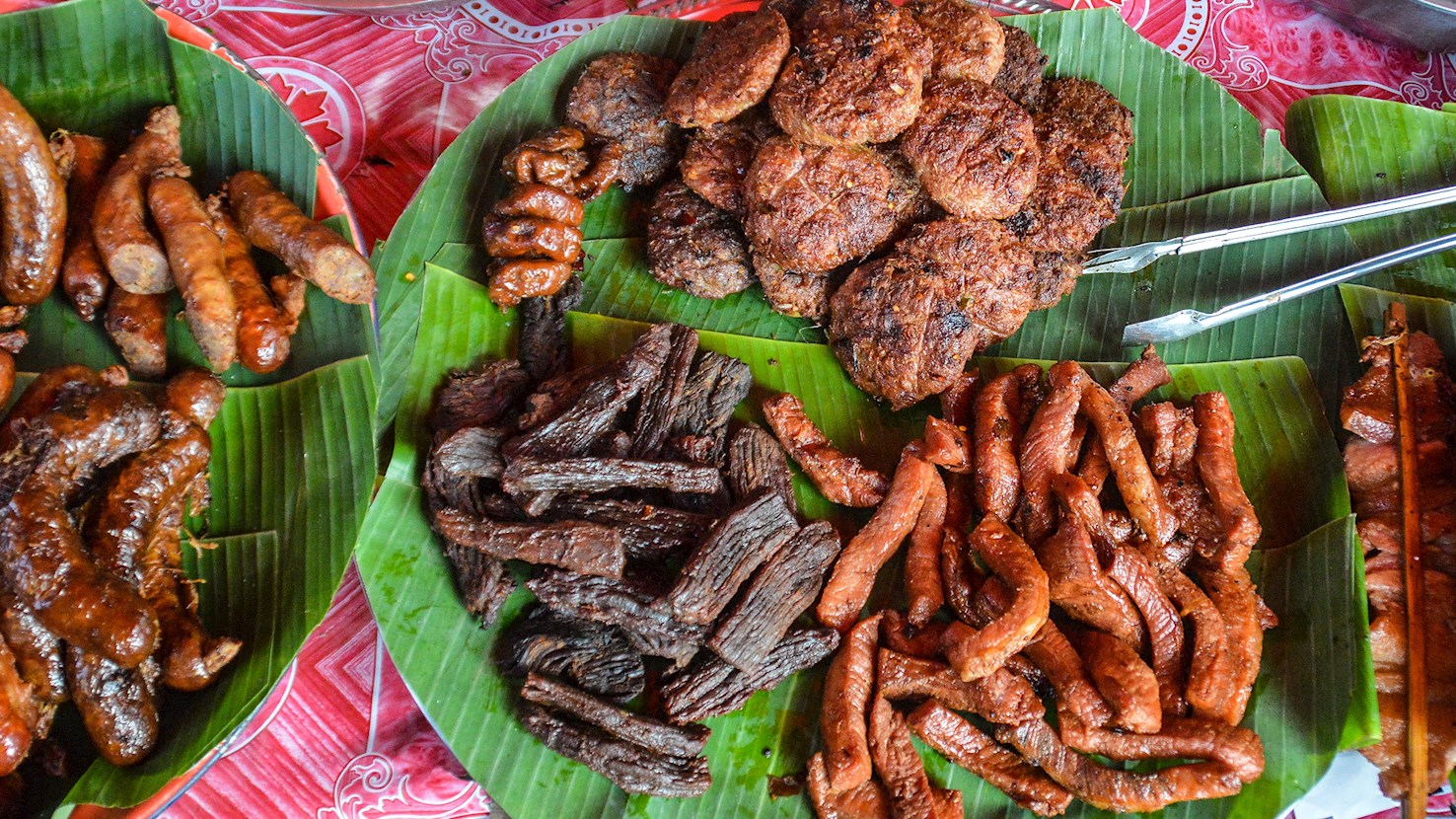
Seen dat (translated as seared meat) is a Lao style of barbecue that is made on a traditional griddle (similar to the ones used for Korean barbecue) and meant to be served communally on a sharing platter. The choice of meat are usually thinly cut strips of pork or beef, marinated beforehand or dunked into a sweet and savory dipping sauce, just before being grilled. The specially-designed griddle allows the edges to be filled with a broth in which the vegetables, greens, and noodles are cooked. Bean sprouts, cabbage, scallions, mushrooms, and broccoli are the most commonly used sides. The dish is most often enjoyed in a family setting, on holidays and special occasions, since the griddle allows for several rounds of cooking.
TasteAtlas food rankings are based on the ratings of the TasteAtlas audience, with a series of mechanisms that recognize real users and that ignore bot,
nationalist or local patriotic ratings, and give additional value to the ratings of users that the system recognizes as knowledgeable.
TasteAtlas Rankings should not be seen as the final global conclusion about food. Their purpose is to promote excellent local foods,
instill pride in traditional dishes, and arouse curiosity about dishes you haven’t tried.


What People Say