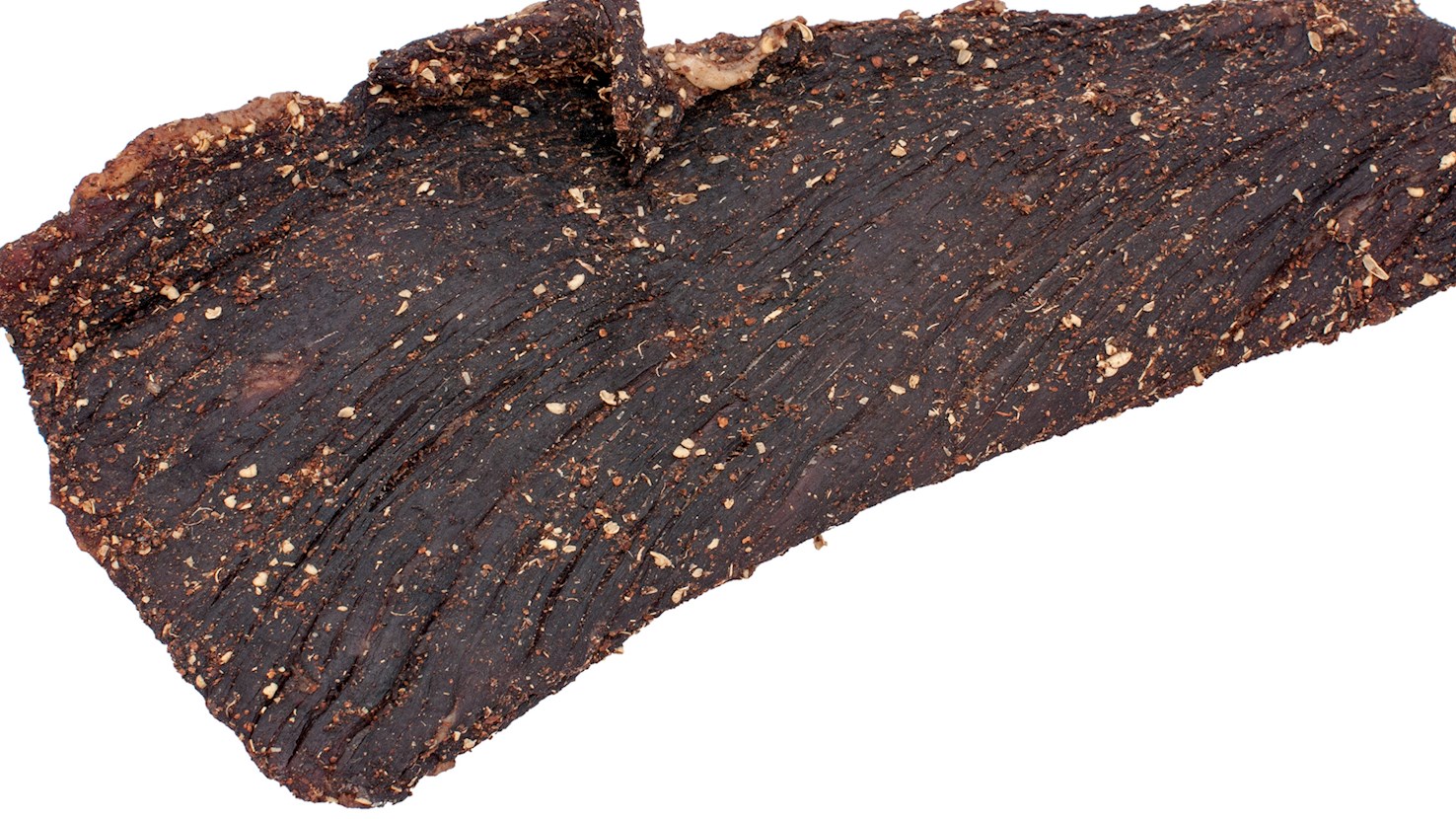
Borts is a highly preserved, freeze-dried meat product made by hanging long strips of raw beef, horse, camel, or sheep in freezing winter air until the moisture fully evaporates. The method dates to the 13th-century Mongol Empire, when nomadic cavalrymen under Genghis Khan needed extremely lightweight, shelf-stable rations that could last through months of continuous military movement across the Eurasian Steppe. By using the region’s naturally dry, sub-zero winter climate, these nomadic groups developed a freeze-drying technique centuries before mechanical refrigeration existed. An entire slaughtered cow could be dried, milled, and compressed into a single animal stomach, creating a huge supply of calories that weighed only a few kilograms. The drying cycle begins only in late November or December, when temperatures drop sharply. Fresh lean meat is sliced into long, thick ribbons, usually two to three centimeters wide. These raw strips are draped over horizontal ropes strung across the ceiling of a circular felt tent or placed under the protective eaves of a wooden roof. Continuous exposure to harsh, freezing drafts slowly removes all moisture from the muscle fibers over several months. By spring, the strips have shrunk drastically and turned into brittle, rock-hard brown shards. A heavy wooden mortar and pestle are then used to crush the stiff pieces into a coarse, fibrous powder, breaking down the tough connective tissues. The choice of livestock strongly affects both the fat content and the shelf life of the finished product. Beef is the most common option, producing a direct savory flavor that blends easily into many broths. Horse meat gives a sweeter, leaner profile and dries faster because of its particular muscle structure. Camel meat has an especially dense, iron-rich flavor and the longest shelf life, remaining safe to eat for several years without spoiling. The pulverized meat is never eaten dry. To rehydrate it, a small handful of the coarse powder is dropped directly into a pot of rapidly boiling water. Within minutes, it expands greatly, turning the clear water into a cloudy, nutrient-rich broth. Small pieces of raw wheat dough or dried noodles are often added to the boiling liquid along with the meat powder, creating a thick, savory soup. The hot meal is served straight from the cast-iron cooking pot into shallow wooden bowls and functions as a vital, fast source of hot calories during isolated winter travel.
Boodog is a traditional roast typically made with whole goat that is filled with hot stones, potatoes, and onions so that they are cooked within its skin. Apart from goats, the roast can also be prepared with whole marmots. The stones should have a smooth, round surface – the smaller ones usually go into the upper legs, while the larger ones are placed into the abdominal cavity. The neck of the animal is closed with a piece of wire. Boodog is cooked when all of the skin surfaces start leaking fat. This nomadic dish can be found throughout Mongolia, although many Ulan Bator restaurants will often offer a more refined take on boodog.
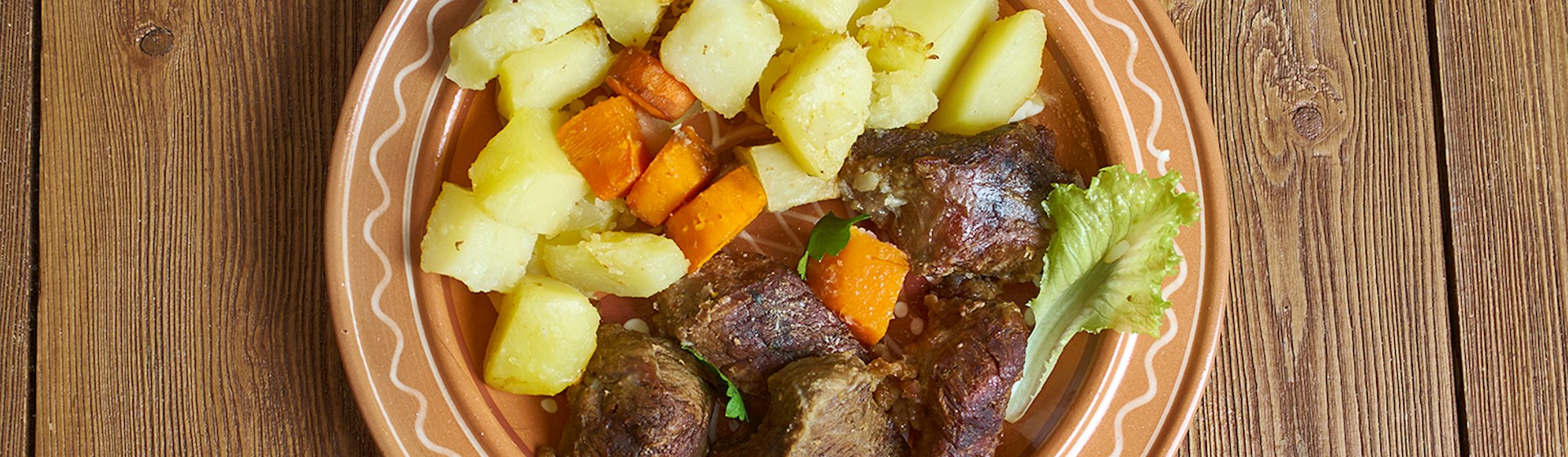
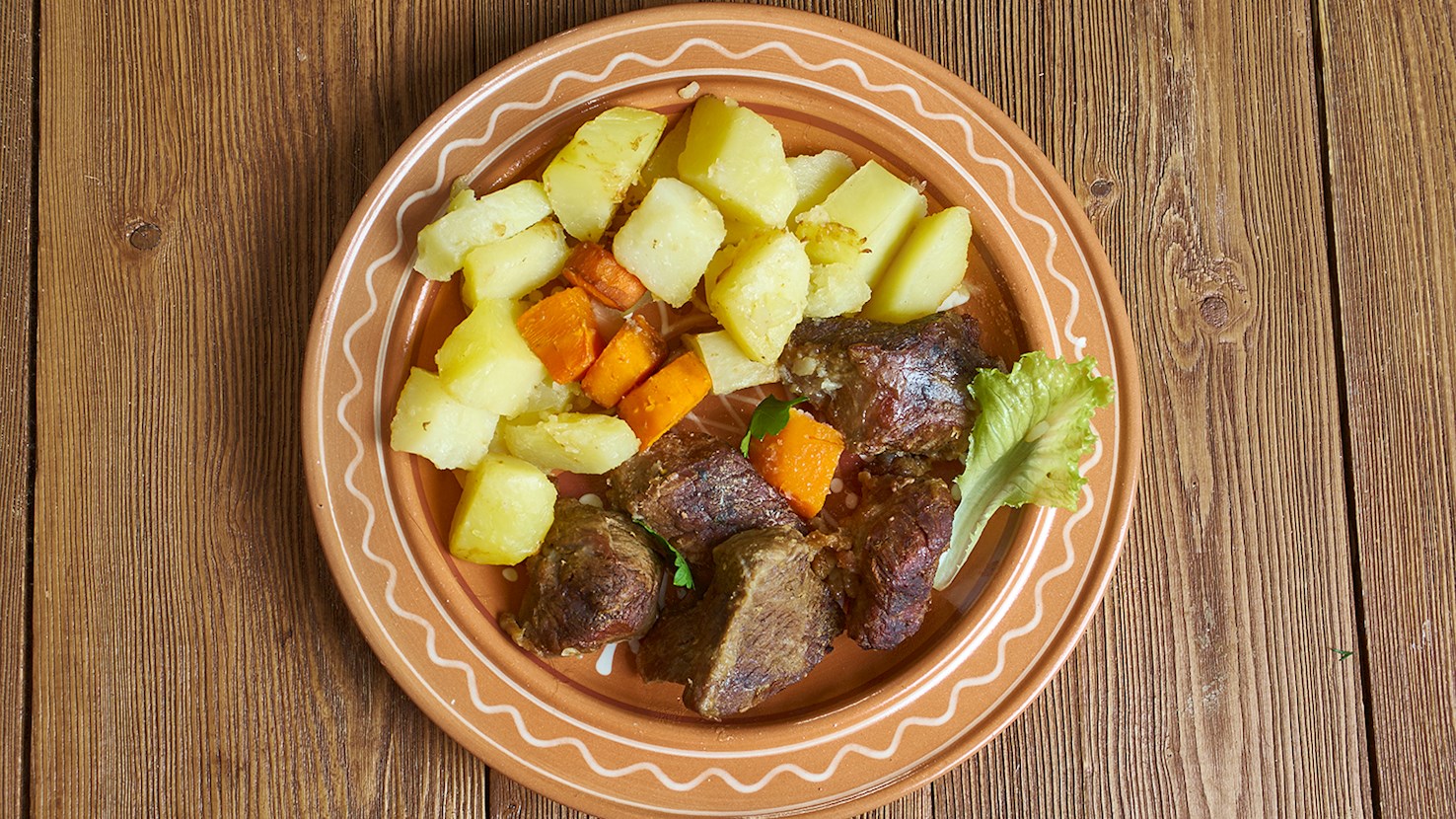
Chanasan makh is a traditional meat dish originating from Mongolia. This is the simplest dish of the Mongolian nomads, consisting of meat (usually mutton) that's cut into chunks along with the bones. The chunks are simmered in boiling salted water until the meat becomes tender. The original dish needs nothing else, but nowadays, some ketchup or boiled vegetables are sometimes served on the side. Chanasan makh is eaten with the fingers, with the help of a sharp knife, and either the head of the family or the honored guest traditionally gets the largest and first portion of the meat.
TasteAtlas food rankings are based on the ratings of the TasteAtlas audience, with a series of mechanisms that recognize real users and that ignore bot,
nationalist or local patriotic ratings, and give additional value to the ratings of users that the system recognizes as knowledgeable.
TasteAtlas Rankings should not be seen as the final global conclusion about food. Their purpose is to promote excellent local foods,
instill pride in traditional dishes, and arouse curiosity about dishes you haven’t tried.



What People Say