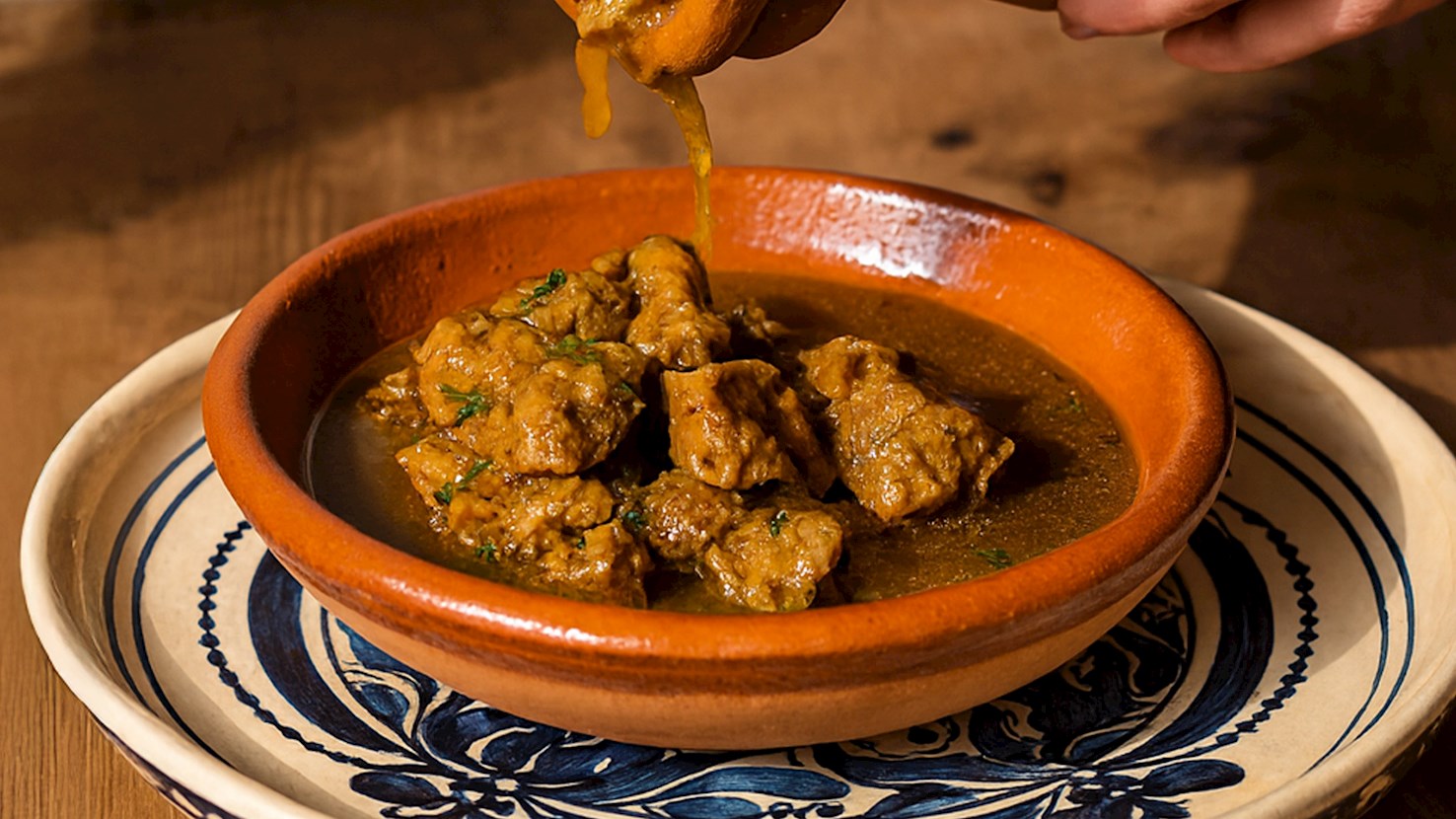
Tanjia is a unique Moroccan specialty made by cooking lamb meat in a clay urn along with flavorings such as saffron, cumin, garlic, lemons, and olive oil. The dish is especially popular in Marrakech, where the urns are filled with all of the ingredients, then placed in the coals of a public bath (hammam) to slowly cook overnight until the meat is so tender that it falls off the bone. Originally, tanjia was created and cooked by men who would go on outdoor picnics.
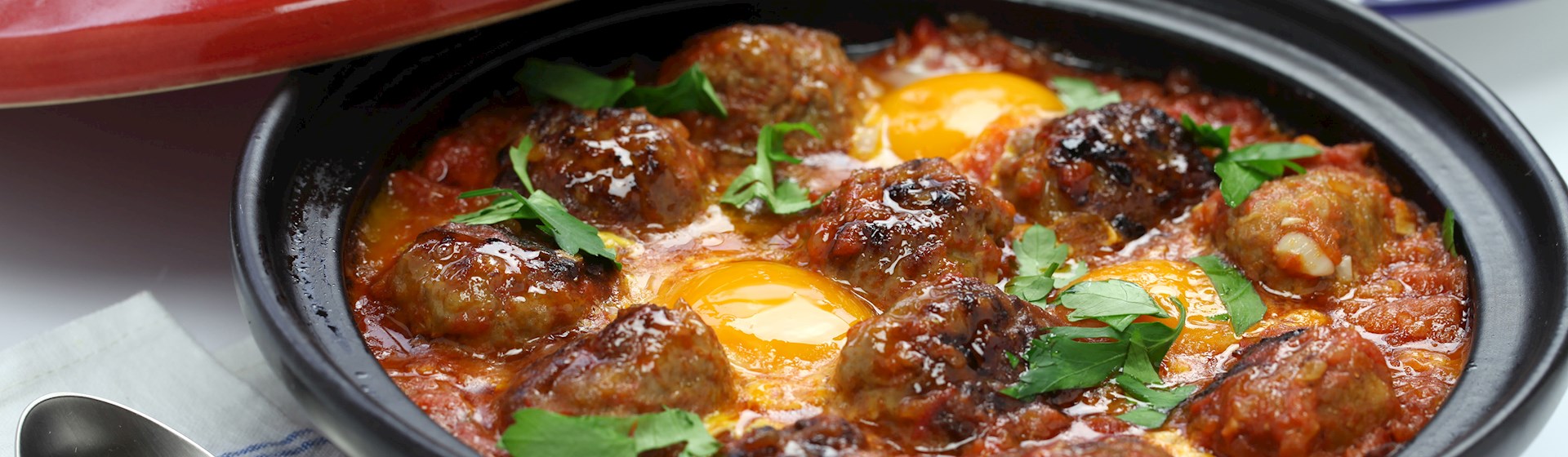
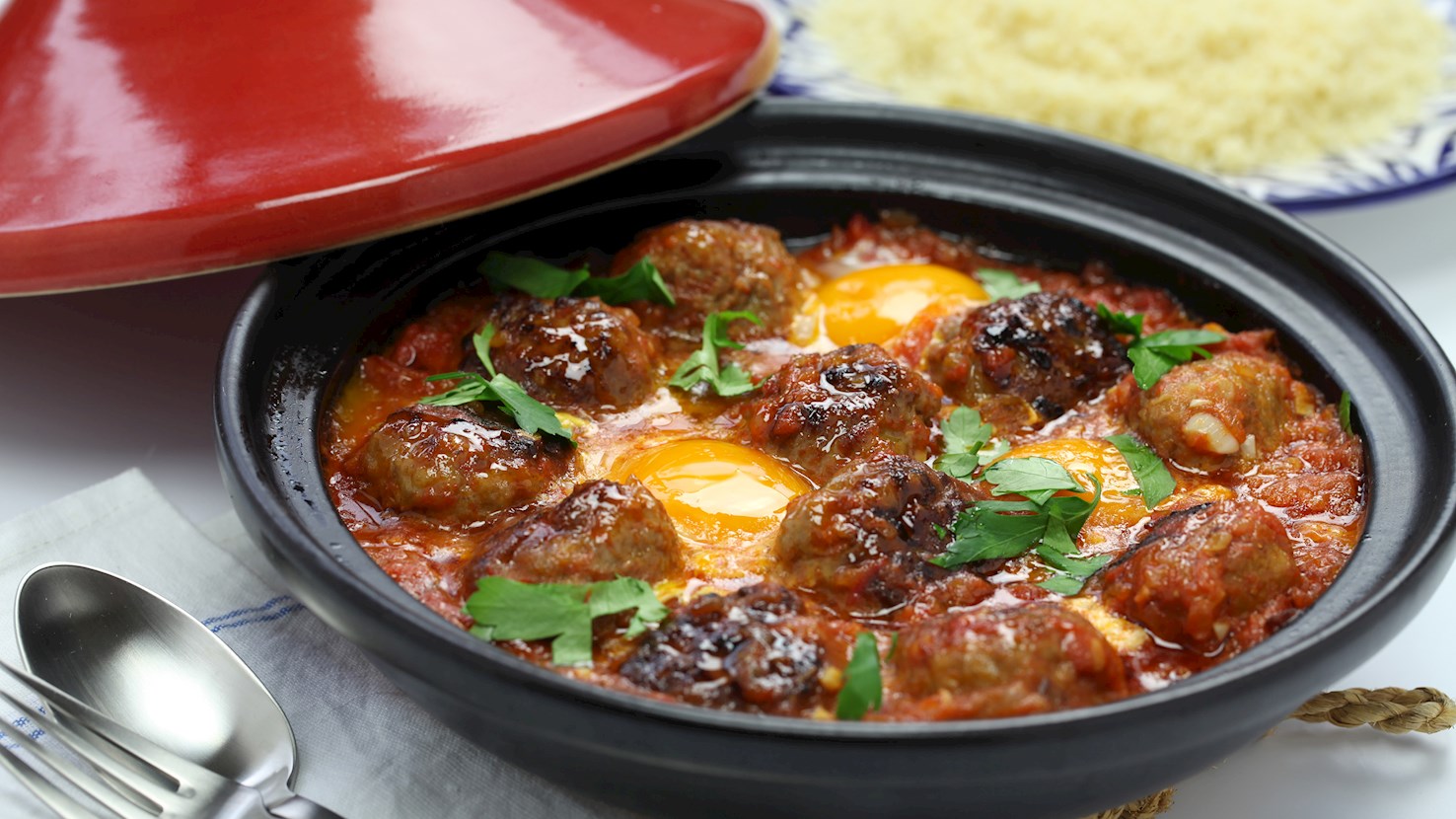
Kefta tagine is a classic Morrocan tagine variety consisting of small meatballs in a homemade tomato sauce, and are prepared in the eponymous conical cooking vessel.
The meatballs are shaped into spheres the size of a cherry tomato, made of ground lamb or beef meat (or a combination of two), and flavored with spices such as paprika, cumin, parsley, coriander, black pepper, and salt, and cooked in a piquant tomato sauce. Sometimes kofta tagine also includes eggs, which are added to the sauce near the end of cooking and cooked until poached.
Kefta tagine is mainly prepared at home and is a communal dish traditionally served straight from the tagine pot, with khobz or some other Moroccan bread used to scoop the tasty stew.
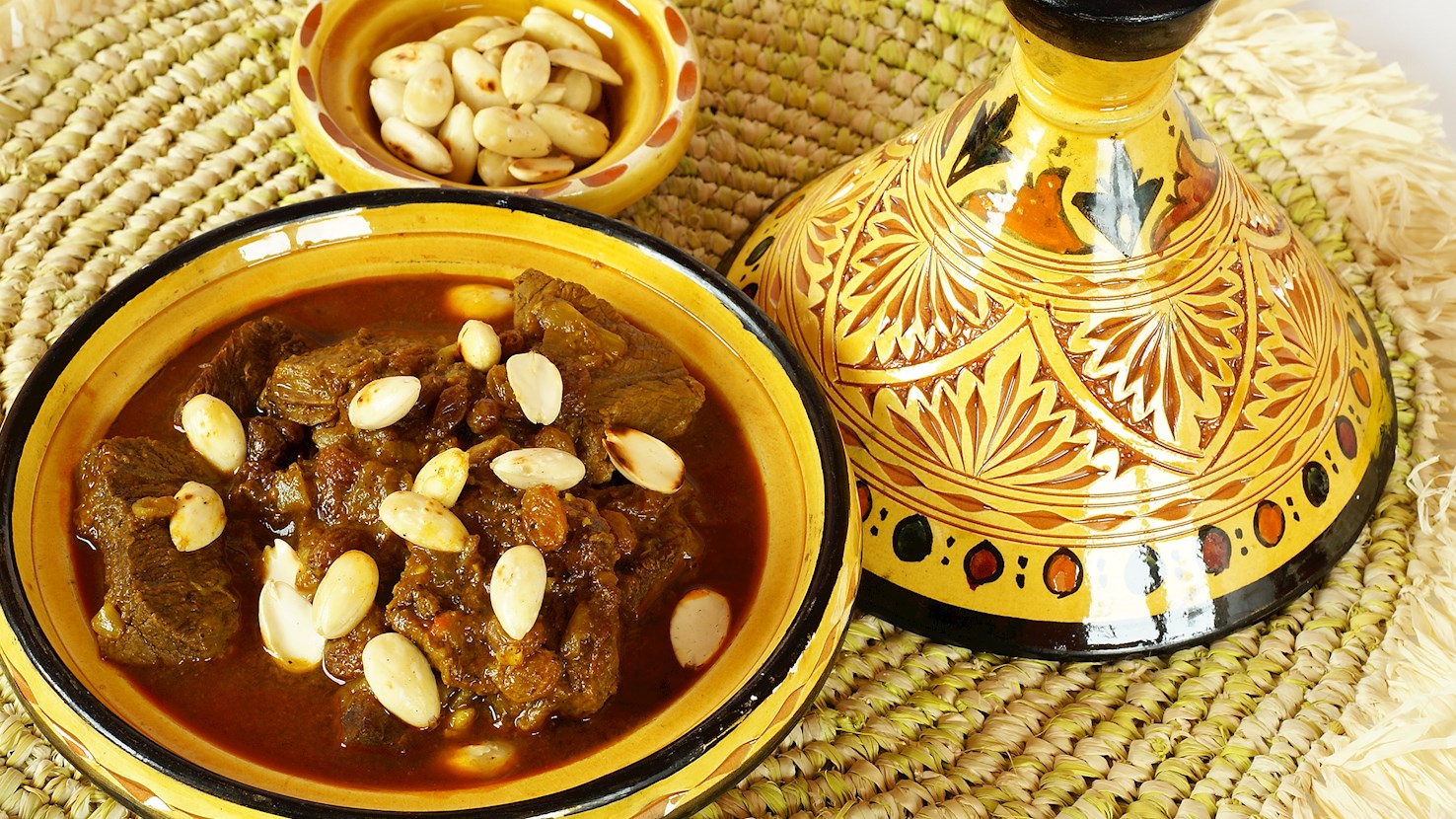
Mrouzia is one of the most loved sweet-and-savory Moroccan dishes, consisting of a tagine with lamb, honey, almonds, raisins, and ras el hanout spices. The dish is traditionally reserved for festivities, celebrations, holidays, and similar large gatherings. This tagine is one of the most popular dishes during the Muslim festival of Eid al-Adha. It is recommended to garnish the dish with a generous sprinkling of sesame seeds.
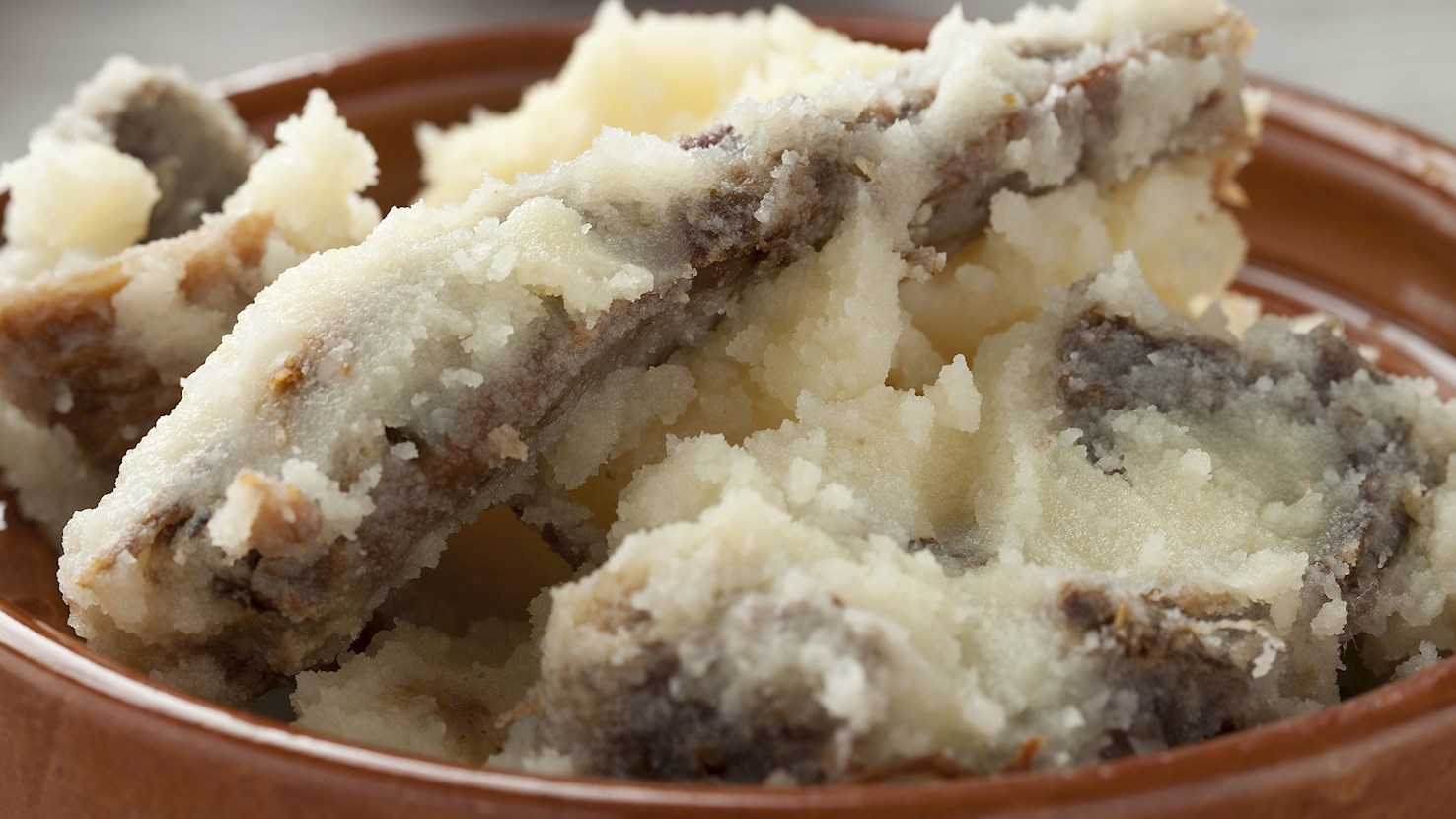
Khlea is a preserved meat confit made by marinating strips of beef or lamb in spices, sun-drying them, and then slow-cooking the hardened ribbons in a heavy mixture of animal fat, oil, and water until all moisture evaporates. The result is meat sealed under a thick layer of fat, allowing it to keep for long periods without refrigeration. To make khlea, lean cuts from the shoulder or neck are sliced into thin, long strips to maximize surface area. These raw meat ribbons are rubbed heavily with coarse sea salt, crushed raw garlic, ground coriander, and cumin. The seasoned strips are then hung on outdoor lines in direct sunlight and exposed to wind for several days. They remain outside until they harden completely into stiff, dry shards known locally as gueddid. The dried meat is then placed in a large cast-iron cauldron filled with water, melted beef suet, and sometimes a generous amount of olive oil. The mixture simmers slowly over a low fire for several hours. During this stage, the dried muscle fibers rehydrate while the surrounding fats render. Once the water has fully evaporated, the softened meat remains suspended only in pure, bubbling-hot fat. This hot mixture is poured directly into large glass or clay storage jars. As it cools, the fat solidifies into a dense white block that forms an airtight seal over the meat. This fat cap protects the meat from oxygen and spoilage, allowing the jars to be stored safely in a pantry for up to two years. Ingredient substitutions can change both the fat base and the main protein. A lighter version replaces the heavy beef suet entirely with extra-virgin olive oil, creating a loose, liquid preserving medium instead of a firm solid mass. In the arid southern Saharan regions, camel meat often replaces beef or lamb, giving the confit a darker, more intensely gamey flavor and a higher iron content. To eat khlea, a metal spoon is used to dig a chunk of solid fat and several strips of meat directly from the jar. The pieces are placed in a hot iron skillet, where the fat melts and the meat warms quickly. It is especially common for breakfast. Whole eggs are cracked directly into the sizzling fat and fried beside the meat strips. A thick piece of warm, crusty bread serves as the only utensil, used to scoop up the runny yolks, melted fat, and savory meat. A glass of strong, bitter mint tea is typically served alongside it to cut through the extreme richness of the animal fat. Another common serving method involves stirring the rich fat and chopped meat directly into a boiling pot of stewed lentils or white beans. This instantly enriches the clear broth and adds a deep, savory flavor. The origins of this preservation method are tied to the medieval period and the imperial city of Fez. Nomadic Berber tribes across the Maghreb developed the technique out of necessity to preserve meat in an extreme, arid climate without refrigeration. They made use of the large surplus of livestock slaughtered during the annual Eid al-Adha festival, ensuring that no valuable protein went to waste during long migrations. By the 8th century, Arab merchants had introduced the specific combination of cumin and coriander through established trans-Saharan trade routes.
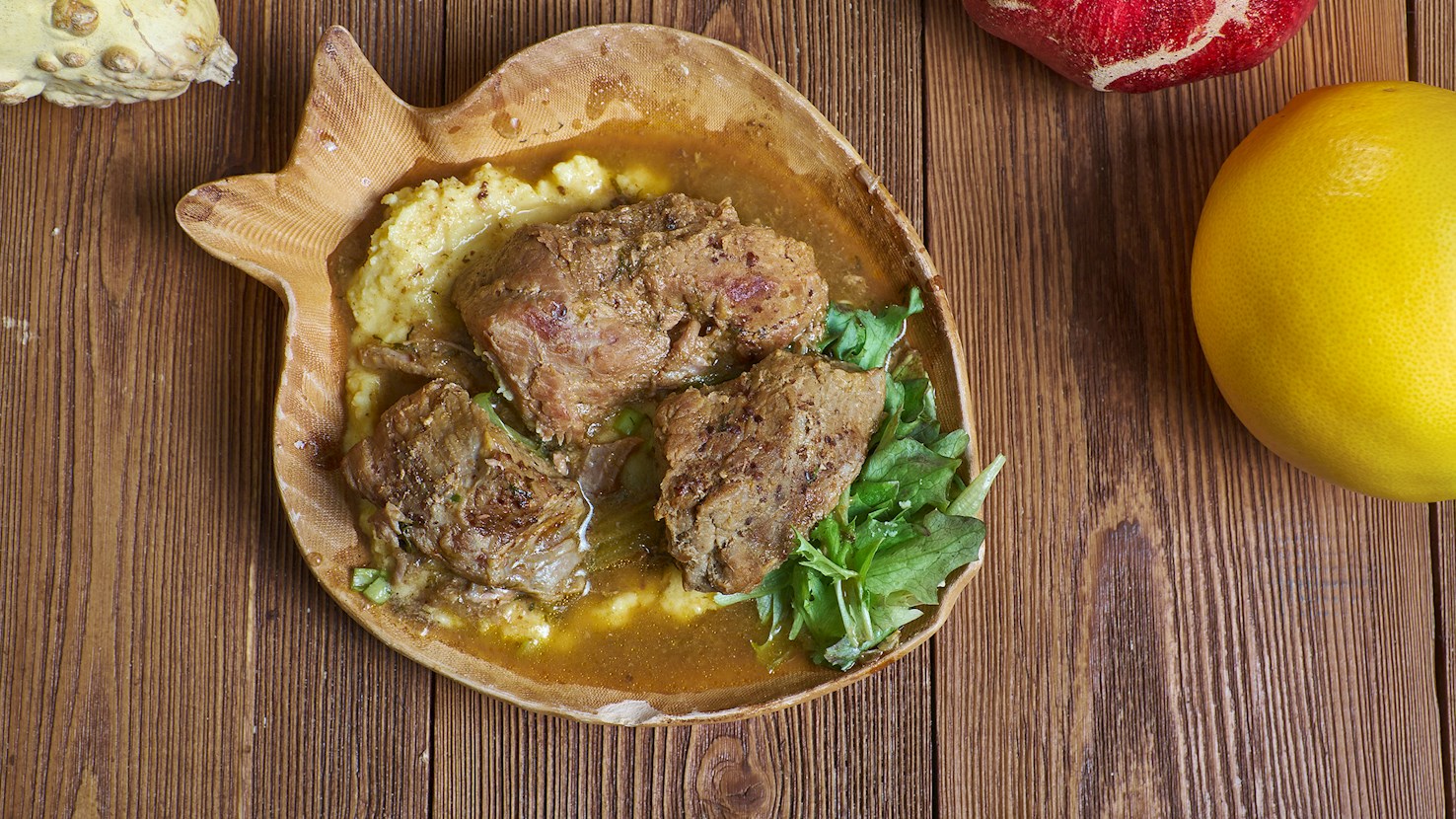
Mreifisa is a traditional dish originating from Western Sahara. This comforting stew is usually served for larger groups of people and is prepared with lamb, onions, garlic, beef broth, and olive oil. The lamb is cut into cubes, then combined with garlic, onions, and olive oil until the vegetables soften and the lamb is slightly browned. The concoction is then combined with the broth, water, and salt to cook until the lamb becomes tender. Mreifisa is traditionally served with a simple bread consisting of flour, water, and salt. The meat is often served separately from the broth, which is poured over the bread.
TasteAtlas food rankings are based on the ratings of the TasteAtlas audience, with a series of mechanisms that recognize real users and that ignore bot,
nationalist or local patriotic ratings, and give additional value to the ratings of users that the system recognizes as knowledgeable.
TasteAtlas Rankings should not be seen as the final global conclusion about food. Their purpose is to promote excellent local foods,
instill pride in traditional dishes, and arouse curiosity about dishes you haven’t tried.



What People Say