Zoervleis is an authentic delicacy originating from the province of Limburg. Although it is traditionally made with horse meat that is marinated in vinegar (hence the name, sour flesh), nowadays there are modern versions which use beef instead. The stew is additionally enriched by the addition of bay leaves, cloves, peppercorns, appelstroop (apple syrup), and pieces of Dutch gingerbread known as ontbijtkoek. Due to the formation of a thick gravy during the cooking process, zoervleis is almost always accompanied by fries, similar to the wildly popular Canadian poutine.
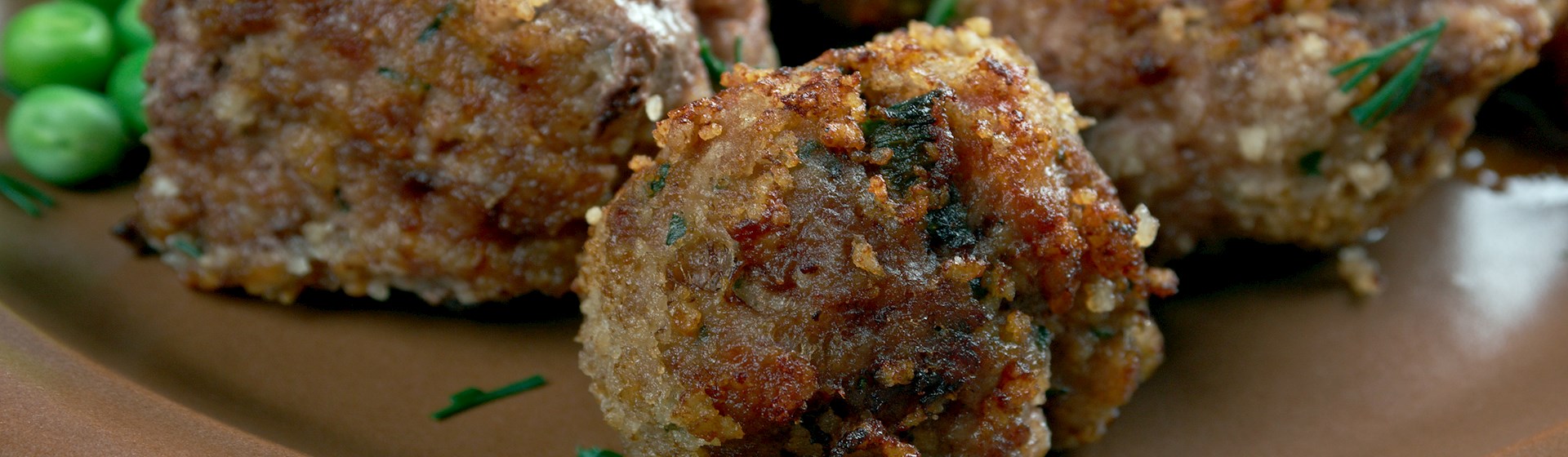
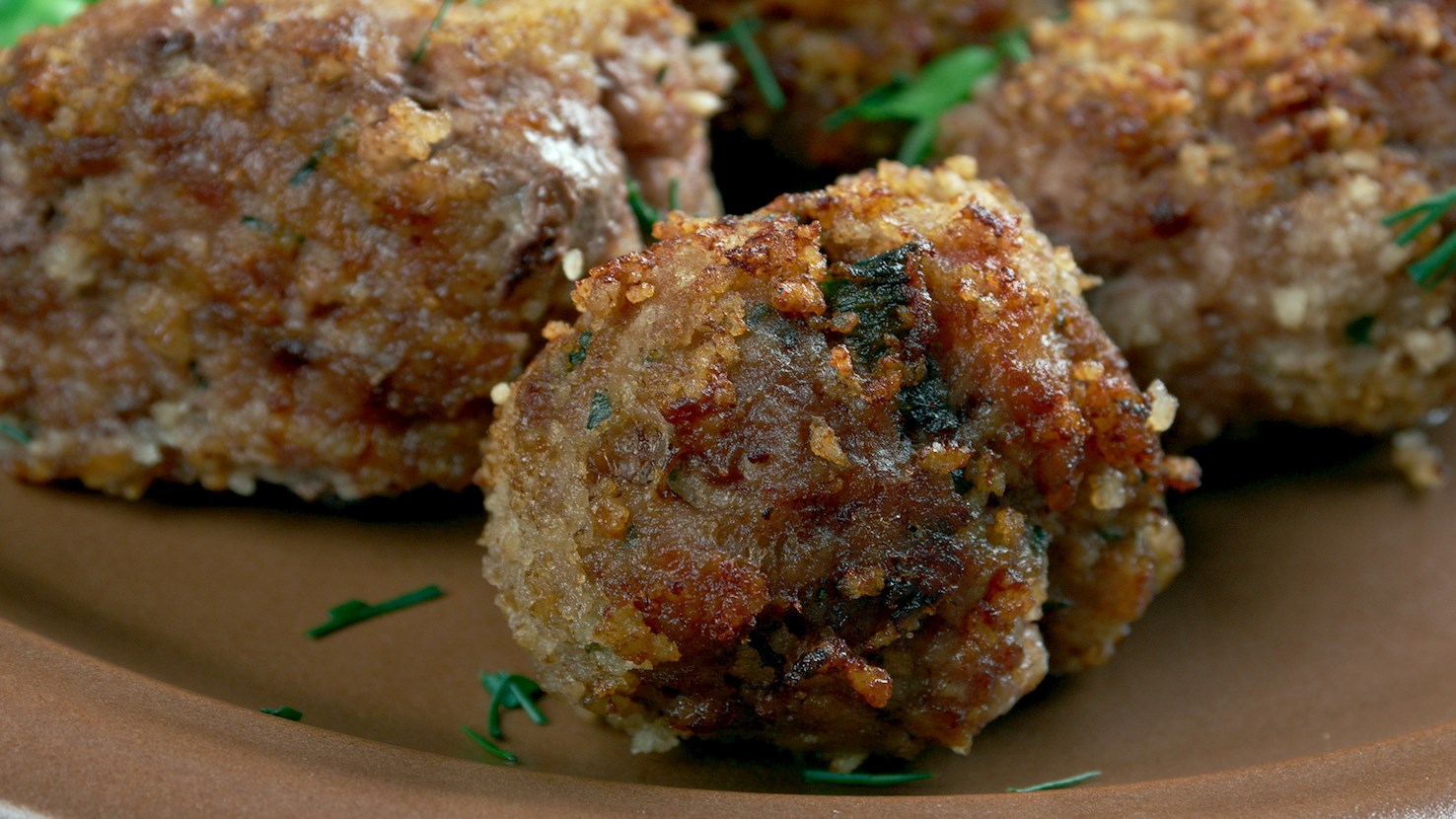
Gehaktballen are the Dutch version of meatballs, characterized by their large size. The dish is typically associated with winter, as it is a classic representative of Dutch comfort food. These meatballs are usually made with a combination of ground beef and pork and flavorings such as salt, pepper, nutmeg, onions, and mustard. They are then slowly simmered in their own juices until done. When served, gehaktballen can be accompanied by anything from stamppot and bread to condiments such as mustard, ketchup, and peanut sauce.
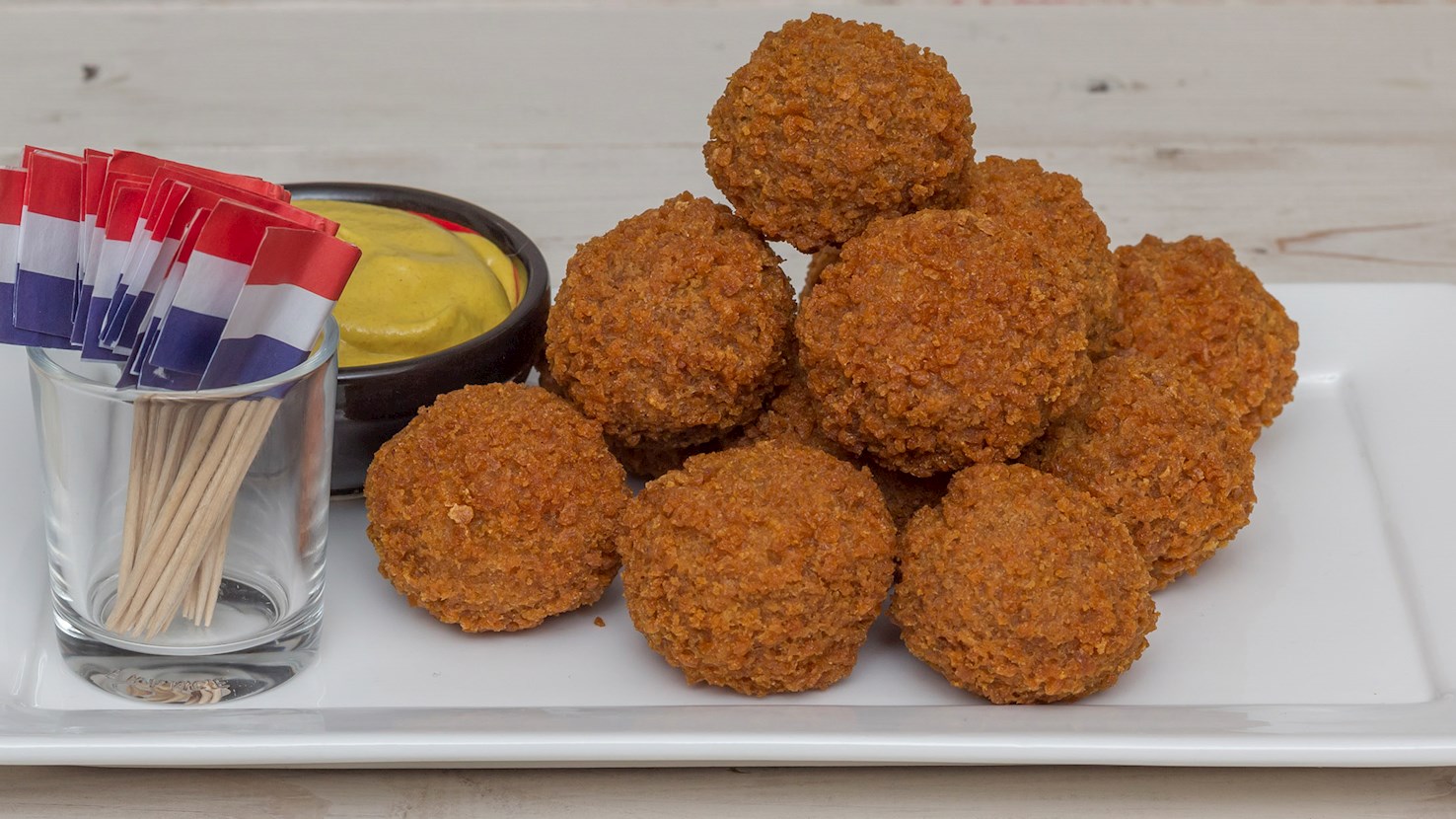
Bitterballen are Dutch deep-fried, breadcrumbed, meat-filled balls. The filling usually consists of beef, flour, beef broth, and various seasonings. The dish is usually served as a snack at bruin cafes, a popular type of bar in the Netherlands. Bitterballen are traditionally paired with mustard, french fries, and bittertjes, or Dutch bitters. It is believed that the dish was invented in the 17th century, when the Spaniards occupied the country, and the wife of an Amsterdam pub owner refined and adapted the Spanish version of the dish and served it with beer and jenever. Today, bitterballen are typically consumed while still piping hot, and they can be made with a variety of ingredients, such as chicken, veal, or mushrooms.
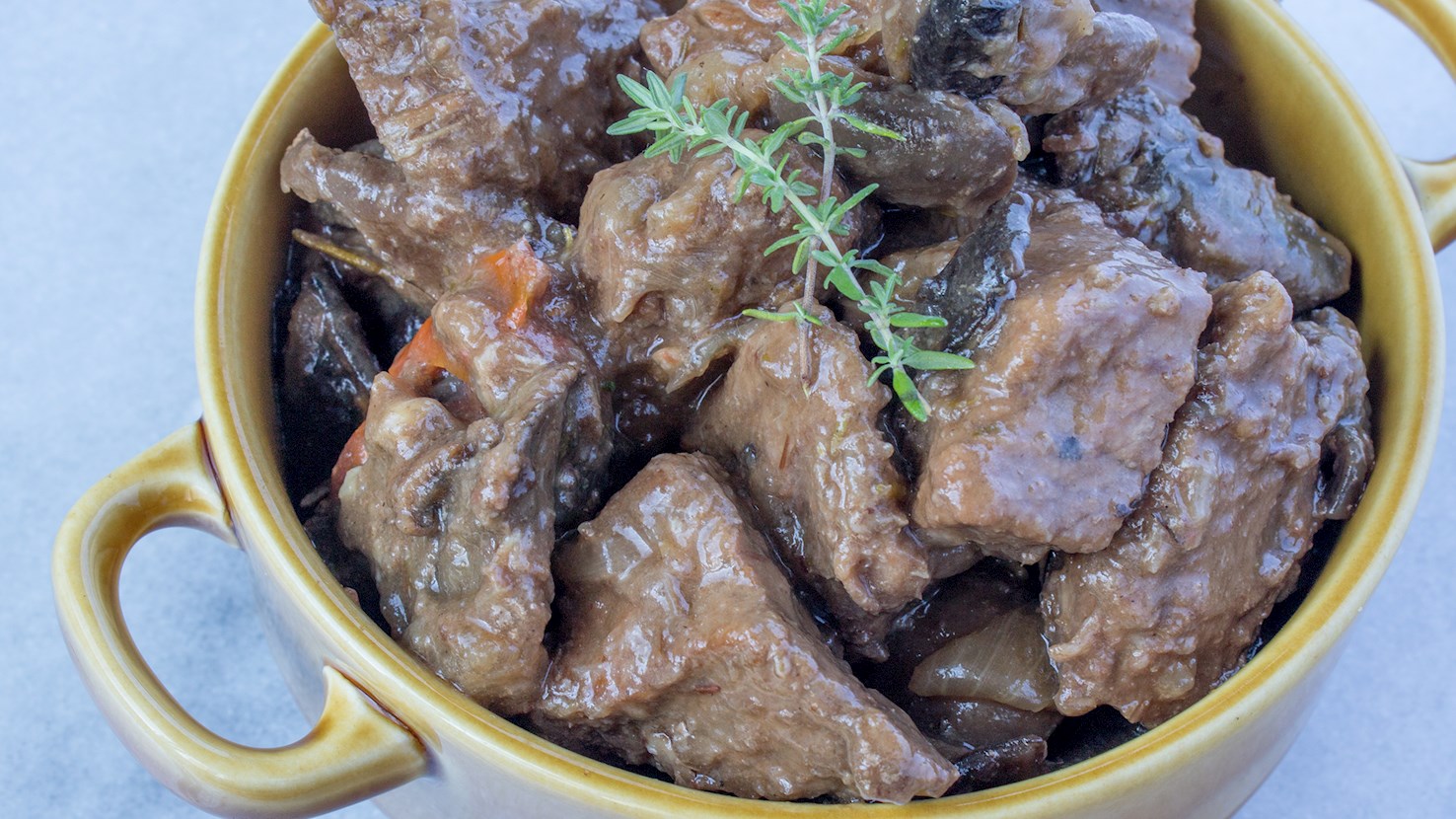
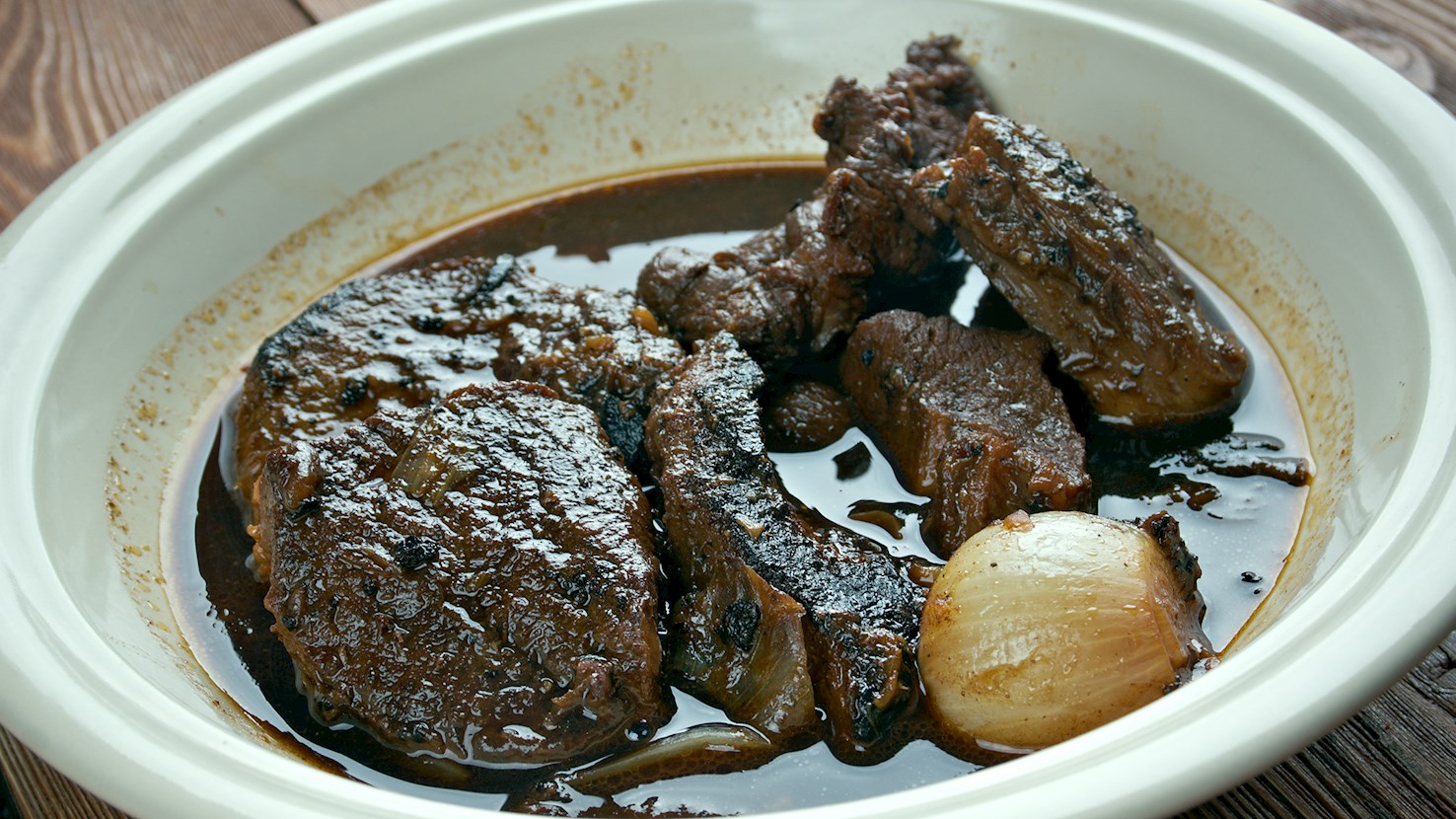
Sudderlapjes are slices of beef slowly braised until extremely tender, usually in a dark gravy flavored with butter, onions, bay leaves, cloves, pepper, and a small amount of vinegar. Cuts such as riblappen, sukadelappen, and runderlappen are especially suitable because their connective tissue softens during several hours of gentle cooking. The result is closely related to draadjesvlees, literally “thread meat,” named for beef tender enough to separate into strands. Slowly braised meat has a much longer history in the Low Countries, and acidic, spiced meat sauces were already familiar in medieval cooking. Pepper, cloves, and nutmeg were also known well before the establishment of the Dutch East India Company. What changed during the seventeenth century was their availability: VOC trade brought much larger quantities of Asian spices into Dutch ports and helped reduce their cost. This makes it reasonable to connect the seasoning of later Dutch braised beef with the country’s long history of spice use, but not to say that VOC shipments directly created sudderlapjes. Seventeenth-century Dutch cookbooks actually show a shift away from some of the extremely heavily spiced combinations of earlier centuries, although nutmeg, mace, pepper, and similar seasonings remained important. There is also no good reason to define the original meat specifically as coming from old dairy cows. Sudderlapjes are made from relatively tough beef cuts containing plenty of connective tissue, particularly cuts from the shoulder, ribs, and front of the animal. Sukadelap comes from the shoulder and contains a distinctive strip of connective tissue, while riblap is generally more marbled and becomes especially succulent after braising. The meat is usually left in fairly large slices rather than cut into the small cubes associated with many other stews. It is seasoned with salt and pepper and browned in butter or another cooking fat until the surface develops a good crust. Onions are commonly softened in the same pan, although the exact amount varies considerably between recipes. The browned meat is then returned, and enough warm liquid is added to allow it to braise without completely drowning it. Water or beef stock is the simplest braising liquid. A splash of vinegar is very common in older-style recipes, while red wine is another option. Bay leaves and whole cloves are characteristic seasonings, and nutmeg, mustard, juniper, or other spices may also appear depending on the household recipe. The vinegar is useful for flavor and provides the slight acidity characteristic of many versions, but it is not required to break down the collagen. The tenderness comes primarily from prolonged moist heat. During slow braising, the collagen-rich connective tissue gradually converts into gelatin, giving the meat its soft texture and adding body to the surrounding gravy. The covered pot is kept at a very gentle simmer for several hours. Three to four hours is common, although tougher pieces can take longer. The liquid should barely bubble rather than boil vigorously, since slow, steady heat produces a much softer result. The braising liquid can be changed considerably. Dark beer is used in some Dutch versions and becomes particularly common as one moves toward Limburg and the related Belgian tradition of beer-braised beef. It gives the gravy a malty sweetness and slight bitterness rather than simply a roasted flavor. Appelstroop, the dark concentrated apple syrup strongly associated with Limburg, can also be stirred into the gravy. It adds sweetness, acidity, and fruitiness and helps create a darker, more rounded sauce. It is a recognized variation but not an essential ingredient in every Dutch sudderlapjes recipe. Another popular way of thickening the gravy is to crumble in ontbijtkoek, a soft Dutch spiced cake. As it dissolves, its flour and sugars thicken the liquid while its spices add sweetness and warmth. This technique appears frequently in modern recipes for draadjesvlees and regional stews, but it should not be presented as something every Dutch household historically did. Mustard is another common addition. It can be spread directly onto the beef before browning or stirred into the liquid, contributing both acidity and a mild sharpness. Some versions combine mustard with appelstroop or ontbijtkoek to produce a distinctly sweet-and-sour gravy. The finished sudderlapjes should be tender enough to cut easily with a fork. In versions cooked to the point of draadjesvlees, the fibers separate into long strands, while other versions are removed slightly earlier so the individual slices remain intact. The braising liquid reduces into a dark, glossy gravy enriched by the butter, meat juices, onions, and gelatin released during cooking. Sudderlapjes are commonly served with boiled or mashed potatoes, which are well suited to the generous gravy. Rode kool met appeltjes, braised red cabbage with apple, is another classic accompaniment, providing sweetness and acidity alongside the rich beef. The gravy is spooned over the meat and potatoes rather than treated as a separate sauce. Other familiar accompaniments include cooked vegetables, apple compote, or pickled vegetables, but potatoes and red cabbage with apple form one of the most recognizable combinations.
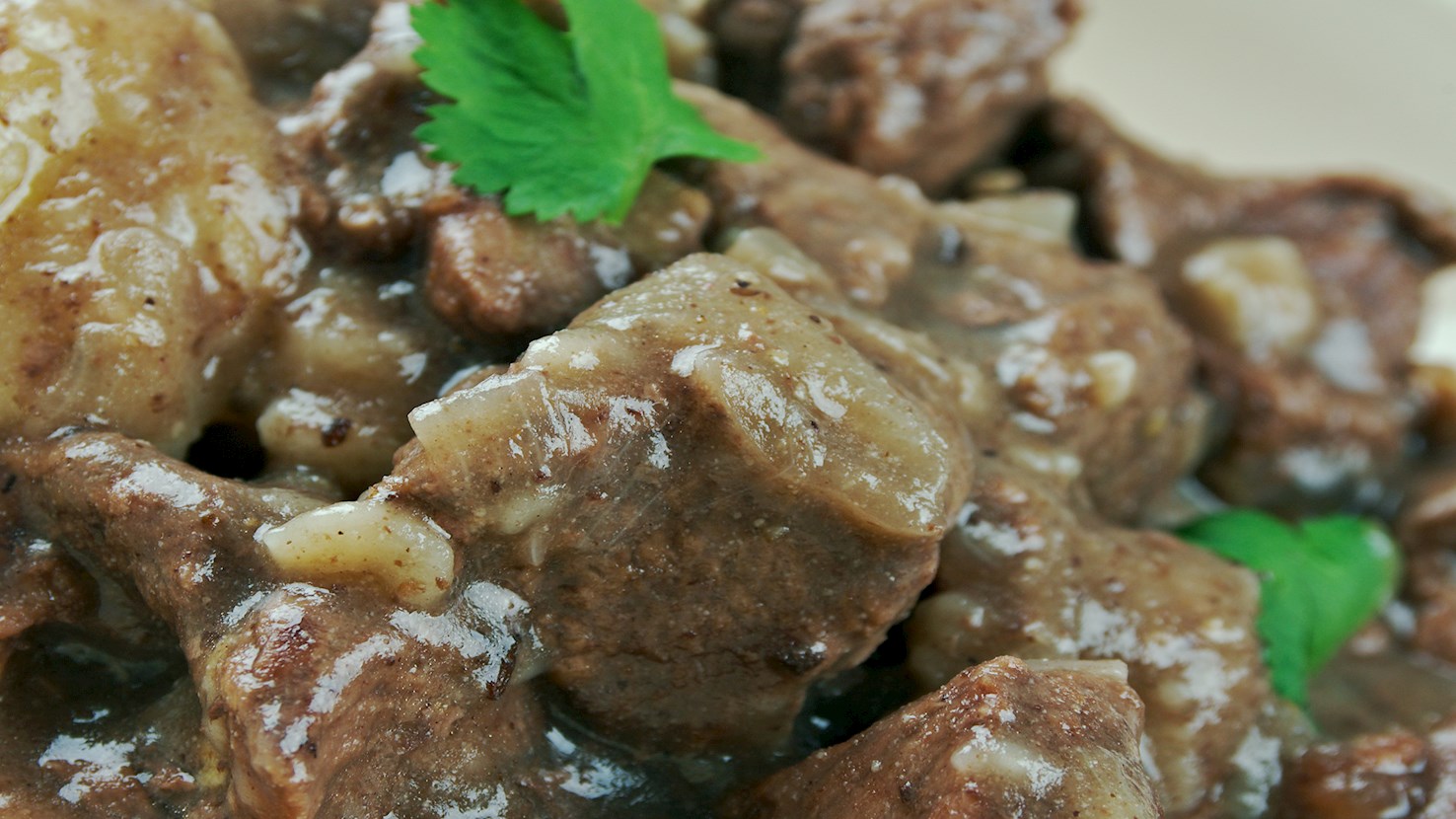
Hachee is a traditional stew consisting of beef, butter, onions, stock, and vinegar. It is typically seasoned with bay leaves, cloves, juniper berries, salt, and pepper. The stew is slowly simmered for a long time, resulting in tender meat and rich, flavorful sauce. Originally, hachee was a peasant dish invented as a way to use up leftover vegetables and meat. The name of the dish is derived from the French word hacher, meaning to chop, referring to the method of preparing meat and vegetables for the stew.
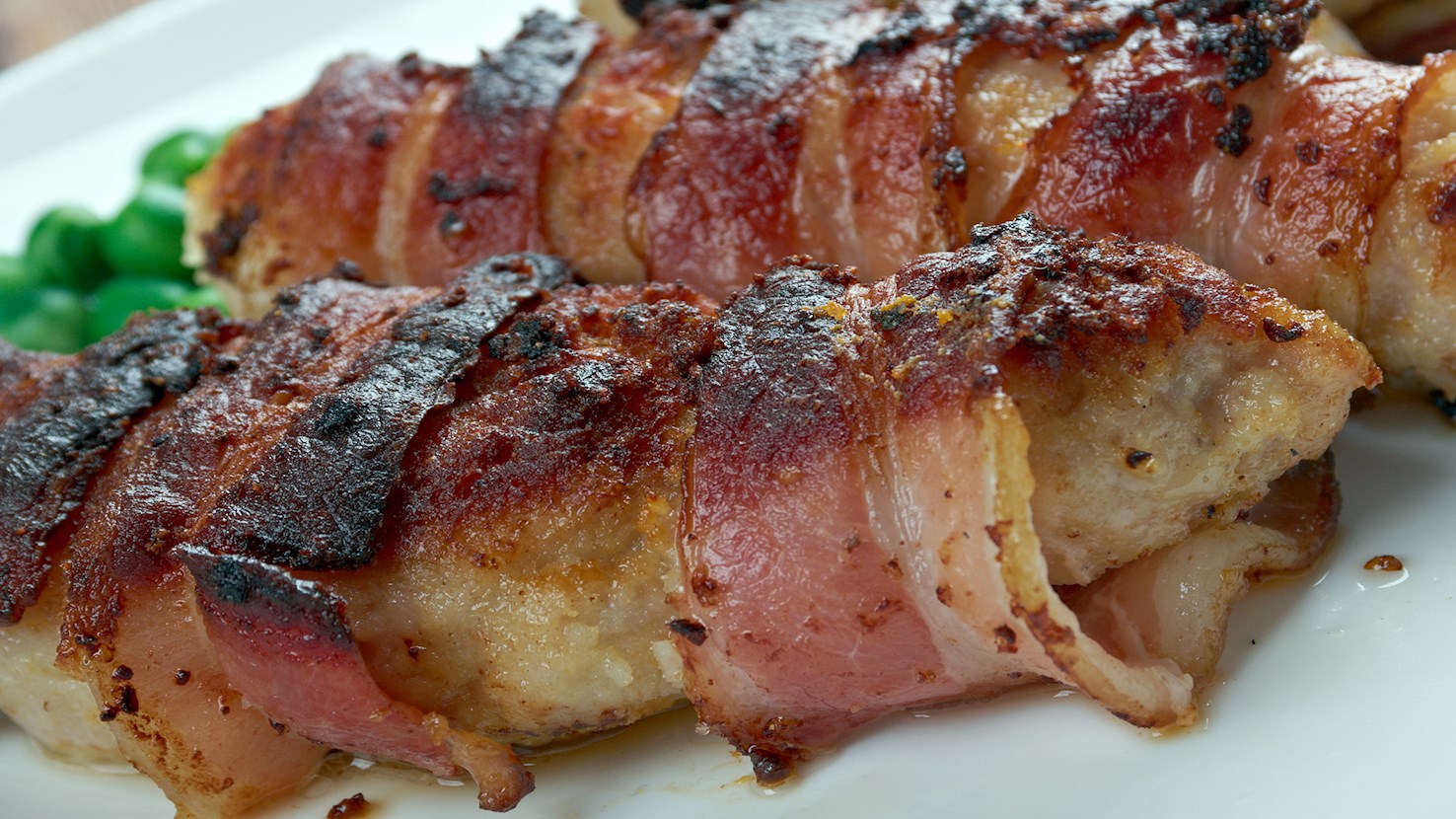
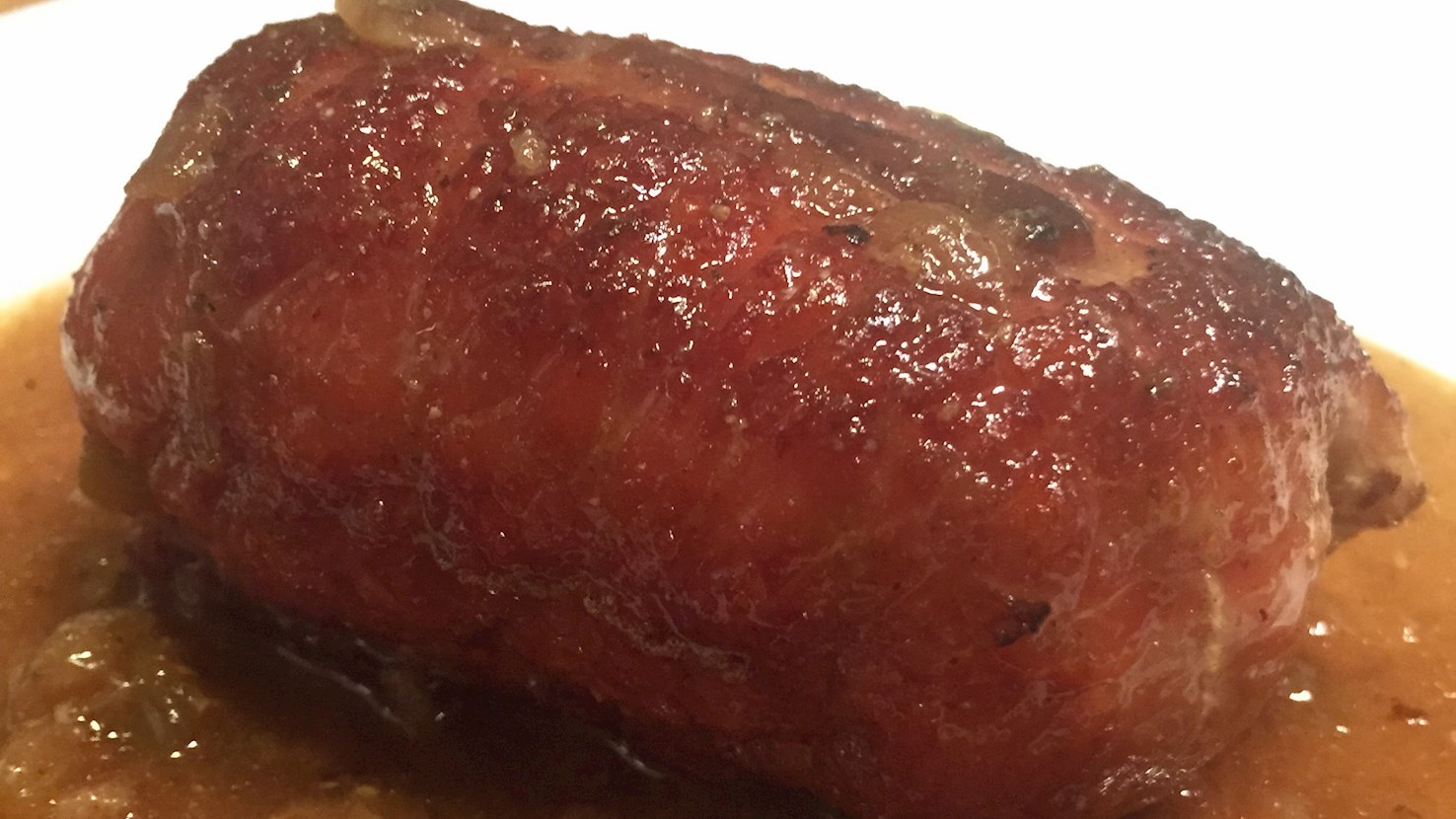
Slavink is a traditional dish consisting of meat that is wrapped in bacon and fried in either lard or butter. The modern version of the dish uses pork or ground beef, but in the past, bacon was wrapped around a small bird instead of a piece of meat. The name slavink is derived from the word slagvink, denoting a singing finch. It is recommended to serve the dish with mashed potatoes, mushrooms, and onions.
Hazenpeper is a traditional (and German!) stew made with hare meat, flour, butter, red wine, carrots, onions, celery, and leeks. This thick and rich stew is typically flavored with a variety of spices such as garlic, thyme, rosemary, cloves, juniper berries, and bay leaves. A crumbled ontbijtkoek (spiced cookie) is often added to the stew for extra flavor and texture, while in Germany, ginger cookies called pfeffernüsse are used instead. This comforting stew is especially popular in winter, and it is recommended to serve it with mashed potatoes and braised red cabbage on the side.
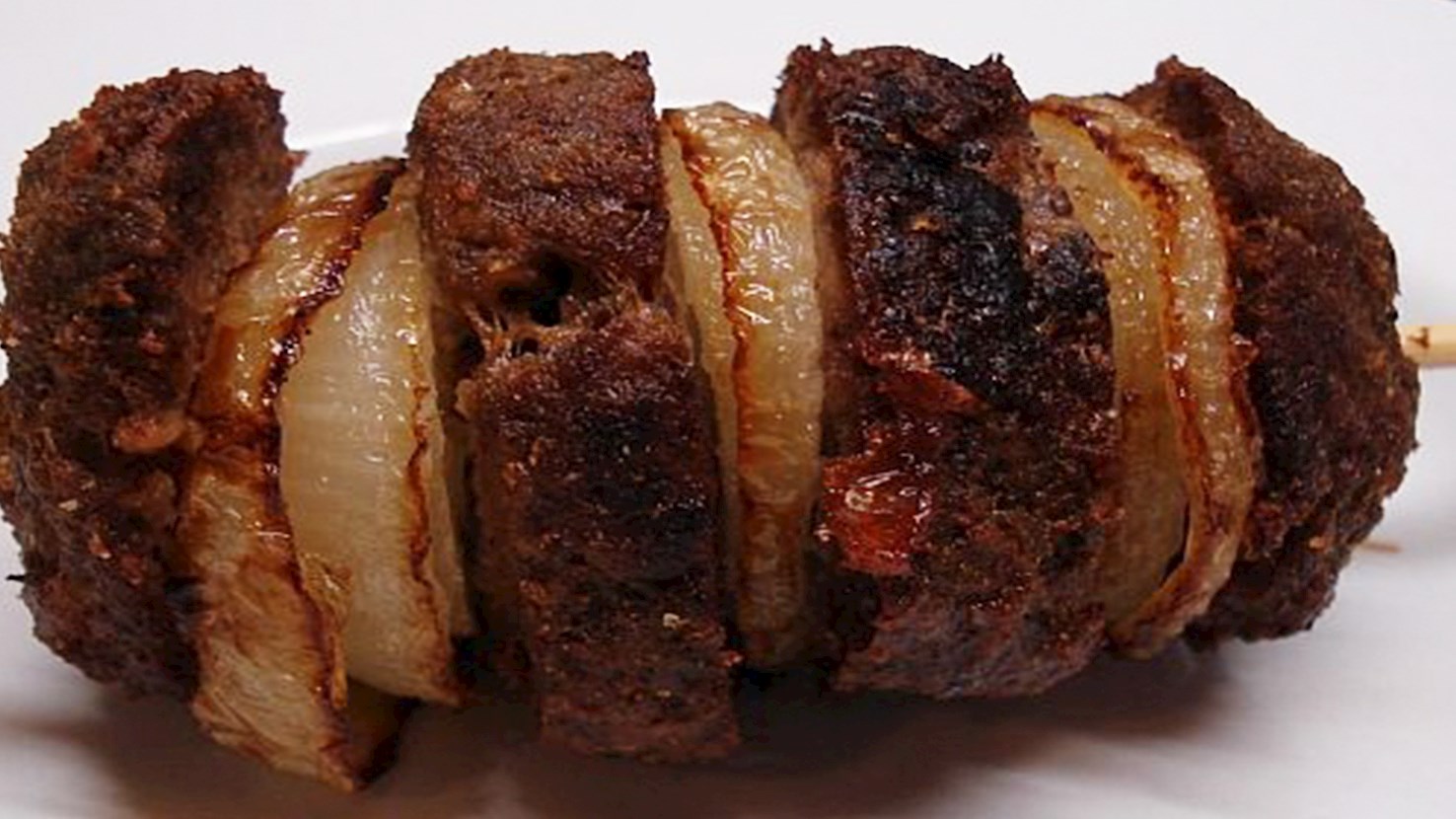
Berenklauw is a popular Dutch street food dish consisting of a combination of meatballs and onions that are fried together and served on a skewer. The dish is often served with a dipping sauce on the side, such as sweet and spicy peanut sauce, or gypsy sauce–consisting of tomatoes, paprika, onions, and sugar. Berenklauw can be found throughout the Netherlands, sold by street vendors, in pubs, and in bars.
Blinde vink is a traditional meat dish originating from the Netherlands. The dish consists of ground meat that's seasoned and wrapped with a flattened veal cutlet. Blinde vink can be assembled at home or bought at the butcher shop. It is roasted until the meat is fully done, and it's then usually served with vegetables or potatoes on the side. Some of the fat in which the meat has been cooked is often poured over the potatoes before serving. Blinde vink is also popular in the neighboring Belgium.
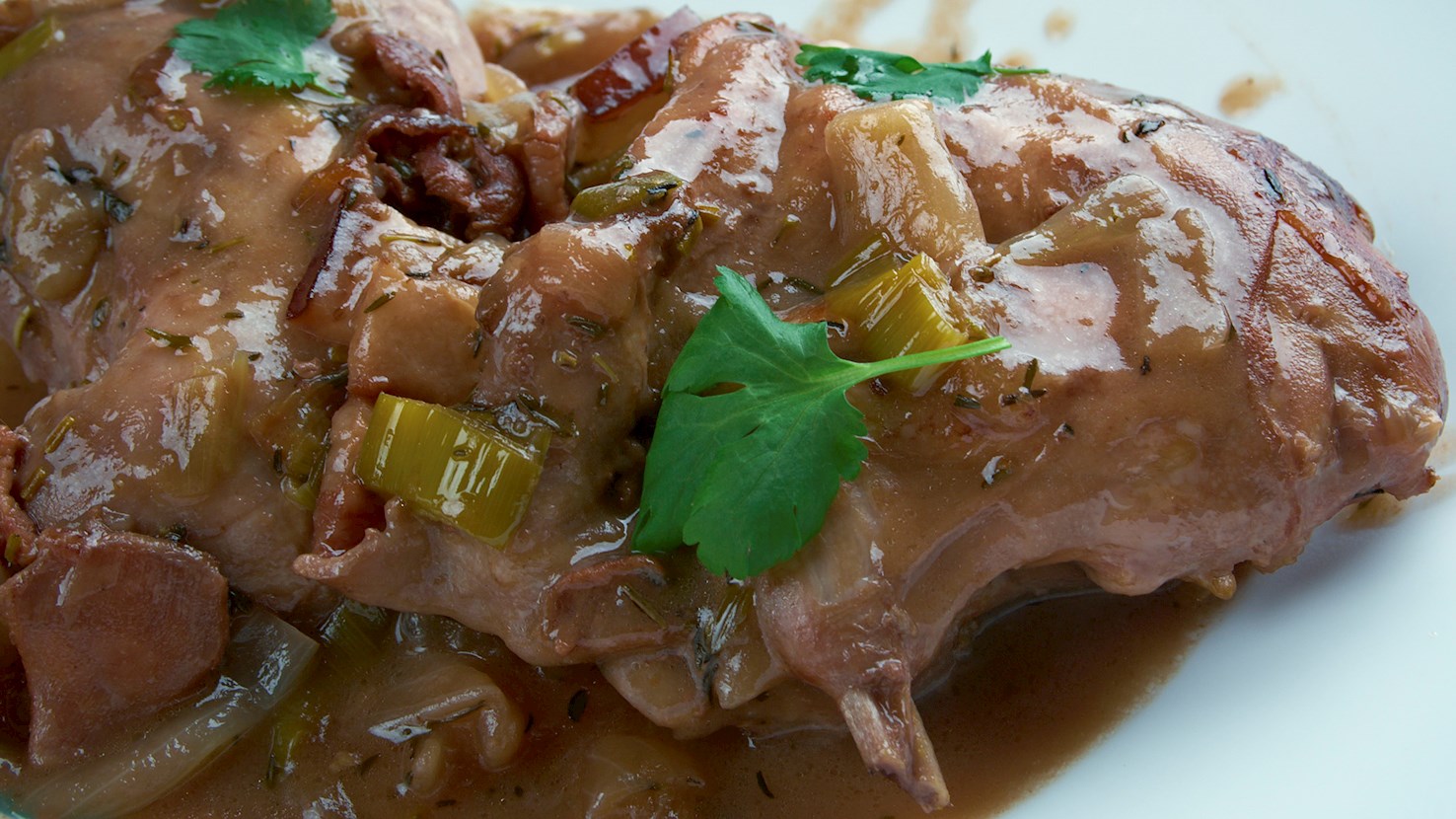
Konijn in het zuur is a vinegar-braised rabbit dish originating from southern Netherlands and Flanders, most noteably Limburg. The preparation utilizes the lean meat of the rabbit, which is slow-cooked in an acidic liquid to achieve a tender texture. This culinary staple is defined by a balanced sour-sweet profile, characteristic of the lowland territories. The transition of this dish into the regional repertoire occurred during the 19th century as a result of widespread small-scale rabbit farming. Rabbit was an accessible protein for the working class, but its lack of intramuscular fat required a moist-heat cooking method. The use of vinegar or sour beers was a functional choice to tenderize the muscle fibers while extending the shelf life of the cooked meat. The subsequent inclusion of local syrups or gingerbread to the braising liquid evolved to offset the sharp acidity, creating the specific flavor profile found in contemporary versions. Preparation begins with a long-duration soak in a marinade of vinegar, water, onions, and dry spices like cloves and bay leaves. After marination, the meat is seared in animal fat or butter and then simmered in the liquid until the connective tissues soften. A specific technical element involves adding a slice of mustard-coated bread or gingerbread to the pot; the starches and sugars dissolve to thicken the sauce into a dark, glossy gravy. The acidity of the liquid is crucial as it maintains the integrity of the lean meat during the hours of simmering. A unique outcome of this process is the infusion of the bone marrow into the sauce, which occurs due to the prolonged exposure to the acidic environment. Konijn in het zuur is consumed as a heavy main meal, often in a domestic or tavern setting. It is traditionally served with fries or salted boiled potatoes to provide a neutral base for the potent sauce. In Dutch variations, it is frequently paired with braised red cabbage and tart apples. The beverage pairing usually consists of a dark Belgian ale, such as a Dubbel, which shares the malty and slightly sweet characteristics of the gravy. It is also served with a side of fruit preserve or apple butter to further emphasize the contrast between the sour vinegar and sweet additives.
TasteAtlas food rankings are based on the ratings of the TasteAtlas audience, with a series of mechanisms that recognize real users and that ignore bot,
nationalist or local patriotic ratings, and give additional value to the ratings of users that the system recognizes as knowledgeable.
For the “Top 10 Dutch Meat Dishes” list until October 15, 2026, 571 ratings were recorded, of which 517 were recognized by the system as legitimate.
TasteAtlas Rankings should not be seen as the final global conclusion about food. Their purpose is to promote excellent local foods,
instill pride in traditional dishes, and arouse curiosity about dishes you haven’t tried.




What People Say