




shutterstock

Top 7 Northern Vietnamese Meat Dishes

Last updated on April 19, 2026
01

Bún chả (Grilled Pork Meatballs with Vermicelli Noodles)

4.3 ·

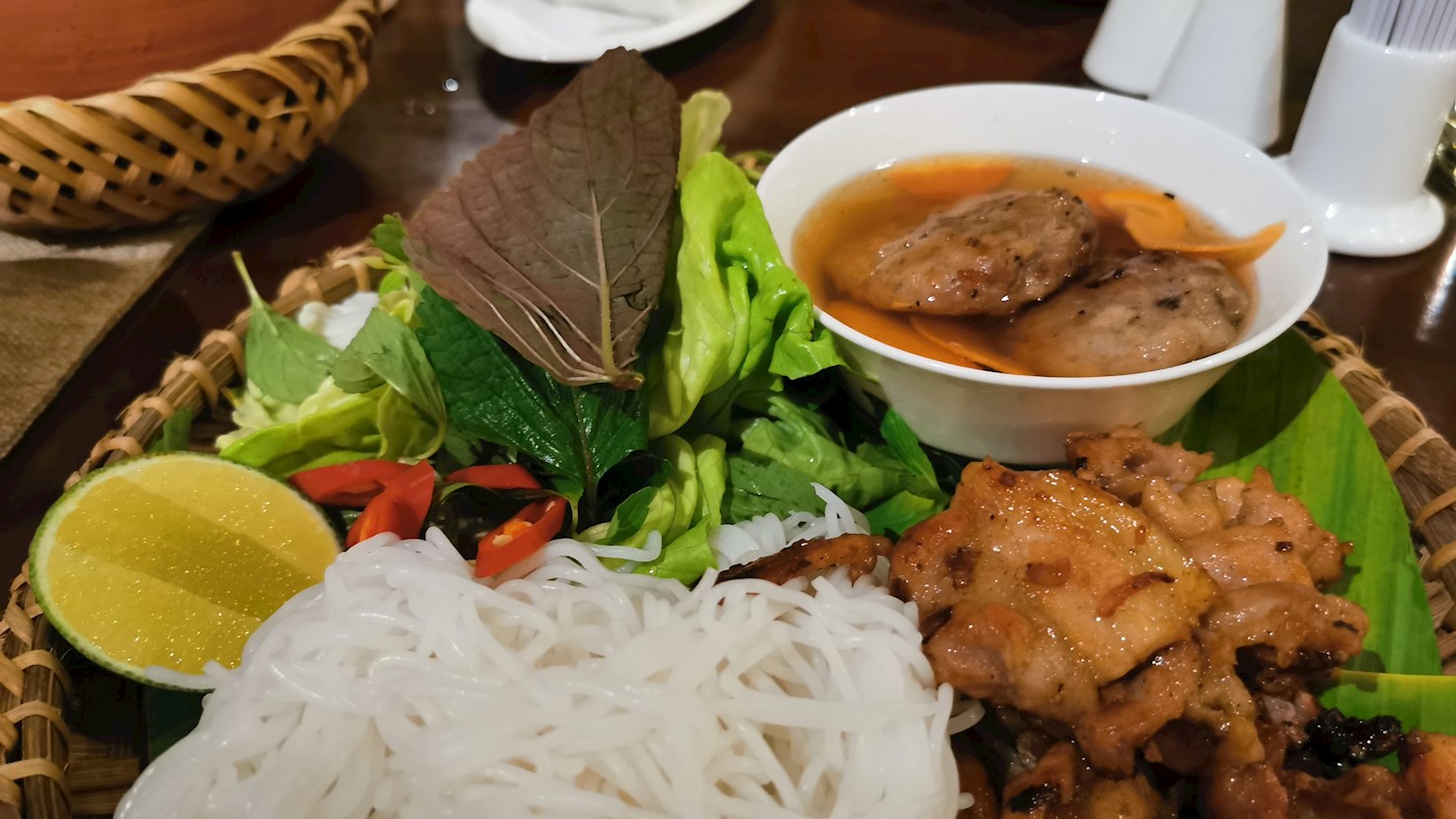
Bún chả is a pork and noodle dish that is intricately connected to Hanoi, where it is believed to have originated. The dish combines three elements: a bowl of grilled pork meatballs served in a cold broth, a plate of rice noodles, and a combination of various fresh greens such as perilla leaves, lettuce, coriander, and morning glory. Although bún chả or similar varieties can be found in other parts of Vietnam, the local Hanoi version is held in high regard. Not much is known about its history or origin, but the dish became internationally recognized in 2016 when it was featured on the show Parts Unknown – in which the host Anthony Bourdain enjoyed bún chả together with the former president Barack Obama.

02

Khau nhuc (Vietnamese Marinated Roasted Pork Loin)

n/a ·

Khau nhuc is a traditional dish originating from the Lang Son province. The dish is prepared with a combination of roasted pork loin that was marinated in honey, soy sauce, dried spices, and tau soi leaves. It takes a long time to prepare the dish, and before serving it's traditionally sliced into strips. When served, it looks like an up-ended basket with all the strips of meat woven together. Khau nhuc is especially popular at funerals, weddings, and longevity celebrations of local tribes.

03

De tai chanh (Boiled Goat Meat with Lemon Juice)

n/a ·

De tai chanh is a traditional dish and a specialty of Ninh Binh. The dish is made with goat meat that's boiled with lemon juice. Other common ingredients include chili peppers, lemon leaves, garlic, pepper, and sesame. The meat must be thinly sliced, fresh, and just lightly boiled so that it doesn't lose its sweetness. De tai chanh is usually served accompanied by figs, green bananas soaked in vinegar, and soy sauce for dipping on the side.

04

Cải mèo xào thịt lợn gác bếp (Preserved Mustard Greens with Smoked Pork Belly)

n/a ·

Cải mèo xào thịt lợn gác bếp is a traditional dish originating from the mountainous Sapa region. It's made with a combination of preserved mustard greens, smoked pork belly, garlic, soy sauce, salt, white pepper, and oil. The pork belly is cooked, dried, brushed with soy sauce and (optionally) sugar, and it's then deep-fried and sliced thinly. The slices are arranged on a plate, then topped with garlic and stir-fried pickled mustard greens. The dish is finished by mixing it with a combination of soy sauce, sugar, vinegar, wine, and white pepper, then steaming the combination before it's served. It's recommended to serve this dish with steamed white rice on the side.

05

Thit lon nuong muoi vung (Sapa Black Pork Skewers)

n/a ·

Thit lon nuong muoi vung is a traditional dish originating from Sapa's Hmong people. The dish consists of black pork skewers with sesame salt. It's made with a combination of black pork neck, toasted sesame seeds, scallions, lemongrass, fish sauce, oyster sauce, sugar, honey, black pepper, and oil. The pork neck is thinly sliced and marinated in everything except toasted sesame seeds. The next day, the marinated pork is placed on bamboo skewers and chargrilled until done. The sesame seeds are mixed with sea salt and served on the side as dip for the black pork skewers.

06

Nem phùng (Vietnamese Fermented Pork)

n/a ·

Nem phùng is a traditional dish originating from the province of Hà Tây. It's made with a combination of pork, pork skin, soy beans, fig leaves, long-grain rice, and glutinous rice. It's recommended to use fresh pork rump or loin that's cut, steamed, then filleted as lean, skin, and fat, which are all cut into strips. Later on, it's mixed with thinh, a roasted and ground combination of two types of rice and soybeans. The mixture is wrapped in fig leaves and banana leaves before it's tied into square-shaped packs. The dish is usually served with a chili-based dipping sauce on the side, and it's often paired with alcoholic beverages such as beer and rice wine.

07

Thắng cố

n/a ·

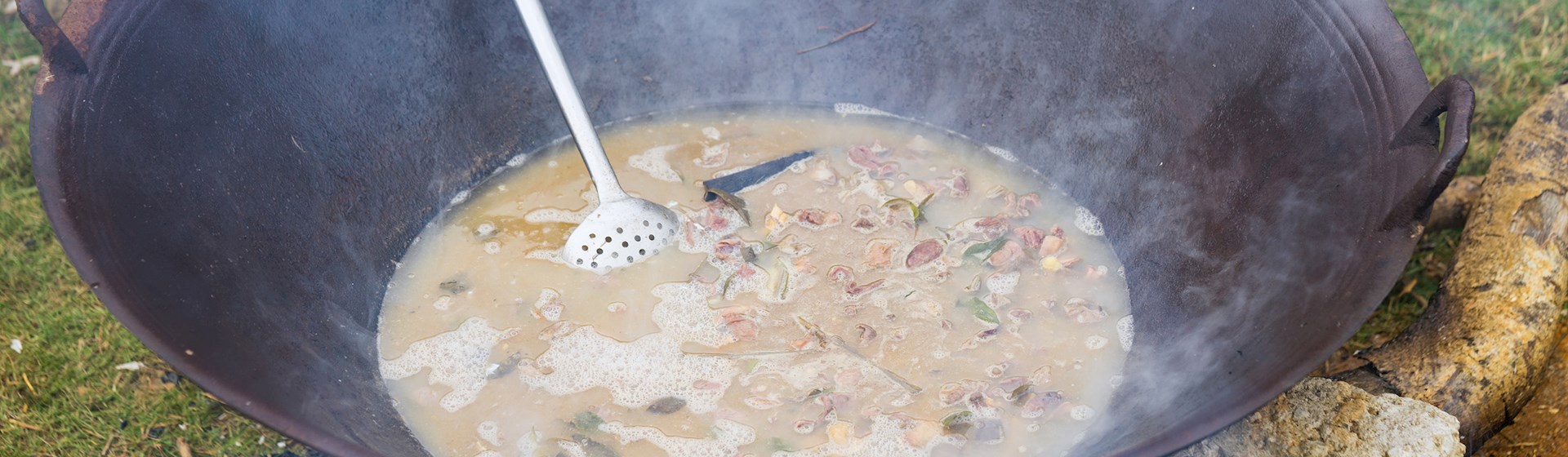
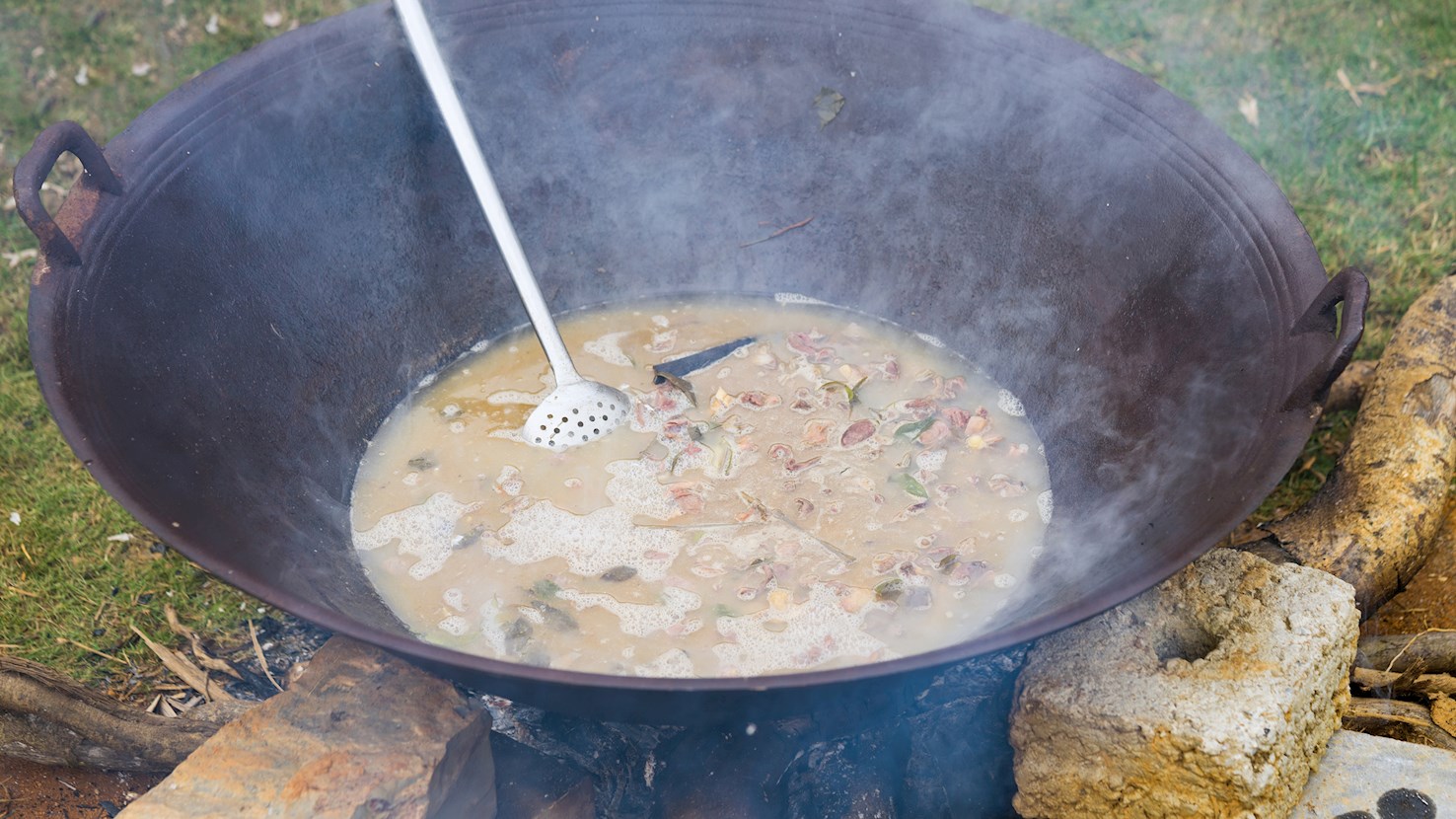
Thắng cố is a traditional dish originating from Sa Pa in Northwest Vietnam, although it can be found anywhere where the Hmong people reside, as it's their specialty dish. The name of this stew means big pot of water. It's made with a combination of the meat, bones, and offal of horses (most common), cows, pigs, or buffalos, chopped into small pieces. Other ingredients that accompany the dish are vegetables such as cabbage, lemongrass, chayote, and chili leaves. The unique flavor of the dish comes from a special sauce that contains many spices and has a slightly bitter zing. In this mountainous area, thắng cố is especially popular on cold and chilly days. In the past, the locals only walked on foot or rode horses, and the dish is a result of the abundance of horse meat, when they got sick or became too old.

Read more
View all
View map
About this ranking

TasteAtlas food rankings are based on the ratings of the TasteAtlas audience, with a series of mechanisms that recognize real users and that ignore bot, nationalist or local patriotic ratings, and give additional value to the ratings of users that the system recognizes as knowledgeable. For the “Top 7 Northern Vietnamese Meat Dishes” list until April 19, 2026, 190 ratings were recorded, of which 106 were recognized by the system as legitimate. TasteAtlas Rankings should not be seen as the final global conclusion about food. Their purpose is to promote excellent local foods, instill pride in traditional dishes, and arouse curiosity about dishes you haven’t tried.

Similar lists