



shutterstock

Top 19 Norwegian Meat Dishes

Last updated on August 15, 2026
01

Pinnekjøtt

3.9 ·

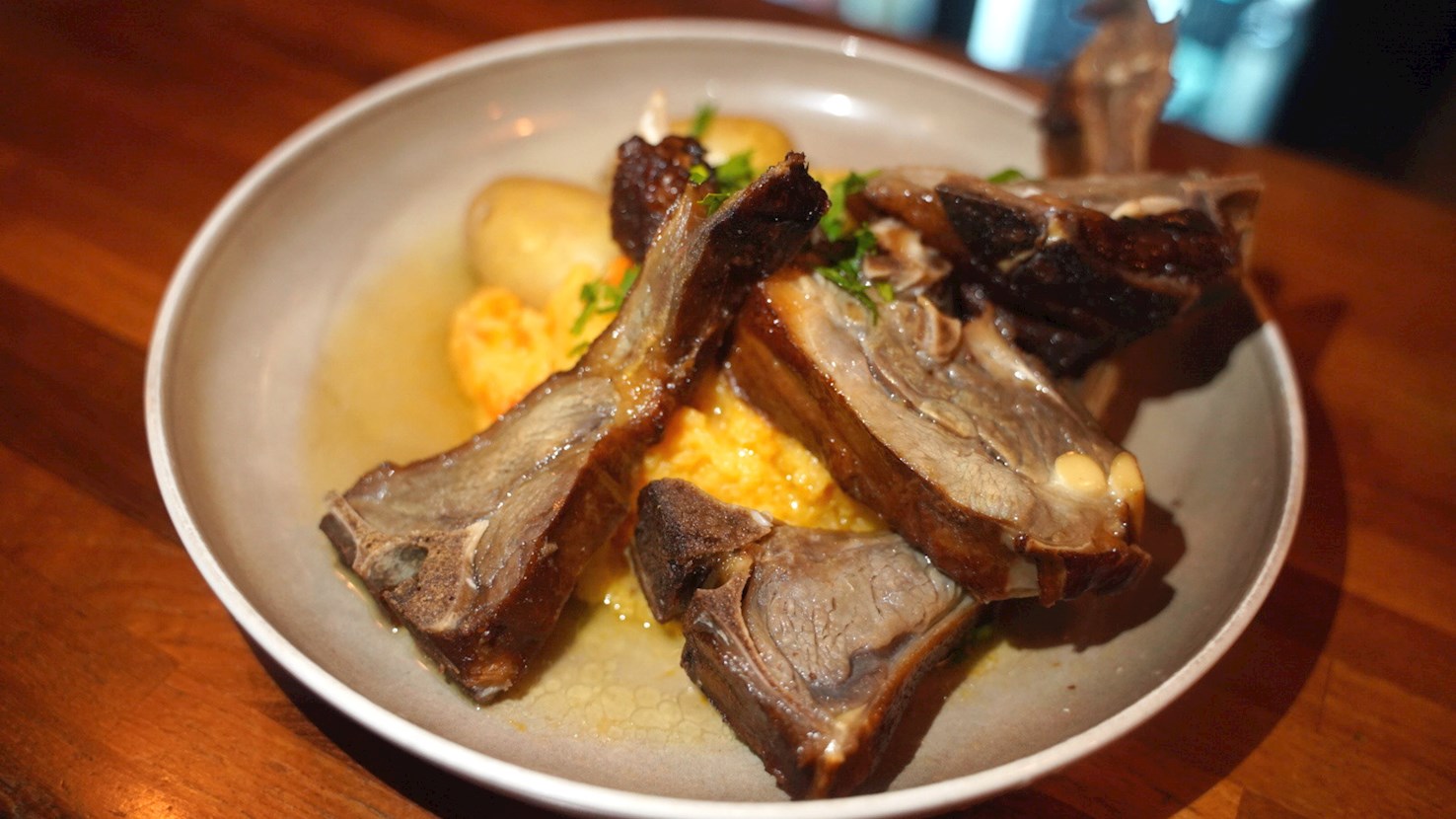
Pinnekjøtt is a traditional Christmas dish predominantly enjoyed in the northern and western parts of the country. It is usually prepared with racks of lamb or mutton, which are brined and air-dried or smoked before they are sliced into individual ribs and cooked. Traditionally, the ribs are placed on birch branches and steamed until all the water evaporates and the meat becomes juicy and tender. This flavorful Norwegian classic stems from the traditional methods of meat preservation and is usually complemented with mashed or boiled potatoes, pureed rutabaga, and various salads.

02

Kjøttboller

3.8 ·

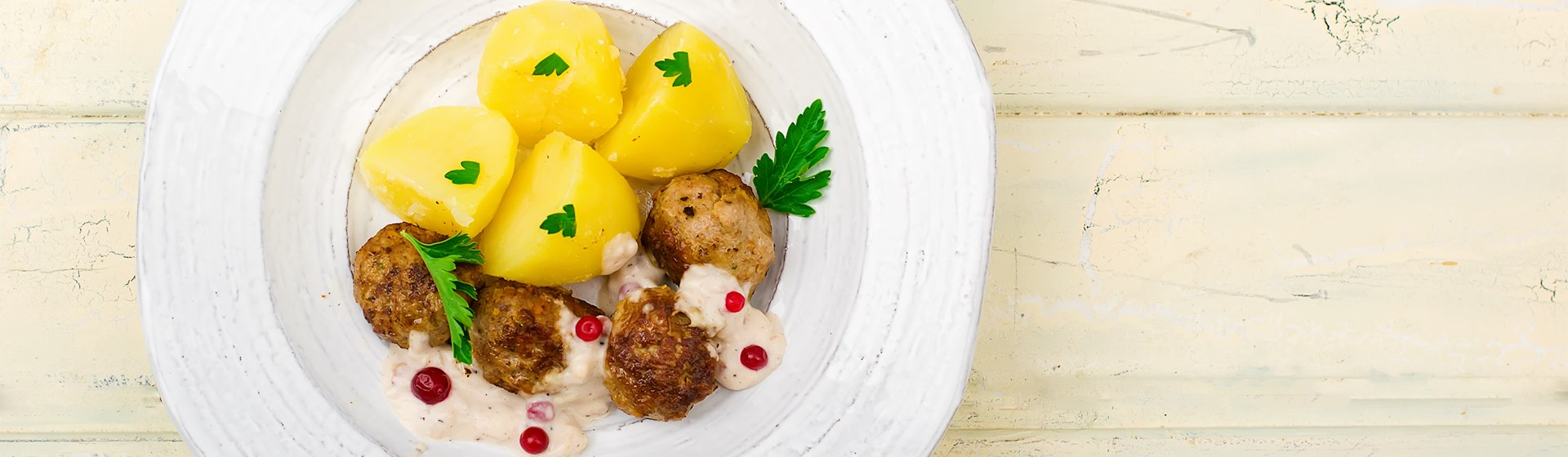
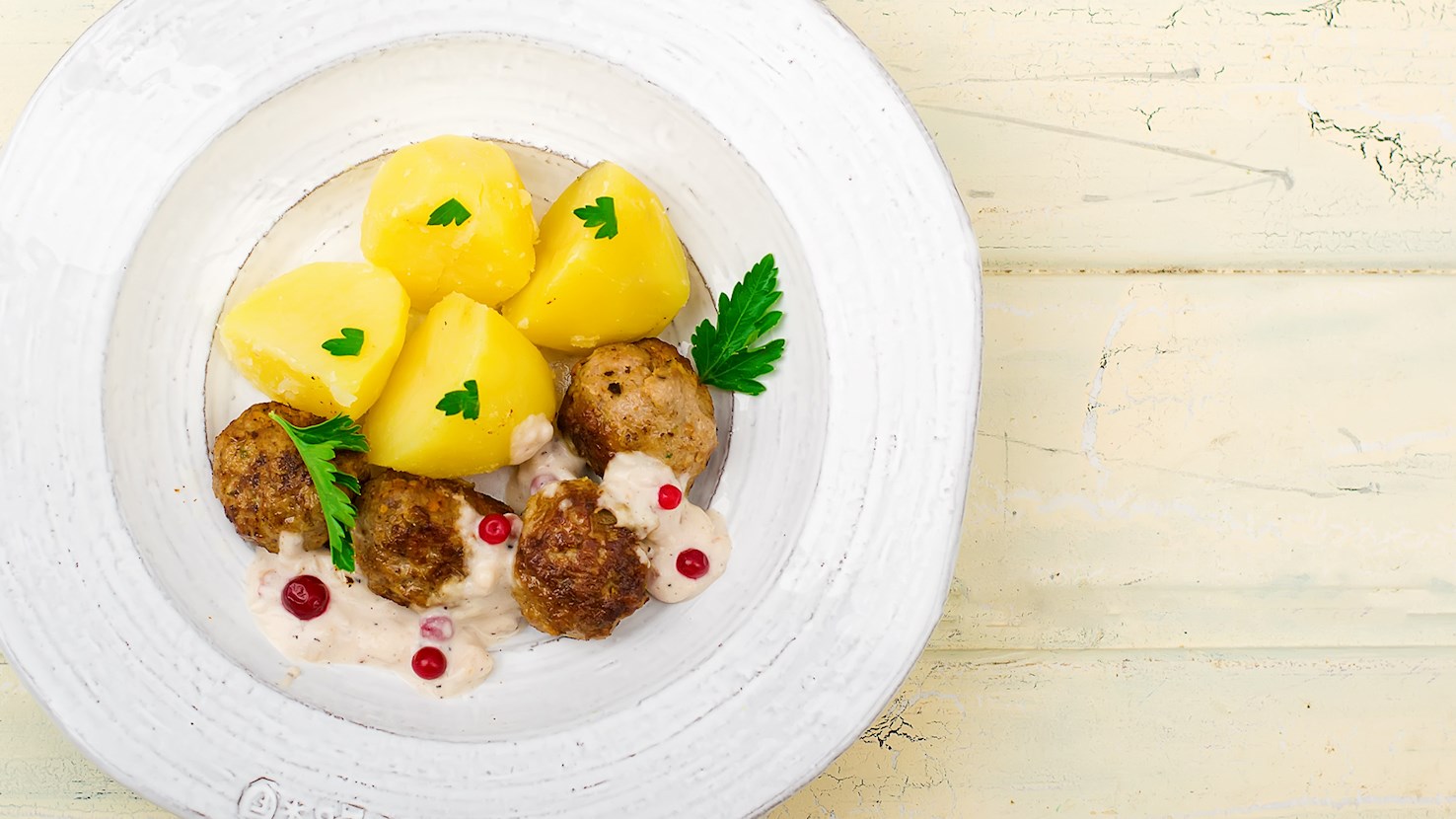
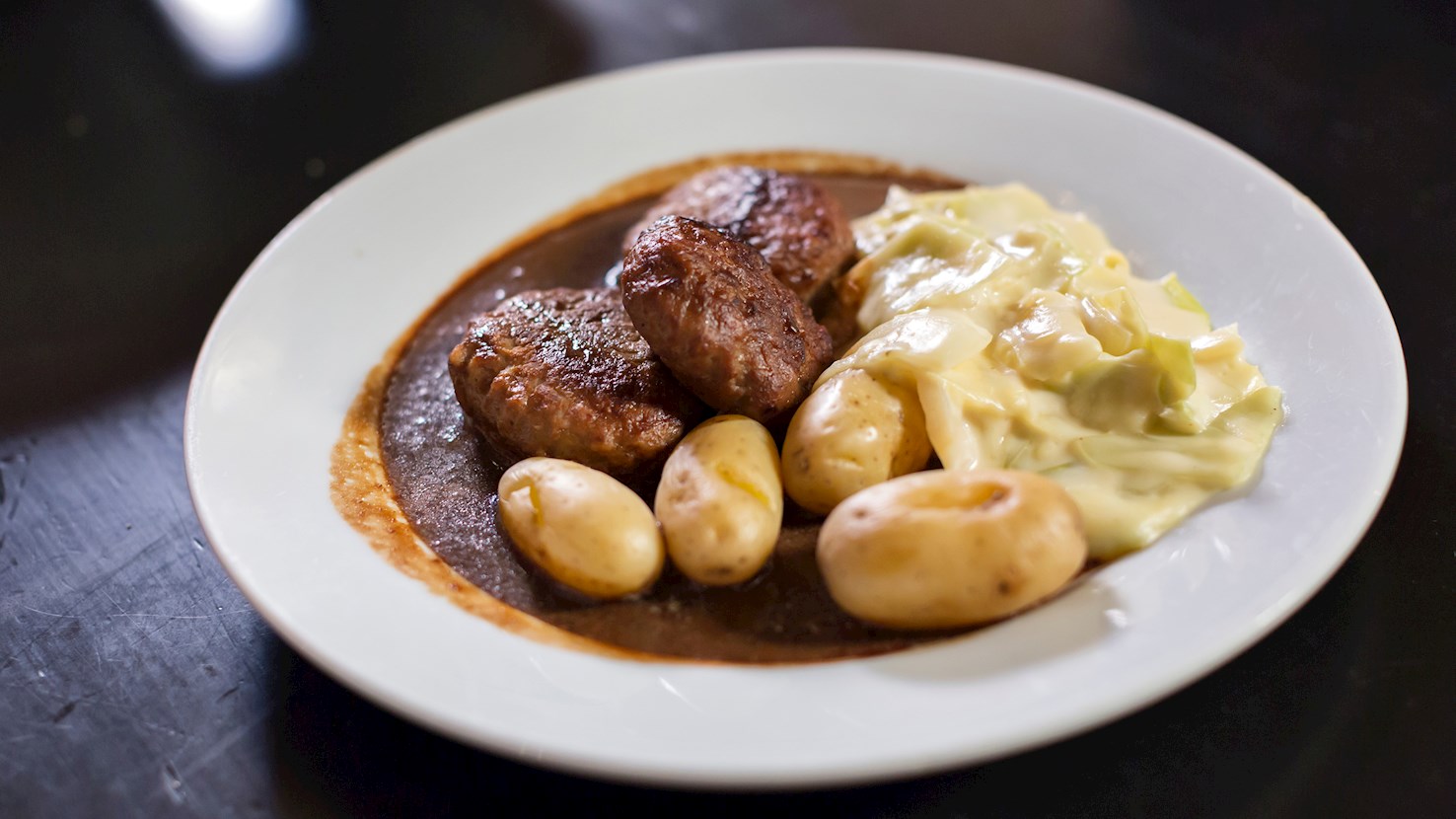
Kjøttboller or kjøttkaker are traditional Norwegian meatballs. Even though they share many similarities to their Swedish counterpart, they are usually larger in size and more often shaped as meat patties or meat cakes. Among the numerous varieties, traditional versions mainly employ minced beef that is generously seasoned with nutmeg and ginger, and occasionally combined with eggs, onions, oats, and cornstarch. Norwegians prefer to pan-fry the meatballs and enjoy them as a main course, accompanied by a creamy sauce or a thick gravy. Boiled or mashed potatoes, mashed peas, lingonberry jam, creamed cabbage, or caramelized onions are the most common sides served with this hearty and satisfying meal.

03

Julekrydret ribbe (Spiced Pork Ribs)

3.6 ·

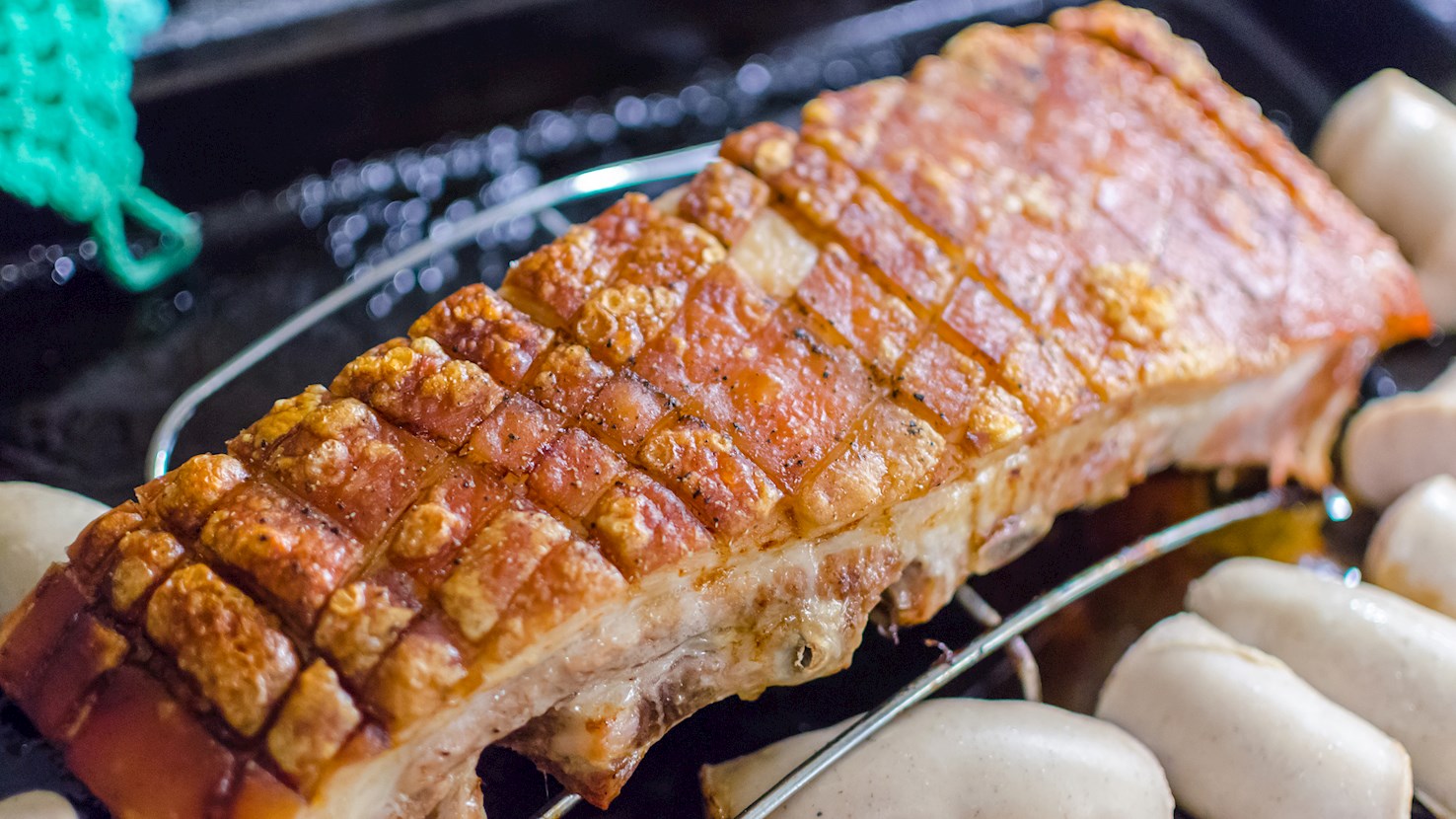
Julekrydret ribbe is a traditional meat dish consisting of spiced ribs. The preparation of spiced ribs is typically reserved for Christmas festivities. The ribs are rubbed with a mixture of ground anise seeds, minced ginger, salt, and black pepper before they're tightly covered and chilled. Whole cloves are studded into the meat and the rind. After a day or two, the ribs are placed into a baking pan with the rind up, covered with a bit of water, covered with foil, and baked. After a few hours, the ribs should be fully cooked, the rind will become crisp, and the dish is then ready to be served.

04

Fårikål

3.5 ·

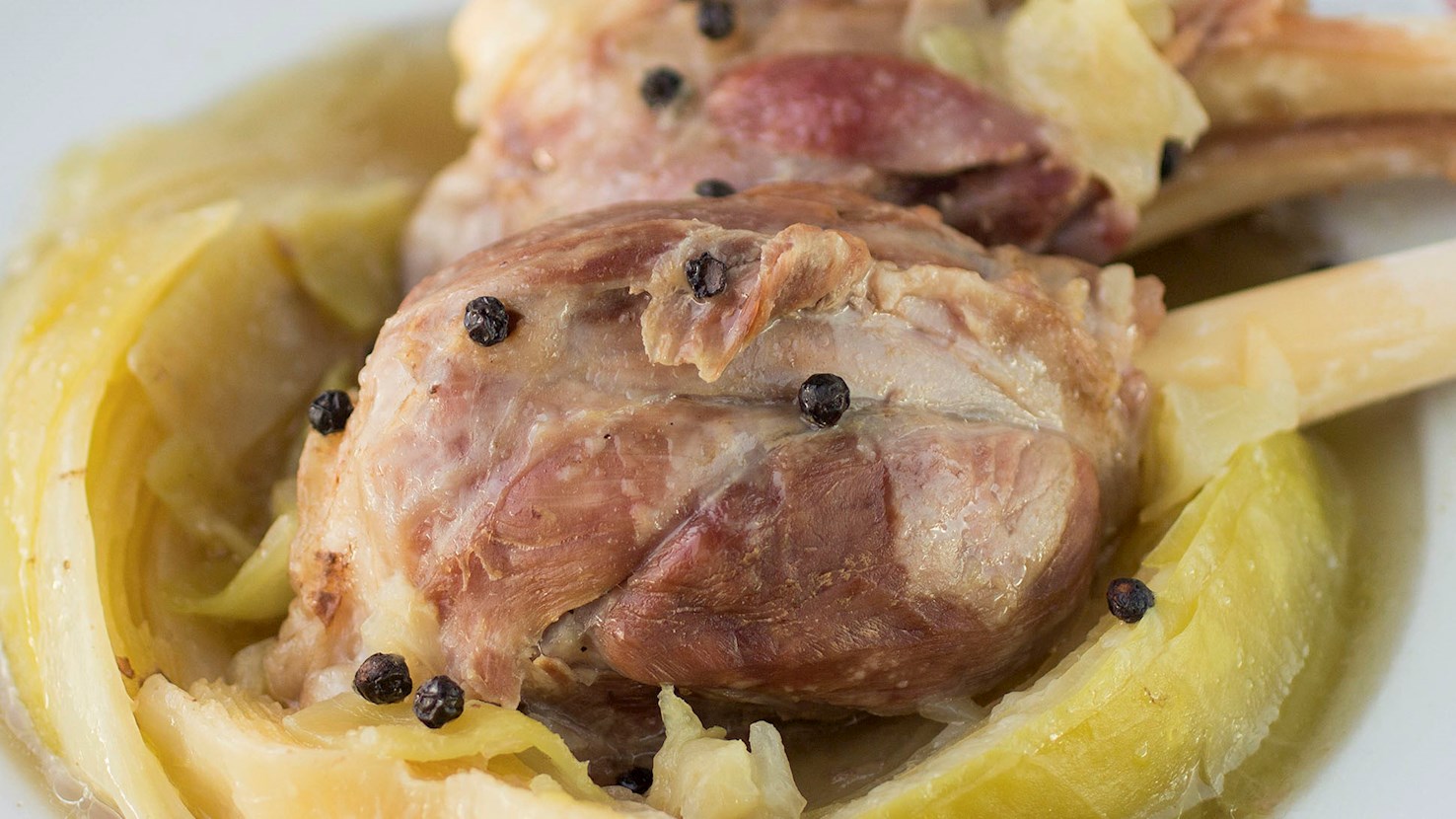
The national dish of Norway, fårikål, is hearty mutton and cabbage stew, typically served with boiled potatoes. The list of ingredients is scarce: only mutton, cabbage, salt, pepper, and water, although some recipes call for the broth to be thickened with flour. Traditionally, this stew was a seasonal, autumn dish, but today it is eaten throughout the year.

05

Reinsdyr mørbrad (Reindeer Steak)

3.4 ·

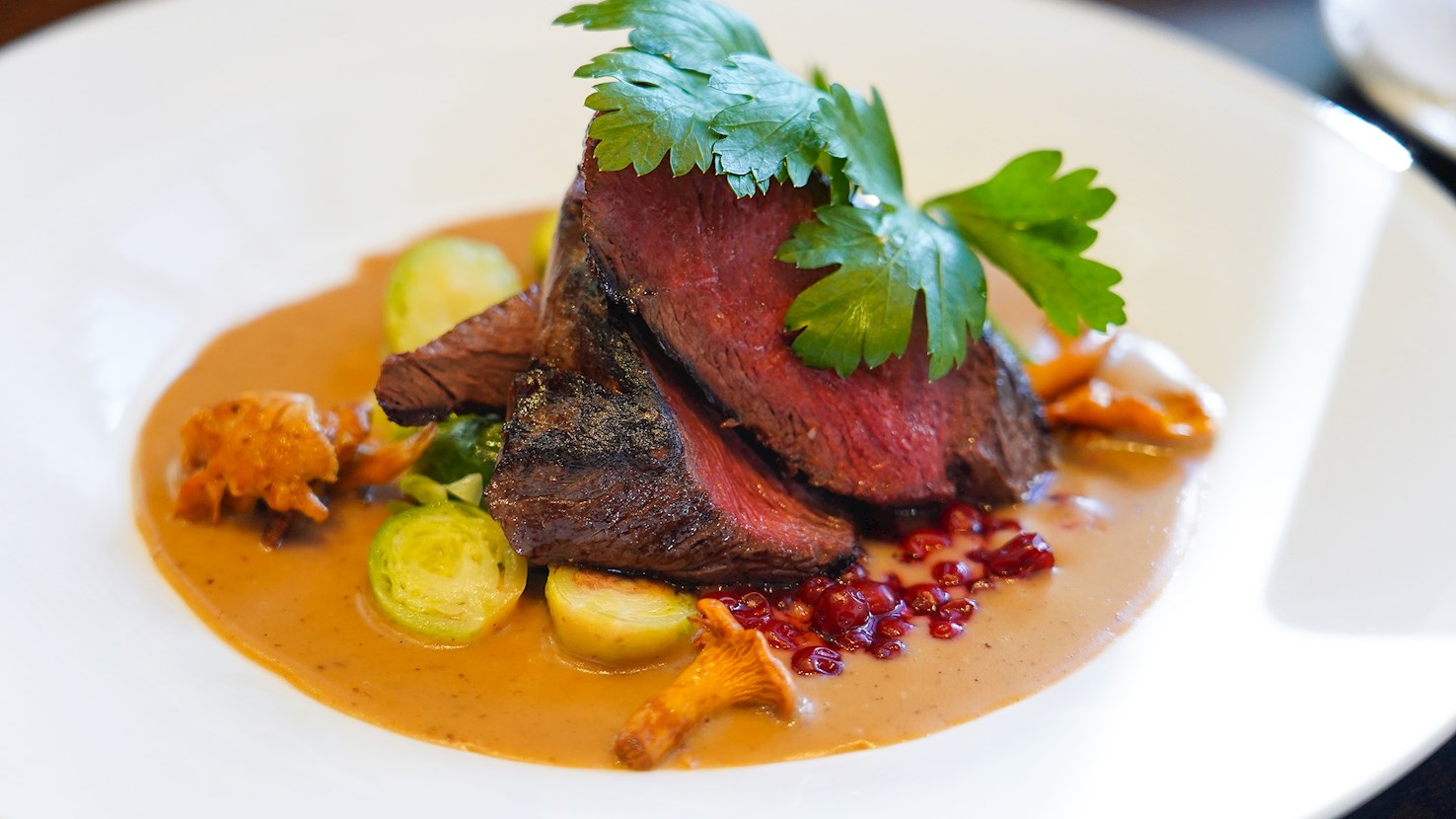
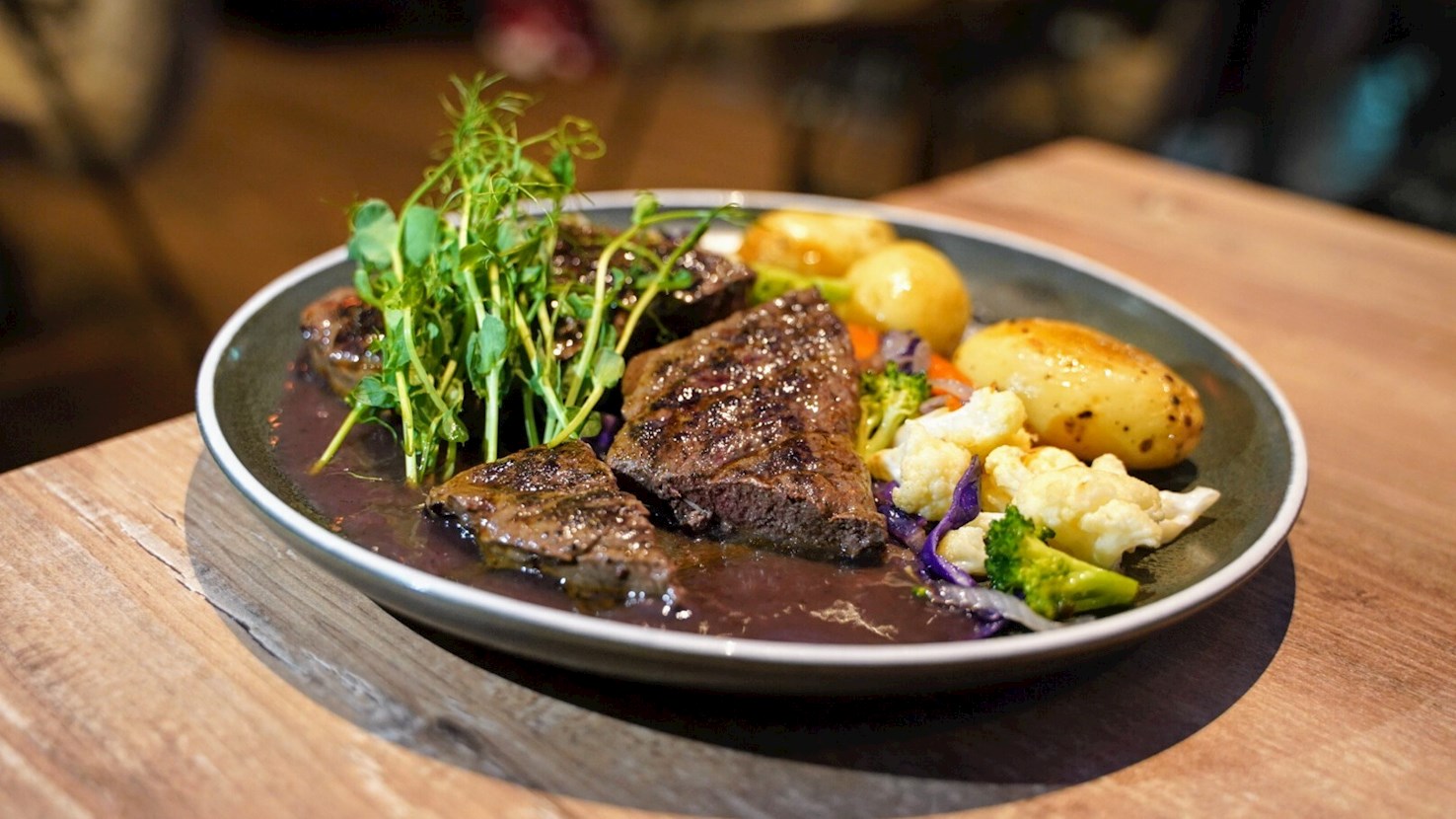
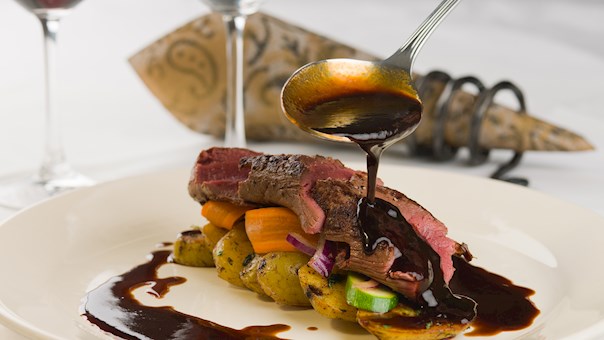
Reinsdyr mørbrad is a traditional game meat dish originating from Norway. The dish consists of reindeer steaks that are fried or grilled to perfection, usually in reindeer fat, butter, and oil. The meat of domesticated and farmed reindeer is lean, and the flavor is mild, pleasant, and not gamey at all. The steaks are usually seasoned with salt and pepper and served medium rare, and the texture shouldn't be chewy or heavy as is often the case with game meats. However, sometimes there's a slightly metallic taste. The meat is usually served with lingonberries, carrots, boiled new potatoes, or mashed potatoes on the side.

06

Medisterkaker

3.2 ·

Medisterkaker is a traditional dish consisting of pork meatballs. Although there are many recipes for these meatballs, they're usually made with a combination of ground pork, flour, eggs, salt, nutmeg, ginger, milk, black pepper, and oil. The meat, salt, and eggs are stirred until sticky, then mixed with the flour and spices. The milk is added a bit at a time, and the resulting mix shouldn't be too firm. The mixture is shaped into balls that are fried in oil until slightly browned on both sides. In order to finish the dish, the medisterkaker are typically cooked in the oven for about 15 minutes. On Christmas, these pork meatballs are traditionally served with pork ribs, boiled potatoes, sauerkraut, mustard, and lefse.

07

Pytt i panne

3.2 ·

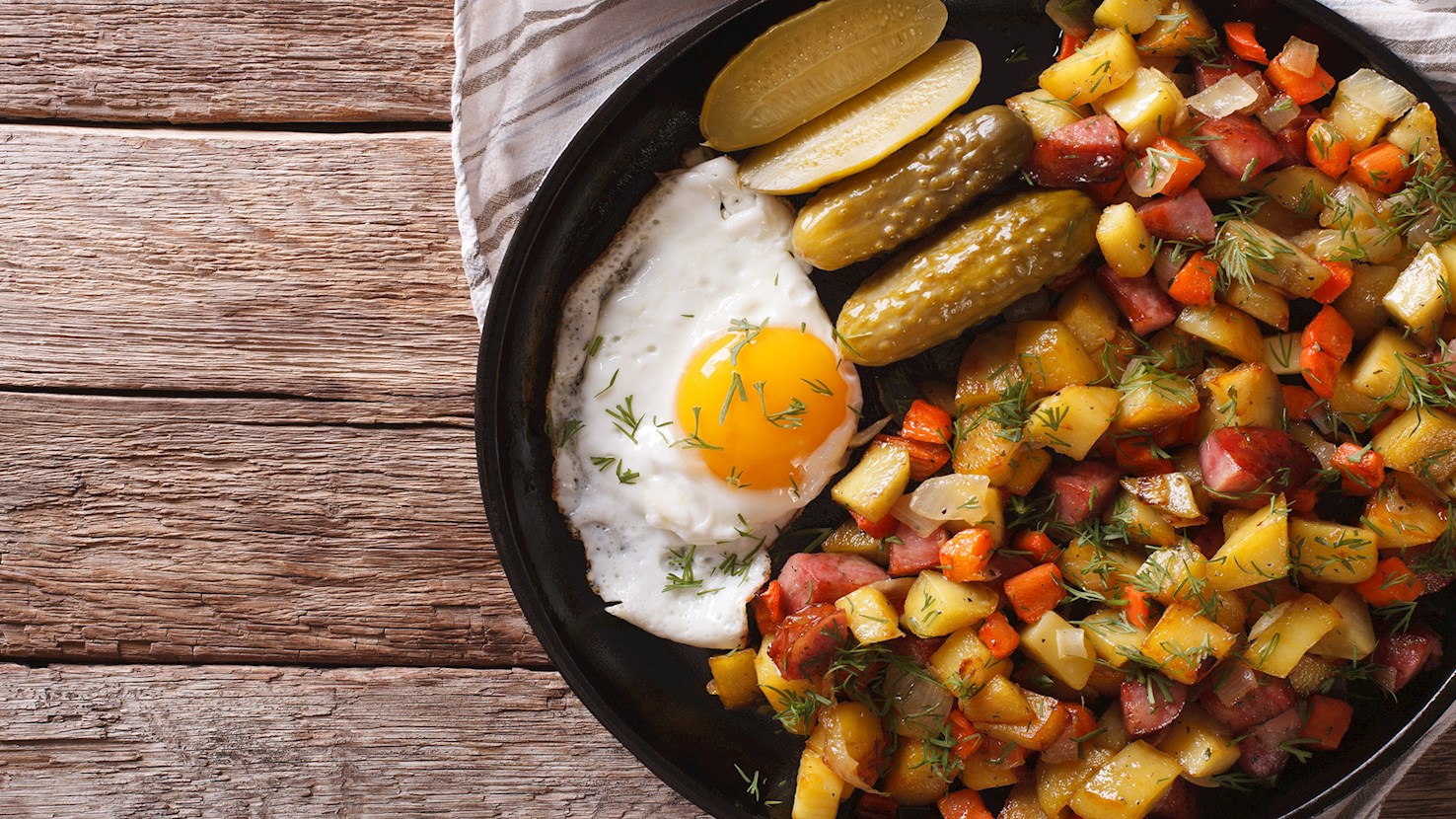
Initially regarded as a simple dish assembled from available leftovers, this rustic hash nowadays stands as the ultimate comfort food and a favorite meal in many Nordic countries. Pyttipanna is incredibly versatile and usually consists of diced potatoes and different types of meat and vegetables that are pan-fried in butter. Served with a fried egg on top and alongside various pickled salads, it is usually enjoyed as a nutritious breakfast.

08

Hvalbiff (Whale Steak)

3.2 ·

Hvalbiff is a traditional dish consisting of whale steaks. Fresh whale steaks are usually fried and seared over high heat on both sides, with a raw middle point. They can also be marinated before frying or grilling. Seasonings such as salt and pepper are typically added after the steaks have been fried. The steaks are often served with onion sauce, baked potatoes, or sautéed vegetables such as onions and bell peppers. Most people describe the flavor of whale steaks as oily, salty, sweet, and slightly reminiscent of beef and game meat. In Norway, minke whale is the most common species that's hunted. The species is free-range and not endangered. However, in 2000 the conservation organization WWF warned that Norwegian whale meat is toxic and contains hormone-disrupting chemicals and metals such as organic mercury that is bio-cumulative. None of the chemicals have exceeded the WHO limits at the time of the warning. Apart from aboriginal whaling, Norway and Iceland are the only two countries that continue to practice commercial whaling.

09

Biđus

2.9 ·

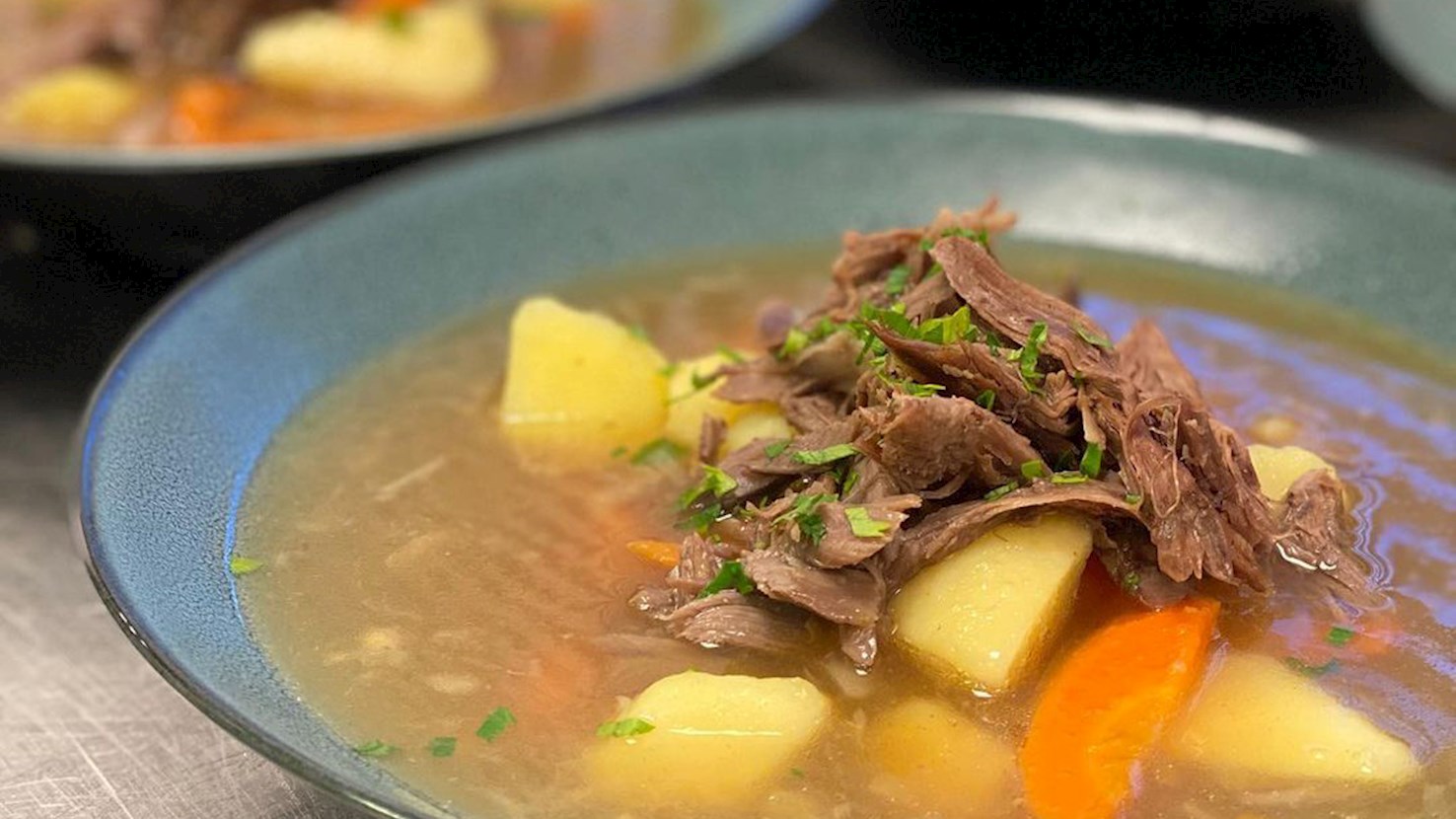
Bidos is a traditional stew of the Norwegian Sámi people. It's made with a combination of reindeer meat (including the heart), onions, potatoes, and carrots. Traditionally, no seasoning is used because the stew already has a rich flavor reflecting the reindeer's pasture. However, the stew can be enriched with a bit of mustard, if desired. The ingredients are slowly cooked until everything is tender. The Sámi people traditionally serve bidos at weddings and similar festive occasions.

10

Finnbiff

n/a ·

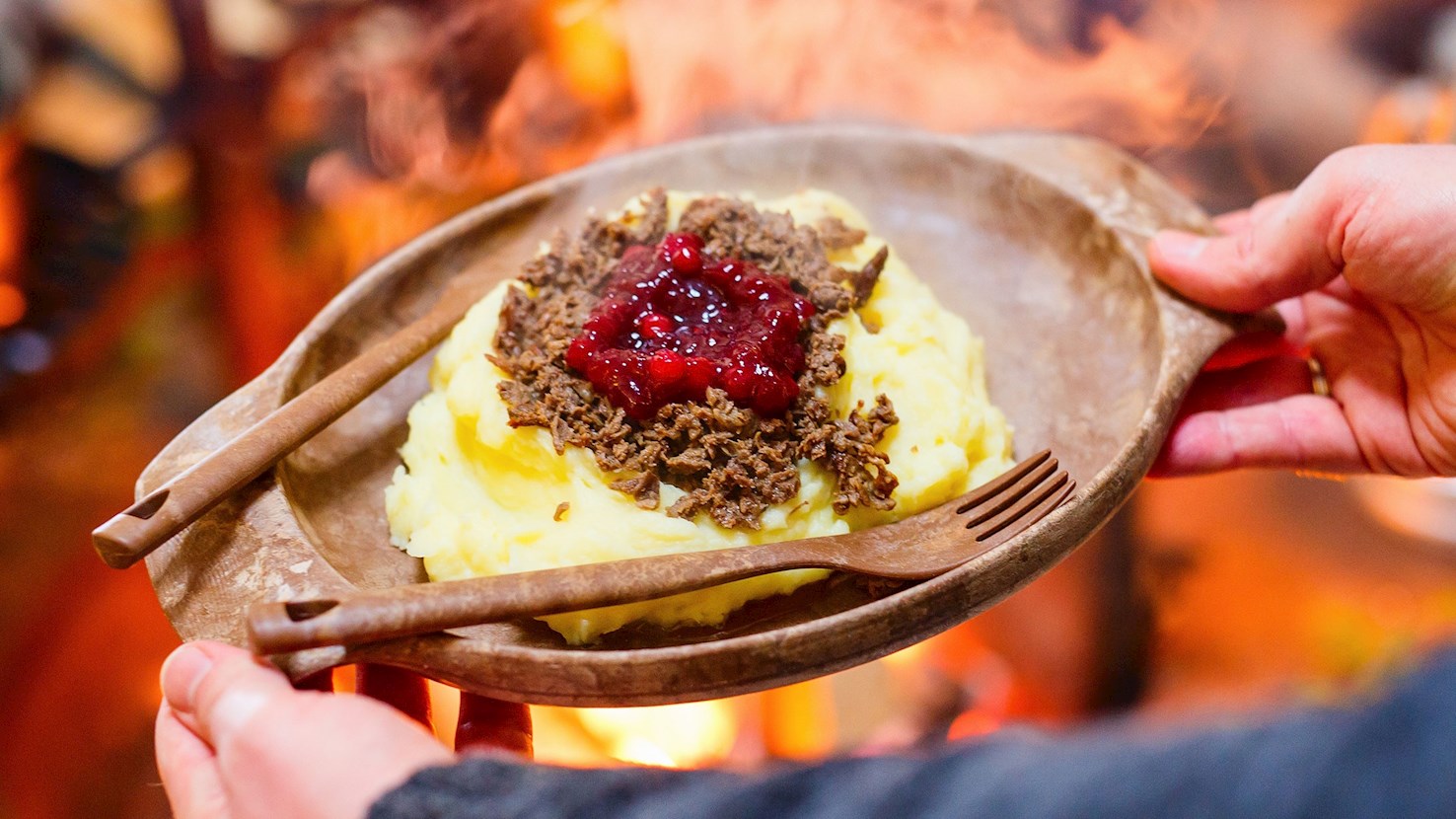
Finnbiff is a Norwegian stew made from thinly sliced reindeer meat, simmered with ingredients such as onions, mushrooms, cream, and sometimes juniper berries to create a rich and hearty dish. It originates from the northern regions of Norway, where reindeer herding has been an important part of Sámi culture for generations. The use of thin shavings of meat comes from a practical approach to cooking in cold climates, allowing the meat to cook quickly and evenly over open fires or in simple pots. Over time, the dish evolved from a campfire meal for herders into a well-known recipe served in homes and restaurants across the country. Preparation begins with browning the frozen or semi-frozen slices of reindeer in butter, which helps develop flavor and prevents the meat from stewing too early. Onions and mushrooms are added, followed by cream or sour cream to create a smooth sauce, with juniper berries or thyme sometimes included for aroma. The stew is usually served with boiled or mashed potatoes, lingonberry preserves, or flatbread, which complement the richness of the meat. One notable feature of finnbiff is that it retains the distinct taste of reindeer while becoming tender through the slow cooking process, making it both robust and refined. Today it is enjoyed throughout Norway, especially in the north, served in mountain lodges, local restaurants, and family kitchens, often as a warming meal during the colder months or offered to visitors seeking regional cuisine.

About this Ranking

TasteAtlas food rankings are based on the ratings of the TasteAtlas audience, with a series of mechanisms that recognize real users and that ignore bot, nationalist or local patriotic ratings, and give additional value to the ratings of users that the system recognizes as knowledgeable.

TasteAtlas Rankings should not be seen as the final global conclusion about food. Their purpose is to promote excellent local foods, instill pride in traditional dishes, and arouse curiosity about dishes you haven’t tried.

What People Say

Similar Lists