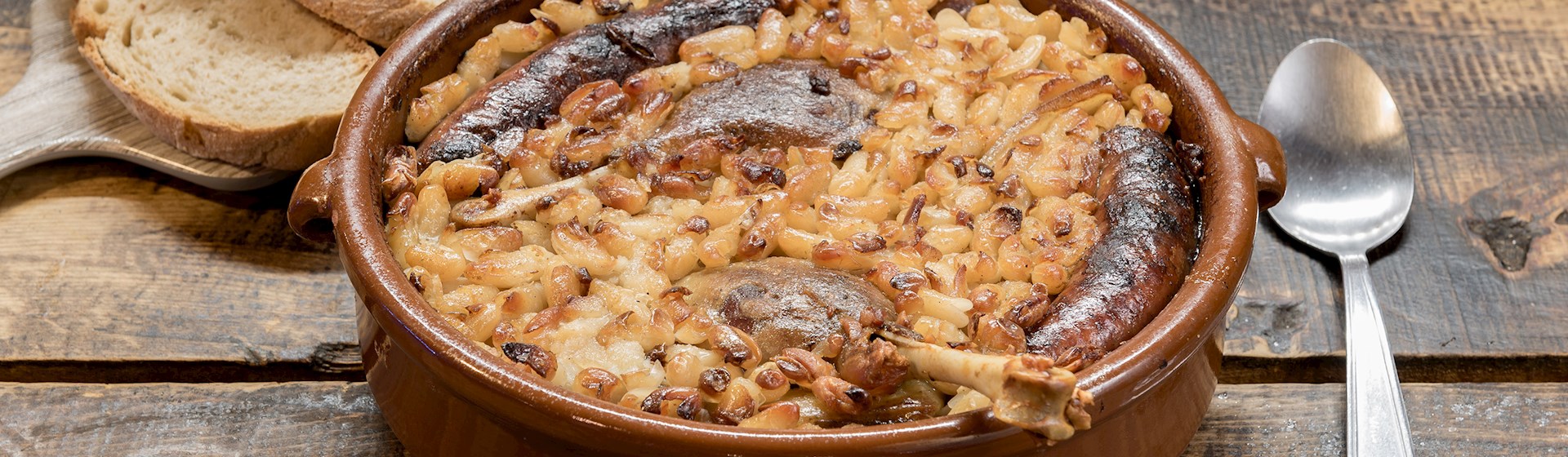
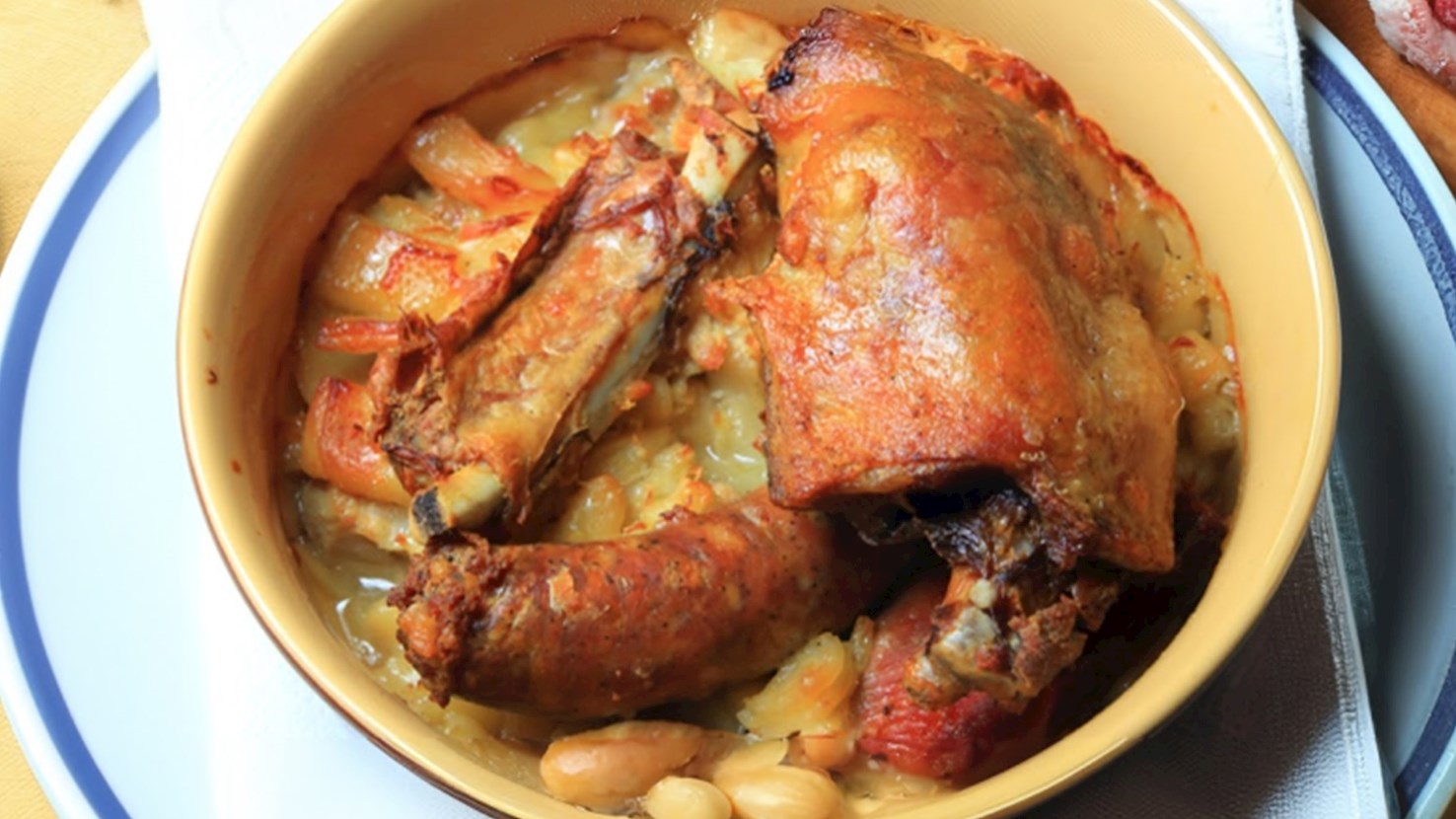
This traditional bean- and meat-based dish from the southwest of France comes in three versions, and each version is a separate dish in its own right. The name cassoulet comes from the name of the dish used to prepare it, called a cassole. The dish is braised for hours in this glazed terracotta casserole pot at a low temperature until the meat and beans are soft enough to melt in your mouth. Three cities claim to be home to the original recipe, and while they are eternally striving for the title of “best cassoulet”, all agree on one thing – this dish is held sacred in the Lauragais region. One version comes from Castelnaudary, and is based on white kidney beans with pork products such as smoked ham, spicy sausages, and pork shoulder. Cassoulet de Carcassone adds chunks of mutton, lamb, partridge, or quail, while cassoulet Tolousain combines duck or goose confit with all of the aforementioned ingredients. This staple of French comfort food is best enjoyed on a cold winter day and it is recommended to accompany it with a glass of fragrant, full-bodied red wine.
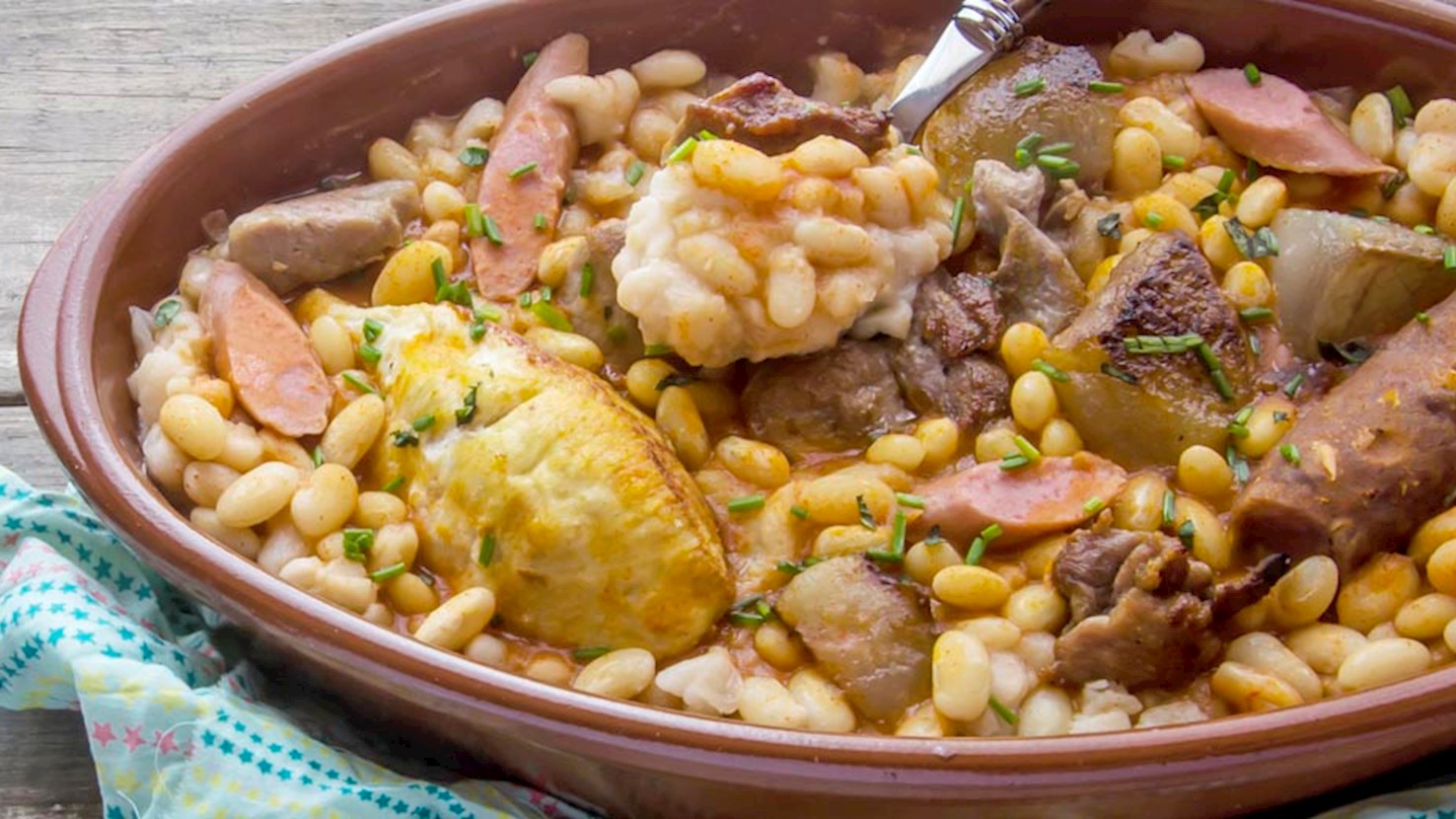
Cassoulet de Toulouse is a traditional casserole that showcases the rich culinary heritage of Toulouse. Made with haricot Tarbais beans, a variety of meats including lamb, pork, Saucisse de Toulouse, and duck confit, as well as aromatic ingredients like onion, garlic, and bouquet garni, this dish is slow-cooked to create a deeply flavorful and comforting meal. The addition of goose fat, ham bone, and chicken stock further enriches the dish, making it a hearty and satisfying staple of French cuisine. The stew can also include tomatoes for color and flavor and breadcrumbs to help create the crust.
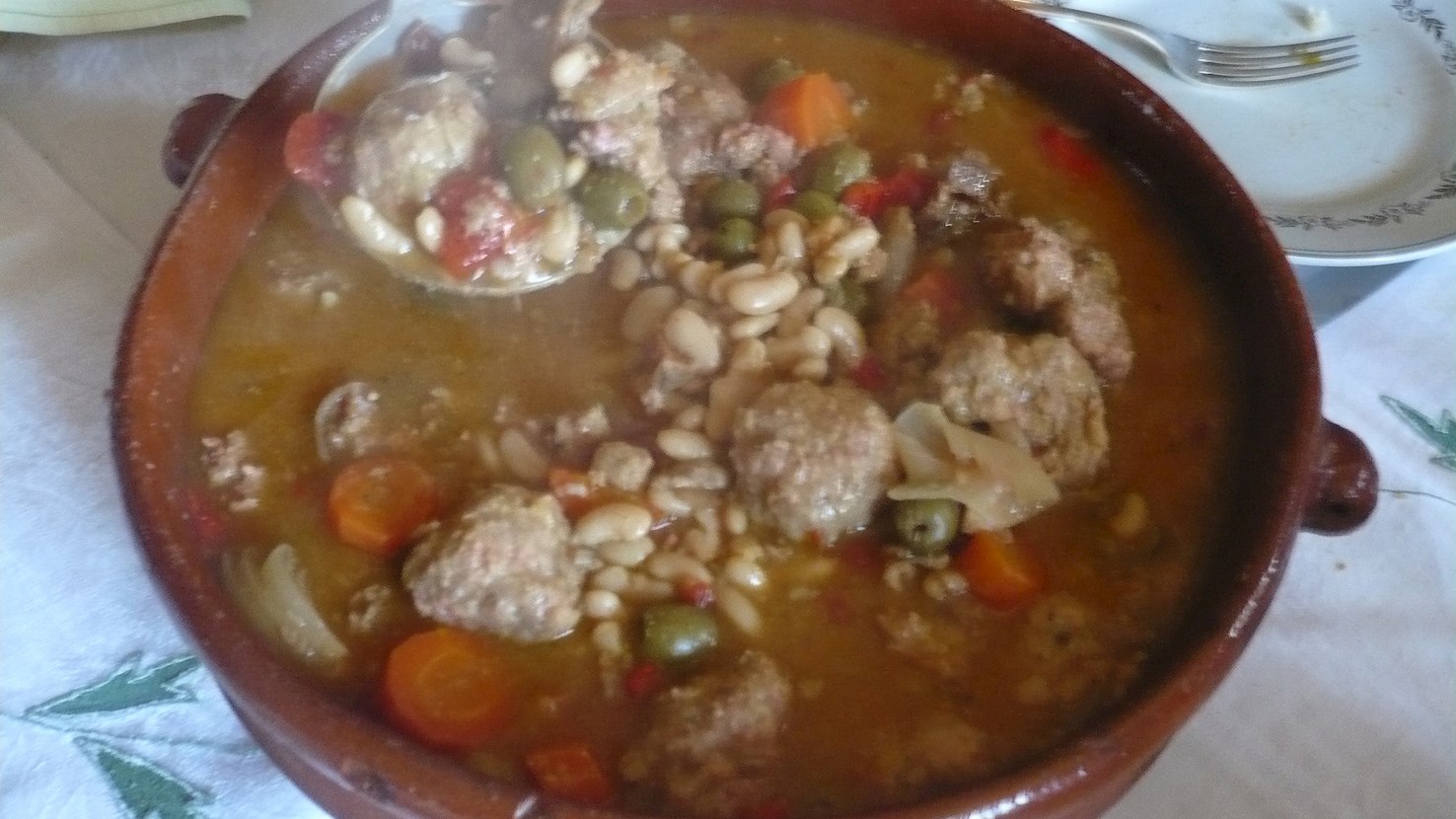
Boles de picolat is a traditional Catalan dish in which meatballs and olives are simmered in a rich sauce. Other ingredients include carrots, garlic, cepes mushrooms, tomato purée, and olive oil. The meatballs are often prepared with a combination of pork and beef mince, flour, eggs, and onions. They're fried in olive oil, then combined with the sauce. Once prepared, the dish is served with white beans, chickpeas, or rice on the side. It's important to note that the dish and some of the ingredients vary from restaurant to restaurant.
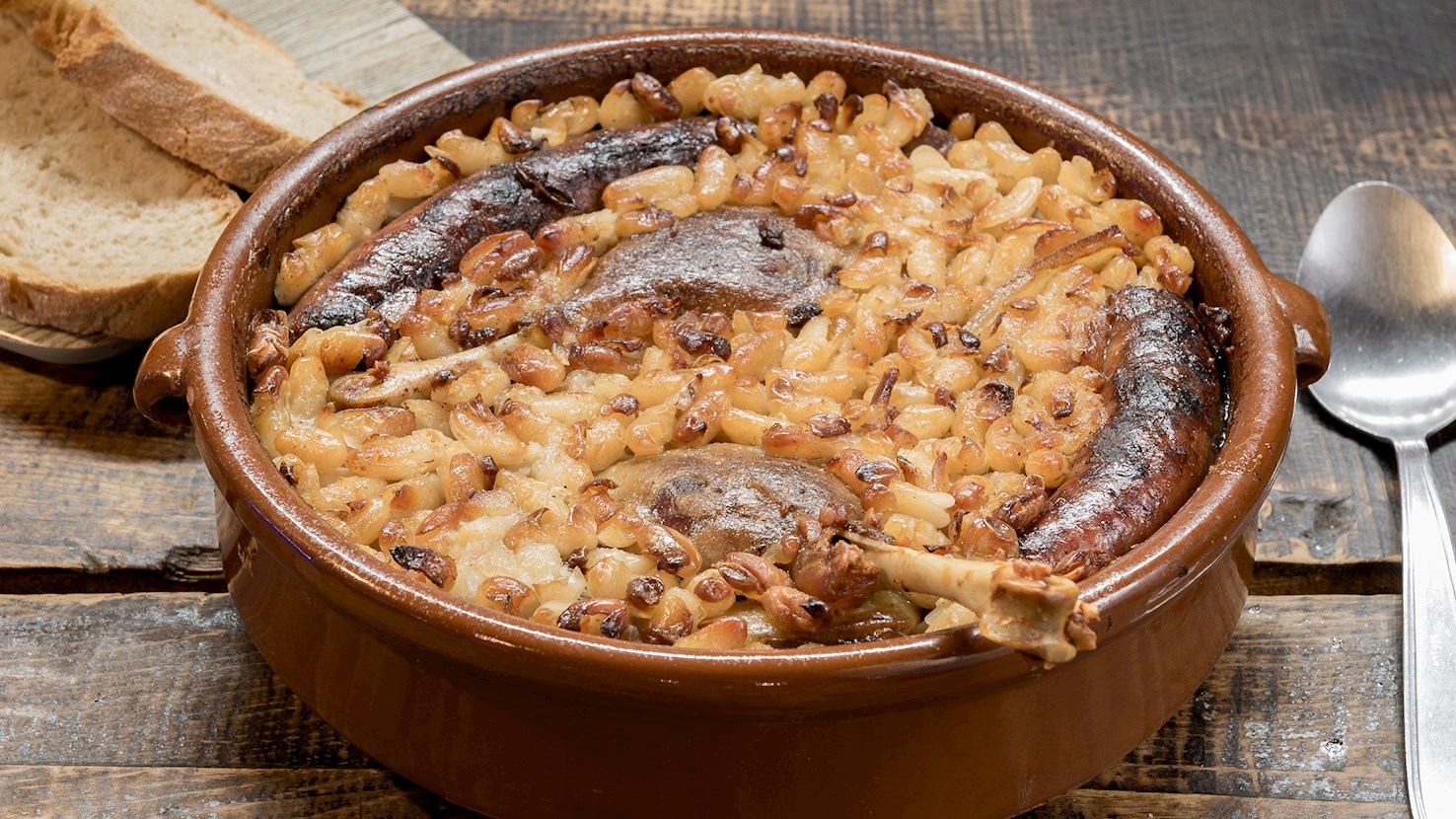
Cassoulet de Castelnaudary is a traditional casserole originating from the town of Castelnaudary in the Languedoc region. This iconic dish is primarily made from white beans sourced from Lauragais. The key meats used in this cassoulet include goose confit, pork shank or shoulder, sausages, and pork rind. Additionally, a poultry carcass or pork bones are used to create a rich broth, along with onions and carrots, although these vegetables are not present in the final dish. The preparation of cassoulet de Castelnaudary involves several steps. The white beans are first cooked separately. The meats are browned to enhance their flavor before being combined with the beans in a large, deep earthenware pot known as a "cassole." The dish is then slow-cooked, allowing the flavors to meld together. Traditionally, the final cooking stage takes place in a baker's oven fueled by gorse from the Montagne Noire, which imparts a unique flavor to the dish. Cassoulet de Castelnaudary is known for its simplicity and hearty nature. In addition to the goose confit, it is often referred to as "pure pork" due to its use of pork shank or shoulder, sausages, and pork rind. The slow-cooking process results in a rich, flavorful casserole with a creamy texture, topped with a crispy crust that forms during the final baking. This dish is a symbol of the region's culinary heritage, reflecting the rustic and resourceful cooking traditions of rural France. Cassoulet de Castelnaudary is best enjoyed hot, often accompanied by a crusty baguette and a glass of robust red wine from the Languedoc region, making it a deeply satisfying and comforting meal.
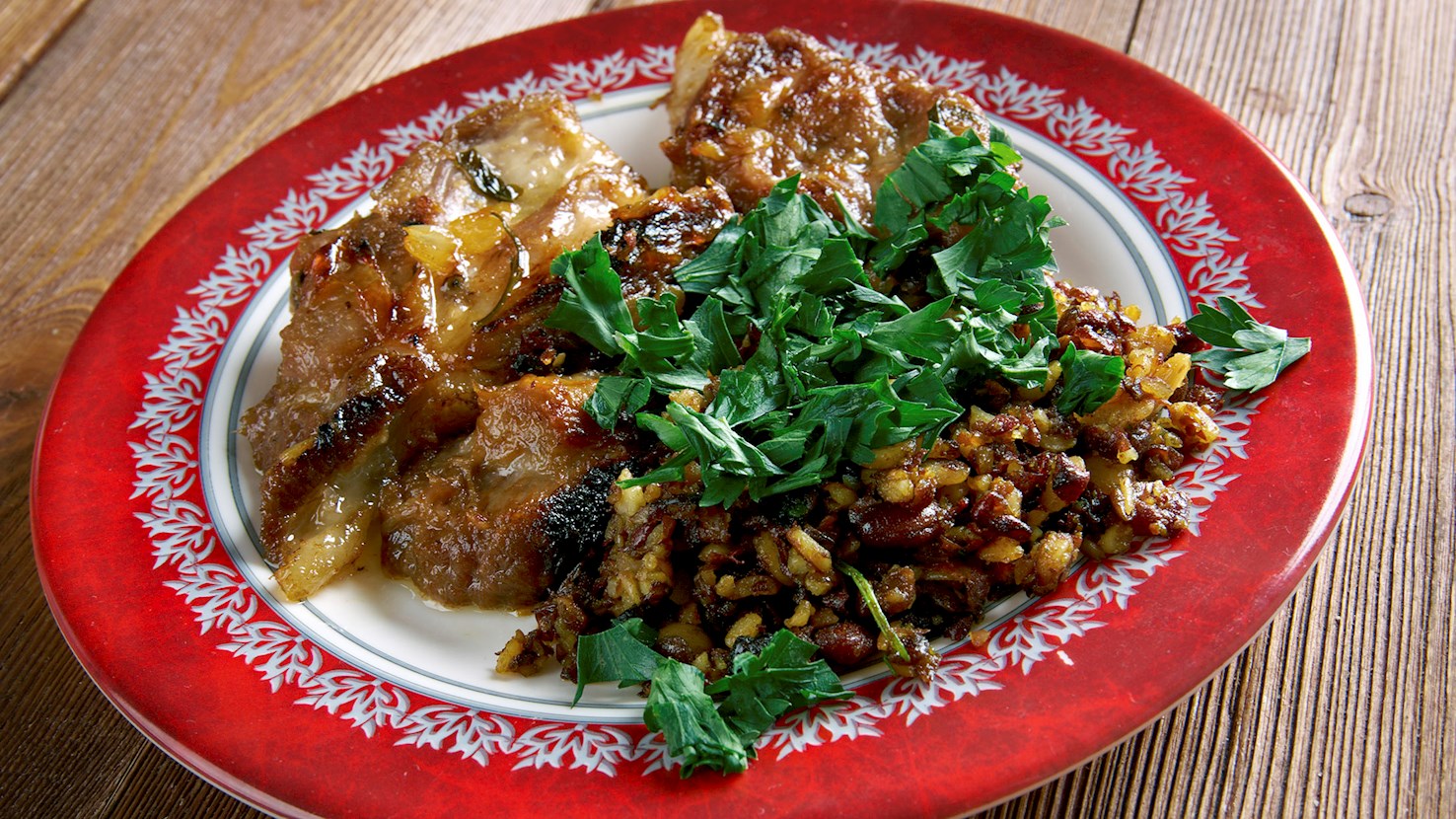
Clapassade is a traditional dish that originated in the region of Languedoc-Roussillon in southern France. This hearty dish can be prepared in many different ways, but all of them contain the same key ingredients: slowly simmered lamb, honey, olives, and star anise. After the roux is made, white wine is usually added as a deglazer. It is recommended to use wines from the region, since all of the other key ingredients are also native to Languedoc-Roussillon. When cooked, clapassade has a licorice undertone with a slight sweetness coming from the honey. In the end, the whole dish is commonly garnished with grated lime.
Cassoulet de Carcassonne is a traditional casserole from the city of Carcassonne, made with white kidney beans (traditionally, Lauragais ingot beans), partridge, pork belly, saucisse de Toulouse, duck confit legs, pigs' feet, pork rinds, and chicken stock. This dish is slow-cooked to develop a rich, hearty flavor and a creamy texture, with the beans absorbing the flavors of the meats and seasonings. Aromatic ingredients like onion, garlic, and bouquet garni enhance the dish, making it a deeply satisfying and comforting meal that reflects the rich culinary heritage of the Languedoc region. The stew can also include tomatoes and breadcrumbs as ingredients, the former for color and flavor and the latter to make a more impactful crust.
Rouzole is a meat-based stuffing from the Ariège department in France. It emerged from rural households in the Comté de Foix region where it was devised as a way to use leftovers from the pig slaughter combined with stale bread, eggs and herbs, often made to accompany the large cabbage-and-pork stew known as azinat. The preparation calls for hunch of sausage meat or minced pork, together with diced country ham or pork belly, stale bread soaked in milk, whole eggs, chopped garlic and parsley. These ingredients are mixed until well combined, seasoned with black pepper, formed into one large pancake or several smaller patties and cooked in a skillet in pork drippings, duck fat or lard until browned on both sides. Variations include using purely sausage meat instead of ham and pork belly (a simpler form), reducing or omitting the garlic and parsley when those were scarce, adding onions or chives in some villages, or baking the mixture instead of pan-frying for a lighter version. A distinctive feature of rouzole is that it is often placed on top of the hot stew (azinat) about half an hour before serving so it absorbs the cooking broth while finishing its own cook, thus integrating into the main pot and enriching it simultaneously. Rouzole is eaten hot alongside the cabbage-and-pork meal but can also be served on its own as a pattie with a green salad. It pairs well with hearty red wines from the southwest of France, rustic country bread and pickled vegetables which balance the richness and savoury depth of the mince-and-bread filling.
Mounjetado is a slow-cooked bean and meat casserole from France prepared with white beans, duck confit, pork rind, sausages, and aromatic herbs simmered together until the flavors meld into a rich and hearty dish. Its origin lies in rural meals where beans were cooked with leftover meats and charcuterie in village communities, and over time the dish gained more structured form with specified ingredients and a place at festive occasions. For preparation one begins by soaking one and a half kilos of dried white beans overnight in cold water. The following day, the preparation continues with sautéing chopped onions and carrots in duck fat, adding pork rind, ham heel, fresh and liver sausages and duck legs preserved as confit, pouring in the beans and water to cover, seasoning with thyme, bay leaf, salt and pepper, bringing everything to a gentle boil and then simmering for three to four hours while ensuring the beans remain intact. The stew is cooked in an earthenware dish and the dish should not be stirred but only shaken. To finish, a duck leg confit and a piece of sausage are placed in each dish, and everything is browned in the oven before serving. Variations occur depending on the bean type (such as using the small Coco de Pamiers bean versus larger lingot varieties), adding tomatoes, the mix of meats (some versions use more pork than duck, or omit liver sausage), and the depth of the gratin topping; the unique point is that the Ariège version uses the local white bean and mounts the dish into individual gratins rather than a large communal pot. It is eaten hot, often as a centerpiece at a village fête or special family meal, and pairs well with a robust red wine from the Southwest, coarse country bread to soak up the sauce, and a simple green salad to cut through the richness.
Petits pâtés de Pézenas are small, sweet-savoury lamb pies from Pézenas in the Hérault, France. Their origins date back to the 18th century. They are closely linked to the presence of British influence in the region, particularly during the visits of Lord Clive of India, who spent time in Pézenas and is said to have inspired local cooks with Anglo-Indian spiced meat recipes. Over time, the pâtés became firmly embedded in local culinary identity. They were prepared by pastry makers in the town as a hallmark of Pézenas’s gastronomy, eventually achieving protected status as a recognised regional speciality. The preparation begins with a shortcrust pastry made from flour, butter, egg yolks, water and salt, which is left to rest before being rolled out and cut into discs of different sizes. The filling is prepared from finely chopped lamb shoulder cooked in lard and mixed with raisins, brown sugar, lemon zest, spices such as nutmeg, cinnamon and cumin, and a beaten egg. Small portions of this mixture are placed on the smaller pastry discs, brushed with egg wash and covered with slightly larger discs to form a sealed case, which is then glazed and topped with a smaller round of pastry. The assembled pies are baked in a hot oven until the pastry is golden and crisp and the filling rich and aromatic. They are usually reheated briefly before serving to bring out their full flavour. Variations are minor and mostly involve slight adjustments to the level of sweetness, the addition of a pinch of cinnamon or allspice for depth, or the use of lamb instead of mutton depending on availability. In some cases, a touch of orange zest is added for aromatic complexity, but the core balance of sugar and meat remains unchanged. What sets Petits pâtés de Pézenas apart is this unusual sweet-savoury profile, which is rare in French meat pastries, and their cylindrical, open-top shape, which makes them instantly recognisable. They are eaten warm or at room temperature and appear most often as an appetiser or as part of a festive meal, though they are also served in bakeries and at regional food markets as a speciality snack. They pair well with local wines from the Languedoc region, particularly a light red or a slightly sweet white that complements the spiced filling, and they are often served with a simple green salad or a small portion of chutney to accentuate their sweet and savoury balance.
La bougnette du Haut-Languedoc is a deep-fried pork dish from the Haut-Languedoc region. Its origins are deeply connected to rural life and the pig-slaughtering season, when families would preserve and transform every part of the animal into nourishing dishes. Over generations, bougnettes became emblematic of the region’s charcuterie heritage and a highlight of communal events such as the Fête du Cochon (Pig Festival) in Saint-Pons-de-Thomières, where they are still prepared and shared during winter celebrations. To prepare, pork belly is finely chopped or minced and mixed with stale bread that has been soaked in water, along with beaten eggs, salt, pepper, and sometimes finely chopped herbs like parsley. The mixture is then shaped into compact balls or ovals and carefully wrapped in caul fat (crépine), which holds the mixture together during cooking and helps create a crisp outer layer. The bougnettes are gently fried in lard or neutral oil until evenly browned, forming a thin, golden crust while the interior remains soft, rich, and delicately textured. After cooking, they can be served hot straight from the pan, cooled and sliced for later, or even dried slightly for a firmer texture that can be stored longer. There are several regional variations, often reflecting family preferences. Some recipes enrich the mixture with garlic, additional herbs, or spices, while others alter the proportion of bread for a firmer or softer interior. The size and shape can also vary, with smaller bougnettes served as starters and larger ones presented as a main dish. It is usually served hot, sliced, and paired with a green salad, lentils, crusty bread, pickled or seasonal vegetables. However, it is also eaten cold, sometimes reheated briefly in a pan to restore its crispness. It pairs naturally with local wines from the Languedoc, whose freshness and acidity complement the richness of the pork.
TasteAtlas food rankings are based on the ratings of the TasteAtlas audience, with a series of mechanisms that recognize real users and that ignore bot,
nationalist or local patriotic ratings, and give additional value to the ratings of users that the system recognizes as knowledgeable.
TasteAtlas Rankings should not be seen as the final global conclusion about food. Their purpose is to promote excellent local foods,
instill pride in traditional dishes, and arouse curiosity about dishes you haven’t tried.







What People Say