

shutterstock

Top 21 Filipino Meat Dishes

Last updated on June 15, 2026
01

Lechon kawali

4.2 ·

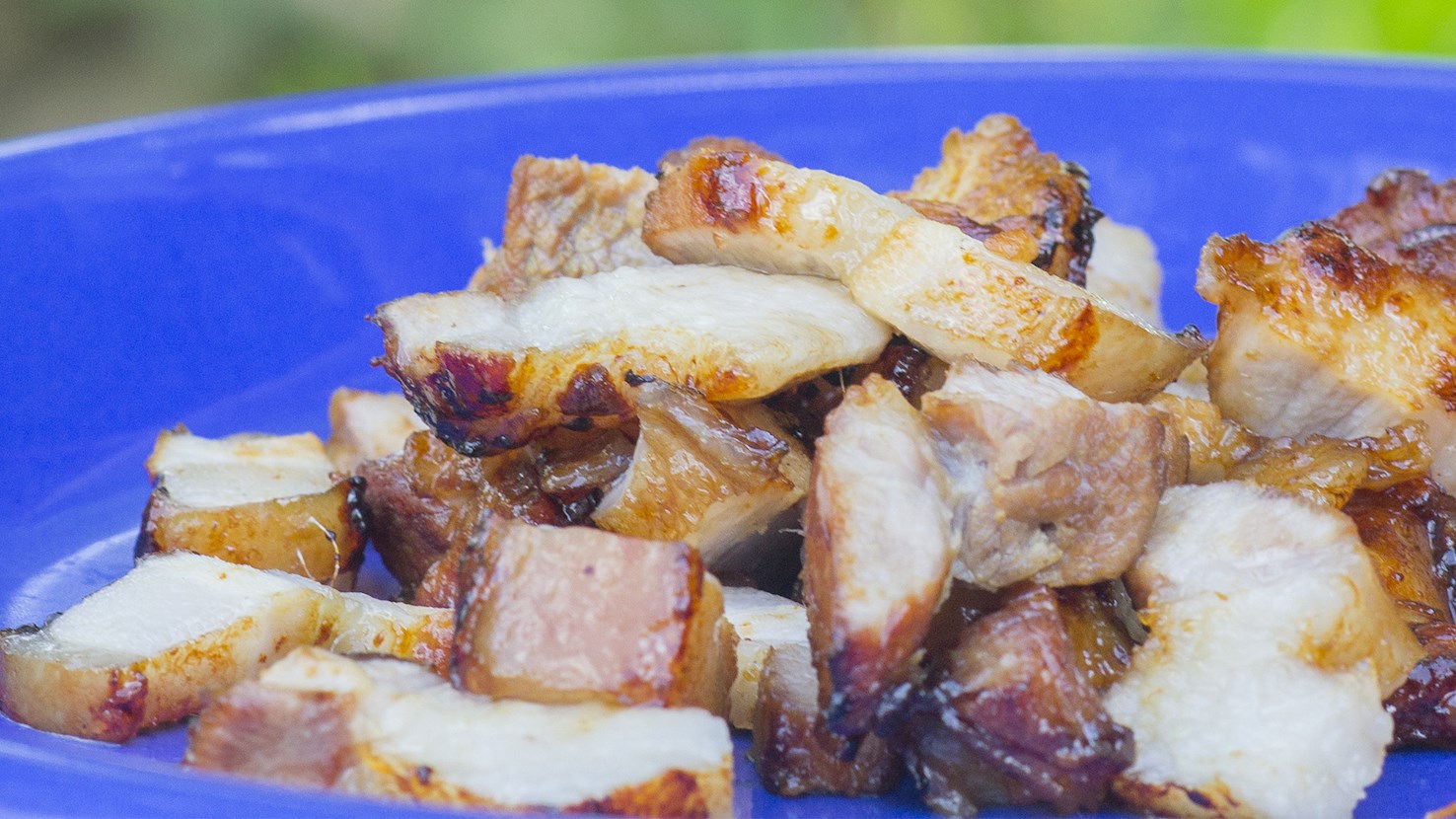
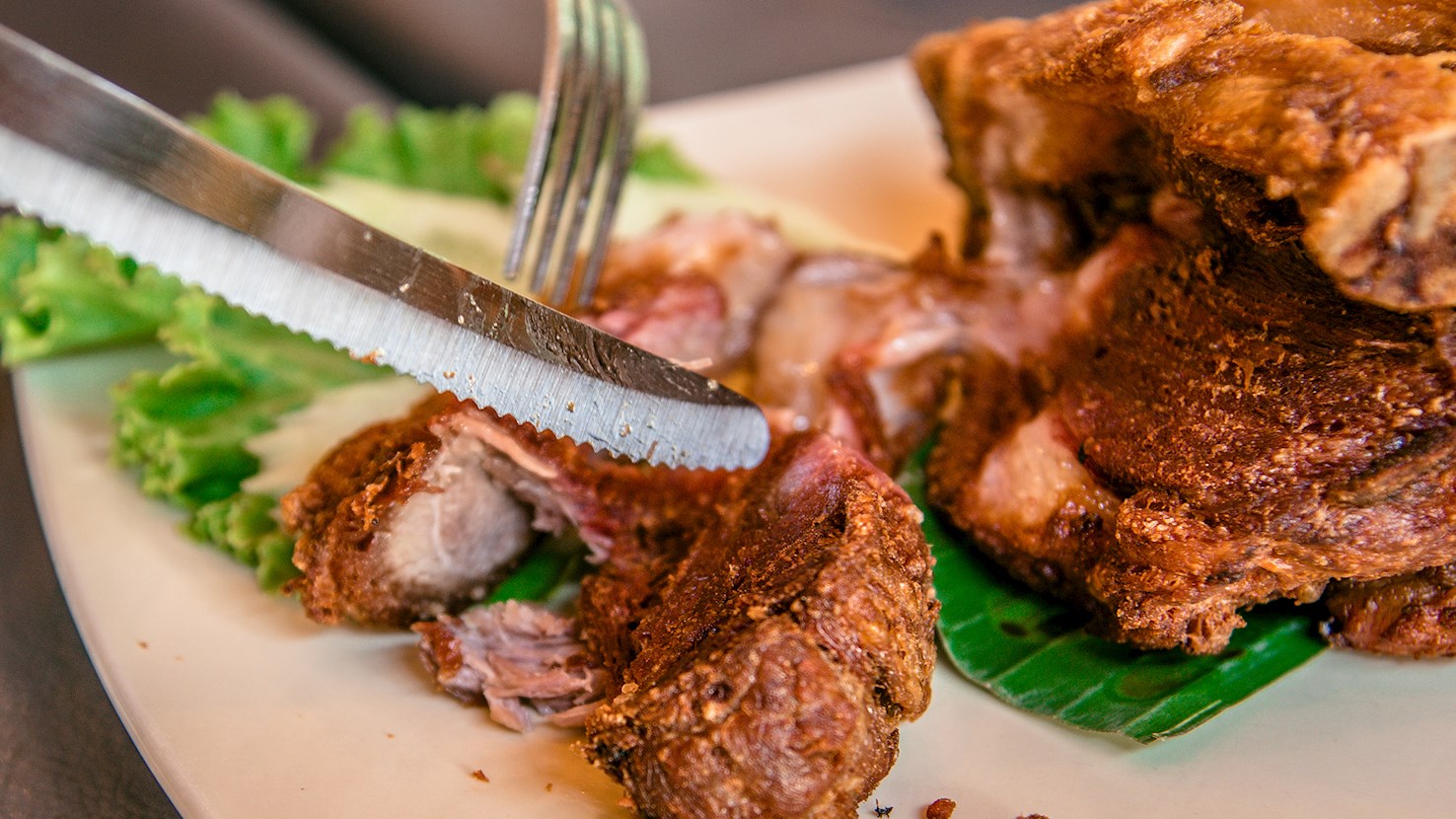
Lechon kawali is the Filipino version of deep-fried pork belly. Primarily boiled in plain or seasoned water, the meat is rubbed with salt, cut into chunks, then deep-fried until it develops a golden-brown, crispy skin, but remains juicy and tender on the inside. It is one of the most famous Filipino dishes eaten throughout the country. Always served hot, lechon kawali is usually accompanied by spicy vinegar sauce or a traditional lechon liver sauce on the side.

02

Bicol Express

4.2 ·

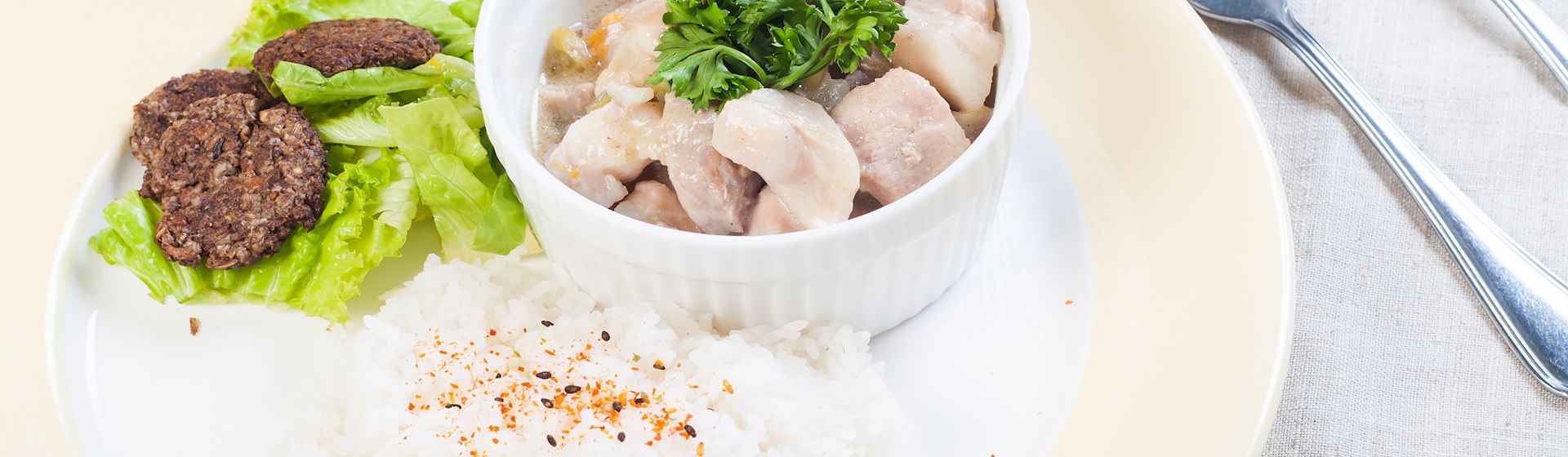
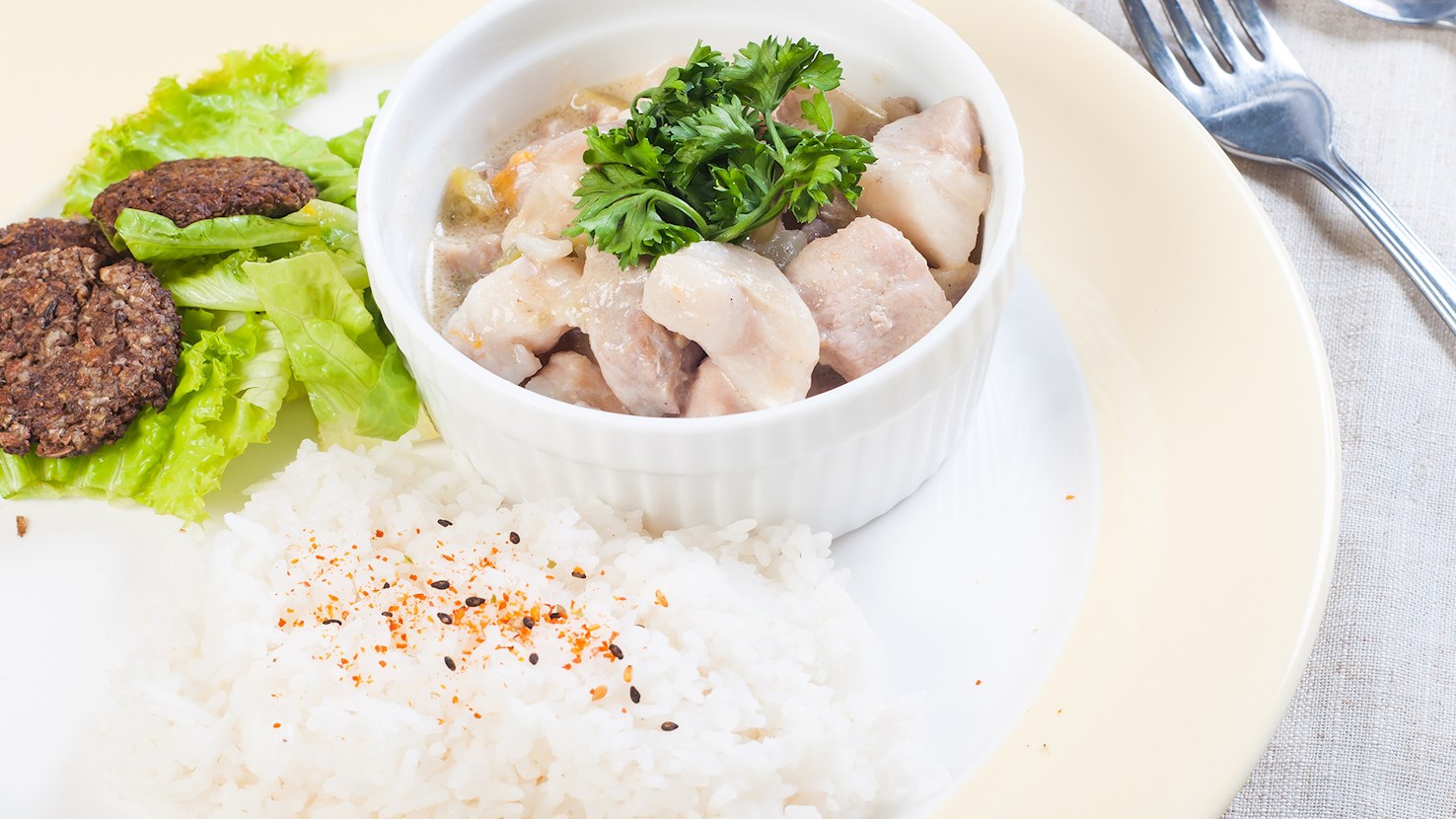
Bicol express is a popular Filipino dish consisting of sliced pork that is doused in a creamy coconut-based sauce and seasoned with shrimp paste and spicy chili peppers. According to popular belief, Cely Kalaw invented the dish in her Manila restaurant. She was inspired by the traditional Bicolano coconut-infused dishes and named the new invention after a Filipino train service operating from Manila to the Bicol region. Creamy and spicy Bicol express is usually served with plain steamed rice on the side.

03

Adobong baboy

4.2 ·

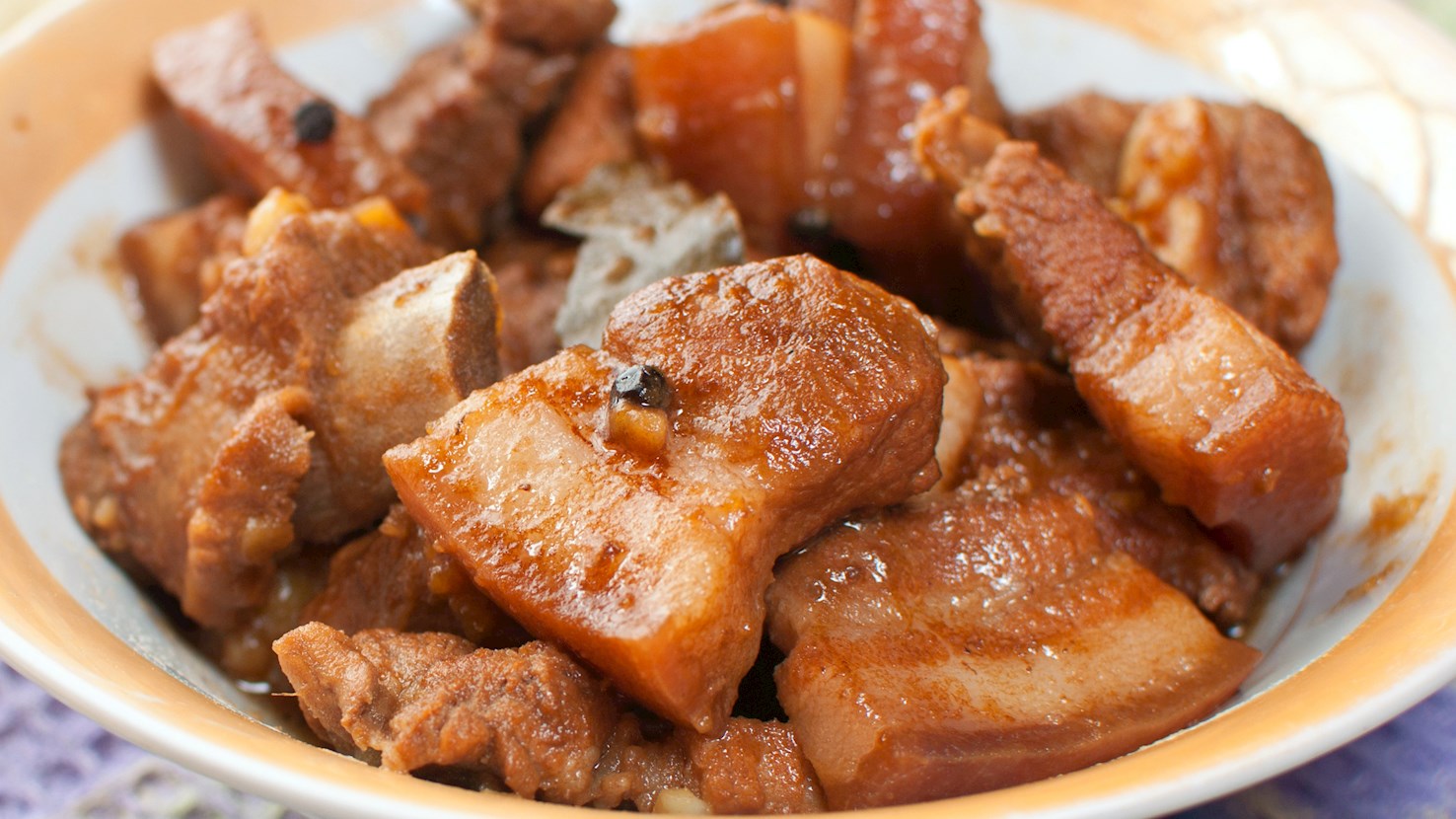
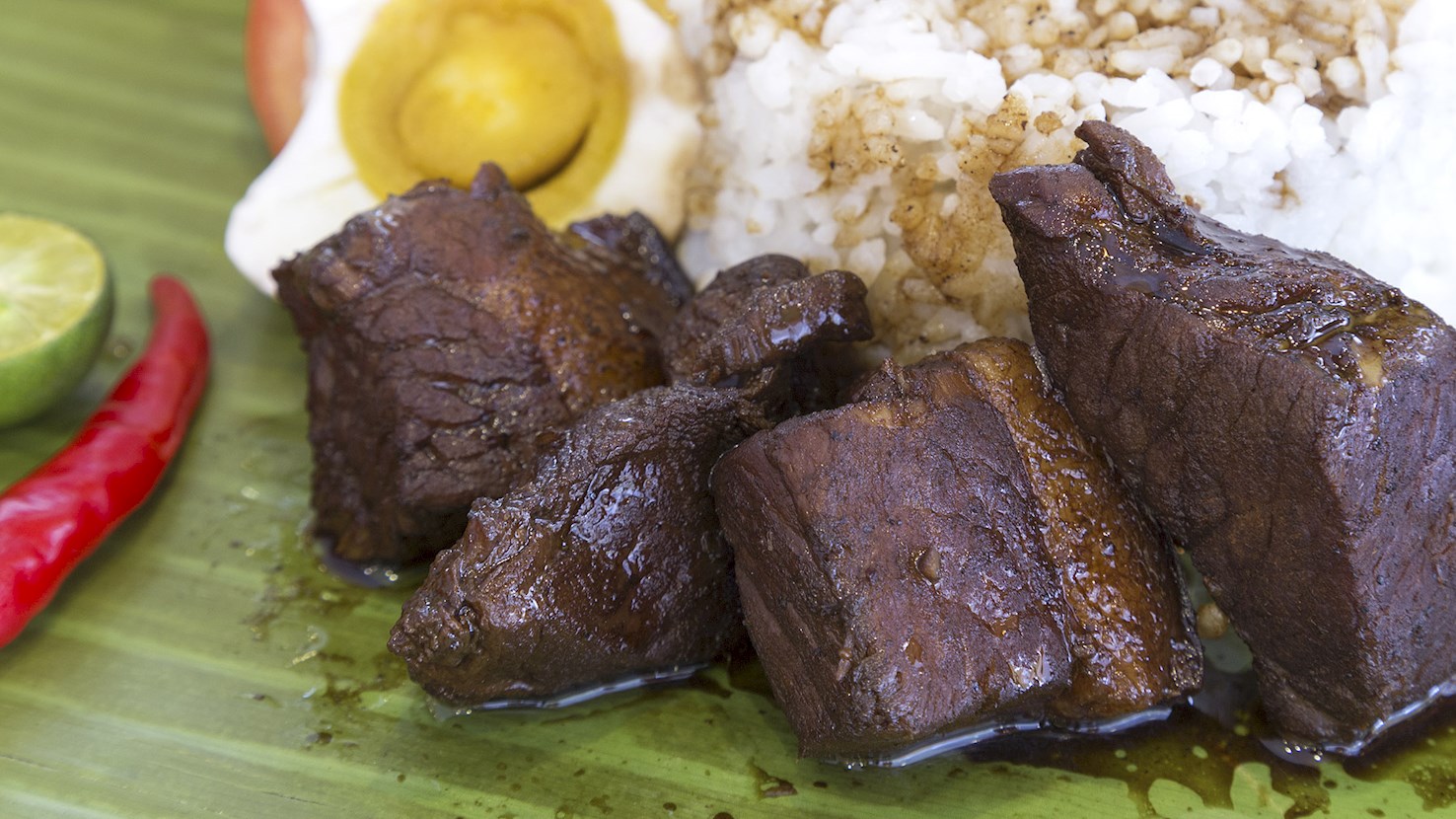
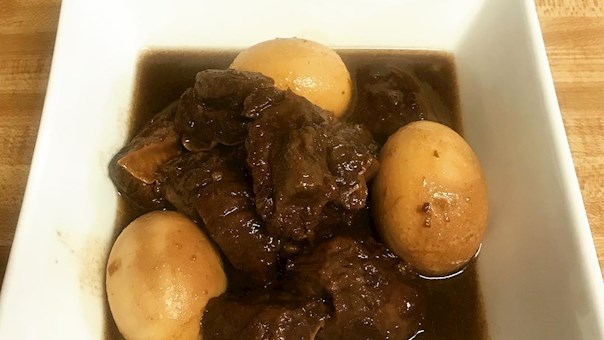
Adobong baboy is a traditional stew originating from the Philippines. This type of Filipino adobo is made with a combination of pork belly, garlic, soy sauce, vinegar, sugar, bay leaves, peppercorns, and salt. The pork is marinated in a combination of garlic and soy sauce, and it's then browned in a pan over high heat. The rest of the ingredients are added to the pan (except the vinegar), and the dish is simmered for a few minutes before the vinegar, salt, and water or soy sauce are added to the pan. Once fully cooked, this pork stew is served hot with the thick sauce and white rice on the side.

04

Lechon

4.2 ·

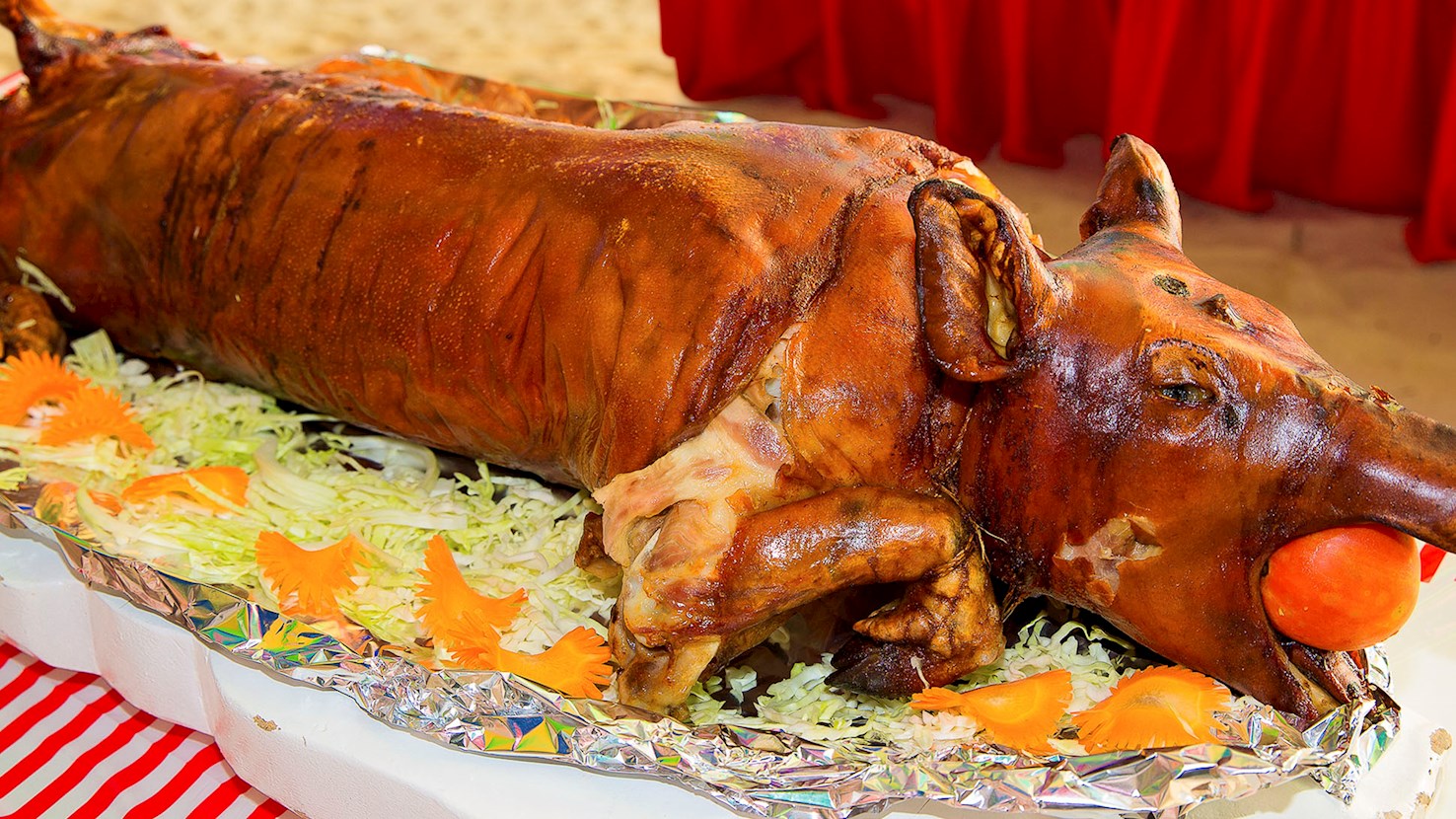
Lechon, derived from a Spanish word for roasted suckling pig is one of the most popular dishes in the Philippines. The slowly-roasted suckling pig is usually stuffed with lemongrass, tamarind, garlic, onions, and chives, and is then roasted on a large bamboo spit over an open fire. It is traditionally served whole on a platter, at celebrations and festive events such as weddings and Christmas. Once the meat is properly roasted and falls off the bone, people tend to eat every part of the pig, and the crispy, reddish-brown, crackling skin is especially beloved. Lechon is often served with a thick and rich liver sauce that is cooked with sugar, fresh herbs, and vinegar. If anything is left after the feast, the leftovers are often made into lechon slaw, slowly cooked with vinegar, garlic, and liver sauce for that extra bit of flavor. Apart from the Philippines, the dish is especially popular in countries such as Cuba, Puerto Rico, the Dominican Republic, and Spain. Some famous chefs even named lechon the best pig in the world, so it is definitely worth a try.

05

Inihaw na liempo

4.2 ·

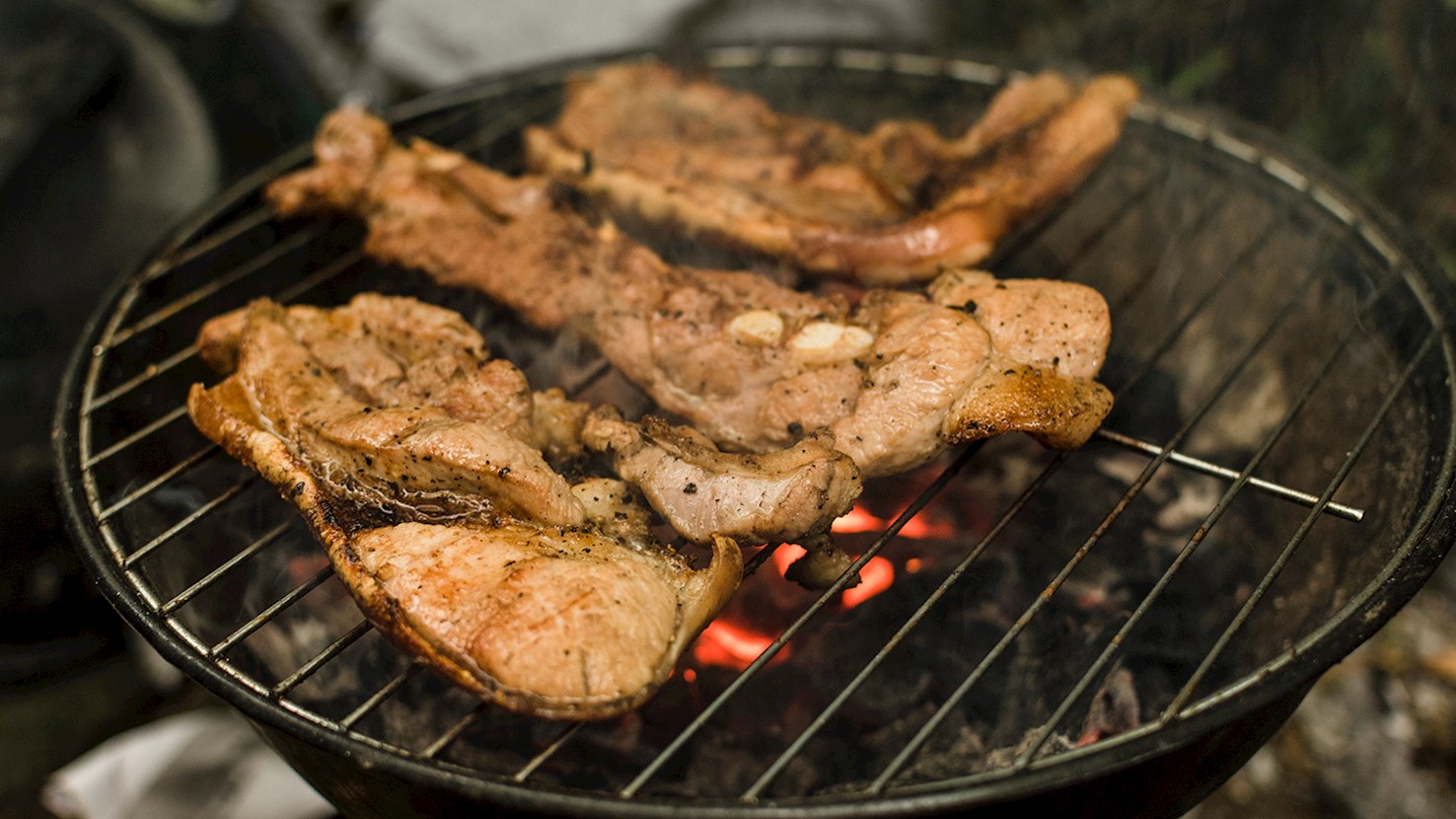
Inihaw na liempo is a traditional dish consisting of grilled pork belly. Although there are many variations on the dish, it's usually preapred with pork belly that's marinated in soy sauce, lemon juice, salt, pepper, and garlic. When the pork belly is placed on the grill, it's often basted with a combination of leftover marinade, banana ketchup, and oil. Once done, the dish is usually served with white rice, spiced vinegar, or toyomansi dipping sauce (soy sauce, vinegar, and chopped onions). Inihaw na liempo can be served as an appetizer or main dish.

06

Sisig

4.1 ·

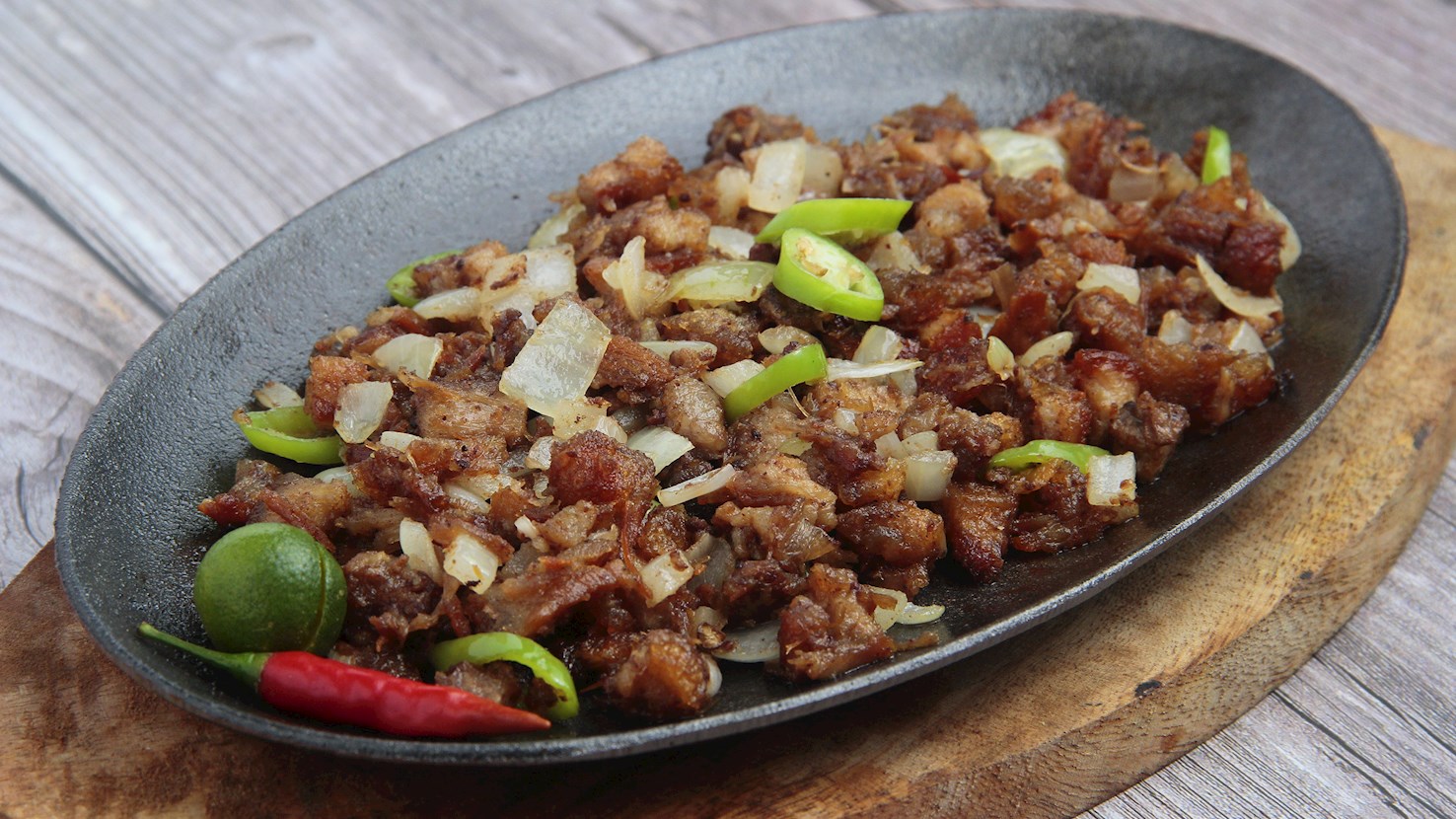
Sisig is a popular Filipino dish made by boiling, chopping, and grilling parts of pig's head such as ears, cheeks, and jowls, which are then seasoned with salt, pepper, and vinegar. The meat is combined with fried onions, sili, and chicken livers, and the whole concoction is traditionally topped with a raw egg. Some cooks like to add mayonnaise or pork cracklings into the dish for extra flavor. Originally, sisig had no meat in it, and was first described in a 1732 Kapampangan dictionary by Fr. Diego Bergano as a salad consisting of guava or green papaya. The name of the dish is believed to derive from the word sisigan, meaning to make sour. It was used as an early remedy for nausea and hangovers, because its sour flavor was considered a vomit suppressant, and that is why today sisig is almost always paired with an ice-cold beer on the side. What started as a simple sour salad has crossed land and sea to become one of the favorite dishes of beer drinkers worldwide.

07

Tocino

4.0 ·

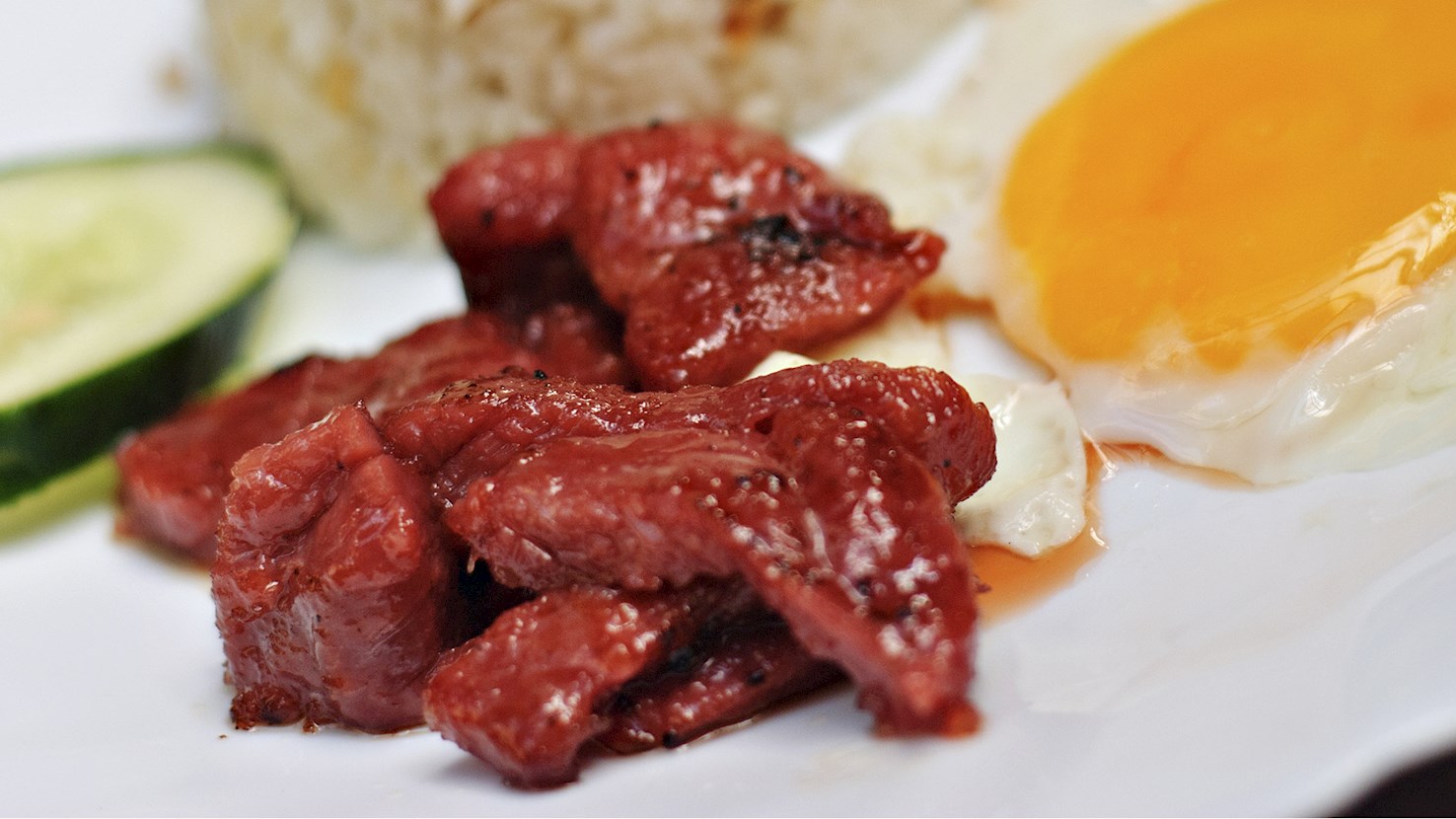
Although the term tocino stems from Spanish, in the Philippines, the word is synonymous with sweet-cured meat, traditionally prepared with pork, and occasionally beef or chicken. Slices of meat are doused in different combination of spices and seasonings which typically include sugar, salt, rice wine vinegar, soy sauce, anise wine, and pineapple or orange juice. Common additions to the curing mixture include saltpeter food preservative and annatto—a food dye derived from the seeds of the achiote tree that imparts color and peppery flavor. Pork tocino, also known as burong babi, is most commonly only lightly pan-fried until it caramelizes and is traditionally sided with garlic fried rice, and either sunny side up or scrambled eggs. This combination is called tosilog, and it is a popular Filipino everyday go-to meal, typically enjoyed for breakfast, but it is also readily available at any other time of the day.

08

Kaldereta

4.0 ·

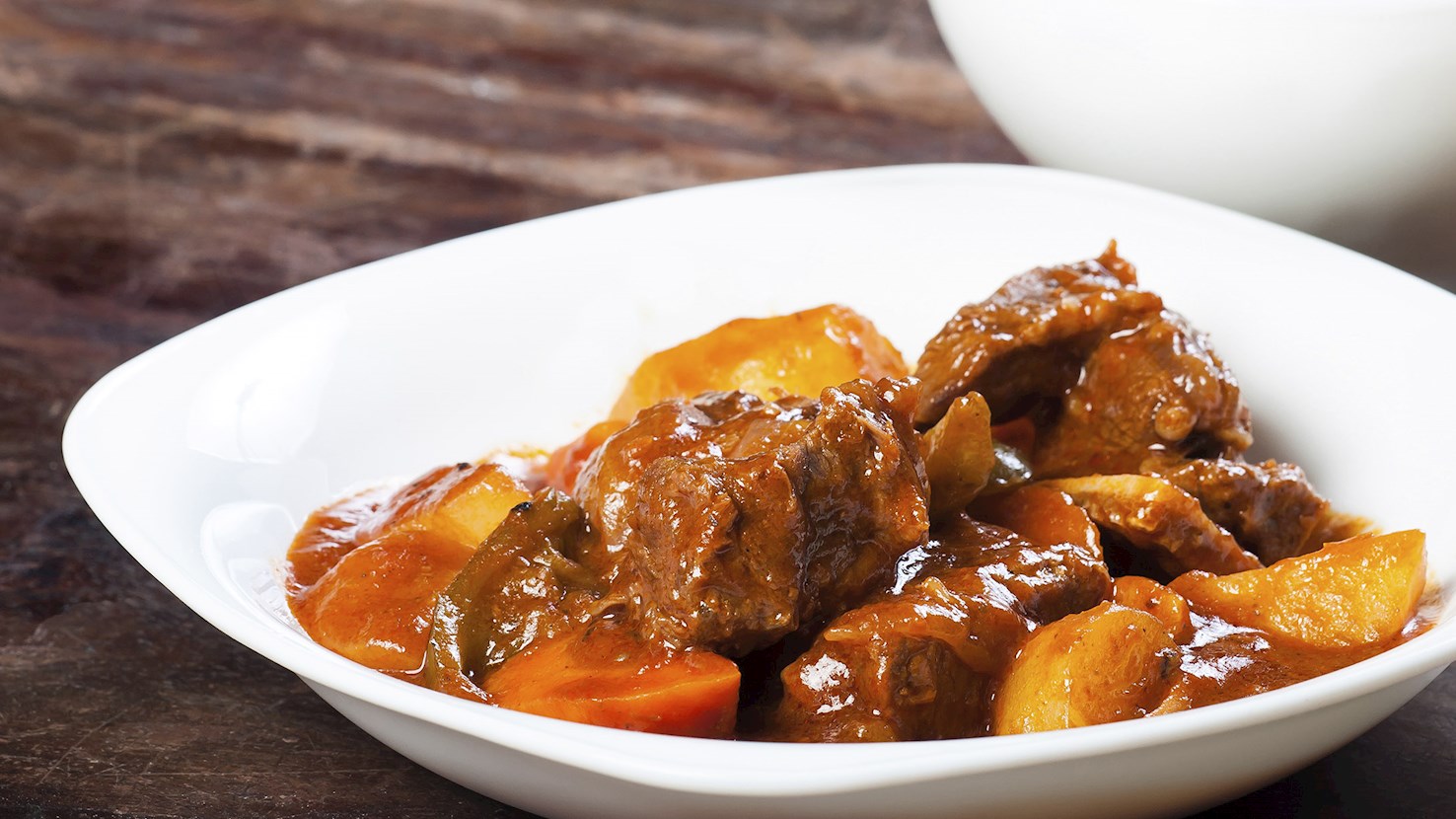
Kaldereta is a Filipino meat stew that is traditionally served with a side of white rice. Although any kind of meat can be used in the stew, beef and goat are the preferred options. The dish is influenced by three centuries of Spanish colonization, and the word kaldereta is derived from the Spanish caldereta, meaning cooking pot or cauldron. Besides meat that is used in the dish, other ingredients include mashed liver, tomato sauce, and seasonings such as onions, salt, pepper, and garlic. Kaldereta is often garnished with sliced tomatoes, chopped onions, or fried potatoes on top, and can be found in numerous Filipino turo-turo joints.

09

Tapa (Philippines)

4.0 ·

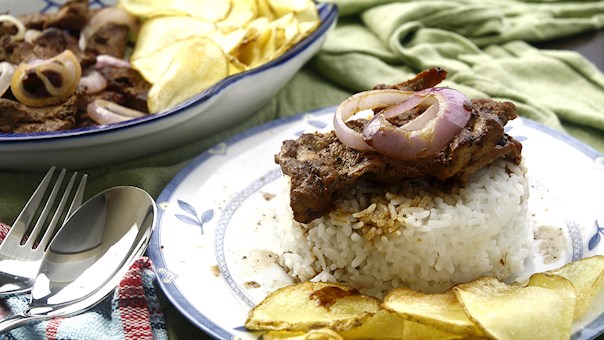
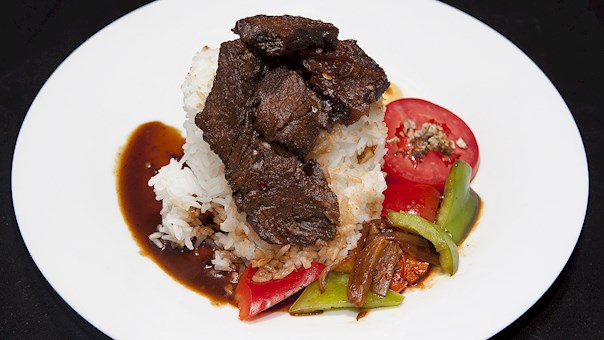
In Filipino cuisine, tapa most commonly denotes thinly sliced beef sirloin that is traditionally placed in a sweet, salty, and tangy marinade made with calamansi lemonade and soy sauce, flavored with sugar and minced garlic. Other meats used to make tapa include mutton, venison, wild boar, horse, deer, and also the meat of carabao - a swamp-type domestic water buffalo native to the Philippines. Tapa is typically either grilled or pan-fried, and it is best enjoyed when served as a part of the so-called tapsilog, which is a portmanteau of the Filipino words tapa and sinangag, meaning garlic-fried rice, and itlog, meaning eggs. Tapsilog is often accompanied by sliced tomatoes ot pickled papaya strips called atchara. Altogether, this delicious combination is popularly known as the Philippine-style breakfast of champions, and to most Filipinos, it is a favorite way to start the day.

10

Crispy Pata

3.9 ·

Crispy pata is one of the most common Filipino dishes served on special occasions. It consists of a whole pork leg that is cooked until tender. It is then dried and deep-fried until golden brown and crispy. The leg is usually cooked alongside various spices such as bay leaves and peppercorns. It is traditionally rubbed with a spice mixture before it is fried. Served sliced, it is often accompanied by pickled papaya and a tart sauce which combines vinegar, soy sauce, and a variety of spices.

13

Morcon

3.8 ·
14

Mechado

3.8 ·
15

Binagoongan

3.7 ·
16

Pares

3.7 ·
17

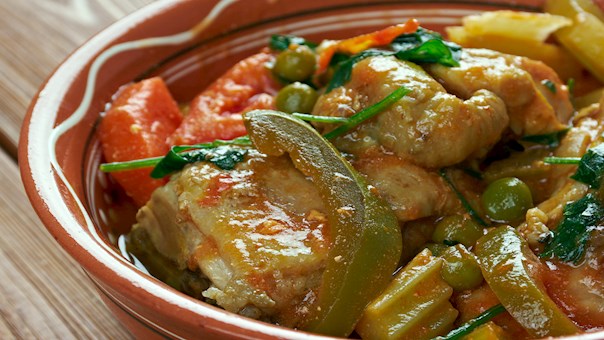
Afritada

3.5 ·
18

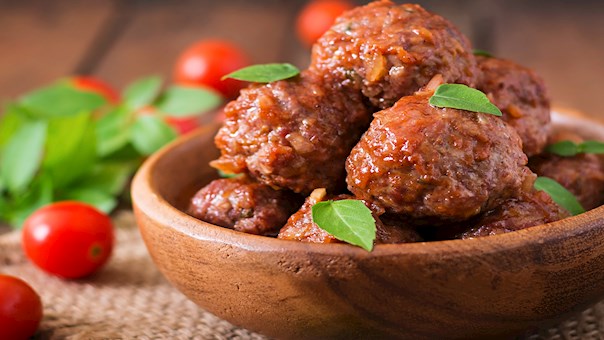
Bola-bola

3.4 ·
19

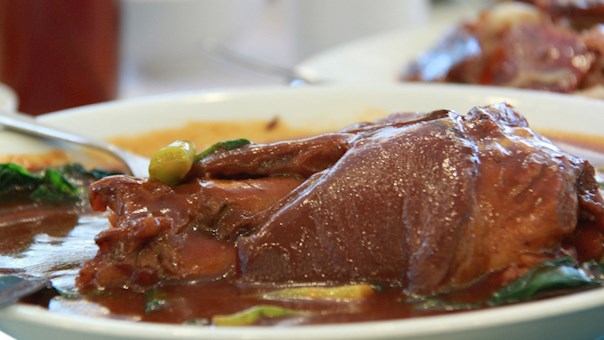
Pata tim

3.3 ·
20

Adobong baka

n/a ·
Read more
View all
View map
About this ranking

TasteAtlas food rankings are based on the ratings of the TasteAtlas audience, with a series of mechanisms that recognize real users and that ignore bot, nationalist or local patriotic ratings, and give additional value to the ratings of users that the system recognizes as knowledgeable. For the “Top 21 Filipino Meat Dishes” list until June 15, 2026, 1,547 ratings were recorded, of which 981 were recognized by the system as legitimate. TasteAtlas Rankings should not be seen as the final global conclusion about food. Their purpose is to promote excellent local foods, instill pride in traditional dishes, and arouse curiosity about dishes you haven’t tried.

Similar lists