

shutterstock

Top 10 Romanian Meat Dishes

Last updated on April 19, 2026
01

Sarmale

4.2 ·

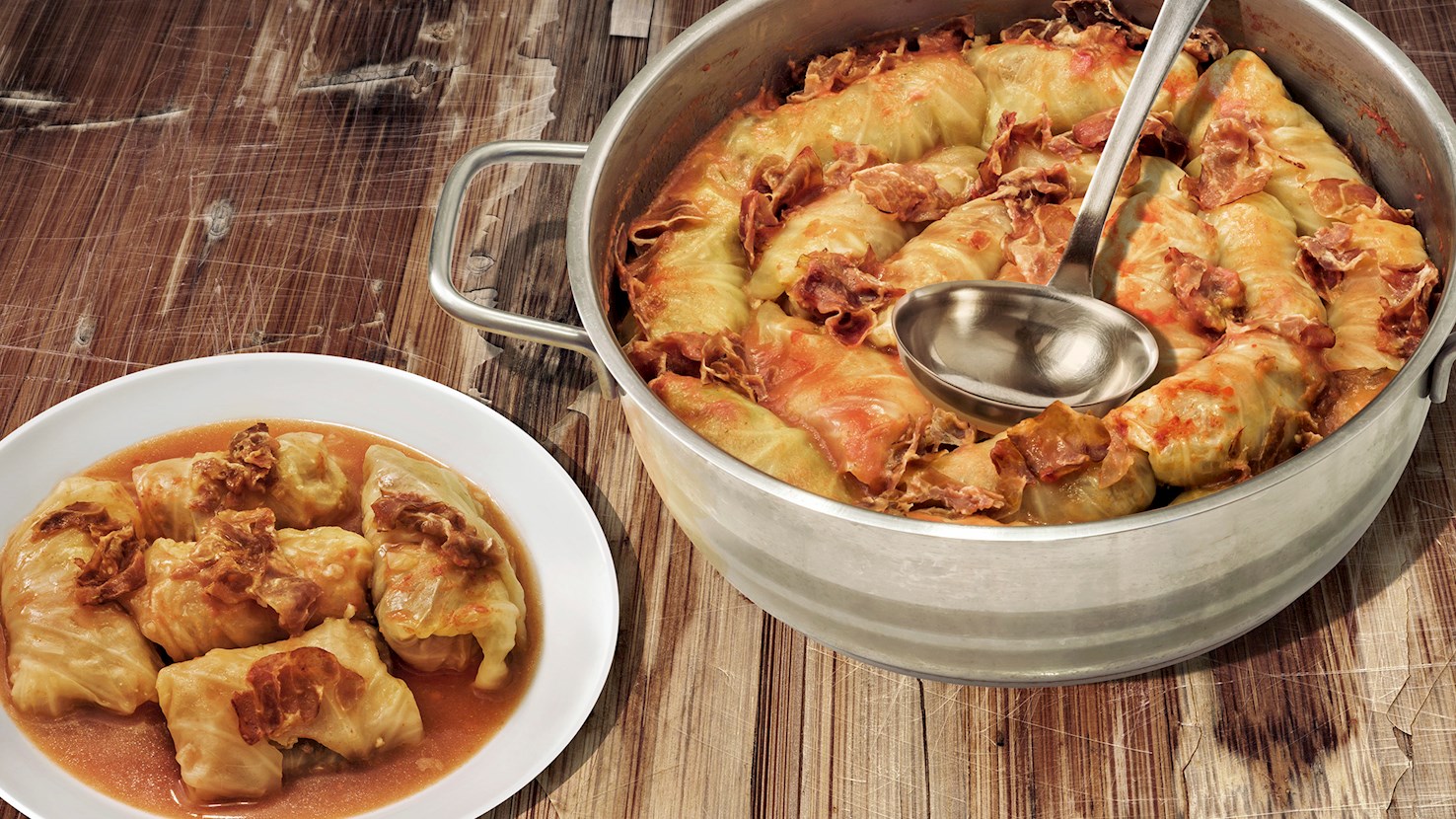
One of the staples of traditional Turkish cuisine, sarma consists of a filling that is snugly surrounded by leaves or leafy vegetables. There are numerous versions of this dish but the mixture typically combines ingredients such as minced meat, rice or bulgur, various herbs, seasonings, red pepper, paprika, ground sumac, or tomato sauce, while the typical wrapping usually includes vine, cabbage, or sauerkraut leaves, or a variety of leafy vegetables such as collard greens and swiss chard. Having its roots in the Ottoman Empire, sarma is also traditionally consumed in the Balkans, the countries of Central Europe, the South Caucasus, and the Middle East. Although it is commonly enjoyed as a filling lunch or dinner (typically during the winter season), sarma is often prepared on special occasions and holidays. The dish is usually accompanied by plain yogurt, mashed potatoes, and crusty bread on the side.

02

Fasole cu cârnați

4.1 ·

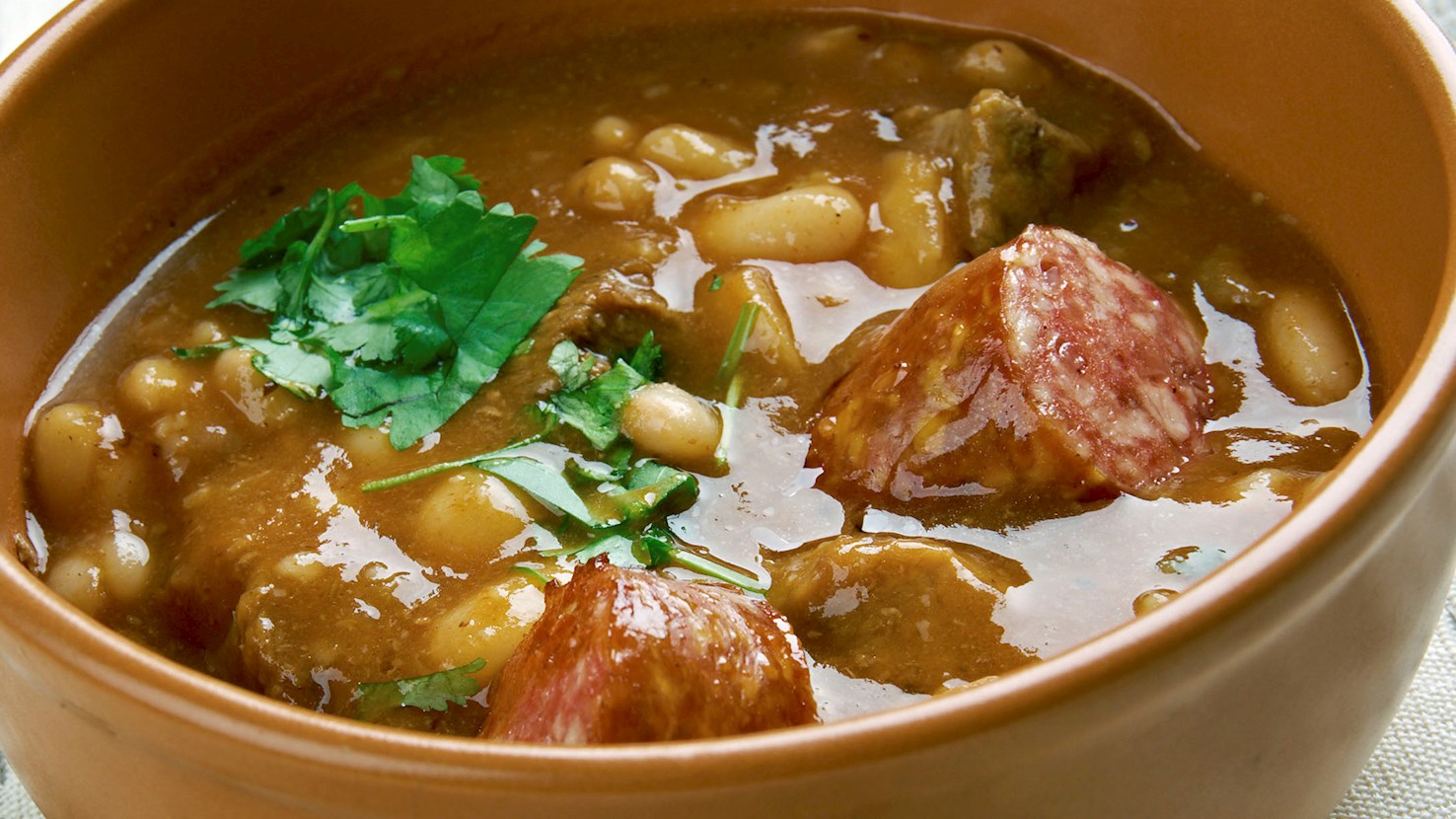
Fasole cu cârnați is a popular Romanian stew consisting of either pork and beans or sausage and beans. There is also a variation on the dish that replaces the sausages with smoked meat. It is a typical army dish that is traditionally prepared by army cooks and served free of charge during the National Day celebration on December 1 in Bucharest and Alba Iulia. A hearty, satisfying, and easy meal, it also makes for great leftovers, and it tastes even better when reheated the next day.

03

Pomana porcului

4.1 ·

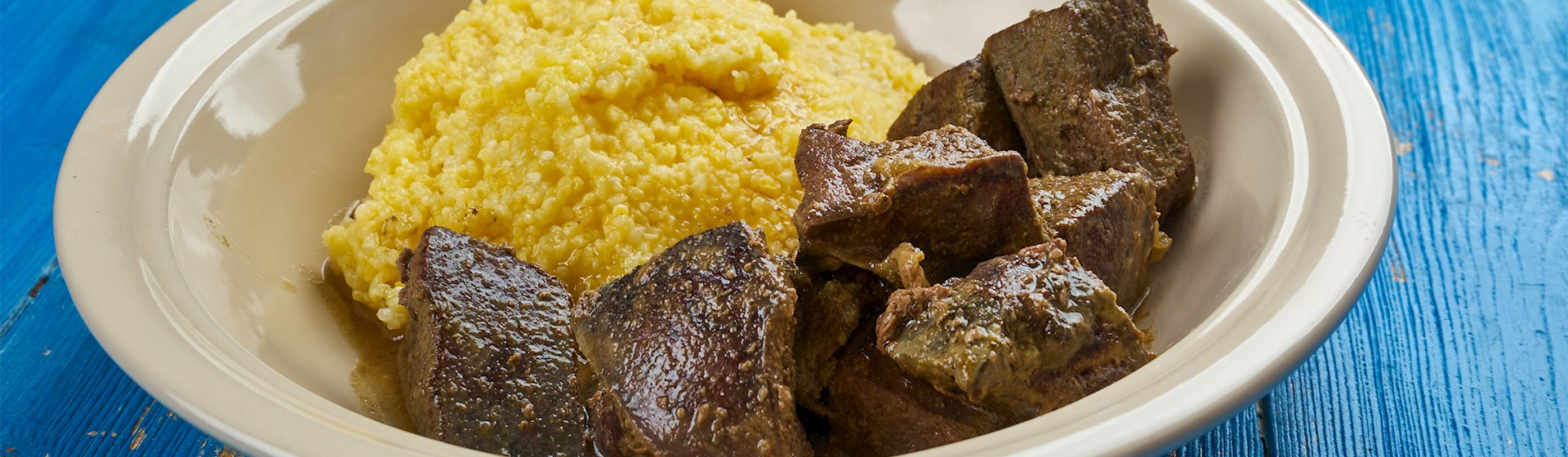
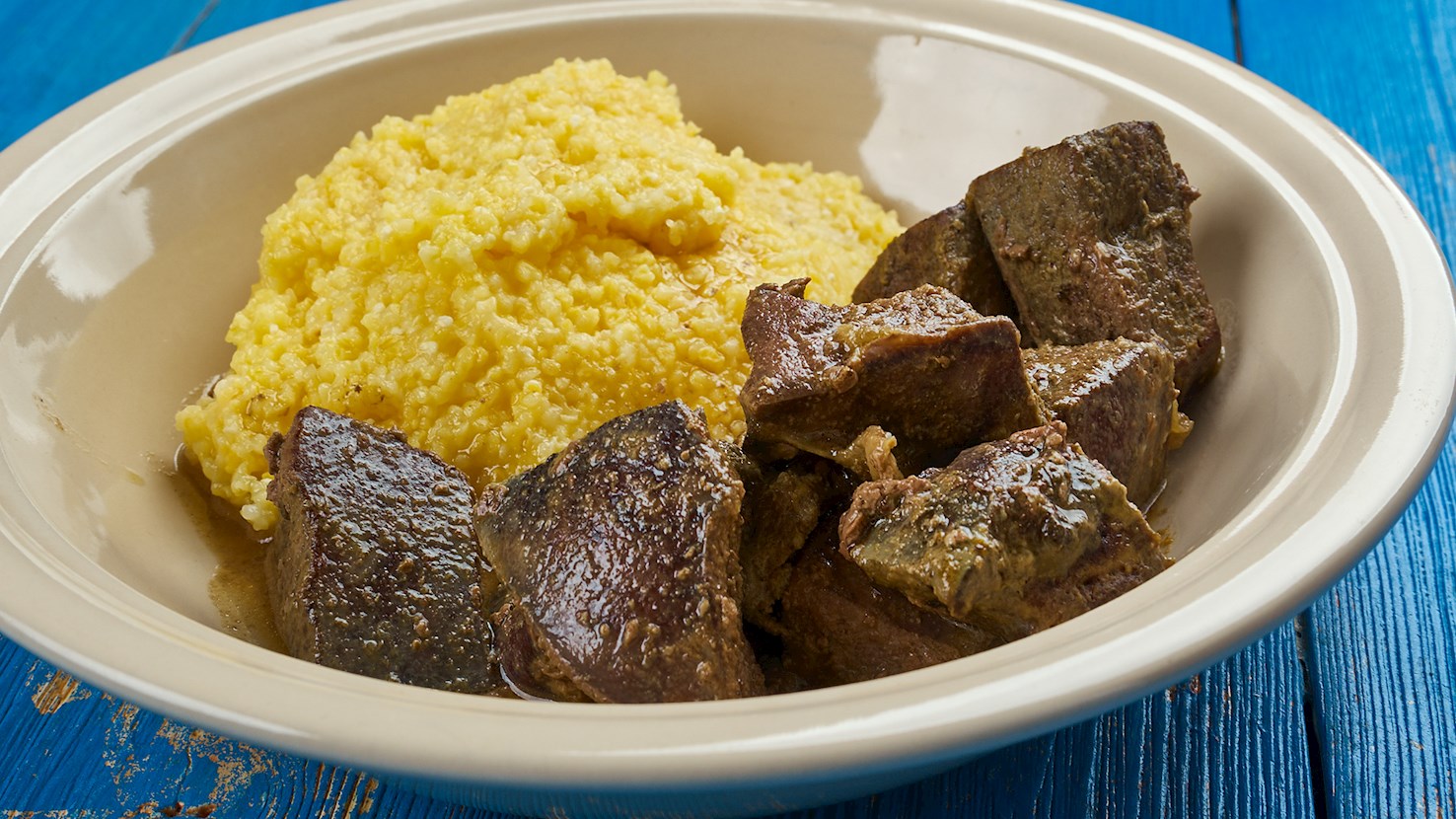
Although there is no set recipe for this traditional Romanian dish, pomana porcului usually consists of various cuts of pork such as ribs and tenderloin, and offal such as liver, while modern variations may also include different types of sausages. The ingredients are simply fried in lard and the dish is typically served with mămăligă - a type of cornmeal porridge similar to polenta. Pomana porcului is associated with the traditional pig slaughter that takes place before Christmas, usually on or after the feast day of Saint Ignatius. The meal is prepared by families as a sign of appreciation for everyone who had helped them in the process.

04

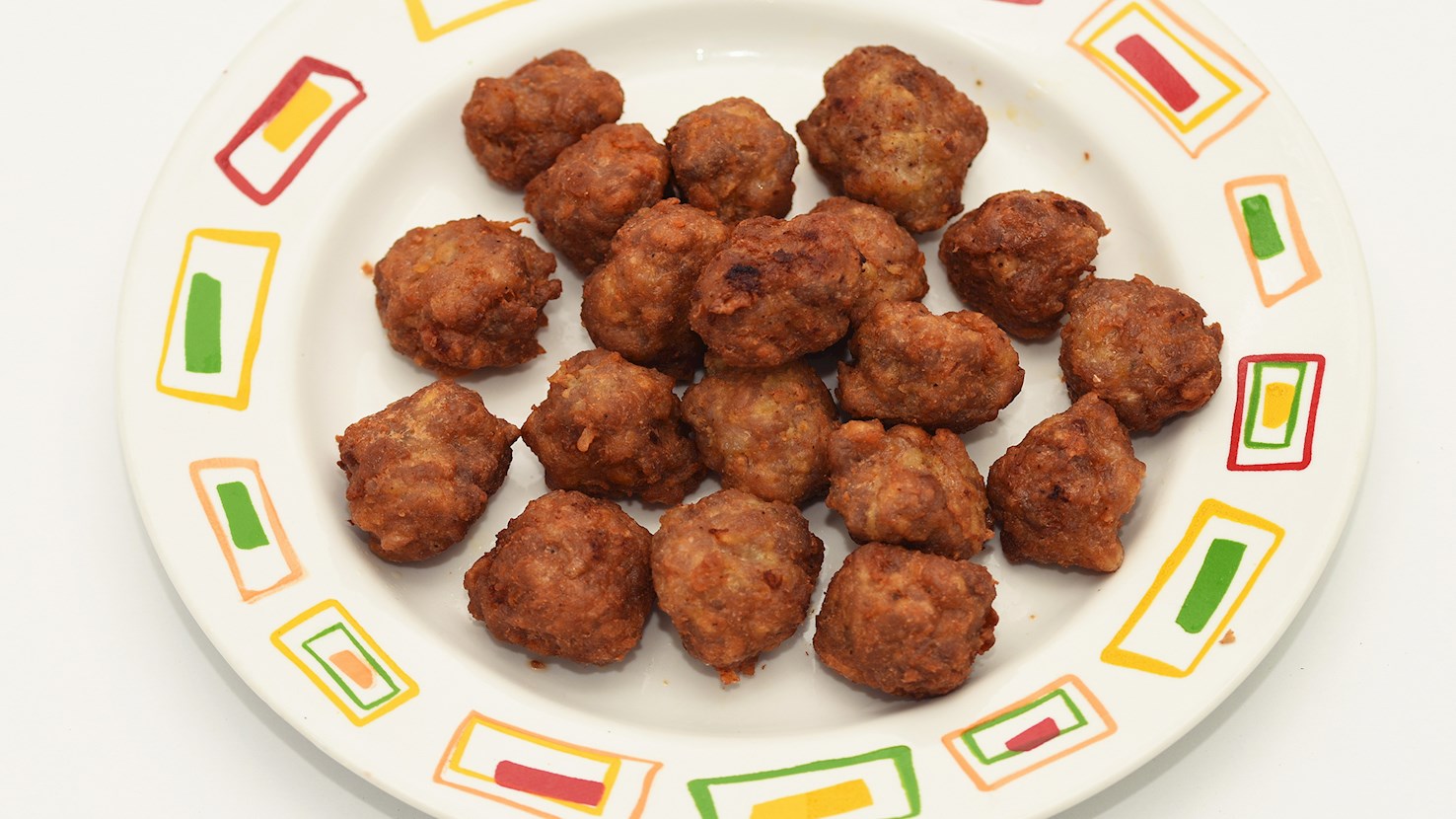
Chiftele

4 ·

Chiftele are crispy, deep-fried Romanian meatballs traditionally made from minced pork or chicken, bread crumbs, and mashed potatoes, flavored abundantly with onions, garlic, lovage, and parsley leaves. Apart from the traditional meat-based chiftele, there are also those made from vegetables such as potatoes, peas, or mushrooms. They can be enjoyed as a main course with mustard or mayonnaise, or as a snack, when they are accompanied by tomatoes, cheese, cucumbers, and radish.

05

Stufat

4 ·

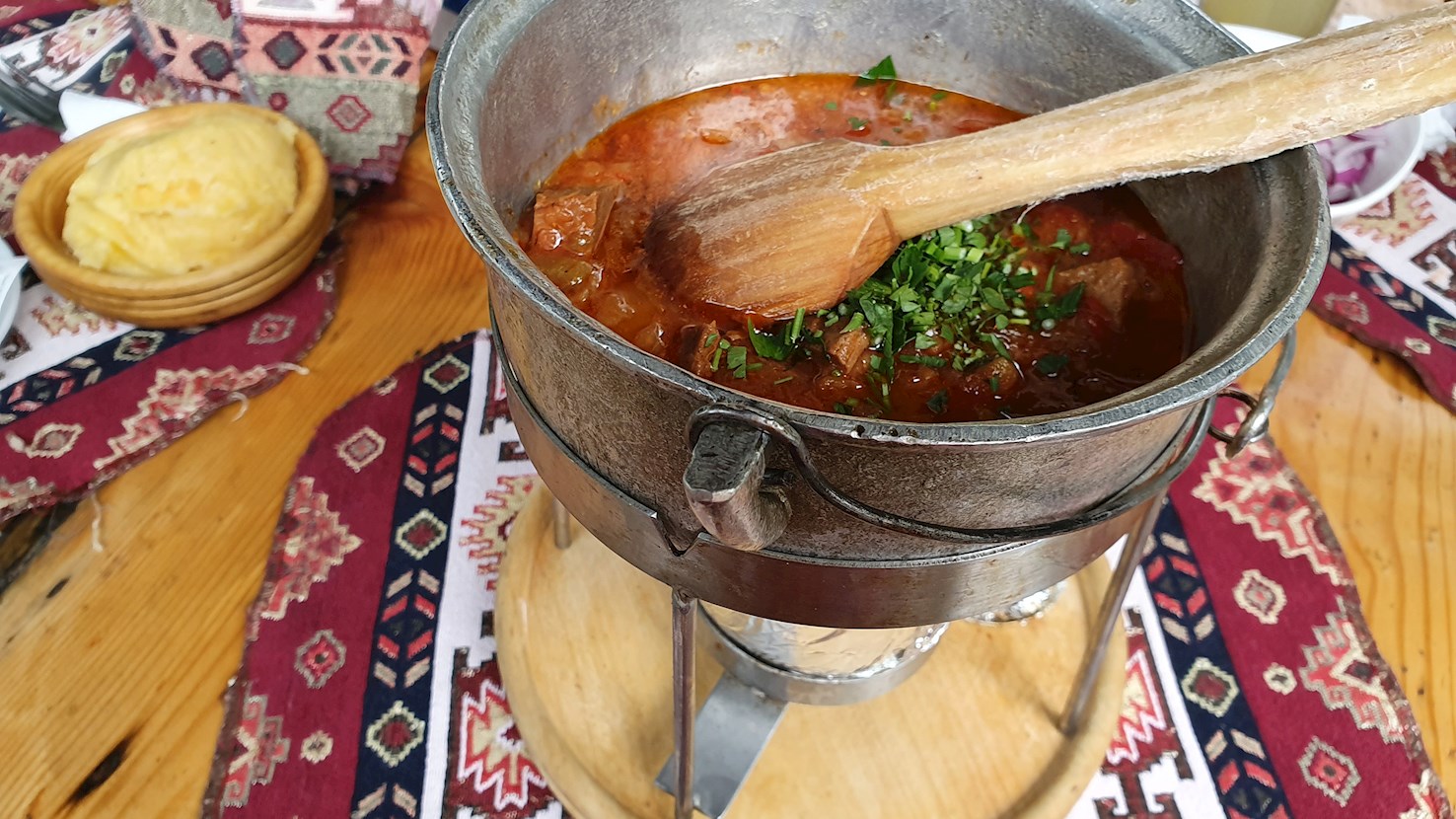
Stufat is a Romanian meat stew, typically made with lamb, chopped scallions, fresh green garlic, tomato paste, oil, and seasonings. This traditional dish is connected with the arrival of spring, the time when new plants and herbs are starting to grow. It is typically prepared around Easter festivities in Romania and in the Balkan region. Stufat is usually garnished with scallions and fresh green garlic and accompanied by roasted potatoes, a bowl of fresh salad, and a glass of wine.

06

Mititei

4 ·

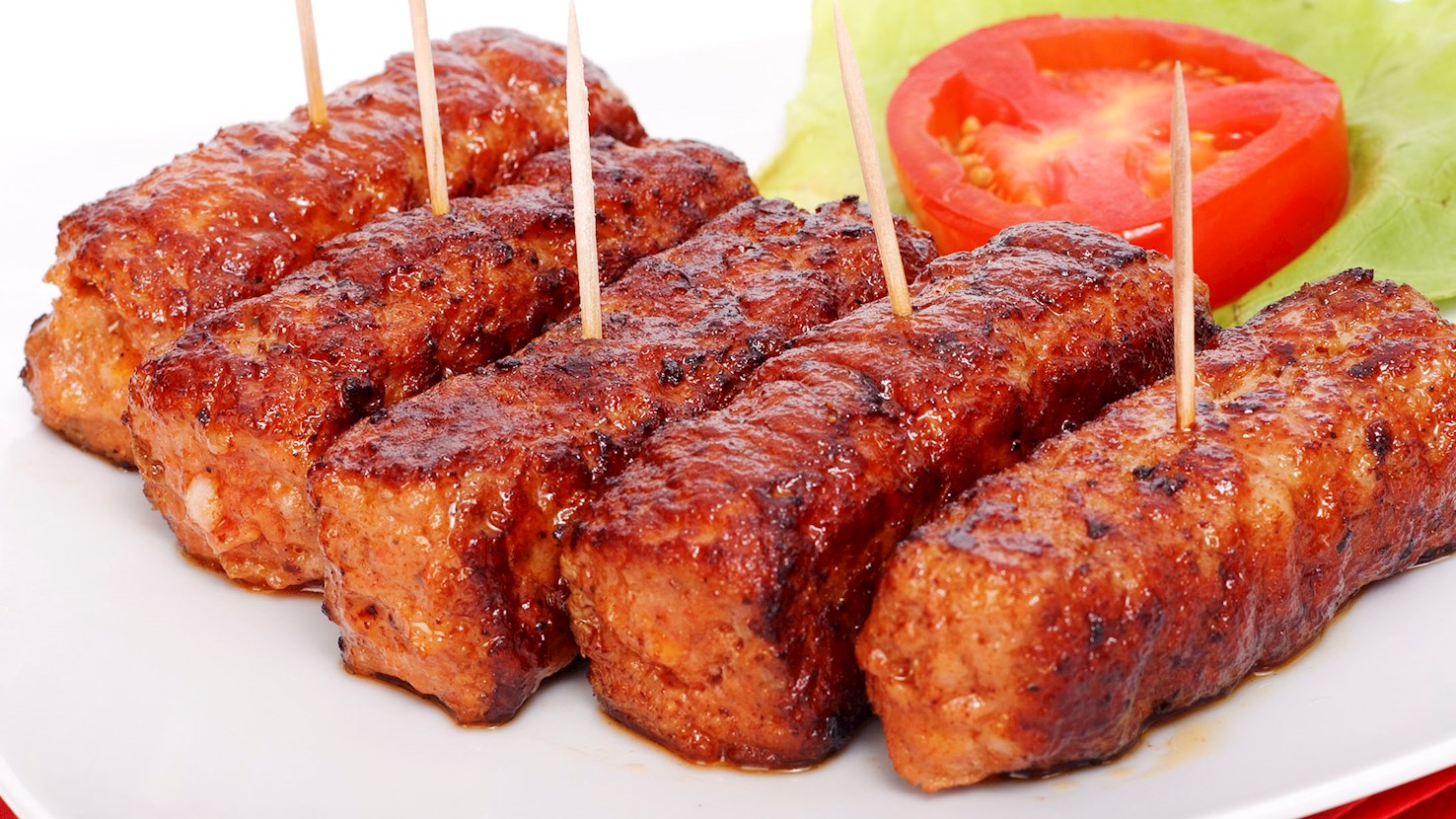
Mititei is the closest thing to Romanian street food – a dish consisting of grilled ground meat rolls made from a combination of lamb, pork, beef, and seasonings such as thyme, anise, black pepper, and garlic. When translated to English, mititei means the small ones, referring to the small size of these skinless sausages. The most authentic way of preparing mititei is barbecuing the meat, so it is not a surprise that the dish is a staple of Romanian outdoor cuisine and roadside restaurants. A popular theory suggests that mititei were created when a well-known Bucharesti restaurant ran out of casings, and the chefs had to create a sausage to feed the hungry customers. Mititei are ideally accompanied by some french fries, a dollop of yellow mustard, and a cold beer on the side.

07

Ostropel

4 ·

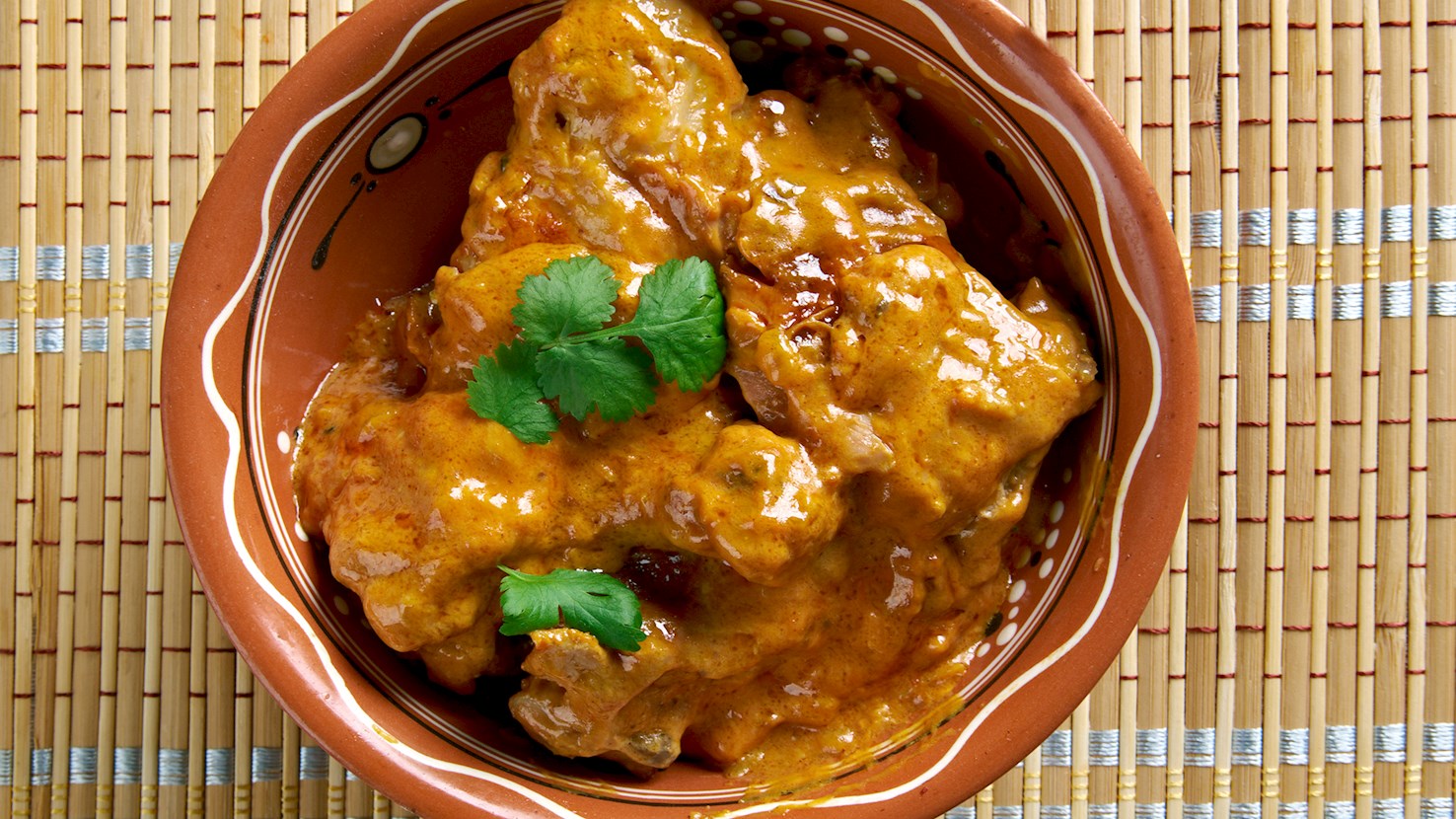
Ostropel is a stew similar to tocană, predominantly made with chicken thighs or drumsticks which are fried and added to a tomato sauce that is thickened with flour and spiced up with garlic and pepper. Rabbit, lamb, or other types of meat may be used, although vegetarian versions also exist. The dish is typically served with a side of mămăligă (polenta). In the region of Oltenia, people also add vinegar and carrots to the sauce and serve the dish with boiled potatoes instead of mămăligă.

08

Frigărui

3.9 ·

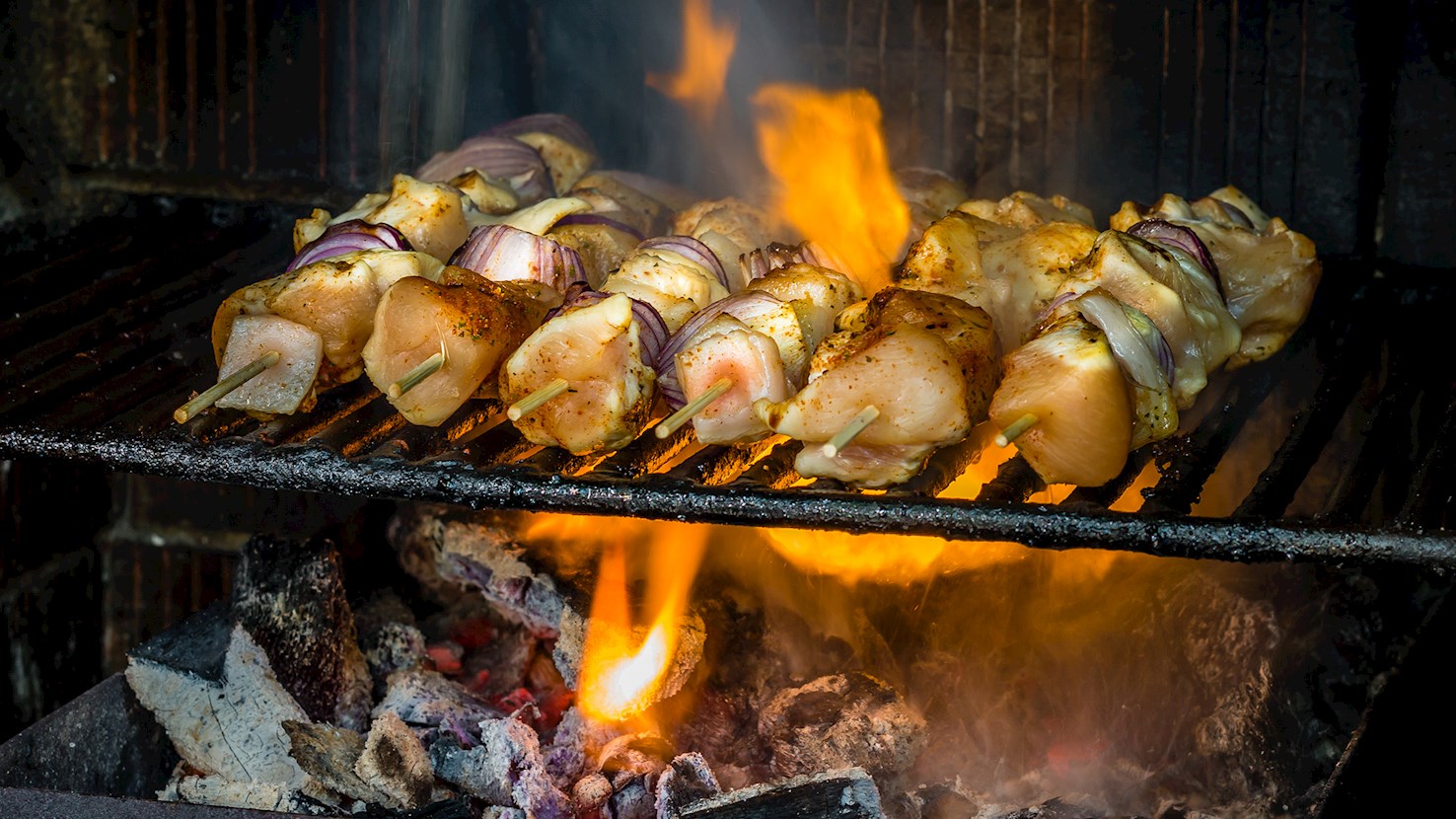
Romanian kebab, or frigărui in Romanian, is typically made with chicken breasts that are marinated overnight and then grilled on their own or along with vegetables. This dish can also be prepared with other kinds of meat, such as pork, beef, ham, or bacon. The meat of choice is usually cut into cubes and assembled on skewers on its own or with cubed vegetables, typically peppers, tomatoes, or mushrooms. Romanian kebabs are commonly sold as street food, accompanied by a traditional garlic sauce called mujdei de usturoi. This grilled dish goes perfectly with an ice-cold beer.

09

Gulii umplute

3.5 ·

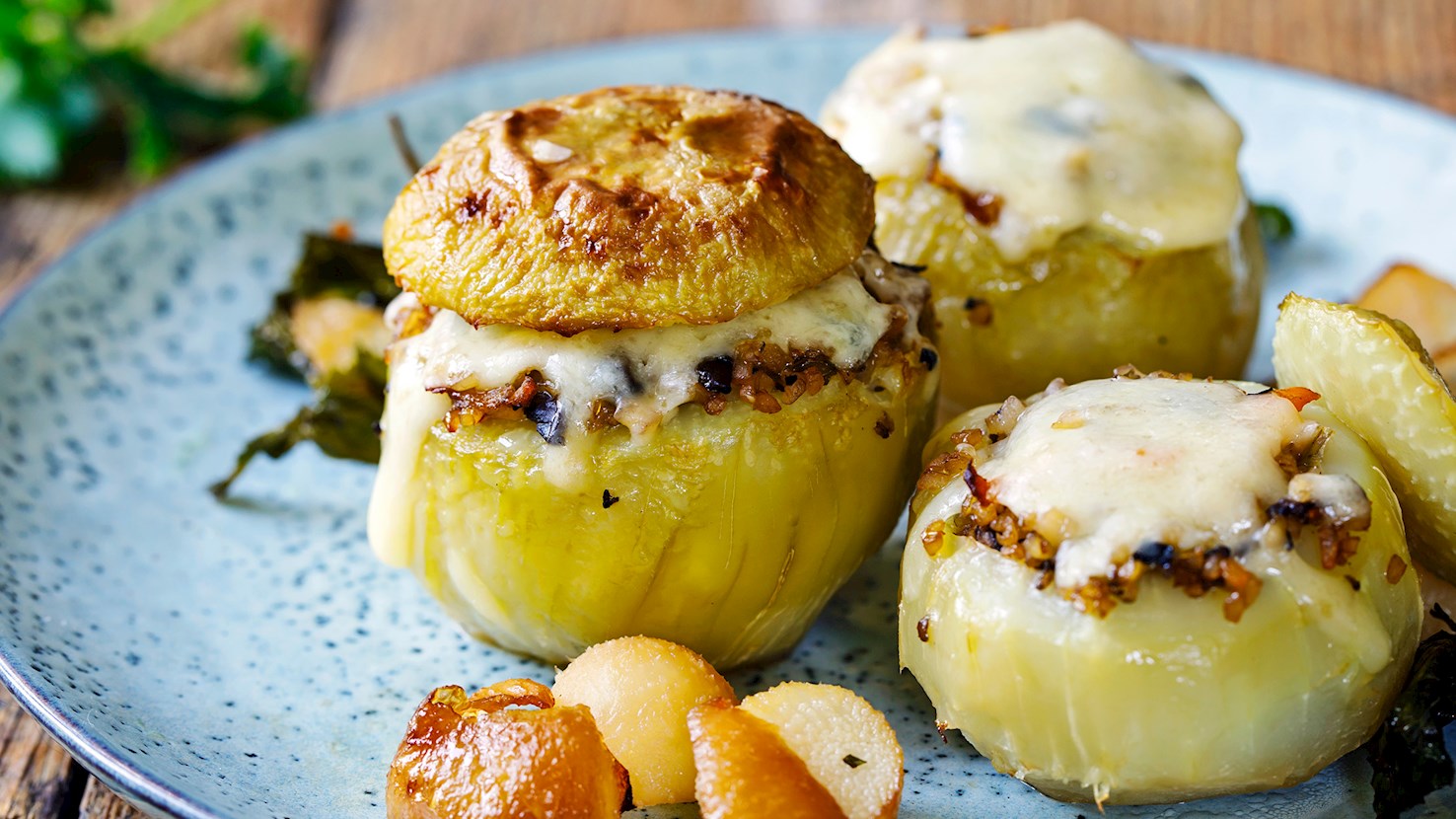
Gulii umplute are traditional Romanian stuffed kohlrabis. The dish consists of kohlrabi bulbs, which are hollowed out and filled with a mixture of ground meat, onions, chopped herbs, seasonings, and (optionally) rice. Before being cooked, they are sometimes covered with a mixture of milk, onions, and kohlrabi pulp. Rich and tender, the stuffed kohlrabis are typically garnished with parsley and served hot with sour cream on the side.

10

Dovlecei umpluţi

3.3 ·

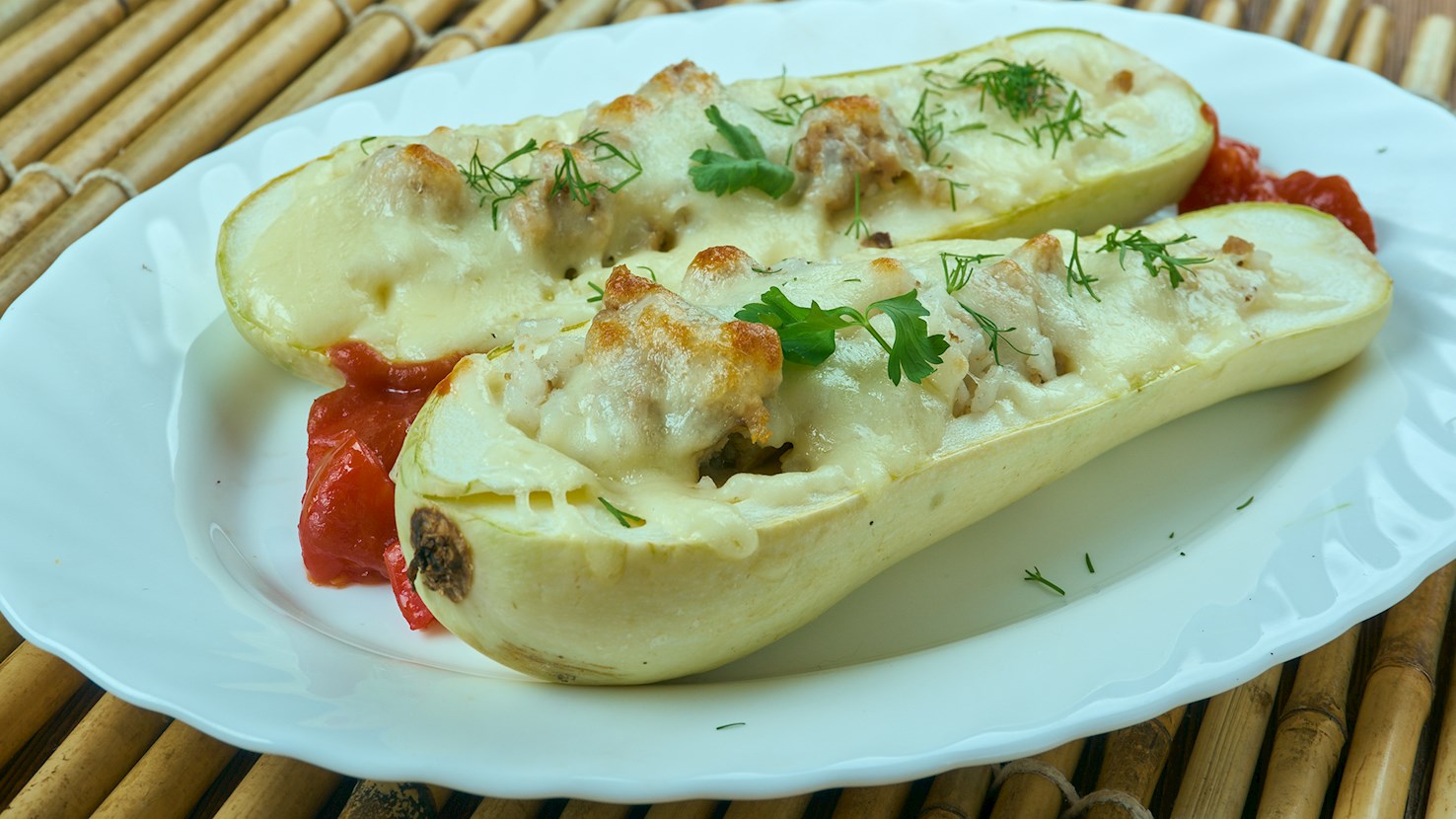
Dovlecei umpluţi is a Romanian dish consisting of green zucchinis that are traditionally filled with pork, rice, tomatoes, and onions. Other stuffings such as cabbage, rice, or mushrooms can also be used. The stuffed zucchinis are usually boiled in tomato juice and seasoned with bay leaves, salt, and pepper, but they can also be baked in the oven. Dovlecei umpluţi are typically accompanied by sour cream or yogurt.

Read more
View all
View map
About this ranking

TasteAtlas food rankings are based on the ratings of the TasteAtlas audience, with a series of mechanisms that recognize real users and that ignore bot, nationalist or local patriotic ratings, and give additional value to the ratings of users that the system recognizes as knowledgeable. For the “Top 10 Romanian Meat Dishes” list until April 19, 2026, 1,877 ratings were recorded, of which 946 were recognized by the system as legitimate. TasteAtlas Rankings should not be seen as the final global conclusion about food. Their purpose is to promote excellent local foods, instill pride in traditional dishes, and arouse curiosity about dishes you haven’t tried.

Similar lists